 FCI 223 - Sheepdogs.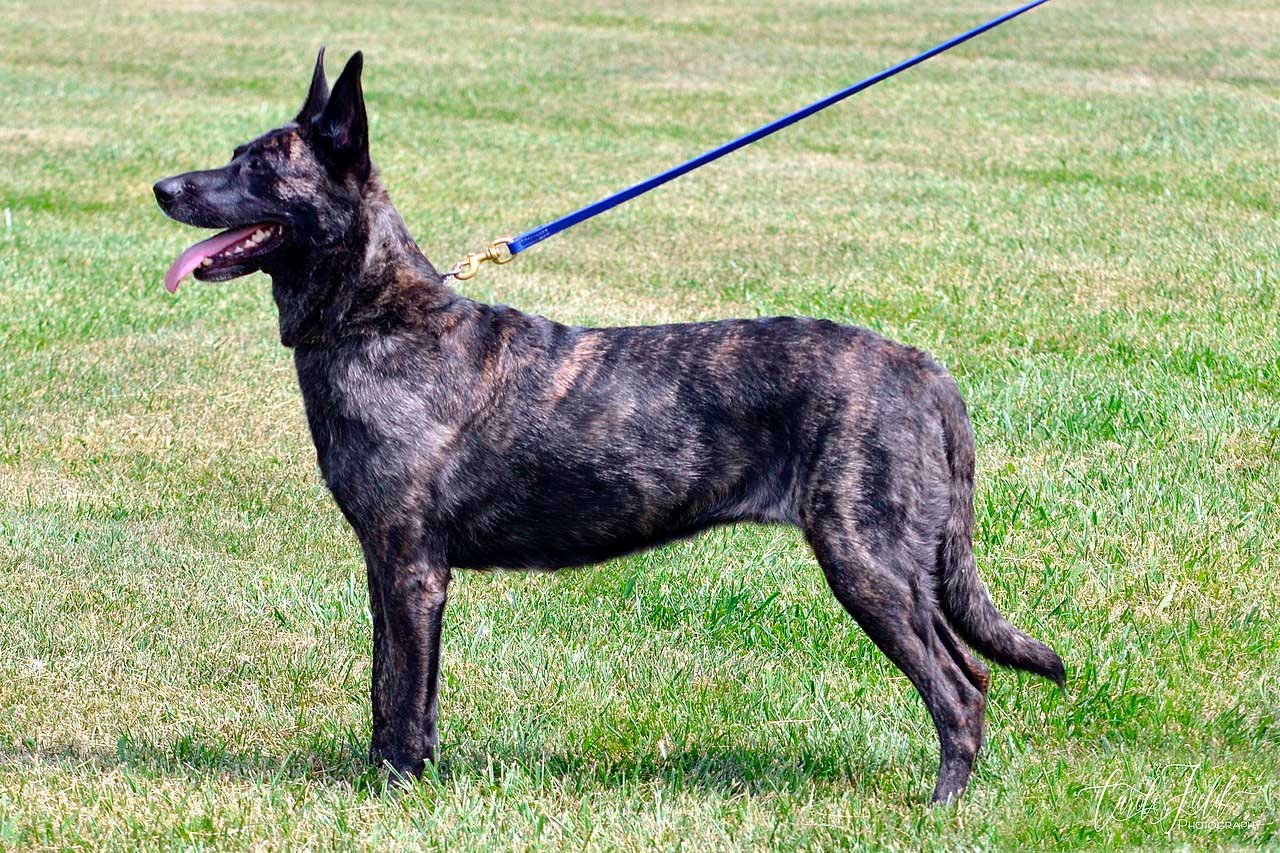
Content |
|---|
History
The Dutch shepherd descends directly from the belgian shepherds, who looks a lot like (including subdivision into three hair varieties).
Originally the main function of the Dutch shepherd It was typical of a country shepherd dog. From the earliest times the Dutch had an agricultural culture, among others, made up of flocks of sheep. The dogs had to keep the flock away from the sowing, which they did patrolling the borders of the road and the fields. They also accompanied the transfer of the herd to the common meadows, markets and ports. In the farm, they kept the chickens out of the kitchen yard, cows were herded for milking and the milk cart was pulled. They also alerted farmers if anyone entered. About 1900, the herds had almost disappeared in the Netherlands. The Dutch Shepherd's versatility made him suitable for training, which at that time was beginning to become popular. Thus began a new career as a police dog., search and rescue and as a guide dog for the blind. In any case, he is still capable of herding herds.. The first breed standard dates from 12 in June of 1898.
Physical characteristics
It is a dog of medium size and weight, quite muscular, Powerfully built and well proportioned. His expression is intelligent and temperament, live. The eyes are dark in color, medium-sized, macaroons, somewhat oblique and never round. The ears, smaller than big, they are straight and facing the front, and inserted high. The tail, that at rest hangs straight or forms a slight curve, reaches the tip of the hock. When it is active, the dog is elegantly elevated, never coiled; never falls on the sides.
- Fur: the short-haired variety has a well attached coat; the long-haired one has straight hair, and the variety of hard hair has it thick and hard; on the head it forms prominent eyebrows, mustaches and beard. Depending on the cloak, in the breed there are three varieties: shorthair, long and hard.
- Color: striated but the least intensely, on brown background (golden fluted) or gray (fluted gray). The stripes are less evident in hard-haired specimens. Black mask is preferable.
- Size: males, of 57 to 62 cm.; females, of 55 to 60 cm..
Character and skills
Affectionate, obedient, docile, vigilant, trustworthy, undemanding and very resistant. Always watch out, active and endowed with the true nature of a shepherd dog. It is a little less reactive and less nervous than Belgian Shepherd, the one who looks like, However, even in character.
The Dutch Shepherd works willingly with his master and is able to cope with any task assigned to him.
Herding larger herds must have the ability to work in conjunction with various other dogs..
Characteristics "Dutch Shepherd"
Coexistence is important that you have with your new friend. Before considering the acquisition of a dog of the breed "Dutch Shepherd" you know certain factors. Not all breeds of dogs are apt to live in an apartment, you must take into account his character, their need for exercise, their interaction with other pets, their care and if you have small children, their level of tolerance towards them.
Adaptation ⓘ4,0 of 5 stars (based on 1 review)
|
friendly dog ⓘ3,0 of 5 stars (based on 1 review)
|
hair loss ⓘ3,0 of 5 stars (based on 1 review)
|
|---|---|---|
Affection level ⓘ4,0 of 5 stars (based on 1 review)
|
Need for exercise ⓘ5,0 of 5 stars (based on 1 review)
|
Social need ⓘ3,0 of 5 stars (based on 1 review)
|
Home ⓘ3,0 of 5 stars (based on 1 review)
|
Toilet ⓘ3,0 of 5 stars (based on 1 review)
|
Friendly with strangers ⓘ4,0 of 5 stars (based on 1 review)
|
barking ⓘ2,0 of 5 stars (based on 1 review)
|
Health ⓘ4,0 of 5 stars (based on 1 review)
|
Territorial ⓘ5,0 of 5 stars (based on 1 review)
|
Cat friendly ⓘ3,0 of 5 stars (based on 1 review)
|
Intelligence ⓘ5,0 of 5 stars (based on 1 review)
|
Versatility ⓘ4,0 of 5 stars (based on 1 review)
|
Child friendly ⓘ4,0 of 5 stars (based on 1 review)
|
Surveillance ⓘ4,0 of 5 stars (based on 1 review)
|
joy ⓘ4,0 of 5 stars (based on 1 review)
|
Images "Dutch Shepherd"
 Shepherd-dutch 6
 Shepherd-dutch 5
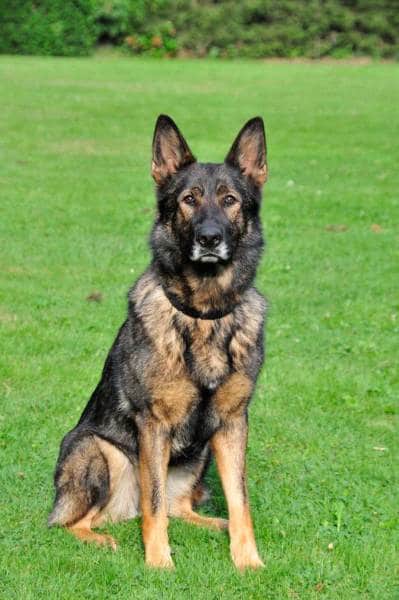 Shepherd-dutch 4
 Shepherd-dutch 3
 Shepherd-dutch 2
 Shepherd-dutch 1
Videos "Dutch Shepherd"
 Dutch Shepherd from the Hatchery
 Dutch Shepherd Alertness and resistance, The best Breed of Police Dog
 Dutch Shepherd Dog Breed – Amazing Facts
 ALL ABOUT LIVING WITH WIRE HAIRED DUTCH SHEPHERDS
Type and recognitions:
- FCI CLASSIFICATION: 223
- Group 1: Sheepdogs and Cattle Dogs (except Swiss Cattle Dogs)
- Section 1: Sheepdogs. With working trial.
Federations:
- – FCI – Group 1 Herding dogs, Section 1 Sheepdogs ⓘ
- – AKC – PASTORAGE ⓘ
- – ANKC – Group 5 (working dogs) ⓘ
- – KC – Pastoral ⓘ
- – NZKC – Working dog ⓘ
- – UKC – Herding dogs ⓘ
FCI breed standard Dutch Shepherd
 FCI - Dutch Shepherd FCI - Dutch Shepherd |
 |
Alternative names:
1. Dutch Herder, Hollandse Herder (English).
2. Berger hollandais (French).
3. Holländischer Schäferhund (German).
4. Pastor holandês (Portuguese).
5. Perro de pastor holandés (español).
Photos:
1 – Short-haired Dutch Shepherd stacked by CaroleField / CC BY-SA
2 – Silverbrindle and goldbrindle are the approved colors of the breed by Lissunmusta / CC BY-SA
3 – Short-haired brindle male Dutch Shepherd named Black, 2 years old, owned by Jason Paluck by Wikipedia
4 – Adult brindle Dutch shepherd by https://www.pikrepo.com/fyvdb/adult-brindle-dutch-shepherd
5 – dutch shepherd by https://www.peakpx.com/504961/dutch-shepherd
6 – Dutch shepherd by https://pxhere.com/en/photo/1387398
7 – Neros van Guard is a Dutch Shepherd imported from Canada to the USA by Ulyseemuff / CC BY-SA

