โ–ท The world of Pets: Dogs, cats, birds, reptiles, amphibians

Czechoslovakian Wolfdog
Eslovaquia FCI 332 . Sheepdogs

Czechoslovakian Wolf Dog

Not a dog fit for everyone.

Content

History

The Czechoslovakian Wolfdog It has its origin in the crossing experiments between the "Carpathian Wolf" and the German Shepherd carried out in the former Czechoslovak Socialist Republic from 1955 under the supervision of the SR. Karel Hartl, a renowned Czech cynologist and breeder. The scientific objective of these experiments was to determine the characteristics of these hybrids. (physical appearance, behavior, utility, fertility…), while the military tried to create a breed with the strength of the wolf and the docility of the dog, that could be used as an attack dog.

The first births took place in 1958 at the border guard kennel in Libejovice, in the south of the country. Brita the wolf and the German Shepherd Cezar z Brezoveho Haje gave birth to 5 Puppies: Brent, Berta, Bono, Betty y Bessy.

Betty was selected to continue the line at the Libejovice kennel, while his sister Berta was sent to the Samorin kennel (now Malacky) with the same goal. Their pups were used as patrol dogs by border guards, confirming that these hybrids were healthy, functional and fertile.

After this initial success, the Brita Wolf was able to mate again with a new male German Shepherd named Kurt z Vaclavky. Like this, in 1960, Defender, Bigan, Trophy, Bill and Bima were born in the Libejovice kennel. The male Bikar was chosen to be sent to the Pohranicni kennel in Slovakia to continue this second lineage.

The experiment stopped at 1965, not without some success: hybrids were able to reproduce, socialize with humans and be trained for different tasks. At the end of the experiment, 16 of these dogs remained in the care of the army, While 18 were given to civil breeders.

Then new lines were created, as..:

– Astra (female german shepherd dog) and Argo (Carpathian wolf male) in 1968;
– Lejdy (female Carpathian wolf) y Boyar from Schotterhof (male german shepherd) in 1972;
– Urta with the Guardian Guard (third generation hybrid female) and Sarik (male Carpathian wolf) in 1974;
– Xela with the Guardian Guard (third generation female hybrid) and Sarik (Carpathian wolf male) in 1983.

Name "Czechoslovakian WolfdogยปIt seems to have become common to designate these hybrids already in the decade of 1960, but it wasn't until 1982 that the efforts of Mr.. Karel Hartl were finally officially rewarded when this new breed was recognized by the Czechoslovakian Dog Breeders Committee, the canine organization of reference in the country.

It developed quite quickly and to 1991 not less than 1552 Czechoslovakian wolfhounds were entered in the national register of pedigree dogs.

In 1999, the Czechoslovakian Wolfdog was recognized by the Fรฉdรฉration Cynologique Internationale (FCI).

In the news, are mainly found in Central Europe, but its popularity is growing rapidly in various Western European countries such as Italy, Germany, Spain and France. In France, for example, little more than 3.000 representatives of the breed have registered with the LOF (Book of French Origins) between 2010 and 2016, and the trend is increasing. His growing renown leads him to the gates of 10 Most popular dog breeds in France.

On the other hand, the Czechoslovak Wolf dog has not actually crossed the English Channel: it is only one of the breeds recognized by the Kennel Club, the British organization of reference, and the FCI only has one approved kennel in the whole country.

In United States, the AKC (American Kennel Club) partially recognizes it from 2001: their representatives can participate in competitions organized under the aegis of the organization, but they cannot register in the breed dog registry. On the other hand, the UKC (United Kennel Club) fully recognizes it, and has been doing it since 2006. It also, in 2011 an official breed club was established (el Czechoslovakian Vlcak Club of America). There are currently some 200 specimens in american territory.

Physical characteristics

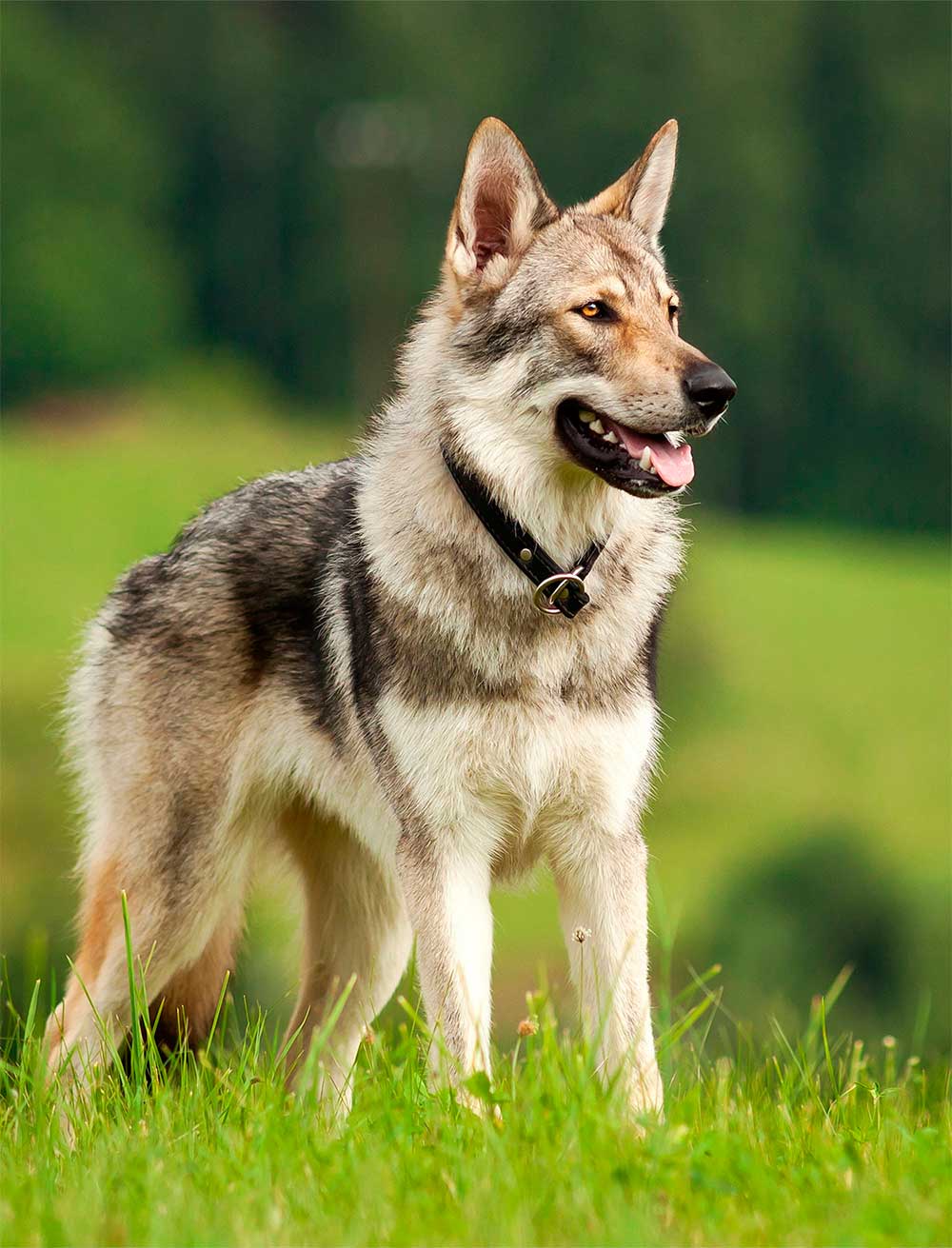
It is a dog of strong constitution, medium-sized and rectangular in structure. It is similar to the wolf in constitution, movement, colors, cloak and mask. The head, symmetrical and well muscled, is shaped like a truncated wedge. the eyes are small, macaroons, amber, with well-attached eyelids.
Ears are erect, thin, triangular and short. The tail is implanted high, but it hangs straight. When the dog is excited, lifts it up in a sickle.

Fur: The coat is straight and adherent. In winter it has a very dense undercoat.
Color: From yellowish gray to silver gray, with characteristic white mask.
Size: Males measure at least 65 cm.. the females, minimal 60 cm..

Character and skills

The Czechoslovakian Wolfdog he is very devoted to his family, including children. But, their rather dominant nature can be problematic for young people. In any case, it is important to socialize him from an early age and never leave a young child alone with a dog, regardless of race.

He is also sociable with his companions and other pets who live under the same roof., since he is used to their presence relatively early. On the other hand, woe to the cats, small dogs and other rodents that are unfamiliar to you and would have the bad idea to venture into your territory, or that they will meet during a walk: his hunting instincts were then all chances to regain the advantage.

It also, he is as affectionate with his entourage as he mistrusts strangers: there is also necessary an education and socialization of the puppy started from an early age to avoid any later problem.

Having a highly developed sense of hierarchy, He must face as soon as possible with his "herd leader", who should show their dog his place in the family hierarchy . The Czechoslovakian Wolfdog he is a dog that cannot stand loneliness, greatly preferring to live in the company of their pack, that is, his family. You are very likely to be unhappy if you have to be alone for long periods of time and are at risk of running away to join your family, or to feel excluded from the "pack" and lose confidence in his master.

It also, the Czechoslovakian Wolfdog it is a very durable and active breed of dog, able to accompany his master even over very long distances that can exceed even those of a marathon, and whatever the weather conditions. In fact, being able to exercise daily is necessary for your physical and psychological well-being, and allows to avoid the risk of damage caused by the dog . It is an ideal companion for a sports lover who would like to, for example, jogging with your dog , go hiking with your dog or even ride a bike with your dog.. On the other hand, even more than for any other race, your handler should make sure to always be out front and thus show your dog who is the โ€œleader of the packโ€ .

On the other hand, a person who prefers to spend his free time in front of a screen or immersed in a book is exposed to some difficulties if he thinks about adopting a Czechoslovakian Wolfdog

It also, by needing space, the latter is not a recommended breed of dog in apartments : it is much better to have a house with a garden. It is not uncommon to see him playing and sleeping there whatever the weather: it's not very hard, and is able to perfectly withstand bad weather. On the other hand, it is recommended that said garden be perfectly fenced, to avoid the risk of the dog escaping and wandering on public roads.

The Czechoslovakian Wolfdog very little, if he barks. But when it does, it is impossible not to notice: similar to his ancestors the wolves , its howl is loud and can be heard over long distances. Daily, when you need to express yourself, opt for other means, like moans and grunts .

Like this, this loyal and active dog will make a firm human companion happiness, sporty and available, but it is not recommended for people who have never had dogs before or who are often absent. In fact, the majority of failed adoptions are due to the fact that the human has not known how to impose himself as "leader of the pack" and / or has not been sufficiently available and active for his partner.

Last, It should be remembered that this recent breed of dog is still under construction, so excessively fearful or aggressive subjects may appear.

Price "Czechoslovak Wolf Dog"

The price of a puppy Czechoslovakian Wolfdog is of some 1250 to 1500 EUR.

creators of "Czechoslovakian Wolfdog"
Register kennel

Czechoslovak Wolf dog

Offer your puppies for free. Sign up here.

  • This field is a validation field and should be left unchanged.

Characteristics "Czechoslovakian Wolfdog"

Coexistence is important that you have with your new friend. Before considering the acquisition of a dog of the breed "Czechoslovakian Wolfdog" you know certain factors. Not all breeds of dogs are apt to live in an apartment, you must take into account his character, their need for exercise, their interaction with other pets, their care and if you have small children, their level of tolerance towards them.

Adaptation โ“˜

4,0 of 5 stars (based on 1 review)

friendly dog โ€‹โ€‹โ“˜

2,0 of 5 stars (based on 1 review)

hair loss โ“˜

3,0 of 5 stars (based on 1 review)

Affection level โ“˜

4,0 of 5 stars (based on 1 review)

Need for exercise โ“˜

5,0 of 5 stars (based on 1 review)

Social need โ“˜

4,0 of 5 stars (based on 1 review)

Home โ“˜

2,0 of 5 stars (based on 1 review)

Toilet โ“˜

2,0 of 5 stars (based on 1 review)

Friendly with strangers โ“˜

2,0 of 5 stars (based on 1 review)

barking โ“˜

3,0 of 5 stars (based on 1 review)

Health โ“˜

3,0 of 5 stars (based on 1 review)

Territorial โ“˜

5,0 of 5 stars (based on 1 review)

Cat friendly โ“˜

2,0 of 5 stars (based on 1 review)

Intelligence โ“˜

4,0 of 5 stars (based on 1 review)

Versatility โ“˜

3,0 of 5 stars (based on 1 review)

Child friendly โ“˜

4,0 of 5 stars (based on 1 review)

Surveillance โ“˜

5,0 of 5 stars (based on 1 review)

joy โ“˜

3,0 of 5 stars (based on 1 review)

Type and recognitions:

  • FCI CLASSIFICATION:
  • Group :
  • Section : . .

Federations:

  • FCI โ“˜,
  • AKC โ“˜,
  • ANKC โ“˜,
  • UKC โ“˜

  • FCI breed standard Czechoslovakian Wolfdog

    FCIFCI - Czechoslovakian Wolfdog
    Dog

    Alternative names:

    1. Czechoslovak Vlcak (English).
    2. ฤŒeskoslovenskรฝ vlฤiak (French).
    3. tschechisch ฤeskoslovenskรฝ vlฤรกk, slowakisch ฤeskoslovenskรฝ vlฤiak (German).
    4. ฤŒeskoslovenskรฝ vlฤรกk (Portuguese).
    5. ฤŒeskoslovenskรฝ vlฤรกk, PLC (espaรฑol).

    Photo:
    Czechoslovakian Wolfdog by UsernameNotInUse / CC BY-SA

    โ–ท The world of Pets: Dogs, cats, birds, reptiles, amphibians

    Croatian Sheepdog
    Croacia FCI 277 . Sheepdogs

    Croatian Sheepdog

    With a great instinct for working with the herd.

    Content

    History

    The Croatian Sheepdog It was described for the first time in 1374 by the Croatian bishop Peter Bichof. According to some sources, the breed was created in the eastern part of Slavonia, the vast agricultural plain of Croatia, to act as a guard and herding dog. Peter Bichof stated that the Croatian Sheepdog It was imported from the East by the Croats around the 7th century.

    It was the vet Stjepan Romic, considered the father of the race, who initiated the systematic breeding of the Croatian Sheepdog in 1935 en Djakovo (Croatia). His role was all the more important since he had previously carried out various investigations on the dog and had managed to unearth writings dating from various periods of the 18th century.. These documents describe the Croatian Sheepdog as it is known today.

    The breed was officially presented at 1949 in Zagreb (Croatia), and the first standard of the Croatian Sheepdog was written by Otto Rohr in 1951. He was recognized by the International Cynological Federation (FCI) in 1967, later for him United Kennel Kingdom (UKC) in 2006 and, finally, by the American Kennel Club (AKC) and Central Canine Society (SCC).

    Despite this recognition by the main canine organizations in the world, the Croatian Sheepdog has not really spread internationally: it is hardly seen outside of its home country and remains unknown to the general public. These may include, the Central Canine Society (Kennel Club inglรฉs) just signed up 38 Croatian shepherds at the LOF (French Origin Book) between 2010 and 2016, an average of just 5 dogs a year.

    Physical characteristics

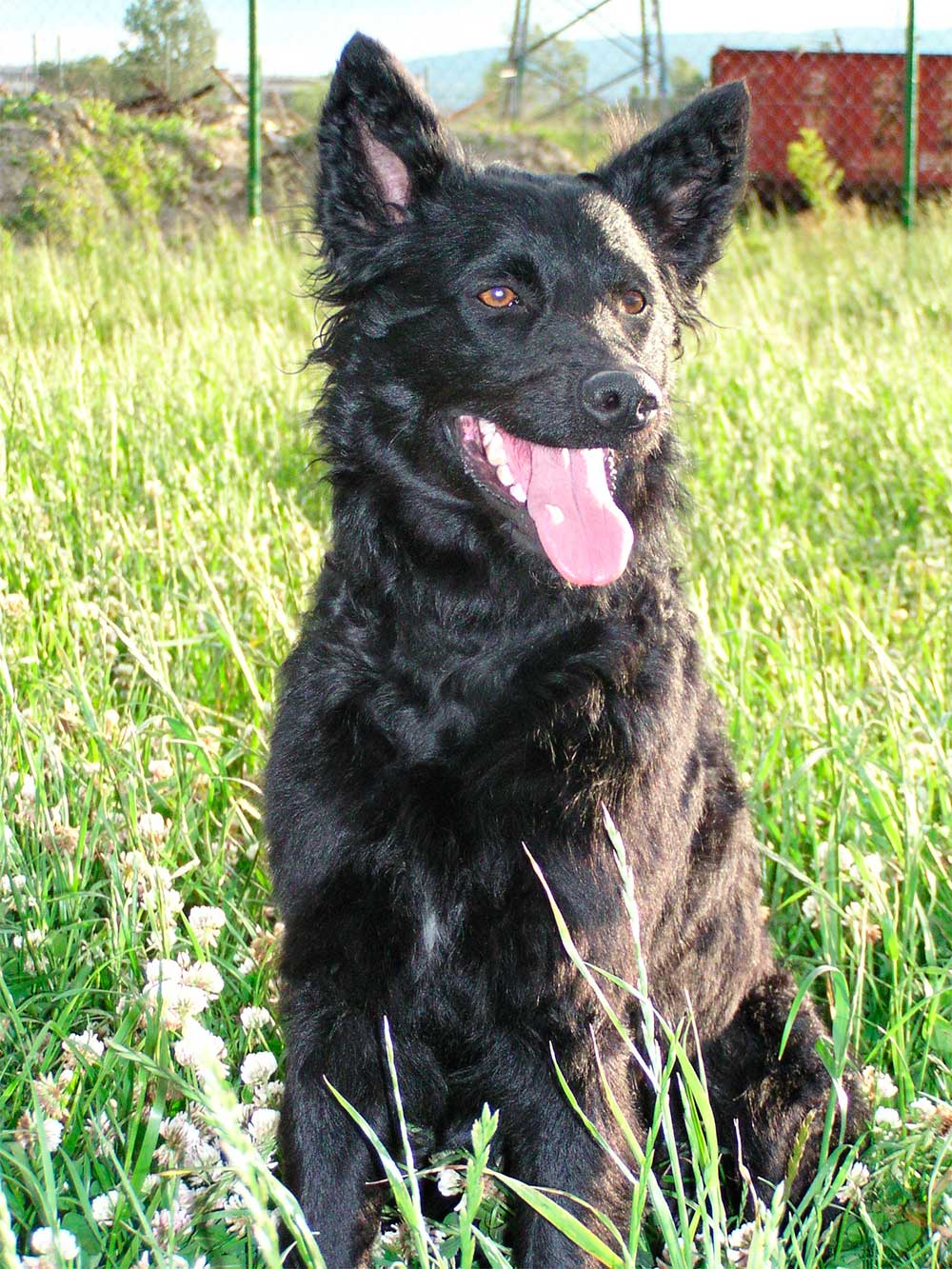
    The Croatian Sheepdog is a dog at the lower limit of medium size. Short hair on the head and limbs is the characteristic sign of the breed.. The head is quite light with a cone shape. The stop is poorly marked. The eyes are medium in size, macaroons, with a lively expression; the color goes from brown to black. The ears are triangular, raised or semi-raised, medium length and set slightly to the side. Straight ears are referable and cutting is not allowed. The tail is implanted a little high, with long thick hair. It is cut so that it does not have a length greater than 4 cm in adult error.

    • Fur: hair length is 7 to 14 cm on the spine. The face is always covered with short hairs. The ears have short hair on the outer face and long on the inner. The hair is relatively soft, wavy and even curly. The undercoat must be dense.
    • Color: predominantly black although some white spots on the throat or chest are admitted.
    • Size: of 40 to 50 cm..

    Character and skills

    The Croatian Sheepdog is lively and alert, without being nervous. They are also smart, brave and loyal.

    Very obedient, they are also exclusive: they only have one master, to which they remain very attached and whose attention they demand. In fact, it is necessary for its balance.

    Sheepdogs par excellence, has an innate sense of herding and is a very hardy dog. Some ranchers claim that you can knock down all the cattle just by saying their name, no need for further instructions. His approach to the herd is a bit tighter and harsher than that of other sheepdogs, but still very effective. It can bite the animals in its charge, but does not cause injury. This aggressive tendency can be easily worked on during training. It also has the defect of barking easily, especially if his master is absent, hence the importance of training him from a young age.

    The dog lives very well with children. Energetic and playful, the Croatian shepherd gets along wonderfully with them and lavishes affection on them. His extraordinary attachment predisposes him to protect them, even to overprotect them. Not just anyone can get close to them. On the other hand, being a dominant dog by nature, can generally only live with other animals (dogs, cats, etc.) if he is used to their company from a young age.

    Last, are among the dogs adapted to life in a flat, whenever they carry out intense daily activity. In fact, like all sheepdogs, the Croatian shepherd needs to learn and be stimulated mentally and physically. They have been bred to work with humans and, Therefore, have developed the ability to interact with them, making them a learning breed. If they lack activity, can become noisy and even destructive.

    Education

    The intelligence of Croatian Sheepdog, its desire to please its owner and its predisposition to work make it an easy breed to train. This workout should be both gentle and firm.

    Health

    The Croatian Sheepdog has robust health and is very resistant to disease, especially if you spend the nights in the shelter of aboxofdog.In fact, most of his health problems are due to injuries related towork.

    But, may be subject to certain canine diseases that more generally affectactive and energetic dogs:

    • Theknee patella luxation: the joint swells and becomes painful, with early appearance of acanine arthritis.Treatment can range from the occasional use of pain relievers to knee surgery. It is a common disorder inshepherds dogs, they are very active.
    • Thetorsion of the stomach: all dogs can be affected by this disease, but croatian shepherds, they areBig Dogsand they exercise a lot, they are particularly vulnerable.
    • Last, females may have difficulty giving birth. If so, this implies endangering not only the dog, but also to unborn puppies, it is usually necessary to perform a cesarean section under general anesthesia., an owner who wantsraise your bitchYou should think carefully before consulting themating offers.This is a decision that should not be taken lightly., for both financial and safety reasons.

    Life expectancy

    12 to 14 years

    Grooming

    All owners of a Croatian Sheepdog they should brush their dogs regularly to remove dead hair and detangle pups. During the moulting season (Spring and autumn), this brushing should be done even once a day.

    If your dog has gotten too dirty due to the weather and / or his activity, it is necessary to give him a bath. But, this should not be done at regular intervals, since the bath irritates the skin of the animal and removes the oil layer that protects its fur. So, the rule is to avoid bathing the dog, except when really necessary.

    It may also be necessary to trim the dog's nails. But, if your pet does his daily exercise, this should not be the case, because dirt or harder surfaces will naturally erode them.

    It also, do not forget to deworm and vaccinate your dog regularly. How your dog is often outdoors for long periods of time, and is in frequent contact with other dogs and animals, are more likely to come into contact with many bacteria and viruses.

    Price

    The price of a puppy Croatian Sheepdog is usually between 800 and 1000 EUR.

    Characteristics "Croatian Sheepdog"

    Coexistence is important that you have with your new friend. Before considering the acquisition of a dog of the breed "Croatian Sheepdog" you know certain factors. Not all breeds of dogs are apt to live in an apartment, you must take into account his character, their need for exercise, their interaction with other pets, their care and if you have small children, their level of tolerance towards them.

    Adaptation โ“˜

    4,0 of 5 stars (based on 1 review)

    friendly dog โ€‹โ€‹โ“˜

    4,0 of 5 stars (based on 1 review)

    hair loss โ“˜

    3,0 of 5 stars (based on 1 review)

    Affection level โ“˜

    4,0 of 5 stars (based on 1 review)

    Need for exercise โ“˜

    2,0 of 5 stars (based on 1 review)

    Social need โ“˜

    3,0 of 5 stars (based on 1 review)

    Home โ“˜

    3,0 of 5 stars (based on 1 review)

    Toilet โ“˜

    1,0 of 5 stars (based on 1 review)

    Friendly with strangers โ“˜

    4,0 of 5 stars (based on 1 review)

    barking โ“˜

    4,0 of 5 stars (based on 1 review)

    Health โ“˜

    3,0 of 5 stars (based on 1 review)

    Territorial โ“˜

    5,0 of 5 stars (based on 1 review)

    Cat friendly โ“˜

    3,0 of 5 stars (based on 1 review)

    Intelligence โ“˜

    4,0 of 5 stars (based on 1 review)

    Versatility โ“˜

    4,0 of 5 stars (based on 1 review)

    Child friendly โ“˜

    4,0 of 5 stars (based on 1 review)

    Surveillance โ“˜

    4,0 of 5 stars (based on 1 review)

    joy โ“˜

    4,0 of 5 stars (based on 1 review)

    Type and recognitions:

    • FCI CLASSIFICATION:
    • Group :
    • Section : . .

    Federations:

    • FCI โ“˜
    • UKC โ“˜
    • AKC โ“˜

    FCI breed standard Croatian Sheepdog

    FCIFCI - Croatian Sheepdog
    Pastor

    Alternative names:

    1. Hrvatski ovฤar, Kroatischer Schรคferhund (English).
    2. Berger de Croatie (French).
    3. Kroatischer Schรคferhund (German).
    4. Hrvatski Ovฤar (Portuguese).
    5. Perro de pastor croata (espaรฑol).

    Photo:

    croatian sheepdog Mawlch Gera by Michala Mraฤkovรก / Public domain

    โ–ท The world of Pets: Dogs, cats, birds, reptiles, amphibians

    Catalan Sheepdog
    Espaรฑa FCI 87 . Sheepdogs

    The Catalan Sheepdog He is friendly and has a strong protective instinct especially with children.

    Pastor Catalรกn

    Content

    Characteristics "Catalan Sheepdog"

    Coexistence is important that you have with your new friend. Before considering the acquisition of a dog of the breed "Catalan Sheepdog" you know certain factors. Not all breeds of dogs are apt to live in an apartment, you must take into account his character, their need for exercise, their interaction with other pets, their care and if you have small children, their level of tolerance towards them.

    Adaptation โ“˜

    4,0 of 5 stars (based on 1 review)

    friendly dog โ€‹โ€‹โ“˜

    4,0 of 5 stars (based on 1 review)

    hair loss โ“˜

    3,0 of 5 stars (based on 1 review)

    Affection level โ“˜

    4,0 of 5 stars (based on 1 review)

    Need for exercise โ“˜

    5,0 of 5 stars (based on 1 review)

    Social need โ“˜

    4,0 of 5 stars (based on 1 review)

    Home โ“˜

    3,0 of 5 stars (based on 1 review)

    Toilet โ“˜

    3,0 of 5 stars (based on 1 review)

    Friendly with strangers โ“˜

    2,0 of 5 stars (based on 1 review)

    barking โ“˜

    3,0 of 5 stars (based on 1 review)

    Health โ“˜

    5,0 of 5 stars (based on 1 review)

    Territorial โ“˜

    4,0 of 5 stars (based on 1 review)

    Cat friendly โ“˜

    3,0 of 5 stars (based on 1 review)

    Intelligence โ“˜

    4,0 of 5 stars (based on 1 review)

    Versatility โ“˜

    4,0 of 5 stars (based on 1 review)

    Child friendly โ“˜

    5,0 of 5 stars (based on 1 review)

    Surveillance โ“˜

    4,0 of 5 stars (based on 1 review)

    joy โ“˜

    3,0 of 5 stars (based on 1 review)

    Catalan Sheepdog History

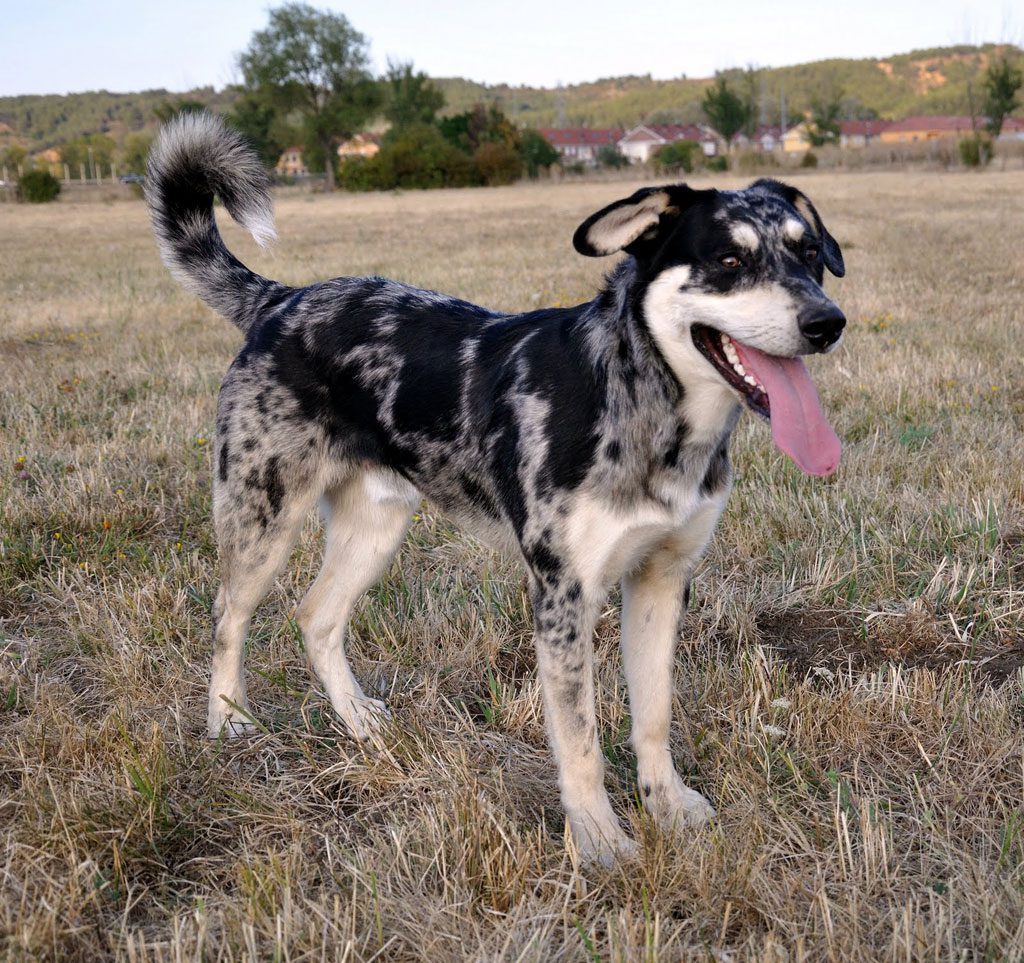
    The Catalan Sheepdog (Sheepdog) It is a breed of dog of Catalonia, Spain. It was used above all to watch the herds during the day in the Pyrenees area and in the area occupied by the transhumance related to this area.

    Although little is known about the origins of the Catalan Shepherd, today it has become one of the sheepdog breeds, Iberian, more extended. For a long time he has lived geographically isolated and descends โ€“ probably- dogs shepherds who kept kinship with primitive Oriental races.

    Close relatives include the Pyrenean Shepherd and the Bergamasco Shepherd.

    Likewise, There are documentary sources to ensure that, at sites such as the Minferri dogs of measurement remains have been found with very similar in structure to the Catalan Shepherd, the find could be located in the 2000 to. C.

    Anyway that there are only drawings of 200 years ago that testify the existence of the Catalan Shepherd. I.e., their origin It is still an issue controversial.

    In 1919, Catalan Sheepdog, He was recognized by the Federation Cynologique Internationale as Spanish breed of dog.

    In 1929 wrote the first standard from two dogs, TAC and Iris, two copies a canine contest winners. However, all this could not stop the debacle of the race.

    With the advent of tourism in the Pyrenees which is where were more specimens of the breed, also arrived foreign dog breeds, and the Catalan Shepherd Dog became a type of small dog, underestimated front foreign dogs already wearing so many decades by selecting them and improving them, so it was abandoned and mixing with other races.

    During the Decade of 1970, an organization called Laketร nia took two dogs that remained with a very pure appearance, one from Solsona and the other from Berguedร  and selectively bred them to recover the breed. All current breeding dogs carry genes from these two specimens.

    In 1982 created the Catalan Atura Dog Club, This led to begin airing various breeders and 1982 be drafted a new standard that is the still existing today.

    Currently, the dog has been able to spread a lot when it was verified that it not only serves to take care of herds but also as a companion animal and more than 4.000 registered copies.

    Physical characteristics

    Its height the cross is of 47 to 55 cm in males and 45 to 53 cm in females.

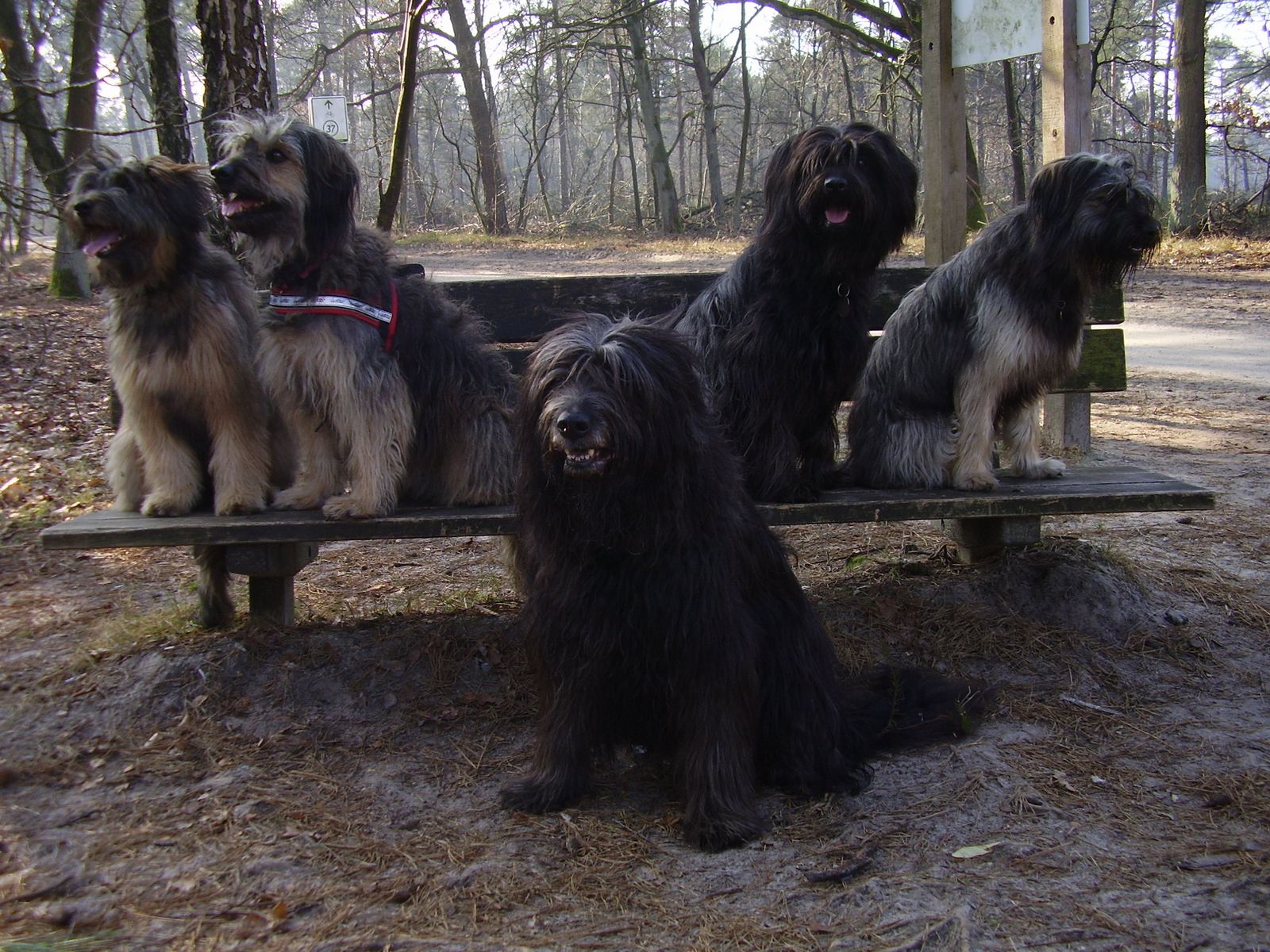
    The hair is long, very little wavy or stretched. Usually rough, in some cases smooth. The subpelo is abundant, especially in the later third.

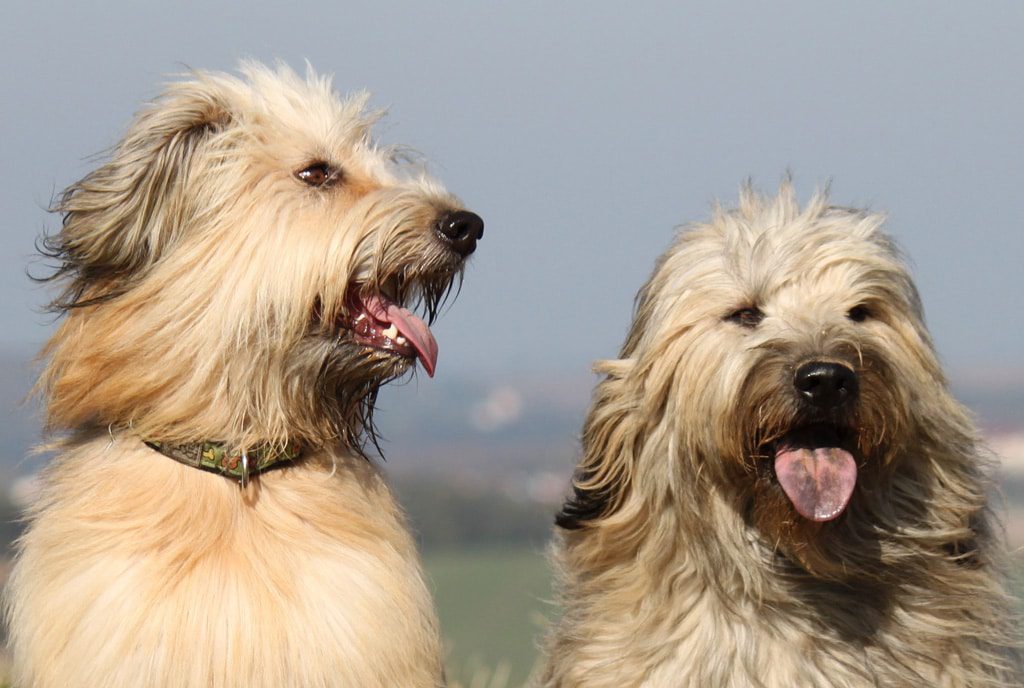
    In the head has beard, moustache, quiff and sobrecejas that allow to see the eyes. The tail is well provided with hair, just as the limbs. When they shed their hair, a typical phenomenon occurs, as it does in two times.

    during the first, change the hair in the front half of the dog, and gives the impression that it is two media with different hair dogs. In the second half, changing the rear half and returns to match.

    Regard to the color, They seem far to monochrome, and they can present lighter shades to extremities. Seen closely observes that the color is given by the mixture of hairs of different tones: neula, terrizo more or less reddish, grey, black and white.

    The basic colors that result from the mixture are:

    • Neula: In his clear tones, medium to dark.
    • Tierra: With hair color land, neula, black and white. With three clear tones, medium to dark.
    • Gris: Consisting of white hairs, Gray and black, with colors that can go the tetravalent to the gris-negro. If master black and only combines with white hairs, It gives a black appearance of frost.

    There are also copies with a mixture of black hairs, neula and reddish Earth that can dominate in some parts, giving the sensation of exemplary black and Tan.

    Character and skills Catalan Sheepdog

    Pastor Catalรกn, indispensable assistant for the current Catalan shepherds, is a typical shepherd dog fell, rustic, frugal, obedient, resistant, barking, vigorous and reserved with strangers.

    It is perfectly adapted different situations ranging from the comfort of a home, to the extreme climatic conditions of the high mountain, and this makes it an excellent conductor of flocks or a perfect Playmate.

    In Catalonia, It is still used as a sheepdog and thanks to its great intelligence not just limited to following the shepherd, but occasionally it replaces his master and is responsible for the solo lead and guarding the flock.

    In other countries, it is known more than anything as a companion and exhibition dog, always with a dial protective character in special with children.

    It is a dog very versatile and nice, She loves to play but you know when it is necessary to be quiet.

    Some specialists often describe it as a sullen and few friends but in reality is that attitude taken with strangers, at the slightest sign of trust he will show his affection.

    Catalan Shepherd is very easy of educate and train.

    Images of the Catalan Sheepdog

    Catalan Sheepdog videos

    Type and recognitions:

    • FCI CLASSIFICATION:
    • Group :
    • Section : . .

    Federations:

    • FCI – Group 1 Herding dogs, Section 1 Sheepdogs โ“˜
    • โ€‹KC – Grazing โ“˜
    • UKCHerding โ“˜

    FCI breed standard Catalan Sheepdog

    FCIFCI - Catalan Sheepdog
    Pastor

    Alternative names:

    1. Catalan shepherd (English).
    2. Berger catalan (French).
    3. (Katalanisch Gos d’Atura Catalร ; Spanisch Perro de Pastor Catalรกn) (German).
    4. (em catalรฃo: gos d’atura catalร ) (Portuguese).
    5. Gos d’Atura Catalร , Perro de pastor catalรกn (espaรฑol).

    โ–ท The world of Pets: Dogs, cats, birds, reptiles, amphibians

    Corgi
    Gran Bretaรฑaa Gales- FCI 39 . Sheepdogs

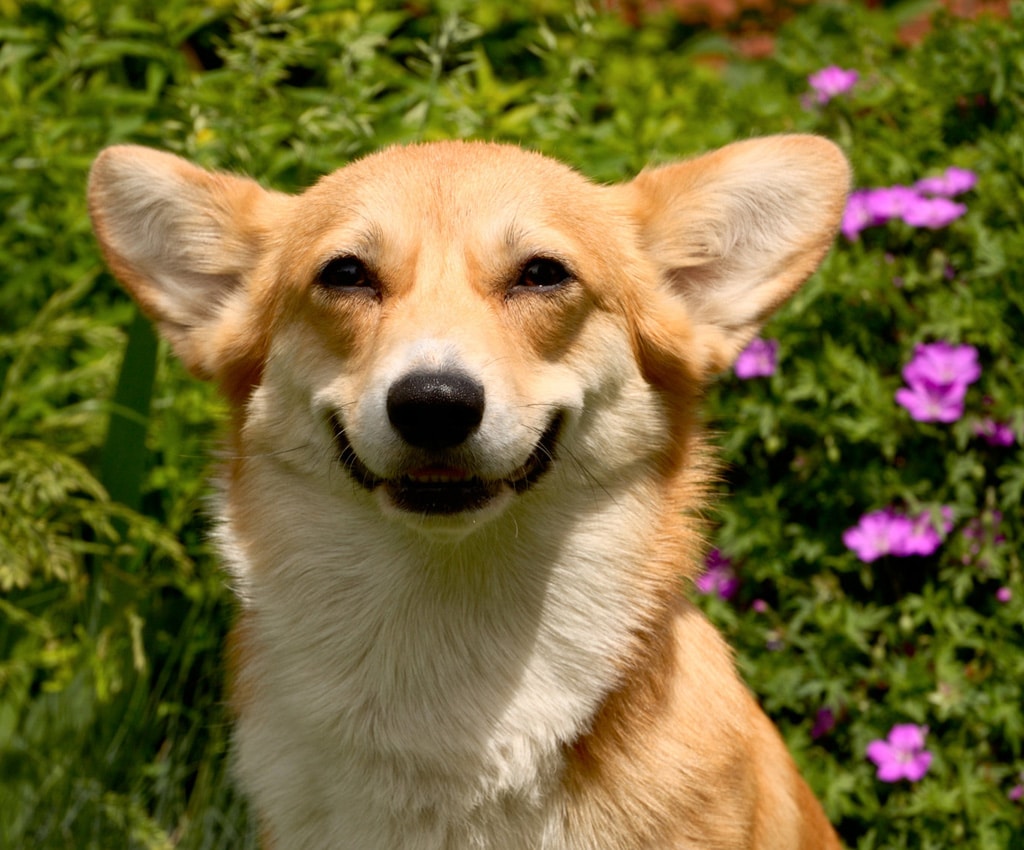
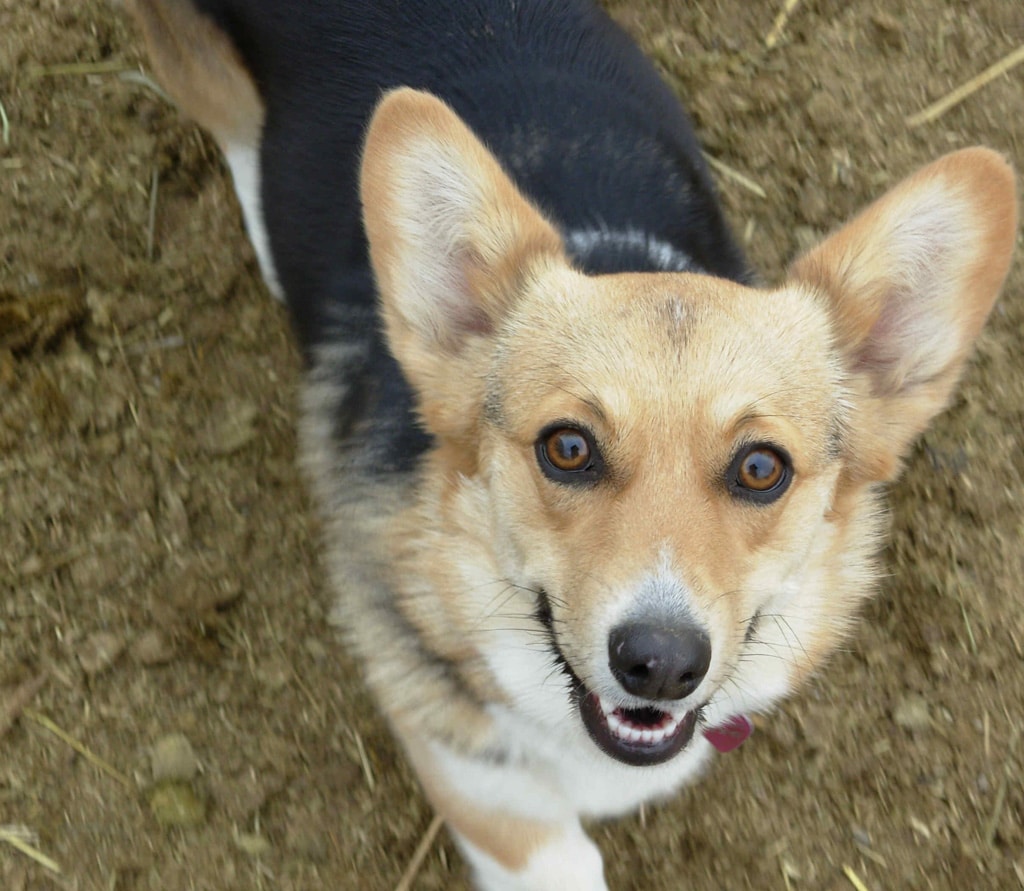
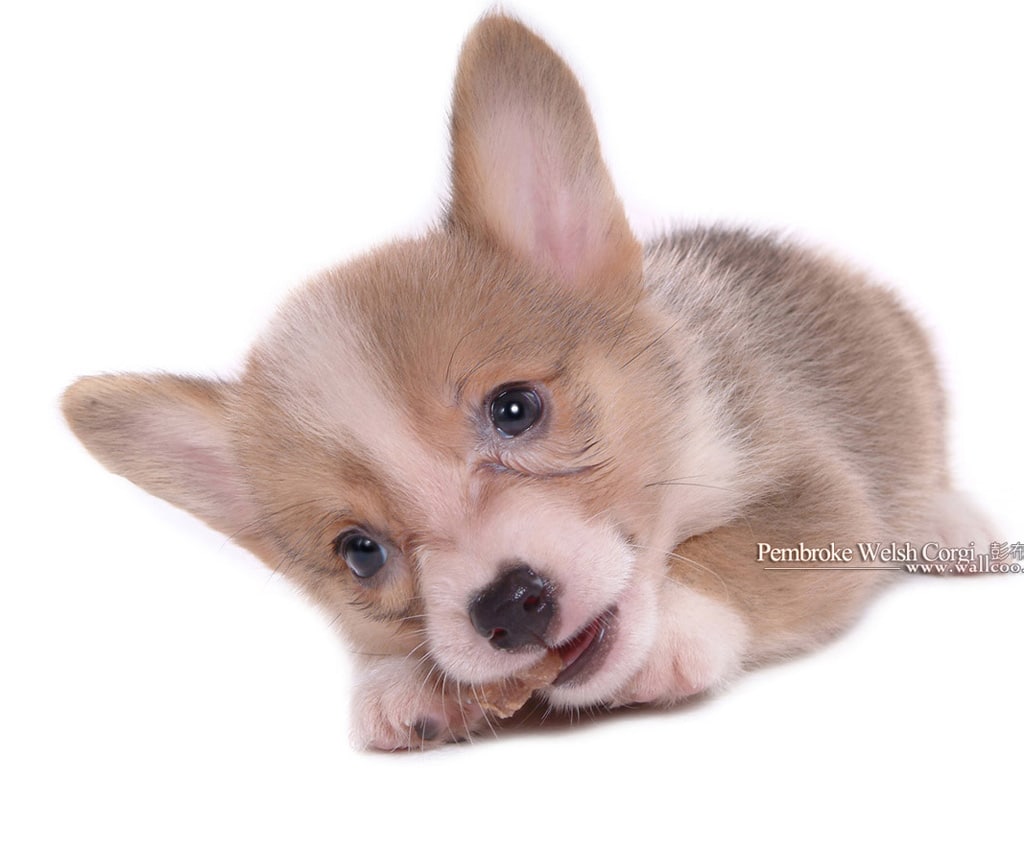
    Pembroke Welsh Corgi

    The Corgi is extremely intelligent, affectionate and possesses a great personality.

    Content

    History

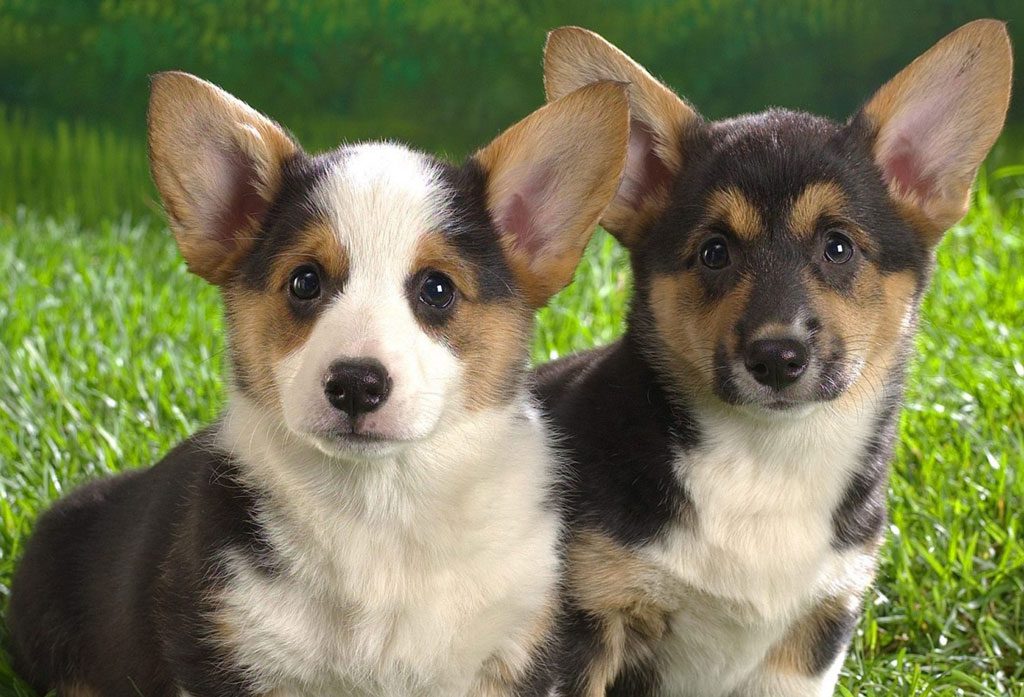
    The Corgi (Pembroke Welsh Corgi) It is a small dog native of Great Britain. He has served for centuries as a shepherd, still considered one of the oldest dogs of Great Britain. There is another Welsh race, the Corgi Welsh Cardigan of very similar characteristics, Although of larger size and long tail.

    There are different theories about the origins of Pembroke Welsh Corgi. It is believed that the two varieties Corgi they are descended from the dog of the Visigoths who introduced the Vikings in Wales to 9th century. Or the Cardigan may be the oldest variety, introduced the Celts into Wales around the year 1200 (The name CORGI comes from the Celtic word "corgi" which means "dog").

    According to other sources, the Pembroke variety was brought to Wales by Flemish weavers in the 12th century. Independently, What was the origin of the breed, the Pembroke Welsh Corgi is developed in Pembrokeshire) and it was used to guide cattle mordisqueando its paw and barking. The Pembroke and Cardigan varieties crossed each other freely until the decade 30. From then on, breeders attempted to emphasize their differences.

    Another theory states that the two varieties of Corgi have a common origin that is the crossing between a Shetland Sheepdog and Sealyham terrier.

    This race was used for grazing. The poor peasants of the time were allowed to pasture in the open fields of the Crown, this absence of fences put the cattle at risk of getting lost or dispersing and made a fast dog necessary, clever and who could move smoothly between the livestock. The Pembroke is this type of dog, that pushes the cattle by the heels. His short height allowed him to run under cattle without being kicked.. It has evolved as a domestic animal, and it is the favorite breed of the English Royal family. It is a constant companion and an excellent guardian.

    Physical characteristics

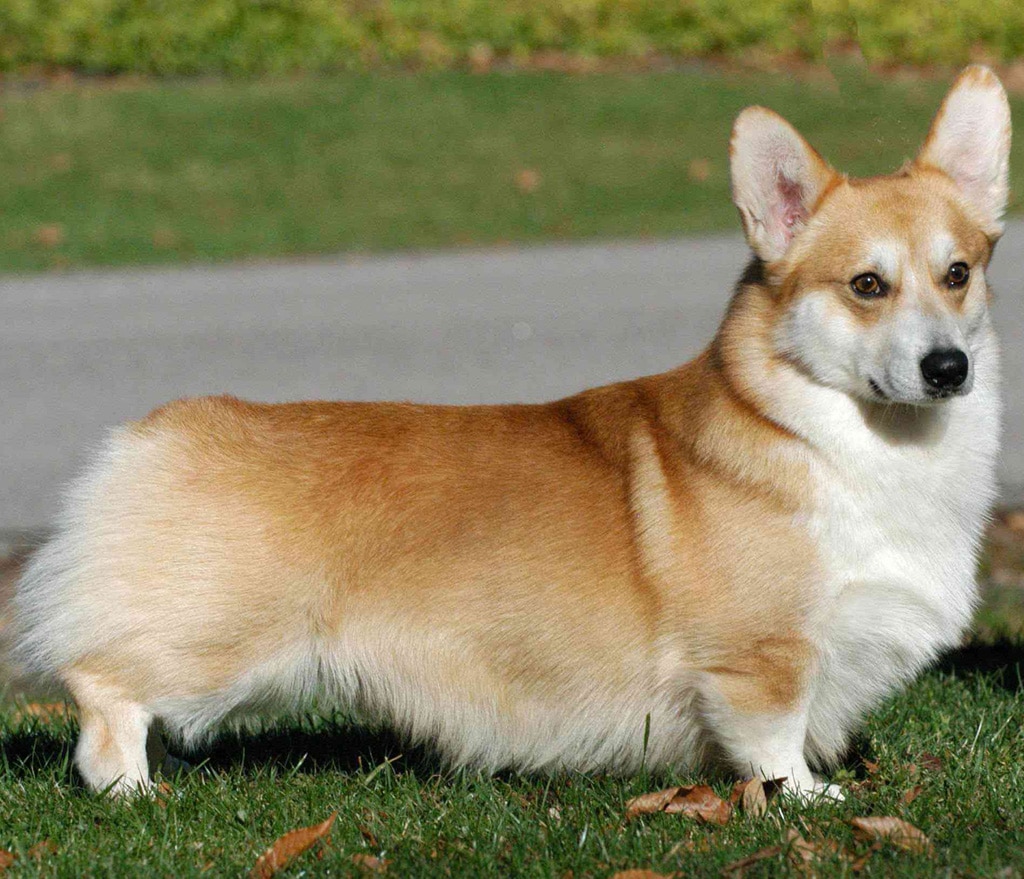
    Although the cardigan welsh corgi and the Pembroke are relatives, his description of race is completely different. The Pembroke is of small size, strong, robust Constitution, alert and active, It gives the impression of strength and stamina in a small body.

    Head recalls by the shape and appearance to the Fox, with an expression alert and intelligent. The tail is short, preferably natural, When the puppies are not born rabones tail amputates almost completely.

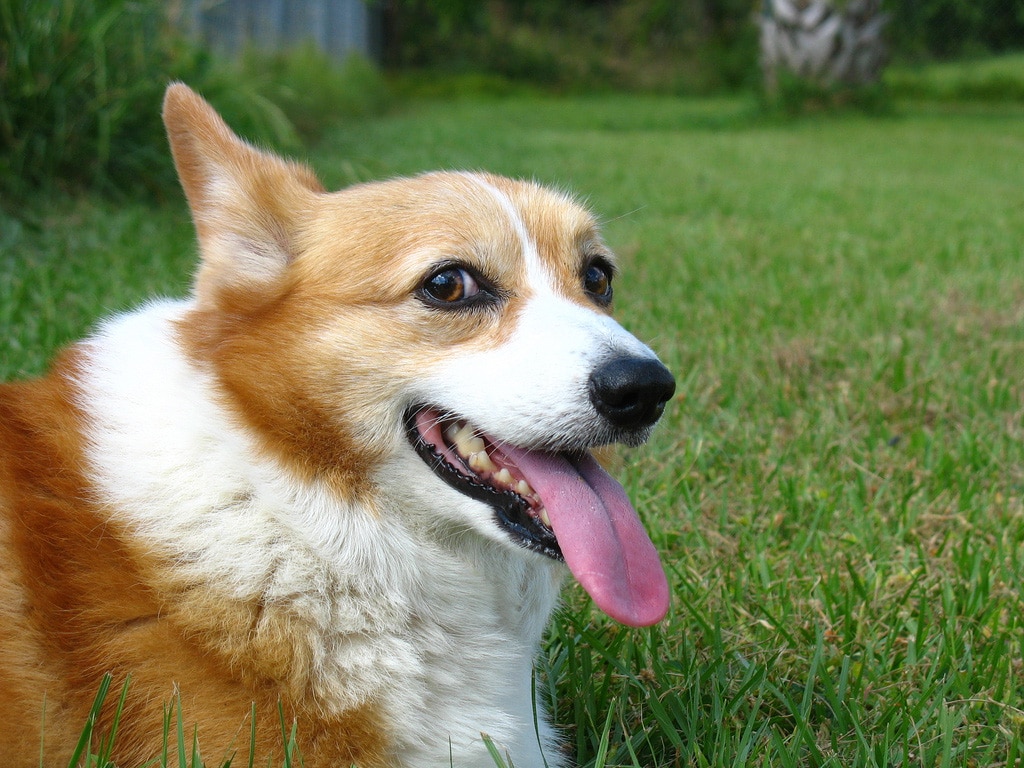
    The hair is fairly long and smooth, in various colors such as red, Jet, beige or black and Tan, usually with white spots, is a truly beautiful dog.

    The average Pembroke Welsh Corgi has a height of 25 to 30 cm., unato length of 30 to 38 cm and a weight of 11 to 14 kg. Their life expectancy is of 12 to 14 years.

    Observations

    In England the Pembroke Cogi is much more popular than the Cardigan Corgi. Perhaps the most obvious reason for this popularity is that of Pembroke is the favourite of the Royal family, in particular of Queen Elizabeth II. Outside England the Cardigan remains less well-known than the Pembroke Welsh Corgi.

    Character and skills

    It is a very active dog, but the tendency to have them as pets in small homes reduces its activity. If this excesses are added in their food taken quickly to obesity.

    The Pembroke Welsh Corgi is highly intelligent and affectionate, with a great personality, very active and worker. Very adaptable to the farms and also, It is a perfect companion dog for children if it is treated properly and barks only occasionally..

    An average dog requires of 150 to 300 grams of balanced commercial feed per day. A fairly common characteristic of the Corgi is its voracity, leading you to overeat which makes you feel like you are never full; You must limit your intake.

    By the length of the spine are particularly sensitive to overweight which can produce osteoarthritis that reduces your life expectancy and the quality of the same.

    This race also has a tendency to hip dysplasia (polygenetic origin), the falls, retinal dysplasia, von Willebrand disease and degenerative myelopathy.

    Imรกgenes del Pembroke Welsh Corgi
    Videos del Pembroke Welsh Corgi


    • Alternative names: Pembroke / PWC / Pem / Corgi / Welsh Corgi / Welsh Corgi Pembroke.
    • Group 1 / Section 1 – Sheepdogs.

    Dogs breeds: Corgi


    โ–ท The world of Pets: Dogs, cats, birds, reptiles, amphibians

    Carea Leonรฉs
    Espaรฑa Not recognized by the FCI

    Pastor Leonรฉs

    The raison d ' รชtre of the Carea Leonรฉs is the management and guidance of herds.

    Content

    History

    The Carea Leonรฉs (or Leonese Sheepdog) it is a dog whose morphology and character have been shaped by its environment, both physical and human. Regarding the physical, it can be said that this breed is rooted in the regions of the province of Leรณn and Zamora. This was so because they are agricultural areas where crops shared their existence with flocks of sheep.. So that this coexistence would come to fruition, and due to the shortage of shepherds that there was at all times, and that the number of heads could be raised, It was necessary to call on an assistant to control the cattle by feeling, and this was the Carea Leonรฉs.

    Physical characteristics

    It is a dog of medium size with a height to the cross between 48 and 55 cm in males and 45 and 52 cm in females.

    It is a lightweight and agile dog in order to start after the flock avoiding their dispersion, or jogging in search of the sheep that is separated from the Group.

    As regards the basic layer or coloring of hair, There are animals with black hair all over his body and others who, In addition, they are tawny color stains (reddish) in the extremities, the side and above the eyebrows.

    In some specimens, the black color of the hair is clarified by dissolution of the pigment giving rise to an irregular patchwork of bluish-grey spots more or less clear, and even white spots, throughout the body of the animal.

    Character and skills

    The Carea Leonรฉs it is a dog very attached to its owner and without adequate socialization, is distrustful and even urano with strangers, something that does not correspond so much to specimens raised between humans, showing these, much more receptive and sociable. It is a very alert and intelligent dog, with great learning capacity and predisposition to work. It is a dog with personality but it submits well to the orders it receives from its owner.

    It is a breed not yet officially recognized, but you are trying to get official recognition as a native breed.

    You are planning to develop a plan for recovery and promotion of the Leonese Pastor, because otherwise, their future will be threatened by the unstoppable reduction in the number of grazing sheep herds and by the growing spread of foreign dog breeds that could soon lead to their replacement, miscegenation, absorption or, the extinction of the Leonese Pastor.

    As a curiosity, PAS, was a Carea Leonรฉs which appeared in the famous film shot in Spain ยซThe Kingdom of heavenยซ, Ridley Scott.

    Source of the photo and more information about this race by clicking on Leonese Sheepdog (Blog dedicated to the race with very interesting information!).

    Federations:

    • RSCEโ“˜

    Breed standard proposal according to the FCI pattern of the breed "Carea Leonรฉs"

    FCIFCI – "Carea Leonรฉs"
    Leonese Shepherd FCI

    Alternative names:

      Perro de Pastor Leonรฉs, Perro de Aqueda, Carea leonรฉs, Leonese Sheepdog

    โ–ท The world of Pets: Dogs, cats, birds, reptiles, amphibians

    Chin
    FCI 206 . Japan Chin and Pekingese

    Chin Japonรฉs

    The true origin of the Chin It is still controversial, Although a general consensus, concludes that you originated in China.

    These dogs were brought to Japan around year 732. Some maintain the ancestors of these dogs first arrived to Japan around the year 732, as a gift from royalty Korea, while others argue that you copies of Japanese Chin were offered as gifts to the Empress of Japan in the mid-6th century, other theories assure that they arrived in Japan in the year 1000.

    But beyond all the controversy regarding the origin, all agree on one thing, the Japanese Chin, He is a real "Japanese", because it reflects the Japanese sensitivity to detail.

    The Japanese established various breeds of dogs, with a defined purpose that was work, that Japan considered something different, different from a ยซdogยซ, He was considered a work on farm animal, for hunting, to care for cattle, etc., but the Japanese Chin, it was something very special because it was strictly considered a companion dog.

    His appearance and distinctive personality was quickly captured the hearts of the Japanese and that led to ownership of these dogs to be limited to persons of Royal and noble blood.

    Due, every noble House was raising its own standard, reason why there are many variations of the Japanese Chin, in terms of size, the density of the layer, the eyes, the personalityโ€ฆ

    Once the race was introduced in the West, a strong desire of the people by the smaller copies (those who weighed a maximum 4,5 Kg.), He carried that size was the most popular and became the official standard of various canine clubs around the world.

    Professor Von Ludvic Schulmuth studied canine origins from a discovery of skeletal remains of dogs found in human settlements dating back to the eighth millennium BC., in the Gobi desert. On the basis of the information collected, he created a genealogical tree of Tibetan dogs which gathered very interesting information concerning the origin of certain breeds that are today very popular.

    The Gobi desert is a large desert region located between northern China and the South of Mongolia. Can be one of the deserts, or desert areas largest and most important worldwide. Around it the Altai Mountains and the steppes of Mongolia in the North, The Tibet Plateau and the planning of northern China by the southwest. The word gobi means "desert".’ in Mongolian. The Gobi is composed of different geographic and ecological regions, based on its variations of climate and topography.

    Historically, the Gobi desert He is noted for being part of the Mongol Empire and the location of several important cities along the Silk Road.

    Occupying the 30% of the national territory, great Gobi Mongolia covers capricious montes, sandy dunes, vast plateaus, steppes with its aromatic herbs and, Since then, a varied animal world, within the canine ancestors found Professor Ludvic Von Schulmuth.

    Ludvic von Schulmuth defined as origin of certain dog breeds a former denizen dog of the Gobi desert, whose remains were found in places where stored manure or litter, and called them "Gobi Desert Kitchen Midden Dog", Several lines arose from this animal that gave rise to various breeds.. These may include, a small dog with soft hair and floppy ears that was the ancestor of Tibetan Spaniel, the Japanese Chin, and the Pekinese. Another branch that descends from the "Gobi Desert Kitchen Midden Dog" gave rise to the Continental Toy Spaniel and to the Chihuahua longhair. Y, another branch of the same dog of the Gobi desert, gave rise to the emergence of the Pug and Shih Tzu.

    There is also some documentation that indicates Portuguese sailors introduced the breed to Europe in the century 17 through the gift of some to Catherine of Braganza, Queen Consort of King Charles II of England, but there is more evidence that the first Japanese Chin opened steps after borders, It was a gift of the Emperor of Japan offered a U.S. Navy officer, Matthew C. Perry, When he visited East in 1853 to open bilateral trade. The naval officer, took a litter of seven Japanese Chin, and to reach their land only survived two, and to whom he gave them is something that is still not known for sure.

    What we do have full certainty is that the Japanese chin, also known as the Spaniel Japanese has been the dog of Japanese royalty.

    According to the classification made by Stanley Coren after analyzing the responses of more than 200 the AKC judges ("The Intelligence of Dogs", Stanley city, Ediciones B, 1995), Japanese chin is the nยบ 62 from the list.

    The Japanese Chin ladra only when it is necessary for the purpose of alerting the family of the arrival of a visitor or something out of the ordinary, then is a quiet breed.

    It's a very special race, they have very feline attitudes, is more, is said to have the character of a cat, and you will see why...

    The Japanese Chin is warning, intelligent and independent, and it uses its feet to wash and dry your face. Other feline features are your preferences for the rest in elevated surfaces, as the backups of the sofa and chairs. He has a spectacular ability to walk across a tea table without knocking over any objects., If that doesn't make it a cat total!!!

    These dogs were bred and trained for the purpose of loving his people. Although it is usually a quiet dog, He also known for the amount of mischief that make, Welcome to all, like the so-called "Spin Chin", they go around quickly in a circle as if they were dancing but resting only on their hind legs, While with their Forelegs dejan them interwoven and shaking them up top down at full speed, they are very funny.

    Some usually "sing", They produce a noise that can range from a minimal trill to a high pitch and quite low-pitched for their size., almost operatic quality that sounds like โ€œboooooooโ€. On race Basenji in the right column you can see a video of the dog singing, It is very similar to what makes the Japanese Chin.

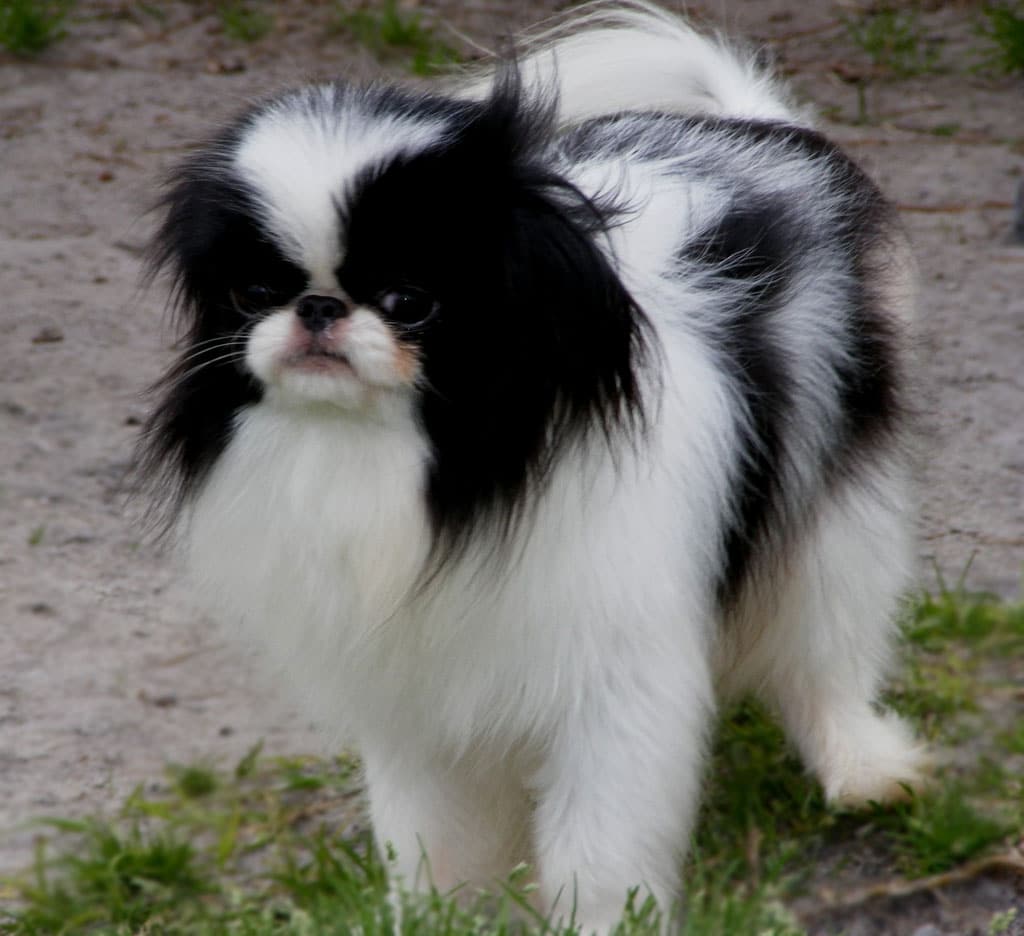
    This small dog of friendly aspect, It has an appearance very similar to the Peking, But unlike, its legs are longer, and the color of the fur is different; It may be black and white or red and white. The fur is soft and long; the large, dark eyes, well separated from each other; the tail, well endowed with hair, relies on the back; the ears are triangular in shape and small size; the snout is short and flattened, and large heads relative to their body.

    The orbits of the eyes of large contribute to moisture in the face and the folds of skin around the crushed nose and facial area, You can trap moisture and cause fungus problems. The face should be cleaned from time to time with a damp cloth and the folds, with a cotton swab.

    The diet is an important factor in the health and status of the Japanese Chin, many specimens may be allergic to corn, for example.

    Due to their small size they don't need too much exercise, although yes, requires frequent walks, because they are active and love to be outdoors. They adapt well to life in a Department or small homes. On the other hand, their fur should brush your daily, as it is often about getting caught.

    The Japanese Chin is a long-lived, to round the 15 years, but in many cases can be extended to more or less the 18 years of age.

    They weigh between 1,8 and 3,3 kand and measured at the cross, of 21 to 25 cm.. The litter is usually fairly small, of between 3 and 4 Puppies.

    Japanese chin is an excellent company dog, It is affectionate and loyal to his owner and, normally, happy to see other people, though some mistrust strangers. It is a dog who prefers the family environment, but they adapt very well in new situations and are often used as therapy dogs due to this trait and their love of people.. Socialization at an early age contributes to his temperament of develop optimally, is an emotionally balanced dog, by nature, but it is important to contribute.

    Chin

    โ–ท The world of Pets: Dogs, cats, birds, reptiles, amphibians

    Ca de Bou
    Espaรฑa FCI 249 - Molossoid - Dogo

    The Ca de Bou It is a very rare breed outside their homeland.

    Dogo Mallorquรญn

    The Ca de Bou (also called Majorcan Bulldog) It is a breed of dog native of Mallorca. The molosser is closely related with the Dogo Canario.

    In the Book of Spanish Origins of the year 1923, longer the Ca de Bou as a breed of dog. In 1928 Enroll to the first copy and the year 1929 the Ca de Bou was winner at the Barcelona dog show exhibition.

    Read all about the race, by clicking on: Majorca Mastiff

    • Otros nombres: Presa mallorquรญn / Ca de Bou / Mallorquin Mastiff / Mallorquin Bulldog / Majorca Mastiff / Majorcan Bulldog / Majorca-dogge.
    • Group 2 / Section 2 – Molosoides and mountain dogs.

    Dogs breeds: Ca de Bou

    โ–ท The world of Pets: Dogs, cats, birds, reptiles, amphibians

    Coonhound
    Estados Unidos Coonhound types

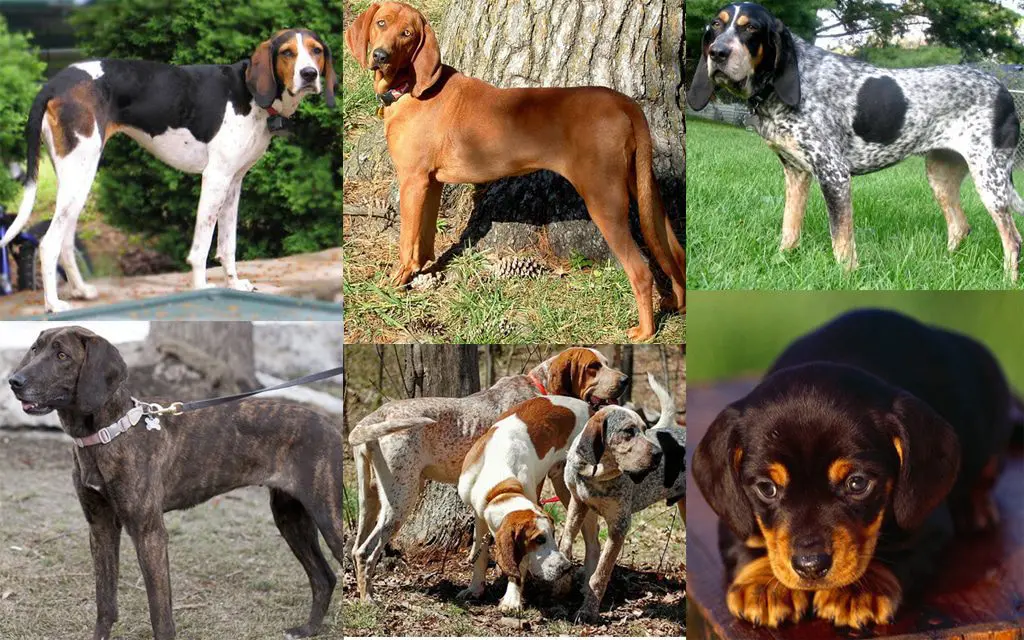
    Coonhound (the English: coon = raccoon; Hound = hound or hunting dog) It is a breed of dog of American origin which, It consists of a group of six different types of hounds. Los โ€œCoondogsโ€ (or โ€œraccoon dogsโ€, as they tend to call them) they are highly valued in United States.

    Content

    History


    in the colonial period, several hunting dogs were imported because of the popular sport of the moment, fox hunting. Various breeds of hunting dogs were imported from England, Ireland and France, and the particular mix of these different races form the initial genetic composition of dogs which became known later, as dogs Virginia.

    At the time the existing hunting dogs, were considered inadequate or rather incomplete, because he could only dedicate himself to hunting animals that hid close to the ground, but they could not with those who hid in the treetops, as raccoons, the opossums, wildcats and even bigger prey, as Cougars and bears.

    the dogs were confused, They despistaban and in turn were unable to keep track of the dam, years. At that time, to take refuge in trees escaping. It was for that reason that cross mediantes, they got a wide variety of dogs that might be able to follow the trail of animals sheltering in the treetops. Above all, raccoons.

    The race name derives from its original use in the hunt for raccoons.

    It was thus that this group of dogs were developed trying to highlight and increase their best characteristics.: an acute sense of smell, the ability of tracking, pursue tirelessly its prey regardless of human orders, both on the ground and when they hid in the treetops. Y, especially guard cornered prey until the Hunter arrived. It also, they are excellent in the delivery of all types of dam, If adequate training.

    Physical characteristics

    To race Coonhound, Throughout history, different lines of hounds have been added in order to improve their capabilities., as the tracking, and physical characteristics such as the shape of their feet, some Coonhounds have webbed toes for tackling rivers and swamps, so common in its habitual hunting territory.

    There are six individual breeds of Coonhound:

    Character and skills

    The Coonhound They can hunt individually or in packs.. In general, the hunters do not pursue their prey with the hounds, unlike organized fox hunting which do. In this case, they simply wait to hear the distinctive howl to determine if a raccoon or some other animal, It has been cornered.

    curiosidades

    In the rural area of the Colbert County, Alabama ((UNITED STATES)UU.) there is a cemetery calledKey Underwood Coon Dog Memorial Graveyardโ€, reserved specifically for the burial of raccoon dogs (Coonhound).

    A group of American troops, he chose that spot because it had been a popular hunting camp and the 4 in September of 1937 they buried a Coonhound (raccoon dog), property of the troop. Thus the cemetery was opened in memory of these precious hounds. He became an emblematic place, over time...in the 2007 more than 185 dogs were buried there.

    To be able to have a tombstone there, a corner in the cemetery, Dogs must meet three requirements:

    • The owner has to prove (by primer and pedigree) its mascot is a dog authentic Coonhound.
    • A witness must declare that the deceased is a Coonhound.
    • A member of the "Coonhunter Organization" of the place where the dog resided must be authorized by the owner to see the deceased pet and declare the dog as a true Coonhound.

    The cemetery has the same format as a graveyard of human, there you will see tombstones of all kinds and details. Each 4 September (Labor Day in the United States), For quite some time now, the Tennessee Valley Coon Hunter's Association has sponsored a meeting at the cemetery to pay tribute to the cemetery's inauguration. (on Labor Day in 1937). The celebration includes music, dance, Food and contests. They attend the event, often, local politicians.

    "Labor Day" or Labor Day, is a federal holiday observed in the United States on the first Monday in September. It has its origin in a parade held the 5 in September of 1882 in New York organized by the Nobles of the order of the Knights of labour (Knights of Labor). Inspired by a similar annual event held in Toronto (Canada). In 1884 another parade was held and the Knights of Labor they decided to do it annually.

    Other organizations, mostly the affiliated with the first international, they preferred the 1 may, date that recalls the beginning in 1886 of a strike demanding the eight-hour work day and that had led to the Haymarket Riot in Chicago, three days later, the 4 may. President Grover Cleveland believed that the holiday of the 1 May would be an opportunity for disorder. So, fearing that it would reinforce the Socialist Movement, rapidly in 1887 supported the position of the Knights of Labor and its date for Labor Day.

    Since then, unlike most countries, The United States celebrates Labor Day on a different date.