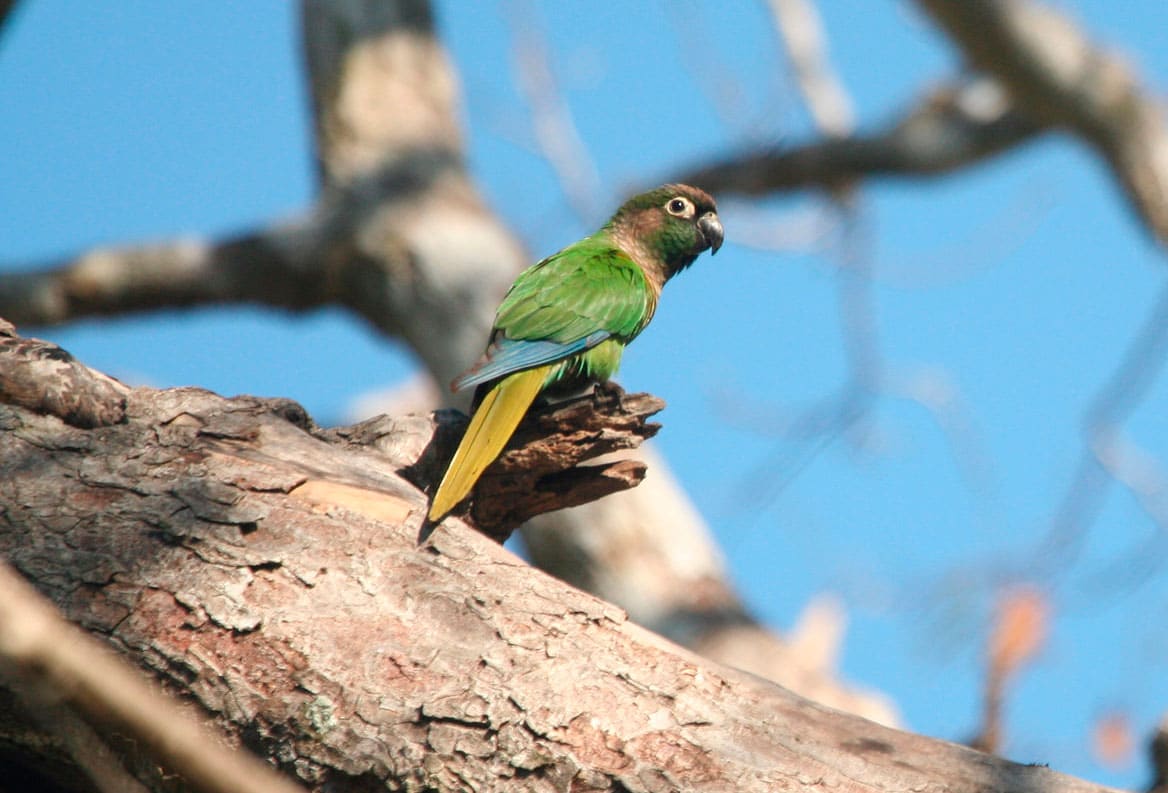
โ–ท The world of Pets: Dogs, cats, birds, reptiles, amphibians

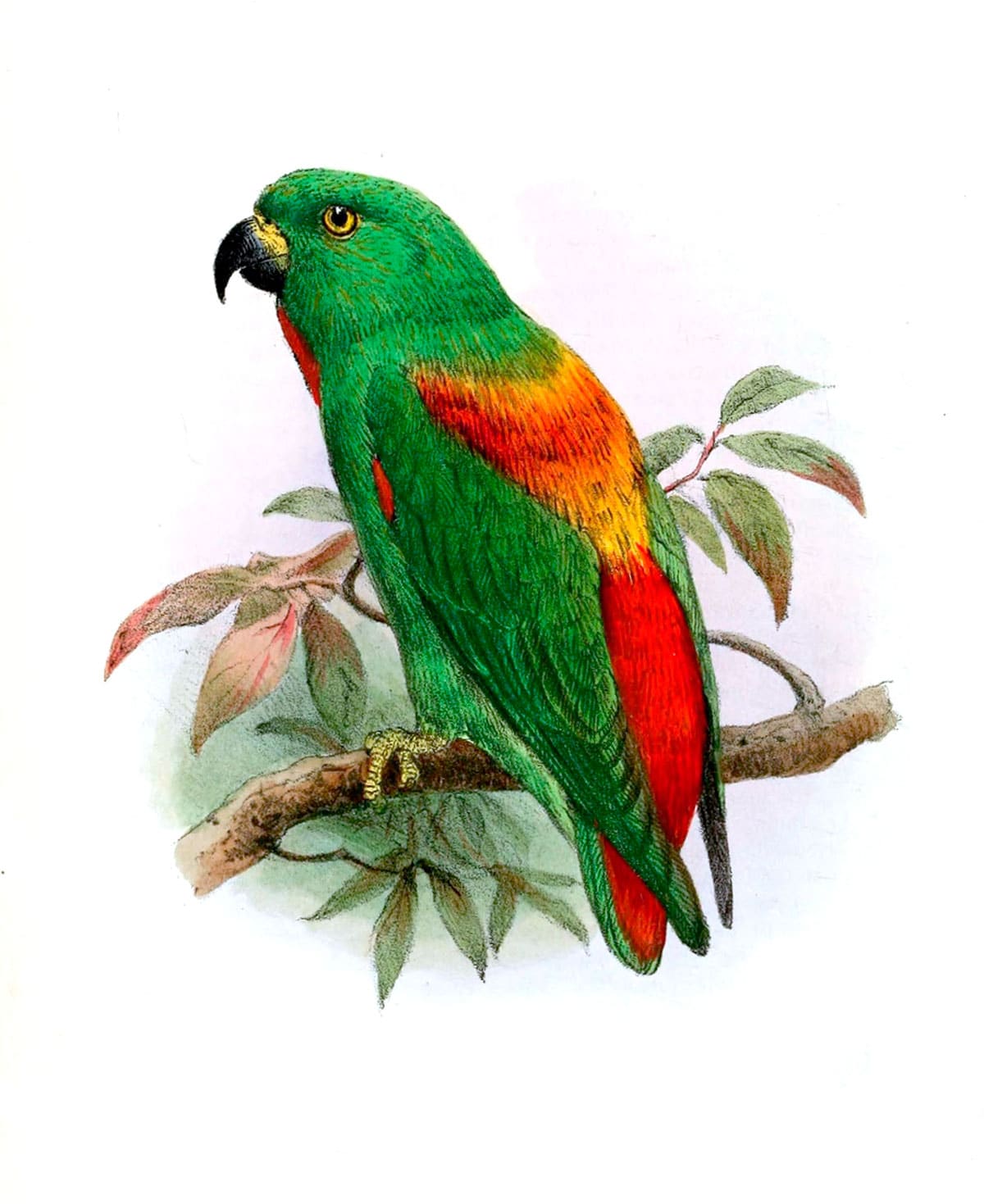
Bald Parrot
Pyrilia aurantiocephala

Bald Parrot

Content

Description:

23 cm.. length.

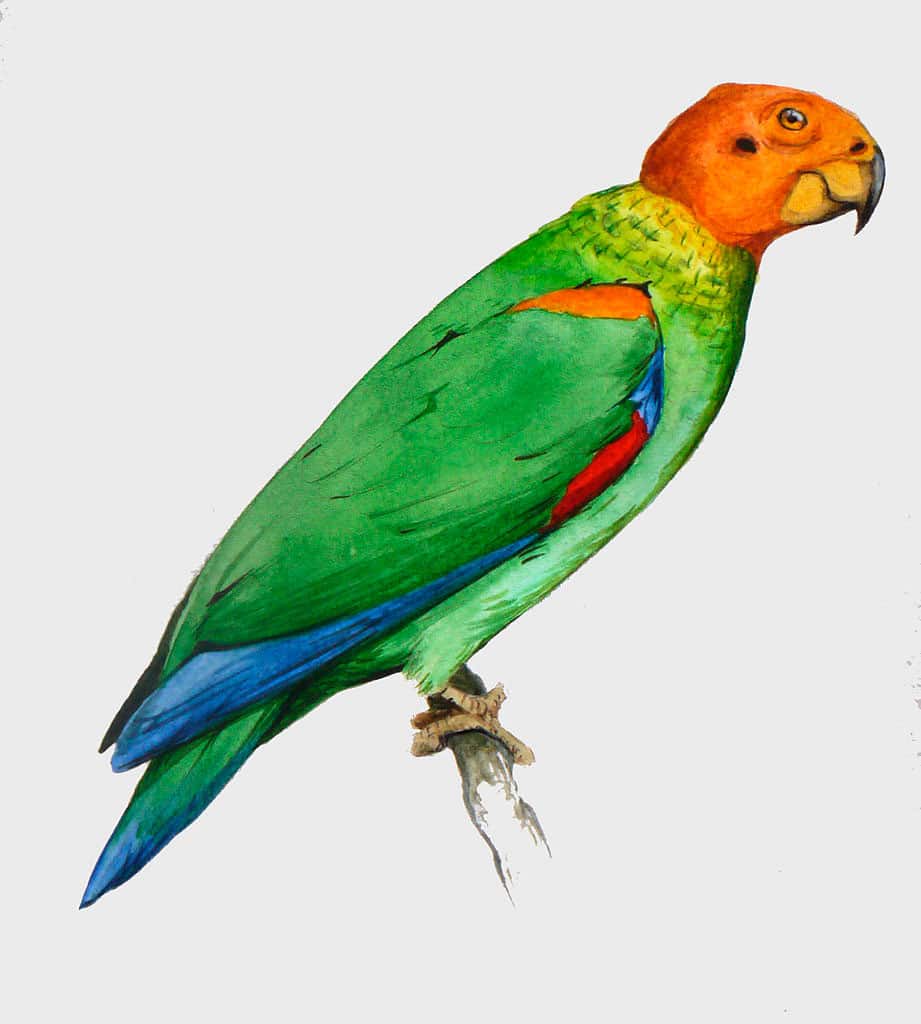
The Bald Parrot (Pyrilia aurantiocephala) has the mandible and the upper maxilla, black with a large orange dot in the base; head naked orange chrome; lores, forecrown, pileum, nape, face and chin no true feathers; coverts only black bristles and some white bristles in lores; true feathers beginning in dorsal area neck, spectrum yellow in proximal half and yellow-green in distal half with black apex, passing rapidly to parrot green as basic color the mantle, back, uropigium, and of the uppertail-coverts; feathers in bend of wing and scapulars, yellowish orange with base scarlet; lesser wing coverts green, except scarlet carpal edge; median and greater wing coverts, with large suffusion of ultramarine blue.

The upper surface of the of remiges black with outerweb shaded with indigo blue; undersurface of remiges black color with a a shamrock greenish on the innerwebs; the outerweb and the apex of the upper surfaces of the rectrices, indigo blue, shaded to varying degrees with green; the base innerwebs of the rectrices, yellow; feathers of the chest with greenish yellow base and apex, forming a large banda pectoral; lower breast, abdomen and crissum, emerald green sprinkled with cyan; underwing-coverts scarlet; the thighs yellow; feet feet orange yellow with suffusion of ochre; irises orange.

The immature with the bare lores to the area around the eyes, orange, the rest of the head feathered dull green; upper breast greenish yellow. Bill yellow in very young birds.

Note:

This parrot was initially believed to be an immature of the species Vulturine Parrot (Pyrilia vulturina) due to the orange color head calva. But, when it was discovered that individuals were sexually mature, He described as a new species. In fact, the youth of both species have feathers head greenish, unlike adults.

Formerly, It was included in the genus Pionopsitta.

  • Sound of the Bald Parrot.

Habitat:

Seen in gallery forest and in forest ‘campinarana‘ (on white sand soils). This region is threatened by logging (Gaban-Lima et al., 2002).

viewed individually, in pairs or small flocks of up to 10 birds. It is most active during the early morning that other parrots, and before going to sleep. It stays in the upper canopy where it is well camouflaged.

Reproduction:

The breeding season possibly either during September; little is known about their breeding habits.

Food:

Feeds of seeds, fruits and possibly larvae of gall wasps (Cynipidae).

Distribution:

Size of its range (breeding/resident): 407.000 km2

The Bald Parrot They are known only in some locations covering the lower basin of Madeira river and the upper basin of Tapajos River in the Brazil Amazon, more specifically in the Sรฃo Benedito river (Field observations) and Cururu-acu River, both tributaries on the right bank of the river Teles Pires, himself a tributary of Tapajรณs.
There are several recent records of this new species from the micro-region of Madeira in the vicinity of Borba.

Since the species is currently known only from Two types of habitat and a relatively small area, it is unlikely that the population is much higher 10.000 individuals, so it is considered that it is near-threatened. It is likely to occur more records now that has been formally recognized as a species, and this may clarify its exact state.

Conservation:


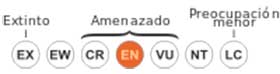
Near-threatened


โ€ข Current category of the Red List of the UICN: Near-threatened.

โ€ข Population trend: Decreasing.

Population size: 6.700 specimens.

Rationale for the Red List category

This species has recently described a moderately small population is declining due to loss of habitat. So, it is classified as near threatened.

Justification of the population

The population is preliminarily estimated with a number of at least 10.000 individuals, approximately equivalent to 6.700 mature individuals. This requires confirmation.

Justification of trend

It is suspected that this species has lost 8,8-13,1% of habitat within its distribution over three generations (21 years) starting from a model of deforestation Amazon (Soares-Filho et to the., 2006, Bird et to the., 2011). So, you suspect your decrease in population <25% durante tres generaciones.

"Bald Parrot" in captivity:

unknown in captivity.

Alternative names:

– Bald Parrot, Orange-Headed ParrotT (English).
– Caรฏque chauve (French).
– Orangekopfpapagei, Langkopfpapagei (German).
– Papagaio-de-cabeรงa-laranja (Portuguese).
– Lorito Calvo (espaรฑol).

scientific classification:

– Order: Psittaciformes
– Family: Psittacidae
– Genus: Pyrilia
– Scientific name: Pyrilia aurantiocephala
– Citation: Gaban-Lima, Raposo & Hรถfling, 2002

Images "Bald Parrot"

————————————————————————————————

ยซBald Parrotยป (Pyrilia aurantiocephala)


Sources:

– Avibase
– Parrots of the World โ€“ Forshaw Joseph M
– Parrots A Guide to the Parrots of the World – Tony Juniper & Mike Parr
– Birdlife
– Department of Zoology, Bioscience Institute, University of Sao Paulo, Rua do Matao, dish 14, not. 101, POCKET 05508-900, Saหœo Paulo, SP, Brazil – Notes

– Photos:

(1) – Bald Parrot (Pyrilia aurantiocephala) – Watercolor, Romain Risso. By Gossipguy (Own work) [CC BY-SA 3.0], via Wikimedia Commons
โ–ท The world of Pets: Dogs, cats, birds, reptiles, amphibians

Cactus Parakeet
Eupsittula cactorum

Cactus Parakeet

Content

Description:


Anatomy-parrots

25 cm.. length and 75-90 g. of weight.

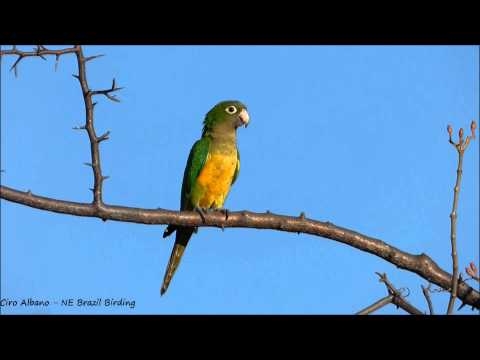
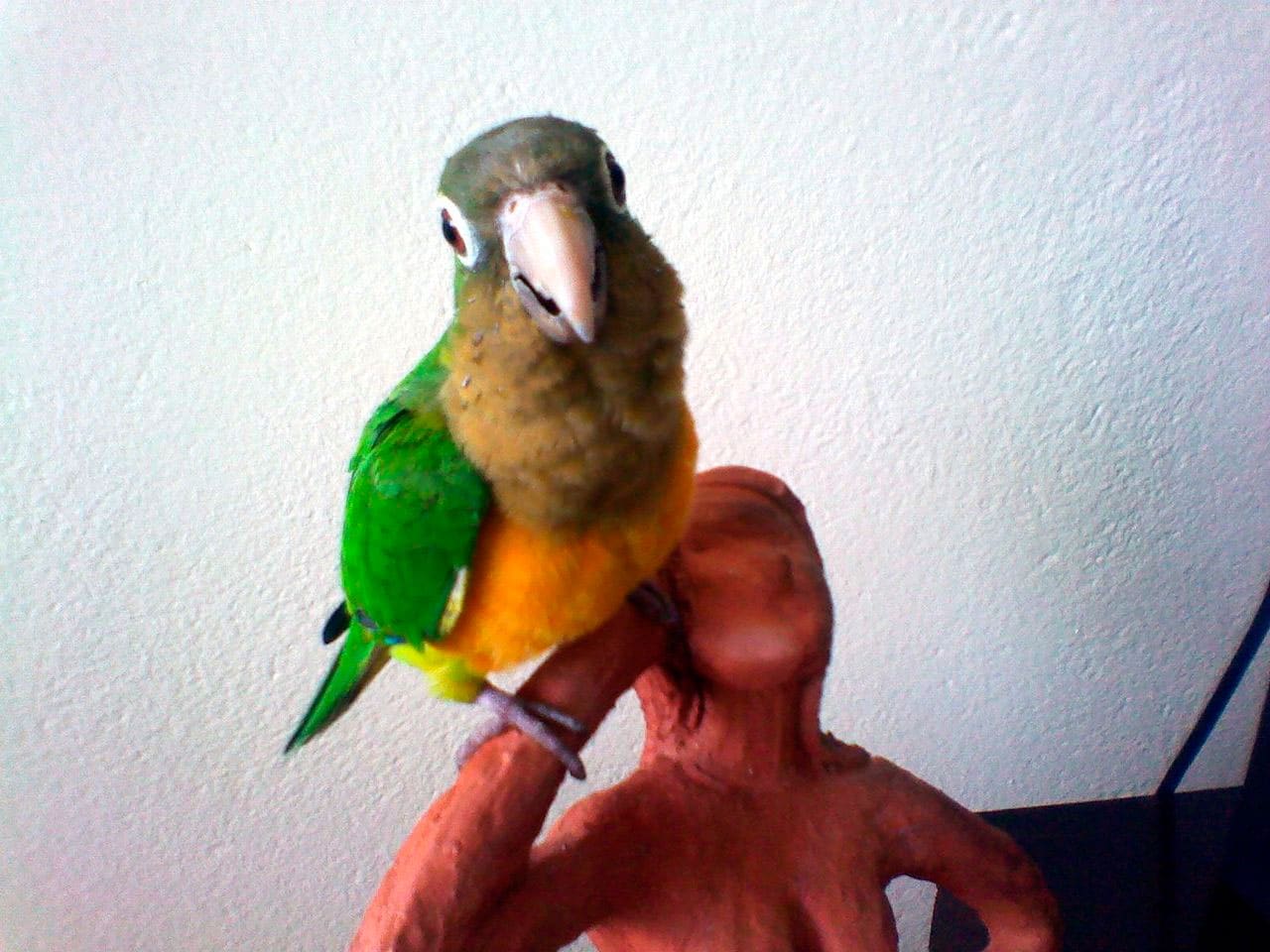
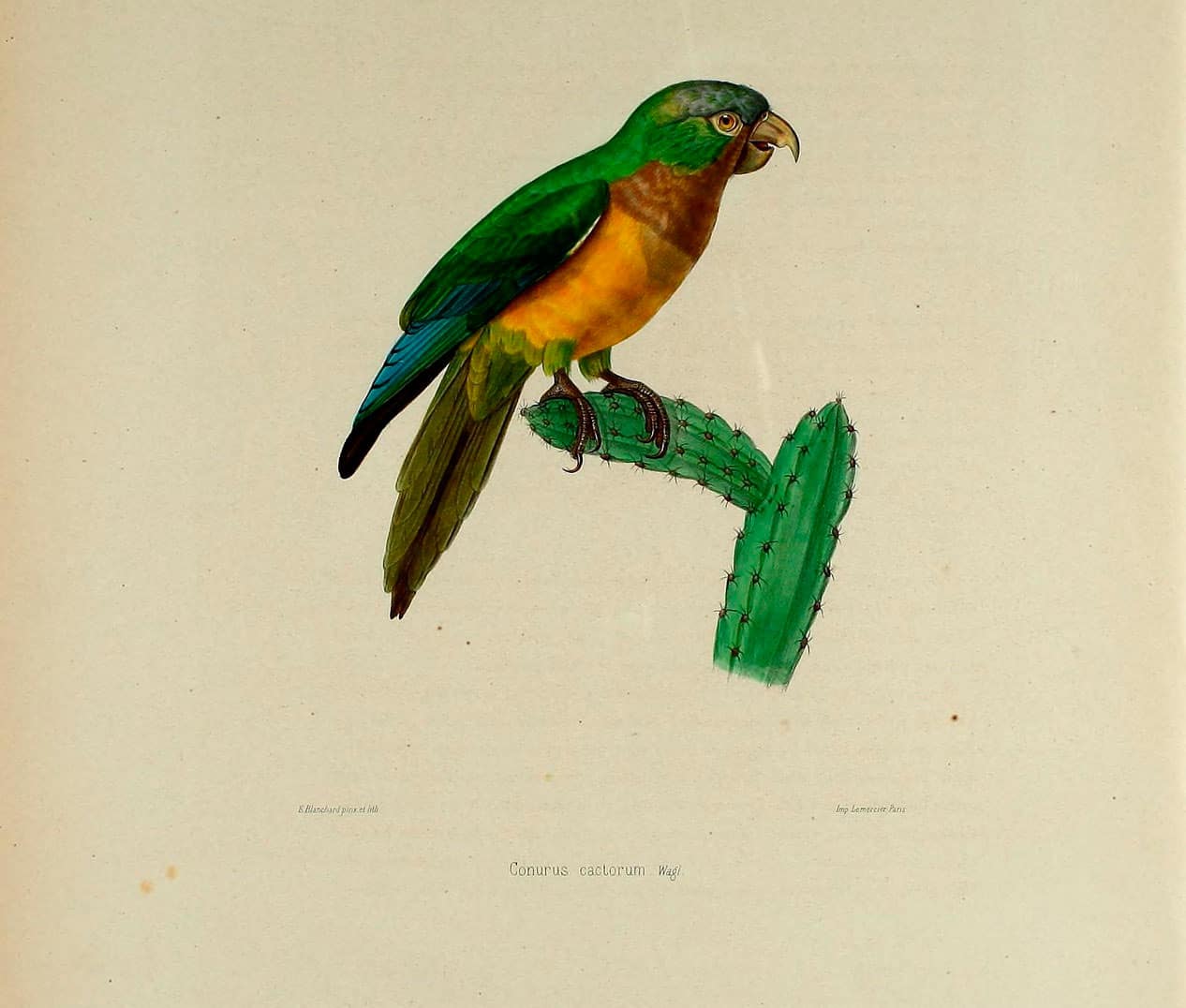
The Cactus Parakeet (Eupsittula cactorum) has the forecrown, lores lower cheeks and brown off; crown with slaty tinge; sides neck, the nape and upperparts up to the rump grass-green.

The primary coverts They are bluish green in the outerweb, the remaining are green grass. Flight feathers (above) green on innerwebs, blue green on outerweb, blue black at the tips (below) gray. Underwing-coverts greenish yellow. Throat and upper breast dull brown; lower breast and belly fairly bright orange-yellow, the thighs and vent greenish-yellow color. Uppertail green, four distal blue central feathers; undertail gray.

Cactus Parakeet

upper jaw horn, greyish at base and lower jaw; perioftรกlmico patch naked white; irises brown-orange; gray-gray legs.

Both sexes similar. Immature paler than adult, with crown green, more olive upper chest and throat, and the irises darker.

  • Sound of the Cactus Parakeet.

Subspecies description:

  • Eupsittula cactorum cactorum

    (Kuhl, 1820) – Nominal.


  • Eupsittula cactorum caixana

    (Spix, 1824) – Generally paler than nominal, with belly yellow instead of orange.

Habitat:

Video – "Cactus Parakeet" (Eupsittula cactorum)

Cactus Parakeet - Caatinga Parakeet - Eupsittula cactorum -

Its distribution area closely matches the dried vegetation and prickly caatinga Northeast Brazil, but it encompasses higher drier semi-desert areas created by overgrazing and dry forests (caatinga arborea) and seasonal savannah lusher (closed). Usually in pairs or (mainly outside the breeding season) flocks of up to 20 birds, most abundant where food is abundant (as rice crops).

Reproduction:

Crianza undocumented released. Clutch six eggs in captivity.

Food:

The diet includes seeds, fruits (including cactus), berries, dried fruits, flowers and cocoons, taken both trees and shrubs and soil. Sometimes it attacks crops (for example rice, grapes and corn).

Distribution and status:

Population expansion (breeding/resident): 1.220.000 km2

Distributed by the interior Northeast Brazil. The Cactus Parakeet extending from the drier parts of Bay and adjacent northeast Minas Gerais, Brazil north through Piauรญ and Southeast of maranhรฃo, up to Pernambuco and Paraรญba, passing by Rio Grande do Norte and Cearรก. Absent in coastal areas: a record of Bethlehem at the mouth of amazon in For It seems wrong or possibly refers to a leak.

It is usually common (the most common parrot in some localities) with a stable population, although the decline is inevitable in some areas due to massive loss of habitat by agriculture and plantations of exotic trees. Continuing degradation and conversion caatinga by grazing and cultivation they represent a long-term threat. Present in the Serra da Capivara National Park. Any Local persecution due to predation crop. Atrapada to trade small numbers in captivity.

Subspecies distribution:

Conservation:

State of conservation โ“˜


minor concern Minor Concern โ“˜ (UICN)โ“˜

โ€ข Current category of the Red List of the UICN: Least concern.

โ€ข Population trend: Stable.

โ€ข Population size : Unknown.

Rationale for the Red List category

The trend population seems to be stable and, therefore, the species does not approach the thresholds for Vulnerable under the criterion of population trend (> 30% decrease in ten years or three generations). The population size has not been quantified, but it is not believed to approach the thresholds for Vulnerable under the criterion of population size (<10.000 mature individuals with an estimated continuous decrease in> 10% in ten years or three generations, or with a specific population structure). For these reasons, the species is evaluated as Least concern.

Justification of the population

The size of the world's population has not been quantified, but this species is described as ยซquite commonยป (Stotz et to the. (1996).

Justification trend

It is suspected that the population is stable the absence of evidence of any reduction or substantial threat.

Threats

Local persecution because of the invasion of crops. This species is also trapped for pet bird trade.

"Cactus Parakeet" in captivity:

Young birds are removed from their nest before they can fly, and then sold, for example, at the fair in inner cities.
These birds can become very tame, and it is not rare to see a Cactus Parakeet living "freely" in the owner's house, as a member of the family so to speak. It however is seeing a rare bird in captivity outside their range. It is not as common as other more familiar species of aratinga. It also, usually they reach very high prices.

The illegal trade It has greatly reduced the population of these Aratingas in nature, and threatens the survival of the species in many areas. Habitat destruction appears to be a minor problem.

For more information – Loro Parque

Alternative names:

– Caatinga Conure, Caatinga Parakeet, Cactus Conure, Cactus Parakeet (English).
– Conure des cactus, Perriche des cactus, Perruche des cactus (French).
– Kaktussittich (German).
– Aratinga-vaqueira, giguilim, Jandaia-gangarra, merequรฉm, periquito-da-caatinga, periquito-gangarra (Portuguese).
– Aratinga Cactรกcea, Aratinga de los cactos, Periquito de los Cardones (espaรฑol).


scientific classification:

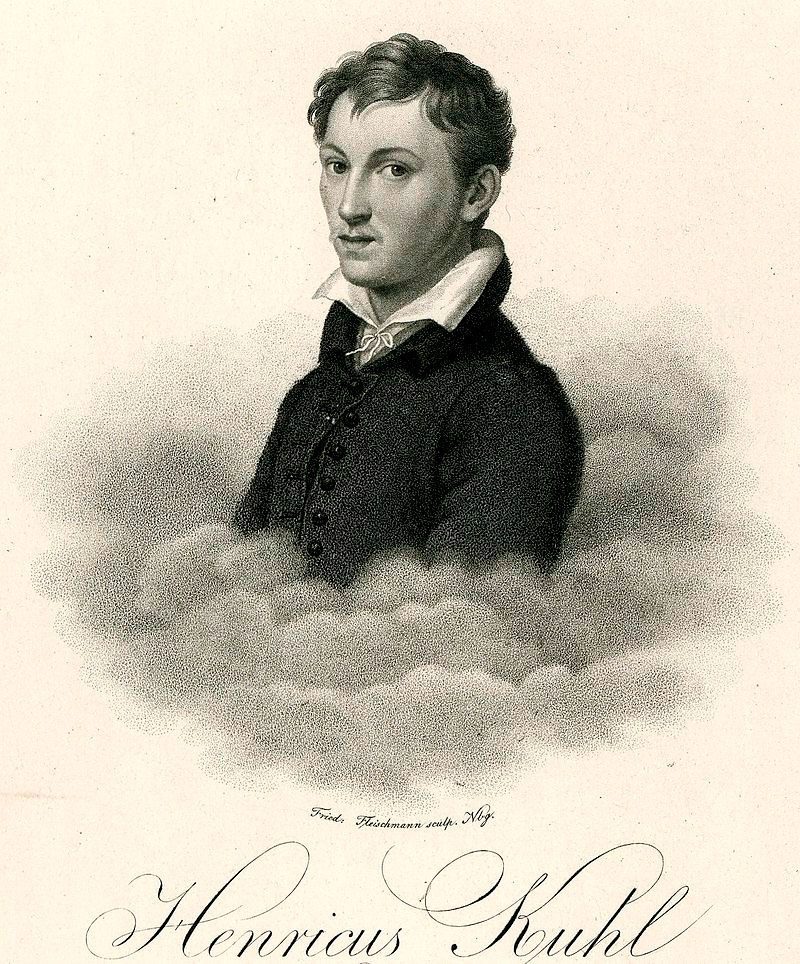
Kuhl, Heinrich
Heinrich Kuhl

– Order: Psittaciformes
– Family: Psittacidae
– Genus: Eupsittula
– Scientific name: Eupsittula cactorum
– Citation: (Kuhl, 1820)
– Protonimo: Psittacus cactorum


Images Cactus Parakeet:


Especies del gรฉnero Eupsittula
  • Eupsittula nana
  • —- Eupsittula nana astec
  • —- Eupsittula nana nana
  • —- Eupsittula nana vicinalis
  • Eupsittula canicularis
  • —- Eupsittula canicularis canicularis
  • —- Eupsittula canicularis clarae
  • —- Eupsittula canicularis eburnirostrum
  • Eupsittula aurea
  • Eupsittula pertinax
  • —- Eupsittula pertinax aeruginosa
  • —- Eupsittula pertinax arubensis
  • —- Eupsittula pertinax chrysogenys
  • —- Eupsittula pertinax chrysophrys
  • —- Eupsittula pertinax griseipecta
  • —- Eupsittula pertinax lehmanni
  • —- Eupsittula pertinax margaritensis
  • —- Eupsittula pertinax ocularis
  • —- Eupsittula pertinax paraensis
  • —- Eupsittula pertinax pertinax
  • —- Eupsittula pertinax surinama
  • —- Eupsittula pertinax tortugensis
  • —- Eupsittula pertinax venezuelae
  • —- Eupsittula pertinax xanthogenia
  • Eupsittula cactorum
  • —- Eupsittula cactorum cactorum
  • —- Eupsittula cactorum caixana

  • Sources:

    • Avibase
    • Parrots of the World โ€“ Forshaw Joseph M
    • Parrots A Guide to the Parrots of the World – Tony Juniper & Mike Parr
    • Birdlife

    • Photos:

    (1) – A pet Caatinga Parakeet in Riachรฃo do Jacuรญpe, Baiano northeast, Brazil By Paulo Marcos from Painted-BA, Brazil (Periquito MartinsUploaded by snowmanradio) [CC BY 2.0], via Wikimedia Commons
    (2) – Caatinga Parakeet (also known as Cactus Parakeet) in Brazil By Phillipe (Picasa Web Albums) [CC BY-SA 3.0], via Wikimedia Commons
    (3) – Eupsittula cactorum – cactus conure – Cactus conure – conure cactus by Florin Feneru – Flickr
    (4) – Parakeet CAATINGA (Eupsittula cactorum) by Cantosdanatureza WITH
    (5) – Cactus Parakeet โ€” aratinga cactacea by Animal Encyclopedia 2
    (6) – Cactus parakeet – conographie parrots :.Paris :P. Bertrand,1857.. biodiversitylibrary.org/page/47804387

    โ–ท The world of Pets: Dogs, cats, birds, reptiles, amphibians

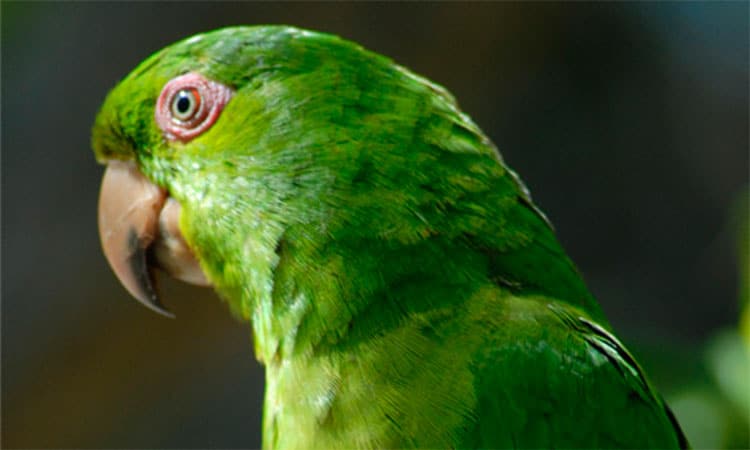
    Brown-hooded Parrot
    Pyrilia haematotis


    Lorito Encapuchado

    Content

    Description:

    21 cm.. height and weight around 165 g.

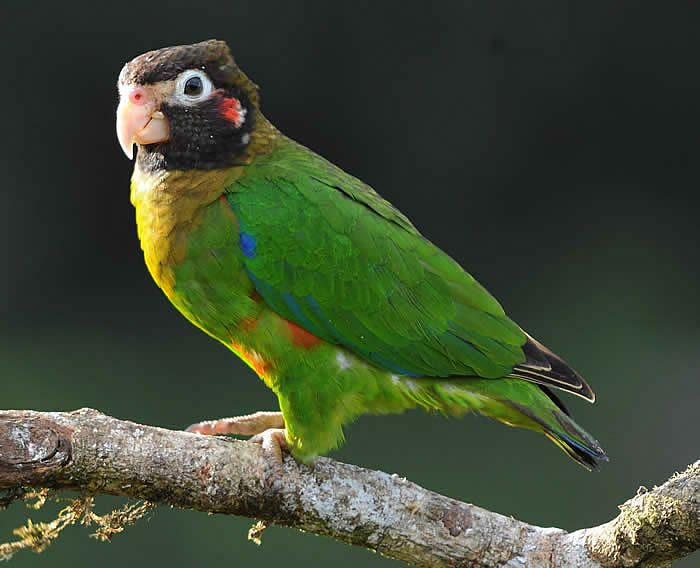
    It more distinguishable from the Brown-hooded Parrot (Pyrilia haematotis) is your head, with forecrown White and the eye ring naked white also; ear with red feathers or oranges, crown grayish coffee, chest and nape Green yellowish.

    The rest of the body usually green with it armpit red (easily view on the fly), contrasting with the blue-green of the wings and the green of the tail. The latter with light blue at the tip of the central feathers.

    The bill is pale brown with yellow tinge. The irises they are red and the legs grayish brown.

    The immature they are similar to adults, but more pale, off and without the color red in the head. Their irises is dark.

    Subspecies description:

    • Pyrilia haematotis coccinicollaris

      (Lawrence, 1862) – With red marks on the bottom of the rear of the neck and in the part superior of the chest, often forming a band in the male, more weakly in the females.


    • Pyrilia haematotis haematotis

      (Sclater,PL & Salvin, 1860) – The nominal.

    Habitat:

    It inhabits mainly in the canopy of humid forests with a deciduous tendency, until the 1500 m. Their flocks are not numerous and are quiet at the time of feeding.
    In Colombia is considered species very rare.

    Reproduction:

    It nests in hollow of trees and seems to share them with Blue-headed Parrot (Pionus menstruus).

    Breeding season in February in Yucatan; May-July in Guatemala; August in Panama.

    Food:

    Feeds of fruits and seeds of trees in areas forested, as well as plants epiphytes and leaves green of some types of mistletoe.

    Distribution:

    Are you can observe in freedom from the Centre-South of Mexico to northwest of Colombia.
    You can socialize with other parrots and toucans.

    Subspecies distribution:

    • Pyrilia haematotis coccinicollaris

      (Lawrence, 1862) – It is from Panama and Northwest of Colombia.


    • Pyrilia haematotis haematotis

      (Sclater,PL & Salvin, 1860) – The nominal.

    Conservation:


    minor concern


    โ€ข Red List category of the UICN current: Least concern

    โ€ข Population trend: Stable

    Justification of the population:

    Partners in Flight estimates the population at fewer than 50.000 individuals (A. Panjabi in litt., 2008), by what is placed in the band 20,000-49,999 individuals here.

    Justification trend:

    The population of the Parrot Encapuchad suspected to be stable in the absence of evidence of any reduction or substantial threats.

    "Brown-hooded Parrot" in captivity:

    Extremely susceptible to stress and diseases during the acclimatization, sudden deaths occur without warning. These are reasons why the they are seldom seen in captivity.

    Alternative names:

    – Brown hooded Parrot, Brown-hooded Parrot, Red-eared Parrot (English).
    – Caรฏque ร  capuchon (French).
    – Grauwangenpapagei, Grauwangen-Papagei (German).
    – Brown-hooded Parrot (Portuguese).
    – Cotorra Cabeciparda, Lora cabeciparda, Lorito Abigarrada, Lorito Encapuchado, Loro Cabecipardo, Loro Cabeza Oscura, loro cabeza-oscura, Loro Orejirrojo (espaรฑol).
    – Cotorra Cabeciparda (Colombia).
    – Loro cabecipardo (Costa Rica).
    – Lora cabeciparda (Honduras).
    – loro cabeza oscura, loro cabeza-oscura, Loro Orejirrojo (Mexico).
    – Loro Cabecipardo (Nicaragua).

    scientific classification:

    – Order: Psittaciformes
    – Family: Psittacidae
    – Genus: Pyrilia
    – Scientific name: Pyrilia haematotis
    – Citation: (Sclater,PL & Salvin, 1860)
    – Protonimo: Pionus haematotis

    Images "Brown-hooded Parrot"

    Videos "Brown-hooded Parrot"

    "Hooded Parrot" (Pyrilia haematotis)


    Sources:

    • Avibase
    • Parrots of the World โ€“ Forshaw Joseph M
    • Parrots A Guide to the Parrots of the World – Tony Juniper & Mike Parr
    • Birdlife
    • parrots.org

    • Photos:

    (1) – avconline

    • Sounds: controles-canto.org – Doug Knapp

    โ–ท The world of Pets: Dogs, cats, birds, reptiles, amphibians

    Salmon-crested cockatoo
    Cacatua moluccensis

    Cacatรบa Moluqueรฑa

    Content

    Description

    40 to 50 cm.. length and a weight of up to 900 gr.
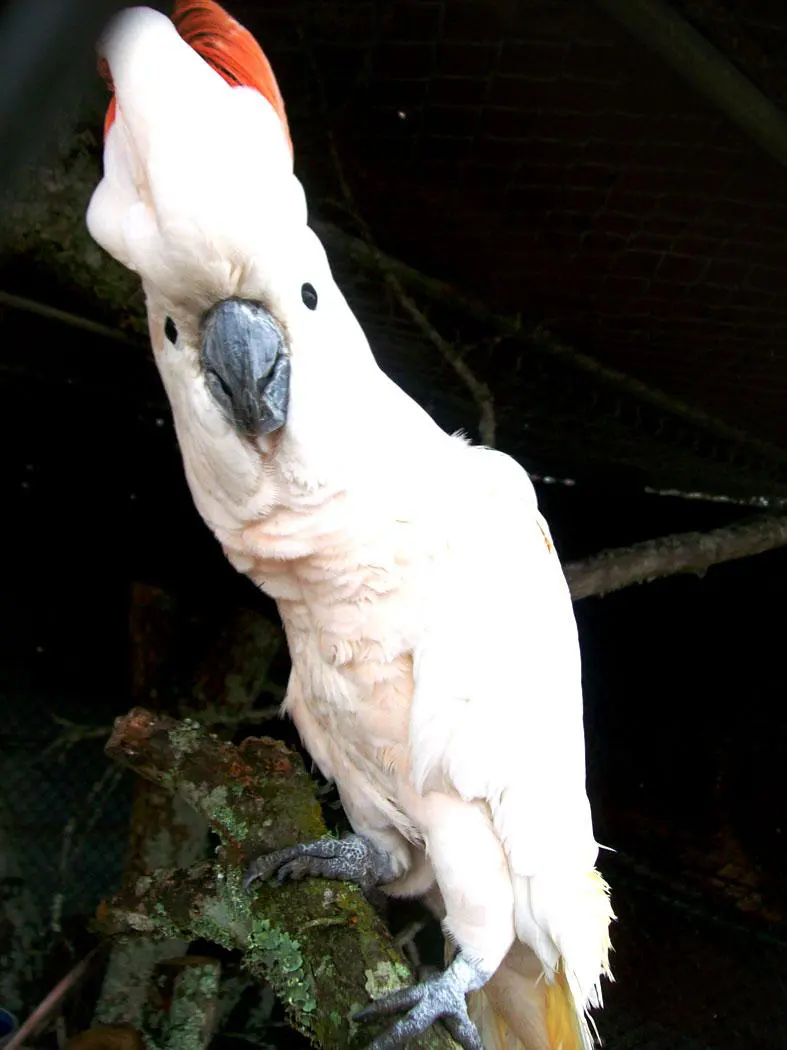
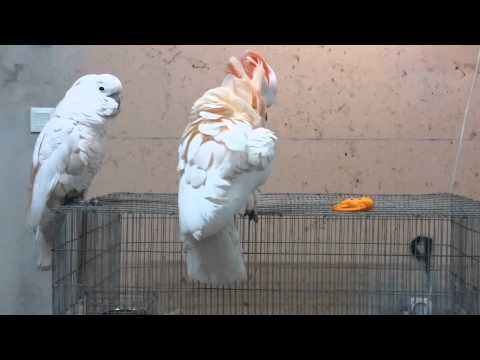
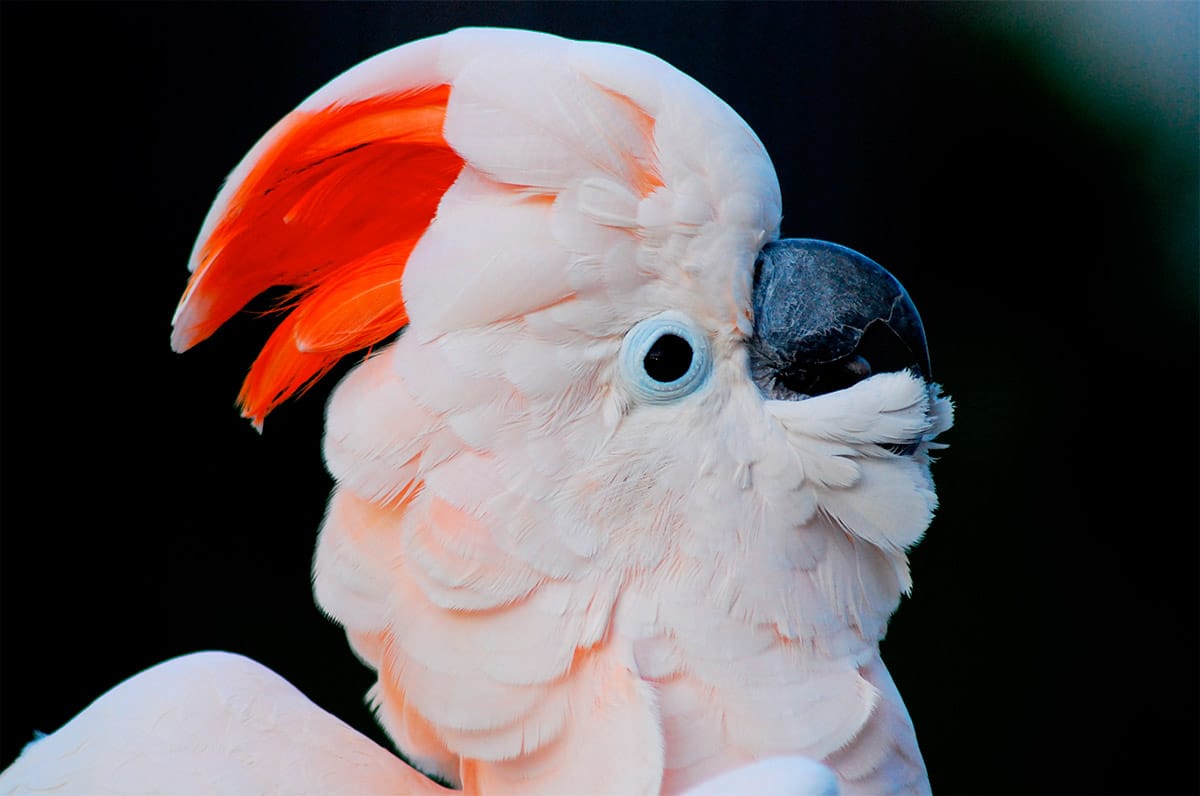
    The plumage of the Salmon-crested cockatoo (Cacatua moluccensis) is predominantly white, except the tuft, that consists of red feathers that is usually when the bird is excited.

    The interior of the wings is light salmon color. The the tail feathers they have a yellow-orange and pink color at the base.
    The bill is strong, curved and black. The legs also are of color black. A skin bare of color white blue surrounds them eyessexual dimorphism It is in the color of your eyes. Males have dark eyes while females have them red.
    The immature are like adults.

    Habitat:

    Video – "Salmon-crested cockatoo" (Cacatua moluccensis)

    moluccan cockatoo

    It shows preference for forests. It is from sea level up to the 1200 metres of elevation. In noisy roosts, during the breeding season, alone or in couples; at other times are found in groups of up to 16 birds. Species usually shy. You enable in the early morning and at dusk.

    Reproduction:

    The breeding season exact in the nature is unknown, but the activity of nesting It has observed in mayo, July and August, When the birds are usually seen alone or in pairs. The nests are built in large trees, taking advantage of holes in the trunks to 25 meters above the ground. The implementation size in captivity is from one to three, usually two, the eggs, they are incubated by both parents for 28 to 29 days.

    Food:

    With feeds fruit, grains, seeds, berries, vegetables and dried fruits. It has a peak strong, able to break the hard shells.
    Probably also feed on insects and their larvae and from time to time in the coconut plantations, where Peck young fruits, to reach the water and the meat of the content.

    Distribution:

    Size of the area of distribution (reproduction / resident): 33.800 km2

    Lives in the Plains to low height in the islands of the South of the Moluccas in Indonesian, Islands of Ceram, Saparua and Haruku.
    It was introduced on the neighbouring island of Ambon.

    Conservation:

    State of conservation โ“˜


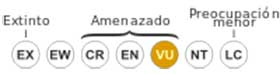
    Vulnerable Vulnerable โ“˜ (UICN)โ“˜

    โ€ข Current category of the Red List of the UICN: Vulnerable.

    โ€ข Population trend: Decreasing.

    Is in the list of species at risk of CIPA (International Council for the protection of birds). It became part of the I in 1989 of the CITES and, in Europe, is covered by the program of protection of the species in extinction (EEP).

    Their main threats they are the illegal trade (in great measure responsibility of Indonesian) and deforestation, that has led to a dramatic loss of habitat.

    In 1982, exported a total of 6.413 birds, around the 15% of all local poultry exports, Since this species is still very desired as a companion bird.

    Although the international trade reported fell to zero in the Decade of 1990, them hunters will have maintained very active and the birds are sold openly in Indonesian.

    Just 62.400 Salmon-crested cockatoo in the world according to the FWS Federal Register.

    In the news Loro Parque Foundation has a "field project" underway for its protection and survival in its country of origin, We hope that this great work to proceed and succeed.

    "Salmon-crested cockatoo" in captivity:

    In captivity is quite rare and face, but he has adapted well and plays smoothly in the spaces provided.

    As a pet is simply exceptional for its docility. The only drawback is the noise it emits at times when its demands are not immediately met.

    Despite their exceptional behavior, we should not consider the possession of this cockatoo as a cage bird of this wonderful bird. Trade can lead in a few years to extinction.

    Alternative names:

    – Salmon-crested Cockatoo, Moluccan Cockatoo, Rose cackatoo (ingles).
    – Cacatoรจs ร  huppe rouge, Cacatoรจs des Moluques (francรฉs).
    – Molukkenkakadu (alemรกn).
    – Cacatua-das-molucas (portuguรฉs).
    – Cacatรบa Copete Encarnado, Cacatรบa Moluqueรฑa, Cacatรบa de las Molucas (espaรฑol).

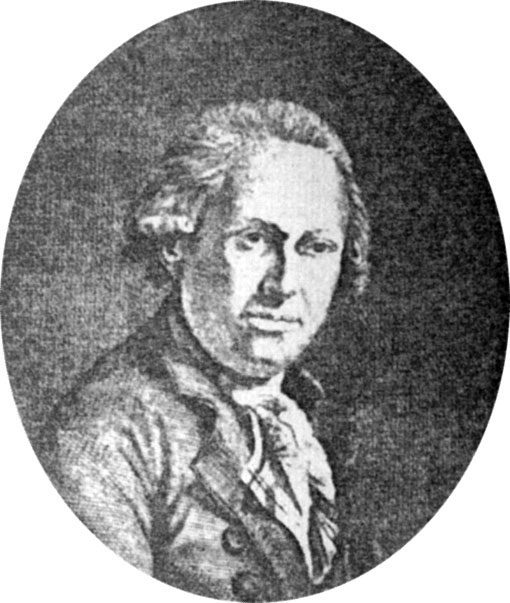
    Gmelin Johann Friedrich
    Gmelin Johann Friedrich

    Clasificaciรณn cientรญfica:


    – Orden: Psittaciformes
    – Familia: Cacatuidae
    – Genus: Cacatua
    – Nombre cientรญfico: Cacatua moluccensis
    – Citation: (Gmelin, 1788)
    – Protรณnimo: Psittacus moluccensis


    Imรกgenes Cacatรบa Moluqueรฑa:


    Especies del gรฉnero Cacatua

    Fuentes:
    – Avibase
    – Parrots of the World โ€“ Forshaw Joseph M
    – Parrots A Guide to the Parrots of the World – Tony Juniper & Mike Par
    – Birdlife

    – Fotos: de.wikipedia.org, Wikimedia

    – Sonidos: Frank Lambert (xeno-canto)

    โ–ท The world of Pets: Dogs, cats, birds, reptiles, amphibians

    Sula hanging parrot
    Loriculus sclateri

    Hanging of the Sula

    Content


    Anatomy-parrots

    Description

    14 cm.. length.

    The plumage of the Sula hanging parrot (Loriculus sclateri) is mostly green.

    The chin and throat They are red. There are orange-yellow markings on the mantle and in the back. The coverts, rump and tail upper are crimson, extending to the tip of the tail. Carpal edge red (Wing attack on the "shoulder"). The tail It is green with yellow-green tip. The bill is black.

    the female has the irises brown, While the male is pale yellow.

    To the Sula hanging parrot Sometimes I have treated as a subspecies of the Moluccan hanging parrot, but the two are treated as separate species based on its clear differences in plumage and size.

    Description 2 subspecies

    • Loriculus sclateri ruber

      (Meyer,AB & Wiglesworth, 1896) – Similar to the nominal species but red in the mantle and back.


    • Loriculus sclateri sclateri

      (Wallace, 1863) – Nominal.

    Habitat:

    They are generally distributed in humid areas of subtropical primary and secondary forests or lowland tropical forests. until 450 meters above sea level – mainly on the edge of the forest. Can also be seen in remaining tall trees in plantations and cultivated areas.

    viewed solos, or pairs or small groups.

    Reproduction:

    The first breeding season begins in January and lasts until April; and if conditions are right, breeding activities can once again be observed from July to September.

    Nest trunks of dead trees, favor of the narrow hollow long with small entrance holes. Noticed it a female carrying nesting material, that can include pieces of bark, leaves and feathers for lining of the nest. Sunset You can consist of 2 to 4 white eggs. Single the female incubates the eggs during 20 days, While the male feeds it. Each egg measures of ~ 15 mm to 18,7 mm.

    Food:

    Its diet natural It consists mainly of red fruits – particularly wild figs, guava and berries, as well as flower buds and flowers. They also feed on nectar and seeds.

    Distribution:

    Size of the area of distribution (reproduction / resident): 30.800 km2

    endemic to the Sula Islands (Taliabu, Mangole and Sanana), as well as of Banggai in Sulawesi (formerly known as Celebes)

    Distribution 2 subspecies

    Conservation:


    minor concern


    โ€ข Current IUCN Red List category: Least concern

    โ€ข Population trend: Stable

    The size of the world population It has not been quantified, but the species is described as common in its range (pit et to the. 1997).

    The population is suspected to be stable in the absence of evidence of any reduction or substantial threats.

    A possible threat to its existence are the capture for the bird trade and habitat loss.

    "Sula hanging parrot" in captivity:

    Practically unknown in captivity.

    Alternative names:

    – Sula Hanging-Parrot, Sula Hanging Parrot, Sulu Hanging Parrot (ingles).
    – Coryllis de Sclater, Coryllis des Sula (French).
    – Sulapapageichen (German).
    – Loriculus sclateri (Portuguese).
    – Lorรญculo de las Sula (espaรฑol).

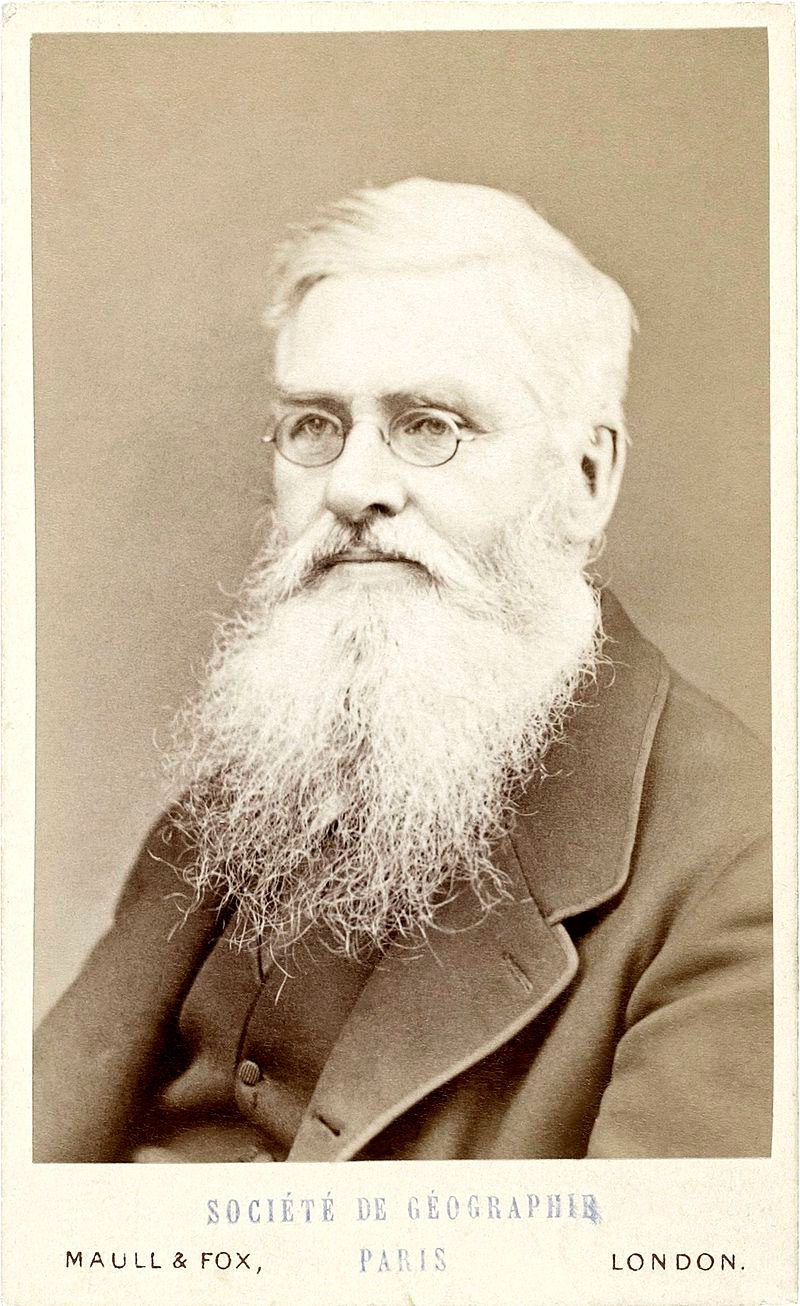
    Alfred Russel Wallace
    Alfred Russel Wallace

    scientific classification:


    – Order: Psittaciformes
    – Family: Psittaculidae
    – Genus: Loriculus
    – Scientific name: Loriculus sclateri
    – Citation: Wallace, 1863
    – Protonimo: Loriculus sclateri


    Images "Sula hanging parrot"

    Videos "Sula hanging parrot"

    ————————————————————————————————

    "Loricle of the Sula" (Loriculus sclateri)


    Sources:

    – Avibase
    – Parrots of the World โ€“ Forshaw Joseph M
    – Parrots A Guide to the Parrots of the World – Tony Juniper & Mike Parr
    – Birdlife
    – beautyofbirds

    – Photos:

    (1) – ยซLoriculussclateriwolfยป by Joseph Wolf – Proceedings of the Zoological Society of London 1862 (Web). Licensed under Public Domain via Wikimedia Commons.

    – Sounds: Peter Wilton (Xeno-canto)

    โ–ท The world of Pets: Dogs, cats, birds, reptiles, amphibians

    Socorro Parakeet
    Psittacara brevipes


    Aratinga de Socorro

    Content

    Description:


    Anatomy-parrots

    Approximately from 33 cm.. length, and a weight of 140 g.
    The Socorro Parakeet (Psittacara brevipes) is a medium Parrot with the plumage bright dark green, with the crown, the forecrown and lores grass-green, the sides of neck slightly brighter, the head and the neck, sometimes with one or more scattered feathers of orange-red. The upperparts are green grass, slightly brighter in the area of the rump. Upperwing-coverts herb with bluish green in the outside greater coverts. Primaries and secondaries Green in the part superior with tint blue in them vane outer; olive Oliva-Amarillo down. Underwing-coverts green. Underparts grass-green. Above, the tail dark green, by down color yellowish olive.

    The bill color horn; eye ring pale beige; irises orange yellow or orange; legs yellowish brown.

    Aratinga de Socorro

    Gender-related differences are unknown although the immature has irises Brown color.

    NOTE:

    • The Socorro Parakeet It is often considered a subspecies of the Green Parakeet. But, Howell and Webb They presented evidence that supports the separation of the species from the other subspecies of Aratinga holochlora. They found that the bill of the Socorro Parakeet is larger than, and noticed differences in the color of the skin of the eye ring, also has a Wing formula different, the tenth primary feather It is shorter than the seventh and Green Parakeet is the reverse. Both species also differ in the vocalization, calls of the Green Parakeet they are richer in harmonics that the of the Socorro Parakeet.

    Habitat:

    Most commonly observed in forests of species such as Bumelia socorrense, Guettarda insularis, Ilex socorroensis, with trees of at least 8 metres in height. Usually, above 500 m (especially on the South side of Socorro island), because in most of the rest of its distribution area, in the lower elevations, It has lost its vegetation preferred because of the sheep pasture.

    Registered at low altitudes, 4 m, where the native forest (in canyons), near the sea level, especially in tall trees of Croton masonii, Conocarpus erecta and Ficus.

    Usually, in flocks of up to 40 birds, rarely come to the 100 specimens. They gather in numerous flocks on the branches of the guayabillo, in smaller flocks (until 6) or only in pairs during the breeding season.

    Son social, even there is care collective nests, They show strong fidelity to nesting sites, based on observations of re-use of nests.

    Reproduction:

    They nest in tree cavities, especially of the species Bumelia socorrense. the size of the clutch It is unknown, but the breeding It is thought that it can begin in the month of November. The young are altricial.

    Food:

    Registered foods include seeds trees Bumelia socorrense, Guettarda insularis, Ilex socorroensis and Psidium socorrense; pulp of fruits of Opuntia and Ficus cotinifoilia, especially in the season dry.

    They aim to feed in the tips of the trees or the highest branches, Although also has observed them are home on the floor

    Distribution:

    Endemic, It is only in the Socorro island in the The Revillagigedo Islands archipelago off the West coast of Mexico. Estimated population in 400-500 birds in 1992 (approximately nine birds per kmยฒ of suitable habitat). considered common, but recent decreasepossible n due to loss of preferred habitat (still present in about 22% of the island) and the resulting erosion of the sheep that graze in excess. Predation by feral cats can also be a threat.

    Conservation:

    State of conservation โ“˜


    Endangered Endangered โ“˜ (UICN)โ“˜

    โ€ข Red List category of the UICN current: In danger of extinction

    โ€ข Population trend: Decreasing

    Threatened in the Mexican official standard NOM- 059-ECOL-2001, but in Danger of extinction in the NOM-O59-SEMARNAT-2006 that is not yet published. CITES Appendix II

    The Socorro Parakeet (in danger of extinction; It is only in the Socorro island and this species the habitat destruction threatens, as well as the introduction of cats, sheep and rodents.

    Estimated population in 400-500 birds in 1992.

    "Socorro Parakeet" in captivity:

    The species, unlike most continental psittacines, does not face problems of extracting pups for the pet market.

    Alternative names:

    – Socorro Parakeet, Green Parakeet (Socorro), Socorro Conure (English).
    – Conure de Socorro, Perruche de Socorro (French).
    – Socorrosittich, Socorro-Grรผnsittich (German).
    – Periquito-de-socorro (Portuguese).
    – Aratinga de Socorro, Perico de Socorro, Perico mexicano (espaรฑol).
    – Perico de Socorro (Mexico).


    scientific classification:

    George Newbold Lawrence
    George Newbold Lawrence

    – Order: Psittaciformes
    – Family: Psittacidae
    – Genus: Psittacara
    – Scientific name: Psittacara brevipes
    – Citation: (Lawrence, 1871)
    – Protonimo: Conurus holochlorus var. brevipes


    Species of the genus Psittacara

    Sources:

    – Avibase
    – Parrots of the World โ€“ Forshaw Joseph M
    – Parrots A Guide to the Parrots of the World – Tony Juniper & Mike Parr
    – ยฉ CONABIO

    – Photos:

    (1) – Revillagigedo Archipelago by CONANP
    (2) – Photo: (c) Carlos Galindo-Leal, some rights reserved (CC BY-NC) – inaturalist.org

    – Sounds: Manuel Grosselet & Juan Cornejo / Africam Safari (Xeno-canto)

    โ–ท The world of Pets: Dogs, cats, birds, reptiles, amphibians

    Blaze-winged Parakeet
    Pyrrhura devillei


    Blaze-winged Parakeet

    Content

    Description:

    Blaze-winged Parakeet

    It measures 25 to 28 cm. and 70 weight GR.

    In flight notorious is the armpit red with yellow line at the end; Red patch in the belly. The tail is opaque red.

    Was formerly considered as a subspecies of the Maroon-bellied Parakeet (Pyrrhura frontalis), of crown brown, darker underparts, and underwing-coverts especially red and yellow.

    Bill black; eye ring naked white; irises brown. Tail long.

    It has no sexual dimorphism.

    Habitat:

    It lives in the Woods, on the clear and marshy edges, until the 1000 m.

    It is a species tolerant of disturbance of the habitat.

    Fly in flocks between 6 to 12 individuals.

    Reproduction:

    It nests in hollow of trees and is plays between October and December.

    Food:

    Feed a wide variety of dried fruits and fruit.

    Distribution:

    Is distributed between the South of Brazil (Mato Grosso from the South), North of Paraguay (Northwest of Conception and Southeast of Alto Paraguay) and Southeast of Bolivia.

    In Brazil only it is known in Mato Grosso from the South, where is limited to the mountain ranges of Bodoquena and Maracayu, in the Ecotone between the Planalto and the lowlands of the Pantanal, and along the taboco river in the municipality of Aquidauana. It has a very limited range in the Paraguay, from where records of the latter are confined to gallery forests along the apa river.

    Conservation:

    โ€ข Red List category of the UICN current: Near-threatened
    โ€ข Population trend: Stable

    The size of the world population Blaze-winged Parakeet It has not been quantified, but this species has been described as ยซrareยซ.

    State of conservation โ“˜


    Near-threatened Near Threatened โ“˜ (UICN)โ“˜

    This species is suspected that they have experienced a moderately rapid decline due to the extensive loss and degradation of its habitat range within. Now survive in a highly fragmented landscape. Its area of distribution in Brazil has suffered extensive forest loss and degradation through agricultural expansion and charcoal production. The forests of the North of Conception and those who are in Chaco, in the easternmost area of Paraguay, are coming under increasing pressure and have seen considerable deforestation in recent 10 years (R. Clay in litt., 2009).

    There is one hybridization apparent with the Maroon-bellied Parakeet (Pyrrhura frontalis) observed in the apa river (R. Clay in litt., 2009).

    The trade is apparently minimal (pit et to the., 1997).

    "Blaze-winged Parakeet" in captivity:

    These small parrots are very rare in captivity, Although its potential for pets is excellent. Are birds animated and soon procured confidence with its owner. They often enjoy bath and are not hard chewing. are mostly calm and they shall only be loud when they are excited. They can be aggressive toward other birds. Playful and curious and generally resistant.

    Alternative names:

    – Black-winged Parakeet, Black-winged Conure, Blaze winged Parakeet, Blaze-winged Conure, Blaze-winged Parakeet, Deville’s Conure (English).
    – Conure de Deville, Perriche de Deville, Perruche de Deville (French).
    – Devillesittich, Deville Sittich, Deville-Sittich (German).
    – tiriba-fogo (Portuguese).
    – Chiripepรฉ ala anaranjada, Cotorra de Deville, Perico de Alas Naranjas, Periquito alianaranjado (espaรฑol).
    – Periquito alianaranjado (Bolivia).
    – Chiripepรฉ ala anaranjada (Paraguay).

    scientific classification:

    – Order: Psittaciformes
    – Family: Psittacidae
    – Genus: Pyrrhura
    – Scientific name: Pyrrhura devillei
    – Citation: (Massena & Souancรฉ, 1854)
    – Protonimo: Conurus Devillei

    Images "Blaze-winged Parakeet"

    Videos "Blaze-winged Parakeet"


    Especies del gรฉnero Pyrrhura

    Blaze-winged Parakeet (Pyrrhura devillei)


    Sources:

    – Avibase
    – Parrots of the World โ€“ Forshaw Joseph M
    – Parrots A Guide to the Parrots of the World – Tony Juniper & Mike Parr
    – Birdlife

    – Photos:

    (1) – Blaze-winged Parakeet, Pousada Aguape, Mato Grosso Sul, In Brazil Flickr by Wildlife Travel
    (2) – Iconographie des perroquets :Paris :P. Bertrand,1857 biodiversitylibrary

    – Sounds: (Xeno-canto)

    โ–ท The world of Pets: Dogs, cats, birds, reptiles, amphibians

    Vulturine Parrot
    Pyrilia vulturina

    Vulturine Parrot

    Content

    Description:

    23 cm.. length and a weight between 138-165 g..

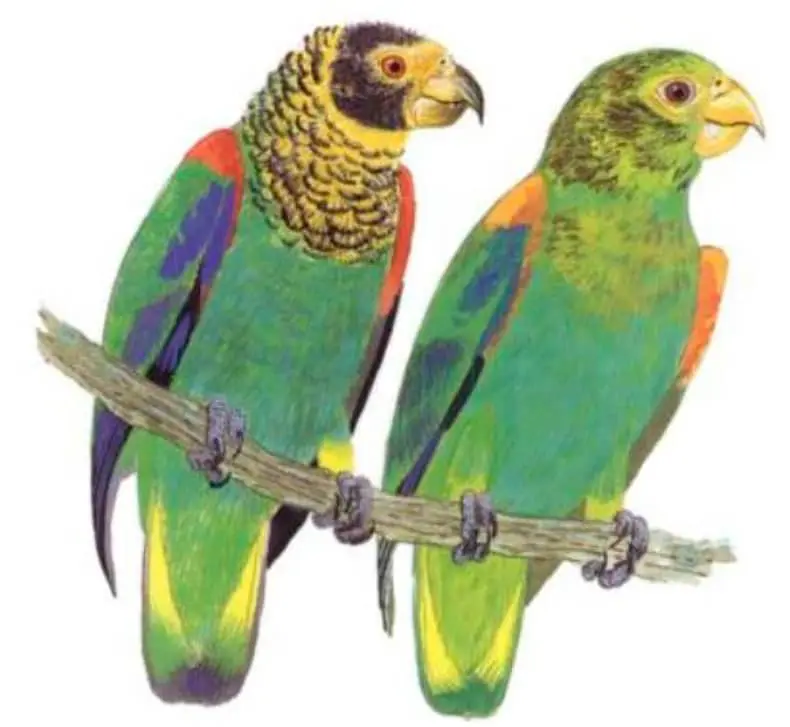
    The Vulturine Parrot (Pyrilia vulturina) It is a small parrot with bare skin yellow orange and covered bristles pale hairlike, in the area that covers the forecrown and back of the crown, until the eyes; bare skin on lores, the cheeks and center of crown black and covered with bristles black hairlike; feathers on the sides of neck and in the part back from the crown, are yellow, forming a band bright contrasting with the black of the head bare; back of the neck, black; upperparts green.

    carpal area and lesser upperwing-coverts, orange-yellow; outer median coverts with some blue; leading edge of wing, red; primary coverts blue; rest of the upper parts of the wings, green.

    Primaries bluish-black with narrow bluish-green margins to outerweb. Under, the wings with coverts red; flight feather green with blackish tips. feathers throat and the chest, olive yellow with dark tips, giving a scalloped effect; belly green with bluish tint; undertail-coverts brighter yellowish green. Tail green with tips blue and outer feathers with yellow on base of innerwebs. Bill dark blackish-grey with patch pale yellow at the base of the upper jaw; cere yellowish-horn; irises brownish-orange; legs grey.

    Both sexes are similar.

    The head of the immature, fully feathered (except in the eye ring); greenish on the cheeks and yellow olive in the rest of the head with no collar yellow. The bend of wing and underwing-coverts, yellowish-orange; irises darker.

    • Sound of the Vulturine Parrot.

    Habitat:

    It inhabits in the rainforest of lowland formations vรกrzea (seasonally flooded forest), and the Mainland (without flooding). Gregarious.

    Reproduction:

    No details on the reproductive biology of this species.

    Food:

    diet includes fruit, seeds and berries taken in the forest canopy. Its bareheaded adaptation may be a high frugivore diet, to prevent the fruit pulp enmaraรฑara their feathers.

    Distribution and status:

    Size of its range (breeding/resident ): 1.030.000 km2

    endemic to northeast Brazil, to the South of the amazon, from the eastern state of amazon, on the east bank of Madeira River, passing by For, to the south, up to the Serra do Cachimbo, extending eastward to the areas bordering northwest Maranhรฃo, in the region of the Gurupi River. May be restricted to areas around major rivers within this region, which would mean that the size of the range may be overestimated.

    References in relation to its range to include Venezuela (lower basin Caura River) and Guyana, They are apparently wrong.

    generally considered Rare, although undoubtedly they not have a lot of data due to the difficulty of observation of this species.

    The continuing rapid deforestation throughout its range has had to contribute to a substantial decrease in the population Vulturine Parrot in the last decades.

    They can be seen in protected forests in the west of its range, but illegal logging and colonization remain a threat even there.

    Conservation:


    Vulnerable


    โ€ข Current category of the Red List of the UICN: Vulnerable.

    โ€ข Population trend: Decreasing.

    Rationale for the Red List category

    Based on a model of future deforestation in the amazon basin and its dependence on primary forest and sensitivity to fragmentation, It is suspected that population of this species will decrease rapidly during the next three generations and, therefore, It has risen to Vulnerability.

    Justification of the population

    The population size World has not been quantified, but this species is described as ยซRareยป (Stotz et to the ., 1996).

    Justification of trend

    It is suspected that this species has lost 37,1-54,8% of habitat within its distribution over three generations (21 years) starting from a model of deforestation Amazon (Soares-Filho et to the ., 2006, Bird et to the ., 2011). Although the species may have some susceptibility to hunting and / or capture, also it appears to have some degree of tolerance habitat degradation (A. Lees in litt ., 2011). So, you suspect your population decline by 30-49% during three generations.

    Conservation Actions Underway

    โ€ข Is listed as Vulnerable nationally in Brazil (MMA 2014).

    โ€ข No specific actions known.

    Conservation Actions Proposed

    โ€ข Expand the network of protected areas to effectively protect the IBA.

    โ€ข Effectively manage existing and new protected areas and resources, using the emerging opportunities for financing the management of protected areas with the overall goal of reducing carbon emissions and maximize the conservation of biodiversity.

    โ€ข It is also essential to conservation on private land, through the expansion of market pressures for proper land management and prevention of deforestation on land not suitable for agriculture (Soares-Filho et to the., 2006).

    โ€ข Campaign against proposed changes to the Brazilian Forest Code that would lead to a decrease in the width of the areas of riparian forest protected as Permanent Preservation Areas (APPs), that function as vital corridors in fragmented landscapes.

    "Vulturine Parrot" in captivity:

    It is not found in aviculture; Probably they never stood outside Brazil.

    Alternative names:

    – Vulturine Parrot (English).
    – Caรฏque vautourin (French).
    – Kahlkopfpapagei (German).
    – curica-urubu, papagaio-urubu, periquito d’anta, periquito-urubu, pirรญ-pirรญ, urubu-paraguรก (Portuguese).
    – Lorito Cabeza Zamuro, Lorito Vulturino (espaรฑol).

    scientific classification:


    Kuhl, Heinrich
    Heinrich Kuhl

    – Order: Psittaciformes
    – Family: Psittacidae
    – Genus: Pyrilia
    – Scientific name: Pyrilia vulturina
    – Citation: (Kuhl, 1820)
    – Protonimo: Psittacus vulturinus

    Images "Lorito Vulturino":

     Vulturine Parrot

    Videos Lorito Vulturino:

    Pyrilia vulturina ( Curica Vulture)

    "Lorito Vulturino" (Pyrilia vulturina)

    Sources:

    • Avibase
    • Parrots of the World โ€“ Forshaw Joseph M
    • Parrots A Guide to the Parrots of the World – Tony Juniper & Mike Parr
    • Birdlife

    • Photos:

    (1) – Pyrilia vulturina (adult and immature) – Imagen de Parrots A Guide to the Parrots of the World – Tony Juniper & Mike Parr
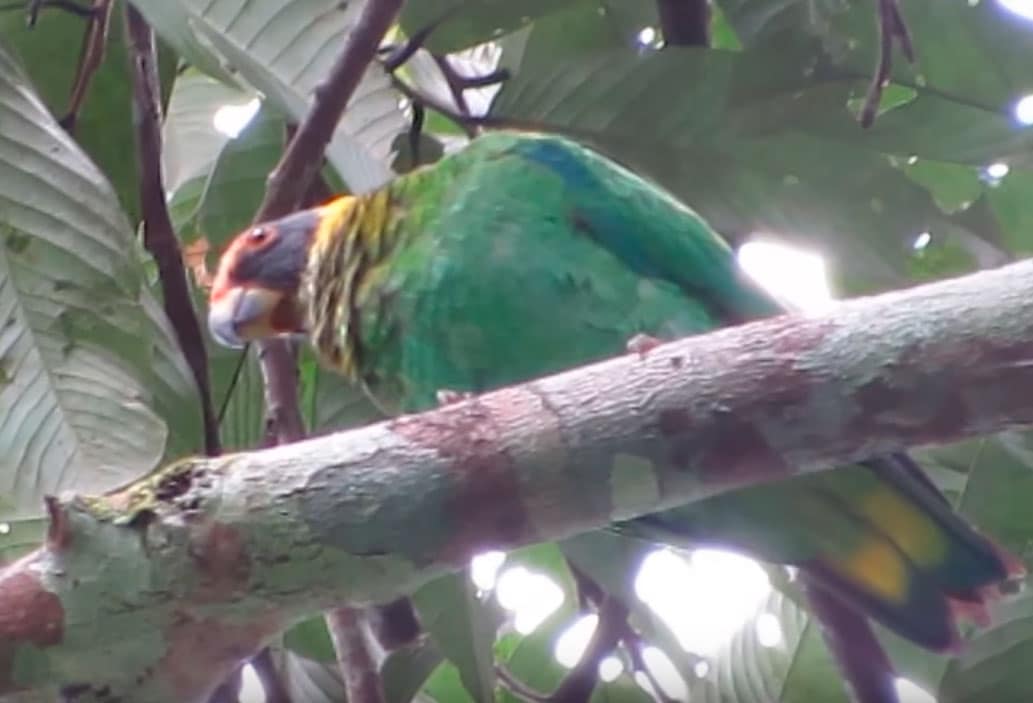
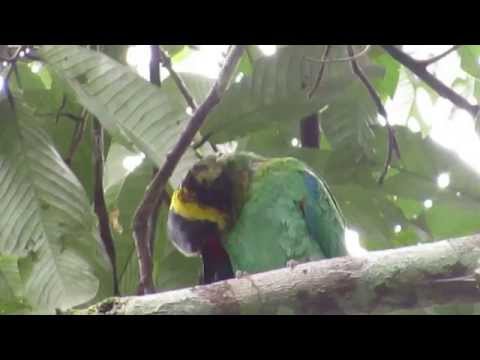
    (2) – Pyrilia vulturina ( Curica Vulture) by victor castro