The Griffon belge is almost identical to Griffon Bruxellois, from which differs only in color.
Content
History
Originally from Belgium, as the name reflects, the Griffon belge It is an original and easy-going companion dog.. Rational in origin, They are today friendly and lively companions who however struggle to find their audience as they remain one of the lesser known breeds in the group. 9.
The three races that make up the group 9 of the ICF have a similar morphology, but different coat quality and color varieties.
They share a common history and are descended from a small, wire-haired dog., he "smousje«, present in the Brussels region for decades.
The first Griffon belge were entered in the Book of Origins of Saint-Hubert in 1883.
These dogs became very popular at the beginning of the 20th century thanks to the interest shown by Queen Marie Henriette of Belgium.. They became the favorites of high society ladies and elegant women.
The iconography that represents the breed is abundant and paintings with small wire-haired Griffons have been found since the 17th century..
The breed began to be exported abroad, especially to France in the middle of the 20th century.
Physical characteristics
This is a small dog a balanced, sturdy built, almost square body frame, fixed frame and elegant movements, the look awake and lively. Its almost human expression is especially striking.
The body weight is about 3,5 – 6 kg. The head is the most characteristic and striking part of the body. It must be quite large compared to the body and the hair of it is rough, erected, makes a rich mustache and beard. It also highlights the visual aspect of the "big head". The skull should be broad and rounded, properly arched eyebrows.
The nose from the front at the same level as the eyes should be black, wide, with the nostrils properly open. Its tip should be so far back when viewed from the side flush with chin and forehead.
The lips are black at the edges, tight, near the jaws and teeth. There is no overlap of the top and bottom. If they are too loose, interrupt the desired expression. The lower jaw is longer than the upper jaw (physiologically underprotected jaw), directed slightly upwards, wide at the top and cannot be pointed. Its width is very important since the chin protrudes. The incisors of both jaws should be regularly arranged in a row, in which the top and bottom are parallel. No incisors should be missing. If the mouth is closed, neither teeth nor tongue can be seen.
The eyes must be separated, be big and round, should never be prominent. The iris is brown, the more dark best. The edges of the eyelids should be black. The defect is considered small eyes, oval in shape and bright colors.
The back is straight, short and strong. The tail must be set high and carried. When amputated, should be reduced by 2/3 of its original length. If the animal protection law prohibits cuts, can remain uncut. When it unfolds, must be high, curved so that its tip bends towards the back, don't touch the back or can't squirm. Short tail, twisted or kinked is considered a serious offense.
The Griffon belge they have a rough coat with undercoat. The mantle is rough, slightly wavy, but not curly. The fur rules, but to be correctly evaluated its structure must be long enough. Too long hair obscures the typical silhouette and is therefore not acceptable. A silky or woolly coat is evaluated as a serious fault.
Character and skills
He is a nervous dog and can become a very barking dog if he feels lonely or bored. He has a strong personality and for this he needs a good education from a very young age. The Griffon belge she is also lively, attentive, brave and always act with determination. So, You have to be careful that he does not suffer because his courage and self-confidence often means that he does not see the danger.
Can usually live with children and other pets. A curious and loving dog of character Terrier, very active and always reacts to strange noises.
The Griffon belge needs to be accompanied all the time, cannot stand being alone and may develop negative behaviors to attract attention such as barking or causing damage. This "furry" has a tendency to become attached to a person, following her most of the time.
Tireless and always ready to play with everyone, he's kind most of the time, but you can also play a role of guardian of the property and your family.
Education
He is very intelligent and loves to learn. Your education is, Therefore, relatively easy, although it must be firm and adequate, as she tends to be slightly stubborn at times.
An early and well-adapted education will prevent him from growing up doing only what he wants.
Very sociable, has no problem with the inhabitants of the house, whether human or animal.
Although he is sociable by nature, sometimes he is shy with strangers, which makes him a good guardian. So, their socialization should be aimed at not exacerbating this natural shyness in front of strangers.
They can live anywhere and with any type of owner. Despite its small size, have a great need for exercise, but it is easy for him to do it anywhere, precisely because of its small size.
Health
The Griffon belge is generally in excellent health. They are not affected by any particular disease or pathology.
Some subjects may sometimes suffer from eye infections or dermatological problems, although these cases are still rare. Its longevity is very appreciable.
Grooming
Her pretty fur, quite complete, requires regular brushing to ensure a beautiful and healthy coat. No other particular maintenance is necessary.
Utility
They are great companions, besides being incredible guard and hunting dogs. They can easily raise the alarm when intruders invade their territory, as well as scare away small rodents from the area. It is also very noticeable in skill sports (agility).
Price
Purchase price of a puppy Griffon belge: between 700 € y 900 €.
Characteristics "Griffon belge"
Coexistence is important that you have with your new friend. Before considering the acquisition of a dog of the breed "Griffon belge" you know certain factors. Not all breeds of dogs are apt to live in an apartment, you must take into account his character, their need for exercise, their interaction with other pets, their care and if you have small children, their level of tolerance towards them.
Date of publication of the valid original standard:
25.03.2003
Use:
Small guard and companion dog.
General appearance:
small pet dog; Intelligent, balanced, alert, haughty, robust, nearly square bodied ; with a good bone constitution, but at the same time elegant in its movements and in its construction. It draws attention for its almost human expression.
The two Griffons have hard hair and differ in color., while the Petit Brabançon has short hair.
important proportions:
The length of the body, from the tip of the shoulder to the tip of the buttock, should be as much as possible, equal to the height at the withers.
Behavior / temperament:
Balanced little dog, alert, haughty, well attached to his master, very vigilant. It is neither fearful, nor aggressive.
Head:
It is the most characteristic part of the body and the one that attracts the most attention.. The head is quite large compared to the body and has an almost human expression. At the Griffon the hair is hard, up and shaggy; is longer over the eyes, over the nostril, cheeks and chin, thus forming the decoration of the head.
Cranial region:
Wide and round. The forehead is well bulging.
Depression links (Stop): Well marked.
facial region:
Truffle : black. It is at the same level of the eyes. It's wide and the windows are wide open. The tip of the nose is raised back, which seen in profile places the chin, nose and forehead on the same margin.
Snout : The nasal canal, including truffle, it's very short ; will not exceed 1,5 cm long. In the Petit Brabançon a correct nasal passage appears longer, since there is no ornament. A nostril that is not upturned, as well as a truffle whose upper part is located below the lower eye line, give a bad impression and constitute serious misconduct.
Belfos : Blacks. Upper and lower lips are in close contact and tight. The upper one does not form flews and does not cover the lower one. Too loose spoils the desired expression.
Jaws / Teeth : The lower jaw is well curved upwards, is wide, not pointed and extends beyond the upper jaw ; the breed has lower prognathism. The six incisors of each jaw are preferably planted evenly and in a straight line, those above and below are very parallel. The mouth should be tightly closed and not even the teeth should be visible, nor the tongue. The width and protrusion of the chin are very important. Care should be taken that incisors are not missing.
Eyes : They are well separated, they are big and round, never prominent. Brown in color, as dark as possible. They will be bordered with black and preferably should not show the white of the eyeball. A small or oval eye, or light color, constitutes a fault.
Ears : Small, they are high, far enough apart. The uncut ears are semi-erect and fall to the front. Very large ears are not desirable, as well as ears that hang over the side of the head. Cropped ears are pointed and erect. Cropped ears are both accepted, like the uncut ones.
Neck:
Medium length; blends harmoniously with the shoulders.
Body:
The length of the body is almost equal to the height at the withers. From the set it is a small square and stout dog.
Cross: Slightly prominent.
Back: Straight, short and strong.
Pork loin: Short and muscular, very little raised.
Rump: Wide, flat, or at most very slightly inclined.
Breast
: Large, reaches up to the elbows. The tip of the sternum is marked, which it's, in profile, imparts a slightly prominent sill. The ribs are very elastic, but not barrel-shaped, not too flat.
bottom line: The belly is slightly raised; the flanks are well marked.
Tail:
She is tall and the dog wears her high. The docked tail is trimmed 2/3 its length. The tail that has not been cut is presented raised, with the tip towards the back, although without touching it or being curled up. A naturally short or split tail, or curled up on the back, constitutes a serious offense.
Tips
Former members :
Seen together they are parallel, with a good bone structure and sufficiently separated.
Shoulder : Angulation is normal.
Elbows : Well attached to the body.
Carpi : Strong.
Pies : Small, round, they do not deviate even inwards, nor out. Fingers are good together; fingers sticking together constitutes a fault. Plantar pads are thick and as dark as possible. Nails are preferably black, as pigmented as possible.
Later members :
Seen as a whole they have a good bone structure and are well parallel. The angulations are in harmony with the forelimbs.
Babillas : Angled enough.
Hocks : well laid. Seen from the back, not closed, not open.
Pies : See previous members. Dewclaws are not a sought after characteristic.
Movement:
Powerful, parallel movement of the limbs, with a good boost from the posteriors.
Mantle
Fur: Hair quality:
The Griffon Bruxellois and the Griffon Belge both have a hard coat and an undercoat.. Hair is naturally hard, slightly wavy, not curly, but trimmed and arranged for display. It should be long enough to allow the structure to be appreciated. Too long hair spoils the silhouette and is not what you are looking for. Silky or woolly hair is a serious offense.
The Petit Brabançon has short hair. Hair is rough, smooth and shiny; has at most 2 cm long.
Head ornament: At the griffon, the ornament (beard and mustache) It starts under the nose-eye line and runs from one ear to the other., covering well the muzzle and cheeks with a very abundant hair and longer than on the rest of the body. Above the eyes, the hair should be longer than on the rest of the skull and form the eyebrows.
Color: Griffon Bruxellois: Red, reddish; a little black is tolerated on the headdress.
Griffon Belge: Negro, black and tan. Tan markings must be pure and uniform in color. They are presented, in the previous members, from foot to carpus, and in the hindquarters from the foot to the hock. These colors go up the inside of the limbs. They are also seen in the anterior part of the chest, cheeks, chin, on top of the eyes, on the inside of the ears, below the tail and around the anus. Black can be mixed with red-brown, which is accepted although pure black and black and tan are preferred.
Petit Brabançon: The same colors as the two Griffons. Has a dark mask. The gray in the mask of older dogs will not be penalized. In all three breeds some white hairs on the front of the chest are accepted, although this feature is not sought.
Size and weight:
Weight: It varies between 3,5 to 6 kg.
Fouls:
Any deviation from the aforementioned criteria is considered as a fault and the severity of this is considered to the degree of the deviation to the standard and its consequences on the health and well-being of the dog..
ELIMINATING fAULTS:
Any sign of aggressiveness. Fearful dog.
Nose depigmented or other than black.
Constantly visible tongue, being the mouth closed.
Twisting of the lower jaw.
Upper jaw that extends beyond the lower jaw.
Other colors other than those provided by the standard, such as gray, blue and fire, the brown and tan and the liver color (brown).
Any white stain.
Any dog showing clear signs of physical or behavioral abnormalities should be disqualified..
N.B.:
Males should have two normal-appearing testicles fully descended into the scrotum..
Source: F.C.I - International Cynological Federation
The Griffon Bruxellois is known to have a big heart, and a strong desire to snuggle and spend long hours with their caregiver.
Content
History
The Griffon Bruxellois, semi-long hair variety, It is the oldest of the Belgian Griffons. It is said to descend from Smousje, a small rough-haired Brussels dog that was used to hunt rats.. Was before 1880 when the selection and improvement of this breed began in Brussels. Crosses were made between the Barbet, the Stable griffon, the Affenpinscher, el Yorkshire Terrier, the Pug and the Cavalier King Charles spaniel (ruby fur; solid red). Presented for the first time in Brussels at 1880, three years later a first standard of the Griffon Bruxellois, which was modified in 1904 to lead to the final version. A first breed club was then created in Great Britain in 1887, and then in the United States in 1945. The breed is recognized by the FCI since 1954.
Like all Grifones belgas, the Griffon Bruxellois was especially popular in the early 20th century, thanks above all to the interest shown by Queen Marie Henriette of Belgium. But, the two world wars brought the breed to the brink of extinction. It only owes its survival to the efforts of enthusiasts., especially the british. In fact, hardly any left Griffon Bruxellois in Belgium at the end of WWII.
Today, is a dog that is still relatively rare.
It is in Great Britain where Griffons are more widespread, while in the rest of Europe, the population is still very low.
The AKC registered its first Griffon Bruxellois in 1910. If not for the dedication of the American and British enthusiasts, the race might not have survived.
The Griffon Bruxellois gained millions of new fans in 1997, when a rogue Griffon Bruxellois named Jill upstaged Jack Nicholson in the hit movie «As Good As It Gets«.
Physical characteristics
The Griffon Bruxellois is a small companion dog, Intelligent, balanced, alert, proud and robust, almost square in constitution, with good bone, but also elegant in his gait and complexion, drawing attention with his almost human expression.
Fur:
The Griffon Bruxellois has a hard coat with undercoat. The coat is naturally rough, slightly wavy, not curly, but yes skinny. The coat should be long enough to allow the structure to be seen. A coat that is too long damages the silhouette and is not sought after. A silky or woolly coat is a serious fault. The Petit Brabançon has a short coat. The coat is rough, closed and bright, and does not exceed 2 cm..
Color: Red, reddish; a little black is tolerated in head decoration.
In the three races (Griffon belge, Griffon Bruxellois and Petit Brabançon) some white hair is tolerated on the chest, but it is not sought.
Weight:
Of 3,5 to 6 kg.
Character and skills
The Griffon Bruxellois is balanced, alert and proud. With an assertive character and a certain ego, not necessarily suitable in the presence of very young children. In fact, will not appreciate being abused. On the other hand, it will be a very good companion for slightly older children. It also, gets along very well with other animals.
neither shy nor aggressive, the Griffon Bruxellois he is very vigilant and attached to his master. Above all, he needs to be close to his family, and is perfectly suited to apartment living. It also, have a moderate need for exercise: a daily walk is enough for him. This also makes him a suitable dog for an older person, if it is willing to provide the necessary maintenance. With more reason, by not supporting loneliness, will certainly prefer a very available master, with whom you can share games and emotions.
Last, it is a very funny and expressive animal, what will the happiness of home do. Some say that their mimicry is similar to that of a human or a monkey.
Education
In general, they seem to pick up tricks quickly and love to practice them when their attention is drawn to them. to him Griffon Bruxellois loves agility tests, in which they stand out. With his "mad king" look in his fur coat, they can be fun and upbeat if given enough love. As it is a breed that tends to become more attached to a single member of the family, he will have to be accustomed to meeting as many people as possible from a young age so that he does not become excessively protective.
They are not troublemakers, but problems can arise if they become too dependent. They do not like to be alone for a long time because they immediately miss their master. Your love of the game makes it easy to bond. They love to play fetch and seem to be inexhaustible when it comes to having fun.. Once they have tired, they snuggle in your lap and take a well-deserved nap. They need a short leash walk every day, or just the chance to frolic outside, but they don't need a lot of exercise. Recovery usually works very well.
Health
Although the Griffon Bruxellois it is a generally healthy dog, with an estimated life of fourteen years, is nevertheless predisposed to certain hereditary genetic diseases such as displasia coxofemoral, the medial patella dislocation and the respiratory obstruction syndrome. It is also subject to hydrocephalus, "aberrant cilia" (distichiasis and trichiasis) and skin allergies.
Grooming
For your maintenance, daily brushing is necessary. It is also advisable to groom him regularly and monitor the condition of his eyes and the folds of his face.
His tough fur must be plucked, that is to say, dead hairs must be removed by hand. It is advisable to entrust this removal to a dog groomer.
Breeders of the breed "Griffon Bruxellois"
Tajinastes Kennel | Zoo nucleus B2501363 | Affix Royal Canine Society of Spain 1968 y FCI 55/84 Since the year 1984 – Tajinastes is a hatchery, with the authorized zoological nucleus B2501363, which had its beginnings in the year 1984 in Tenerife and we are currently also in Barcelona where most of our specimens are found. It is born in a family way and because of the love we have always had for this species. We feel privileged to be able to dedicate ourselves to what we like and we cannot conceive of life without having a dog by our side.
Coexistence is important that you have with your new friend. Before considering the acquisition of a dog of the breed "Griffon Bruxellois" you know certain factors. Not all breeds of dogs are apt to live in an apartment, you must take into account his character, their need for exercise, their interaction with other pets, their care and if you have small children, their level of tolerance towards them.
Date of publication of the valid original standard:
25.03.2003
Use:
Small guard and companion dog.
General appearance:
small pet dog; Intelligent, balanced, alert, haughty, robust, nearly square bodied; with a good bone constitution, but at the same time elegant in its movements and in its construction. It draws attention for its almost human expression.
The two Griffons have hard hair and differ in color., while the Petit Brabançon has short hair.
important proportions:
The length of the body, from the tip of the shoulder to the tip of the buttock, should be as much as possible, equal to the height at the withers.
Behavior / temperament:
Balanced little dog, alert, haughty, well attached to his master, very vigilant. It is neither fearful, nor aggressive.
Head:
It is the most characteristic part of the body and the one that draws the most attention. The head is quite large compared to the body and has an almost human expression. At the Griffon the hair is hard, up and shaggy ; is longer over the eyes, over the nostril, cheeks and chin, thus forming the decoration of the head.
Cranial region:
Wide and round. The forehead is well bulging.
Depression links (Stop) : Well marked.
facial region:
Truffle : black. It is at the same level of the eyes. It's wide and the windows are wide open. The tip of the nose is raised back, which seen in profile places the chin, nose and forehead on the same margin.
Snout : The nasal canal, including truffle, it's very short ; will not exceed 1,5 cm long. In the Petit Brabançon a correct nasal passage appears longer, since there is no ornament. A nostril that is not upturned, as well as a truffle whose upper part is located below the lower eye line, give a bad impression and constitute serious misconduct.
Belfos : Blacks. Upper and lower lips are in close contact and tight. The upper one does not form flews and does not cover the lower one. Too loose spoils the desired expression.
Jaws / Teeth : The lower jaw is well curved upwards, is wide, not pointed and extends beyond the upper jaw ; the breed has lower prognathism. The six incisors of each jaw are preferably planted evenly and in a straight line, those above and below are very parallel. The mouth should be tightly closed and not even the teeth should be visible, nor the tongue. The width and protrusion of the chin are very important. Care should be taken that incisors are not missing.
Eyes : They are well separated, they are big and round, never prominent. Brown in color, as dark as possible. They will be bordered with black and preferably should not show the white of the eyeball. A small or oval eye, or light color, constitutes a fault.
Ears : Small, they are high, far enough apart. The uncut ears are semi-erect and fall to the front. Very large ears are not desirable, as well as ears that hang over the side of the head. Cropped ears are pointed and erect. Cropped ears are both accepted, like the uncut ones.
Neck:
Medium length ; blends harmoniously with the shoulders.
Body:
The length of the body is almost equal to the height at the withers. From the set it is a small square and stout dog.
Cross : Slightly prominent.
Back : Straight, short and strong.
Pork loin : Short and muscular, very little raised.
Rump : Wide, flat, or at most very slightly inclined.
Breast
: Large, reaches up to the elbows. The tip of the sternum is marked, which seen in profile, imparts a slightly prominent sill. The ribs are very elastic, but not barrel-shaped, not too flat.
Lower margin : The belly is slightly raised ; the flanks are well marked.
Tail:
She is tall and the dog wears her high. The docked tail is trimmed 2/3 its length. The tail that has not been cut is presented raised, with the tip towards the back, although without touching it or being curled up. A naturally short or split tail, or curled up on the back, constitutes a serious offense.
Tips
Former members
Seen together they are parallel, with a good bone structure and sufficiently separated.
Shoulder : Angulation is normal.
Elbows : Well attached to the body.
Carpi : Strong.
Pies : Small, round, they do not deviate even inwards, nor out. Fingers are good together; fingers sticking together constitutes a fault. Plantar pads are thick and as dark as possible. Nails are preferably black, as pigmented as possible.
Later members
Seen as a whole they have a good bone structure and are well parallel. The angulations are in harmony with the forelimbs.
Babillas : Angled enough.
Hocks : well laid. Seen from the back, not closed, not open.
Pies : See previous members. Dewclaws are not a sought after characteristic.
Movement:
Powerful, parallel movement of the limbs, with a good boost from the posteriors.
Mantle
Fur
Hair quality : The Griffon Bruxellois and the Griffon Belge both have a hard coat and an undercoat. Hair is naturally hard, slightly wavy, not curly, but trimmed and arranged for display. It should be long enough to allow the structure to be appreciated. Too long hair spoils the silhouette and is not what you are looking for. Silky or woolly hair is a serious offense. The Petit Brabançon he has short hair. Hair is rough, smooth and shiny ; has at most 2 cm long.
Head ornament : At the griffon, the ornament (beard and mustache) It starts under the nose-eye line and runs from one ear to the other., covering well the muzzle and cheeks with a very abundant hair and longer than on the rest of the body. Above the eyes, the hair should be longer than on the rest of the skull and form the eyebrows.
Color
Griffon Bruxellois : Red, reddish ; a little black is tolerated on the headdress.
Griffon Belge : Negro, black and tan. Tan markings must be pure and uniform in color. They are presented, in the previous members, from foot to carpus, and in the hindquarters from the foot to the hock. These colors go up the inside of the limbs. They are also seen in the anterior part of the chest, cheeks, chin, on top of the eyes, on the inside of the ears, below the tail and around the anus. Black can be mixed with red-brown, which is accepted although pure black and black and tan are preferred.
Petit Brabançon : The same colors as the two Griffons. Has a dark mask. The gray in the mask of older dogs will not be penalized.
In all three breeds some white hairs on the front of the chest are accepted, although this feature is not sought.
Size and weight:
Weight: It varies between 3,5 to 6 kg.
Fouls:
Any deviation from the aforementioned criteria is considered as a fault and the severity of this is considered to the degree of the deviation to the standard and its consequences on the health and well-being of the dog..
disqualifying fouls:
Aggressiveness or extreme shyness.
Any dog showing clear signs of physical or behavioral abnormalities.
Nose depigmented or other than black.
Constantly visible tongue, being the mouth closed.
Twisting of the lower jaw.
Upper jaw that extends beyond the lower jaw.
Other colors other than those provided by the standard, such as gray, blue and fire, the brown and tan and the liver color (brown).
Any white stain.
N.B.:
Males should have two normal-appearing testicles fully descended into the scrotum..
Source: F.C.I - International Cynological Federation
▷ The world of Pets: Dogs, cats, birds, reptiles, amphibians
Little Lion Dog (Löwchen)
FCI 233 . Little Lion Dog
Origin: France
Character: Happy, awake and smart.
Weight: 5 - 7 kg
Height: 25 - 33 cm.
Life expectancy: 12 - 14 years
The Little Lion Dog It is little known, so much that in 1960 was defined as the rarest dog in the world.
Content
Characteristics "Little Lion Dog (Löwchen)"
Coexistence is important that you have with your new friend. Before considering the acquisition of a dog of the breed "Little Lion Dog (Löwchen)" you know certain factors. Not all breeds of dogs are apt to live in an apartment, you must take into account his character, their need for exercise, their interaction with other pets, their care and if you have small children, their level of tolerance towards them.
Adaptation ⓘ
2,0 of 5 stars (based on 1 review)
friendly dog ⓘ
4,0 of 5 stars (based on 1 review)
hair loss ⓘ
3,0 of 5 stars (based on 1 review)
Affection level ⓘ
5,0 of 5 stars (based on 1 review)
Need for exercise ⓘ
3,0 of 5 stars (based on 1 review)
Social need ⓘ
4,0 of 5 stars (based on 1 review)
Home ⓘ
3,0 of 5 stars (based on 1 review)
Toilet ⓘ
3,0 of 5 stars (based on 1 review)
Friendly with strangers ⓘ
2,0 of 5 stars (based on 1 review)
barking ⓘ
4,0 of 5 stars (based on 1 review)
Health ⓘ
5,0 of 5 stars (based on 1 review)
Territorial ⓘ
4,0 of 5 stars (based on 1 review)
Cat friendly ⓘ
4,0 of 5 stars (based on 1 review)
Intelligence ⓘ
5,0 of 5 stars (based on 1 review)
Versatility ⓘ
3,0 of 5 stars (based on 1 review)
Child friendly ⓘ
5,0 of 5 stars (based on 1 review)
Surveillance ⓘ
3,0 of 5 stars (based on 1 review)
joy ⓘ
4,0 of 5 stars (based on 1 review)
History
The origins of Little Lion Dog, also called Löwchen they are old and controversial. The most widespread theory places its origins in northern Europe (Germany, Belgium and France) and claims that it is related to the Miniature Poodle breed., while another theory places its origins in the Mediterranean regions of Spain and France and states that it is closer to the Bichon.
Some give it a much more exotic origin, claiming that it descends from dogs that came from Tibet via Russia: However, this theory seems unlikely and is most certainly due to a mispronunciation, since his name is sometimes pronounced "Low Chen» in the Anglo-Saxon world, what gives it Asian sounds. Another hypothesis based on linguistics claims that his name is not a reference to the king of animals, but to the city of Lyon, from which it would originate.
Although its origins are unclear, the truth is that the Little Lion Dog It was already a highly sought-after companion dog in the Middle Ages.. This animal with its characteristic fur appears in numerous paintings, engravings and tapestries from the 15th centuries, 16Th and 17TH. One of the first representations of the breed can be seen in France, in the cathedral of Amiens, built in the 13th century, where two little lion dogs are carved in stone, perfectly representative of the breed.
Its famous lion's mane shearing is linked to the values ​​of the aristocracy during the Renaissance. As the lion represents strength and courage, the men used the Little Lion Dog as a status symbol. As for women, they appreciated being able to warm their feet against their little companion's bare skin and spend time grooming him this way.
So that, it is this peculiarity relative to the animal's fur that is at the origin of its name, even if it is not natural.
In the 18th century, both the Earl of Buffon (1707-1788) in his famous Natural History as the Swedish naturalist Carl Linnaeus (1707-1778), known as Carl von Linné for his ennoblement and author of Systema Naturae, they described the Löwchen and highlighted its rarity.
The breed gradually declined during the 19th century, and it was rare in 1897, when Mr.. by Coninick, a breeder of Dieghem (Belgium), sold a bitch of Little Lion Dog white to young Madelaine Bennert (1876-1972), also from Belgium, who fell in love with this nice dog.
The two world wars were about to suppose the death of this race. But, in 1944, Madelaine Bennert vowed to save the Löwchen starting a breeding program. Found two females, respectively in Lille and in the Dieghem region, and then a male named Ulan. The first litter was born in 1948. Later, a new female named Sirginia joined the program, and Hans Rickert, a german vet, teamed up with Mrs. Bennert to relaunch the breed. The dogs they used and gave birth to are the origin of the Löwchen what we know today.
His efforts paid off in 1961 When the Fédération Cynologique Internationale (FCI) officially recognized the breed, designating France as your country of origin.
But, It was from Germany that the first specimens were exported to Great Britain in 1967 and then to the United States in 1971, which undoubtedly explains why this dog is now much better known with its Germanic name than with the French. But, at that time it was still a very rare breed: with less than 50 registered copies (half of them in Germany), It was even designated “the rarest dog breed in the world” by the Guinness Book of Records..
While the British Kennel Club quickly recognized the Little Lion Dog (already in 1971), the Canadian Kennel Club (CKC), the American Kennel Club (AKC) and the United Kennel Club (UKC) they waited until 1994, 1995 and 1999, respectively, to give you full breed status.
Today, although it is still rare, the Little Lion Dog It is no longer an endangered breed and can count on a loyal fan base. The Löwchen is at the bottom of the popularity ranking in the United States (around the stall 170 of 190), but it enjoys a certain popularity in Britain, where some are registered 80 births per year. But, this figure tends to erode, since around 2010 I was well above 100. In France, the Livre des Origines Français (LOF) records an average of 70 new Löwchen per year, and the trend has been stable since the early 1990s. 2000.
The Little Lion Dog it is a small dog breed with a robust appearance and solid bones. His body is square in shape, as high as long, and her back is straight, like its front legs. The tail, placed just below the line of the back, it is carried high and curved.
The head of the Löwchen it is relatively wide and short, with a wide muzzle ending in a black nose. The big eyes, dark and round should be well positioned forward and express drive and intelligence. The ears are low set, at the height of the eyes, and they fall quite low.
The coat is long and silky, and consists solely of a dense, wavy top layer. It is important to know that the "lion's mane" appearance so typical of the breed is not natural., but it is due to the cutting of part of its fur. Although this is mandatory for individuals participating in dog shows, a Löwchen confined to the role of companion dog can perfectly keep its long hair on the whole body.
The breed standard allows all colors and color combinations, but the white, cream and black are the most popular.
Last, there is little sexual dimorphism in this breed.
Size and weight
▷ Male size: Of 25 – 33 cm.
▷ female size: 25 – 33 cm.
▷ Male weight: 5 – 7 kg
▷ female weight: 5 – 7 kg
Character and skills
The Löwchen has been used as a pet for many centuries, and is extremely loving and attached to his family. They love spending time with their owners, either playing with them or just lying next to them. This attachment makes it a breed of dog that does not tolerate loneliness well.: if left alone frequently for several hours at a time, you are likely to suffer from separation anxiety. This can lead to excessive barking., scratches on the door or even destructive behavior.
Rather distrustful, the Little Lion Dog not very sociable with strangers, those he greets with barks. But, They accept them quickly once they realize that they are friends of the family and that they too get their share of attention.
Playful dog, he likes to have fun with the children he knows, but he is less receptive to those he does not know. As with all dogs of any size, should not be left alone with young children, especially if one or more of them are unknown.
Used to getting all the attention from your family, to the Little Lion Dog does not particularly like to share his home with other animals, whether they are companions or representatives of other species. On the other hand, accepts perfectly those with whom he has grown up and whom, Therefore, consider part of the family, although there is a risk that rodents will one day awaken their hunting instincts.
Regardless of its small size, not afraid to provoke other dogs much bigger than him, without being aware of the danger. So, a certain vigilance is necessary during walks, and particularly during encounters with unfamiliar dogs.
Despite the tendency to bark when he hears or sees something out of the ordinary, what can cause neighborhood problems, fits very well in apartment living, as long as you walk at least 20 minutes a day. But, to prevent something bad from happening to you, it is better that this walk be done on a leash. It also, if you have access to a garden, make sure that the latter is perfectly closed, since wandering the big world alone is quite risky for him, in particular because of its small size and its tendency to attack those bigger and stronger than it.
Intelligent, affectionate and endearing, the Löwchen it does not take long to win the hearts of his family, that you may even end up realizing that you have adapted your lifestyle to that of this new member, reserving your favorite spot on the couch or matching your bedtime and waking time with theirs. Many owners admit that they "belong" to their Little Lion Dog… but they are absolutely delighted with him.
Curious and sometimes stubborn, this little bundle of joy is sure to delight singles and large families alike. He knows how to make himself loved and fills the lives of those who have time to dedicate to him, but his place is as close to his master as possible: does not about, for example, to make him spend the nights in another place that is not inside the home.
In short, although their barking and possible difficulty learning grooming can cause difficulties, his affectionate character, His obedient nature and unlimited attachment make him an ideal companion dog - as long as you have time to dedicate to him., and this even without experience. It is undoubtedly a good option for a first dog to adopt.
Education
The socialization of Löwchen should be started at an early age, so that it is perfectly balanced in adulthood. In addition to meeting all the members of his family (including other animals in the house), you must get used to all the stimuli and situations that you may encounter later: other people and animals, vehicles, city ​​noises, etc.
Cleaning training should also be undertaken as soon as you arrive at your new home., at the risk of never being able to correct the bad habits acquired. It is important to take him out as often as possible to relieve himself outside and be vigilant when he is inside, to identify the places you have chosen as toilets.
Another aspect that must be worked on as soon as possible is that of barking, since the Little Lion Dog tends to bark more than it should. Good socialization and work at this level as part of your education can quickly solve this problem.. As such, an inexperienced owner may need the help of a professional dog trainer.
But, this dog is smart and learns quickly. His desire to please his owner makes him an easy dog ​​to train, even without much experience. With a little patience, a beginning owner can teach you all the basic commands, like "sit" and "down", and even go further in his education teaching him more advanced tricks.
It also, if he can have the vocation to participate one day in a dog show and then he will have to raise a lion's mane skin, it is necessary to accustom your partner to shearing when he is still a puppy, so that from then on you will not be afraid of these grooming sessions.
Being a very emotional dog, the Löwchen can be traumatized by traditional dog training methods. It is advisable to use the positive reinforcement method, rewarding good behavior with lots of caresses, affection and treats.
Health
Thanks to the rigorous breeding program carried out in the years 70, the Löwchen it is a very robust breed of dog, who is normally immune to serious inherited diseases, as long as, of course, a breeder of Löwchen responsible.
The most common health problems of this dog are:
Canine eye diseases, like the falls, progressive retinal atrophy or distichiasis, a condition that causes hair to grow on the inside of the eyelids and can be surgically corrected;
Hip Dysplasia;
Patellar dislocation;
congenital deafness, a relatively rare problem outside certain lines.
Life expectancy
12 to 14 years
Grooming
The Little Lion Dog requires some maintenance effort. In fact, although she changes very little, if it does (which often makes it a recommended dog breed for allergy sufferers), it is recommended to brush it every two or three days to keep its beautiful coat in good condition and avoid knots, that are as unsightly for their owner as they are uncomfortable for him. It is also useful to bathe him about once a month, taking care to use a specific shampoo for dogs.
When brushing your dog's hair, check your eyes and ears to make sure they are clean and not at risk of infection.
It also, how he usually spends most of his time indoors, natural wear and tear on the nails is seldom enough, so it is necessary to trim them regularly to avoid embarrassment or even injury.
Any owner who wants their dog to participate in dog shows should plan to take their companion to the groomer every two months or so, so that you can show off the beautiful mane so typical of the breed. But, it must be remembered here that the dog's coat allows him to conserve heat: if you live in a cold region, shaving it in winter is not necessarily ideal…
Utility
The Little Lion Dog has always been a companion dog, and this is still its main function today: be with your family and bring them love and happiness.
But, can also be useful as an alert dog, barking at the approach of a stranger. Brave, does not hesitate to defend his family, but its size does not allow it to play the role of watchdog.
They can also be trained to be admirable athletes in obedience and agility competitions..
He is also a regular at dog shows, where fans can admire the most beautiful specimens of the breed.
Last, his cheerful and optimistic demeanor allows him to be used as a therapy dog.
Images "Little Lion Dog (Löwchen)"
1
2
3
4
5
6
Photos:
1 – Little Lion Dog by https://pixabay.com/es/photos/perro-lowchen-löwchen-paja-1330537/
2 – Basil Smile (un perro de Löwchen, Ch Taywill Brillant Roman Basilia) mostrando su rostro byJohn M. P. Knox from Austin, USA, CC BY-SA 2.0, via Wikimedia Commons
3 – Lowchen by Jappitoo, CC BY-SA 3.0, via Wikimedia Commons
4 – Adult Lowchen Gaiting by Jk9dat, CC BY-SA 4.0, via Wikimedia Commons
5 – This is a 9 month old Lowchen puppy by Jk9dat, CC BY-SA 4.0, via Wikimedia Commons
6 – Lowchen-10-Ch-Boondock Musicbox Don’t Roll Those Eyes At Me! 02 by Petful
– FCI – Group 9: Companion and Toy Dogs – Section 1.3: Little Lion Dog ⓘ
– AKC – Non-Sportingⓘ
– ANKC – Group 1(Toys)ⓘ
– CKC – Group 6 (Non-Sporting)ⓘ
– KC – Toys ⓘ
– NZKC – Toysⓘ
– UKC – Companion Breedsⓘ
FCI breed standard "Little Lion Dog (Löwchen)"
Origin:
France
Date of publication of the valid original standard:
24.03.2004
Use:
Companion dog.
General appearance:
He is a smart little dog full of enthusiasm, with an expression of liveliness and alertness. The set is robust, with good bone structure, short and well proportioned body, the head is high and the silhouette is plump. His step is haughty and determined, accented by the floating mane of the lion arrangement; unshaven parts must be totally natural, in no case should they be sculpted. You must have the lion arrangement for the exhibition.
important proportions:
The Little Lion Dog has a square shape. The length of the body (scapular-ischial) is equal to the height at the withers. The length of the muzzle visibly represents the 2/3 the length of the skull.
Behavior / temperament:
He is very affectionate and obedient to his masters, is attentive and responsive. He is comfortable in any circumstance and knows how to remain calm and discreet when asked. His frank and tender gaze seeks to understand what is expected of him.
Head:
Relatively short and fairly wide from top of skull to muzzle. The head is high.
Cranial region:
Skull: Rather flat, of the same length and breadth.
Depression links (Stop): Moderately arched.
facial region:
Truffle: Black (mandatory full pigmentation), except for brown coats and their derivatives: in this case the truffle is dark brown (mandatory full pigmentation). The truffle is found in the prolongation of the nasal canal.
Snout: Rather wide, straight.
Lips: Well together and blacks, except for brown coats and their derivatives: in this case the lips are dark brown.
Jaws/Teeth: Strong and complete teeth, features a scissor-shaped joint. The absence of PM1 is accepted.
Eyes: Well positioned in front. They are large, very dark, round, well separated, the gaze should be directed to the front. The eyelids are fully pigmented.
Ears: Low insertion ligament (at eye level). They are medium long; if stretched they can reach about half the length of the muzzle. They are dangling and he has thick bangs. The fringes can reach at least to the tip of the nose.
Neck:
Good length. It is slightly arched and blends harmoniously with the shoulders and withers.
Body:
top line: It is straight.
Pork loin: Short, wide and muscular.
Breast
: Well developed, descends to the elbows.
Belly: Well up
Tail:
Insertion very slightly below the back line. She appears gracefully hunched over her back, although without touching her, only the plume touches it, both when the dog is perched, like when in motion.
Tips
Former members:
They are well poised.
Shoulder : well laid, well mobile, well musculosome omoplatos.
Elbows : Well applied to the body.
Metacarpus : Seen from the front, they are short and straight. Seen in profile, they are very slightly bent.
Pies : Small and round. Fingers are tightly knit and well arched.
Later members:
They are well poised.
Thighs and legs : Well muscled. The length of the tibia is equal to that of the femur. The tip of the gluteus is slightly protruding.
Hock : Pretty strong. The tip is located approximately ¼ of the height at the withers. Angulation is normal.
Metatarsals : Robust, well perpendicular to the ground.
Pies : Small and round, the fingers are arched and together.
Movement:
It is agile, energetic and spacious. The limbs are well parallel when the dog is in action. The bearing of the head is haughty.
Mantle
Fur: Pretty silky, long, wavy, dense; there is no presence of an undercoat of hair.
Color: All colors or color combination are accepted.
Size and weight:
Size: 26 to 32 cm to the cross, with a tolerance of 1 cm more or less.
Weight: Some 6 kg.
Fouls:
Any deviation from the aforementioned criteria is considered a fault and its seriousness is considered to the degree of the deviation to the standard and its consequences on the health and well-being of the dog..
disqualifying fouls:
Aggressiveness or extreme shyness.
Any dog showing clear signs of physical or behavioral abnormalities.
Total or partial depigmentation of the nose, from the edge of the lips and eyelids or any color other than black, or another color other than dark brown in brown coats and its derivatives.
Splattered nose.
Absence of one or more incisors or a canine.
Non-consecutive absence of two teeth (PM2, PM3, Lower PM4).
Consecutive absence of two teeth (PM2, PM3, Lower PM4. • Absence of a carnivore (PM4 superior, Lower M1) or any other molar, except an M3.
Upper or lower prognathism.
Eyes: small, macaroons, globular, too light or different in color.
Entropion, ectropion.
Ears that are not long enough or no bangs.
Ring-shaped curled tail.
Fur: curly, too short, no waviness.
Severe anatomical deformation.
N.B.:
Males should have two normal-appearing testicles fully descended into the scrotum..
Only functionally and clinically healthy dogs, with the typical conformation of the breed, should be used for parenting.
Source: F.C.I - International Cynological Federation
The Kromfohrlander (nicknamed countries or Krom) It is a breed of companion dog originating in Germany..
Content
History
The Kromfohrlander it is a modern breed, born of the intervention of the United States in Germany after World War II. The exact story varies. A story tells that the founding dog of the breed, Peter, was a scruffy canine mascot that was found by American troops in northern France. Your ancestry could be a mix of Grand basset griffon vendéen and Fox Terrier (wire).
Somehow, Peter parted ways with the troops, but he was rescued by a woman named Ilse Schleifenbaum. She adopted him, and in the natural course of things, Peter had an affair with Fifi, a Fox Terrier (wire) black and white. Her cubs, Shaggy y Witch, they were very similar to their father in appearance and temperament. Ilse decided that their qualities were worth reproducing and named the dogs "krom fohr." ("crooked groove"), by the local landscape.
Another version of the history of the race is that Peter traveled with the troops and they handed him over to Frau Schleifenbaum. She raised him with her own dog, described as resembling a Fawn Brittany Griffon, producing five litters bearing their father's stamp. Be that as it may, the International Cynological Federation recognized them as a distinct breed in 1955.
The first Kromfohrlander imported to the United States was Button von der Britzer Muhle in 1997. A female followed, Finca vom Kahlharz, in 1999. The United Kennel Club recognized the breed a few years earlier, in 1996, classifying it originally as Terrier, but then reassigning her to companion dog status in 2013. But, was not up 2012 when the Kromfohrlander began to be registered with the Stock Service of the American Kennel Club Foundation (AKC FSS).
Currently, in Germany, a few 200 dogs of Kromfohrländer per year are under the umbrella of the VDH. Faced with the problem of inbreeding, in 2010 the breeding association was founded ProKromfohrländer e.V., you want to systematically counteract with selective crosses and other measures. These may include, the Dansk-Svensk Gårdshund, a very similar Danish-Swedish dog breed provisionally recognized by the FCI, is being crossed to improve the breeding base. Taking into account the history of the breeding of the Kromfohrländer and the physical and psychological characteristics of both breeds of dogs, it seems that it is a good way. By the way, name Kromfohrländer comes from a valley near Siegen, that it's called Krom Fohr = Krumme Furche.
The Kromfohrländer It is one of the newer German dog breeds, practically unknown outside its borders.
Physical characteristics
The Kromfohrländer It is a breed of medium-sized companion dog. . There are two different types of hair: rough hair (Rauhaar) and smooth hair (Glatthaar). This is what the provisions of the standard say about the general appearance. The standard says about the color of the coat:
Basic color white; Light brown markings, reddish brown to very dark brown in the form of spots of different sizes or like a saddle. Black hair ends with brown undercoat are allowed. In the head: light brown spots, reddish brown to dark brown on the cheeks, above the eyes and in the ears. Largely symmetrically subdivided with white markings extending to the forehead or nape (symmetrical mask with glow).
As a result of extreme inbreeding, the dogs in practice became increasingly pale in terms of their brown tones. That is why the Fox Terrier (wire) they crossed in the decade of 1960 to enhance colors. One Kromfohrländer has manageable dimensions, matching her cheerful charisma, friendly and lively .
Weight and height
Male size: 38 – 46 cm.
female size: 38 – 46 cm.
Male weight: 11 – 16 kg
female weight: 9 – 14 kg
Character and skills
The Kromfohrländer purebred is an adaptable dog, sensitive and with terrier blood.
It is a true family dog. He follows her where he can. At the same time, has “only dog” traits. Within his town there are always one or two people to whom he is especially attached. Especially close friendships can develop here., even intimate, if your humans allow it. So the world is alright for the dog, yes and while these your faithful friends are there. He is faithfully dedicated to them. Without them he is restless and only looks towards the door, when the master or loves her finally arrive.
With a little good education and guidance, he is a very sociable family dog, who is also very good at living with children. At the same time, he is quite reserved with strangers.
Some bark very discreetly, others report each movement. Both on the leash and on your own turf, the Kromfohrländer sometimes tends to megalomania. This appears to be an inheritance from the Terrier. Here your caregivers must show clear leadership. Only with the development of your own personality, usually at two years, becomes more relaxed in dealing with the outside world. Another advantage of Kromfohrländer is that he barely has hunting instinct. This makes walks or hikes in nature with him very relaxing.
Health
The Kromfohrlander is generally healthy, with a life expectancy of 12 to 14 years.
All dogs have the potential to developgenetic health problems, Like all people, they have the potential to inherit a particular disease. – Do not walk – from any breeder who does not offer a health guarantee to their puppies, to tell you that the race is 100 percent healthy and having no known problems or telling you that their puppies are isolated from the main body. home for health reasons. A reputable breeder will be honest and open about health problems in the breed and the incidence with which they occur in their lines..
Health problems that can be observed in the breed include:
Autoimmune thyroiditis (thyroid disease)
Cistinuria, a genetic defect that allows the accumulation of cystine, an amino acid, in urine.
Epilepsy
keratosis, hardening of the footpad caused by an excess of a protein called keratin
Patellar luxation, an orthopedic condition that involves the kneecap slipping out of place
Ask the breeder what problems they have experienced in their lines. Problems like autoimmune thyroiditis may not show up until the dog is middle-aged or older..
Careful breeders test their breeding dogs for genetic diseases and breed only the healthiest and most attractive specimens., But sometimes Mother Nature has other ideas and a puppy develops one of these diseases despite good breeding practices. Advances in veterinary medicine mean that, in many cases, thedogsthey can still live a good life. If you are going to have a puppy, ask the breeder about the ages of the dogs in their lines and what caused their deaths.
If a breeder tells you that they do not need to do these tests or that their dogs do not need health certifications because they have never had problems in their lines, that your dogs have been vet checked or you give any other excuse to skimp on genetic testing. dog, walk away immediately.
Remember that after you have brought a new puppy into your home, has the power to protect you from one of the most common canine health problems: theObesity.Keep a Kromfohrländer at a proper weight is one of the easiest ways to help ensure a healthier dog for life.
Grooming
The coat of the Kromfohrländer can be rough or smooth, and each type of coat can vary in length. Wire-haired dogs, or rough fur, they always have beards, which makes them look pretty and scruffy. The hair is thick and rough in texture. Beneath him is a short soft cape.
Smooth-haired dogs have feathers in their ears, chest and legs and a nice feathered tail. Your body hair can be short or long, and finishes off a short and smooth undercoat.
The Kromfohrländer lose hair, but not in excess. People who live with dogs say that regular sweeping and vacuuming is enough to keep their fur under control.
Fur tends to shed dirt easily, and dogs don't usually smell unless they've wallowed in something that smells bad. Bathe them when necessary. Depending on whether a Kromfohrländer spends a lot of time outdoors, as well as in your furniture, that can mean weekly, monthly or quarterly.
The rest is basic care. Trim your nails every week or two, or when necessary. Brush teeth frequently - with a veterinarian approved pet toothpaste- for general good health and fresh breath.
Characteristics "Kromfohrlander"
Coexistence is important that you have with your new friend. Before considering the acquisition of a dog of the breed "Kromfohrlander" you know certain factors. Not all breeds of dogs are apt to live in an apartment, you must take into account his character, their need for exercise, their interaction with other pets, their care and if you have small children, their level of tolerance towards them.
Adaptation ⓘ
2,0 of 5 stars (based on 1 review)
friendly dog ⓘ
3,0 of 5 stars (based on 1 review)
hair loss ⓘ
3,0 of 5 stars (based on 1 review)
Affection level ⓘ
4,0 of 5 stars (based on 1 review)
Need for exercise ⓘ
3,0 of 5 stars (based on 1 review)
Social need ⓘ
2,0 of 5 stars (based on 1 review)
Home ⓘ
3,0 of 5 stars (based on 1 review)
Toilet ⓘ
2,0 of 5 stars (based on 1 review)
Friendly with strangers ⓘ
3,0 of 5 stars (based on 1 review)
barking ⓘ
3,0 of 5 stars (based on 1 review)
Health ⓘ
3,0 of 5 stars (based on 1 review)
Territorial ⓘ
3,0 of 5 stars (based on 1 review)
Cat friendly ⓘ
3,0 of 5 stars (based on 1 review)
Intelligence ⓘ
4,0 of 5 stars (based on 1 review)
Versatility ⓘ
2,0 of 5 stars (based on 1 review)
Child friendly ⓘ
4,0 of 5 stars (based on 1 review)
Surveillance ⓘ
3,0 of 5 stars (based on 1 review)
joy ⓘ
5,0 of 5 stars (based on 1 review)
Images "Kromfohrlander"
1
2
3
4
5
6
Photos:
1 – "Kromfohrlander" by Ellarie, CC BY-SA 3.0, via Wikimedia Commons
2 – One "Kromfohrlander", wirehaired subtype, lying on the grass. by Marc Runger, CC BY 3.0, via Wikimedia Commons
3 – "Kromfohrlander" Dog 2013 Helsinki 13-15/12/2013 by Thomas, CC BY-SA 3.0, via Wikimedia Commons
4 – "Kromfohrlander" by https://pixabay.com/es/photos/perro-kromfohrländer-raza-de-perro-4417896/
5 – "Kromfohrlander" by https://pixabay.com/es/photos/perro-kromfohrländer-otoño-4417894/
6 – "Kromfohrlander" by https://pixabay.com/es/photos/perro-kromfohrländer-raza-de-perro-4417897/
Date of publication of the valid original standard:
12.10.1998
Use:
Toy dog.
General appearance:
It is medium size. There are two different varieties that are distinguished by the quality of their fur:
- Wire-haired.
- Short hair.
important proportions: The length of the body is slightly greater than the height at the withers.
Behavior / temperament:
Home and companion dog full of brio that adapts easily; is able to learn and is reserved with strangers. His hunting instinct is small. Aggression and shyness are not desirable.
Head:
----
Cranial region:
Skull: Slightly rounded, no frontal prominences; front groove barely visible.
Depression links (Stop): Well defined.
facial region:
Truffle: Medium-sized, with wide open nostrils; preferably pigmented black, although chestnut color is allowed.
Snout: The relationship between the length of the muzzle and that of the skull is 1:1. The upper lines of the snout and skull are parallel. Straight nose cane, moderately wide. Seen from the side and from above the muzzle tapers slightly to the tip of the nose.
Lips: Glued, not very thick, black pigmented, with the corner closed.
Jaws / Teeth: Strong jaws with a regular, full scissor bite (42 teeth according to the dental formula of dogs), That is, the upper incisors closely overlap the lower incisors and the teeth are implanted vertically in the jaws.. Ennpinza bite allowed.
Cheeks: Strong muscles, well glued from the lower jaw to the upper jaw and up to the cheekbones.
Eyes: Medium-sized, oval, placed obliquely; dark brown, although a moderately light color is allowed.
Ears: Set laterally and high, semi-erect with the fold not exceeding the upper line of the skull, triangular in shape with rounded tips; stuck to the head; very mobile, worn according to the mood; slightly floppy ears are acceptable.
Neck:
top line: Oblique up, nape slightly arched.
Length: Medium.
Form: It is thick, with good muscles until its insertion with the back.
Skin: Well stuck, without jowl.
Body:
top line : Somewhat longer than the height of the withers, straight.
Cross : Only visible.
Back : Robust, dorsal line straight and of medium length.
Pork loin : Somewhat narrower than the rib cage, well developed.
Rump : Slightly drooping, well muscled.
Breast
: Moderately wide and deep. The sternum line is at the level of the elbows. Slightly arched ribs, slightly accented foreleg.
bottom line : Retracted towards the spine.
Tail:
It must not be amputated; average length, features a strong insert; saber tail, but a slightly curled tail is allowed. The hair must correspond to that of the body. At rest hangs with tip slightly bent up; in action carried in the shape of a sickle on the back.
Tips
Former members
As a whole : Seen from the front they are leaden.
Shoulder : With good muscles; medium long scapula, placed obliquely.
Arm : Very muscular, forms an angle of approximately 110° with the scapula.
Elbow : Naturally attached to the body, turned neither in nor out; angulation of approximately 120°.
Forearm : A little longer than the arm, perpendicular to the floor, robust.
Articulation of the carpus : Well developed, but not too thick and strong.
Metacarpus : Proportionally short; seen from the front in straight continuation of the forearm; seen from the side slightly oblique.
Previous feet : Slightly arched, with fingers close together; strong nails; well developed pads with dark pigmentation; light nails are allowed.
Later members
As a whole : Viewed from behind they are straight and perpendicular.
Thigh : Very muscular; the hip joint forms an angle of approximately 100°.
Leg : Nervous, forms an angle of approximately 105° with the thigh.
Metatarsus : Similar to the metacarpus, No Spurs.
Hind feet : Similar to the previous feet.
Movement:
Smooth ride, balanced, with a regular displacement; with good reach from previous members; strong push from;later members. He likes to jump. No ambling step.
Mantle
Fur
Wire-haired : Bushy, rough texture, with beard. Hair no longer than 7 cm in the region of the withers and on the back; shorter on the sides, approximately 3 cm.. The hair on the back and on the front and hind limbs is harder than the hair on the sides. On the face and on the muzzle the hair is longer. The hair of the ears corresponds to that of the body. Short and soft undercoat.
Short-haired fur : Bushy, smooth texture, no beard.Hair no longer than 7 cm in the region of the withers and on the back; shorter on the sides, approximately 3 cm.. Hair close to the body.
The hair of the ears, of the lower neck and chest region is longer. The tail has a plume. good fringes on the back of the front and rear limbs are desirable. On the face and on the muzzle the hair is short. Short and soft undercoat.
Color
In the body : The background color is white, with spots ranging from light brown or red chestnut to dark brown; the size of the spots is variable; they can also be in the shape of a chair. If the undercoat is brown, black tips of the hairs are allowed.
In the head : Light brown or red to dark brown spots on the cheeks, over the eyes and ears; largely distributed symmetrically and separated by an elongated white spot that extends continuously to the forehead or even to the nape of the neck (symmetric mask with list).
Size and weight:
Height at withers between 38 and 46 cm.. Weight :
Males : 11 - 16 kg,
females : 9 - 14 kg.
Fouls:
Any deviation from the aforementioned criteria is considered as a fault and the severity of this is considered to the degree of the deviation to the standard and its consequences on the health and well-being of the dog..
Serious misconduct:
Pale eyes.
Excessive paleness of brown spots.
Shaded spots without brown undercoat.
Lack of spots on the body.
Irregular spots on the head.
ELIMINATING fAULTS :
Lack of character : Aggressiveness, shyness
Upper or lower prognathism.
Missing more than two molars and more than three premolars.
Blue eye.
N.B.:
The lack of an incisor on the lower or upper jaw as well as a slightly longer or shorter coat in dogs of excellent or very good judgment should not be considered a disqualification..
Any dog showing clear signs of physical or behavioral abnormalities must be disqualified..
Males should have two normal-appearing testicles fully descended into the scrotum..
Source: F.C.I - International Cynological Federation
The Petit Brabançon It is the least known of the "Small Belgian Dogs".
Content
History
The Petit Brabançon has common origins with the Griffon Bruxellois and the Griffon belge. All three breeds are descended from a small wire-haired dog, the Smousje, originally from Brussels.
In the 19th century, crosses with him Cavalier King Charles spaniel (Ruby) and the Pug they brought the black and short fur and fixed the type.
These alert little dogs were bred to guard carriages and keep rodents out of stables..
The Petit Brabançon is a small companion dog, Intelligent, balanced, alert, proud and robust, practically square in shape, with good bone, but also elegant in his gait and complexion, drawing attention with his almost human expression.
Shelter:
The Petit Brabançon has a short coat. The coat is rough, closed and bright, and does not exceed 2 cm..
The same colors as in the Griffon belge and Griffon Bruxellois (red, black, black and tan). Has a dark mask. The gray in the mask of older dogs will not be penalized.
Some white hair on the chest is tolerated in all three breeds, but it is not sought.
Weight:
of 3,5 to 6 kg.
Character and skills
The Petit Brabançon he is a balanced puppy, alert, proud, very attached to his master and very vigilant. neither shy nor aggressive.
Characteristics "Petit Brabançon"
Coexistence is important that you have with your new friend. Before considering the acquisition of a dog of the breed "Petit Brabançon" you know certain factors. Not all breeds of dogs are apt to live in an apartment, you must take into account his character, their need for exercise, their interaction with other pets, their care and if you have small children, their level of tolerance towards them.
Adaptation ⓘ
3,0 of 5 stars (based on 1 review)
friendly dog ⓘ
5,0 of 5 stars (based on 1 review)
hair loss ⓘ
1,0 of 5 stars (based on 1 review)
Affection level ⓘ
5,0 of 5 stars (based on 1 review)
Need for exercise ⓘ
2,0 of 5 stars (based on 1 review)
Social need ⓘ
4,0 of 5 stars (based on 1 review)
Home ⓘ
3,0 of 5 stars (based on 1 review)
Toilet ⓘ
2,0 of 5 stars (based on 1 review)
Friendly with strangers ⓘ
3,0 of 5 stars (based on 1 review)
barking ⓘ
3,0 of 5 stars (based on 1 review)
Health ⓘ
3,0 of 5 stars (based on 1 review)
Territorial ⓘ
4,0 of 5 stars (based on 1 review)
Cat friendly ⓘ
3,0 of 5 stars (based on 1 review)
Intelligence ⓘ
3,0 of 5 stars (based on 1 review)
Versatility ⓘ
3,0 of 5 stars (based on 1 review)
Child friendly ⓘ
1,0 of 5 stars (based on 1 review)
Surveillance ⓘ
3,0 of 5 stars (based on 1 review)
joy ⓘ
4,0 of 5 stars (based on 1 review)
Images "Petit Brabançon"
5
6
4
1
2
3
Photos:
1 – PePetit Brabançon: BEL, NED, GER, INT Champion «Gaystock Le Pas De Tout». Photo: Hans Bleeker by Hans Bleeker, CC BY-SA 3.0, via Wikimedia Commons
2 – PETIT BRABANCON, Flor de Canelas Head Over Heals MyDOG, nordens största hundevenemang by Svenska Mässan from Sweden, CC BY 2.0, via Wikimedia Commons
3 – Petit Brabancon; Robbins Uranos – Gucci by Maria Michaelsson, CC BY-SA 3.0, via Wikimedia Commons
4 – “Little Brabanzon” by Ger Dekker
5 – “Little Brabanzon” by Lusadi, CC BY 3.0, via Wikimedia Commons
6 – “Little Brabanzon” by Pleple2000, CC BY-SA 3.0, via Wikimedia Commons
Date of publication of the valid original standard:
25.03.2003
Use:
Small guard and companion dog
General appearance:
small pet dog ; Intelligent, balanced, alert, haughty, robust, nearly square bodied ; with a good bone constitution, but at the same time elegant in its movements and in its construction. It draws attention for its almost human expression.
The two Griffons have hard hair and differ in color., while the Petit Brabançon has short hair.
important proportions
The length of the body, from the tip of the shoulder to the tip of the buttock, should be as much as possible, equal to the height at the withers.
Behavior / temperament:
Balanced little dog, alert, haughty, well attached to his master, very vigilant. It is neither fearful, nor aggressive.
Head:
It is the most characteristic part of the body and the one that attracts the most attention.. The head is quite large compared to the body and has an almost human expression. At the Griffon the hair is hard, up and shaggy ; is longer over the eyes, over the nostril, cheeks and chin, thus forming the decoration of the head.
Cranial region:
Wide and round. The forehead is well bulging.
Depression links (Stop) : Well marked.
facial region:
Truffle : black. It is at the same level of the eyes. It's wide and the windows are wide open. The tip of the nose is raised back, which seen in profile places the chin, nose and forehead on the same margin.
Snout : The nasal canal, including truffle, it's very short ; will not exceed 1,5 cm long. In the Petit Brabançon a correct nasal passage appears longer, since there is no ornament. A nostril that is not upturned, as well as a truffle whose upper part is located below the lower eye line, give a bad impression and constitute serious misconduct.
Belfos : Upper and lower lips are in close contact and tight. The upper one does not form flews and does not cover the lower one. Too loose spoils the desired expression.
Jaws / Teeth : The lower jaw is well curved upwards, is wide, not pointed and extends beyond the upper jaw ; the breed has lower prognathism. The six incisors of each jaw are preferably planted evenly and in a straight line, those above and below are very parallel. The mouth should be tightly closed and not even the teeth should be visible, nor the tongue. The width and protrusion of the chin are very important. Care should be taken that incisors are not missing.
Eyes : They are well separated, they are big and round, never prominent. Brown in color, as dark as possible. They will be bordered with black and preferably should not show the white of the eyeball. A small or oval eye, or light color, constitutes a fault.
Ears : Small, they are high, far enough apart. The uncut ears are semi-erect and fall to the front. Very large ears are not desirable, as well as ears that hang over the side of the head. Cropped ears are pointed and erect. Cropped ears are both accepted, like the uncut ones.
Neck:
Medium length ; blends harmoniously with the shoulders.
Body:
The length of the body is almost equal to the height at the withers. From the set it is a small square and stout dog.
Cross : Slightly prominent. Back : Straight, short and strong.
Pork loin : Short and muscular, very little raised.
Rump : Wide, flat, or at most very slightly inclined.
Breast
: Large, reaches up to the elbows. The tip of the sternum is marked, which seen in profile, imparts a slightly prominent sill. The ribs are very elastic, but not barrel-shaped, not too flat.
Lower margin : The belly is slightly raised ; the flanks are well marked.
Tail:
She is tall and the dog wears her high. The docked tail is trimmed 2/3 its length. The tail that has not been cut is presented raised, with the tip towards the back, although without touching it or being curled up. A naturally short or split tail, or curled up on the back, constitutes a serious offense.
Tips
Former members
Seen together they are parallel, with a good bone structure and sufficiently separated.
Shoulder : Angulation is normal.
Elbows : Well attached to the body.
Carpi : Strong.
Pies : Small, round, they do not deviate even inwards, nor out. Fingers are good together; fingers sticking together constitutes a fault. Plantar pads are thick and as dark as possible. Nails are preferably black, as pigmented as possible.
Later members
Seen as a whole they have a good bone structure and are well parallel. The angulations are in harmony with the forelimbs.
Babillas : Angled enough.
Hocks : well laid. Seen from the back, not closed, not open.
Pies : See previous members. Dewclaws are not a sought after characteristic.
Movement:
Powerful, parallel movement of the limbs, with a good boost from the posteriors.
Mantle
Fur
Hair quality : The Griffon Bruxellois and the Griffon Belge both have a hard coat and an undercoat. Hair is naturally hard, slightly wavy, not curly, but trimmed and arranged for display. It should be long enough to allow the structure to be appreciated. Too long hair spoils the silhouette and is not what you are looking for. Silky or woolly hair is a serious offense. The Petit Brabançon he has short hair. Hair is rough, smooth and shiny ; has at most 2 cm long.
Head ornament : At the griffon, the ornament (beard and mustache) It starts under the nose-eye line and runs from one ear to the other., covering well the muzzle and cheeks with a very abundant hair and longer than on the rest of the body. Above the eyes, the hair should be longer than on the rest of the skull and form the eyebrows.
Color
Griffon Bruxellois : Red, reddish ; a little black is tolerated on the headdress.
Griffon Belge : Negro, black and tan. Tan markings must be pure and uniform in color. They are presented, in the previous members, from foot to carpus, and in the hindquarters from the foot to the hock. These colors go up the inside of the limbs. They are also seen in the anterior part of the chest, cheeks, chin, on top of the eyes, on the inside of the ears, below the tail and around the anus. Black can be mixed with red-brown, which is accepted although pure black and black and tan are preferred.
Petit Brabançon : The same colors as the two Griffons. Has a dark mask. The gray in the mask of older dogs will not be penalized.
In all three breeds some white hairs on the front of the chest are accepted, although this feature is not sought.
Size and weight:
Weight: It varies between 3,5 to 6 kg.
Fouls:
Any deviation from the aforementioned criteria is considered as a fault and the severity of this is considered to the degree of the deviation to the standard and its consequences on the health and well-being of the dog..
disqualifying fouls:
Aggressiveness or extreme shyness.
Any dog showing clear signs of physical or behavioral abnormalities.
Nose depigmented or other than black.
Constantly visible tongue, being the mouth closed.
Twisting of the lower jaw.
Upper jaw that extends beyond the lower jaw.
Other colors other than those provided by the standard, such as gray, blue and fire, the brown and tan and the liver color (brown).
Any white stain.
N.B.:
Males should have two normal-appearing testicles fully descended into the scrotum..
Source: F.C.I - International Cynological Federation
Alternative names:
1. Petit Brabançon, Small Brabant Griffon (English).
2. Petit brabançon (French).
3. Petit brabançon (German).
4. (em francês: petit brabançon) (Portuguese).
5. Petit brabançon (español).
▷ The world of Pets: Dogs, cats, birds, reptiles, amphibians
The Lhasa Apso is an intelligent dog, but independent and stubborn.
Content
History
Originally from Tibet, the Lhasa Apso He is known in his home country as "Apso Seng Kyi", which means "dog with the roar of a lion", probably in reference to its characteristic bark and its appearance quite similar to that of a miniature lion.
DNA studies have established that it is one of the oldest domestic dogs: the first specimens would have appeared several thousand years before our era. They have also shown that it is one of the dog breeds most closely related to the wolf, although its appearance does not necessarily suggest it.
For a long time they were mistaken for the Tibetan Terrier, until separate rules were established that facilitated their differentiation. The distinction was made mainly on the basis of size, being the Tibetan Terrier bigger and, Therefore, more of a deterrent as a guard dog.
Considered sacred in its country of origin, It was forbidden to be sold and was raised exclusively by nobles and monks to watch over and protect palaces., Isolated Buddhist temples and monasteries in the Himalayan mountains. His job was to raise the alarm in case of intrusion or potential danger, while his cousin, the Tibetan Mastiff, put all his imposing stature to deter malicious individuals from going any further. The monks believed that when the owner of a Lhasa Apso I died and was not yet ready for Nirvana, his soul was reincarnated in the body of his animal.
It was also customary to use it as a gift for foreign leaders. It also, only the Lhasa Apso gifts from the Dalai Lama could leave the country. They always happened in pairs, to bring luck and prosperity to the recipient. This is how the first subjects were introduced into China towards 1583, at the beginning of the Manchu dynasty.
The international diffusion of Lhasa Apso
It was not until the dawn of the 20th century that the Lhasa Apso came to europe, and more specifically in 1904. It was then that the first import to the UK took place., when British soldiers returning from the expedition to Tibet led by Francis Younghusband brought back representatives of the breed. But, was not up 1964 when the Kennel Club, the main canine organization in the country, officially recognized the breed.
In France, was introduced in 1949 by Miss Violette Dupont.
The Lhasa Apso first set foot in North America in 1933, when Thubten Gyatso (1876-1933), the XIII Dalai Lama, offered one to the explorer and naturalist Charles Suydam Cutting (1889-1972).
It took the American Kennel Club only two years to officially recognize the breed, as he did in 1935. The other most important canine organization in the country, el United Kennel Club, waited until 1975 to do the same.
The International Cynological Federation (FCI), that coordinates the organizations of a hundred countries, recognized the Lhasa Apso in 1969.
Popularity
The Lhasa Apso is now very popular and is present all over the world.
In United States, ranks 70 (of something less than 200) in the breed ranking established by the American Kennel Club according to the number of births registered each year in the organization. This marks a certain decline compared to the first years of the 21st century., when he was rather in the position 40.
In the United Kingdom, the breed is also in sharp decline, after having peaked. Like this, while the number of annual births registered by the Kennel Club was around 4.000 in the middle of the Decade of 2000 and exceeded 4.500 early in the decade 2010, then collapsed, to the point of dividing by three, with, Therefore, less than 1.500 annual records at the end of the decade of 2010.
The situation is quite similar in France, where the breed reached its peak popularity in the early years 90, with more than 1.500 births in some years. But, before the dawn of the 21st century, they had already regressed below a thousand. The Lhasa Apso recovered in the second half of the decade of 2000, flirting with the numbers reached at their peak. But, fell back from 2012, and abruptly. Like this, during the decade of 2010, the number of people registered each year in the French Book of Origins (LOF) divided by two, ending the decade in less than 700.
Physical characteristics
The Lhasa Apso it is a small dog with a robust and harmonious appearance. His body is longer than high, and well proportioned. Its front legs are straight. The tail is set high on the back and covered by a long lock of hair.
The skull is small and slightly rounded, with a well defined stop. The ears are soft, medium in size and covered with long hair. Very often hidden under a long fringe of hair, eyes are dark brown and oval. They have an alert expression. The snout is short, straight but not square, and ends in a black nose.
The coat of the Lhasa Apso consists of a medium density undercoat and a long topcoat, Lisa, dense and hard. Hair covers the entire body and usually touches the ground, without ever impeding their movements.
But, because they shed relatively little, they are often promoted as a breed of dog hypoallergenic, which makes them suitable for people with allergies to dogs. But, keep in mind that no breed is totally hypoallergenic: a person who is in this case should always try to carry out a test in real conditions for several hours before any adoption.
In any case, the coat can be of various colors: dorado, sand, honey, dark grey, Slate, black, white or brown. It is smooth in some individuals, and particolorada (that is to say, that mixes several colors) in others.
Last, sexual dimorphism is not very pronounced in this breed: males and females are very similar in size.
Size and weight
▷ Male size: 20 – 30 cm.
▷ female size: 18 – 28 cm.
▷ Male weight: 5 – 7 kg
▷ female weight: 4 – 6 kg
Character and skills
The Lhasa Apso He is very loving and protective of his owners. But, despite the close bond he has with them, his independent nature allows him to handle loneliness without difficulty. He is not one of those who suffer from separation anxiety when his owners are absent for a few hours.
Get along well with children old enough to have learned to interact with and respect an animal, which makes him a very good playmate. On the other hand, by not being very patient, can quickly become overwhelmed by young children who are noisy, that move a lot or that hurt you, and then he risks at any moment to react abruptly. So, it is not recommended that you live with younger children. In any case, Whatever your race, a dog should never be left alone with a young child without adult supervision.
Probably because he loves his family and seeks to protect them, the Lhasa Apso It, on the other hand, suspicious of strangers. They do not hesitate to bark when they perceive a threat or a stranger approaching their home, and are usually perceptive enough to quickly determine if the person is a friend or foe of their family. So, he is an excellent alert dog. But, not only uses their vocalizations to raise the alarm: it is known to bark a lot, even in situations that don't justify it. This is probably due to his highly developed hearing., that allows you to hear noises and sounds inaudible to humans and even to some other races.
Living with their little fellows usually goes well, how much have they grown up together. Otherwise, for its dominant character, it can be more complicated. Given its size, it is also better to avoid living with a large dog, since it could inadvertently hurt you, for example while playing together. There is also a risk with people who are on your walks. In fact, as he is very brave and sees himself as bigger and more powerful than he really is, does not hesitate to play with (or sometimes face) other dogs much bigger than him, not realizing that they could unintentionally hurt you during their interactions.
Have you share your home with a representative of another species (cat, rodent, bird…) it is very possible. In fact, does not have a very pronounced predatory instinct, and he is not one of those who begins to chase the small animals that are during his walks. The only exception are those who dare to enter their territory, for example in your garden.
The Lhasa Apso you don't need much to satisfy your need for exercise. But, half an hour a day, through two or three walks and / or play sessions, is a minimum below which you should not keep it balanced. On the other hand, if you are happy to accompany your masters on short walks, its resistance is quite limited: you don't have to count on him to walk for hours. In fact, its low level of activity makes it an ideal companion for the elderly or sedentary. However, do not neglect to exercise daily, both for their psychological and physical well-being, especially since it is a breed of dog that tends to be overweight.
It also, the Lhasa Apso not only needs to be physically stimulated. In fact, You also have to take advantage of his curiosity and his great intelligence so that he is psychologically balanced. So, It may be convenient not only to vary the routes and activities of the walk, but also, for example, regularly teach him new tricks or let him play different dog sports such as agility, obedience or rally, that allow you to exercise both physically and mentally.
As soon as your needs are met, easily adapts to all places in life, showing himself capable of living both in the city and in the country, in an apartment like in a house. Having said that, even if you have access to a garden, your independence does not mean you can spend most of your time there, away from their masters. In fact, to be happy and balanced, you need to be surrounded and interact with your family.
But, it is important to note that the Lhasa Apso is independent, stubborn and not really inclined to spontaneously obey. It also, if you don't like something, does not hesitate to express his discontent. It also, matures very slowly and can remain a puppy in your head until 3 years. So, not really suitable for a person who has no experience with dogs, since it could give you too much trouble.
Education
The Lhasa Apso is an intelligent dog, but independent and stubborn. It also, matures slowly, to the point that some individuals remain puppies on their heads for up to three years. Obviously, this is not without consequences on their education: has difficulty concentrating and taking learning sessions seriously.
Everything is combined so that obeying is not necessarily the most natural thing for him, not the first thing on his priority list. This is all the more true as he is dominant and does not hesitate to question the rules and test the limits.; if he perceives a flaw that allows him to do what he pleases or even occupy the role of leader, does not hesitate to exploit it.
So, its owner must be firm from the first months and not let it get away with it, at the risk of allowing “small dog syndrome” to develop. The latter appears when the owners, too moved by the pretty and harmless looks of their young companion, do not correct -or not enough- their inappropriate behaviors (grunts, barking, aggressiveness…), like they would with a bigger dog. This is the best way to make it disobedient, aggressive, disturbed and hard to live. It also, then it is very difficult to correct the situation, once bad habits have been established.
This is the case, for example, of the barking, since it is known to bark excessively. Do not wait to try to make him understand the circumstances in which it is useless to do so and those in which, on the other hand, is pertinent. You also have to teach him to stop when asked.
To avoid drifts or failures in your education, It is important that each of the members of the house is involved in it and makes sure that the current regulations are respected to the letter. These rules must be established from their arrival in the family and be constant over time and from one person to another., otherwise he runs the risk of getting lost and not being able to understand what is expected of him.
It also, either to make him assimilate the rules or to teach him various useful things, a certain regularity is necessary to obtain results, and it is better to start from your arrival in the family. Short daily sessions are great for keeping you focused on the tasks at hand, as it tends to get bored quickly. Positive reinforcement is the best training method: rewarding him with treats and stimuli is much more effective than harsh punishment.
Last, like any dog, the socialization of Lhasa Apso should be started at an early age, during which it is more malleable and adaptable. To become a well-adjusted adult and behave correctly in all circumstances, needs to meet as many people and animals as possible during the first months of life, as well as being exposed to all kinds of situations and stimuli.
Health
The Lhasa Apso is generally robust and healthy. It is also not unusual for representatives of the breed to live to 20 years or more.
It also, its Tibetan origins and its well-stocked coat (that is not alien) explain why it is particularly resistant to cold and humidity. On the other hand, is much less comfortable when mercury peaks, or even frankly in great difficulty., your flattened face implies a markedly lower than average respiratory ventilation capacity and, Therefore, a less good ability to regulate your internal temperature by panting.Particularly prone to heatstroke, it's not done, for example, to live in a Mediterranean climate.
Although he is in good general health, It is possible that he will suffer from various more or less serious pathologies throughout his life. The health problems to which he is predisposed are:
the brachycephalic syndrome, Which affectssnub-nosed and star-nosed dog breeds.In fact, this morphological peculiarity predisposes the animal to various health problems, like breathing difficulties, eye diseases or digestive disorders. Surgical intervention may be considered to enlarge the animal's nostrils and thus increase its respiratory capacity;
the Hip Dysplasia, joint malformation whose appearance may be enhanced by a hereditary predisposition, produces pain and lameness in the hips and inevitably progresses toosteoarthritis aas the dog ages;
the dislocation of the patella (or dislocation of the patella), common in small dogs. It occurs when the kneecap moves in or out of the knee and can cause pain and / the cojera;
the herniated disc, a disease of the spine that causes pain that is increasingly difficult for the animal to face, which can therefore be aggressive when manipulated or the door. It also has more and more difficulties to move, he even ends up paralyzed.In less advanced cases, rest and medication are usually sufficient, but in others surgery is necessary;
inguinal hernia, manifested by the appearance of a soft, painless mass between the inner thigh and the abdomen. It mainly affects unsterilized women and is cured by surgical intervention;
congenital renal dysplasia, a malformation of the kidneys whose symptoms can be very varied: growth retardation, dull coat, lack of appetite, dirt … In all cases, it is a serious and incurable disease;
urolitiasis (or bladder stone), which is the formation of stones in the urinary tract., the dog experiences difficulty urinating or even gets dirty and / or the presence of blood in the urine. Treatment consists of surgical removal of the stone;
congenital hydrocephalus, a disease of the nervous system that can have many consequences: strabismus, bulging skull, stunted growth, locomotive difficulties,epileptic attacks, vision problems … Medical treatments reduce symptoms, but it is also possible to consider a surgical intervention to solve the problem at the source;
type B hemophilia (or Christmas disease), a blood clotting disorder that is often inherited, affects mainly males and causes heavy or prolonged bleeding, as well as the spontaneous appearance of bruises. It is a serious and incurable pathology: even if thedog transfusionsare possible during severe bleeding, usually dies young;
the periodontics, an irreversible inflammatory disease of the gingival tissue uncommon in all canines and particularly insmall breeds.It appears due to poor oral hygiene and causes inflammation of the gums. In the most serious cases, teeth eventually loosen and fall out at an early stage, thetreatment of periodontics isbased on desquamation and good oral hygiene When the disease is in an advanced stage, surgery is needed to remove affected teeth;
the infectionsof the ear, frequent inflammation indog breeds with floppy ears;
the dermatitis by Malassezia, a dermatological disease caused by the multiplication of the yeast called Malassezia, which usually causes redness, itching and greasing the skin of the animal;
the adenitis sebácea, a relatively rare skin disease destroys the sebum-producing glands, causing dry skin, total or partial hair loss and the appearance of scabs that can give off bad odors. Treatments are available to reduce the symptoms, but the disease itself is incurable;
allergies, either food allergies or atopy., the animal scratches repeatedly and skin lesions may appear.
The Lhasa Apso it is also particularly prone to certain eye diseases:
the progressive atrophy, an incurable inherited disease characterized by degeneration of the retina, resulting in progressive loss of vision, night and then day, until the individual becomes totally blind;
the glaucoma, an eye disease that can be inherited. It causes degeneration of the optic nerve and retina. This painful pathology for the animal rapidly progresses to total or partial loss of sight, unless it is seen urgently;
dry conjunctivitis, a disease that can be inherited due to insufficient tear production, resulting in dry eye, inflammation of the eyelids, Red eyes, repeated blinking of the eyelids, presence of scabs and / or yellowish discharge. All of these symptoms obviously cause pain and discomfort to the animal. In severe cases, sores can also develop and cause ulcers that can lead to perforation or loss of the eye. This condition usually requires lifelong treatment;
nictitating gland prolapse (or cherry eye), an ophthalmological condition of the lacrimal gland. The most common signs are the appearance of a small red ball in the inner corner of the eye and watery eyes. It is treated with surgical intervention;
the entropion, which corresponds to a curl of the edge of the eyelid towards the inside of the eye and can be inherited., irritation and inflammation of the cornea and conjunctiva, caused by repeated eyelash rubbing and / or hairs in fragile parts of the eye. The problem can be solved with the help of surgery;
corneal dystrophy, a corneal disease often inherited in origin that results in clouding of the cornea in both eyes.There are two types of dystrophies: lipid and endothelial. The former do not compromise vision and do not require special treatment. The latter, on the other hand, can cause blindness, but it is treatable by surgery;
distiquiasis, an eye disease characterized by abnormally implanted eyelashes which may be asymptomatic or cause irritation, itchiness, redness of the eyes or even the formation of acorneal ulcer.Different techniques are used to treat affected people;
It also, the Lhasa Apso has a fairly high risk of Obesity.The latter can cause or aggravate many pathologies, and therefore have a significant impact on the health of the animal.
The list of ailments to which you are predisposed Lhasa Apso can be overwhelming at first glance, but it should be remembered that they are still rare and that most representatives of the breed spend their lives trouble-free. This is confirmed in particular by a study carried out in 2004 by the Kennel Club and the British Association of Small Animal Veterinarians: the 32% of the deaths studied were simply caused by old age (32%), way ahead of cancers (18%) and diseases, kidneys (7%).
But, knowing that some of the diseases to which the breed is predisposed are or may be hereditary, it is important to adopt from acreatorrigorous ofLhasa Apso.In fact, in addition to guaranteeing quality socialization to the puppies, a serious breeder routinely performs genetic testing on individuals he plans to breed (or also in the offspring obtained), to prevent the transmission of a hereditary defect., must be able to present the results of the tests in question, in addition to presenting a certificate of good health established by a veterinarian as well as the detail of the vaccines administered, recorded in the puppy's health or vaccination record.
Once the animal is adopted, We must not lose sight of the fact that it is particularly fragile throughout its growth., particularly when it comes to your bones and joints., it is strongly recommended not to force him to make excessive physical efforts during this period, since you would run the risk of injuring yourself or even developing malformations, with potentially long-lasting consequences.This is all the more true since this dog is predisposed to certain joint problems (dislocation of the patella and Hip Dysplasia).
Finally, whatever your age and like any other race, everything Lhasa Apso must be taken at least once a year to the vet for a complete check-up, that at the same time allows you to ensure that you are kept up to date with your vaccination withdrawal.
Life expectancy
14 years
Grooming
The Lhasa Apso It is not for those who do not have time or desire to spend a lot of time caring for their dog's coat. In fact, to remove dead hair and prevent mat formation, its long coat must be brushed at least three or four times a week, with a special brush or glove. Although the molt remains moderate throughout the year, brushing should be done daily during spring and fall seasonal moult.
If it is not maintained regularly enough, hair gets tangled, preventing the skin from breathing. This favors the proliferation of bacteria and the skin problems that they can cause. It also, it is very painful for the animal - even impossible- detangle the hairs with a simple brush, and then it is usually necessary to go through a professional hairdresser.
It also, as the length of its fur makes it often touch the ground, tends to easily accumulate dirt and give off bad odors. So, it is necessary to wash it with a shampoo adapted to dogs, once every one or two months. But, you should not wash your dog more than this, as this will remove the sebum that protects you from skin problems. When you bathe, you must be careful not to get the inside of your dog's ears wet, since they are especially sensitive. It is also recommended to clean the dog's coat directly after bathing rather than letting it air dry, since this could reduce its beauty and shine.
To avoid the task of untangling, or to be needed less often, many owners of Lhasa Apso choose to keep their pet's hair short. Whether they do it themselves or use the services of a professional dog groomer, the coat should be trimmed with scissors or trimmed every two months to keep the coat clean.
But, even if the fur stays long, a small cut is necessary every one or two months to prevent the animal from being hindered when moving and to reduce the risk of infection caused by small plants or spikelets that get stuck in the fur.
The hanging ears of the Lhasa Apso they also require special attention. In effect, this morphological particularity means that moisture and dirt can easily accumulate there, and be the source of infections such as otitis. So, you have to inspect them and, if required, clean them once a week, and dry them every time they have been in contact with water or have spent a long time in a humid place.
The weekly maintenance of your ears is also the occasion to check your eyes and clean their contour, to reduce the risk of infections.
You can also take the opportunity to brush your dog's teeth, making sure to use a toothpaste specially designed for dogs. This will help prevent tartar buildup., which can cause bad breath and, above all, the appearance of oral diseases such as periodontal disease, which is very common in Lhasa Apso and it can have serious consequences on your health. Knowing this, the ideal is to brush several times a week, or even every day.
Looking at its claws, natural wear and tear is usually enough to file them. But, when the animal becomes older and / or less active, they can get too long and bother you, or even injuring you. In this case, they need to be trimmed with a claw trimmer or special file.
Whether the fur, the ears, the eyes, teeth or claws, maintaining a Lhasa Apso should not be done randomly. It is useful to learn them the first time with a vet or groomer if in doubt, to know the good techniques and to be able to act effectively and safely, without hurting or harming your pet. It also, how many hairdressing sessions will be throughout your life, It is convenient that the dog grooming sessions run as smoothly as possible: getting used to it since childhood is an excellent way to achieve it.
Food
Like any dog, the diet of Lhasa Apso must suit your age, your level of physical activity and your health status. It is recommended to opt for high quality croquettes or industrial patés, to provide you with all the nutritional inputs you need on a daily basis.
In any case, its small size should not lead one to believe that it can be fed with food intended for cats. In fact, the two species do not have the same nutritional needs, and he would suffer both deficiencies of some nutrients and excesses of others.
In this case, it is even more important to be attentive, since this breed has a predisposition to being overweight. This is even more true in the case of a neutered individual, because the risk of obesity is then more important. Dividing your daily allowance into at least two meals is a good way to keep you from crying out throughout the day., since he knows that a second meal awaits him a little later. It is also better to avoid abusing the treats, although they can obviously be very effective in educating you. A good habit may be to systematically deduct your caloric intake from your daily allowance., In addition to, of course, opt for low-calorie products.
At the same time, weighing the dog once or twice a month makes it possible to quickly detect any deviations. If this is confirmed or even accentuated in the following measurements, it is advisable to take the dog to the vet, since only he can determine the cause of the problem and remedy it. In fact, your diet and activity level are not always the cause: weight gain may be due to illness or a reaction to treatment, for example.
Last, like any dog, the Lhasa Apso must have water available throughout the day, regularly renewed so that it is always fresh.
Utility
Until the 20th century, the Lhasa Apso It was used by Tibetan monks and nobles to guard and protect palaces, Buddhist temples and monasteries. His extremely fine hearing allowed him to alert quickly in case of danger.
In fact, even today, its courage and protective nature allow it to stand out as a warning dog.
But, now we find it used mainly as a companion animal. In fact, his affectionate and cheerful character makes him an endearing companion. If we add their low need for exercise, we will understand that it easily finds its place in many homes and places in life. This is especially true because they shed less hair and produce less dandruff than many other breeds., making them a great potential choice for someone with a dog allergy. Having said that, since there can be big differences from one individual to another and no dog is totally hypoallergenic, real-life testing is always essential by spending several hours with the animal you are considering adopting.
Its small size, its long coat and elegance also make the Lhasa Apso a regular at dog shows. However, Any owner who considers entering their dog in beauty contests must have a lot of time and a marked interest in hairdressing., since then a daily brushing and several hours of maintenance a week is necessary to maintain a well-groomed coat and address these events in the best conditions.
His kindness and sweetness also make him a very good hospital therapy dog, nursing homes and nursing homes.
Last, their intelligence and liveliness can be put to the test in various dog sports such as agility, obedience or rally.
Price
The price of a puppy Lhasa Apsoor ranges between 500 and 1.500 EUR, being the average of about 900 EUR, without great differences between males and females.
whatever the country, the significant price differences between the specimens are generally explained by the greater or lesser conformity of the animal with the breed standard, as well as the prestige of the breeding and the lineage from which it comes.
Coexistence is important that you have with your new friend. Before considering the acquisition of a dog of the breed "Lhasa Apso" you know certain factors. Not all breeds of dogs are apt to live in an apartment, you must take into account his character, their need for exercise, their interaction with other pets, their care and if you have small children, their level of tolerance towards them.
Date of publication of the valid original standard:
18.03.2015
Use:
Companion dog.
General appearance:
It is a well balanced dog, vigorous and with a thick coat.
Behavior / temperament:
Cheerful and self-confident character. Alert, balanced yet cautious towards strangers.
Head:
The head should be covered with abundant long hair that falls over the eyes.; must have a well-developed beard and mustaches.
Cranial region:
Skull: Moderately narrow, that sinks behind the eyes; must not be completely flattened, domed, or apple-shaped.
Depression links (stop): Medium.
facial region:
Truffle: black.
Snout: It should measure almost 4 cm and must not be square; the length of the muzzle from the tip of the nose is approximately one third of the total length of the head, between the truffle and the occiput.
Nose cane: Straight.
Jaws/Teeth: The upper incisors close just behind the lower, that is to say, its bite is reverse to the scissor bite. The incisors should be set in as wide and straight a line as possible.. Full denture is desirable.
Eyes: Dark in color and medium in size, placed forward and oval in shape; they should not be large and bulging, nor small and sunken. They must not show the white color of the balloon at the top or bottom.
Ears: Hanging and covered with abundant fringes.
Neck:
Strong and well arched.
Body:
Its length from the point of the shoulders to the point of the buttock must be greater than its height to the region of the withers.
Back: level top line.
Pork loin: Strong.
Chest: Ribs extending well back.
Tail:
High insertion, well carried on the back, but not fit "pot handle". Often bent near the tip. Covered with abundant fringes.
Tips
Former members
Straight and covered with abundant hair.
Shoulder: Well inclined backwards.
Later members
Well developed and muscular. With good angle. Well endowed with abundant hair.
Hocks: Viewed from behind, they should look parallel and not too close together..
Pies
Round, like the cat, with solid foot pads. They must be covered in hair.
Movement:
Light and agile.
Mantle
Fur
The hair of the outer coat must be long, abundant, straight, hard textured; should not be woolly or silky. Must have a moderate layer of undercoat.
Color
Dorado, sand, honey, dark grey, Slate, smoke, multicolor, black, white or brown. All of these colors are equally acceptable.
Size and weight:
The ideal height for males is 25,4 cm.; females are slightly smaller.
Fouls:
Any deviation from the aforementioned criteria must be considered as a fault and the severity of this is considered to the degree of the deviation from the standard and its consequences on the health and well-being of the dog..
Any dog showing clear signs of physical or behavioral abnormalities should be disqualified..
disqualifying fouls:
Aggressiveness or extreme shyness.
Any dog showing clear signs of physical or behavioral abnormalities.
N.B.:
Males should have two normal-appearing testicles completely descended into the scrotum..
Source: F.C.I - International Cynological Federation
Alternative names:
1. Lhasa, Lion Dog (English).
2. Apso Seng Kyi (French).
3. Lhasaterrier, Löwenhund (German).
4. Nome original 拉薩犬 (Portuguese).
5. Perro león/span> (español).
▷ The world of Pets: Dogs, cats, birds, reptiles, amphibians
The Tibetan spaniel it is an awake and very active dog that is very close to its owner.
Content
History
The Tibetan spaniel is a breed native to the mountainous regions of Tibet, as the name reflects. The ancestors of the Tibetan Spaniel are believed to have appeared two millennia ago, along with the Lhasa Apso, the Shih Tzu and the Pekingese, among others. This dog has long accompanied Buddhist monks in their temples, warning their masters and their companions (mainly to Tibetan Mastiff – Do-Khy) from the slightest intrusion.
Even though it's called spaniel, has neither the qualities nor the heritage of a hunting dog. It has always been used as a companion and alert dog.. The first representatives of the breed to be brought to England arrived there at the end of the 19th century.. In United States, the Tibetan spaniel began to be adopted during the decade of 1960 and the national club dedicated to the breed was founded in 1971. 13 years later, earned recognition from the American Kennel Club. In the meantime, the 22 in August of 1961, the Fédération Cynologique Internationale (FCI) granted the breed its own ultimate status.
▷ Fur: silky, glued, smooth, average length, shorter on the face and in the front of the legs. The fringes are present on the back of the front legs. Hair and mane are less dense in females. ▷ Color: all colors are allowed, shades and combinations. ▷ Head: Small in relation to the body, proud port. The skull is slightly domed, medium width and length. The stop is light but it's marked. ▷ Ears: Medium-sized, high insertion, well feathered and hanging. ▷ Eyes: oval, dark brown, medium-sized, placed far apart, forward facing, showing an expressive and lively look. ▷ Body: rectangular, slightly longer than the height of the withers. The neck is moderately short, strong, covered with a mane (more pronounced in males than females). The loin is straight and the ribs are well sprung. ▷ The tail it is high insertion, happily held, forming a loop on the back when the dog is in action and provided with abundant hair.
Size and weight
▷ Male size: 25 – 26 cm.
▷ female size: 22 – 24 cm.
▷ Male weight: 4 – 7 kg
▷ female weight: 4 – 7 kg
Character and skills
The Tibetan spaniel is an alert and active little dog that shows great intelligence. Your education is very easy. Loyal to his family and close to his masters, it is a dog that nevertheless needs independence.
Accumulate many qualities such as affection, the softness, the sensibility. It is a dog very devoted to his family and that adapts as well to a family with children as to a single person or older. It is not an aggressive dog, but be wary of people you don't know, which makes him a very good alert and guard dog because he is full of security.
The Tibetan spaniel is an indoor dog that fits perfectly into an urban lifestyle, In an apartment. The possibility of enjoying a fenced garden also suits you, but you should always be able to benefit from a shelter from bad weather.
Education
The Tibetan spaniel it is a social race that needs regular contact with its humans. They do not respond well when left alone for long periods of time. Having been developed as a companion dog by Tibetan monks, are emotional and empathic with the needs of their owners.
It is important to socialize him Tibetan spaniel at a young age with a variety of people and situations. They are protectors of their family. Even after socializing, they tend to be distant with strangers. If you are scared or uncomfortable, a Tibetan spaniel will express mistrust with loud alarm barks.
Although it is not a particularly athletic dog, he needs daily walks for his physical balance, psychological and emotional.
Health
The Tibetan spaniel it is a strong and healthy dog. But, the breed is prone to a number of diseases, such as the risk of patella luxation, generalized retinal atrophy, urinary stones and persistent pupillary membrane.
Grooming
The Tibetan spaniel It is subject to 2 seasonal moults per year. During these, you are likely to lose hair extensively. Apart from the changes, its maintenance is still undemanding, but it should be done regularly.
It is recommended to brush the dog once a week outside the shedding periods and daily during them.. Special attention must be paid to the hygiene of the inside of their hanging ears to avoid possible infections. You can give it a bath every 3 or 4 months approximately, but it is not necessary to shear it.
Food
The Tibetan spaniel does not need a special diet. Not a very greedy dog. Like all dogs, a good quality diet is advised, adapted to his age, to your state of health and your physical exercise to keep you in good health.
Price of Tibetan spaniel
The price of a puppy Tibetan spaniel it will depend on the sex, the pedigree of the parents, compliance with breed standards, etc.
▷ Price of a Tibetan spaniel male: of 550 to 1200 EUR.
▷ Price of a female Tibetan spaniel : 600 to 1200 EUR.
breeders of the Tibetan spaniel
Name of kennel
Description
Image
Email
Telephone
Web
Address
Afijo
Zoological nucleus
id
Details
Tibetan Spaniel The Legend of the Elves (France)
La Legende des Elfes is a small hobby / exhibition kennel, who has had and shown the Tibetan Spaniel. We are located in the beautiful Normandy and surrounded by culture lands where our Tibby's enjoy the peace and serenity of life in the countryside and long walks.
We occasionally have puppies available for approved homes. All dogs used for breeding have current eye test certificates. We provide an after-sales advisory service and accept or re-house any of our specimens at any time. Most of our puppies just want a good home and to be the family pet., No problem.
We have already imported dogs from Finland, Denmark and Norway. My main goal is to breed wonderful tibbies in Austria and to make the breed known here. Of course I want to breed good show dogs, but the main thing for me is health. During the dog shows I met many wonderful Tibetan Spaniel breeders from Europe.
Pramaweg 88 Going am Wilden Kaiser Kitzbuehel / Tirol A-6353 Austria
26
More details
Hecumania (Finland)
My breeding principle is to raise healthy Tibetan Spaniel dogs, social and happy to the delight of their new families and long-term family members. I belong to the Finnish Kennel Club and the Tibetan Spaniel Association and have signed a breeder agreement. I am also a member of SuKoKa ry.
Welcome to the Pul-i-Khumri website - Tibetan Spaniels
On this website you will find information about this small companion dog.
History, care, Puppies, colors, pedigrees, exhibition results, champions book.
From time to time we raise a new nest and try to support a responsible dissemination of this beautiful breed. Our dogs live with us in the house and of course the puppies are raised in our house.
We try to socialize young dogs as best as possible, letting them get used to other dogs. We accompany them on some car rides and take them to various places, like a mall, shops and, a garden center. We also take the puppies to visit family or friends.
At the same time, we try to make them clean as much as possible. We also train young dogs to stay calm while we brush them on the table., for possible visits to dog shows.
Puppies receive a chip for identification, are treated with a fermifuge and receive a puppy graft when they have 6 weeks and a second graft at 9 weeks. Then they will be ready to go to the big world and its new owners..
+31(0)36-537 45 97
Netherlands
21
More details
Saffron
Breeding of "Tibetan spaniel" with love and care at home. Member of the Tibetan Association of Finland since 1971
The Tibetan spaniel from Tashi-Gong come from Finland.
All of our dogs are beloved members of the family from the beginning of their lives to the end.. Carefully planned litters that are born in the middle of a normal family life, being used to driving from an early age. None of our puppies will be sold in kennel condition or for display purposes only.
The Finnish Kennelclub has honored me, as creator of Tashi-Gong Tibetan Spaniels, with the Vuolasvirta Breeder Award - High Quality Breeding Award.
Breeding dogs requires responsibility and commitment ... ..
for this reason we breed a maximum of 1 to 2 litters per year.
Each litter is carefully planned and takes a lot of time in the planning phase to choose the right breeding partner.. Usually, long distances to suitable males at home and abroad should be accepted.
Our puppies are born in the house and we take care of them 24 hours. The first pass 14 days of their lives with their mom in our bedroom. Here the young family does not bother, if it is not observed, so that help can be intervened at any time if necessary. During this time, the cubs still sleep a lot and are fully cared for by the mother .
If required, puppies feed from the 4th to the 5th week. The menu includes goat's milk with melted flakes or raw lamb, beef or poultry with vegetable puree. Meat meals are supplemented with bone meal, herbs, beer yeast, wheat germ and oat bran.
When the weather is good, you can go to the garden for hours. There is a playground for puppies there, which is alternatively equipped with various stimuli. These include different soil conditions, wavy and moving objects, like umbrella, floating ribbons, PET bottles, tubes, caves and much more.
From the 5th week of life, puppies meet strangers. In the 7th and 8th week of life, the little ones can leave their territory, we take short walks, car trips and have positive first contacts with other dogs. In this way, our puppies socialize with people and peers at a young age.
Visitors and interested to see our puppies are always welcome by appointment.
Puppies are vaccinated for the first time at 10 weeks and a visit to the breeding director is planned. From the 12th week of life, the little ones can finally move in with their new families.
Coexistence is important that you have with your new friend. Before considering the acquisition of a dog of the breed "Tibetan spaniel" you know certain factors. Not all breeds of dogs are apt to live in an apartment, you must take into account his character, their need for exercise, their interaction with other pets, their care and if you have small children, their level of tolerance towards them.
Adaptation ⓘ
2,0 of 5 stars (based on 1 review)
friendly dog ⓘ
4,0 of 5 stars (based on 1 review)
hair loss ⓘ
4,0 of 5 stars (based on 1 review)
Affection level ⓘ
3,0 of 5 stars (based on 1 review)
Need for exercise ⓘ
3,0 of 5 stars (based on 1 review)
Social need ⓘ
1,0 of 5 stars (based on 1 review)
Home ⓘ
3,0 of 5 stars (based on 1 review)
Toilet ⓘ
3,0 of 5 stars (based on 1 review)
Friendly with strangers ⓘ
2,0 of 5 stars (based on 1 review)
barking ⓘ
3,0 of 5 stars (based on 1 review)
Health ⓘ
3,0 of 5 stars (based on 1 review)
Territorial ⓘ
4,0 of 5 stars (based on 1 review)
Cat friendly ⓘ
4,0 of 5 stars (based on 1 review)
Intelligence ⓘ
4,0 of 5 stars (based on 1 review)
Versatility ⓘ
2,0 of 5 stars (based on 1 review)
Child friendly ⓘ
4,0 of 5 stars (based on 1 review)
Surveillance ⓘ
3,0 of 5 stars (based on 1 review)
joy ⓘ
3,0 of 5 stars (based on 1 review)
Images "Tibetan spaniel"
1
2
3
4
5
6
Photos:
1 – Tibetan spaniel by Angelica, CC BY 2.0, via Wikimedia Commons
2 – Close up view of a Tibetan spaniel by Docter Nick, CC BY-SA 4.0, via Wikimedia Commons
3 – Buddy, Tibetan spaniel particolor of two years by Ladykransteer, CC0, via Wikimedia Commons
4 – Tibetan spaniel by https://pixabay.com/es/photos/tibetano-spaniel-cachorro-perro-5214218/
5 – Tibetan spaniel by Daimen.Richards, CC BY 2.0, via Wikimedia Commons
6 – Tibetan spaniel relajado by DillyFan503, CC BY-SA 4.0, via Wikimedia Commons
Date of publication of the valid original standard:
18.03.2015
Use:
Companion dog
General appearance:
It is small, active and vigilant. Well balanced in its overall profile; the body is slightly longer than its height measured at the withers.
Behavior / temperament:
It is joyful, very intelligent and behaves with determination. It is reserved with strangers, vigilant, fair, but independent.
Head:
It is small in proportion to the body; wears it proudly. His expression is masculine, but without showing coarseness.
Cranial region:
Skull : It is slightly domed, of moderate length and width.
Stop : Slightly marked, but defined.
facial region:
Truffle : Preferably black.
Snout : Of average length, romo, padded, but without wrinkles. The chin shows some depth and width.
Jaws / Teeth : Shows a mild undershot. Regularly arranged teeth; and the lower jaw is wide between the canines. Full dentition is desirable. The teeth and tongue should not be visible while the mouth is closed.
Eyes : dark brown, oval, bright and expressive. Medium-sized, rather separated, but with the gaze directed towards the front. Black pigmented eyelid edges.
Ears : Medium-sized, pendants, with good pen in adults; quite high insertion. It is desirable that they are slightly separated from the head, but not floating. Large ears are atypical, heavy and low insertion.
Neck:
Medium short, strong and well set on the shoulders. Covered with a mane o "chal" (scarf) longer hair, which is more noticeable in males than in females.
Body:
Slightly longer from withers to root of tail, that the height measured up to the withers.
Back : Straight.
Ribs : Well arched.
Tail:
High insertion, covered with abundant hair in the shape of feathers and carried happily curled on the back during movement. (It should not be penalized if the tail hangs down while the dog is at rest.).
Tips
Former members
Medium structure bone. Slightly curved forelimbs, but firm on the shoulders.
Shoulder : Well oblique.
Later members
Strong and well formed.
Knee : Moderate angulation.
Hocks : Placed well down; viewed from behind should be straight.
Pies
Feet shape "hare". Small and well-formed with fringes of hair between the toes that often extend over the feet. Round feet are undesirable, like cat.
Movement:
Fast movement, straight, free and energetic.
Mantle
Fur
The outer layer is silky in texture, cuts on the face and on the front of the limbs, of moderate length on the body, rather tight and smooth. The undercoat is thin and dense. The ears and the back of the forelimbs have good stripes; the tail and thighs are well adorned with longer hair. The coat should not be overly developed. Females have less developed coat and mane than males.
Color
All colors and their combinations are admitted.
Size and weight:
Height to the cross
Approximate size of 25,4 cm. (10 inches).
Weight
Ideal weight of 4,1 to 6,8 kg (9 – 15 English pounds).
Fouls:
Any deviation from the aforementioned criteria is considered a fault and the severity of it is considered to the extent of the deviation from the standard and its consequences on the health and well-being of the dog..
Any dog showing clear signs of physical or behavioral abnormalities should be disqualified..
disqualifying fouls:
Aggressiveness or extreme shyness.
Any dog showing clear signs of physical or behavioral abnormalities.
N.B.:
Males should have two normal-appearing testicles fully descended into the scrotum..
Source: F.C.I - International Cynological Federation
Alternative names:
1. Tibbie (English).
2. Du Tibet, Epagneul du Tibet (French).
3. Tibetan Spaniel (German).
4. Tibbie (Portuguese).
5. Tibbie (español).
▷ The world of Pets: Dogs, cats, birds, reptiles, amphibians
The Pekingese She loves being the center of attention and will ask to be integrated in all family activities.
Content
History
The Pekingese or Pequinés It is a breed of companion dog, developed in China. This small breed of dog is a native of the East Asian area, and is considered a departure from the mythical shaggy dogs of Tibet. Referral after referral, known in Korean prints first official documentation of ago 4.000 years, and others from the 8th century immersed in the Imperial Court of China, in the middle of H'ang Dynasty.
For the Empire, this animal arose in a mythological era, and here is a small paragraph about this origin: “-Lovely in love with a little monkey, the Lion King sought permission to marry her God magician Hai Ho. -If you are willing to sacrifice your strength and your size, I give my consent, It was the answer of the god.
 FCI 81 . Griffons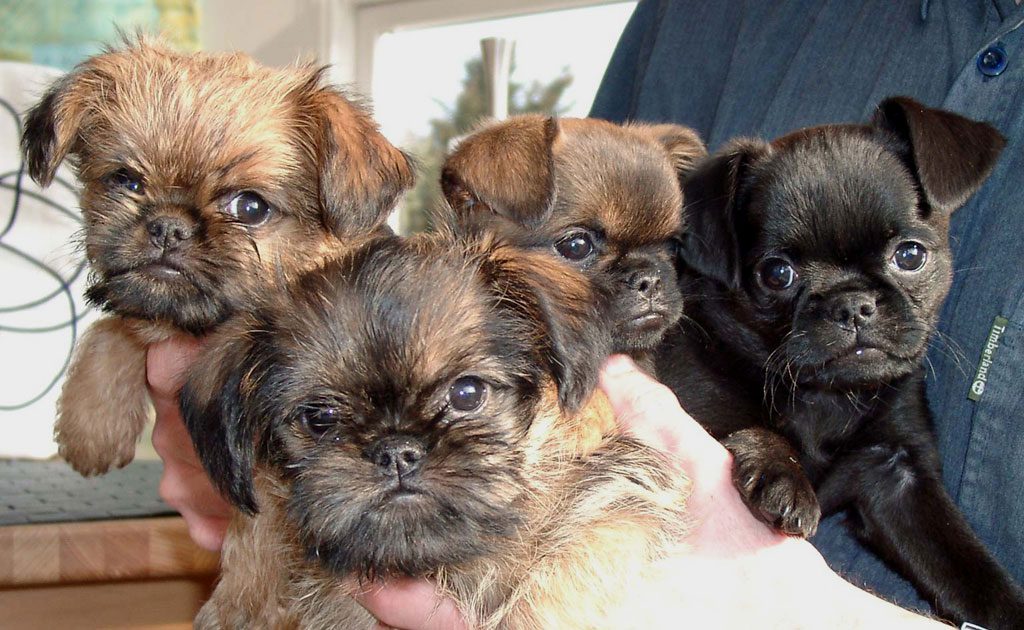
 1
1
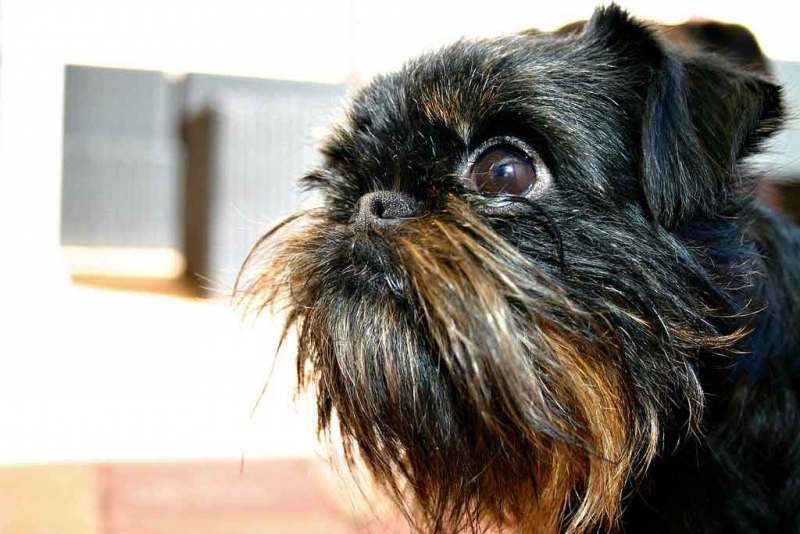 2
2
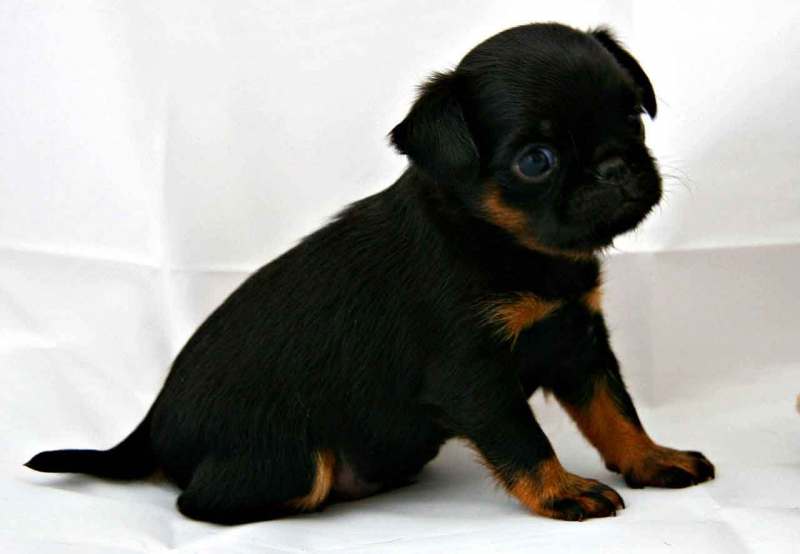 3
3
 4
4
 5
5
 6
6
 Belgian Griffon (Griffon Belge)
 Vekara Agility , S3 , G , belgian griffin , Mocca
 Belgian Griffon à 6 weeks ( Brussels Griffon )
 Grifon Belga – Breed of dog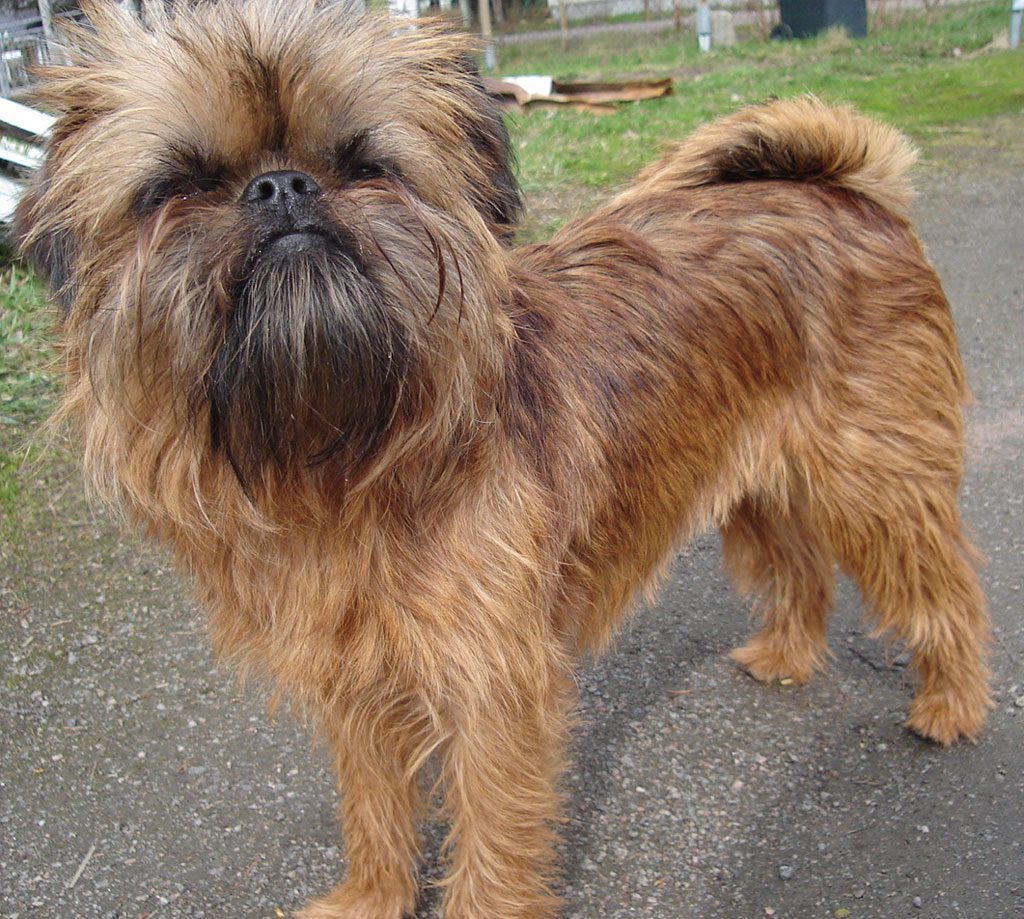


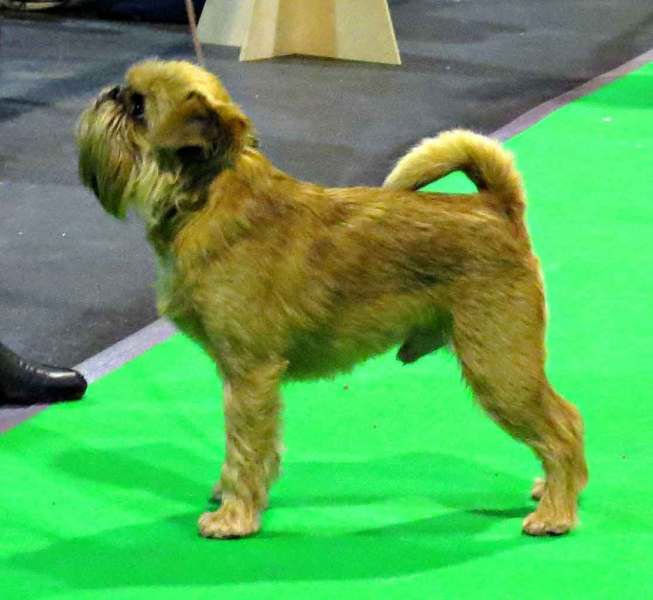


 Griffon Bruxellois Funny Viral Videos Compilation
 Dogs breeds, Brussels Griffon, Griffon belge, The Little Brabantine
 Brussels Griffon dog breed. All breed characteristics and facts about Brussels Griffon dogs
 âBrigiâ, director's star Daniel Sanchez Arevalo
 FCI 233 . Little Lion Dog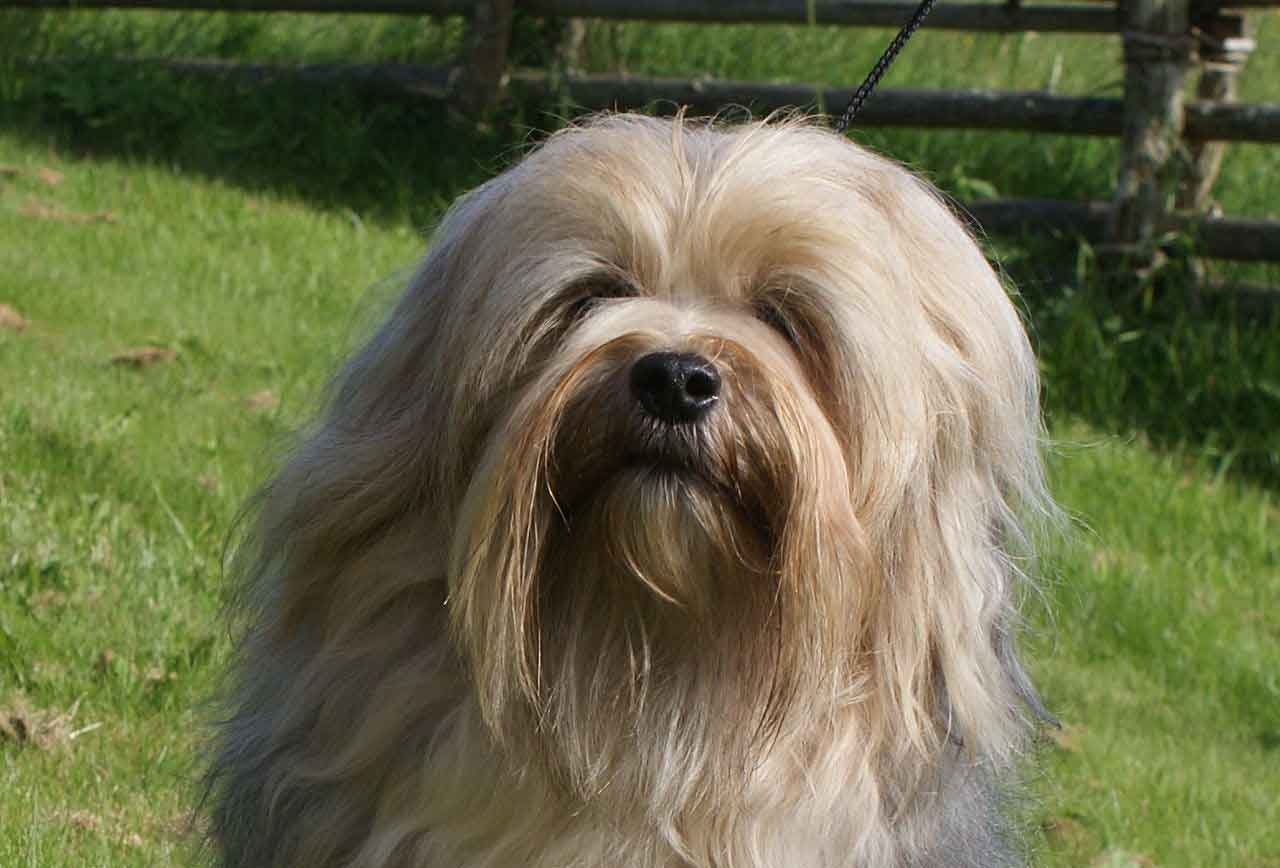
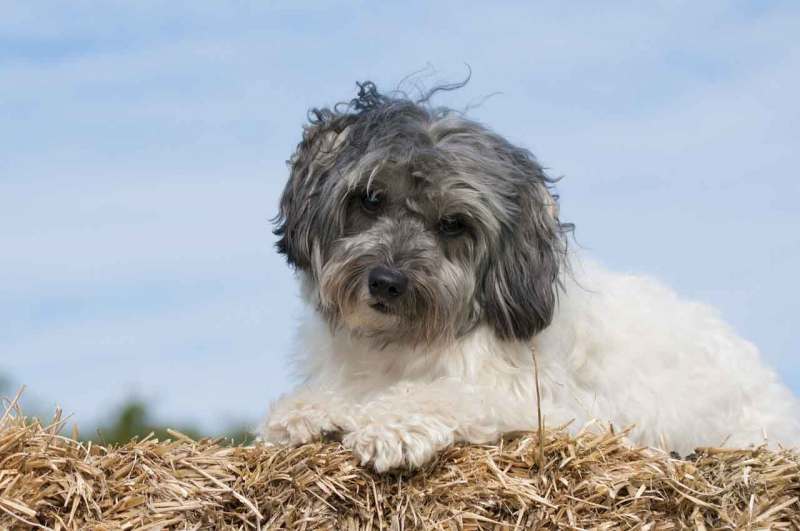
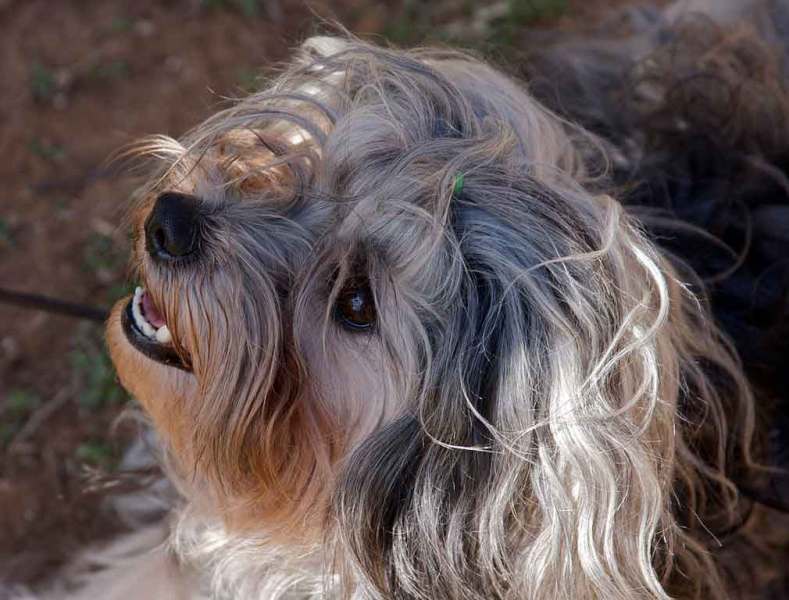
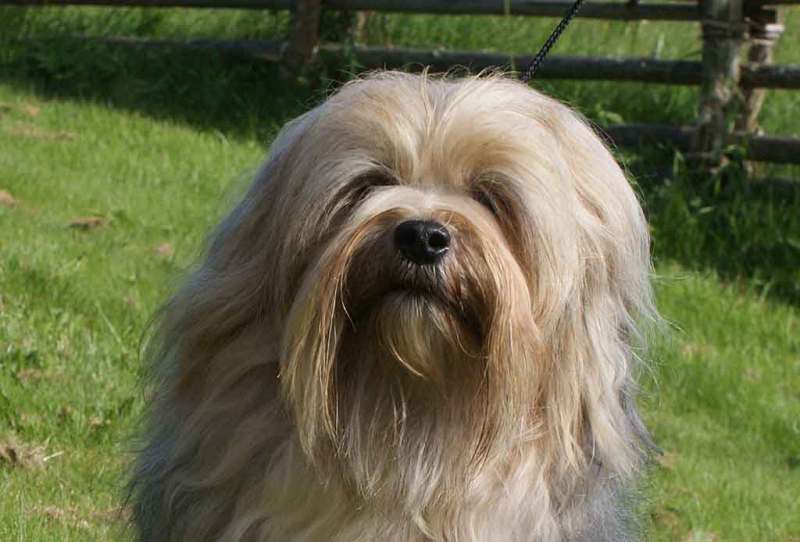

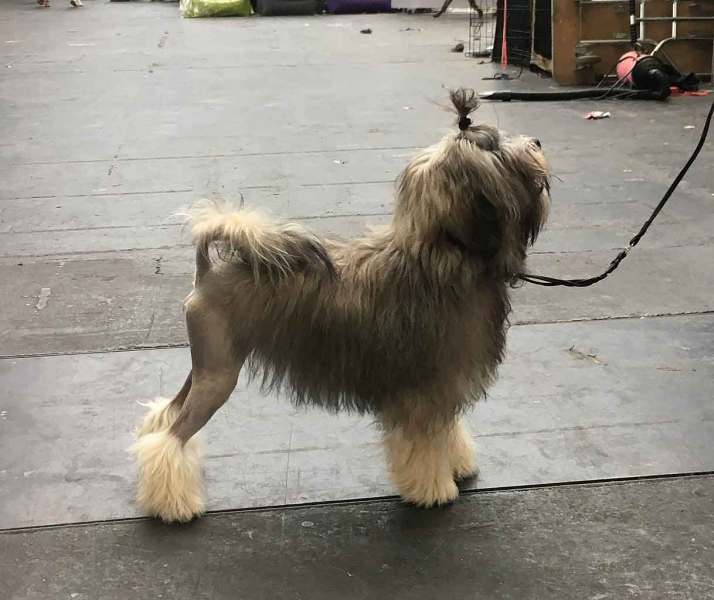

 The little lion dog
 Hogan the Lowchen Plays Fetch
 Lowchen puppies at 12 weeks old
 Lowchen – Top 10 Facts
 FCI 192 . Kromfohrlander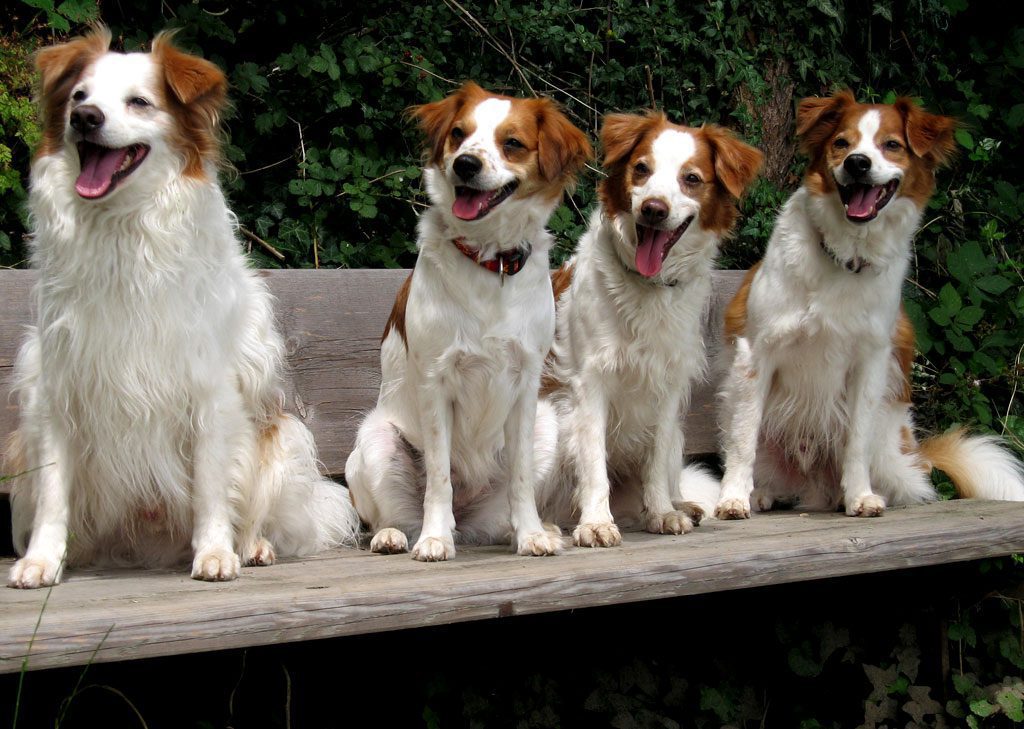


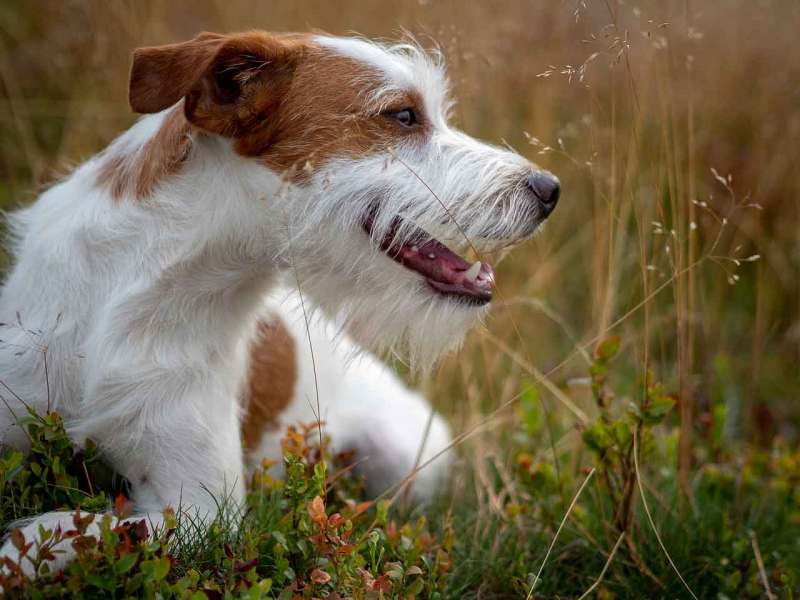
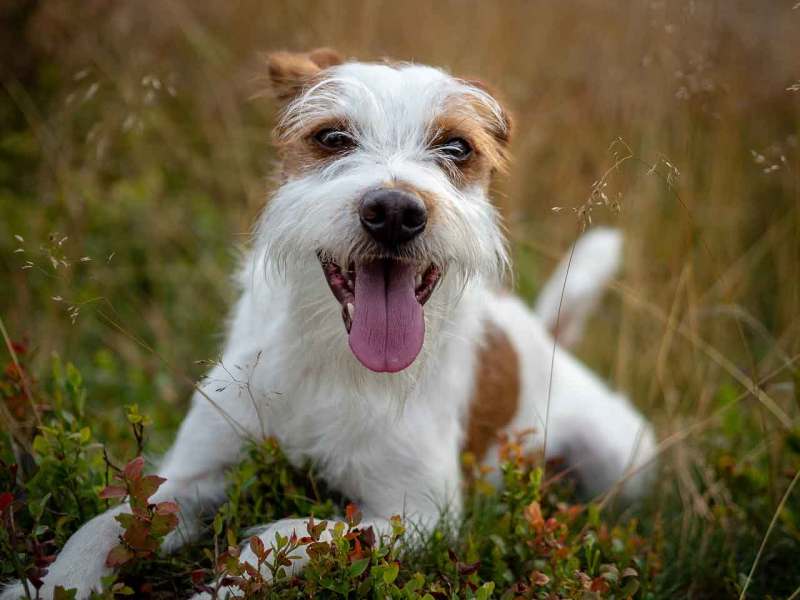

 Kromfohrlander
 Are You Having Fun? | Kromfohrländer Karlie, 2 years
 Chrome-plated
 Kromfohrländer adventures August 2019 – HD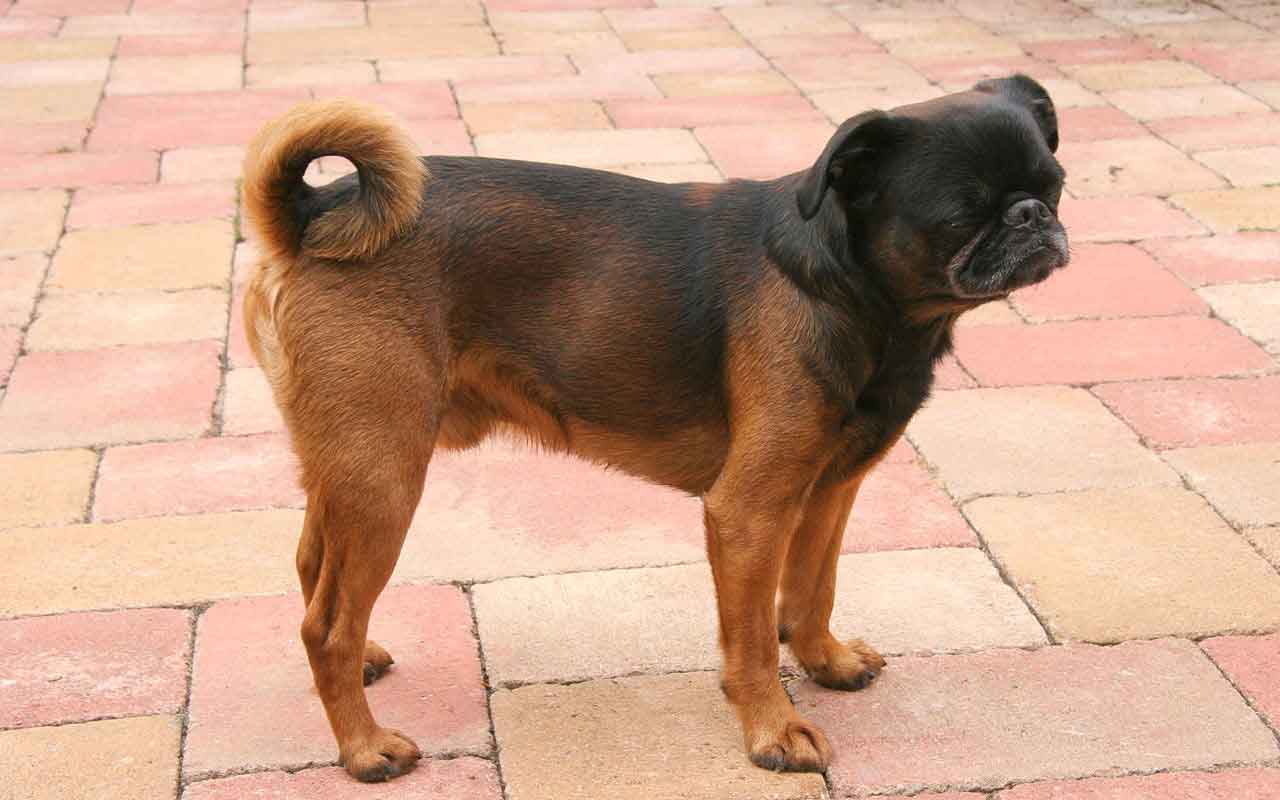



 FCI 227 - Tibetan breeds.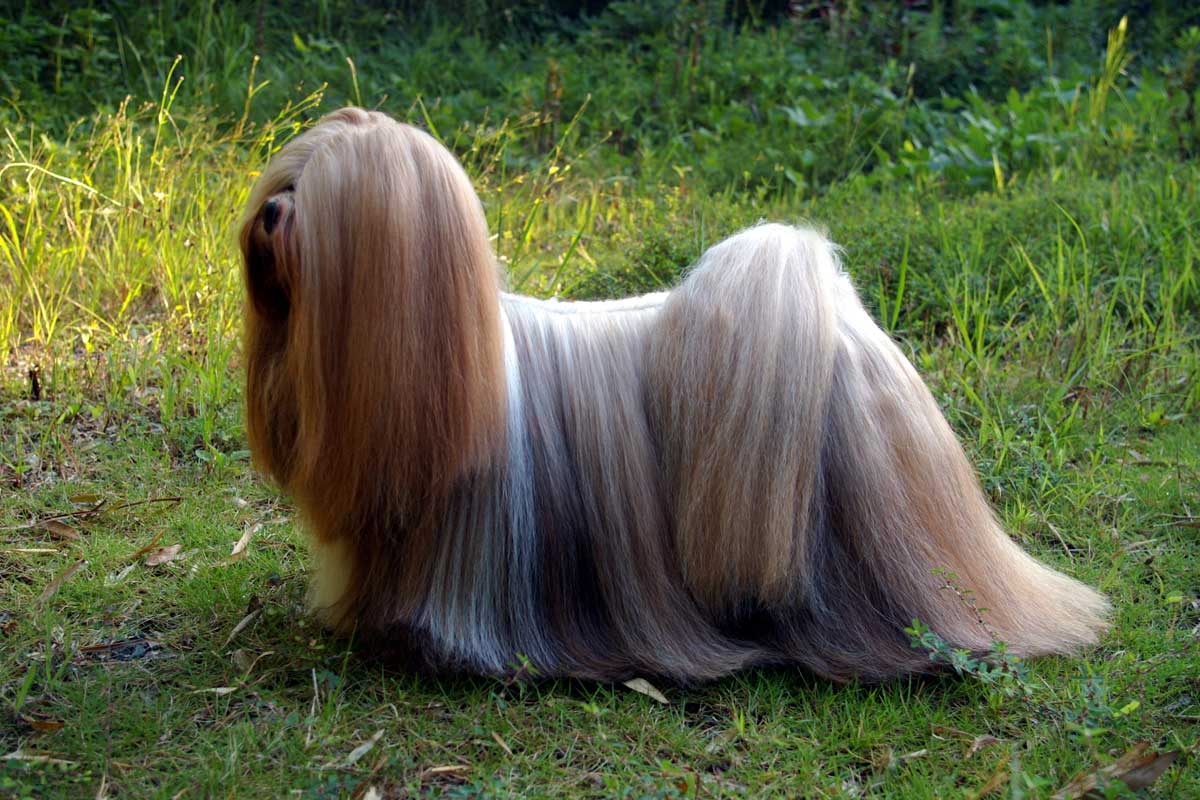
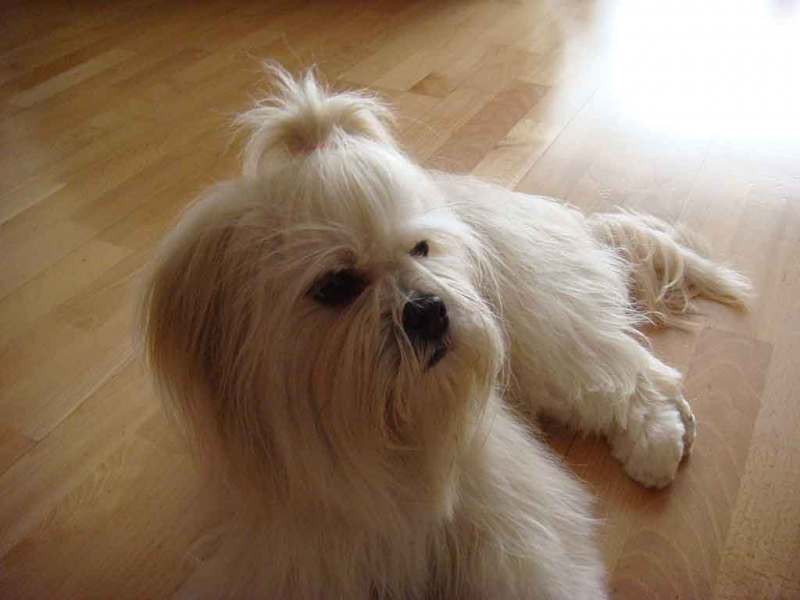

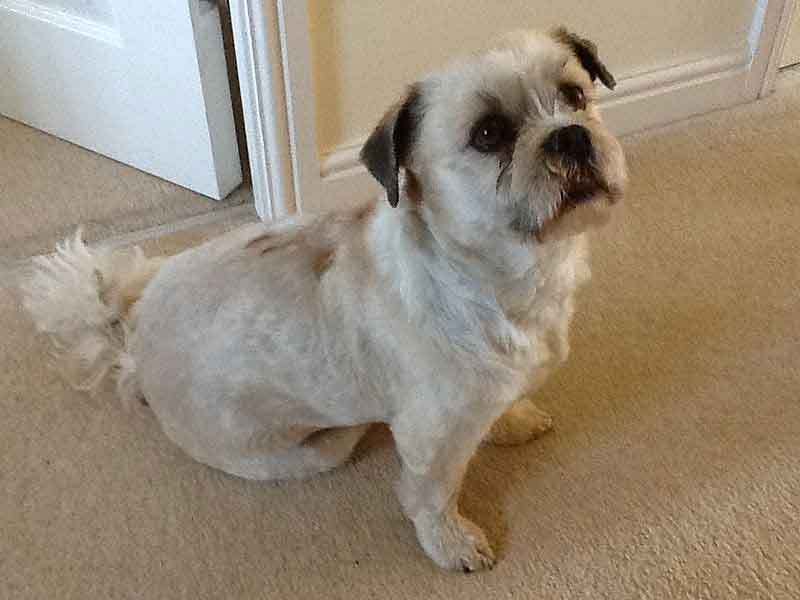

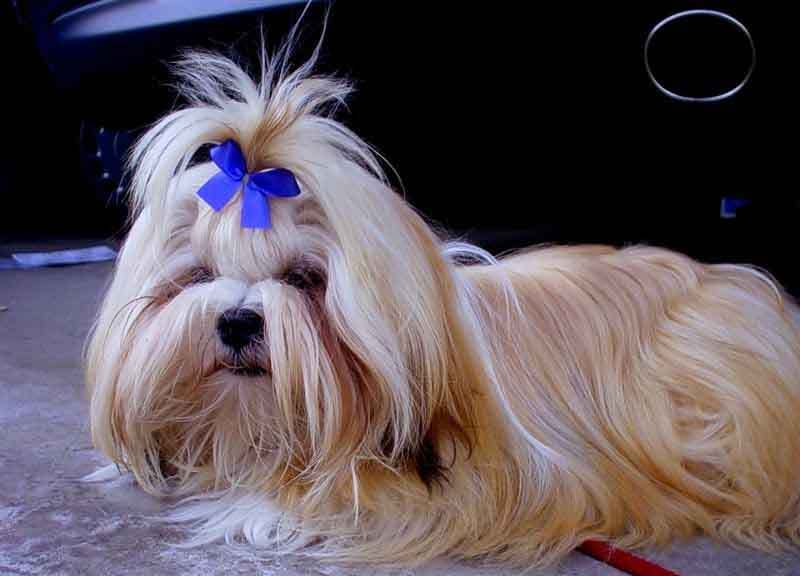
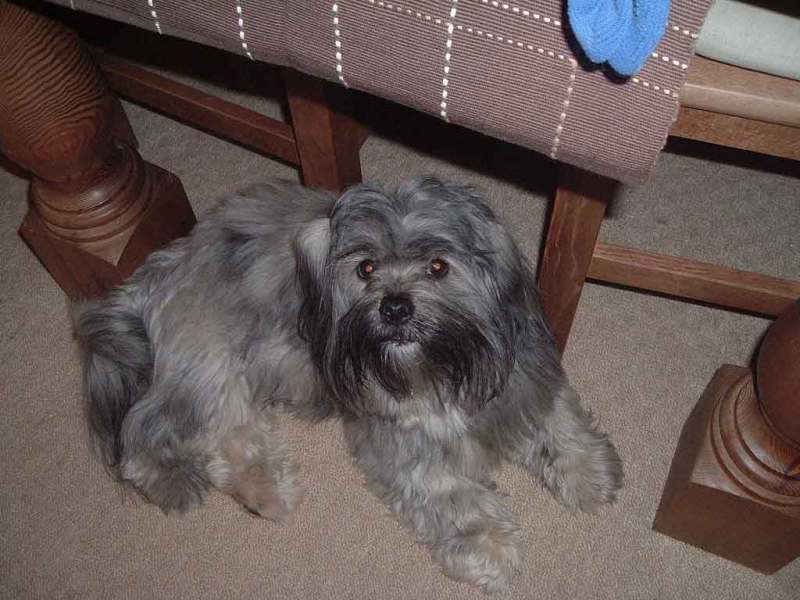

 Lhasa Apso – Breed of dog
 Lhasa Apsos | Breed Judging 2020
 Grooming Guide – Lhasa Apso Pet or Salon Trim – Pro Groomer
 Crufts 2012 – Best of Breed Lhasa Apso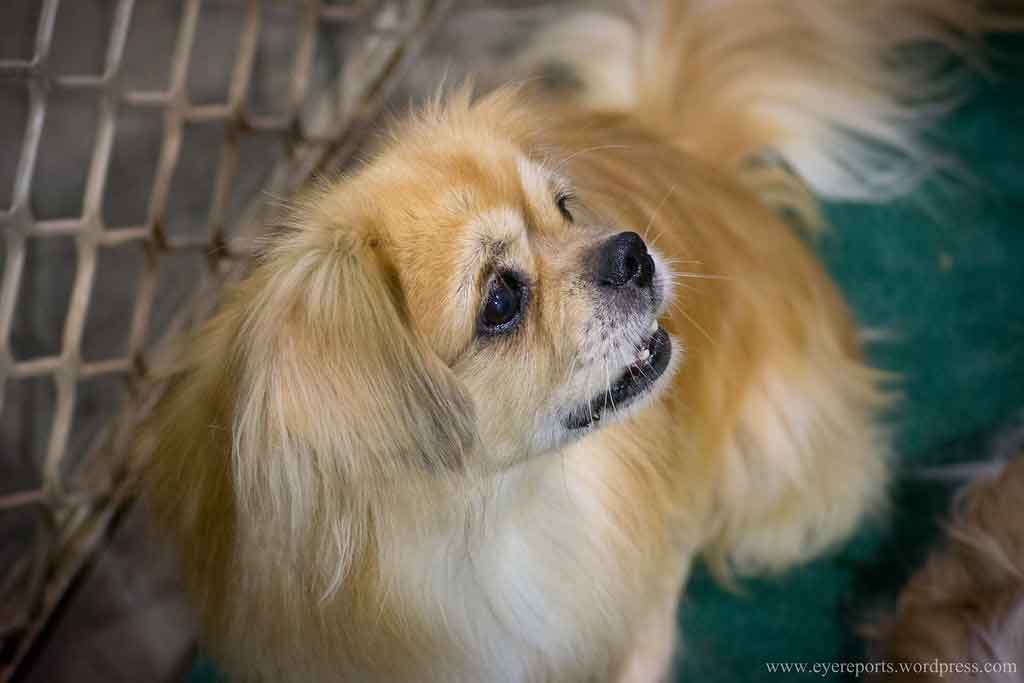
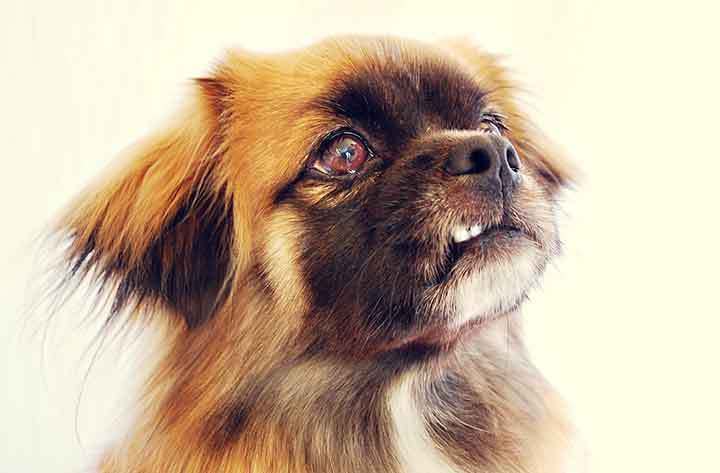
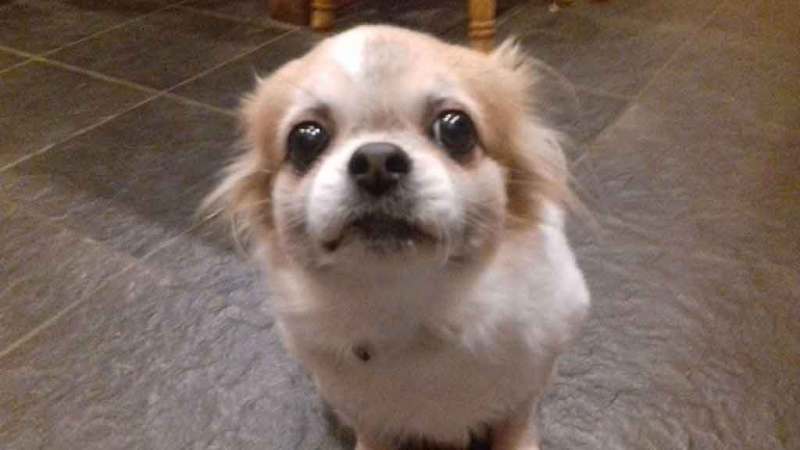

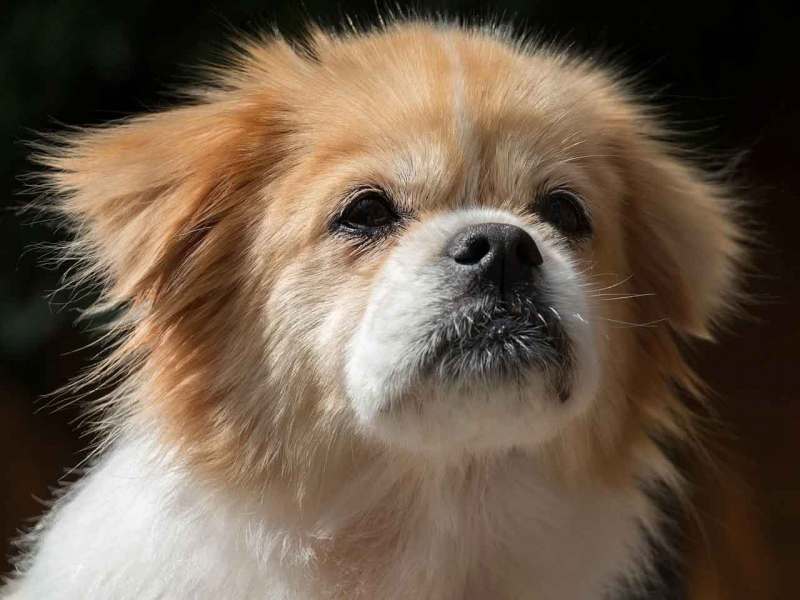


 Tibetan Spaniels | Breed Judging 2020
 Tibetan Spaniel – Top 10 Facts
 Tibetan Spaniel – AKC Dog Breed Series
 Dogs 101 – Tibetan Spaniel – Top Dog Facts About the Tibetan Spaniel
.png "England") FCI 207 . Japan Chin and Pekingese
FCI 207 . Japan Chin and Pekingese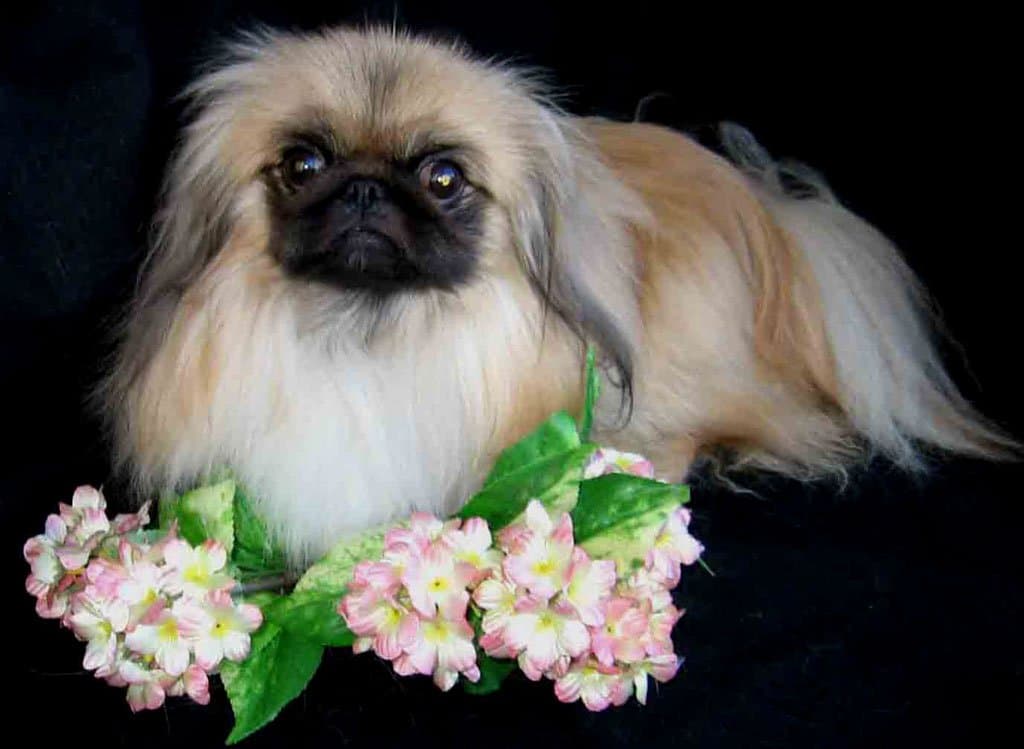


.jpg)


.jpg)


.jpg)


