โ–ท The world of Pets: Dogs, cats, birds, reptiles, amphibians

Pearly Parakeet
Pyrrhura lepida

Pearly Parakeet

Content

Description:

Pearly Parakeet

24 cm.. in length and 70โ€“80 grams in weight.

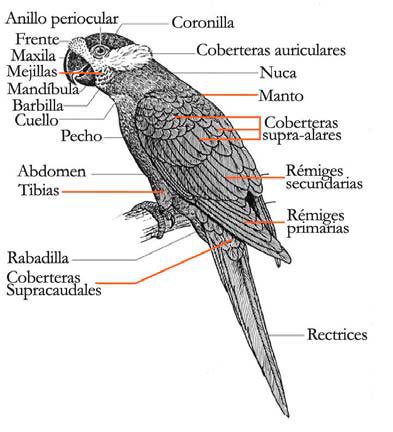
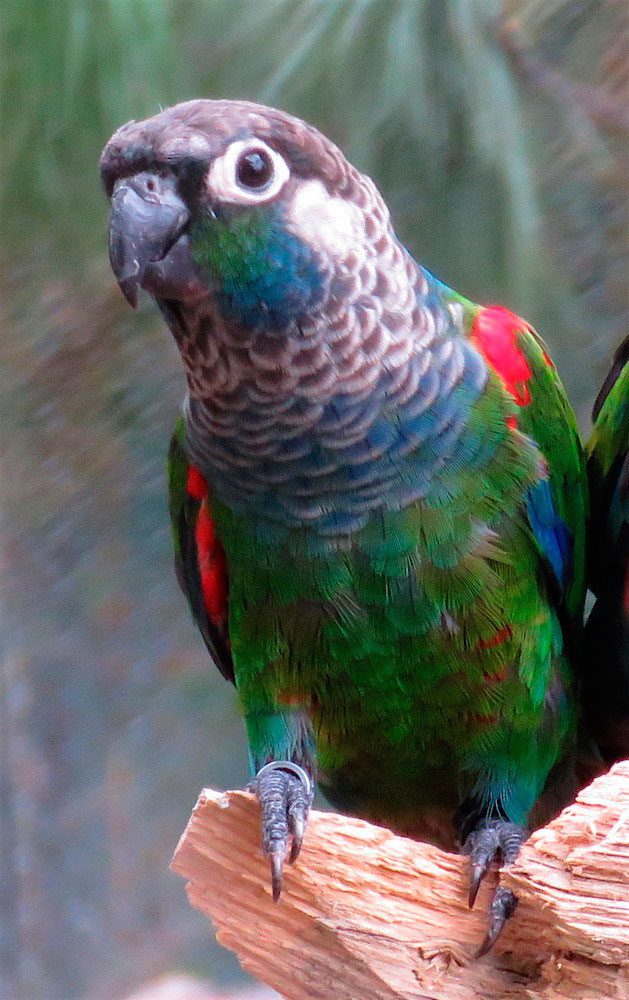
The Pearly Parakeet (Pyrrhura lepida) has the head dark blackish brown with mottled light on nape; ear-coverts creamy white; cheeks pale bluish green.

Upper mantle blue; robe bottom until uppertail-coverts, green. Scapulars green at the base, blue down; lesser wing coverts slightly green tinted olive; median coverts and older, mainly blue; some red at the leading edge of wing . Flight feathers Blue above, secondaries with green in the outerweb; dark gray below. Underwing-coverts bright red. Sides of the neck, the throat and the top chest, mainly brown with some blue marks and points yellowish brown, which gives an overall scaled aspect; The underparts remaining are green with blue on the flanks and the thighs. Upper, the tail mainly brown, green in the basal area and narrow blue tips. Bill black-brown; bare periophthalmic grey; irises dark brown; legs black slate.

The plumages of both sexes are, apparently, similar.

taxonomic history

Confusing taxonomic history: until recently known as Pyrrhura perlata, but that name is actually applied to the known way long as Pyrrhura rhodogaster, currently a synonym for the species Pyrrhura perlata; the current species therefore assumes his next oldest name, Pyrrhura lepida. Forms a pair of species with parapatric Pyrrhura perlata, with which it is sometimes considered conspecific; the recent molecular phylogeny indicated that the closest relatives of these two are the Pyrrhura frontalis and Pyrrhura molinae.

  • Sound of the Pearly Parakeet.

Description 3 subspecies:

  • Pyrrhura lepida anerythra

    (Neumann, 1927) – Similar to the species nominal but with the chest, the belly and cheeks green with occasional shades of blue.


  • Pyrrhura lepida coerulescens

    (Neumann, 1927) – Similar to the species nominal, but with the forecrown and crown brown, gray throat and upper chest, green on the upper cheeks; bluer in the lower chest

  • .

  • Pyrrhura lepida lepida

    (Wagler, 1832) – Nominal.

Habitat:

The Pearly Parakeet, usually, inhabits moist terra firme forests. The species has been observed in forest edges, clear areas and second growth.

They are seen in flocks of up to ten birds, particularly in places where food is plentiful.

Reproduction:

They nest hollow logs. The laying is of 3-4 eggs incubados during 23 days; the hatchling needs close to 7 weeks for independence.

Food:

probably catkins, small fruits and flowers.

Distribution and status:

Size of its range (breeding/resident): 585.000 km2

The Cotorra Pulcra is endemic to Northeast Brazil, to the South of the Amazonia. Observed around the basin Xingรบ and its tributaries, from the Pracui River and the left bank of Tocantins River, and from Belem and the Capim River, in For, east to around Sao Luis in maranhรฃo, and from northern maranhรฃo to the East of Rosary, although apparently no longer in some coastal areas, where according to sources, They were formerly quite common.

Today are rare and extinct in many parts of their former range (for example, North of maranhรฃo) due to large-scale deforestation, although they are, apparently, tolerant habitat alterations.

The coerulescens subspecies It is near extinction due to the almost total loss of their habitat. The species is found in protected areas but its integrity is compromised by the illegal logging.

Distribution 3 subspecies:

Note:

Pyrrhura lepida is the new name of the taxon Pyrrhura perlata, whose name has been shown to be applied first to an immature bird of that species, Crimson-bellied Parakeet (Pyrrhura perlata).

Conservation:

State of conservation โ“˜


Vulnerable Vulnerable โ“˜ (UICN)โ“˜

โ€ข Current category of the Red List of the UICN: Vulnerable.

โ€ข Population trend: Decreasing.

โ€ข Population size : 6700 individuals.

Rationale for the Red List category

From a model of future deforestation in the Amazon basin, While shows some tolerance degraded landscapes, It suspected that the population of this species decline rapidly over the next three generations and, therefore, It has risen to Vulnerable.

Justification of the population

The population is preliminarily estimated at the number of at least 10.000 individuals, approximately equivalent to 6.700 mature individuals. This requires confirmation.

Justification of trend

It is suspected that this species has lost between 47 and the 64,5% of habitat suitable within their distribution during three generations (18 years) starting from a model of deforestation Amazon (Soares-Filho et to the ., 2006, Bird et to the ., 2011). But, because the species seems to have some degree of tolerance to habitat degradation (A. Lees in litt ., 2011), It suspected to decline by 30-49% during three generations.

Threats

Despite an apparent tolerance of some degradation of the habitat, It is perhaps close to extinction in coastal areas of northern maranhรฃo, due to the large scale deforestation (Juniper and Parr, 1998). They are distributed within protected areas, but its integrity is compromised by the illegal logging (Juniper and Parr 1998). Deforestation in the Amazon basin is expected to increase as land is cleared for cattle ranching and soy production, provided by the expansion of the road network (Soares-Filho et to the. , 2006). The proposed changes to Brazilian Forest Code reduce the percentage of land that a private owner is legally required to keep as forest and include an amnesty for owners who deforested before July 2008 (That they would later be absolved of the need to reforest the illegally cleared land) (Bird et to the., 2011).

Conservation Actions Underway

CITES Appendix II. The species is classified as Vulnerable nationally in Brazil (MMA 2014), with subspecies elegant and coerulescens considered in Danger (Silveira y Straube 2008).

Conservation Actions Proposed

* Census and population monitoring to assess the world's population and demographic trends and refine distribution and locate strengths.

* Investigate its ecology, threats and conservation requirements. Strengthen the network of protected areas within the remaining core habitat.

Effectively manage resources and management of existing protected areas and new, using the emerging opportunities for funding the management of protected areas with the overall goal of reducing carbon emissions and maximize the conservation of biodiversity. It is also essential conservation on private land, through the expansion of market pressures for proper land management and prevention of deforestation on land not suitable for agriculture (Soares-Filho et to the., 2006).

Campaign against proposed changes to the Brazilian Forest Code that would lead to a decrease in the width of protected riparian forest areas as Permanent Preservation Areas (APPs), that function as vital corridors in fragmented landscapes.

"Pearly Parakeet" in captivity:

Rare in captivity.

It is a bird Vulnerable nationally in Brazil and protected by CITES Appendix II; each captive specimen of this species that is capable of reproducing, must be placed in a well-managed captive breeding program and not sold as a pet, in order to ensure its long-term survival.

Alternative names:

– Pearly Conure, Pearly Parakeet (English).
– Conure perlรฉe, Perriche perlรฉe, Perruche perlรฉe (French).
– BlausteiรŸsittich (German).
– tiriba, tiriba-de-barriga-vermelha, Tiriba-perรณla, tiriba-pรฉrola (Portuguese).
– Catita cola granate, Cotorra Pulcra, Cotorra Ventrirroja (espaรฑol).


scientific classification:

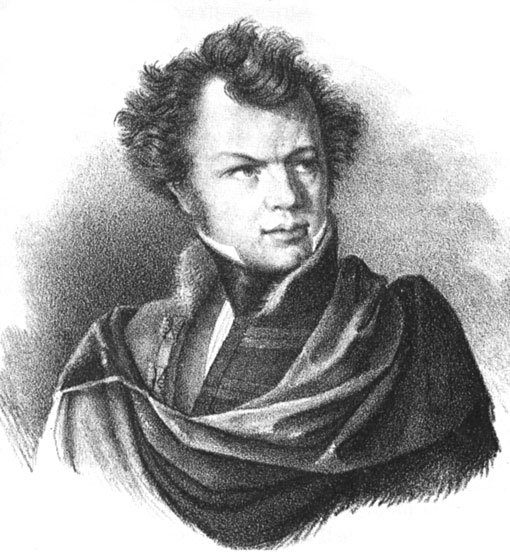
Johann Georg Wagler
Johann Georg Wagler

– Order: Psittaciformes
– Family: Psittacidae
– Genus: Pyrrhura
– Scientific name: Pyrrhura lepida
– Citation: (Wagler, 1832)
– Protonimo: Sittace lepida

Images Pearly Parakeet:

Videos "Pearly Parakeet"


Especies del gรฉnero Pyrrhura

Pearly Parakeet (Pyrrhura lepida)


Sources:

– Avibase
– Parrots of the World โ€“ Forshaw Joseph M
– Parrots A Guide to the Parrots of the World – Tony Juniper & Mike Parr
– Birdlife

– Photos:

(1) – Pyrrhura lepida by Florin Feneru – Flickr
(2) – Pyrrhura lepida coerulescens Neumann, 1929 – Huub Veldhuijzen van Zanten / Naturalis Biodiversity Center [CC BY-SA 3.0], via Wikimedia Commons
(3) – Pearly Parakeet (Pyrrhura lepida) also known as the Pearly Conure in aviculture. A pet parrot By manginwu (originally posted to Flickr as my name is twoday.) [CC BY-SA 2.0], via Wikimedia Commons
(4) – Tiriba-perola [Pearly Parakeet] by Helio Lourencini – Flickr
(5) – Tiriba pearl (Pyrrhura perlata) – www.avesilvestre.com.br
(6) – Parrots A Guide to the Parrots of the World โ€“ Tony Juniper & Mike Parr

– Sounds: GABRIEL MILK, XC212988. accessible www.xeno-canto.org/212988

โ–ท The world of Pets: Dogs, cats, birds, reptiles, amphibians

Mascarene parrot โ€ 
Mascarinus mascarin

Mascarene Parrot

Content


Anatomy-parrots

Description:

Of 35 cm.. height and a weight between 400 and 500 g..

The Mascarene parrot โ€  (Mascarinus mascarin) It was a bird dark grayish brown on top, lighter at the bottom; the the tail feathers They were brown with white bases; head lavender gray; lores and area around the bill black. had the bill bright red. The legs They were reddish brown and eyes red.

taxonomy:

A genetic study of 2011 He placed the Mascarene Parrot of Meeting between subspecies of Black Parrot (Coracopsis nigra) of Madagascar and nearby islands, and therefore would not be related to the parrots of Psittacula as believed. It was found that the lineage of Mascarene Parrot It separated made between 4,6 and 9 millions of years, before the formation of the isla Meeting, indicating that it must have happened somewhere else

Habitat:

Nothing is known, although it is likely to be distributed in uninhabited forests where feed on fruits and nuts.

Reproduction:

No data.

Food:

Probably fruits and nuts.

Distribution:

The Mascarene Parrot It was described by many early travelers to Reunion Island (in France), with several captive birds sent to France at the end of the 18th century.

The last accounts of wild birds were from the 1980s. 1770, and the birds were not mentioned by Bory a 1804, so the species may well have been extinct in the wild by then. captive birds in Paris they would also have died at that time, but one bird survived in the collection of birds king Bavaria at least 1834 (checks 1987). Two specimens survive today (Forshaw and Cooper 1989)

Conservation:

โ€ข Current category of the Red List of the UICN: Extinct.

โ€ข Population size : There are none.

Rationale for the Red List category

This species was known from the Rรฉunion, but it has been extinguished by the hunting pressure. The last record of wild birds dates from 1775, and none was observed on a visit in 1804.

Justification of the population

There are none.

Threats

It is likely to have been hunted to extinction.

"Mascarene parrot โ€ " in captivity:

Several captive birds sent to France at the end of the 18th century.

Alternative names:

– Mascarene Parrot, Mascarine Parrot (English).
– Mascarin de la Rรฉunion, Mascarin malgache (French).
– Maskarenenpapagei, Maskarenen-Papagei (German).
– Papagaio-das-mascarenas (Portuguese).
– Loro de las Mascareรฑas, Loro Mascarรญn (espaรฑol).


scientific classification:

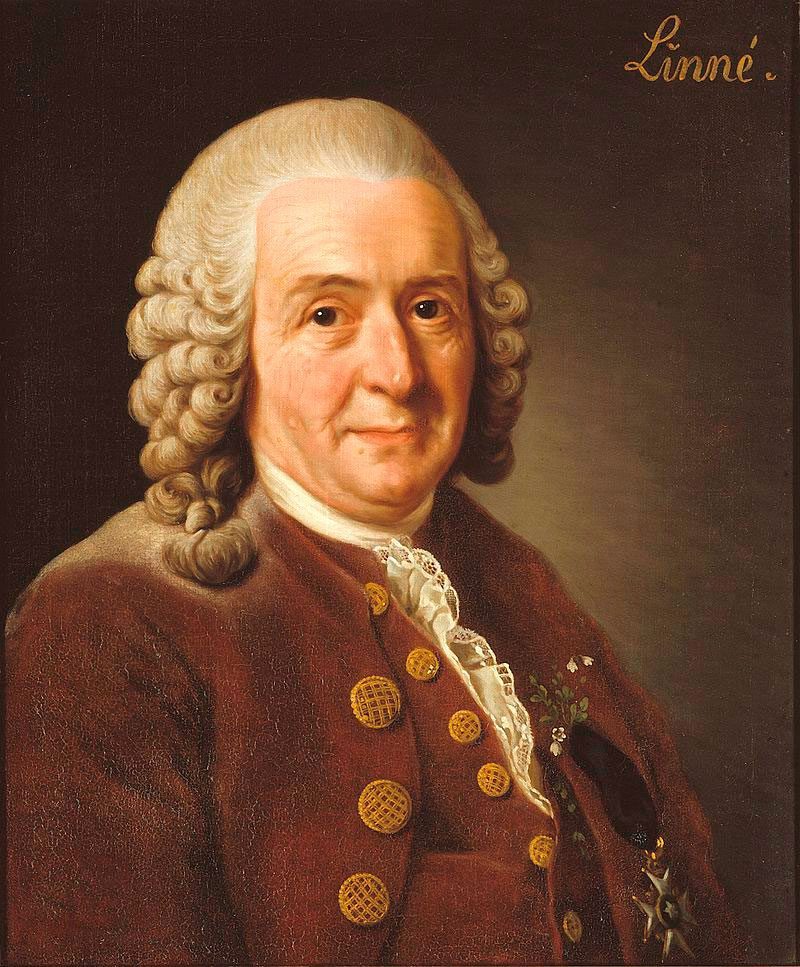
Carlos-Linnaeus
Carl Linnaeus

– Order: Psittaciformes
– Family: Psittaculidae
– Genus: Mascarinus
– Scientific name: Mascarinus mascarin
– Citation: (Linnaeus, 1771)
– Protonimo: Psittacus mascarin.

"Loro of the Masks" โ€  (Mascarinus mascarin)

Sources:

Avibase
Parrots of the World โ€“ Forshaw Joseph M
Parrots A Guide to the Parrots of the World – Tony Juniper & Mike Parr
Birdlife
Wikipedia

Photos:

(1) – The Mascarene Parrot (Mascarinus mascarinus) by John Gerrard Keulemans [Public domain], via Wikimedia Commons

โ–ท The world of Pets: Dogs, cats, birds, reptiles, amphibians

Macquarie parakeet โ€ 
Cyanoramphus erythrotis

Macquarie Parakeet - Cyanoramphus erythrotis

Content

Description Perico Macquarie:

27 cm.. length

The extinct Macquarie Parakeet (Cyanoramphus erythrotis) was a medium-sized green parrot. The head was bright green with pileum and a line in the eyes crimson red. The upperparts They were bright yellow-green to dark green with a scarlet stain on either side of the rump (usually they are hidden by the wings when resting), and a greenish-blue leading edge to the wings. The eyes They were yellow or red, and the bill It was black with a base Pearly. Both sexes looked similar, but the female It was smaller (Forshaw & Cooper 1981; Higgins 1999; Oliver 1955)

Taxonomic status:

This taxon is considered a subspecies of Cyanoramphus [novaezelandiae, erythrotis, subflavescens] (sensu lato) by some authors

Lives in "Perico de Macquarie":

The Macquarie Parakeet inhabited coastal grasslands tussock in the subantarctic Isla Macquarie (Forshaw & Cooper 1981; Taylor 1979).

Reproduction:

It is known nesting in grasslands without trees.

Food ยซPerico de Macquarieยป:

Little is known about the diet of the Macquarie Parakeet, but it is said that feed on crustaceans and other small invertebrates (Oliver 1955; Taylor 1979).

It was Earth (Forshaw & Cooper 1981) and it is said to have been foraged on the seashore, taking invertebrates fused cell algae on the beach (Oliver 1955; Taylor 1979).

Distribution ยซPerico de Macquarieยป:

The Macquarie Parakeet It was an endemic parrot Isla Macquarie, one sub-Antarctic island in the Antartic Ocean which is politically part of Tasmania Australia. The island and this species were discovered in 1810, time when this parakeet was still very common. The last sighting of the Perico de la Isla Macquarie was in 1891.

Conservation Cyanoramphus erythrotis:

โ€ข Current category of the Red List of the UICN: EXTINCT.

Although hard Macquarie Parakeet They were adjusted well to inhospitable terrestrial environment Macquarie Island, They did not survive the predatory introduced species.

The extinction of the Macquarie Parakeet It was caused by the introduction of exotic predators, like cats, rabbits, mice and rats boat. He was also prey to rascรณn weka or the rascรณn of Lord Howe (Gallirallus australis). This robust flightless bird from New Zealand It was introduced on the island in the mid-nineteenth century as food for sealers, the same hunters killed large numbers of Macquarie's Parakeets (Macquarie Island) to feed. Unfortunately, the wekas They have caused considerable damage to endangered species, as they feed on small birds, Native insects and lizards.

The last sighting of live parrots occurred in 1891

Threat Reduction and Recovery

Translocation program may be suitable for the reintroduction of Norfolk Island Parakeet (Cyanoramphus cookii) on Isla Macquarie. Although programs have been tested for translocation failed Norfolk Island Parakeet (Garnett & Crowley 2000; Hermes et al. 1986), Similar programs have been successful for this parakeet in New Zealand. These programs have been successful with only 15 birds, Bottlenecks causing genetic programs with less than 150 birds. The low success of the pups in the breeding program New Zealand It may be the result of inbreeding depression or poor design of nests (Oritz-Cathedral & Brunton 2008).

The programs of eradication They are underway in Isla Macquarie. The cats were eradicated in 2002, the Keep (Gallirallus australis) in 1988 and is ongoing eradication program rats, rabbits and mice (Mouse muscle) (it. PWS 2009).

Alternative names:

– Macquarie Island Parakeet, Macquarie Parakeet (English).
– Perruche de Macquarie (French).
– Macquarie-Laufsittich, Macquarie-Ziegensittich (German).
– Periquito de Macquarie (Portuguese).
– Perico de Macquarie (espaรฑol).

scientific classification:

Johann Georg Wagler
Johann Georg Wagler

– Order: Psittaciformes
– Family: Psittaculidae
– Gender: Cyanoramphus
– Scientific name: Cyanoramphus erythrotis
– Subpoena: (Wagler, 1832)
– Protonimo: Psittacus erythrotis

Sources:

โ€ข Avibase
โ€ข Parrots of the World โ€“ Forshaw Joseph M
โ€ข Parrots A Guide to the Parrots of the World – Tony Juniper & Mike Parr
โ€ข Department of the Environment (2018). Cyanoramphus novaezelandiae erythrotis in Species Profile and Threats Database, Department of the Environment, Canberra. Available from: http://www.environment.gov.au/sprat

โ–ท The world of Pets: Dogs, cats, birds, reptiles, amphibians

Tucuman Parrot
Amazona tucumana

Tucuman Parrot

Content

Description:


Anatomy-parrots

31 cm.. length.
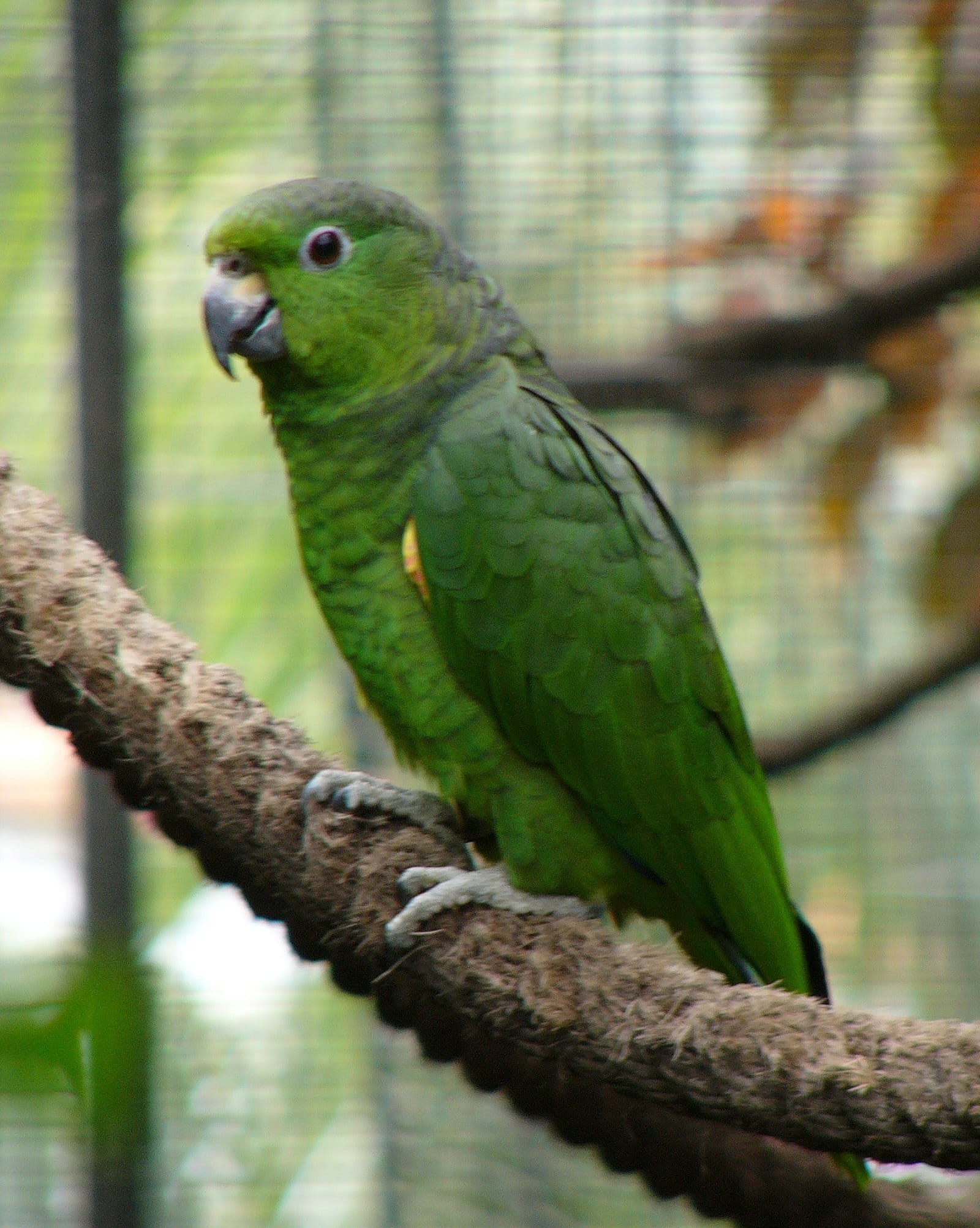
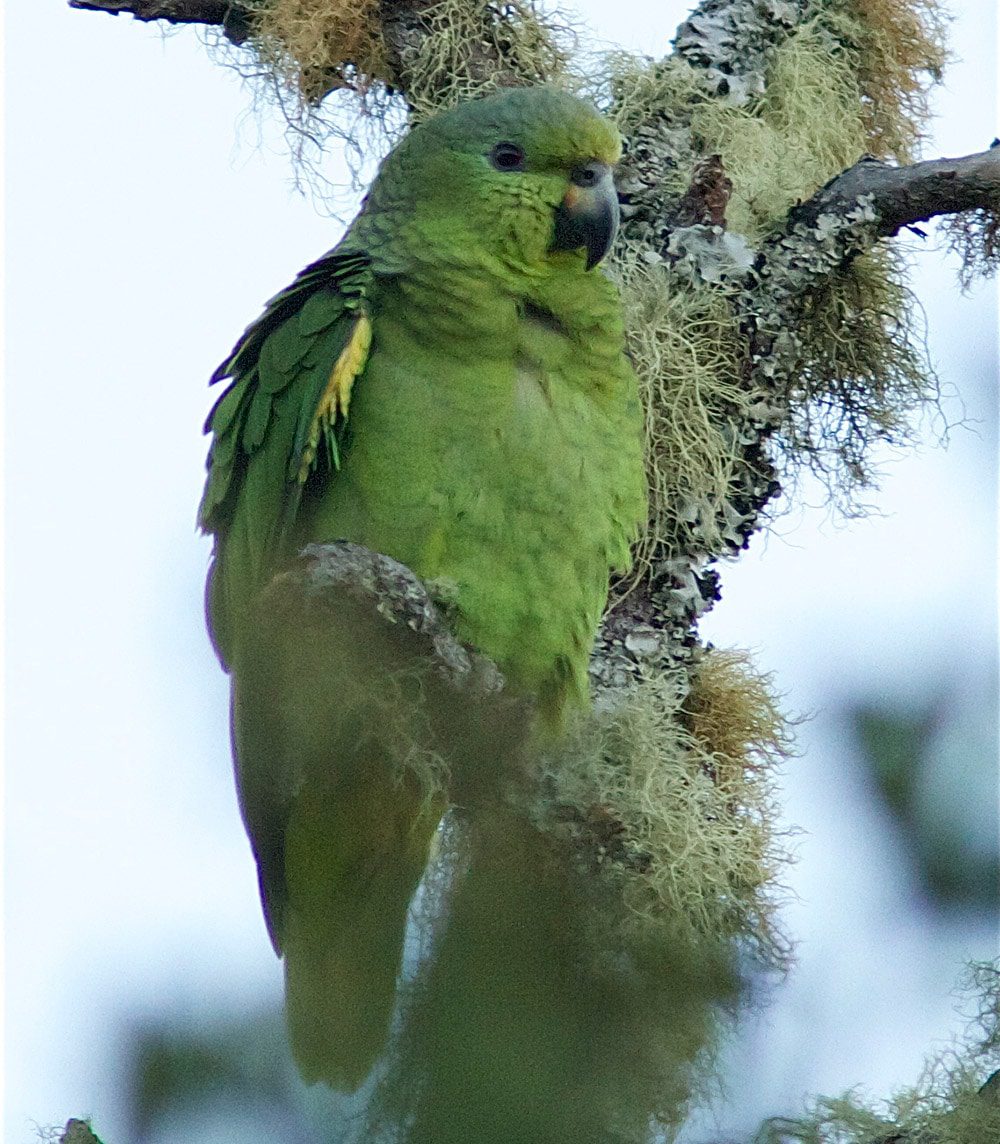
The Tucuman Parrot (Amazona tucumana) It is mostly green, with black borders on the feathers, giving the whole a scalloped appearance.

Relatively large and stocky have the forecrown red and eye rings white. Has also patch Red in the wing-coverts (most notoriously in flight); thin yellow line on shoulder almost half of wing ; the primary wing feathers They have the blue tips, and the thighs They are orange-yellow. The tail It is short and feathers yellow.

The bill It is yellowish to pinkish, and eyes adults are orange-yellow. The legs They are pale gray.

As he male as the female They are similar in appearance, but the immature They are generally green in full, with the thighs green than orange and less red on the forecrown. Another key difference between adult and immature is that eyes young people are gray.

Taxonomic note:

Until a few years ago it was considered a subspecies of the Red-spectacled Parrot (Amazona pretrei) (Fjeldsรฅ y Krabbe 1990), but now they are recognized as separate species, although closely related to each other and, In addition, with the Vinaceous Parrot (Amazona vinacea), who possibly form a basal group to all other parrots of the genus (Russello y Amato 2004).

  • Sound of the Amazona tucumana.

Habitat:

Video – "Tucuman Parrot"

Unser Tucuman Amazone Lacky 6 year old

It is found in open forests Andean mountain forests Yungas, particularly in areas with Alnus acuminata or Podocarpus parlatorei, as well as other species of Alnus, Podocarpus and Nothofagus. This species It is in elevations of between 1.600 and 2.600 metres in the breeding season, but during the non-breeding season they descend to lower elevations of about 350 m. Right now, sometimes you can enter inhabited areas.

Often gathers in large flocks, often numbering more than 200 individuals.

Reproduction:

The Tucuman Parrot They breed between November and January or February, building usually your nest in a hole in a tree Alnus or Podocarpus. The normal size clutch is three to four eggs, although they have been reported sunsets from one to five eggs. The incubation lasts around 26 to 29 days, usually it is the female that the male incubates and which feeds, and the main source of food for chicks come from seeds and flowers Podocarpus parlatorei. Young they leave the nest usually after seven to nine weeks.

Food:

The Tucuman Parrot They feed on trees Family Myrtaceae, as well as the seeds and flowers trees as Podocarpus parlatorei, Juglans australis and Alnus, of the immature fruits of the species Cedrela and flowers species Erythrina.

Distribution and status:

Size of its range (breeding/resident ): 86.200 km2

The Amazona tucumana It is located in northwest Argentina and in southern Bolivia, where it is known in 12 locations departments Tarija, Chuquisaca and Santa Cruz (A. Maccormick in some. 2005, R. Hoyer in some. Slightly., 2012).

A recent study of the situation and distribution of the species Argentina registered 6.015 individuals (Rivera et al., 2007) and estimated that the Argentine population amounted to about 10.000 birds, but around 20.000 They were exported from Argentina in the mid 80, suggesting that there may have been a substantial population decline.

After inclusion in the Appendix I of the CITES, international trade was cut, although the continuous local exploitation. But, It does not appear that the stocks have recovered, and loss of habitat is of concern, particularly in Argentina, where their habitat is highly degraded and there are only a few remains of small forests and isolated. Threats to habitat are less severe in Bolivia, but the species has declined there and is projected to continue to do so (A. Maccormick in a bit., 2005).

The main concentrations of this species in Bolivia are in clad hills, Villa Serrano and Tariquรญa National Reserve of Flora and Fauna, with 1.643 individuals recorded in several places during a recent study (Rivera et al., 2009).

Conservation:

State of conservation โ“˜


Vulnerable Vulnerable โ“˜ (UICN)โ“˜

โ€ข Current category of the Red List of the UICN: Vulnerable.

โ€ข Population trend: Decreasing.

โ€ข Population size : 6000-15000.

Rationale for the Red List category

This species is classified as Vulnerable, as it is experiencing rapid population decline due to the loss of habitat and capture for the bird trade.

Justification of the population

A recent study of the situation and distribution of the species Argentina registered 6,015 individuals and Argentina estimated that the population was approximately 10.000 birds (L. Rivera in a bit., 2004). It also, 1.643 individuals were recorded at several sites in Bolivia during another recent study (Rivera et al., 2007). The total population is thus situated in the band 10.000-19.999 individuals (L. Rivera in a bit., 2012). This is equivalent to 6,667-13,333 mature individuals, rounded here to 6,000-15,000 mature individuals.

Justification of trend

The results of the survey, observations on habitat loss and the local occurrence of the species, and catch and trade data suggest that the population is suffering rapid population decline (L. Rivera in some.)

Conservation Actions Underway

โ€ข CITES Appendix I, although the convention is not respected in Bolivia (AB Hennessey in litt., 2012).

โ€ข Present in several protected areas, including the El Rey National Park, Argentina, mainly in the non-breeding season (L. Rivera in some. 2012).

โ€ข In 2006, was appointed the Iรฑao National Park and Integrated Management Natural Area, which it was the basis for the conservation of one of the largest shelters species Bolivia (Rivera Et al . 2009).

โ€ข A species conservation action plan is currently being developed for each of its native countries. (L. Rivera in a bit., 2012).

Conservation Actions Proposed

โ€ข Apply the local trade ban (L. Rivera in a bit., 2012).

โ€ข Evaluate the current population size.

โ€ข Produce a species action plan.

โ€ข Conduct additional research to clarify the scope of the current threat of trade.

โ€ข Effectively protect core areas of remaining habitat; review their habitat requirements and complement nesting sites using boxes where appropriate (AB Hennessey in some. 2012).

โ€ข Address unsustainable use of resources and illegal activities in protected areas..

โ€ข Designate a clad hills a protected area.

The Tucuman Parrot in captivity:

Parrots Gender Amazona are among the most recognizable and sought-after pet birds. Their colorful plumage and ability to imitate the human voice have made them highly sought after for centuries, and one unfortunate consequence of this is the threatened status of most species. (Russello y Amato 2004). In the Red list of Threatened Species International Union for the conservation of nature, 16 parrot species of this genus are included either as Vulnerable, Endangered or Critically Endangered (IUCN 2010). In the same way, 16 species are listed in Appendix I of the Convention on International Trade in Endangered Species (CITES).

The Amazona tucumana It is a species that should only be kept in captive with the sole purpose of achieving their reproduction and subsequent insertion into the wild.

Alternative names:

– Tucuman Parrot, Alder Amazon, Alder Parrot, Tucuman Amazon (English).
– Tucumanaamazone, Tucumanamazone (German).
– Amazone de Tucuman (French).
– Papagaio-tucumฤƒ (Portuguese).
– Amazona Alisera, Amazona Tucumana, Loro alisero (espaรฑol).
– Loro alisero (Argentina).
– Loro alisero (Bolivia).


scientific classification:

Jean Louis Cabanis
Jean Louis Cabanis

– Order: Psittaciformes
– Family: Psittacidae
– Genus: Amazona
– Scientific name: Amazona tucumana
– Citation: (Cabanis, 1885)
– Protonimo: Chysotis tucumana


Images Tucuman Parrot:

Videos "Tucuman Parrot"


Species of the genus Amazona


Sources:

– Avibase
– Parrots of the World โ€“ Forshaw Joseph M
– Parrots A Guide to the Parrots of the World – Tony Juniper & Mike Parr
– Birdlife
– RIVERA, Luis; POLICE, Natalia y BUCHER, Enrique H. Ecology and conservation of the Alder Parrot (Amazona tucumana). Hornero [online]. 2012, vol.27, n.1 [aforementioned 2017-01-29], pp. 51-61 . Available in: . ISSN 0073-3407.

– Photos:

(1) – Tucuman Parrot (Amazona tucumana) by birdsandbirds

– Sounds: Niels Krabbe, XC29107. accessible www.xeno-canto.org/29107

โ–ท The world of Pets: Dogs, cats, birds, reptiles, amphibians

Dusky-billed Parrotlet
Forpus modestus


Content

Description:

Dusky-billed Parrotlet

13 cm.. length and 28 g. of weight.

Chubby appearance, the Dusky-billed Parrotlet (Forpus modestus) has the forecrown, lores, cheeks and crown, emerald green, forming sometimes a visible mask; the sides and rear of the neck, the the mantle, the upper part of the back and scapulars, rather dark, of color green matte with light color of olive; lower back and rump of color blue cobalt dark: uppertail-coverts dark green. Primaries and larger covers, dark blue. Primaries with innerwebs green; Secondary of color blue dark with tips Green. Under the wings of color blue cobalt dark; flight feather grey-blue. Underparts opaque in color green dark with a light shade of olive. Upper, the tail dark green; undertail, paler.

upper jaw and cere dark gray, lower jaw clearer; Strait ring perioptalmico dark gray; Iris dark brown; legs grey.

Female all green except beige in it forecrown and front of the crown, contrasting with the Green more dark on the back of the crown.

Immature as their respective adult but paler.

Subspecies description:

  • Forpus modestus modestus

    (Cabanis, 1849) – The nominal.


  • Forpus modestus sclateri

    (Gray,GR, 1859) – Similar to the nominal species but from a color green more pale, more yellowish below, male with blue pale in rump and wings ; the face Green Emerald bright.

Habitat:

They inhabit in tropical forest lowlands in clear, margins, coastal growth, forests and marshes, secondary habitats and sheets, mainly in lowlands (150-250 metres in Venezuela, to 500 metres in Colombia), but spreading in sub-tropical forests to 1,500-1, 800 m in the Eastern Andes of Ecuador.

Gregarious; Outside the breeding season, sometimes in flocks of 100 or more individuals

Reproduction:

It nests in hollows and dead trees. breeding season of registered in the month of July in Peru.

Food:

The diet comprises seeds (for example, Cecropia miparia), berries, egg yolks, etc. It takes the banks along with other parrots mineral soil.

Distribution:

Size distribution (reproduction / resident): 2.840.000 km2

Discontinuous distribution. Since the Guianas to the North of Bolivia. Although according to reports in Guyana and French Guiana not there are records (at least not recently). Be distributed by the Basin Amazon East of Brazil in Amapรก, Maranhรฃo and For, and in the Basin Amazon West from the high of the Black river to the North of Mato Grosso; in Venezuela, to the South of the Orinoco, on bass Caura River and Cuyuni River (a record of Carabobo; in the North, is apparently wrong); In East Colombia to the South from the East end of the Guainia (about him Black river) until Caquetรก to the East of Ecuador and East of Peru to the South and to the North of Bolivia at least Beni.

Reasonably frequent in the West of its range (the Forpus most common in the range in Ecuador and Colombia) but scarcer eastward, with few records in Venezuela and Guyanas.

Evidence of decline in the Eastern Amazonia (about Bethlehem) and possible increase in Colombia, perhaps linked to reduction of dense forests.

Rare in captivity.

Subspecies distribution:

  • Forpus modestus modestus

    (Cabanis, 1849) – The nominal.


  • Forpus modestus sclateri

    (Gray,GR, 1859) – Southeast of Colombia to the North of Bolivia and Brazilian Amazon.

Conservation:

State of conservation โ“˜


minor concern Minor Concern โ“˜ (UICN)โ“˜

โ€ข Red List Category: Least concern
โ€ข Population trend: Stable

Justification of the population:

The size of the world population Dusky-billed Parrotlet It has not been quantified, but this species is described as ยซquite commonยป (Stotz et to the., 1996).

Justification of trend:

It is suspected that this species has lost 11,6-12,6% of habitat within its distribution in three generations (12 years) based on a model of Amazon deforestation (Soares-Filho et to the., 2006, Bird et to the., 2011).

Given the susceptibility of the species to hunt or capture, It is suspected that it will fall in <25% durante tres generaciones.

"Dusky-billed Parrotlet" in captivity:

In captive not all known, However, this species is probably similar to other parakeet species โ€“ quite quiet, best with a partner, although, they can be aggressive with other groups of parrots. It has a tendency to obesity.
You can learn to speak, usually up to around. 15 words. Males are generally more loquacious than females. They can also learn to whistle numerous tunes and perform some tricks..

This Parrot is very small, they do not occupy much space, It makes it an ideal pet for people living in apartments, residences, or anywhere else than in small size, do not require a large cage and its maintenance is simple.

Alternative names:

– Dusky-billed Parrotlet, Dusky billed Parrotlet, Sclater’s Parrotlet (English).
– Toui de Sclater (French).
– Schwarzschnabel-Sperlingspapagei (German).
– tuim-de-bico-escuro (Portuguese).
– Catita Enana Oscura, Cotorrita de Sclater, Periquito Piquinegro (espaรฑol).
– Periquito Piquinegro (Colombia).
– Periquito de Pico Oscuro (Peru).
– Periquito Pico Oscuro (Venezuela).


scientific classification:

Jean Louis Cabanis
Jean Louis Cabanis

– Order: Psittaciformes
– Family: Psittacidae
– Genus: Forpus
– Scientific name: Forpus modestus
– Citation: (Cabanis, 1849)
– Protonimo: Psittacula Sclateri


Images Dusky-billed Parrotlet:

Videos of the "Dusky-billed Parrotlet"


Species of the genus Forpus

Dusky-billed Parrotlet (Forpus modestus)


Sources:

– Avibase
– Parrots of the World โ€“ Forshaw Joseph M
– Parrots A Guide to the Parrots of the World – Tony Juniper & Mike Parr
– Birdlife

– Photos:

(1) – Brazil – Crystal River (Amazonia)
(2) – Periquito de pico oscuro en Alta Floresta – MT – Brasil By Hector Bottai (Own work) [CC BY-SA 3.0], via Wikimedia Commons
(3) – Periquito de pico oscuro en Alta Floresta – MT – Brasil By Hector Bottai (Own work) [CC BY-SA 3.0], via Wikimedia Commons
(4) – Forpus modestus by Gunther Eichhorn – Flickr
(5) – Dusky Billed Parrotlets at the end of the branch with Dusky Headed Parrots by Vince Smith – Flickr
(6) – Psittacula sclateri = Forpus modestus, Dusky-billed Parrotlet by John Gerrard Keulemans [Public domain], via Wikimedia Commons

– Sounds: (Xeno-canto)

โ–ท The world of Pets: Dogs, cats, birds, reptiles, amphibians

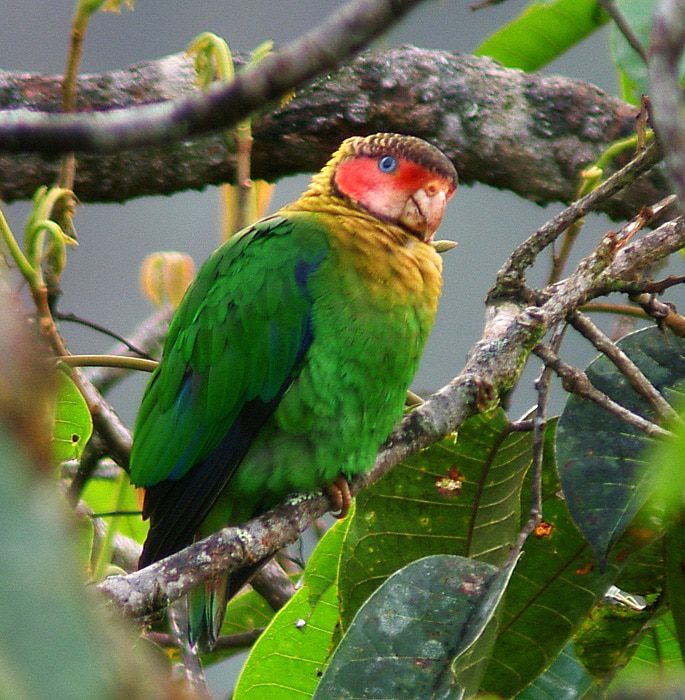
Rose-faced Parrot
Pyrilia pulchra

Lorito Carirrosado

Content


Anatomy-parrots

Description:

23 to 26 cm.. height.

The Rose-faced Parrot (Pyrilia pulchra) be distinguished easily by your face and both sides of neck purple-red with black margin; crown and throat grayish coffee. General green olive in the back and beige in the belly. Wings with the part superior mixed with yellow or red orange and the rest green blue.

Stubby-looking and tail short. The immature they have only have a red line on the eye and the ear While their cheeks are coffee Green.

Habitat:

The Rose-faced Parrot is a parrot little known, which is commonly found between 1,200 and 2,100 m above sea level, Although has been observed at altitudes as low as 200 m. Inhabits humid and semi-deciduous forests of lowlands and temperate. According to the information available, is known that this Parrot is often feed is on the canopy of forests, Although visit disturbed areas and crops. Flying in pairs or groups of size variable up to of 25 or more.

Reproduction:

The data on reproduction are scarce. But, they have observed individuals with gonads developed between November and February in the Chocรณ, in Colombia and Ecuador.

Food:

Its diet It is little known, but some observations indicate that includes in its feeding fruits of Oenocarpus bataua (Arecaceae) and other fruits from species wild and plants cultivated as banana and corn.

Distribution:

Size of the area of distribution (reproduction / resident): 195.000 km2

Are you can observe in freedom from the West of Colombia to the West of Ecuador.

Conservation:


minor concern


โ€ข Current category of the Red List of the UICN: Least concern.

โ€ข Population trend: Stable.

Justification of the population

The population size World has not been quantified, but this species is described as "uncommon and irregularly distributed" (Stotz et to the., 1996).

Justification of trend

It is suspected that the population is stable in absence of evidence of any decline or threatens substantial.

"Rose-faced Parrot" in captivity:

Not usually seen in aviculture. Extremely sensitive, has ever survived more than one couple of months in captivity.

Alternative names:

– Rose-faced Parrot, Beautiful Parrot, Rose faced Parrot (English).
– Caรฏque ร  joues roses (French).
– Rosenwangenpapagei, Rosenwangen-Papagei (German).
– Rose-faced Parrot (Portuguese).
– Cotorra Carirrosada, Lorito Carirrosado, Lorito de Cara Rosada (espaรฑol).

scientific classification:

– Order: Psittaciformes
– Family: Psittacidae
– Genus: Pyrilia
– Scientific name: Pyrilia pulchra
– Citation: von Berlepsch, 1897
– Protonimo: Pionopsitta pulchra

Images "Rose-faced Parrot"

Videos "Rose-faced Parrot"

ยซPink-faced Parrotยป (Pyrilia pulchra)


Sources:

  • Avibase
  • Parrots of the World โ€“ Forshaw Joseph M
  • Parrots A Guide to the Parrots of the World – Tony Juniper & Mike Parr
  • Birdlife
  • Parrot Book, Parrots and macaws Neotropical
  • parrots.org
  • Rodriguezโ€“Mahecha & Hernandezโ€“Camacho 2002

  • Photos:

(1) – photo ยฉstolmstead Flickr.com

โ–ท The world of Pets: Dogs, cats, birds, reptiles, amphibians

Scaly-naped Amazon
Amazona mercenarius

Scaly-naped Amazon

Content

Description


Anatomy-parrots

33 to 38 cm.. tall and 300 g. of weight.

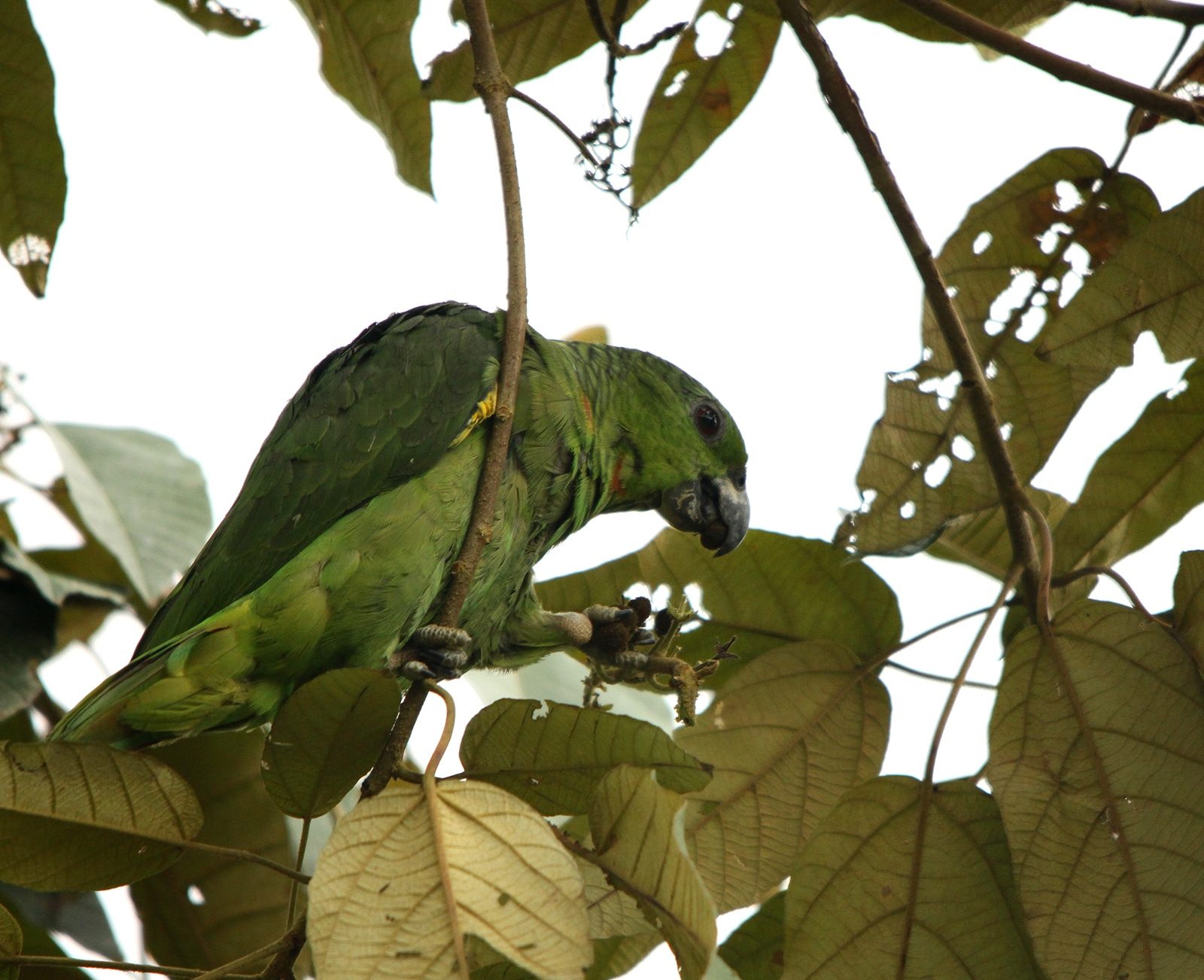
The Scaly-naped Amazon (Amazona mercenarius) it is the only amazon in mountainous areas.

General coloring green, with the feathers of the chest with black border, It is distinguished by having the wingtip yellow with orange spots, and external feathers tail tricolor with blue base, middle part red and yellow tip.

Bill pale gray area at the base of jaw; irises orange; legs brown.

Both sexes are similar. It is thought that immature they are similar to adults.

Description 2 subspecies

  • Amazona mercenarius canipalliata

    (Cabanis, 1874) – Speculum red absent. bases outer secondaries marked with brown spots. Some specimens show scattered red feathers crown, the throat top of the chest.


  • Amazona mercenarius mercenarius

    (Tschudi, 1844) – Nominal.

Habitat:

Video – "Scaly-naped Amazon"

Loro Verde (Mercenary Amazon)

Andean and sub-Andean forests permanently cloudy between 1200 and 3000 m. Occasionally in warm floor and cultivated land.
Usually in pairs or groups of 30 to 40 individuals.

Reproduction:

They have reported evidence reproduction between March and May in Colombia. Nest and eggs not yet described. The incubation period apparently it lasts 25 and 26 days.

Food:

Little information on their diet, but he has seen taking figs and fruit unidentified in Colombia.
In Colombia they have been observed down to attack corn fields.

Distribution:

Size of the area of distribution (reproduction / resident): 3.160.000 km2

Andes from Venezuela to the North of Bolivia.

Distribution 2 subspecies

  • Amazona mercenarius canipalliata

    (Cabanis, 1874) – Andes of Colombia to northwest Venezuela and Ecuador.


  • Amazona mercenarius mercenarius

    (Tschudi, 1844) – Nominal. Andes North of Peru to the North of Bolivia; a single record in Argentina.

Conservation:

State of conservation โ“˜


minor concern Minor Concern โ“˜ (UICN)โ“˜

โ€ข Current category of the Red List of the UICN: Least concern.

โ€ข Population trend: Decreasing.

Justification of the population

The population size World has not been quantified, but this species is described as ยซquite commonยป (Stotz et to the., 1996).

Justification of trend

It is suspected that the population is in decline due to the continuous habitat destruction.

The Amazona Mercenary in captivity:

Very rare in captivity.

Alternative names:

– Scaly-naped Amazon, Mercenary Amazon, Mercenary Parrot, Scaly naped Parrot, Scaly-naped Parrot (English).
– Amazone mercenaire (French).
– Soldatenamazone (German).
– Loro verde (Portuguese).
– Amazona Mercenaria, Amazona Verde, Lora Andina, Loro nuca escamada, Lora paramera (espaรฑol).


scientific classification:

Tschudi-Johann Jakob of

– Order: Psittaciformes
– Family: Psittacidae
– Genus: Amazona
– Scientific name: Amazona mercenarius
– Citation: (Tschudi, 1844)
– Protonimo: parrot hired


Scaly-naped Amazon Pictures:


Species of the genus Amazona


Sources:
– Parrot Book, Parrots and macaws Neotropical
– avibase
– Parrots of the World โ€“ Forshaw Joseph M
– Parrots A Guide to the Parrots of the World – Tony Juniper & Mike Parr
– Birdlife

– Photos: papageien.org, IBC.lynxeds.com , chrislansdell.blogspot.com.es, Flickr.com

– Sound: Hans Matheve

โ–ท The world of Pets: Dogs, cats, birds, reptiles, amphibians

Western corella
Cacatua pastinator

Cacatรบa Cavadora

Content

Description

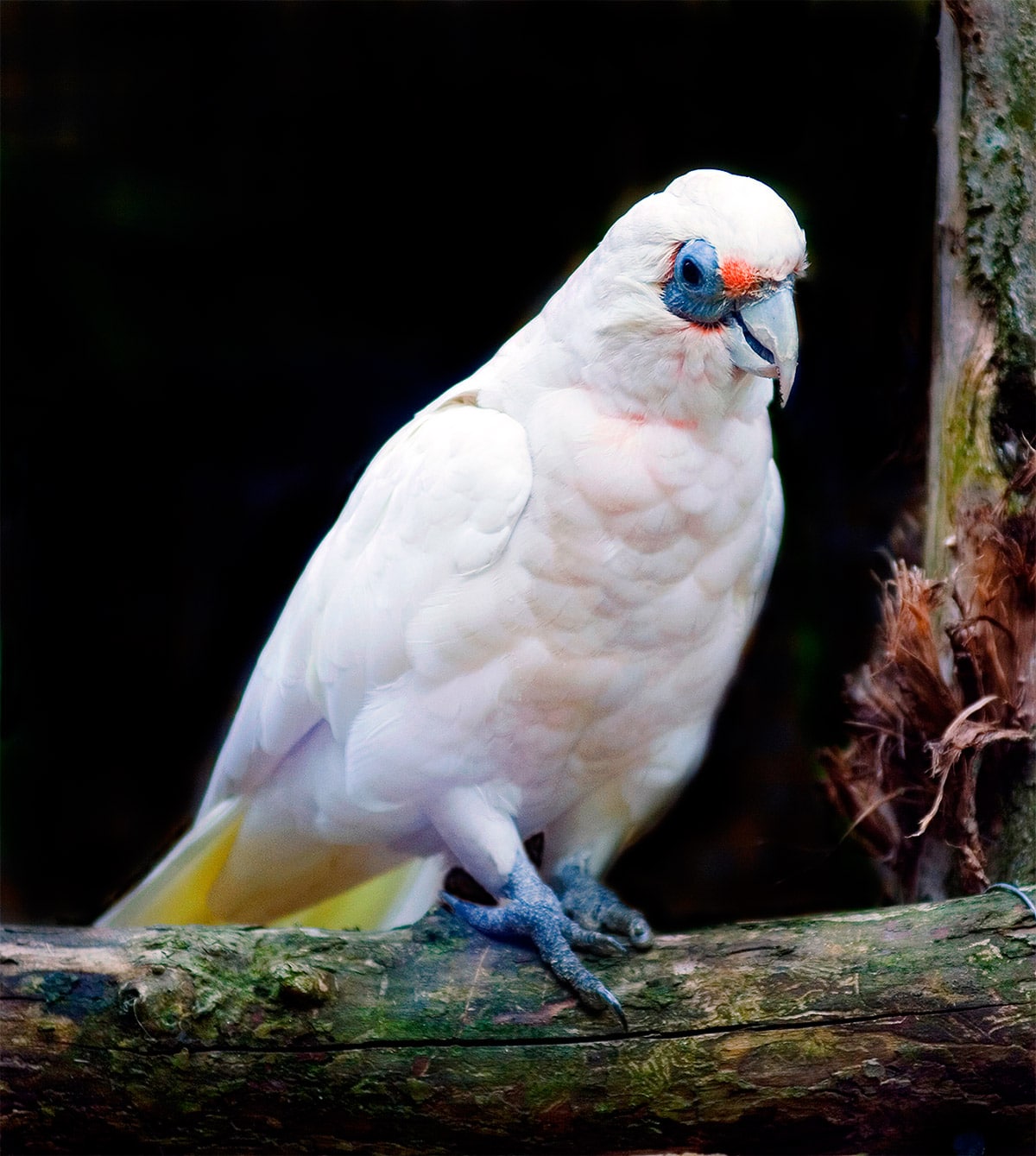
The Western corella (Cacatua pastinator) is a cockatoo of medium size and quite stocky; 43-48 cm.. in length and a weight ranging from 560 and 815 gr.

Mostly white with a wash of red orange color in prominent lores, a strong washing yellow at the bottom of the wings and tail, orbital ring blue-gray; bill pale grey, and legs and feet grey.

It also, the feathers of the head, the neck and the chest have bases red orange that, Although normally hidden, they may be exposed during the Act of grooming or stands by the wind.

The male and female look the same.

The immature They are very similar to adult birds, but they can be distinguished when viewed up close; the texture Nonsquamous bill, washing pale yellow in ear-coverts, the upper jaw shorter and pale and bare periophthalmic less pronounced.

Description 2 subspecies

  • Cacatua pastinator derbyi

    (Mathews, 1916) – Significantly smaller and with a bill shorter.


  • Cacatua pastinator pastinator

    (Gould, 1841) – Nominal.

Habitat:

The habitat of the Western corella seems very fragmented. Much of the original habitat has been lost due to logging, the dieback of the field due to processes as soil salinization and degradation.

the Western corella It is now confined to small remnants of their former habitat, including trees isolated in areas cleared of native vegetation. It has been able to persist in small remnants of habitat in agricultural regions because these regions provide permanent water and an abundant food source., but many of these areas are now being converted into plantations Eucalytpus globulus or vegetable crops, which are not suitable for this species.

Reproduction:

The breeding season, generally, It covers the months from September to November.
It lays its eggs in rotten wood or at the base of a hollow wood dust, or hole in a dead tree trunk, especially eucalyptus (Corymbia calophylla and Eucalyptus marginata).

Pairs may use a different tree hollow for breeding each year or may use the same hollow for up to three consecutive seasons.

The clutches They consist of a four white eggs are incubated for a period of 26 to 29 days.
The role of parents in the incubation of the eggs and the care of young people has not been registered, but it is likely that both parents hatch the eggs and feed the young.

The incipient period and the period of independence It is not registered, but it is likely that the young remain in the nest during 53 to 67 days and become independent three months after leaving the nest.

The survival rates adult and immature birds are unknown, but the younger, they probably die until they are able to reproduce.

Food:

It feeds mainly from seeds but also takes insect larvae, bulbs, tubers, fruits and possibly nectar.

There is little information available about seasonal variation in the diet, but the seeds of cereal grasses are important in summer and early autumn, and seeds and bulbs R. rosea, that they are common in the diet throughout the year, they are probably the main source of food from late autumn to spring.

Itร‚ยดs gregarious. use your upper jaw long to unearth the underground parts of various native plants growing in the forest. Also pulls bulbs when soil is moist, and unearths the cereals in germination.

Distribution:

Size of its range (reproduction / resident): 258.000 km2

Currently is recognized two separate populations, both confined in southwest Western Australia.
You can find up to 400 meters above sea level.

Distribution 2 subspecies

  • Cacatua pastinator derbyi

    (Mathews, 1916) – It is located in the northern wheat belt of Western Australia.


  • Cacatua pastinator pastinator

    (Gould, 1841) – Nominal. It is found in most southwest Australia, to the South of Perth from the rivers Swan and Avon in the North, to Augusta in the west and Broome in the East.

Conservation:

โ€ข Current IUCN Red List category: Least concern.

โ€ข Population trend: Growing

The total world population not known, It is estimated in 3000 individuals, but it is believed that it may be expanding due to the increase in agricultural areas and with it a greater availability of food. The legal protection by the legislation also plays an important role for the survival of these species.

The decrease in the population of the south is attributed to persecution by farmers who regard the species as a pest for crops.

It keeps in captivity in the Perth Zoo and by licensed poultry farmers as part of a captive breeding program initiated by the Department of Conservation and Land Management WA en 1995.

The Burrowing Cockatoo in captivity:

Very rare in captivity.

It can be loud and aggressive with other birds. Has the ability to imitate and creates strong bonds with their caregivers.
In captivity it can live more than 50 years.

Alternative names:

– Western Corella, Bare-eyed Long-billed Corella, Corella, Eastern Long-billed Corella, Western Long-billed Cockatoo, Western Long-billed Corella (ingles).
– Cacatoรจs laboureur, Cacatoรจs ร  nez rose, Cacatoรจs ร  oeil nu, Cacatoรจs ร  oil nu (French).
– Wรผhlerkakadu (German).
– Cacatua-pastinator (Portuguese).
– Cacatรบa Cavadora (espaรฑol).

John Gould
John Gould

scientific classification:


– Order: Psittaciformes
– Family: Cacatuidae
– Genus: Cockatoo
– Scientific name: Cacatua pastinator
– Citation: (Gould, 1841)
– Protonimo: Licmetis pastinato


Images Burrowing Cockatoo:


Species of the genus Cacatua