โ–ท The world of Pets: Dogs, cats, birds, reptiles, amphibians

Tosa
Japรณn FCI 260 - Molossoid - Dogo

Tosa Inu

The Tosa is quiet, serene, dignified and extraordinarily peaceful.

Content

History

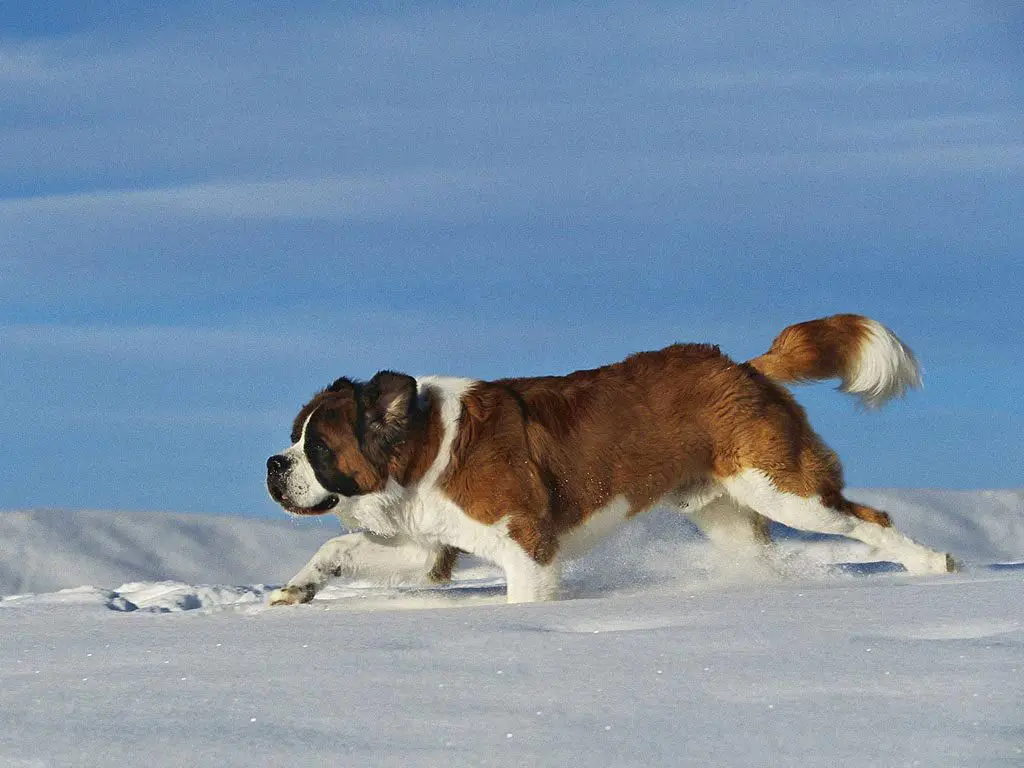
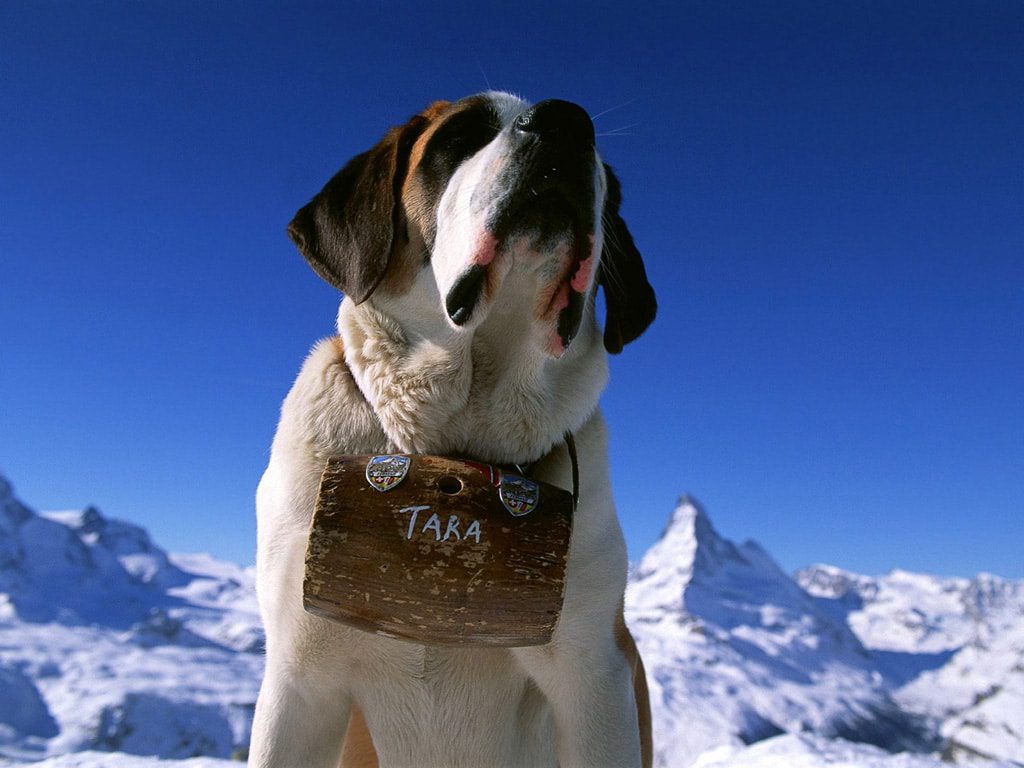
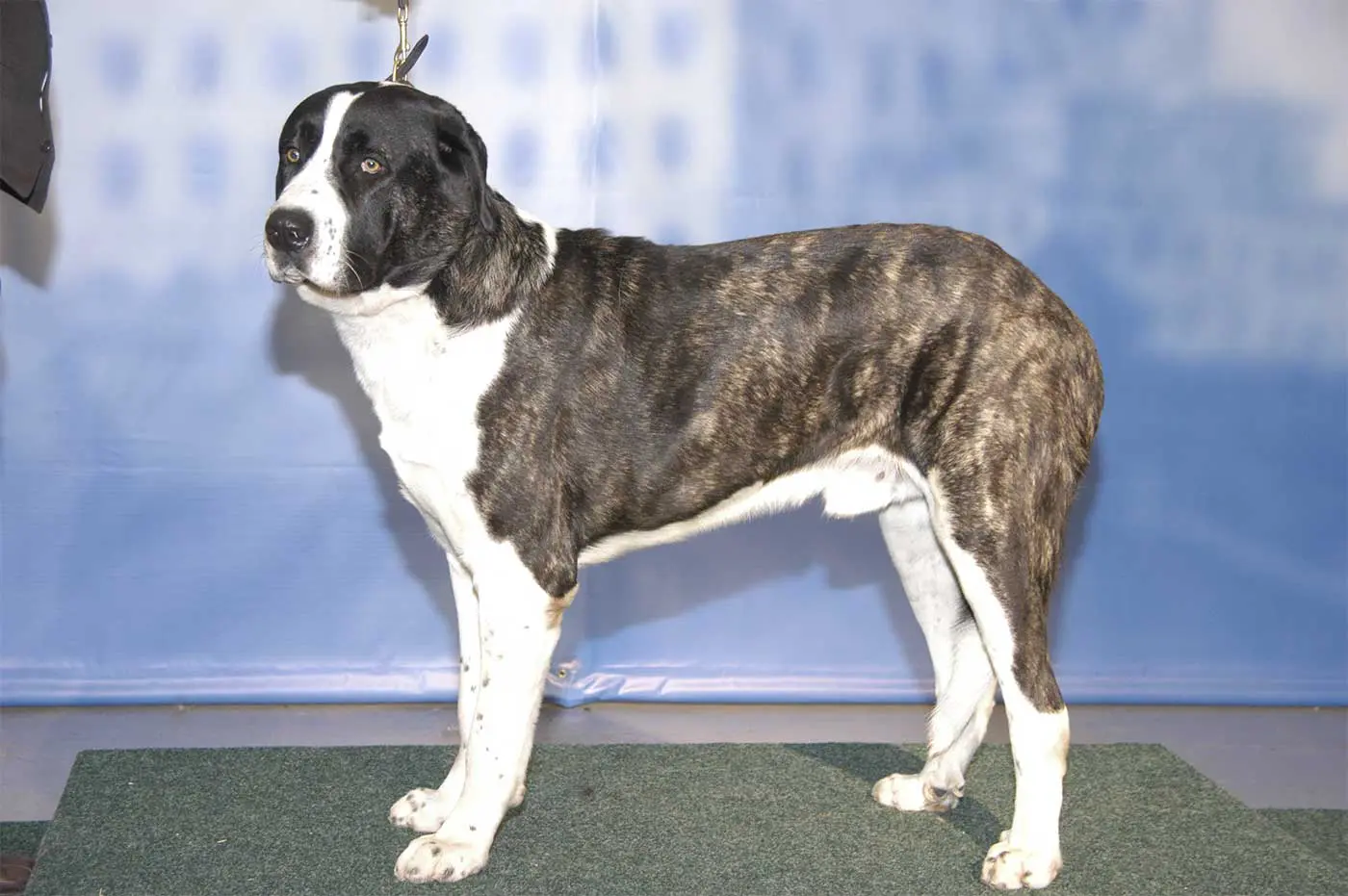
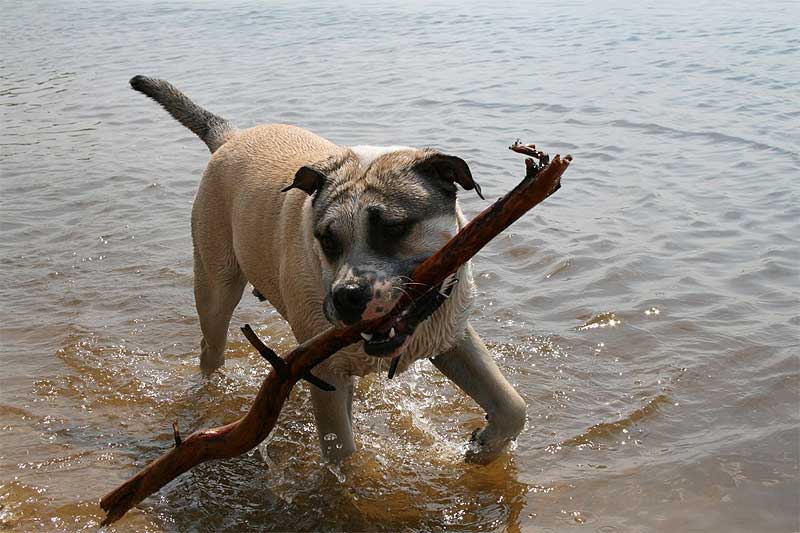
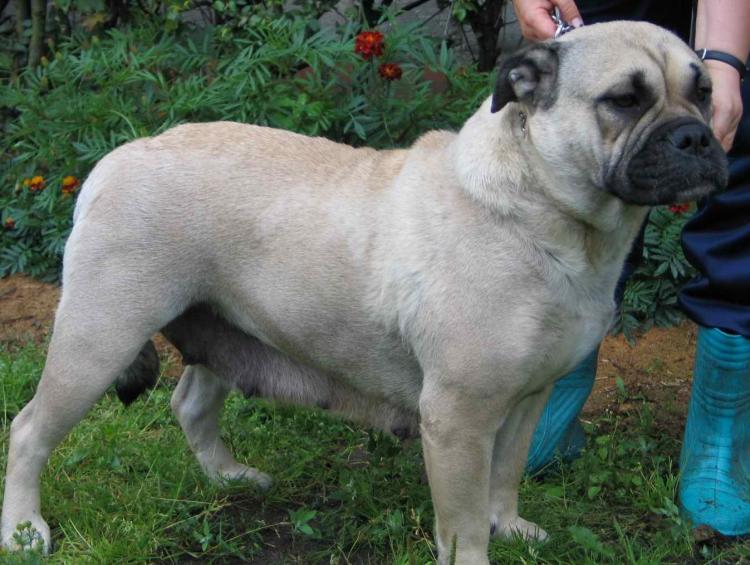
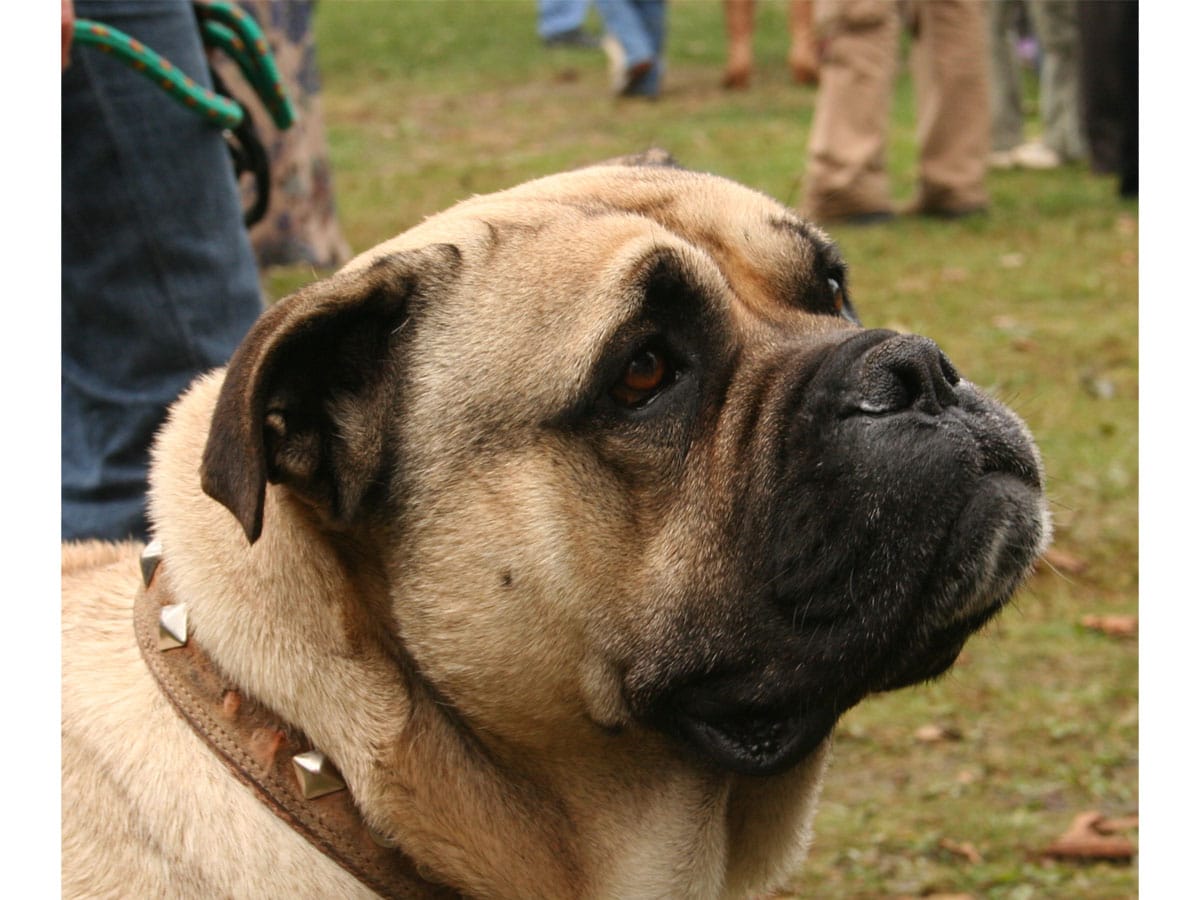
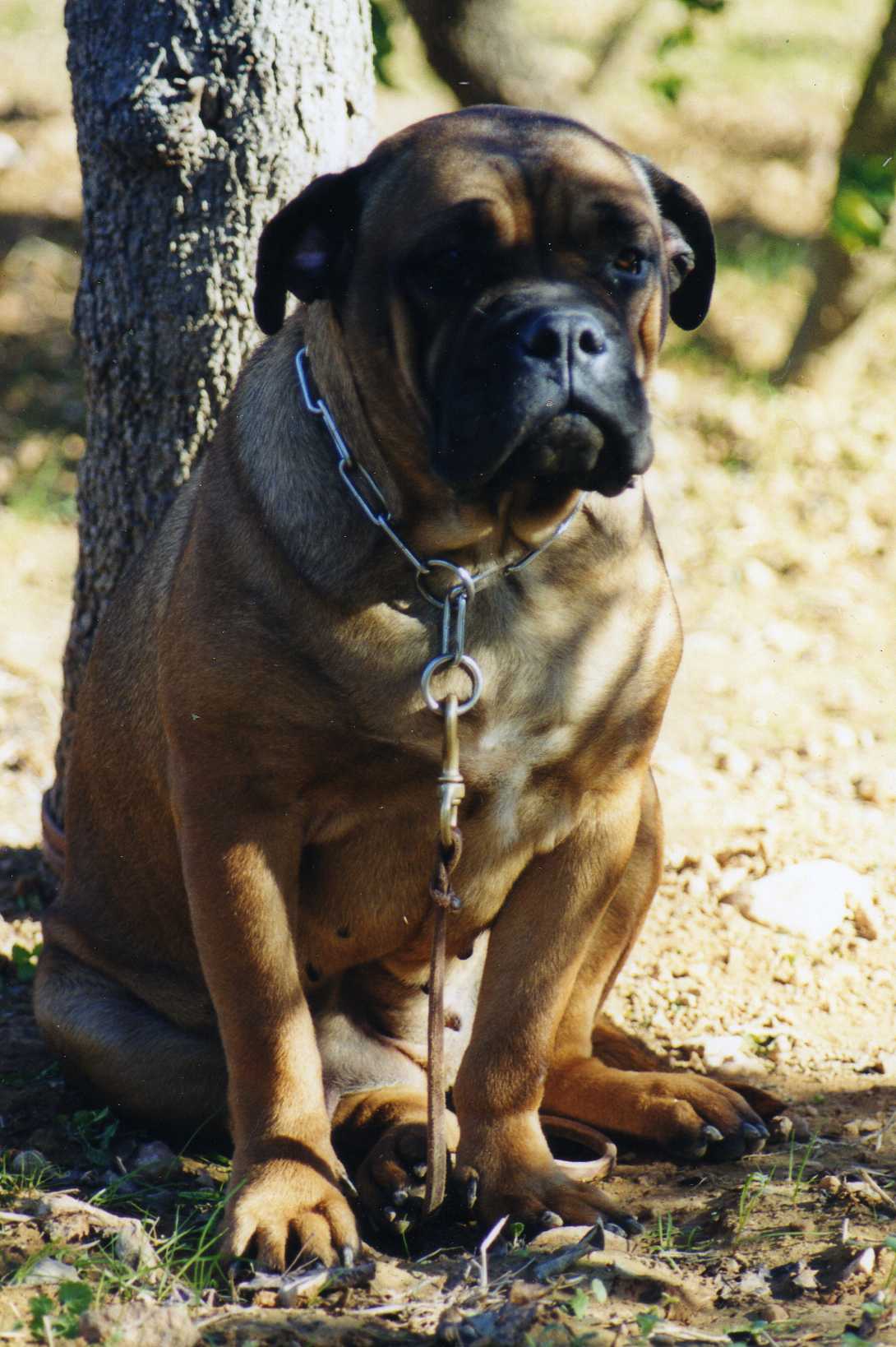
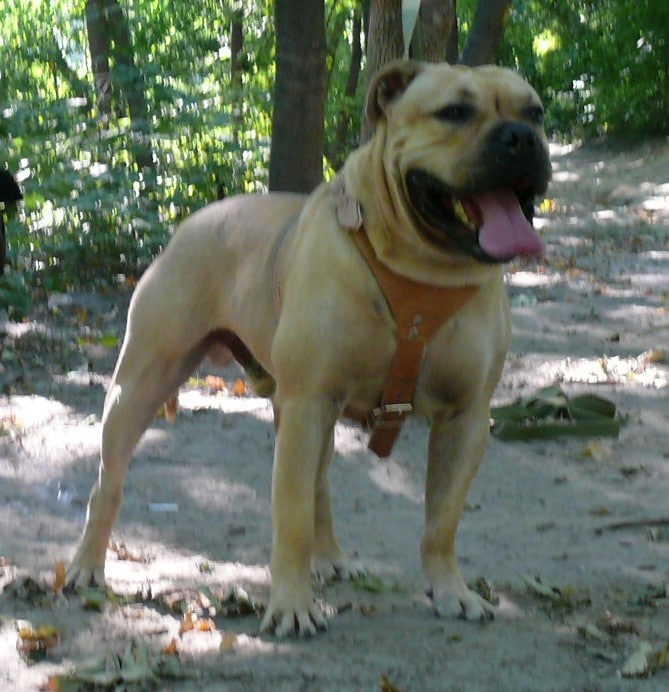
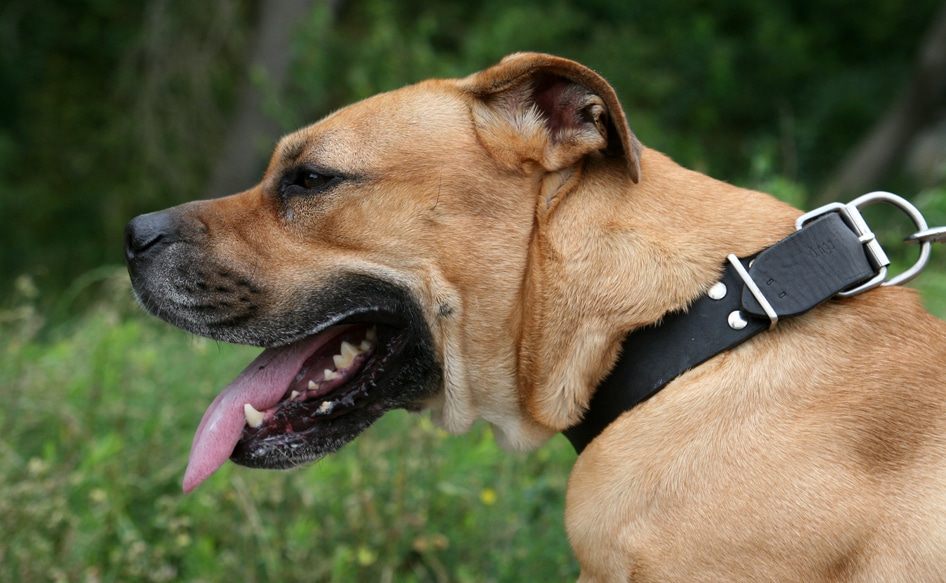
The Tosa It is a breed of dog originating in Japan. Molosser imposing aspect, It is one of the favorite breeds for the lovers of dogs large size around the world. The breed emerged in the mid-19th century, When crossing various European breeds of large size (Great Dane, Mastiff, St. Bernard, Bulldog, German Shorthaired) with the indigenous Shikoku.

In Spain is regarded as a potentially dangerous breed of dogs by Royal Decree, by which to his possession must obtain the licence for possession of dangerous dogs and register it in the corresponding Municipal registry of potentially dangerous animals. One of the things that are required for this license is insurance of civil liability to third parties.

The Tosa varies considerably in size. Japan-bred specimens tend to have half the size of the specimens bred in the rest of the world. Japanese copies are usually weigh between 35 and 55 kg, While exemplary foreigners have a weight which varies between the 60 and 100 kg. The mantle is characterized by short and smooth appearance and is often red, striped or brown clear. The maintenance of its fur is minimal.

This breed originated in the second half of the 19th century. The race started from the natives – Shikoku, an indigenous dog. It weighs some 25 kg and stand about 55 inches tall, that it resembles the European Spitz. These dogs were crossed with dogs of European races, as the Old English Bulldog in 1872, Mastiff, in 1874, St. Bernard, German pointer in 1876, Great Dane, in 1924, and the Bull Terrier. The goal was to raise a bigger dog, more powerful.

Read more

โ–ท The world of Pets: Dogs, cats, birds, reptiles, amphibians

Shar Pei
China FCI 309 - Molossoid - Dogo

Shar Pei

The Shar Pei he is affectionate with his owner; he is quite reserved with strangers.

Content

History

Dogs like breed Shar Pei have existed in southern China for centuries, perhaps from the Han dynasty around 200 A.C. Archaeologists have found statues from that period showing a dog similar to the Shar-Pei.. Later evidence includes a 13th century document referring to a wrinkled dog.

The first Shar-Pei they were farm and working dogs. They watched over property and livestock, they hunted and herded flocks. The Shar-Pei was a guardian of the house otherwise, as well. His purple tongue, shared with another race, the Chow Chow, and their wrinkled skin was believed to ward off evil spirits. In addition to being working dogs, the Shar Pei fighting dogs were also popular. Their loose fur and rough fur made it difficult for the other dog to hold on to them..

Life has always been hard in China, but for the Shar Pei became very dangerous after the communist takeover in the early 20th century. In the People's Republic of China, Dogs were a symbol of a decadent past and were virtually eliminated in the 1990s. 1950. Only a few remained in rural areas, as well as in Hong Kong (still under British rule at the time) and in Taiwan, plus a few that had been exported to the United States in 1966.

In 1973, a Hong Kong breeder named Matgo Law appealed to Western dog aficionados to help save the breed, it was on the verge of extinction. The unusual wrinkled dogs sparked enthusiastic interest among Americans and quickly became "the" dog to have.. The Shar Pei were fully recognized by the American Kennel Club in 1992. After that first burst of popularity, have achieved a moderate level of interest, they are currently in the position 50, below the post 37 a decade.

Physical characteristics

It is a robust dog, solid, compact, shorthair. The head is large in proportion to the body. The skull is wide and flat, and the โ“˜stop, very little pronounced. The forehead and the orbital region are covered with abundant and fine wrinkles that extend downwards forming ; eyes are small, sunken, black or brown color in beige specimens. Ears are very small, equilateral triangle, and high insertion and facing forward, above the eyes. The skin forms folds throughout the body, which is a peculiarity of the breed. The tail is inserted high and its carriage in the shape of a trunk above the back is characteristic., without touching it.

  • Fur: thick, very short and straight, with a very visible hardness.
  • Color: black, brown, leonado, beige and cream.
  • Size: 40 – 51 cm..

The Chinese line presents fewer wrinkles than the American one. Females are smaller in size than males.

Character and skills

The Shar Pei he's a little snobby. He's naturally reserved with people he doesn't know and stays aloof once they're introduced. Extensive socialization at a young age is necessary to prevent it from becoming too territorial or aggressive. Only family members receive the overwhelming devotion of this independent dog., alert and intelligent that watches the world go by in a calm and dignified way.

One Shar Pei it's quiet in the house. It is a remarkable watchdog and rarely barks unless it is playing. If they hear it, you should go and see what has caught your attention. A short, quick walk meets your exercise needs.

It is a strong and confident dog that learns fast, so don't put off training. The Shar Pei is independent and strong-willed. Be firm but never harsh or physical with him.. Teach him from the beginning to accept grooming procedures like trimming nails, clean ears and brush teeth. You never want you Shar Pei learn that you can be physically intimidated into stopping these procedures.

like most dogs, to the Shar Pei He doesn't like to have his feet touched and he doesn't like to have his nails cut. That also applies to other procedures..

The Shar Pei is a watchdog that has hunted and fought with other dogs. to most of the Shar Pei They do not like the company of other dogs., and are easily excited by aggression. A securely fenced yard will prevent you from conflict with other dogs or trying to expand your territory to include the entire block..

Start training your puppy the day you bring him home. Even at eight weeks old, He is able to absorb everything you can teach him. Don't wait until you have 6 months to start train or have to deal with more stubborn dog. If possible, Take it to a trainer when you have between 10 and 12 weeks, and socializes, socialice, socialice. But, Note that many kinds of training puppies require certain vaccinations (such as kennel cough) stay up to date, and many veterinarians recommend limited exposure to other dogs and public places until puppy vaccinations (including rabies, distemper and parvovirus) They are completed. Instead of formal training, You can start training your puppy to socialize at home and among family and friends until immunizations are completed in the puppy.

Talk to the breeder, Describe exactly what you want in a dog and ask for help choosing a puppy. Breeders see puppies daily and can make incredibly accurate recommendations once they know something about their lifestyle and personality. Whatever you want from a Shar Pei, look for one whose parents have nice personalities and who has been well socialized since the puppy's young age.

Health of the ยซShar Peiยป

All dogs have the potential to develop genetic health problems, just as all people have the potential to inherit a particular disease. Run, do not walk, from any breeder that does not offer a health guarantee on puppies, to tell you that the breed is 100 percent healthy and has no known problems, or tell you that your puppies are isolated from the main part of the home for health reasons. A reputable breeder will be honest and open about the breed's health problems and the incidence with which they occur in their lines..

The Shar Pei have many health problems, and their owners can develop a close relationship with their vet. Concerns include hip and elbow dysplasia; patella dislocation; Hypothyroidism; eye problems such as entropy, retinal dysplasia and glaucoma, allergies and infections of the skin folds.

A unique problem is a disease called c fever, a condition in which the dog experiences periodic fevers and its hock joints swell. Accompanying signs may include lethargy, vomiting, diarrhea and shallow breathing.

Not all of these conditions are detectable on a growing puppy, and it is impossible to predict if an animal will be free of these diseases, so you must find a reputable breeder who is committed to raising the healthiest animals possible.. Must be able to produce independent certification that the dog's parents (and grandparents, etc.) have been examined for common defects and considered healthy for breeding. That's where health records come in..

Careful breeders screen their breeding dogs for genetic diseases and breed only the healthiest, best-looking specimens., but sometimes mother nature has other ideas and a puppy develops one of these diseases despite good husbandry practices. Advances in veterinary medicine mean that in most cases dogs can still live a good life. If you are going to have a puppy, ask the breeder about the ages of the dogs in their lines and what they died of.

Remember that after you have welcomed a new puppy into your home, has the power to protect you from one of the most common health problems: the obesity. Keep a Shar Pei with proper weight is one of the easiest ways to extend your life. Make the most of your preventive skills to help ensure a healthier dog for life.

Care of the ยซShar Peiยป

Grooming requirements depend on each Shar Pei. Weekly brushing can meet the needs of both the "short-haired" variety and the "brushed" type. (slightly longer), but some Shar Pei of either type can be prone to skin problems. Dogs with skin problems may need a weekly bath and daily brushing.

All the Shar Pei need regular wrinkle care. Wrinkles should be cleaned with a damp cloth and then dried completely to prevent infection.. Do not oil the skin.

The Shar Pei they have small ears, tight and triangular that predispose them to chronic ear problems because there is not enough air circulating in the narrow ear canal. Although it is not so easy to clean the ears of a Shar Pei as it is for most races, regular cleaning should be done to help prevent recurrent yeast or bacterial infections.

Bathe your dog as you like or only when it gets dirty. With the gentle dog shampoos available now, can bathe a Shar Peiweekly if you wish without damaging your coat.

The rest is basic care. Trim nails as needed, usually every few weeks. Brush your teeth for general good health and fresh breath.

Characteristics "Shar Pei"

Coexistence is important that you have with your new friend. Before considering the acquisition of a dog of the breed "Shar Pei" you know certain factors. Not all breeds of dogs are apt to live in an apartment, you must take into account his character, their need for exercise, their interaction with other pets, their care and if you have small children, their level of tolerance towards them.

Adaptation โ“˜

3,0 of 5 stars (based on 1 review)

friendly dog โ€‹โ€‹โ“˜

2,0 of 5 stars (based on 1 review)

hair loss โ“˜

2,0 of 5 stars (based on 1 review)

Affection level โ“˜

5,0 of 5 stars (based on 1 review)

Need for exercise โ“˜

2,0 of 5 stars (based on 1 review)

Social need โ“˜

3,0 of 5 stars (based on 1 review)

Home โ“˜

4,0 of 5 stars (based on 1 review)

Toilet โ“˜

3,0 of 5 stars (based on 1 review)

Friendly with strangers โ“˜

1,0 of 5 stars (based on 1 review)

barking โ“˜

1,0 of 5 stars (based on 1 review)

Health โ“˜

5,0 of 5 stars (based on 1 review)

Territorial โ“˜

3,0 of 5 stars (based on 1 review)

Cat friendly โ“˜

3,0 of 5 stars (based on 1 review)

Intelligence โ“˜

5,0 of 5 stars (based on 1 review)

Versatility โ“˜

3,0 of 5 stars (based on 1 review)

Child friendly โ“˜

1,0 of 5 stars (based on 1 review)

Surveillance โ“˜

3,0 of 5 stars (based on 1 review)

joy โ“˜

3,0 of 5 stars (based on 1 review)

Images "Shar Pei"

Photos:

1 – This is a typical photo of a bone mouth traditional Shar-Pei. CH Dali Pinky, Hong Kong Kennel Club Champion by No machine-readable author provided. Inuyasya1106 assumed (based on copyright claims). / Public domain
2 – Shar_Pei_female_of_7_months._Chinese_line by Mcarrillo / CC BY-SA
3 – Shar Pei by https://pxhere.com/es/photo/1267570
4 – Shar Pei by https://pxhere.com/es/photo/1169173

Videos "Shar Pei"

Type and recognitions:

  • FCI CLASSIFICATION:
  • Group :
  • Section : . .

Federations:

  • FCI – Pinscher and Schnauzer-Molossoid type dogs – Swiss Mountain Dogs and Cattledogs. Section 2.1 Molossoid, mastiff type. โ“˜
  • AKC – Non-Sporting โ“˜
  • ANKC – Group 7 (Non-Sporting) โ“˜
  • CKC – Group 6 – Non-Sporting โ“˜
  • โ€‹KC – Utility dog โ“˜
  • NZKC – Non-Sporting โ“˜
  • UKC – Northern Breed โ“˜

FCI breed standard "Shar Pei"

Origin:
China

Date of publication of the valid original standard:
14.04.1999

Use:

Hunting and guard dog.


General appearance:

This is a medium-sized dog, Active, compact, square, short loin. Wrinkles of the skull and cross, Its small ears and hippo-like snout give it a unique appearance.. Males are more robust than females.

IMPORTANT PROPORTIONS: HeightShar Pei, from the cross to the ground, is approximately equal to the length of the body, from the tip of the shoulder to the tip of the buttock, especially in males.

The length of the nose to the naso-frontal depression is approximately equal to that of the naso-frontal depression to the occiput.


Behavior / temperament:

This is a calm animal, independent, loyal and affectionate with his family.

Head:

It's rather big, in proportion with the body. Wrinkles that form on the forehead and cheeks extend downward to form the double chin.

Cranial region:
  • Skull: Flat and spacious.
  • Depression links (Stop): Moderate.

facial region:

  • Truffle: It is great, wide, preferably black, but any other color that harmonizes with the coat color is allowed. The nostrils are wide open.
  • Snout: It is characteristic of the breed. Width, from the root to the tip of the nose, no sign of decline. The lips and the upper part of the muzzle are very full. The presence of a bulge in the nose is allowed.
  • Mouth: Language, the palate, the gums and lips are preferably bluish black. Pink spotted tongue allowed. Solid pink tongue is considered highly inappropriate. In dogs with diluted colored fur, the tongue is solid lavender.
  • Jaws / Teeth: The jaws are strong, with a perfect scissor joint (The upper incisors overlap the lower incisors in close contact and are at right angles to the jaws.). The fleshiness of the lower lip should not be so excessive as to interfere with the function of the jaws..

EYES: Are dark, almond shaped and frowning look. Lighter color is allowed in dogs with diluted coat. Nor the skin around the eyes, nor the folds, nor the hair, must impede normal function of the eyeball or eyelid. Any indication of irritation of the eyeball, the conjunctiva or the eyelids is considered highly undesirable. There must be no presence of entropion.

EARS: Very small, rather thick, equilateral triangular shape. The tips are slightly rounded. High implementation, with the tips pointed towards the eyes. Present well forward over the eyes; they are well separated and well attached to the skull. Erect ears are highly undesirable.

Neck:

Medium length, strong, well implanted in the shoulders. Loose skin under the neck should not be excessive.

Body:

The presence of body skin folds in adult dogs is considered highly undesirable, except at the cross and at the tail, where the folds must be moderate.

  • top line: Descend slightly behind the cross, then he stands up a little on his back.
  • Back: Short and strong.
  • Pork loin: Short, width, slightly arched.
  • Rump: Rather flat.
  • Breast : Broad and deep; the sternum region reaches the elbow. bottom line: Rises slightly below the back.

Tail:

Thick and round at the base; gradually thin to a fine point. Well established, a distinctive feature of the breed. Can be tall and hunched, carried in a closed curl, hunched over or falling to one side or the other of the back. The absence of tail or the cut tail are highly undesirable.

Tips

PREVIOUS MEMBERS: Straight, of moderate length, for strong bones. There is no presence of wrinkles in the forelimbs.

  • Shoulder: Muscular, well established and inclined.
  • Metacarpus: Slightly sloping, strong, รโ€œรหœรโ€˜รลกรหœรโ€ข.
  • Previous feet: Moderate in size, compact; they are not crushed.
    Fingers have strong joints. There is no presence of spurs on the hind feet.

LATER MEMBERS: They are muscular, strong, moderately angulated. Seen from the back, They are perpendicular to the ground and parallel to each other.. The presence of wrinkles on the thighs, the legs, the metatarsals, as well as thick skin on the hocks are undesirable.

  • Hocks: Very low.
  • Hind feet: Moderate in size, compact; they are not crushed. Fingers have strong joints. There is no presence of spurs on the hind feet.

Movement:

Jogging is the favorite movement. It's free, agile, balanced, with good range in the forelimbs and strong momentum of the hindlimbs. When the dog increases speed, feet tend to converge on a center line. Walking on stilts is undesirable.

Mantle

  • Fur: It is a distinctive characteristic of the breed: shorthair, tough and piggy. On the trunk, the coat is straight and separated, but in the extremities it is more stuck. There is no presence of an internal layer of hairs. Hair length can vary between 1 to 2,5 cm.. It should never be trimmed.
  • Color: All solid colors, except for the White, are accepted. The tail and back of the thighs are often lighter in color. Darker shading is allowed along the back and on the ears.


Size and weight:

  • Height to the cross: 44 to 51 cm. (17,5 to 20 inches).


Fouls:

Any deviation from the aforementioned criteria is considered as a fault and the severity of this is considered to the degree of the deviation to the standard and its consequences on the health and well-being of the dog..

SERIOUS FAULTS:

  • Joint not presented in the form of scissors (as a transitional measure, very light upper prognathism is allowed).
  • Pointed snout.
  • Spots on the tongue (except pink spots).
  • big ears.
  • Low set tail.
  • Coat over 2,5 cm..

FALTAS DESCALIFICANTES:

  • Aggressiveness or extreme shyness.
  • Any dog โ€‹โ€‹showing clear signs of physical or behavioral abnormalities.
  • Flat head front, with pronounced higher prognathism; lower prognathism.
  • Solid pink tongue.
  • Inner bent lower lip, preventing the bite.
  • Round and bulging eyes; entropion or ectropion.
  • Skin, folds or hair that impede normal eye function.
  • erect ears.
  • Absence of tail or tail short of birth.
  • Presence of thick folds of skin on the trunk and extremities (except at the cross and the tail).
  • Non-solid color (albino, striped, with patches, with stains, black and fire color, chair-shaped coloring).

WARNING: Any artificial physical alteration made to theShar Pei (especially on the lips and eyelids) eliminate the dog from competition.


N.B.:
  • Males should have two normal-appearing testicles fully descended into the scrotum..
  • Only functionally and clinically healthy dogs, with the typical conformation of the breed, should be used for parenting.

    TRANSLATION: IRIS Carrillo (Federation of Puerto Rico). Official language: IN.
    Revision: SR. Jorge Nallem.

Source: F.C.I - International Cynological Federation

Alternative names:

1. Cantonese Shar-Pei (English).
2. Shar-peรฏ, sharpeรฏ (French).
3. Shar-Pei (German).
4. Shar-pei (Portuguese).
5. Sharpei (espaรฑol).

โ–ท The world of Pets: Dogs, cats, birds, reptiles, amphibians

Fila Brasileiro
Brazil FCI 225 - Molossoid - Dogo

The Fila Brasileiro it is a rare dog in Europe, which implies that it is difficult to find a good puppy.

Fila Brasileiro

Content

Characteristics "Fila Brasileiro"

Coexistence is important that you have with your new friend. Before considering the acquisition of a dog of the breed "Fila Brasileiro" you know certain factors. Not all breeds of dogs are apt to live in an apartment, you must take into account his character, their need for exercise, their interaction with other pets, their care and if you have small children, their level of tolerance towards them.

Adaptation โ“˜

3,0 of 5 stars (based on 1 review)

friendly dog โ€‹โ€‹โ“˜

1,0 of 5 stars (based on 1 review)

hair loss โ“˜

3,0 of 5 stars (based on 1 review)

Affection level โ“˜

4,0 of 5 stars (based on 1 review)

Need for exercise โ“˜

4,0 of 5 stars (based on 1 review)

Social need โ“˜

3,0 of 5 stars (based on 1 review)

Home โ“˜

1,0 of 5 stars (based on 1 review)

Toilet โ“˜

1,0 of 5 stars (based on 1 review)

Friendly with strangers โ“˜

1,0 of 5 stars (based on 1 review)

barking โ“˜

2,0 of 5 stars (based on 1 review)

Health โ“˜

2,0 of 5 stars (based on 1 review)

Territorial โ“˜

5,0 of 5 stars (based on 1 review)

Cat friendly โ“˜

1,0 of 5 stars (based on 1 review)

Intelligence โ“˜

3,0 of 5 stars (based on 1 review)

Versatility โ“˜

2,0 of 5 stars (based on 1 review)

Child friendly โ“˜

2,0 of 5 stars (based on 1 review)

Surveillance โ“˜

3,0 of 5 stars (based on 1 review)

joy โ“˜

5,0 of 5 stars (based on 1 review)

History

The Fila Brasileiro its history is linked to both genetic mixing and Brazilian colonization. There is no consensus on its origin, but probably the Brazilian line is the result of a mixture of dogs whose specialty was hunting and herding animals in the field. The mastiff, the Bulldog, the Terceira line (a portuguese breed) and the Scent hound are just a few examples of possible breeds that have contributed to tracing the DNA of the Brazilian line. Some say that indigenous dogs (Aracambรฉ) and even the savages, like the guarbo wolf, they may also have participated in the miscegenation.

In some 19th century carvings, the breed was already known to assist in catching oxen, cows, sheep and even big cats, like jaguars, for example. This shows that the Brazilian line was not just a dog to keep at the door, taking a nap in the late afternoon: I was really going to fight! And maybe that's where his keen sense of protection comes from., always putting strangers in their place once they get home.

In 1946 the first effort was made to set the breed standard. In 1976, the second standard was recognized and approved during the 1st Symposium of the Brazilian Fila Race. In 1984 the third rule was defined, which is still valid today.

Physical characteristics

It is a trotting large but very agile. It has a powerful skeleton and a rectangular structure, compact and proportionate. The head is big, heavy and solid, although it is always proportionate to the body. The craniofacial relationship is almost 1:1, with the nose slightly shorter than the skull. The occipital ridge is very prominent, especially in the puppy. The stop is low and inclined, so it should not be seen when looking at the animal from the front. The eyes are medium or large, in the form of almond, quite sunken and colored according to the mantle (yellow to dark brown). Ears are wide and thick, dangling and "V" shaped. The limbs are parallel and straight, with strong bones. A characteristic of the breed is the way of moving in amble. The tail is very broad at the root and tapers rapidly when it reaches the hock..

  • Fur: short.
  • Color: all solid colors are supported, except white, the rat gray and the mottled or stained coat, liable to disqualification. Solid color layers may have stripes of less intense or very dark color. Black mask is optional.
  • Size: in males, of 63 to 75 cm., with a minimum weight of 50 kg; in females, of 60 to 70 cm., with a minimum weight of 40 kg.

Character and skills

The Brazilian Fila is very determined, brave and can be very fierce. They can be docile and very obedient to their owners and family and are very tolerant of children.. It is a dog that loves the company of its owner and always tries to be with him.. One of the most striking points of the Fila Brasileiro is the aversion to strangers. So they are excellent guard dogs..

The Fila Brasileiro are the protectors of the pack (that is to say, the family that raises him) and therefore they need to be educated from an early age. At the age of 7 months already begin to show surveillance potential. As they are very large and very strong dogs, it's important for owners to have a firm wrist and show leadership from an early age, so that the dog becomes obedient and respects the owners.

They are very smart and tend to easily learn the owners' teachings. Be careful not to be too rigid in your corrections when the Fila Brasileiro does something wrong, because they can be a bit stubborn and make training difficult.

This dog's aggressive instinct should not be stimulated (and less with bloody methods), because it could become a dangerous animal, given its great bulk. Without a doubt, this is a breed for experts.

Care of the ยซFila Brasileiroยป

Videos "Fila Brasileiro"

Brazilian Fila VideosFila brasileiro

Fila brasileiro puppies week 7

The maintenance of a โ€œFila Brasileiroโ€ is not laborious, not too different from other large, short-haired dogs. The frequency of the bath can vary according to the type and intensity of the activities carried out by each dog..

– Grooming: The "Fila Brasileiro" does not need more than weekly brushing, because its coat is short and the breed doesn't get too dirty. Ideally, you should bathe monthly in summer and, in winter, Every two months.

– Nails and ears: you always have to check them. The nail cannot grow too long and the ear cannot accumulate wax and dirt. Remember that the โ€œFila Brasileiroโ€ is prone to developing otitis and keeping it clean makes it easier to notice any problem..

– Eyes: if there is any spot near the eyes or accumulation of discharge, clean them with saline solution.

– Sol: sunbaths are welcome: stimulate the body to produce vitamin D, essential for strong teeth and bones. The ideal time for this is the same as for humans, avoid the hottest times of the day, between the 10 am and 4 pm.

Health of the ยซFila Brasileiroยป

The Fila Brasileiro it is a healthy breed of dog. Maintaining the basic care routine and controlling your physical condition, the chances of you having a happy life are great! See some problems that may affect you:

– Obesity: common cause of health problems that can affect not only the Fila Brasileiro, but to all overweight dogs. As the Fila Brasileiro have a tendency to gain weight, watch for changes in the general shape of the dog, avoid giving treats and respect the recommended amounts of food for the breed.

– Otitis is an infection that can affect the hearing of the Fila Brasileiro and it can be caused by age or even poor hygiene.

Dog's level of exercise

The Fila Brasileiro need plenty of exercise, what requires available space – even if you walk on walks. Must exercise for one hour daily. And how is a smart dog, seeks to diversify its activities. A simple change in the route of the walk offers new stimulation and keeps you happy.

Images "Fila Brasileiro"

Photos:

1 – PETRA VESELร has published this image ยซFila Brasileiroยป under public domain license.
2 – Original bitch Fila Brasileiro – branca to AJorgeSC / CC BY-SA
3 – Fila Brasileiro (ALMODOVAR Rio Grande – from RIO GRANDE kennel) by Pleple2000 / CC BY-SA
4 – Puppy OFB at 4 months old by AJorgeSC / CC BY-SA
5 – row brazilian-colombia hatchery – 223 | Julio Cesar Hoyos A | Flickr
6 – row brazilian-colombia hatchery – 086 – Flickr

Type and recognitions:

  • FCI CLASSIFICATION:
  • Group :
  • Section : . .

Federations:

  • FCI – Pinscher and Schnauzer-Molossoid type dogs – Swiss Mountain Dogs and Cattledogs. Section 2.1 Molossoid, mastiff type. โ“˜
  • CKC – Miscellaneous list โ“˜
  • NZKC – Utility dog โ“˜
  • UKC – Watchdog โ“˜

FCI breed standard "Fila Brasileiro"

Origin:
Brazil

Date of publication of the valid original standard:
29.09.2016

Use:

Watchdog


General appearance:

Race typically molosoid.

Powerful bone structure, rectangular and compact set, Although harmonious and well-proportioned. It presents, along with his body mass, highly concentrated and easily noticeable agility.Sexual dimorphism must be very well defined and obvious (female females, male males).

PROPIMPORTANT ORTIONS:

  • Muzzle slightly shorter than skull.
  • The length of the body, measured from the tip of the sternum to the tip of the buttock, exceeds height at withers by15%.


Behavior / temperament:

Has courage, remarkable determination and verve. With their masters and the family is docile, obedient and extremely tolerant towards children. Their loyalty is notorious, because he insistently seeks the company of his masters. One of his characteristics is to be distrustful of strangers..

Is quiet in nature, which reveals a security and self-confidence very typical of his character.. Adapt perfectly well to new environments and strange noises. It is a special guardian of properties, and it is, by instinct, a pasture for cattle dog, as well as a large game hunter.While one of its characteristics is a natural withdrawal towards strangers, especially in their own territory, must be susceptible to controlled manipulation, especially in the ring.

During rest, he is calm, noble and self-confident.

Never show a gaze lost or boredom. When is attentive, your expression must show determination, which results in a fixed and penetrating gaze.

Head:

Grand, heavy, solid, but always well proportioned to the body. View from the top, looks like a trapezoid into which the pear-shaped head has been inserted.

Cranial region:
  • Craging: Its profile presents a smooth curve, that extends from the naso-frontal depression to the occipital protuberance, which is marked and outgoing, especially in puppies. Head on, it's wide, with a curved top line. Its lateral lines descend in shallow curves, almost vertically, and decrease towards the snout in a continuous line.
  • Dnaso-frontal depression (Stop): Seen from the front, is practically non-existent. The middle groove gently rises almost to the middle of the skull. Profile view, it is little marked, inclined and almost formed thanks to the superciliary arches, which are well developed.

facial region:

  • Trufa: Nostrils, wide, well developed, although without occupying the entire width of the maxilla. Its color is black.
  • Horcico: Strong, width, celebrities, always in proportion to the skull. Of good prominence at the base, without being higher than long. Seen from above, it is well filled under the eyes and thinning very slightly to half, then widening slightly to the previous curve. In profile, the nasal passage has a straight or slightly arched upper line, but never ascending. The anterior line is almost perpendicular to the nasal passage., with a slight depression just below the nose.
  • Labios: The upper lip is thick and hanging and covers the bottom in a perfect curve: the lower line of the muzzle is thus almost parallel to the upper one. The lower lip is well applied to the region of the fangs; from there it's loose all the way back, with ยซtoothedยป edges, and ends with the always apparent corner. The edge of the lips forms a deep inverted U.
  • Jaws / Teeth: Teeth are characterized by being wider than they are long. They are strong and white. The upper incisors are wide at the roots and sharp at the edges.. The fangs are strong, are well positioned in the maxilla and are separated. The jointindit is scissor shaped.
  • Ojors: Medium to large, macaroons, well separated and placed medium to deep. Its color ranges from brown to yellow, always in harmony with the color of the coat.However a darker color is preferred.Because the skin is loose, many specimens have hanging eyelids, detail that should not be considered as a fault, since this accentuates the sad aspect of the look, typical of the breed.
  • Obars: Pendants, thick, large, V-shaped. Wide at the root, decrease in extremities, which are rounded. Inserted into the back of the skull, They occur at the level of the midline of the eyes, when the dog is at rest, and they rise above the primitive ligament when it is alert. The ears are tilted at the ligament, since the front edge is higher than the back. Hanging to one side or folded back, so that its interior is visible(Pink).

Neck:

Extraordinarily strong and muscular, seems short. The upper edge is slightly convex, well separated from the skull. Chin presence.

Body:

Strong trunk, wide and tall, covered by thick and loose skin. The thorax is longer than the abdomen.

  • Lรญnand the top: Height at withers is slightly lower than rump, downline; is wide, due to the separation of the shoulder blades. In the place where the cross ends, the top line changes direction, gently rising to the front of the rump, without any sign of a bulging or arched back (carpal back).
  • Itmo and flank: Less long and wide than the thorax. They are clearly separated. In the female, flank edge is more developed. Seen from above, the loin should be less broad and full than the thorax and rump, but without showing signs of tightness.
  • Glikeness: Wide, long, its obliqueness approaches the 30 degrees above the horizontal and ends in a smooth curve. It is a little higher than the cross. รยก back view, it should be wide, almost equal in width to the chest, and can be even wider in females.
  • Breast : Well arched ribs, although without affecting the position of the shoulders. The chest is broad and well sloped, reaches to the tip of the elbows; the pecs are very prominent.
  • Lรญnlower ea and belly: The chest is long and is parallel to the ground in all its extension. The belly rises gently and is never puffy.

Tail:

With wide roots and medium insertion. Quickly gets thinner to finish at hock level. When the dog is excited, the tail is raised, thus accentuating the curvature of the limb. The tail must not fall on the back, nor curl up.

Tips

PREVIOUS MEMBERS:

  • Apgeneral arience: Forelimb height, from elbow to floor, It must be equal to the height from the elbow to the withers.
  • Shoulder: The shoulder and arm must be made up of two bones of the same length, shoulder blade and humerus. The shoulder blade forms an angle of 45ยฐ with the horizontal, and the humerus approximately 90ยฐ with the shoulder blade. The scapulo-humeral joint forms the tip of the shoulder, which must be at the level of the tip of the sternum, a little behind this one. In the ideal case, the shoulder and arm must be located in the space that goes from the cross to the sternum, and the end of the shoulder should be in the middle of this path. An imaginary perpendicular descending from the withers should pass through the elbow and reach the foot.
  • Antarm: Members must be parallel. The bones are strong and straight.
  • CArpos: Strong and apparent.
  • Metacarpus: Short, slightly inclined.
  • Pinis previous: They are formed by strong and well arched fingers, although not too close. Support is carried out on thick fingers and wide bearings, long and thick. In the correct position, fingers should be facing forward. The nails are strong, dark, and they can be white when the corresponding finger is also white.

LATER MEMBERS:

  • Apgeneral arience: The bones are not as thick as those of the forelimbs, however as a whole, they should never look thin. The hind limbs are parallel.
  • Thighs: Widths, with arched edges, since they are formed by the muscles that descend from the ilium and ischium. These shape the curve of the gluteus, hence it is necessary to require a good sized ischium.
  • Ttorsos: they are strong.
  • Metatarsals: Slightly sloping, longer than metacarpus; angulation of the stifle and hock is moderate.
  • Pinis later: A little more oval than the previous ones and similar to these in everything else. There should be no dewclaws.

Movement:

Long and elastic step, like that of cats. Its main characteristic is the displacement of the two members on the same side, and then move to the two on the other side, ยซ camel step ยป. This produces a waddle, with lateral rocking of the thorax and haunches, accentuated by the tail when raised. When the dog walks, its head remains below the dorsal line.. Jogging is easy, harmonious, loose, with wide and powerful strides that cover the terrain well. The gallop is powerful and with it the dog reaches an unsuspected speed in such a large and heavy animal. Its movement is always influenced by the typical joints of the molossoid., they not only give the impression, but they actually allow sudden and rapid changes of direction.

Mantle

PIEL: One of the most important characteristics of the breed is that the skin must be thick and loose over the entire trunk., mainly on the neck, where it forms pronounced jowls, which in many cases, reach the chest and abdomen. Some dogs have a fold on the sides of the head and another that descends from the cross to the shoulder. During rest, the head should not show folds; when the dog is alert, contraction of the skull skin, which is formed when the dog lifts its ears, makes small longitudinal folds appear on the skull between these.

  • PlinkShort, dense, soft and well stretched over the body.
  • ColorrStriped, black & Fawn. A black mask may or may not be present. In all allowed colors there may be white marks on the feet, the chest and the tip of the tail.White markings on other parts of the mantle are considered missing.


Size and weight:

Alturto the cross:

  • Males: 65 to 75 cm.
  • females: 60 to 70 cm.

Weight:

  • Minimum, 40 kg for females.
  • Minimum, 50 kg for males.


Fouls:

Any deviation from the aforementioned criteria is considered as a fault and the severity of this is considered to the degree of the deviation to the standard and its consequences on the health and well-being of the dog..

  • Bite level.
  • Short snout.
  • Small ears
  • Ears that come up high
  • Overly clear eyes
  • Presence of folds while the dog is at rest.
  • Lower prognathism
  • Double chin (fold in the skin in front of the double chin)
  • Backless
  • Very narrow croup
  • Tail that appears curled on the back
  • Slightly sloping chest.
  • Markedly deviated metatarsals and metacarpus.
  • Highly angled posteriors
  • Short steps

FALTAS GRAVES:

  • Apathy and shyness.
  • Square silhouette
  • Small head
  • Pronounced naso-frontal depression, front view
  • Short upper lip.
  • Round eyes round eyes. Poor pigmentation of the eyelids.
  • Absence of 2 teeth, except PM1 (premolars 1) or the first premolars
  • Absence of papad
  • Arched back Horizontal top line.
  • Excessively raised bottom line
  • Light bones Lack of substance.
  • V hocks
  • Absence of angulation in the hind limbs (ยซpig's footยป).
  • White marks covering more than a quarter of the body.
  • Size above the maximum required.

FALTAS DISQUALIFYING:

  • Aggressiveness or extreme shyness.

Any dog โ€‹โ€‹showing clear signs of physical or behavioral abnormalities must be disqualified..

  • Pink truffle.
  • Prognatismo superio
  • Inferior prognathism that leaves teeth visible even if the muzzle is closed.
  • Missing tusk or one of a molar except M3).
  • blue eyes (different colored eyes).
  • Ears or tail cut off
  • Croup lower than the cross.
  • Dog that doesn't show ambulation.
  • Absence of loose and elastic skin
  • All white dogs, mouse gray color, mottled, black and tan, and blue
  • Males less than 65 cm and females less than 60 cm in height at the shoulder.
  • Cryptorchidism or monorchidism, use of devices, albino specimens, absence of typical characteristics


N.B.:
  • Males should have two normal-appearing testicles fully descended into the scrotum..
  • Only functionally and clinically healthy dogs, with the typical conformation of the breed, should be used for parenting.

TRANSLATION: Federation Canรณfila Mexicana, A.C. (Original version: IN).
Revision: Mrs. Brรญgida Nestler.
Technical supervision: SR. Miguel Angel Martinez.

Source: F.C.I - International Cynological Federation

Alternative names:

1. Brazilian Mastiff, Onceiro (Jaguar Hound), Cabeรงudo (Big-headed), Black Mouth (English).
2. chien de Fila (French).
3. Brasilianischer Mastiff (German).
4. Brazilian mastiff, Mastiff brasileiro, Boca Negra, Onceiro, Cabeรงudo, Boiadeiro das Minas Gerais, Cรฃo de Fila brasileiro (Portuguese).
5. Cabeรงudo boiadeiro, Fila brasileรฑo (espaรฑol).

โ–ท The world of Pets: Dogs, cats, birds, reptiles, amphibians

Standard Schnauzer
Alemania FCI 182 . Pinscher and Schnauzer type

Schnauzer Mediano

Starting at the Standard Schnauzer the other two varieties were developed (Giant and Enano)

Content

History

The Standard Schnauzer (standard) It is the original race of the three Schnauzer breeds, and despite his fur and aspect in general, This is not related to the English Terrier. This is one of the oldest breeds in Europe. This race is beautiful, robust, square build and medium-sized with a similar aristocratic, This was the favorite breed of Albrecht Dรผrer and Rembrandt.

In his country of origin he is known as Mittelschnauzer (Standard Schnauzer) to distinguish it from the giant form and the form miniature.

Regardless of the origin of the breed, It should be noted that the racial standard of the Schnauzer was set for the first time in the year 1880, and in the year 1885 the first breed club was established in Germany. He had to wait 40 more years, to be made in United States (1925).

The name of Schnauzer is given to the breed for its first appearance in public in a show contest.. This contest (Hannover 1879) won it a dog presented as wire-haired Pinscher. The winner can be called Schnauzer (ยซbigotudoยป) and thereafter, all the wire-haired Pinscher have received the name of Schnauzer.

The classification of the Schnauzer has always brought controversy, because that is what you don't want to classify as Terrier, likely as not being a race that cace as dog's burrow. The controversy is that dogs as the Manchester Terrier they are classified as Terrier and are, as it is the case of the above-mentioned, the prototype of the dog buzzard without being trained for hunting dog's burrow.

Physical characteristics

The Standard Schnauzer has a rough coat, with colors ranging from 'salt and pepper' to solid black.

The hair on the face is extended to form a beard and eyebrows. The race is robust, and must be "heavy" for its height with lots of muscle and bone.

The ideal ranges of the weight and of the height vary, considerably, from a standard race which is as follows: The males range between 45 and 50 cm of high cross and usually weigh between 15.5 and 22.5 kg. The females measure between 42.5 and 47.5 High Cross and usually weigh between 13.5 and 20.2 kg).

In United States, most dogs have cropped ears and tails.

Traditionally, the ears they are cut and the tail as well. But, in many European countries and in Australia, ear and tail docking is prohibited and dogs show off their natural ears and tails.

Character and skills

It's a race that, similar to the German Pinscher, It was created for the extermination of vermin on farms, Although he didn't mention in other tasks, becoming a multi-purpose dog. They included the roles played by the Schnauzer, driving cattle.

Itร‚ยดs jealous, It loving and a good former. All varieties of Schnauzer have a character that is described as impetuous, strong but very balanced.

Love your family, they are safe and affable with children and rather distrustful with strangers.

Schnauzer Health

All dogs have the potential to develop genetic health problems, just as all people have the potential to inherit a particular disease. Run, do not walk, from any breeder that does not offer a health guarantee on puppies, to tell you that the breed is 100 percent healthy and has no known problems, or tell you that your puppies are isolated from the main part of the home for health reasons. A reputable breeder will be honest and open about the breed's health problems and the incidence with which they occur in their lines..

Some of the conditions that affect standard Schnauzers include hip dysplasia; eye problems (including cataracts and retinal dysplasia); a heart condition known as pulmonary stenosis; hipotiriodismo; Hemophilia (a bleeding disorder); and bladder stones.

Not all of these conditions are detectable on a growing puppy, and it can be difficult to predict whether an animal will be free of these diseases, so a reputable breeder must be found who is committed to raising the healthiest animals possible. Must be able to produce an independent certification that the parents of the dog (and grandparents, etc.) have been screened for these defects and considered healthy for breeding. That's where health records come in..

Remember that after bringing a new puppy home, has the power to protect you from one of the most common health problems: the obesity. Maintaining a standard Schnauzer at the right weight is one of the easiest ways to extend your life.. Make the most of your preventive skills to help ensure a healthier dog for life.

Characteristics "Standard Schnauzer"

Coexistence is important that you have with your new friend. Before considering the acquisition of a dog of the breed "Standard Schnauzer" you know certain factors. Not all breeds of dogs are apt to live in an apartment, you must take into account his character, their need for exercise, their interaction with other pets, their care and if you have small children, their level of tolerance towards them.

Adaptation โ“˜

3,0 of 5 stars (based on 1 review)

friendly dog โ€‹โ€‹โ“˜

4,0 of 5 stars (based on 1 review)

hair loss โ“˜

2,0 of 5 stars (based on 1 review)

Affection level โ“˜

4,0 of 5 stars (based on 1 review)

Need for exercise โ“˜

4,0 of 5 stars (based on 1 review)

Social need โ“˜

4,0 of 5 stars (based on 1 review)

Home โ“˜

3,0 of 5 stars (based on 1 review)

Toilet โ“˜

4,0 of 5 stars (based on 1 review)

Friendly with strangers โ“˜

2,0 of 5 stars (based on 1 review)

barking โ“˜

5,0 of 5 stars (based on 1 review)

Health โ“˜

1,0 of 5 stars (based on 1 review)

Territorial โ“˜

5,0 of 5 stars (based on 1 review)

Cat friendly โ“˜

4,0 of 5 stars (based on 1 review)

Intelligence โ“˜

5,0 of 5 stars (based on 1 review)

Versatility โ“˜

5,0 of 5 stars (based on 1 review)

Child friendly โ“˜

4,0 of 5 stars (based on 1 review)

Surveillance โ“˜

5,0 of 5 stars (based on 1 review)

joy โ“˜

5,0 of 5 stars (based on 1 review)

Images Standard Schnauzer

Standard Schnauzer Videos

Photo: davolvoreta

Type and recognitions:

  • FCI CLASSIFICATION:
  • Group :
  • Section : . .

Federations:

  • FCI – Pinscher and Schanuezer dogs. Molossian type Dogs and Swiss Mountain and Cattle Dogs. , Section 1: Pinscher and Schnauzer. โ“˜
  • AKC – Dogs working โ“˜
  • ANKC – Group 6 (utility dogs) โ“˜
  • CKC – Group 3 – Working dogs โ“˜
  • โ€‹KC – Working dogs โ“˜
  • NZKC – Utility dog โ“˜
  • UKC – Watchdog โ“˜

FCI breed standard "Standard Schnauzer"

Origin:
Germany

Date of publication of the valid original standard:
06.03.2007

Use:

Guard and company


General appearance:

Medium size, vigorous, more compact than thin, rough-haired.


IMPORTANT PROPORTIONS<

  • Square construction, where the height at the withers corresponds more or less to the length of the body.
  • The length of the head (from the tip of the truffle to the occipital protuberance) is related to the length of the body (measured from withers to insertion of tail) approximately in a proportion of 1:2.


Behavior / temperament:

His typical traits are his confident temperament and his circumspect tranquility.. Especially notable is his good character., his joy for games and his proverbial attachment to his master. He loves children very much, it is unbribable guardian, although not noisy. Highly developed sense organs, prudence, great ability to be polite, fearlessness, perseverance and great power of rapid recovery against illnesses and climate changes, They give the Schnauzer all the assumptions that a utility dog โ€‹โ€‹must have to be a great family dog., company and utility.

Head:

---

Cranial region:
  • Skull: Strong and elongated, with the back of the little marked head. The head must correspond to the overall strength of the dog. The forehead is flat and paralelaa the nasal helm, without wrinkles.
  • Depression links (stop): Well differentiated between the eyebrows

facial region:

  • Truffle: Well developed with wide open windows. It is always black.
  • Snout: It ends in the shape of a truncated wedge. The nasal cannula is straight.
  • Lips: Blacks, rest firm and plans on the jaws; the corner of the mouth is closed.
  • Jaws/Teeth: Powerful upper jaw and lower. The bite is scissors, strong and full (42 clean, white teeth according to tooth formula of the dog).  It should close well. The chewing muscles are strongly developed without this, exaggerated cheeks spoil the rectilinear appearance of the head (with beard).
  • Eyes: Medium-sized, oval, directed forward, dark, with lively expression. Adherent eyelids.
  • Ears: Bent and falls, high insertion, โ€œVโ€ shaped; the inner edges of the ears rest on the cheeks. The bearing of the ears is symmetrical. They are directed forward towards the temple. The parallel fold should not exceed the top line of the skull.

Neck:

The neck is strong, muscular and maintained arched. The neck slides harmonically to the cross. Strongly inserted, is narrow, noble postage, contributing to the vibrant and elegant appearance. The skin of the throat is adherent and without dewlap.

Body:

  • top line: Slightly descending from the cross back.
  • Cross: It is the highest point of the top line.
  • Back: Strong, short, firm.
  • Pork loin: Short, strong, deep. The distance from the last rib to the hip is short so that the dog appears compact.
  • Rump: Slightly rounded, going unnoticed by the insertion of the tail.
  • Breast : Moderately wide, oval cut, deep up to elbows. The apron is especially marked by the tip of the sternum.
  • bottom line: Flanks not excessively gathered so as to provide a nice wavy line along the lower part of the thorax..

Tail:

Natural, the goal being to make it Sabre or sickle-shaped.

Tips

PREVIOUS MEMBERS: The forelimbs are, seen from the front, vigorous, straight and placed not too close together. Seen side forearms are straight.

  • Shoulder: The scapula is firmly resting on the chest. Well muscled on both sides of the spine of the bone, It protrudes above the vertebrae of the spine in its thoracic section. Tilted as much as possible and leaned back, makes an angle of 50ยบ with the horizontal.
  • Arm: Well on the body, strong and muscular; forms an angle of more or less 95ยบ to 105ยบ with the scapula.
  • Elbows: Tight, not rotated or outward or inward.
  • Forearm: Straight seen from either side, strongly developed and well muscled.
  • Carpo: Strong and stable. Its structure barely stands out from the forearm.
  • Metacarpus: Straight seen from the front; profile slightly oblique to the floor, strong and slightly elastic.
  • Front feet: Short and round; fingers pinched each others and arched (cat feet); nails short and dark colour and strong pads.

LATER MEMBERS: Views of oblique profile; from the back, they are parallel and not too close together.

  • Thigh: Moderately long, width and heavily muscled.
  • Knee: Must not be turned neither inward nor outward.
  • Leg: Long and strong, sinewy, continuing in a powerful Hock.
  • Hock: Well angled, strong, firm, not turned neither inward nor outward.
  • Metatarsus: Short and perpendicular in relation to the floor.
  • Rear feet: Short fingers, arched and tightened a few others ; nails short, black.

Movement:

Elastic, elegant, agile, free and with good coverage of land. The forelimbs are stretched forward as much as possible and the hindlimbs โ€“ with good elastic reach- they give the necessary propulsion. The front side and back on the other side simultaneously moving forward. Back, ligaments and joints are firm.

Mantle

  • SKIN: Tight throughout the body
  • HAIR: The hair should be hard, wiring and bushy. It is composed by a dense internal NAP and an outer layer (that it can never be too short) hard and well glued hair all over the body. The hair of the outer layer is rough, of sufficient length, to be able to test its texture, Neither ogres nor wavy.
  • The hair on the limbs tends not to be as coarse. On the forehead and ears it is short. Typical features are, on the snout, the beard, that should not be too soft and bushy eyebrows that make eye shadow.

COLORS

  •  Pure black with black interior NAP
  • Salt and pepper

For salt and pepper, the breeding objective is to obtain a medium tone with equal distribution of well-pigmented pepper color with gray undercoat.. Shades ranging from dark steel gray to silver gray are accepted. All colors must have a dark mask that underlines the expression and is in harmony with the color of the respective hue. White spots on the head, in the chest or the members are unwanted.


Size and weight:

HEIGHT AT THE WITHERS

  •  Males and females: 45 until 50 cm..

WEIGHT

  •  Males and females: 14 until 20 kg.


Fouls:

Any deviation from the aforementioned criteria is considered a fault and the severity of this is considered to the degree of the deviation from the standard and its consequences on the health and well-being of the dog. In particular:

  • Too small or too short head as a whole.
  • Heavy or round skull.
  • Wrinkles on the forehead.
  • Short snout, pointed or narrow.
  • Bite in clamp.
  • light eyes, too large or round.
  • Inclusion of low or very long ears, ears carried different from each other.
  • Cheeks or too marked cheeks bones.
  • The throat loose skin, Spada.
  • Narrow neck.
  • Too long back, collected or soft.
  • Encarpado back.
  • fallen group.
  • Inclusion of tail rotated toward the head.
  • Long feet.
  • Amble step.
  • Too short hair, too long, soft, wavy, with locks, silky, white or spotted or with mixing colors.
  • Brown undercoat. In the salt and pepper: black line of eel on the back or black saddle.
  • 1 cm in the height up or down.

SERIOUS FAULTS

  •  Heavy or light appearance, petizo or patilargo.
  • Reversed sexual characters (for example male female).
  • Elbows rotated out.
  • Stiff or barrel hindlimbs.
  • Hocks rotated inwards.
  • More than 1 cm.. and less than 3 cm.. in the limit measurements up and down.

MISS PLAYOFFS

  • Shyness, aggressiveness, evil, exaggerated suspicion, nervous behavior.
  • Any deformity.
  • Lack of racial characteristics.
  • Faults in the bite as upper or lower prognathism, incisor arcade deviated.
  • Miss runner in each region as construction defects, hair and color.
  • More than 3 cm.. in the limit measurements up and down.
  • Any dog โ€‹โ€‹showing clear signs of physical or behavioral abnormalities must be disqualified..


N.B.:

Males should have two normal-appearing testicles fully descended into the scrotum..

TRADUCCIร โ€œN: Lucas Rodriguez Bazzurro.

Source: F.C.I - International Cynological Federation

Alternative names:

1. Mittelschnauzer, Schnauzer, Wire-Haired Pinscher (English).
2. Schnauzer (French).
3. Schnauzer (German).
4. Schnauzer (Portuguese).
5. Schnauzer estรกndar, Schnauzer-Pinscher (espaรฑol).

โ–ท The world of Pets: Dogs, cats, birds, reptiles, amphibians

Cane Corso
Italia FCI 343 - Molossoid - Dogo

The Cane Corso It is a versatile and balanced dog that can adapt to all.

Cane Corso

Content

Characteristics "Cane Corso"

Coexistence is important that you have with your new friend. Before considering the acquisition of a dog of the breed "Cane Corso" you know certain factors. Not all breeds of dogs are apt to live in an apartment, you must take into account his character, their need for exercise, their interaction with other pets, their care and if you have small children, their level of tolerance towards them.

Adaptation โ“˜

2,0 of 5 stars (based on 1 review)

friendly dog โ€‹โ€‹โ“˜

3,0 of 5 stars (based on 1 review)

hair loss โ“˜

1,0 of 5 stars (based on 1 review)

Affection level โ“˜

3,0 of 5 stars (based on 1 review)

Need for exercise โ“˜

3,0 of 5 stars (based on 1 review)

Social need โ“˜

4,0 of 5 stars (based on 1 review)

Home โ“˜

2,0 of 5 stars (based on 1 review)

Toilet โ“˜

1,0 of 5 stars (based on 1 review)

Friendly with strangers โ“˜

1,0 of 5 stars (based on 1 review)

barking โ“˜

2,0 of 5 stars (based on 1 review)

Health โ“˜

4,0 of 5 stars (based on 1 review)

Territorial โ“˜

5,0 of 5 stars (based on 1 review)

Cat friendly โ“˜

1,0 of 5 stars (based on 1 review)

Intelligence โ“˜

5,0 of 5 stars (based on 1 review)

Versatility โ“˜

3,0 of 5 stars (based on 1 review)

Child friendly โ“˜

4,0 of 5 stars (based on 1 review)

Surveillance โ“˜

3,0 of 5 stars (based on 1 review)

joy โ“˜

5,0 of 5 stars (based on 1 review)

History

Something small and elegant that the Neapolitan mastiff, the Cane Corso (or Italian mastiff) It was used in the past not only as Cattle dog but also in wild boar hunting, and as dog escort on long journeys of traders and, even, as a grip of Bull Dog. It was widespread throughout the southern Italian region and even more so in Calabria, Lucannia, Pugglia, and Sannia, until end interrelating so with history, the tradition, and local legends that, in the Royal Lottery game, the Corsican was assigned the number 22.

Both fierce and determined appearance, as its imposing structure of all the molossians, They seem to be on the agenda of its name, therefore means powerful Corso, robust, strong, and these are, without a doubt, its main characteristics.

Others attribute the etymological origin of the word to the Latin "cohors" or senior guardian of the body or to the Greek "kortos.", referring to the fact that he kept and watch people and animals during periods of transhumance. Finally, others see the name associated with the island of Corsica. The truth is that outside of Italy very little is known about the Cane Corso and that even in its country of origin, for years, the race has remained forgotten and ignored. He took that in 1973 Professor Giovanni Bonatti referred to the presence in the province of Puglia of a "short-haired Molosser dog, different from the Neapolitan mastiff, similar to the Bullmastiff and similar to the dog's Mallorquin Damยป so that a group of enthusiasts got to work and tried to recover it and make it known inside and outside the country.

In fact its official recognition from the ENCI (Ente Nazionale di Cinophilia Italian) has only taken place in January of 1994, Once the table of work of the societร ย  Amatoria Cane Corso (SACC) provide sufficient documentation, photos, data and a large group of typical specimens to defend its existence and ancient origin.

It is almost always difficult to make History of the history of a dog breed, but in the case of the Cane Corso there was enough documentation that revealed its presence since ancient times in the southern part of what is now Italy. Certainly had to be traced back to many centuries ago, Learn about the legends of the inhabitants of the Mezzogiorno, investigate its folklore and more ingrained traditions, Learn about its history, the superstitions of an entire people, but, finally, After many years of intense and arduous research, Professor Fernando Casolino, of the SACC, He managed to gather enough data to this impressive animal because they have been many, many written and pictorial references that have been found about this dog. It should be noted some dating as far back as the 15th and 16th centuries, such is the case of the burlesque poems written in Italian mixed with Latin by the Benedictine friar Folengo or the quotes in the ยซOf Quadrupelibusยซ, the renowned physician and naturalist Gessner, known as the "German Pliny", without forgetting the very detailed description of the illustrious Valvassone, which evidenced his power and the strength of his jaws in the "Poem of the Head".

In the 18th century, the count of Leclerc, Georges Buffon, He mentioned him in his "Natural History" as did Oronzio Costa in his treatise on "The fauna of the Kingdom of Naples.", published in 1839. Thirty years later Palumbo also wrote about our protagonist in his "Catalog of Sicilian Mammals".

Quotations continued to be frequent and already in 1900 Spalikowski mentioned him in his work ยซEvolution of the dog in the human societyยซ, of essential reading for all lovers of dogs; much closer in time are the articles and works published by Fiorenzo Fiorone, Danilo Mainardi, Bonatti Mizzoli and how does not, my good friend Mario Perricone, who in the "Great Encyclopedia of the Dog" published by Agostino in 1987, He wrote widely on race, in which the most important monographic article on the Cane Corso is considered. Recently De Prisco and Johnson also mention him in the "Canine Lexicon" referring to him as "a recreation of the ancient Cane of Marcellaio.", under the heading of โ€œSicilian Branchieroโ€, explaining that it existed exclusively in Sicily and that it was known for its particular way of moving in front of the herd, so according to the authors it could even be related to the German bullenbeiser and that "on the island it functioned as a butcher's dog and a herd driver with unique abilities" that, At one time "he was able to participate in bullfights just as other butcher dogs did on the Continent".

Priscus and Johson they also claim that in the eighties they arrived to the United States.UU. the first puppies imported by a Sicilian farmer who died soon after and which constitute the scant breeding base in that country.

They have been missing many years of work and staff of a few efforts to again talk of Italian Corso Dog, race so ancient and so deeply linked to the traditions and the history of the South of Italy and properly recover virtually from scratch. There was, in fact, There were many contradictions about which dog truly resembled and contained the very essence of the Cane Corso and it took many debates and many discussions to finally agree on which specimen the foundations of the new breeding lines should be based on..

They all ended up agreeing on a male named "Dauno" who summarized the very essence of the race and who outlined the path that those who should follow should follow., with a passion beyond doubt wore years looking for precisely this path. It was decided to locate up to three closely related subjects in order to establish the characteristics of the breed., just as the Ballota professors had described it, Bonatti and Casolina.

After exhaustive research studies and, at the end, not without major sacrifices, the recovery programme was gradually bearing fruit. In 1988, the ENCI Board of Directors decided that the time had come to gather as many copies as possible, produced by people not linked to that society both the scope of the SACC, and carry out a pilot trial in order to check homogeneity of type, of construction and character and its similarity with the characteristics described in the draft standard that the SACC had presented to them. In three exhibitions-Bari, Florence and Milan- the judges Morsiani, Perricone and Vandoni examined fifty copies; then, in the autumn of that same year the SACC presented the ENCI the outcome of the first census carried out by the Lords Bruno and Indiveri which is didn't data out of a total of 57 perfectly typical and rustic specimens already registered.

Did you know??

The Cane Corso is also known as Dogo di Puglia, which means "dog of Puglia".

As a result of all this effort, the ENCI promulgated the opening of an "Open Book" in which all adult specimens that had been duly tattooed could be registered., and therefore recognized as conforming with the standard project and in just four years became part of the same over 500 dogs, so it was clear that the recovery program had been successful.

Such results finally gave rise to the official recognition of the race in January of 1994.

Modernity and the decline of the work for which it was intended, have not prevented this race from maintaining its characteristic gifts. He continues to be a dog with a tenacious temperament but does not bite for anything. It is one of the best races of property protection. If you are very fond with the owner can be very sensitive to your mood.

Physical characteristics

Its skin is thick enough, with tissue limited connective and therefore virtually glued to the subcutaneous tissues of each region. The neck does not present practically double chin. The head does not have to submit wrinkles. The pigment of the mucous and the esclerosas has to be black. The pigment of the soles and nails must be dark.
The coat is short but not satin, glassy in texture, gleaming, bright, adherent, serious, very dense, with a light layer of undercoat that is accentuated in winter, without that never reaches to emerge on the hair of coverage. His medium-length is 2/2′ 5 cm.. On the cross, the rump, and the subsequent edges of the thigh and on tail reaches the 3 cm., without ever giving rise to fringes. On the nose hair is private, smooth, adherent and not more than 1/1′ 5 cm..

It may be black, grey lead, Slate gray, light grey, Griffon clear, Red cervato, Dark tawny and striped (stripes against a background of Griffon or grey colour of various shades). In fawn and brindle subjects, a black or gray mask is present whose extension should not exceed the line of the eyes. Admitted a small white patch on the chest, at the tip of toes and on the nasal helm.

The height the cross in the males is of 64 to 68 cm., in the females of 60 to 64 cm.. With tolerance of 2 cm more or less. The weight in the males is of 45 to 50 kg (ratio weight /talla 0,71 kg per cm). And in the females of 40 to 45 kg (ratio weight /talla 0,68 kg/cm).

Salud de Cane Corso

Some of the health conditions that have been in the Cane Corso are the Hip Dysplasia, eye problems such as Entropion or ectropion, demodectic mange and the tendency to bloat.

Remember that after bringing a new puppy home, has the power to protect you from one of the most common health problems: the obesity. Cane Corso maintain an adequate weight is one of the easiest ways to prolong life. Make the most of your preventive skills to help ensure a healthier dog for life.

Character and skills

His character affable and faithful with their own. His psychological balance and extreme functional versatility that allows you to adapt to everything, He is doing to gain more followers and indeed again used you in grazing and foster as old tasks, and also in the hunt, although little by little it is gaining a preferential position as a companion animal and in what has been called therapy with domestic animals (ยซpet therapyยป).

But, for its size and extraordinary force Cane Corso owner should be able to educate from the first moment to always have it under control, in such a way that never conflicts surprises or, It must learn from puppy what is right and what not, What is prohibited and what is allowed, so that later there will be no setbacks, recommending further vocational training of certain circumstances, provided that the dog has acquired a certain degree of maturity, Therefore we must not forget that, in the case of molossians, their psychological development is always slower than the physical.

Aware of its size and appearance, corso usually does not express nervousness and willingly accepts to any person that his own master will accept either. When he is assigned the custody of a property his balanced temperament allows her always from a background, with great discretion, and only in the case of real necessity, act and attack. Thus we can conclude that the Cane Corso is an impressive animal, balanced and effective in any task requiring him. There is a legend made reality.

Cane Corso's Education

With patience and sensitivity
The Cane Corso is not a beginner dog and only belongs to responsible hands. Learn quickly and with pleasure if you treat it with patience and sensitivity during training. If it is to be kept as a family dog, Cane Corso's protective instincts should not be encouraged during training. Early and comprehensive socialization is especially important, so that the dog gets used to other people and animals and reacts calmly in all situations.

Care of Cane Corso

Cane Corso's coat is shiny, smooth and short, and does not require extensive cleaning. Cane Corso has a thin undercoat that can protect it from the cold at times. A massage sponge or soft brush should be used regularly to stimulate blood circulation. – this ensures a healthy and shiny coat.

Nutriciรณn Cane Corso

Only with high meat content
With prepared food, pay attention to a high meat content, low grain content and high quality. An adult dog needs enough fresh meat and vegetables for a healthy diet.. Young dogs, on the other hand, should not be fed too much protein. Foods that are too high in protein can promote growth too quickly and encourage skeletal diseases. Food should be divided into two meals a day. One of them must be given directly after the daily walk. In this way the dog gets his reward after the "work done".

The life expectancy of the Cane Corso

Cane Corso can reach a relatively high age, what is really unusual for such large dogs. A healthy and active dog will easily reach the age of 10 to 14 years, as long as you exercise a lot and have a balanced diet. This robustness and long life expectancy compared to other larger dog breeds are due to the strong bone structure and robust construction.

Buy Cane Corso

Serious breeders offer not only a pedigree with a complete record of the dog's ancestors, but also a complete advice that goes beyond the purchase. Before buying or reserving a puppy, exhaustive information must be obtained from the local authority to know what conservation regulations exist.

Images Cane Corso

Vรญdeos Cane Corso

Type and recognitions:

  • FCI CLASSIFICATION:
  • Group :
  • Section : . .

Federations:

FCI โ“˜, AKC โ“˜, ANKC โ“˜, CKC โ“˜, UKC โ“˜

FCI breed standard "Cane Corso"

Origin:
Italy

Date of publication of the valid original standard:
13.11.2015

Use:

Utility dog, multipurpose


General appearance:

Medium to large size. Robust and strong dog, However, with some elegance. Lean and powerful muscles.


IMPORTANT PROPORTIONS: The dog is rectangular in outline and slightly longer than it is tall. (The length of the dog is 11% greater than your height). The length of the head reaches the 36% from his height to the cross.


Behavior / temperament:

Guardian of property, family and cattle; extremely agile and responsive. In the past, It has been used to herd cattle and for hunting larger game..

Head:

Wide, typically molossoid. The superior longitudinal axes of the skull and the nasal cannula are slightly convergent with each other..

Cranial region:
  • Skull: Width; in the zygomatic arch, its width is equal to or greater than its length. Slightly convex in the front, the skull becomes significantly more plane behind the front to the back of the head. The medio-frontal furrow is visible.
  • Depression links (Stop) :  Marked.

facial region:

  • Truffle: Black and bulky, with large and open Windows. It is placed in the same line as the nasal cannula.
  • Snout: Significantly shorter than the skull (relationship skull : I muzzle approximately 1:2). Strong, square, as long as width; the front of the snout is flat; the lateral sides of the muzzle are parallel. Profile view, the nasal helm is straight.
  • Lips: The upper lips are moderately pendulous and cover the jaw., in such a way that the lower profile of the muzzle is formed by the lips.
  • Jaws / Teeth: Very wide jaws, thick and curved. Light lower prognathism; the clip joint is tolerated, but not desirable.
  • Eyes: Medium-sized, egg shape, slightly protruding; the gaze is directed forward. The eyelids are well glued. The iris color is as dark as possible depending on the coat color. Expression : lively and vigilant.
  • Ears: Triangular, pendants; its inclusion, located well above the zygomatic arch, is wide; to often amputated short in the form of an equilateral triangle.

Neck:

Strong, muscular, as long as the head.

Body:

The body is slightly longer than the height at the withers. Of strong Constitution, but not Dumpy.

  • Cross: Pronounced, exceeds the level of the rump.
  • Back: Rectilinear, very muscular and stiff.
  • Pork loin: Short and solid.
  • Rump: Long and wide, slightly tilted.
  • Breast : Chest well developed in three dimensions, descends to the elbow.

Tail:

Rather high insertion, very thick at the root. It amputated at the fourth vertebra. In action, rises, but never erect or curled up Rather high set, very thick at the root. It amputated at the fourth vertebra. In action, rises, but never an upright or threaded.

Tips

PREVIOUS MEMBERS:

  • Shoulder : Long, oblique, very muscular.
  • Arm: Powerful.
  • Forearm: Straight, very strong.
  • Carpus and Metacarpus:  Elastic.
  • Front feet: Cat feet.

LATER MEMBERS:

  • Thigh: Long, width, convex removed.
  • Leg: Strong, not fleshy.
  • Hock: Moderately angled.
  • Rear feet: A little less compact than the previous.

Movement:

Long step, lengthened trot; the trot is the preferred motion.

Mantle

  • SKIN : Slightly thick, more firmly attached to the subcutaneous tissues.
  • HAIR: Short, bright, very dense, with thin inner layer of hairs.
  • COLOR: Negro, Gris-Plomo, Gris-pizarra, light grey, Griffon clear; Red cervato, Dark Fawn; striped (stripes on a background of gray or tawny color several shades). Black and brindle dogs have a black or gray mask on the muzzle that should not extend beyond the eye line.. A small white spot on the chest,  in the tips of the toes and on the nasal helm is admitted.


Size and weight:

Height to the cross:

  • Males of 64 to 68 cm..
  • females of 60 to 64 cm..

Tolerance of more or less 2 cm..

Weight:

  • Males of 45 to 50 kg
  • Females from 40 to 45 kg.


Fouls:

Any deviation from the aforementioned criteria is considered as a fault and the severity of this is considered to the degree of the deviation to the standard and its consequences on the health and well-being of the dog..

SERIOUS FAULTS :

  • Parallelism or the upper axes of the skull and the muzzle very marked convergence. Sides of the muzzle converging.
  • Partial depigmentation of the nose.
  • Scissor bite; marked lower prognathism.
  • Threaded queue; led tail straight.
  • Permanent amble on the trot.
  • Weight that exceeds or does not reach the size indicated in the standard.

MISS PLAYOFFS

  • Cowardice, aggression toward owner.
  • Divergence of the upper axes of the skull and the muzzle.
  • Complete depigmentation of the nose.
  • Very convex or concave nose cane.
  • Upper prognathism.
  • Complete or partial depigmentation of the eyelids. Eyes gazeos; strabismus.
  • Absence of tail; short tail (cut or not).
  • Semi-long hair, very short or forming fringes.
  • All colours not indicated in the standard, long white spots.

Any dog โ€‹โ€‹showing clear signs of physical or behavioral abnormalities should be disqualified..


N.B.:

Males should have two normal-appearing testicles fully descended into the scrotum..


TRANSLATION : ENCI, Dr. I.. Small and the Sr. Ermanno way.

Source: F.C.I - International Cynological Federation

Alternative names:

1. Italian Mastiff, Italian Corso Dog, Cane Corso Italiano (English).
2. Cane Corso Italiano, Chien de Cour Italien (French).
3. Cane Corso, ITALIENISCHER CORSO-HUND (German).
4. Mastim Italiano (Portuguese).
5. Mastรญn italiano (espaรฑol).

โ–ท The world of Pets: Dogs, cats, birds, reptiles, amphibians

Saint Miguel Cattle Dog
Portugal FCI 340 - Molossoid - Dogo

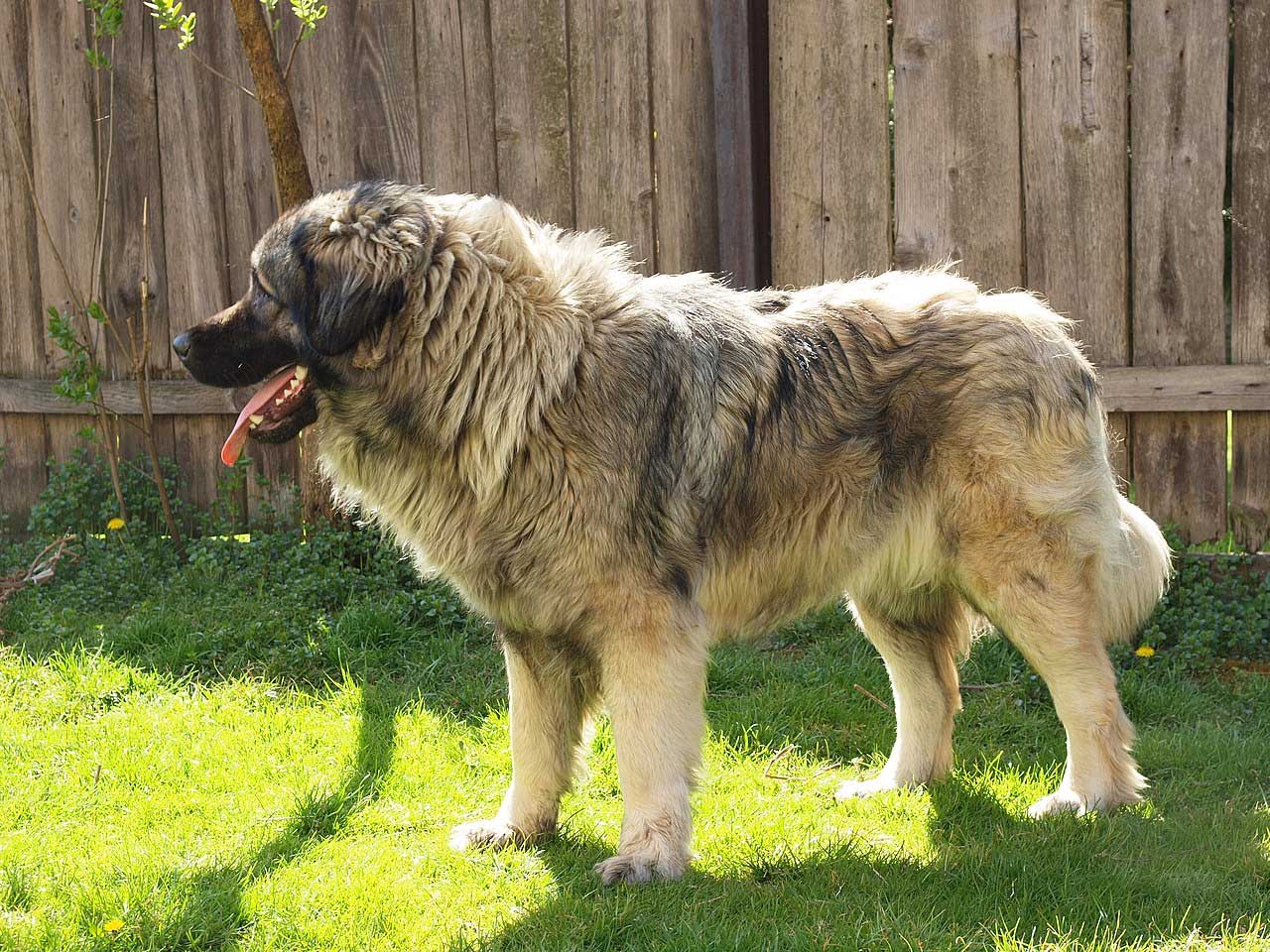
The dog's Saint Miguel Cattle Dog It is a breed of dog Portugal, specifically the Azores Islands.

Fila de San Miguel

Content

History

With the settlement of the Azores archipelago and the beginning of the exploration of the optimal conditions of the islands for raising cattle, the need for dogs on the islands to help drive and defend livestock soon became apparent, dating from the sixteenth century the first reference to its presence, in particular on the island of Sรฃo Miguel. These animals are recognized as the precursors of Saint Miguel Cattle Dog.

Although the existence of Saint Miguel Cattle Dog, as an individual race, has been recorded since the early 19th century, only in 1982 began to be registered by Antรณnio Josรฉ Amaral with the collaboration of Maria de Fรกtima Machado Mendes Cabral, veterinarian, in order to create a census of your herds. The first officially registered dog of the breed was the ยซCoriscaยป, a perfect representative of your breed.

It is also on the initiative of these same two people that, in 1984, two years after the beginning of the registration of persons the first official standard is published. In 1995 was proposed to the FCI (International Cynological Federation) and the breed was finally recognized in 2008.

Origin:

The breed known today as Saint Miguel Cattle Dog descended from mastiffs and alano initially brought to the islands of the Azores by the first settlers on the continent. Later, and through contact with other people who came and settled in the Azores, the genetic heritage of the breed was enriched by crosses made with English mastiffs, bulldogs and Dogue de Bordeaux, until the culmination of the appearance of the new race, with fully defined morphological and temperamental characteristics.

In addition to those mentioned, other races may form part of the Fila de San Miguel ancestry, as the St. Humberto's Dog, also known as Bloodhound, and the Dogo Canario, a Spanish breed from the Canary Islands, but the real link – yes there is – between these races and the Sao Miguel queue not yet proven.

Video "Saint Miguel Cattle Dog"

Playing around 1

Physical characteristics

The Saint Miguel Cattle Dog it is characterized by being an animal of size and rustic features and characteristically longer than tall. The breed is medium in size, muscular, but without the heavy appearance of others.

The muzzle is well proportioned, apparently short, but it hides a wide mouth, with a full denture, capable of a powerful bite. The head has a solid appearance, wide and with the ears well placed on top, implanted in a strong neck that starts from a solid trunk, with a wide and deep chest. The legs are proportional to the body, being the front, as a rule, slightly separated.

The coat is strong, smooth and dense, and always striped, and it can be tawny, gray or yellow, with white mesh on the chest. Legs can also be white. The tail is implanted high, it's thick, medium length and slightly curved. It is amputated at the height of the second or third vertebra, or is it naturally short.

  • Fur: short, smooth, dense, with hard textured hair.
  • Color: gray hair, carbonated sand (grey), yellow with all fades from light to fawn; always striated. May show white spot on forehead or from chin to chest, and white spots on the forefoot, in the later or in all four.
  • Size: males, of 50 to 60 cm.; females, of 48 to 58 cm..

Character and skills

Race of a lively and sharp intelligence, with great ease of learning, the strength of character of the Saint Miguel Cattle Dog, coupled with a distrust of the strange instincts of all guardians by vocation, can easily be mistaken for aggressiveness, but it hides a gentle nature towards those with whom it deals closely, while remaining a tenacious and courageous guardian of those who treat him. His loyalty to his human family is extreme.

With even greater emphasis, given the dominant nature of the breed, the education and sociability of puppies must be done from birth, gradually exposing the animals to new situations and stimuli, in order to improve the development of balanced individuals capable of living with humans and other animals.

Not a suitable breed for beginners, given its dominant nature, further enhanced by his physical strength and his strongly independent and autonomous character.

Even as a pet, a Saint Miguel Cattle Dog must have the opportunity to have a task to perform. Thorough training is always a simple and effective means of strengthening the relationship between the human family and the animal, while providing the physical and mental exercise necessary for the training and development of a well-balanced animal.

But, given the intrinsic characteristics of the breed, training a copy of the Saint Miguel Cattle Dog it is a task that can be quite difficult for someone who has little experience with dogs. Being a very intelligent and dominant breed, will not respond well to the use of force. Full socialization recommended.

The sheepdog for tradition and excellence, their natural fitness for livestock can, with the right training, can be channeled into the care of horses and other small ruminants such as sheep and goats. When not channeled to grazing, the Saint Miguel Cattle Dog has already demonstrated its aptitude for big game hunting, like the boar and the deer.

Its strong and protective temperament is also valued as a self-defense dog..

Health ยซSt. Michael's Rowยป

Being a rustic breed, is in robust health and there are no records to date to suggest that there is any pathology to which the breed is specifically prone to for genetic reasons. The average life expectancy of this breed is calculated in 12 years.

St. Michael's Row Toilet

The same hardiness that gives vigor to the breed also makes it a poorly maintained breed in a strict sense. Short, hard hair can be brushed occasionally and baths will be sporadic.. Adequate and balanced feeding will give developing puppies what they need to become healthy adults, and the same regimen will suffice to ensure adult health..

Images "Saint Miguel Cattle Dog"

Type and recognitions:

  • FCI CLASSIFICATION:
  • Group :
  • Section : . .

Federations:

  • FCI – Group 2: Pinscher and Schnauzer - Molossoid and Swiss Mountain and Cattledogs. Section 2: Molossoid. 2.1 Dogue type. โ“˜

FCI breed standard "Saint Miguel Cattle Dog"

Origin:
Portugal

Date of publication of the valid original standard:
21.05.2007

Use:

cattle dog


General appearance:

Robust and resistant.


IMPORTANT PROPORTIONS:

  • Slightly longer than high.


Behavior / temperament:

Cattle dog par excellence, it is equally a good guard dog of property and people. He has a very determined character with strangers but docile with his owner.
Very clever and very responsive. In the exercise of his duties, lead dairy herds, he bites low so as not to damage the udders of the cows.. But, when it comes to stray cattle it can bite higher

Head:

Strong, square-looking. Cranio-facial superior longitudinal parallel axes.

Cranial region:
  • Skull: Large, slightly bulky, little apparent occipital protuberance.
  • Nasal bevel (Stop): Is pronounced.

facial region:

  • Truffle: Wide and black.
  • Snout: Straight, slightly curved, slightly shorter than the length of the skull.
  • Lips: Well pigmented, overlapping, torn, firm, slightly curved on the lower profile.
  • Jaws: Very strong, well developed. With good opposition.
  • The teeth: Complete dentition with scissors or tweezers.
  • Eyes: Oval, expressive, slightly sunken, dark brown, horizontal, medium-sized.
  • Ears: Above average insertion. When not cut they are medium triangular and pendulous but slightly separated from the face. Normally cut in the round.

Neck:

With good connection, straight, strong and medium length. There is no double chin.

Body:

  • Trunk: Strong, muscular, with a broad chest.
  • Breast : Wide and lowered.
  • Back: Straight.
  • Pork loin: Of average length, wide and well muscled.
  • Rump: Of medium length in relation to the body, slightly predominant in relation to the cross.
  • bottom line: Bottom-up profile, ventricles and flanks proportional to the body.

Tail:

High insertion, thick.

Tips

Former members: Strong.

  • Shoulder: Scapulo-umeral angle slightly open.
  • Arms: Strong of medium length, good muscular.
  • Forearm: Thick and well muscled.
  • Carpo: Thick.
  • Metacarpus (Pastern): Thick, average length.
  • Hands: Oval, with strong fingers and nails.

Later members: Strong, moderately separated.

  • Thighs: Long, muscular, with an open lame / femoral angle.
  • Legs: Of average length, muscular.
  • Metatarsus: Of average length. May have presumptions.
  • Pies: Of average length: Oval, with strong fingers not very curled. Strong nails.

Movement:

Easy and loose. On the move, the back wobbles slightly.

Mantle

  • Skin: Thick and pigmented.
  • Shelter: Short, smooth, dense, with a strong texture, slightly bordered on the tail, the anal and posterior region.
  • Colorations: Fawn, charred and gray sand, in light and dark tones and should always be tiger. The presence of a white male is allowed in the frontal region and the menthol chest, as well as the white coloring on the hands (white male), the feet (pedal) or on all legs simultaneously (white square).


Size and weight:

Males

  • Height to the cross: 50 to 60 cm.
  • Weight: 25 to 35 kg

females

  • Height to the cross: 48 to 58 cm.
  • Weight: 20 to 30 kg


Fouls:

Any deviation from the above points must be considered a fault and the seriousness with which the fault should be considered must be in exact proportion to its degree and its effect on the health and well-being of the dog..


SERIOUS FAULTS:

  • Head: converging axes of skull and muzzle.
  • Jaws: Mouth slightly above or below.

MISS PLAYOFFS

  • Aggressive or too shy.
  • Any dog โ€‹โ€‹that clearly shows physical or behavioral abnormalities.
  • Divergent axes of skull and muzzle.
  • Severely over or under the mouth.


N.B.:
  • Males should have two normal-appearing testicles fully descended into the scrotum..
  • Only functionally and clinically healthy dogs should be used for breeding., with the typical conformation of the breed.

Source: F.C.I - International Cynological Federation

Alternative names:

1. Cรฃo de fila de Sรฃo Miguel, Sรฃo Miguel cattle dog, Sรฃo Miguel catch dog, Azores cattle dog, Azores cow dog (English).
2. fila de Saint Miguel (French).
3. Cรฃo Fila de Sรฃo Miguel (German).
4. Fila de Sรฃo Miguel, Cรฃo das Vacas (Portuguese).
5. (espaรฑol).

Source:

Wikipedia

Photos:

1 – Fila de Sรฃo Miguel during International dog show in Rzeszรณw, Poland by Pleple2000 / CC BY-SA
2 – Fila de Sรฃo Miguel during International dog show in Rzeszรณw, Poland. by Pleple2000 / CC BY-SA
3 – At the Burnt Peak of Ribeira Grande, Son and Mother by TheLife / CC BY-SA
4 – Helsinki, el Finnish Winner Show 2015. by Thomas / CC BY-SA

โ–ท The world of Pets: Dogs, cats, birds, reptiles, amphibians

Giant Schnauzer
Alemania FCI 181 . Pinscher and Schnauzer type

Schnauzer Gigante

The Giant Schnauzer is a balanced dog, sweet with children and distrustful with strangers.

Content

History

The Giant Schnauzer It is a large and compact dog breed, a native of Germany. Oldest, lover of water and active, It is one of the three varieties of Schnauzer.

The Schnauzer breed in its three varieties, It has very ancient and common origins to those of the Terrier. (of those who descend).

Y, Although the aires were very Terrier, then the breeding and selection of the Schnauzer breed focused especially on guarding and defense.

Read more

โ–ท The world of Pets: Dogs, cats, birds, reptiles, amphibians

Castro Laboreiro Dog
Portugal FCI 170 - Molossoid . Mountain

Perro de Castro Laboreiro

The Castro Laboreiro Dog It is an excellent guard dog and companion

Content

History

The Castro Laboreiro Dog (Cรฃo de Castro Laboreiro) It is a breed of Portuguese dog of large size. Originating in the parish of Castro Laboreiro, Melgaรงo, is a dog type Lupoid amastinado is lighter than other breeds of cattle dogs.

The Castro Laboreiro Dog it has its origin in the region that gave it its name, the people of Castro Laboreiro, in the municipality of Melgaรงo. It is a rugged mountainous region that stretches from the Miรฑo river to the Peneda and Soajo mountains between the Trancoso rivers, Laboreiro and moro, until around 1400 m above sea level.

Like the dog, Castro Laboreiro is one of the oldest regions of the land of Portugal. The prehistoric remains such as dolmens and rock paintings, They demonstrate the presence of man in the region for thousands of years. The strengths are evidence of the strong presence of Celtic culture in the region. Also the Celts and the Romans came here, the roman roads and the construction of bridges with their landmarks. The castrejas communities have always lived of hunting, fishing, grazing and agriculture.

Read more