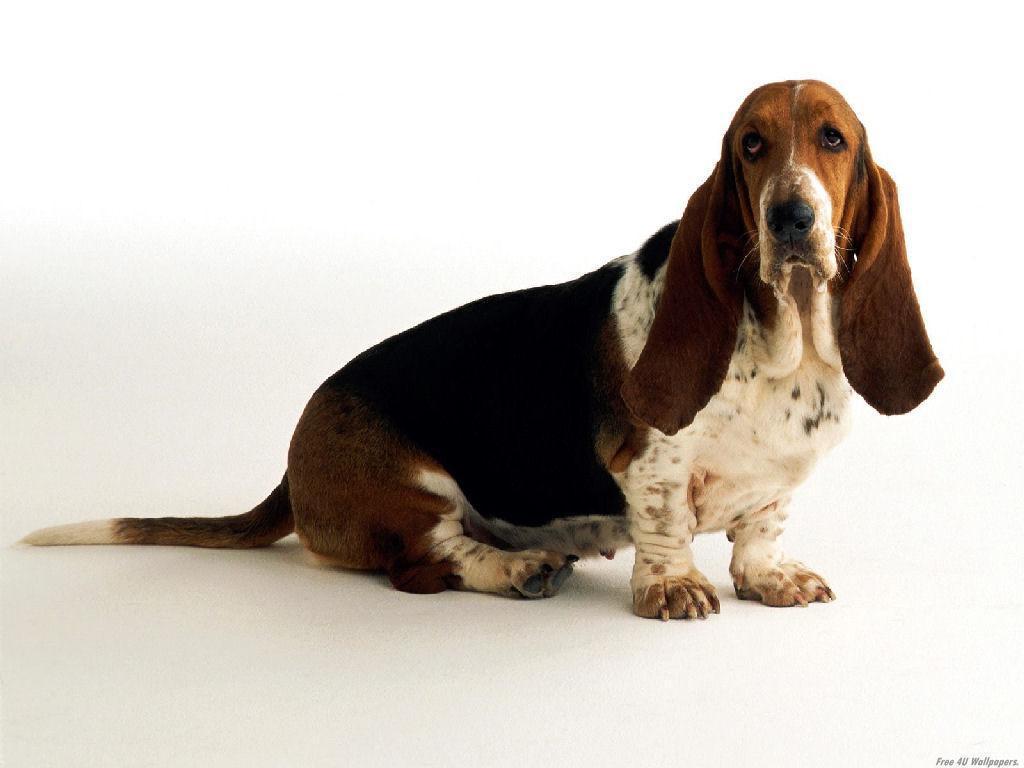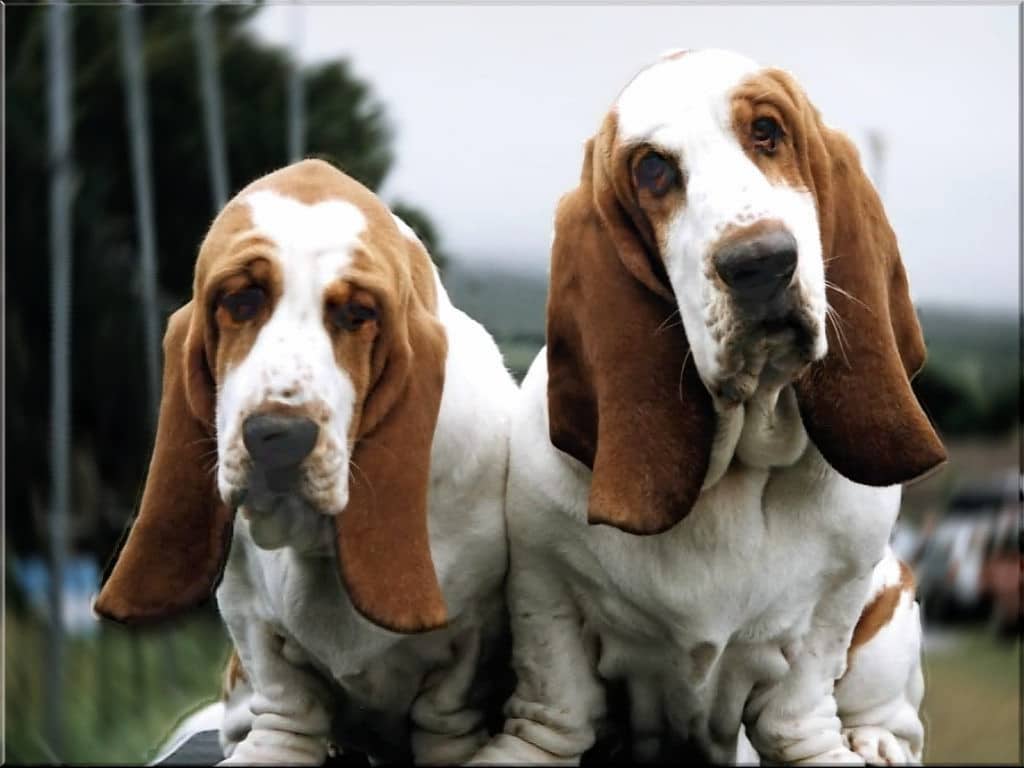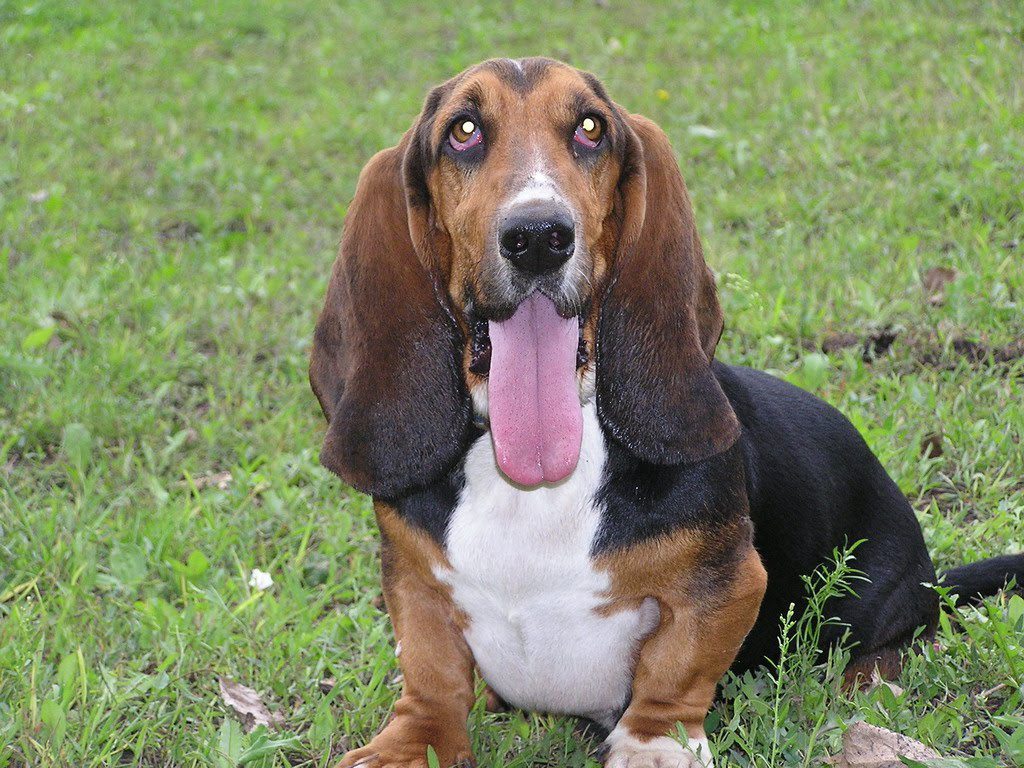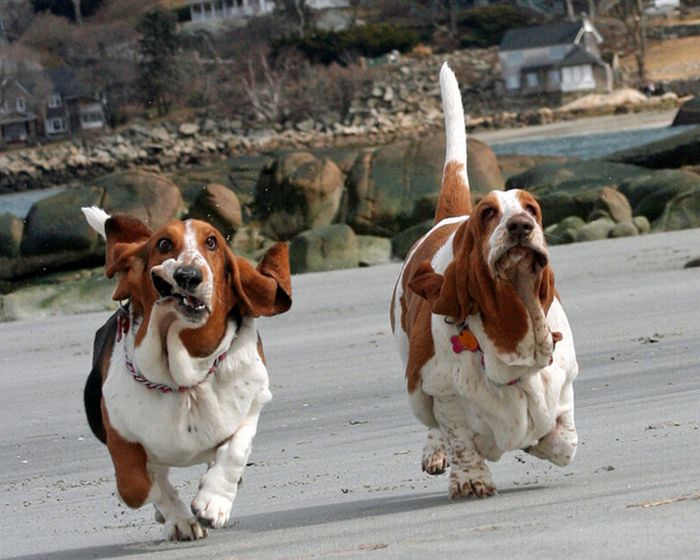
โ–ท The world of Pets: Dogs, cats, birds, reptiles, amphibians

Briquet Griffon Vendรฉen
Francia FCI 19 - Medium-sized Hounds

Briquet Griffon Vendรฉen

Long lasting, fast and robust, the Briquet Griffon Vendรฉen he is a passionate hunter with extraordinary instincts.

Content

History

The selection of Briquet Griffon Vendรฉen dates back to before WWI, and was made by the Count of Elva.

It is a harmonious and enhanced reduction of Grand Griffon Vendรฉen. It is a distinguished dog and quite robust in its construction. Several times decimated during wars, the Briquet Griffon Vendรฉen reappears at Fontenay-le-Comte in 1946.

Today, there are many excellent quality individuals. In 1995, a group of Briquets they won the french roe deer cup, and numerous dogs work in the boar's footprint.

It is the only breed that retains the name of ยซBriquetยซ, which means "medium -sized dog".

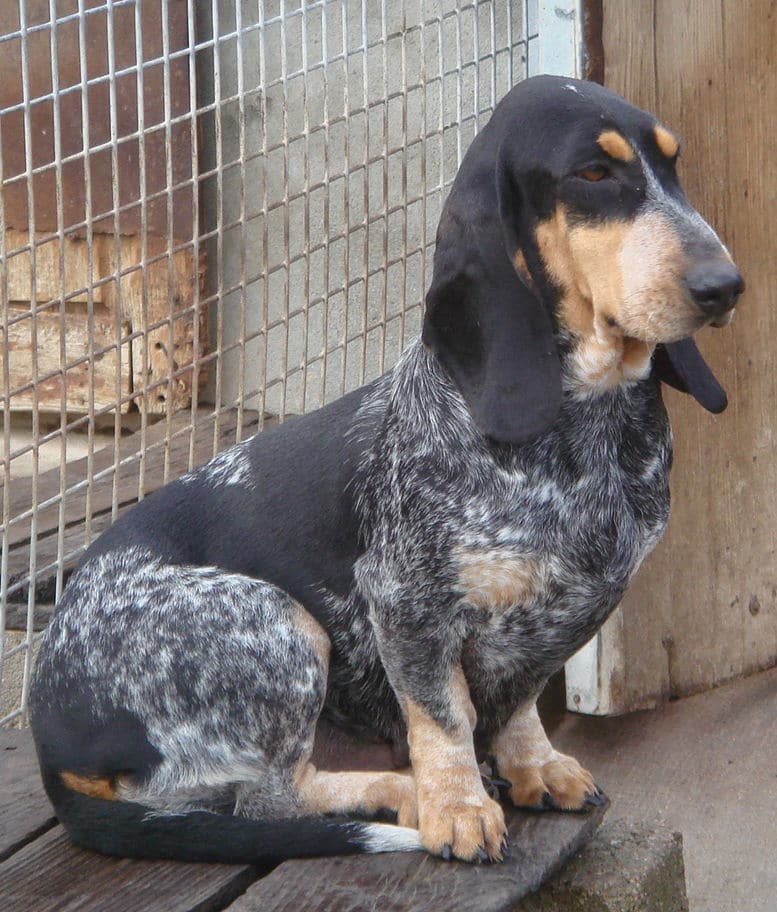
Photo: This is a Briquet Griffon Vendรฉen. His name is Unno du Sentier D'Aimeron by Alephalpha, CC BY-SA 3.0, via Wikimedia Commons

Physical characteristics ยซBriquet Grifรณn Vendeanoยป

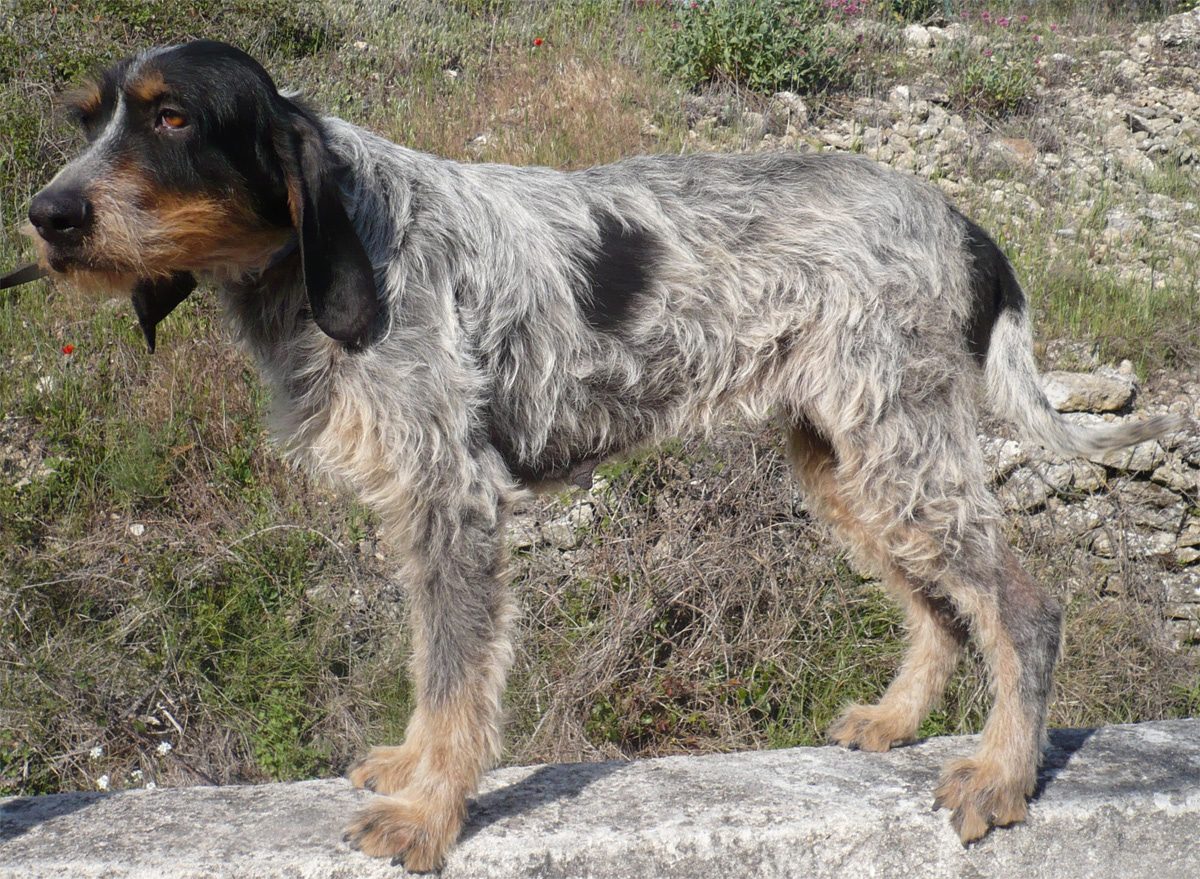
The Briquet Griffon Vendรฉen It is a medium-sized common griffon.. The head and body are collected. The head, quite light, shows parallel lines of skull and muzzle. The cranium, pretty short, is slightly domed with a well-marked stop. Eyes are dark brown. The flexible ones, narrow and thin ears are medium long and turned inward. The short tail is thick at birth and gradually tapers towards the tip. Carries like a saber blade.

The coat is well proportioned, hard and rough without ever being woolly. The most common coat is white and orange. Other coats are black and white, black and Brown, black and sand, tricolor, charcoal sand color with or without white.

SIZE:
Height to the cross: In males: of 50 to 55 cm., in females: of 48 to 53 cm..

Character and skills "Briquet Griffon sale"

Long lasting, fast and robust, the Briquet Griffon Vendรฉen he is a passionate hunter with extraordinary instincts. They are stubborn, enterprising and capable of taking initiative. So, the teacher must be obeyed.

Entrepreneurs and determined, they are also resistant and robust. But, he is not very patient and can be bitten.

It's a hound, used for hunting big game, the hare and the fox. Adapts to city life and makes a proper watchdog.

Characteristics "Briquet Griffon Vendรฉen"

Coexistence is important that you have with your new friend. Before considering the acquisition of a dog of the breed "Briquet Griffon Vendรฉen" you know certain factors. Not all breeds of dogs are apt to live in an apartment, you must take into account his character, their need for exercise, their interaction with other pets, their care and if you have small children, their level of tolerance towards them.

Adaptation โ“˜

2,0 of 5 stars (based on 1 review)

friendly dog โ€‹โ€‹โ“˜

3,0 of 5 stars (based on 1 review)

hair loss โ“˜

3,0 of 5 stars (based on 1 review)

Affection level โ“˜

4,0 of 5 stars (based on 1 review)

Need for exercise โ“˜

5,0 of 5 stars (based on 1 review)

Social need โ“˜

4,0 of 5 stars (based on 1 review)

Home โ“˜

3,0 of 5 stars (based on 1 review)

Toilet โ“˜

2,0 of 5 stars (based on 1 review)

Friendly with strangers โ“˜

4,0 of 5 stars (based on 1 review)

barking โ“˜

3,0 of 5 stars (based on 1 review)

Health โ“˜

2,0 of 5 stars (based on 1 review)

Territorial โ“˜

3,0 of 5 stars (based on 1 review)

Cat friendly โ“˜

3,0 of 5 stars (based on 1 review)

Intelligence โ“˜

4,0 of 5 stars (based on 1 review)

Versatility โ“˜

4,0 of 5 stars (based on 1 review)

Child friendly โ“˜

4,0 of 5 stars (based on 1 review)

Surveillance โ“˜

4,0 of 5 stars (based on 1 review)

joy โ“˜

4,0 of 5 stars (based on 1 review)

Images "Briquet Griffon Vendรฉen"

Photos:

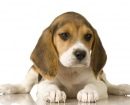
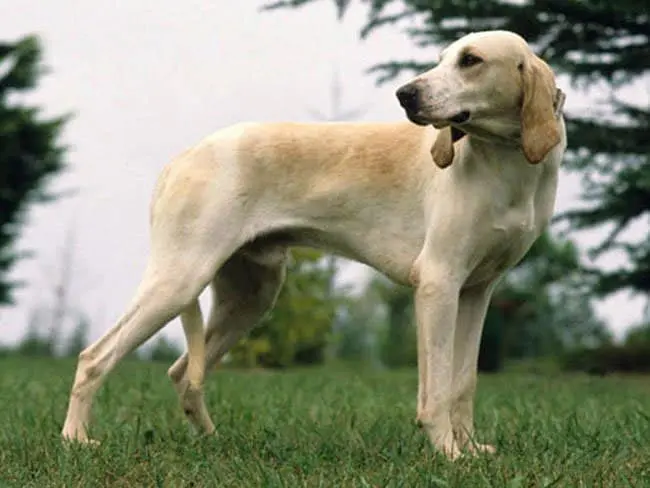
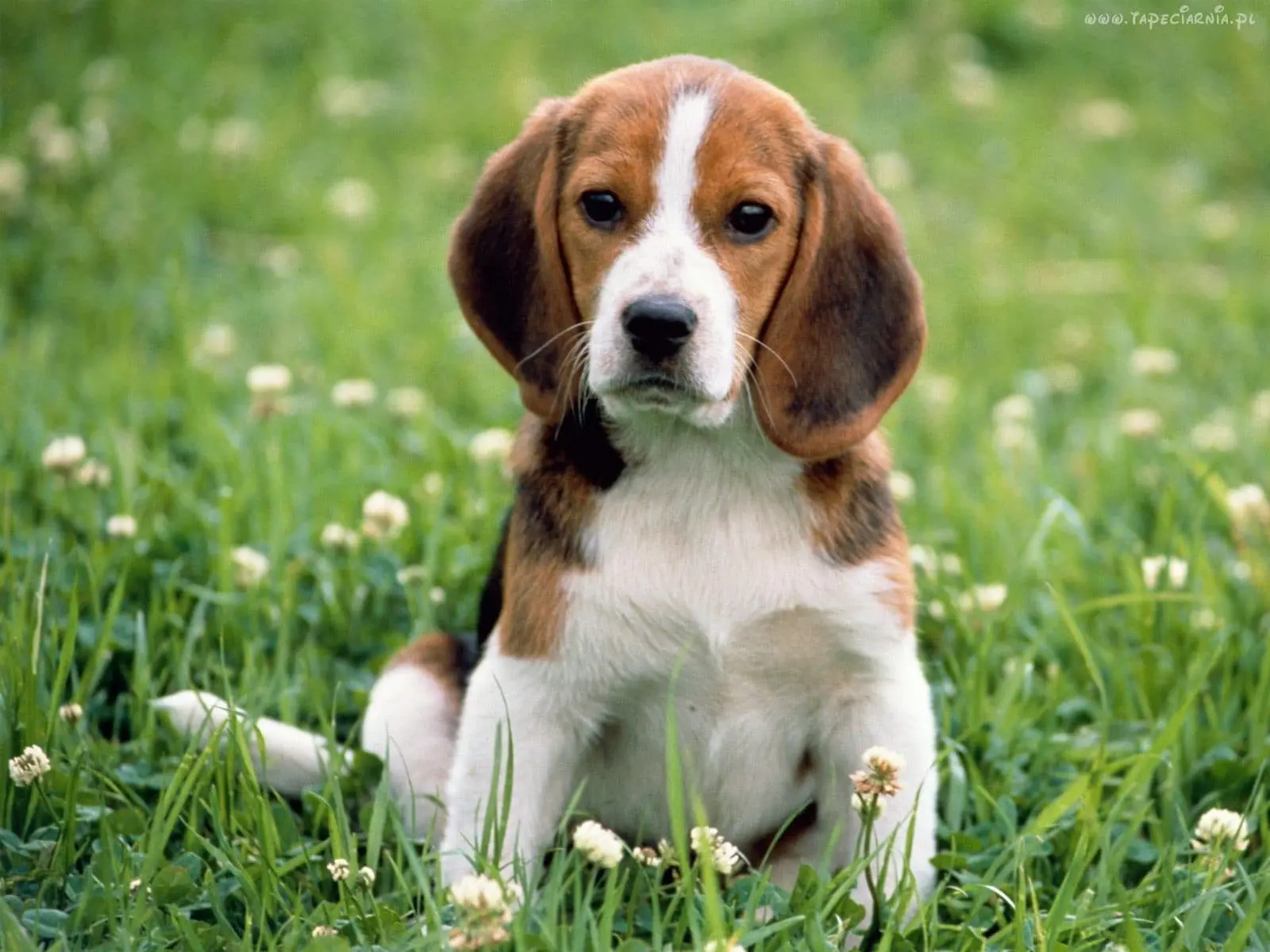
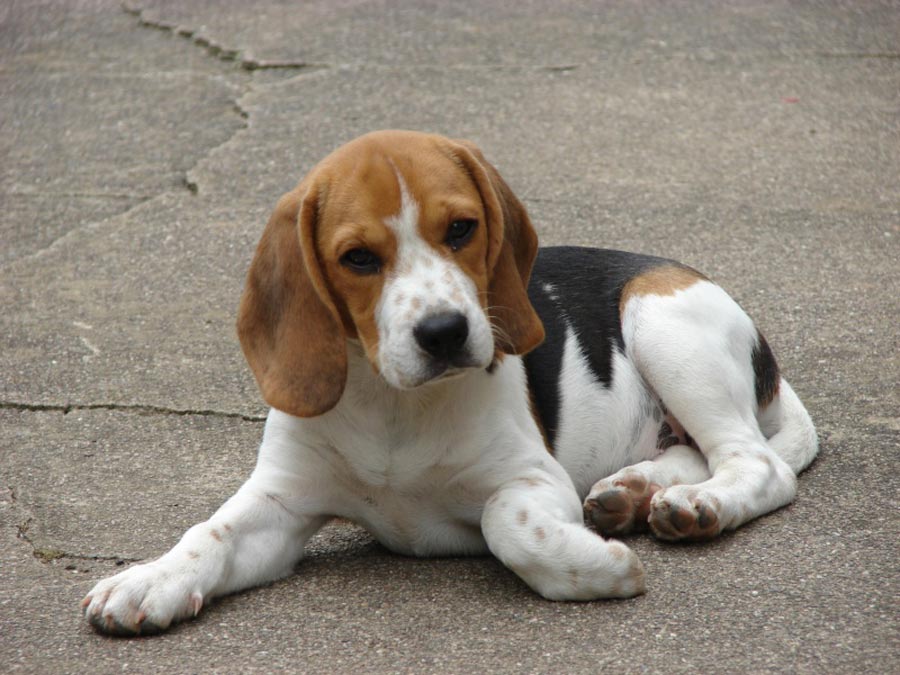
1 – A Medium Griffon Vendรฉen. Colour: white by Canarian, CC BY-SA 4.0, via Wikimedia Commons
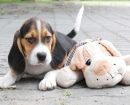
2 – Medium Vendรฉen Griffon, Griffon Vendรฉen lighter by Canarian, CC BY-SA 3.0, via Wikimedia Commons
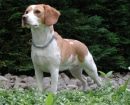
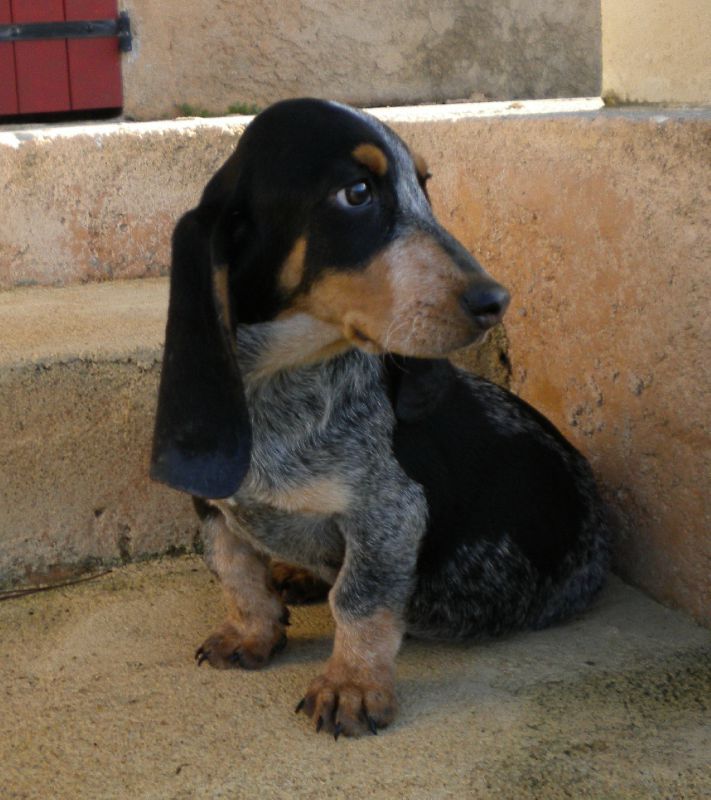
3 – Briquet Grifรณn Vendeano by https://pin.it/1GsizhZ
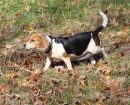
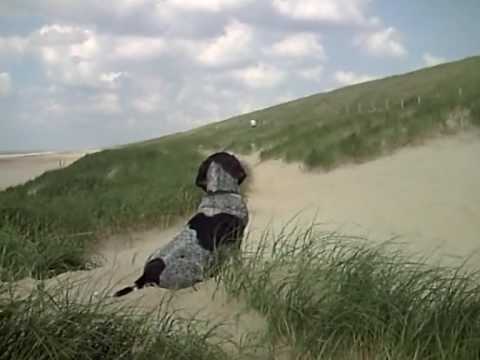
4 – Briquet Grifรณn Vendeano by http://www.adopt-a-griffon.eu/en/breeds/briquet-griffon-vendeen-2/

Videos "Briquet Griffon Vendรฉen"

Lighter Griffon Vendรฉen ๐Ÿถ๐Ÿพ Everything Dog Breeds ๐Ÿพ๐Ÿถ
Briquet Griffon Vendรฉen ?? Everything Dog Breeds ??
Griffon Vendeen lighter / Briquet Vendรฉe Griffon
Briquet Griffon Vendeen

Type and recognitions:

  • FCI CLASSIFICATION:
  • Group :
  • Section : . .

Federations:

Federations:

  • FCI – Group 6: Scent hounds, and related breeds. – Section 1.2: Medium-sized Hounds. โ“˜
  • UKCScenthounds โ“˜
  • Central Canine Society โ“˜

FCI breed standard "Briquet Griffon Vendรฉen"

Origin:
France

Date of publication of the valid original standard:
09.01.1999

Use:

Hound used for hunting with shotgun, both of the big hunt, as of the hare and the fox.


General appearance:

It is a medium -sized tap, receptive and very determined. Your body is well proportioned and rather collected.


Behavior / temperament:

Behavior : It has a good smell, It is fast and his barking is nice. You don't mind moving in weed. It is very skilled in the rugged land and hunting with the nose to the wind.

Character : It has great initiative, It is resistant and robust. It must be able to lift the hunt and drive it near the hunter. He is a passionate hunter; Your master must make it obey.

Head:

---

Cranial region:

It is quite light; The upper lines of the skull and nasal cane must be parallel. : Slightly bulky, pretty short, not very wide.

  • Depression links (Stop) : Marked.

facial region:

  • Truffle : Grand, black, except for dogs with white and orange fur, in which the brown color is accepted. The nostrils are wide open.
  • Snout : Straight, rather short. Its length is almost equal to that of the skull. It is not very wide in its limb.
  • Lips : Poorly developed, Although they cover the lower jaw well. They are covered by large mustaches.
  • Jaws/Teeth : The joint is in the form of scissors. The incisors are set at right angles to the jaws..
  • Eyes : Large, dark, and vivacious expression. The eyebrows are well pronounced, but they don't cover the eye. The conjunctiva should not be apparent.
  • Ears : flexible, narrow and thin. They are covered with long hairs and their limb is pointed. They become well in and do not reach the limb of the nasal cane. Low-set, below the eye line.

Neck:

Is long and elegant lines. There is no presence of dewlap.

Body:

  • Back : Solid, short. It is straight or very slightly raised.
  • Pork loin : Straight, muscular and well accentuated.
  • Breast : It is quite high, not very wide. Reaches the elbow.
  • Ribs : Moderately rounded.
  • Flanks : Full. The lower line rises very slightly backwards.

Tail:

It is thick at the base and gradually tapers. High implementation, is taken in the form of saber, ever. Is rather short.

Tips

PREVIOUS MEMBERS

  • As a whole : Quite robust, but without the appearance of heaviness. They are well poised.
  • Shoulder : Long, thin and oblique.
  • Elbow : Descended and well attached to the body.
  • Forearm : Straight, for strong bones.

LATER MEMBERS

  • As a whole : well developed; the limbs are regular.
  • Thigh : Long and muscular.
  • Hock : Width and well descended. Seen from the back, It is never closed, Nor open. In profile, Your angle is medium.

FEET : They are not very big. Pads are hard; fingers are well arched and close together. The nails are solid. The appropriate pigmentation of the pads and nails is sought.

Movement:

Active, elastic, Never irregular, not even in jumps.

Mantle

SKIN : Is rather a bit thick, Although elastic; often veined in tricolor fur dogs. There is no presence of dewlap.

HAIR : It is long, Although not too much. Sometimes tangled, rough to touch; the inner layer of hairs is abundant. The belly and inner thighs should not be hairless.. The eyebrows are well pronounced, but they don't cover the eye.

COLOR : Black with white patches (black and white). Black with reddish markings (black and tan). Black with sand-colored markings. Fawn with white patches (Orange and white). Fawn with black blanket and white patches (tricolor). carbon fawn. Carbon sand color with white patches. Color arena carbonado. Traditional denominations : hare hair, wolf fur, Building hair, Woven hair.


Size and weight:

Height to the cross :

  • In males : of 50 to 55 cm..
  • In females : of 48 to 53 cm..

With a tolerance of 1 cm more or less.


Fouls:

Any deviation from the aforementioned criteria is considered a fault and the severity of it is considered to the extent of the deviation from the standard and its consequences on the health and well-being of the dog..

Head :

โ€ข Too big, similar to that of the great sale.
โ€ข Depigmentation of the truffle, lips and eyelids.
โ€ข Spine too long.
โ€ข Pincer-shaped joint.
โ€ข Light eyes.
โ€ข Very long ears, boring, With satin hair, of high implantation. body :
โ€ข Cylindrical the assault.
โ€ข Loose back.
โ€ข Sunken croup.

Tail :

โ€ข Too much wide the diverted.

Tips :

โ€ข Weak bones.
โ€ข Angles that are too straight.
โ€ข Crushed carpos.
โ€ข Not quite together fingers.

Fur :

โ€ข Scarce, fine.

Behavior :

โ€ข Shy dog.

MISS PLAYOFFS

โ€ข Fearful or aggressive dog.
โ€ข Lack of type.
โ€ข Prognathism.
โ€ข Gaze eyes. heterochromia.
โ€ข Narrow sternum region. Narrow ribs at the bottom.
โ€ข Knotted tail.
โ€ข Woolly fur.
โ€ข Solid black or white coat.
โ€ข Important depigmentation.
โ€ข Different size as stipulated by the standard.
โ€ข Visible disability. anatomical deformation.

Any dog โ€‹โ€‹showing clear signs of physical or behavioral abnormalities should be disqualified..


N.B.:

Males must have two normal appearance testicles completed in the scrotum.

Source: F.C.I - International Cynological Federation

Alternative names:

1. Medium Vendรฉen Griffon (English).
2. Briquet griffon vendรฉen (French).
3. Briquet griffon vendรฉen (German).
4. Briquet griffon vendรฉen (Portuguese).
5. Briquet griffon vendรฉen (espaรฑol).

โ–ท The world of Pets: Dogs, cats, birds, reptiles, amphibians

Bernese Hound
Suiza FCI 59 . Medium-sized Hounds

Bernese Hound

The Bernese Hound It is mainly used for hunting hare.

Content

History

The Swiss Hound has a very ancient origin. Its existence in Switzerland since the time of the Romans is verified thanks to a mosaic discovered in Avanches that represents hunting dogs whose characteristics coincide with the varieties of Swiss Hound. In the 15th century it was appreciated by Italian fans and in the 18th century by the French due to its extraordinary ability to hunt hare.. Its original local breeding was probably influenced by French small game dogs brought to Switzerland by mercenaries.. In the year 1882 a standard was established for each of the five existing varieties of Swiss Hound. In 1909 These standards were revised, confirming the total disappearance of the Thurgau Hound. The 22 in January of 1933 established a uniform standard for the 4 Swiss Hound varieties. The original variety of Jura Hound type St. Hubert has disappeared today.

There are four varieties of Swiss Hound:

Photo: Bernese Hound during dogs show in Katowice, Poland by Lilly M, CC BY-SA 2.5, via Wikimedia Commons

Physical characteristics

In the Bernese Hound the coat is white with black spots or saddle, sometimes slightly mottled. Light to dark beige marks the upper part of the eyes, cheeks, the inner side of the ears and around the anus.

▷ Male weight: 15 to 20 kg
▷ female weight: 15 to 20 kg
▷ The size of the male: 49 to 59 cm.
▷ female size: 49 to 59 cm.

Character and skills

The Bernese Hound he is alive and passionate. Its sensitivity is valued as positively as its ease of use and its attachment to the dog handler. When you follow a clue, expansive and fluid movements are noticeable, as well as the good thrust of the hindquarters. You can feel strength, stamina and temperament, so her fine nose is closely tied to the track.

Acute smell is atypical for Bernese Hound, whose passion for hunting is so tireless that the dog handler must prevent the dog from exaggerating beforehand. Otherwise, the dog chases the prey until he catches it himself. Diligent search is desirable, but the dog, except when used in the pack, must always remain in the hand of his guide.

While the Bernese Hound he was used in his homeland mainly as a lone deer hunter, foxes and hares; In western Switzerland, wild boar hunts are also carried out with hound dogs. In France and Italy they are more likely to continue to be used for herd hunting of hare, wild boar and deer.

In Switzerland, the Bernese Hound They are mainly used for patent and district hunting. In patent hunting, three to six hunters usually form a hunting party. They are distributed among the different posts and the dogs are tied simultaneously at a previously agreed time. This promotes the independent search of each dog and also the pursuit of hares or deer as a lone hunter.. For the hunt to be successful, the hunter must know which path the game will take to be able to shoot it with a shotgun at a maximum distance of 30 m.
During a hunt on hunting ground there are large groups of up to 30 hunters. The hunt leader distributes the hunters in different positions, while a hunter goes on the hunt with all the dogs, and finally hold all the dogs at once. Here the hunt leader must know how the game flees and, therefore, distribute hunters' positions. While hunting in the hunting ground, the hare, the deer and sometimes also the fox are shot from a maximum distance of 30 m.

Off the hunt, the Bernese Hound he is a nice and quiet family member. with whom you are closely linked.

Characteristics "Bernese Hound"

Coexistence is important that you have with your new friend. Before considering the acquisition of a dog of the breed "Bernese Hound" you know certain factors. Not all breeds of dogs are apt to live in an apartment, you must take into account his character, their need for exercise, their interaction with other pets, their care and if you have small children, their level of tolerance towards them.

Adaptation โ“˜

3,0 of 5 stars (based on 1 review)

friendly dog โ€‹โ€‹โ“˜

4,0 of 5 stars (based on 1 review)

hair loss โ“˜

3,0 of 5 stars (based on 1 review)

Affection level โ“˜

5,0 of 5 stars (based on 1 review)

Need for exercise โ“˜

5,0 of 5 stars (based on 1 review)

Social need โ“˜

4,0 of 5 stars (based on 1 review)

Home โ“˜

4,0 of 5 stars (based on 1 review)

Toilet โ“˜

2,0 of 5 stars (based on 1 review)

Friendly with strangers โ“˜

4,0 of 5 stars (based on 1 review)

barking โ“˜

4,0 of 5 stars (based on 1 review)

Health โ“˜

4,0 of 5 stars (based on 1 review)

Territorial โ“˜

4,0 of 5 stars (based on 1 review)

Cat friendly โ“˜

2,0 of 5 stars (based on 1 review)

Intelligence โ“˜

4,0 of 5 stars (based on 1 review)

Versatility โ“˜

3,0 of 5 stars (based on 1 review)

Child friendly โ“˜

4,0 of 5 stars (based on 1 review)

Surveillance โ“˜

4,0 of 5 stars (based on 1 review)

joy โ“˜

5,0 of 5 stars (based on 1 review)

Videos "Bernese Hound"

Bernese Hound (02 June 2012)
Berner Laufhund
Bernese Hound - Celer Cervarius and puppy ๐Ÿ™‚
Berner Laufhund

Type and recognitions:

  • FCI CLASSIFICATION:
  • Group :
  • Section : . .

Federations:

  • FCI – Group 6: Scent hounds, and related breeds. – Section 1.2: Medium-sized Hounds. โ“˜
  • UKCScenthounds โ“˜

FCI breed standard "Bernese Hound"

Origin:
Switzerland

Date of publication of the valid original standard:
28.11.2001

Use:

It is a small game hound that hunts hares, deer, foxes and sometimes wild boars. He is an independent hunter by hunting with a bark. Searches and corners its prey with great safety even in difficult terrain.


General appearance:

It is a dog with medium height at the withers. Your body structure indicates strength and tenacity. Its slim head with long snout and long ears give it an expression of nobility.

There are four varieties of Swiss Hound :

  • Bernese Hound
  • Jura Hound
  • Lucerne Hound
  • Schwyz Hound

IMPORTANT PROPORTIONS :

โ€ข Body length : Height at withers = approx. 1.15 : 1.
โ€ข Height of the withers : chest depth = approx. 2 : 1.
โ€ข Length of the nasal shank : skull length = approx. 1 : 1.


Behavior / temperament:

Lively and passionate about hunting. Sensitive, manageable and faithful.

Head:

---

Cranial region:
  • Skull : Long, narrow, delgado, noble. Bulging skull, visible occipital protrusion. The direction of the longitudinal axis of the skull and the muzzle shows a slight divergence. No frontal groove, no folds or wrinkles.
  • Depression links (Stop) : Not too developed.

facial region:

  • Truffle : Completely black, well developed; nostrils wide open.
  • Snout : Nobly developed, narrow ; it is not square or pointed ; the muzzle is straight or very slightly convex.
  • Lips : Moderately developed, the upper lips perfectly cover the lower jaw ; slightly open corner.
  • Jaws / Teeth : Powerful jaw. Powerful scissor bite, regular and complete, that is, the upper incisors overlap the lower ones without leaving space between them and the teeth are implanted vertically in the maxilla. Pincer bite allowed. The lack of one or two PM1 or PM2 is acceptable (premolars 1 or 2) . M3 are not taken into account (molars).
  • Cheeks : Loose, non-protruding supraciliary arches.

Eyes : They are more or less light or dark brown depending on the color of the coat ; they are medium in size and slightly oval. The edges of the eyelids are well pigmented. The eyelids are well adherent. The expression is sweet.

Ears : Placed below the eye line, in the posterior part of the cranial region and never implanted in its maximum width. Its length must reach at least the tip of the nose. The pinna is not prominent. The ears are thin. He wears them down, bent and twisted ; they are rounded at the bottom and have a fine, soft coat.

Neck:

Long, elegant, with good musculature ; throat skin is loose without forming a noticeable dewlap.

Body:

  • top line : The neck, the back, The rump and tail form a harmonious and noble line.
  • Cross : Bit strong, free and elegant neck insert.
  • Back : Firm and straight. : Muscular and slightly arched.
  • Rump : Elongated, extends the line of the back harmoniously and descends gently. It is not higher than the cross. The crest of the iliac bone is not too prominent.
  • Breast : Deeper than wide, well descended, reaches to the tips of the elbows. Elongated rib cage with slightly arched ribs.
  • Bottom line and belly : Belly slightly pulled back ; full flanks.

Tail:

Inserted in the extension of the croup. It is of medium length and tapers towards the tip ; at its end it has a slight incline up ; noble. In general, it remains hanging at rest and when walking calmly, without showing an important bend ; When he is attentive or in action he carries it along the line of his back , but never resting in it nor in a curled way. Is well covered with hair, but it doesn't have a spike shape.

Tips

PREVIOUS MEMBERS :

  • As a whole : They are well muscled, thin and not heavy in appearance. Seen from the front they are parallel and from the side they look vertical ; his bones are strong with his feet pointed forward.
  • Shoulder : Long oblique shoulder blades, closely linked to the rib cage. The ideal angulation of the scapulohumeral joint is approximately 100ยฐ.
  • Arm : A little longer than the shoulder blade, placed obliquely, closely attached to the chest. His musculature is fine.
  • Elbows : Naturally glued to the side.
  • Forearm : Straight, strong, delgado.
  • Carpo : Strong, wide metacarpus : Relatively short; Seen from the front it is located on the perpendicular line of the forearm; seen from the side it is slightly inclined.
  • Front feet : Rounded, with compact fingers ; hard and rough pads ; strong nails whose color depends on the color of the coat.

LATER MEMBERS :

  • As a whole : They have strong muscles and are in a balanced relationship with the forelimbs ; seen from behind the hind legs are vertical and parallel.
  • Thigh : Long and oblique, powerful although his muscles are thin. The angulation of the coxofemoral joint is approximately 100ยฐ.
  • Knee : No inward or outward deviations. Angulation of the femoral-tibian joint approximately 120ยฐ.
  • Leg : Relatively long, thin, visible muscles and tendons under the skin.
  • Hock : Tibiotarsal joint angulation approximately 130ยฐ.
  • Metatarsus : Pretty short, placed vertically and parallel. Without spurs, except in countries, in which amputation is not allowed by law.
  • Rear feet : Rounded, with compact fingers, hard and rough pads ; strong nails whose color depends on the color of the coat.

Movement:

It is unfolded, regular, harmonious and with good scope. Has good impulse from the hindlimbs. Drive the limbs parallel and straight. The cross moves smoothly and regularly up and down, the back remains straight and the head and neck wobble slightly from side to side.

Mantle

SKIN : Fina, flexible, well adherent, whose color varies in each of the four varieties.

โ€ข Bernese Hound : Skin is black under black hair and blackish-white marbling under white hair.
โ€ข Jura Hound : She is black under black hair and lighter under tan hair..
โ€ข Lucerne Hound : She is black under black hair and lighter under blue-flecked hair..
โ€ข Schwyz Hound : It is dark gray under the orange hair and blackish-white marbling under the white hair..

HAIR : Is short, smooth, thick, very fine on the head and ears.

COLOR :

โ€ข Bernese Hound : White with black spots or a black saddle-shaped spot. Tan color from pale to intense over the eyes, cheeks, on the inside of the ears and around the anus. Sometimes very lightly splattered (black splash).

โ€ข Jura Hound : Tan with black cape, sometimes nuanced black or black with tan over the eyes, cheeks, around the anus and on the extremities ; sometimes with a small white spot on the chest ; this stain may be splattered (black or gray splashes).

โ€ข Lucerne Hound : Called blue, with a mixture of black and white hairs, intensely splashed, with black spots or a saddle-shaped spot ; tan color from pale to intense over the eyes, cheeks, on the chest, around the anus and on the extremities ; a black cape is allowed.

โ€ข Schwyz Hound : White with orange or orange "saddle" spots, sometimes with orange splashes ; an orange coat is allowed.


Size and weight:

Height to the cross :

  • Males : 49-59 cm..
  • females : 47-57 cm No tolerance.


Fouls:

Any deviation from the aforementioned criteria is considered as a fault and the severity of this is considered to the degree of the deviation to the standard and its consequences on the health and well-being of the dog..

โ€ข Rough appearance, vulgar, weak body structure.
โ€ข Discordant proportions between body length, the height of the withers and the height of the chest.
โ€ข Skull too wide, too convex or too flat.
โ€ข Stop too marked.
โ€ข Very short or very long snout, too square or pointed.
โ€ข Concave nasal bridge.
โ€ข Lack of more than two premolars PM1 or PM2. Los M3 (molars 3) are not taken into account.
โ€ข Thick lips.
โ€ข Light eyes, acute expression, non-adherent eyelids.
โ€ข Ears that are too short or flattened, thick or set very high.
โ€ข Very short neck.
โ€ข Double chin too marked.
โ€ข Saddled or arched back (carp back).
โ€ข Croup too inclined or too short.
โ€ข Rib cage not deep enough, too flat or barrel-shaped.
โ€ข Retracted belly, fallen flanks.
โ€ข Tail with poor insertion, carried too high, very bent, stooped, very coarse or spike-shaped tail.
โ€ข Extremities with bones that are too thin or in a bad position.
โ€ข Very sloping shoulders, arm too short.
โ€ข Weak carpal joints.
โ€ข Insufficient angulations of the hind limbs ; cow or barrel shaped limbs.
โ€ข Dewclaws on the hind limbs, except in countries in which amputation is not permitted by law.
โ€ข Rough coat, not smooth.
โ€ข Flaws in color and markings.

  1. Bernese Hound : Too many black splashes on the white. Tan or white on the outside of the ears.
  2. Jura Hound : Uniform color. Noticeable white patch or heavily speckled patch on the chest.
  3. Lucerne Hound : Lack of ยซ blue ยป splash. Tan on the outside of the ears.
  4. Schwyz Hound : Too many orange splashes on the white. Uniform color. White on the outside of the ears.

โ€ข Slightly fearful or aggressive behavior.

MISS PLAYOFFS

โ€ข Excessively fearful or aggressive dog.
โ€ข Atypical general appearance of the breed.
โ€ข Completely depigmented nose.
โ€ข Upper or lower prognathism, incisor arcade deviated.
โ€ข Ectropion, entropion (even if it had been operated).
โ€ข Horn tail, threaded, knotty the hook.
โ€ข Size above or below tolerance.

Any dog โ€‹โ€‹showing clear signs of physical or behavioral abnormalities must be disqualified..


N.B.:

Males should have two normal-appearing testicles fully descended into the scrotum..

Source: F.C.I - International Cynological Federation

Varieties of ยซSwiss Houndsยป

The four varieties of Swiss Hounds have their own specific hunting characteristics.:

– The Bernese Hound, with her beautiful throat ("the howler of the Jura"), demanding, mainly used for hares;
– He "Jura Houndยซ, an excellent recuperator
– The Lucerne Hound, reminiscent of Small Blue Gascony, he is an active and passionate dog that hunts deer very well;
– The "Hound of Schwyz", less widespread outside of Switzerland, is reserved for rabbits and hares.

โ–ท The world of Pets: Dogs, cats, birds, reptiles, amphibians

Brazilian Tracker
Brasil FCI 275 . Large-sized Hounds

Rastreador Brasileรฑo

The Brazilian Tracker was a quiet and balanced dog, attached to his master.

Content

History

The Brazilian Tracker It was a breed of dog originating in Brazil, that was recognized by the FCI the 1 in September of 1967 in the Group 6 / Section 1.1 – Large size hounds with number 275. In fact, It was the first Brazilian to be recognized by the FCI breed of dog.

The Brazilian Tracker it's a Scent hound. The breed is also known under the names Urrador (his voice) or Urrador American.

It was developed in the Decade of 1950 by Oswaldo Aranha Filho (In janeiro river), to hunt peccaries (they are pigs of medium-sized and wild that found in all Central and South America), Jaguars, and other types of dams typical of the country.

Aranha Filho combined a number of breeds of hunting from America and Europe along with some native dogs of Brazil to create your dog. The Brazilian Tracker became Brazil's first race and it was what earned it the recognition of international dog associations.

The glory of being a breed officially recognized at the international level lasted barely six years, time in which by neglect and a series of relief, the race was decimated.

At that time there was only one breeder of Brazilian Tracker, Mr Oswaldo Aranha Filho, the creator of the race... And, their copies suffered because of two events, first of all an outbreak of babesiosis.

Babesiosis (or babesiosis) It is a parasitic disease similar to malaria caused by protozoa of the genus Babesia and usually affect pets, especially to dogs. Its name was established in honor of the Romanian biologist Victor BabeลŸ, He was the first to isolate the pathogen. It is the typical disease that is transmitted through a vector organism, usually the tick (Ixodes dammini); in fact, This mite is the same that transmit Lyme disease and, often, both are associated with.

Y, in the second place, many of the dogs suffered poisoning from excess pesticide used by an employee of the farm.

It was exactly in the year 1973, when the Fรฉdรฉration Cynologique Internationale declared the dog breed Brazilian Tracker, officially extinct. Which led to him losing his classification number since, prompted the cancellation of the registration.

Since the FCI and the Brazilian Confederation of Cynophilia They declared this extinct breed, have carried out various efforts and programs of to retrieve it.

Physical characteristics

The standard of the breed of 1970 declaring a size between 62 and 67 cm and very similar in appearance to the Black and tan coonhound.

There have been attempts underway to recreate the race from a mixture of American Foxhound, Black and tan coonhound, and the Small Blue Gascony, English Foxhound, and Bluetick Coonhound.

The Rescue Support Group Brazilian Tracker of Brazil, a club dedicated to the restoration of the breed, Brazil, He devoted himself to organize - aim- a list of forty breeding animals of the correct type as, puediesen be certified as members of the race, in order to restore the race and return to be recognised by the Kennel Club of Brazil.

The re-establishment of the breed, It has not been an easy task, due to the existence of very few pure specimens, and above all by the lack of social interest, There are very few people interested in the recovery of the true Brazilian cultural heritage and the genetics of the breed.

Character and skills

At the moment, the character is not easy to illustrate or define. Efforts to restore the breed continue today., and are being used in breeding programs, breeds used in his development with the descendants of mixed races found in all Brazil.

But, the race again in the various canine clubs list (small) and dog organizations in North America, for the promotion of a rare species for those seeking an unusual pet.

As it's a race in the process of being rebuilt, no data on specific diseases or extraordinary health demands.

The Brazilian Tracker is a hunting dog, not a type of dog that has traditionally been used as a pet.

The copies that exist today, fruit of the reconstruction, they tend to be very independent animals and, sometimes, somewhat stubborn, with a strong instinct of prey that, leads him to chase the small animals that live in the house... But with proper socialization, any dog is a good dog.

Type and recognitions:

  • FCI CLASSIFICATION:
  • Group :
  • Section : . .

Federations:

  • FCI โ“˜

  • FCI breed standard "Brazilian Tracker"

    Origin:
    Brazil

    Date of publication of the valid original standard:
    04.09.2019

    Use:

    Hunting dog used for picking up and rounding up prey animals.


    General appearance:

    Strong and rustic. Cheerful and never aggressive. It has an excellent sense of smell and the capacity for hunting above the average of hunting dogs. It is very resistant and persistent, and you can hunt in hostile terrain and high temperatures. Docile and loyal.

    IMPORTANT PROPORTIONS: The body has a length of 10:9 in relation to your height. The skull relationship - snout is from 1:1.


    Behavior / temperament:

    Calm and balanced, companion glued to his owner, self-confident, without fear, docile, without being shy or aggressive. Due to his work he must have a calm demeanor as he hunts as a couple, trios or pack, or even sometimes just as a trail dog.

    Head:

    Mesocephalus, triangular and a bit long.

    Cranial region:
    • Head: Triangular shape, skull and muzzle of similar length.
    • Depression links (Stop): moderate.

    facial region:

    • Truffle: Slightly directed downward, completely black in color.
    • Snout: Straight and long.
    • Lips: Fine, dry and sticky, well pigmented black. Jaws / Teeth: Strong jaws, scissor bite with
      complete denture (42 teeth).
    • Cheeks: Droughts.

    EYES: Almond biscuits, dark, with lively expression, well-pigmented black eyelids. Large eyes set wide apart, with typical bloodhound expression. Soft look, gentle and nice.

    EARS: long, low-set, flexible and round tips. The long, when you stretch without force, reaches the tip of the muzzle without exceeding it. Low erectile capacity, hang close to the head.

    Neck:

    Strong. Rises freely and lightly over the shoulders, strong in substance, but not heavy, medium long, clean throat, allowing a slight wrinkle under the angle of the jaw (with little double chin).

    Body:

    • top line: Well defined, going down with a gentle curve down the neck passing through the cross, strong and tall, continuing in the direction of the rump, which is slightly oblique and slightly lower than the height of the withers.
    • Cross: Strong, taller than the rump.
    • Back: Strong, firm, slightly long, muscular and straight. Pork loin: Wide and strong.
    • Rump: Slightly oblique, inclined 30ยฐ with respect to the horizontal. Breast : Good size and depth, reaching to the elbows, with a broad and well-developed thorax.
    • Bottom line and belly: Slightly retracted.

    Tail:

    Saber-shaped, without lateral deviation, inserted in the continuity of the croup, carried low at rest and above the top line when alert or moving. Long arriving or passing the garrรณn. The hair on the tail has the same texture as that on the body, stuck and short.

    Tips

    PREVIOUS MEMBERS:

    • General appearance: Shoulders with strong parallel bones, muscular, with wide limbs.
    • Shoulder (Scapula): Robust, with a good inclination of about 45ยฐ with respect to the horizontal line and the scapulo-humeral joint with an angle of about 105ยฐ).
    • Arms (Humeri): Strong and muscular, the same length as the scapulae.
    • Elbows: Close to the body and firm. forearms: Strong bone structure.
    • Carpi (dolls): Straight, parallel and strong. Metacarpus: Straight, parallel and strong.
    • Previous feet: Wide and powerful, with very resistant and elastic pads; dark pads and nails.

    LATER MEMBERS:

    • General appearance: Muscular and well angled, with firm hocks, with symmetrical and moderate angulations, wide feet.
    • Thighs (Femur): Strong and muscular.
    • Knees: Strong and moderate curvature.
    • Legs (Tibia): Moderate angulation with the femur. Hocks: Strong, short and firm, with moderate angulation.
    • Tarsos: Firms.
    • Metatarsals: Straight, parallel to each other.
    • Hind feet: Wide and powerful, with very resistant and elastic pads; dark pads and nails.

    Movement:

    It must be fluent, agile and firm, with good ground cover, with wide and balanced steps. At a trot, the tail can be above the top line. Very important for the dog's work is that the top line is kept level and firm..

    Mantle

    SKIN: Dark and tight to the body.

    Fur: Short, smooth, well glued to the body, dense and a little hard to the touch.

    Color: Completely speckled with black and white, imparting a slate blue reflection, with or without fawn and / or black spots on any part of the body; bicolor (white with leonate or black spots; or black and tawny, completely black with leonado color marks); tricolor (black and white with tawny spots); all colors with or without tawny spots on the head, on the chest, belly, in the fore and hind limbs and tail.


    Size and weight:

    Height to the cross:

    • Male: 60 to 65 cm.;
    • Female: 56 to 63 cm..

    Tolerance: approx.. 1 cm.

    Weight:

    • Males: 26 to 33 kg.
    • females: 21 to 30 kg.

    The size and weight must be in harmony with the structure of the specimen.


    Fouls:

    Any deviation from the aforementioned criteria is considered as a fault and the severity of this is considered to the degree of the deviation to the standard and its consequences on the health and well-being of the dog..

    • Ears in pink.
    • Flat ribs.

    SERIOUS FAULTS:

    • Deviation from the characteristics of the breed described above that hinder its ability to work.
    • Weak appearance.
    • Very clear tawny marking in black and tawny dogs.
    • Any deviation from the scissor bite and correct tooth formation, insofar as they are not disqualifying fouls.

    FALTAS DESCALIFICANTES:

    • Aggressiveness or extreme shyness.
    • Any dog โ€‹โ€‹showing clear signs of physical or behavioral abnormalities.
    • Short or Butterfly shaped ears.
    • Threaded queue.
    • Very lightweight bones.
    • Depression links (stop) marked.
    • Upper or lower prognathism.


    N.B.:
    • Males should have two normal-appearing testicles fully descended into the scrotum..
    • Only functionally and clinically healthy dogs, with the typical conformation of the breed, should be used for parenting.

    Source: F.C.I - International Cynological Federation

    Alternative names:

    1. Rastreador Brasileiro (English).
    2. Rastreador Brasileiro (French).
    3. Brasilianischer Spรผrhund, Amerikanischer Heuler (German).
    4. Urrador, Onceiro, Pantaneiro, Rastejador-brasileiro (Portuguese).
    5. Urrador, Urrador Americano (espaรฑol).

    โ–ท The world of Pets: Dogs, cats, birds, reptiles, amphibians

    Bavarian Mountain Hound
    Germany FCI 217 . Leash (scent) Hounds

    Bavarian Mountain Hound

    The Bavarian Mountain Hound is very suspicious of strangers, I am calm and balanced with its owner.

    Content

    History

    The Bavarian Mountain Hound it is a medium sized hunting dog. He is a highly developed specialist, but at the same time versatile in hunting. Tracking work is his specialty. Master the search and hunt and especially the tracking. On the trail, keep track of an injured animal. Fast and infallible dog work is crucial to reduce the suffering of the prey.

    The Bavarian Mountain Hound dates back to ancient dog breeds. These hounds are also called ยซBrackenยป. For hunting, which was an important way of life for our ancestors for thousands of years, dogs with a particularly good sense of smell and an intelligent sense of detection were of great importance. Trace Dogs were also needed to hunt criminals.

    For the Teutons a good Scent hound worth more than a horse. This is attested by a legal text of more than 1000 years of antiguaty, el Lex Baiuwariorum. A document of the year 1459 later attests to Bracken's donation to the Tegrinsee monastery (today Tegernsee) by a Count Kaspar Tรถrring. Already at that time the count systematically raised the Bracken according to a breeding book. The actual Bavarian Mountain Hound also descends from these Bracken.

    In 1870 he also grew up Hanoverian Scenthound. This resulted in a modern and versatile helper for the ranger and hunter.. The dogs had to be distinguished by their high performance in hunting. At the same time, they had to cope with the harsh conditions of the mountains. So, sharp stones were not allowed to bother them as much as storms, snow or high demands on your ability to climb. In 1883 took place the first official exhibition of the Bavarian Mountain Hound. In 1912 was founded the Klub fรผr Bayerische GebirgsschweiรŸhunde, who has since been very successful in caring for these dogs.

    After World War II, the genetic bottleneck was worked on by crossing into the Tyrolean hound. Although the breed is very rare, is spread throughout Germany. His breeding is organized in a very responsible way. To avoid โ€œelite or champion breedingโ€ the number of offspring of a breeding animal is limited to 18 to 20. On the other hand, at least one animal from each litter raised must be reintroduced into the breed if there are no signs of inherited diseases. It also, breeding is only allowed with dogs that have passed performance tests anyway. The breeding of Bavarian Mountain Hound is a model, a project, how to breed healthy and strong pedigree dogs, even with a numerically very small population. They are raised between 10 and 12 litters with 60 to 80 puppies per year. These go almost only to the professional hands of professional rangers and hunters.

    Photo: Bavarian Mountain Hound (name: Zoran Spod Ruskiej Granicy) by Ralf Lotys (Surely), CC BY 2.5, via Wikimedia Commons

    Physical characteristics

    The Bavarian Mountain Hound It is a strong dog, medium-sized, with a height at the withers of about 44 to 52 cm and a weight of 17 to 30 kg. Males, However, they are larger and heavier than females. For your size, has rather short legs. The standard describes its appearance in this way:

    A medium sized dog, harmonious, light, very agile and muscular. The body is slightly longer than tall, slightly raised from behind; leans on legs not too high. The head is carried horizontally or somewhat erect, tail horizontal or slanted down.

    The coat must be dense, smooth, moderately rough, low gloss. The standard requires the following colors:

    Dark red, deer red, Red brown, yellowish red, also pale yellow (even sand color); reddish gray like the winter hair of the red deer, also brindle or dark flecked.
    In the back, the basic color is generally more intense. Muzzle and ears dark.
    The tail is almost always dotted dark. A small, clear spot is allowed on the chest (hound star).

    The meaning is: The colors must camouflage the dog in its hunting work and not give it away, for example with large white marks.

    Character and skills

    The Bavarian Mountain Hound is a thoroughbred hunting dog with wide awake senses, but without nervousness. As long as you don't have a smell in your nose, impresses with a thoughtful nature, quiet and extremely gentle, that radiates pure slowdown for us humans. The official standard describes its nature as follows: ยซCalm and balanced; affectionate with his owner, reserved with strangers. What is required is a stable dog, self-confident, fearless and easy to handle, neither shy nor aggressive".

    The Bavarian Mountain Hound it is a very capable working dog that performs its tasks conscientiously and with the utmost dedication. He has a strong homing instinct and is a master of tracking.. Exploring nature with him is, therefore, a very special experience and happiness. The Bavarian Mountain Hound, professionally managed, it is also a very good family dog รขโ‚ฌโ€นรขโ‚ฌโ€นwith a gentle nature.

    Fitness

    One Bavarian Mountain Hound It is not a companion dog for the city or for walks in nature, even if they are daily. Not a dog for the home, but a professional hunting dog who wants and needs the job. Otherwise, his attitude is completely undemanding. So, Ideally, you should live in a house on the edge of the woods or in the country with a garden..

    The Bavarian Mountain Hound wants and can go out in all climates. The standard provides information on the conditions of its maintenance:

    ยซIn accordance with its hunting purpose as a specialist in monitoring cloven-hoofed hunting, the Bavarian Mountain Hound must possess all the qualities required of him to be useful in a difficult pursuit. The usefulness must be proven by appropriate performance tests.".

    Education ยซBavarian mountain trackerยป

    The Bavarian Mountain Hound is a very friendly and eager to learn four legged friend, that makes it easier for its owner to train and work with him. Why you want and need this guide. But it is not a dog that awaits orders from its owner. Since dogs have been admitted to breeding for many generations only if they have mastered many demanding performance tests, your level of training is extremely high. This is at the same time an obligation for the leadership of this dog. Because you need the hunting job, where it feels good. His element is search work. Here he has brought it to a stranglehold, you also need to live. But, you should take this into account if you are playing with the idea of รขโ‚ฌโ€นรขโ‚ฌโ€นsharing your life with a Bavarian Mountain Hound as not a hunter.

    Care and health

    The breed is very easy to care for. Brushing once in a while is enough.

    Typical diseases of the breed:

    Hereditary diseases are not known.

    Nutrition / Food

    The Bavarian Mountain Hound is undemanding in his diet.

    Life expectancy

    The Bavarian Mountain Hound has a life expectancy of about 12 years.

    Buy a โ€œBavarian Mountain Trackerโ€

    If you are looking for a dog of this breed, you should contact a breeder affiliated with the Club Bรกvaro del Bavarian Mountain Hound well in advance of your planned purchase. As a rule, dogs are only handled by rangers or hunters. From time to time, However, it may happen that a dog is looking for another place. But then you should be able and willing to give it living conditions that can be a substitute for its species-appropriate way of life.. A puppy of this breed costs about 1500 EUR.

    Characteristics "Bavarian Mountain Hound"

    Coexistence is important that you have with your new friend. Before considering the acquisition of a dog of the breed "Bavarian Mountain Hound" you know certain factors. Not all breeds of dogs are apt to live in an apartment, you must take into account his character, their need for exercise, their interaction with other pets, their care and if you have small children, their level of tolerance towards them.

    Adaptation โ“˜

    3,0 of 5 stars (based on 1 review)

    friendly dog โ€‹โ€‹โ“˜

    4,0 of 5 stars (based on 1 review)

    hair loss โ“˜

    3,0 of 5 stars (based on 1 review)

    Affection level โ“˜

    4,0 of 5 stars (based on 1 review)

    Need for exercise โ“˜

    4,0 of 5 stars (based on 1 review)

    Social need โ“˜

    3,0 of 5 stars (based on 1 review)

    Home โ“˜

    2,0 of 5 stars (based on 1 review)

    Toilet โ“˜

    2,0 of 5 stars (based on 1 review)

    Friendly with strangers โ“˜

    2,0 of 5 stars (based on 1 review)

    barking โ“˜

    4,0 of 5 stars (based on 1 review)

    Health โ“˜

    3,0 of 5 stars (based on 1 review)

    Territorial โ“˜

    4,0 of 5 stars (based on 1 review)

    Cat friendly โ“˜

    2,0 of 5 stars (based on 1 review)

    Intelligence โ“˜

    4,0 of 5 stars (based on 1 review)

    Versatility โ“˜

    4,0 of 5 stars (based on 1 review)

    Child friendly โ“˜

    4,0 of 5 stars (based on 1 review)

    Surveillance โ“˜

    4,0 of 5 stars (based on 1 review)

    joy โ“˜

    4,0 of 5 stars (based on 1 review)

    Images "Bavarian Mountain Hound"

    Photos:

    1 – Bavarian Mountain Hound, female and male by Canarian, CC BY-SA 3.0, via Wikimedia Commons
    2 – ยซBavarian mountain trackerยป by Wikimedia
    3 – A Bavarian Mountain Scenthound by Canarian, CC BY-SA 4.0, via Wikimedia Commons
    4 – Bavarian Mountain Hound during show of dogs in Rybnik – Kamieล„, Poland by Pleple2000, CC BY-SA 4.0, via Wikimedia Commons
    5 – Kafka und Frodo beim ersten Outdoor Treffen und Grillen bei Audigast. Februar 2014. Kafka ist ein Magyar Vizsla und Frodo ein Bayerischer GebirgsschweiรŸhund by Andreas Krรผger
    6 – Bavarian Mountain Hound by Pleple2000, CC BY-SA 3.0, via Wikimedia Commons

    Videos "Bavarian Mountain Hound"

    Type and recognitions:

    • FCI CLASSIFICATION:
    • Group :
    • Section : . .

    Federations:

    • FCI – Group 6: Scent hounds, and related breeds. – Section 2: Leash (scent) Hounds. โ“˜
    • AKCGrupo FSS โ“˜
    • โ€‹KCCazadores โ“˜
    • UKCScenthounds โ“˜

    FCI breed standard "Bavarian Mountain Hound"

    Origin:
    Germany

    Date of publication of the valid original standard:
    01.04.1996

    Use:

    Trail dog.


    General appearance:

    It is a generally harmonious dog, lighter, very active and muscular, medium-sized. The body is a bit elongated and raised in its posterior region ; stands on very long limbs. The head is horizontal or slightly erect ; has the tail carried horizontally or slightly tilted downwards.


    Behavior / temperament:

    It is quiet and balanced ; attached to its owner and distrustful of strangers. The dog is required to be firm, self-confident, fearless and docile, without being shy or aggressive.

    Head:

    ---

    Cranial region:

    Relatively wide, little rounded, with a well marked forehead, well-developed superciliary arches and shallow occipital protuberance.

    • Depression links (Stop) : Marked.

    facial region:

    • Truffle : Good size, not too wide, well open nostrils, black or deep red.
    • Snout : A little parted in front of the eyes, slightly shorter than the skull, wide enough, it is not pointed. The bridge of the nose is slightly arched or straight.
    • Lips : Upper lip falling well over the lower one, moderately thick. The corners of the lips are well visible.
    • Jaws / Teeth : Powerful jaws with a perfect scissor bite, regular and complete, in which the upper incisors overlap the lower incisors without leaving space ; teeth are implanted vertically in the maxilla. Should have 42 healthy teeth according to the dental formula. Pincer bite allowed.
    • Cheeks : Stand out moderately.

    Eyes : Clean, with an attentive expression. Not too big or round. Dark brown or lighter. Well attached and pigmented eyelids.

    Ears : Something more than moderately long, must reach a maximum up to the truffle ; heavy, high and wide insertion, rounded in its bottom edge, hang down close to the cheeks but not bent.

    Neck:

    Moderately strong. Throat skin is a little loose.

    Body:

    • top line : Rise a little from the withers to the rump.
    • Cross : Bit strong. Smooth transition from neck to back.
    • Back : Strong and elastic.
    • Pork loin : Proportionally short, broad, with good musculature.
    • Rump : Long and fairly flat.
    • Breast : Moderately wide, with well developed parapet; oval rib cage, deep and long, with ribs carried well back.
    • Bottom line and belly : Gradually ascends toward the back of the body; slightly retracted belly.

    Tail:

    Of medium length that reaches a maximum to the tibio-tarsal joint ; high insertion, carries it horizontally or slightly inclined downwards.

    Tips

    PREVIOUS MEMBERS

    • As a whole : Viewed from the front they are straight and parallel, and seen from the side they are well poised under the body. They have good angulations.
    • Shoulder : Strongly muscular. Scapulae oblique and directed backwards.
    • Arm : Long, with strong and thin muscles.
    • Elbows : Glued to the body, no outward or inward deflection.
    • Forearm : Vertical and slim. With strong bones and very good musculature.
    • Articulation of the carpus : Strong.
    • Metacarpus : A little forward directed.

    LATER MEMBERS :

    • As a whole : Strong bones. Viewed from behind they are straight and parallel. Good angulations.
    • Thigh : Wide and very muscular.
    • Knee : Strong leg : Relatively long, muscular and tendon.
    • Warm-foot joint : Strong.
    • Metatarsus : Short, vertical position.

    FEET : Spoon-shaped, with fingers well arched and joined together, as well as sufficiently cushioned pads, hard, strong and well pigmented. They are placed on the floor in parallel when standing or during movement, no deviations outwards or inwards. Black or horn-colored nails.

    Movement:

    Covers terrain with good range and excellent momentum, forelimbs and hindquarters straight and parallel ; slightly elastic movement.

    Mantle

    SKIN : Thick, firmly attached.

    HAIR : It's dense, glued, smooth, moderately rough, with little brilliance ; it is finer on the head and ears, rougher and longer on the belly , limbs and tail.

    COLOR : Dark red, deer red, Red brown, yellowish red, also pale yellow (even sand color); reddish gray like the winter hair of the red deer, also brindle or dark flecked. In the back, the basic color is generally more intense. Muzzle and ears dark. The tail is almost always dotted dark. A small, clear spot is allowed on the chest (hound star).


    Size and weight:

    Height to the cross :

    • Male : 47 โ€“ 52 cm..
    • Female : 44 โ€“ 48 cm..

    In both male and female tolerance is never allowed in the larger or smaller size.


    Fouls:

    Any deviation from the aforementioned criteria is considered as a fault and the severity of this is considered to the degree of the deviation to the standard and its consequences on the health and well-being of the dog..

    SERIOUS FAULTS

    โ€ข Flesh-colored truffle.
    โ€ข Mild upper or lower prognathism. Partial clamp.
    โ€ข Very loose eyelids.
    โ€ข Very bowed or arched back.
    โ€ข Very flattened or barrel-shaped rib cage.
    โ€ข Elbows turned very outward or inward.
    โ€ข Hindquarters too high.
    โ€ข Very narrow position of the hind limbs, or cow-shaped or O-shaped, both when standing and during movement.
    โ€ข Coat that is too fine or too thin.
    โ€ข Intense deviations in color; black with red markings.
    โ€ข Different size.

    MISS PLAYOFFS

    โ€ข Aggressive or fearful dog.
    โ€ข Marked upper or lower prognathism. Deviated arch of incisors.
    โ€ข Missing teeth (except P1).
    โ€ข Ectropion, entropion.
    โ€ข Congenital broken tail.
    โ€ข Weakness in character.

    Any dog โ€‹โ€‹showing clear signs of physical or behavioral abnormalities must be disqualified..


    N.B.:

    Males should have two normal-appearing testicles fully descended into the scrotum..

    Source: F.C.I - International Cynological Federation

    Alternative names:

    1. Bavarian Mountain Scenthound (English).
    2. Chien de recherche au sang de la montagne bavaroise (French).
    3. Bayerischer Gebirgsschweisshund (German).
    4. (em alemรฃo: Bayrischer gebirgsschweisshund) (Portuguese).
    5. Sabueso bรกvaro de montaรฑa, Rastreador de Baviera (espaรฑol).

    โ–ท The world of Pets: Dogs, cats, birds, reptiles, amphibians

    Bosnian Broken-haired Hound – Bosnian Broken-haired Hound
    Bosnia FCI 155 . Medium-sized Hounds

    Sabueso de bosnia de pelo duro - Barak

    The Bosnian Hound, nicknamed Barak, It is a dog developed in Bosnia.

    Content

    History

    This medium-sized breed of hound has been bred in Bosnia since the 19th century, at that time still under the name ยซHound of Illyriaยซ. Later the name was changed to ยซBosnian Broken-haired Hound – Bosnian Broken-haired Houndยซ. It is also called "Bracke Bosniaยซ. They have a full and deep bark.

    Its origin dates back to the crossing of local dog breeds (for example, Pariah) and greyhounds, from the Mediterranean area. With his resilient and persevering nature, shows itself as an excellent hunting companion, but also serves in his home country as a companion, family and guard dog.

    The famous ancestor of the Bosnian Hound is the St. Hubert Hound (or Bloodhound), It was par excellence the hunting dog in the 7th century.

    Barak's name is believed to come from the Turkish word 'Barak', the nominaban dogs of hard hair or thick hair.

    Physical characteristics

    The Bosnian Broken-haired Hound – Bosnian Broken-haired Hound he is a very robust dog, with a long, somewhat broad head and bushy, pronounced eyebrows. So, a serious, partly strict but also cheerful facial expression develops in this breed. The back is very muscular and wide, the loin is short and also muscular, while the rump is broad and slightly sloping (especially in females). The so-called hip humps are slightly prominent. The ears are of medium height, wide, falls and a little thick. Towards the tip, they get thinner and in the end they get rounded.

    The coat of the Bosnian hound it is very long, hard and hairy, with a lot of inner layer. So, It is especially in harsh climates and in cold and humid weather, broad protection.

    The Bosnian Broken-haired Hound has a size of 46 to 56 cm with a weight of 16 to 24 kg. Their life expectancy is of 12 to 14 years.

    Their fur can be yellow-red, wheat yellow, earth gray or a little blackish. There may be white marks on the head (fire or star), down the throat, below the neck, on the chest, under chest, on the tip of the tail or on the legs. Coat colors can also appear in different color combinations.

    The Bosnian hound requires a bit more grooming, the coat must be combed regularly and freed from coarse dirt.

    Character and skills

    The Bosnian Broken-haired Hound – Bosnian Broken-haired Hound appears with a lively temperament, great resistance and a lot of courage. The breed is very hardy and was used as a sniffer dog in the mountainous landscape of Bosnia. But besides being a hunting dog, the Bosnian Broken-haired Hound it is also an excellent watchdog, that hardly ever breaks or bites. He is a typical working dog., where excellent skills are the main focus of parenting.

    But, he is a friendly dog, that gets along well with children and their peers. So, he is also a great companion and a family dog, he likes to be close to his owners and is always happy to be caressed.

    The Bosnian Broken-haired Hound – Bosnian Broken-haired Hound needs a lot of exercise and occupation possibilities daily. Whoever decides on a Bosnian Broken-haired Hound, you should consider that this breed is not at all suitable for a life as a city dog. The optimal would be to keep it in a rural area, with a large property and sufficient runoff area.
    Also in breeding their owners must be consistent, because this breed has a certain stubbornness and a strong hunting instinct. But, if you use the docile nature of the Bosnian hound, you will get an anxious dog, loyal and hardworking, who likes to take on new challenges. Besides, scores with excellent social behavior and irresistible charm!

    Observations:

    It is virtually unknown outside the territory of the former Yugoslavia.

    Images Bosnian Broken-haired Hound – Bosnian Broken-haired Hound

    Videos Bosnian Broken-haired Hound – Bosnian Broken-haired Hound

    Type and recognitions:

    • FCI CLASSIFICATION:
    • Group :
    • Section : . .

    Federations:

    • FCI – Group 6: Scent hounds, and related breeds. – Section 1.2: Medium-sized Hounds. โ“˜
    • UKCScenthound Group โ“˜

    FCI breed standard "Bosnian Broken-haired Hound – Bosnian Broken-haired Hound"

    Origin:
    Bosnia y Herzegovina

    Date of publication of the valid original standard:
    15/01/1973

    Use:

    Good working bloodhound dog, it is resistant and persistent, with a loud bark of high pitch and sometimes low pitch.


    General appearance:

    It is a robust dog; its fur is long and shaggy; long and moderately wide head, pronounced and bushy eyebrows. Serious expression, serious, but playful. The basic color is reddish yellow or earth gray with white markings in the lower regions.

    IMPORTANT PROPORTIONS: The length of the body must exceed the height at the withers by a 10%.


    Behavior / temperament:

    It is a dog with a lively temperament, brave and persistent.

    Head:

    As a whole: Profile view, the occipital Protuberance is well developed, the frontal region is slightly convex and the moderate stop. Straight nose cane. Snout in a rectangular shape, covered with abundant a moustache and beard. View from the top, the head is of medium width, narrowing towards the nose. The muzzle is slightly longer than the skull. The total length of the head is of approximately 20 to 25 cm..

    Cranial region:
    • Skull: Very pronounced supraorbital arches. To the touch, front Groove feels moderately developed.
    • Depression links (Stop): It presents a moderate pitch.

    facial region:

    • Truffle: Long, with wide open Windows, pigmented dark brown or black.
    • Snout: Strong, long, deep, broader at its root, slimming to the truffle.
    • Lips: Stiff and a little thick.
    • Jaws / Teeth: Strong teeth; scissor bite, full dentition.
    • Eyes: Large, oval, Hazel, with a smart and playful expression.
    • Ears: Moderately high insertion, moderate and wide long. Pendulosas, slightly thick, being thin and rounded at the tip.

    Neck:

    • Profile: The insertion in the head shows a sharp demarcation. The neck is oblique from the top down.
    • Form: Average width, increases its depth to the region of the chest. Muscular.
    • Skin: Adherent, flexible and covered with dense hair.


    Body:

    • top line: It leans slightly towards the rump.
    • Cross: Moderately steep.
    • Back: Wide and muscular.
    • Lumbar region: Short and muscular.
    • Rump: Slightly inclined and wide (especially in females). The barely visible hip bones.
    • Breast : Long, average amplitude, slightly rounded ribs; its depth reaches at least up to elbows. Ample ribcage.
    • Belly and flanks: Slightly retracted belly.

    Tail:

    Properly inserted, thicker at its root, slimming to tip; it reaches up to the joint foot warm or slightly below. Held slightly curved upward in the form of scimitar. Well covered with hair.

    Tips

    PREVIOUS MEMBERS:

    • As a whole: Viewed in profile and from the front, the forelimbs are vertical, straight and parallel
    • Shoulder: Long, oblique and muscular.
    • Scapulohumeral angle: It must be 90ยฐ.
    • Arm: Long and muscular. Elbows set close to the body
    • Forearm: Vertical, straight, muscular and strong.
    • Articulation of the carpus: Just apparent.
    • Metacarpus: Short, vertical or slightly inclined at an angle of 10ยฐ with the vertical line.
    • Front feet: Cat feet, well United fingers, hard pads, strong and well pigmented nail.

    LATER MEMBERS:

    • As a whole: Seen from the rear and profile, the hind limbs are vertical and parallel.
    • Thigh: Moderate long, wide and muscular.
    • Leg: Strong, long, oblique and muscular.
    • Warm-foot joint: Strong and well positioned.
    • Metatarsus: Perpendicular to the ground, short and strong.
    • Rear feet: Same as previous, but a little longer.

    Movement:

    Long and energetic steps.

    Mantle

    SKIN: Moderate thickness, elastic, adherent, well pigmented and covered with dense hair.

    HAIR: Long, hard, Ogres, disheveled with a dense internal NAP.

    COLOR: The basic color can be yellow wheat, yellow red, Earth grey or blackish. White markings on the head are often found (Star, list), under the throat, down neck, above or below the chest, lower parts of the members or at the tip of the tail. Color can be combined with bi-color or tri-color.


    Size and weight:

    • Height to the cross: Of 46 to 56 cm., ideal height 52 cm., in the females a little less.
    • Weight: Of 16 to 24 kg, ideal weight 20 kg.


    Fouls:

    Any deviation from the aforementioned criteria is considered as a fault and the severity of this is considered to the degree of the deviation to the standard and its consequences on the health and well-being of the dog..

    SERIOUS FAULTS:

    • Insufficient proportions between parts.
    • Light bone structure.
    • Weak muscles.
    • Head long and heavy than in the standard.
    • Bitefork clamp.
    • Inadequate pigmentation of the edges of the eyelids and the belfos.
    • Folded or erect ears.
    • Chin only slightly pronounced.
    • Slightly sunken or arched back.
    • Too wide or narrow chest.
    • Irregularities of the extremities and the angles joints.
    • Hare feet.
    • Not enough United fingers, presence of spurs.

    MISS PLAYOFFS:

    • Aggressive or fearful dog.
    • Disproportion between the different parts of the body and especially between the height and the length of the body.
    • Non-typical head, excessively rough.
    • Depigmentation of the nose, the edges of the eyelids and the belfos.
    • Signs of degeneration of the dentition (lack of teeth), and of the jaws.
    • Very clear eyes or gazeos.
    • Diverted or curled tail.
    • Hocks cow or barrel-shaped.
    • Too long hair, woolly, wavy or curly.
    • All colors other than those listed, But first and foremost chocolate and black.
    • Height at the withers or too little.
    • Any dog โ€‹โ€‹showing clear signs of physical or behavioral abnormalities must be disqualified..


    N.B.:

    Males should have two normal-appearing testicles fully descended into the scrotum..

    TRANSLATION: Federation Canรณfila Mexicana, A.C.

    Source: F.C.I - International Cynological Federation

    Alternative names:

    1. Bosnian Broken-haired Hound, Bosnian Rough-haired Hound, Bosnian Rough-coated Hound, Bosnian Coarse-haired Hound, Bosnian Hound, Illyrian Hound, Barak (English).
    2. Chien courant d’Illyrie, Barak (French).
    3. Barak, Illyrischer Laufhund (German).
    4. Sabujo-da-bรณsnia, Barak (Portuguese).
    5. Cazador bosnio, Sabueso bosnio, Barak (espaรฑol).

    โ–ท The world of Pets: Dogs, cats, birds, reptiles, amphibians

    Blue Gascony Basset
    Francia FCI 35 . Small-sized Hounds

    The Blue Gascony Basset It is a dog with an excellent sense of smell, Active, Agile and good port

    Basset Azul de Gascuรฑa

    Content

    Characteristics "Blue Gascony Basset"

    Coexistence is important that you have with your new friend. Before considering the acquisition of a dog of the breed "Blue Gascony Basset" you know certain factors. Not all breeds of dogs are apt to live in an apartment, you must take into account his character, their need for exercise, their interaction with other pets, their care and if you have small children, their level of tolerance towards them.

    Adaptation โ“˜

    3,0 of 5 stars (based on 1 review)

    friendly dog โ€‹โ€‹โ“˜

    5,0 of 5 stars (based on 1 review)

    hair loss โ“˜

    3,0 of 5 stars (based on 1 review)

    Affection level โ“˜

    4,0 of 5 stars (based on 1 review)

    Need for exercise โ“˜

    3,0 of 5 stars (based on 1 review)

    Social need โ“˜

    4,0 of 5 stars (based on 1 review)

    Home โ“˜

    1,0 of 5 stars (based on 1 review)

    Toilet โ“˜

    1,0 of 5 stars (based on 1 review)

    Friendly with strangers โ“˜

    3,0 of 5 stars (based on 1 review)

    barking โ“˜

    4,0 of 5 stars (based on 1 review)

    Health โ“˜

    1,0 of 5 stars (based on 1 review)

    Territorial โ“˜

    2,0 of 5 stars (based on 1 review)

    Cat friendly โ“˜

    2,0 of 5 stars (based on 1 review)

    Intelligence โ“˜

    3,0 of 5 stars (based on 1 review)

    Versatility โ“˜

    2,0 of 5 stars (based on 1 review)

    Child friendly โ“˜

    4,0 of 5 stars (based on 1 review)

    Surveillance โ“˜

    4,0 of 5 stars (based on 1 review)

    joy โ“˜

    2,0 of 5 stars (based on 1 review)

    History

    The Blue Gascony Basset is a basset hound native to southwestern France, whose roots are uncertain. According to hunting historians, He is a contemporary of Mr. Gastรณn Fรฉbus from the 14th century, like the great blue hounds. Some claim that it comes from a cross between the Gascon Saintongeois and the Small Blue Gascony, others that it is the result of a mutation of the Great Gascony Blue after the French Revolution, when commoners, who were now allowed to hunt, they needed a slower dog that they could keep on foot.

    Endangered in the 19th century, the breed was reborn in the early 20th century at the initiative of a few western breeders. Its first standard was published in 1919.

    Recognized in 1963 by the Fรฉdรฉration Cynologique Internationale (FCI), the Blue Gascony Basset still rare outside of France. In North America, the breed obtained official recognition from the United Kennel Club (UKC) in 1991, as well as the American Association of Rare Breeds, but it is ignored by the American Kennel Club (AKC) and the Canadian Kennel Club (CKC).

    Even within the French borders, its extension was minimal until 1980. Since then, the Blue Gascony Basset, although it has become more known, has maintained its status as a little-known dog, especially in the southern region. They are often called "chien du Midi" because of their origin in the regions of Bรฉarn and Gascogne. Even today, most breeders of Blue Gascony Basset are found in the west and south of the country.

    This breed represents a little more than 150 records in TFO – Central Canine Society.

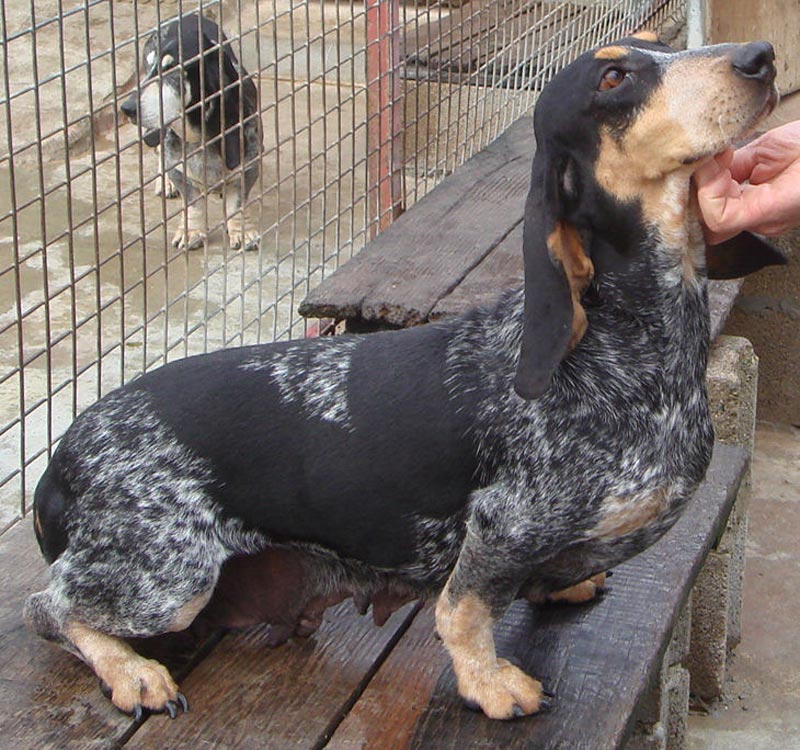
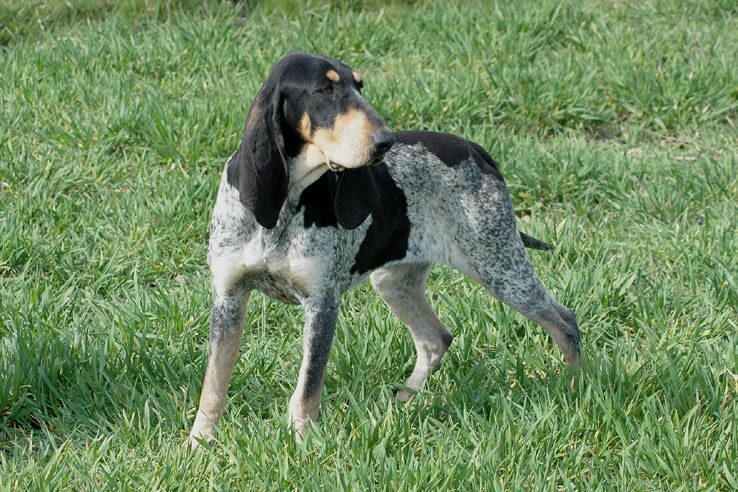
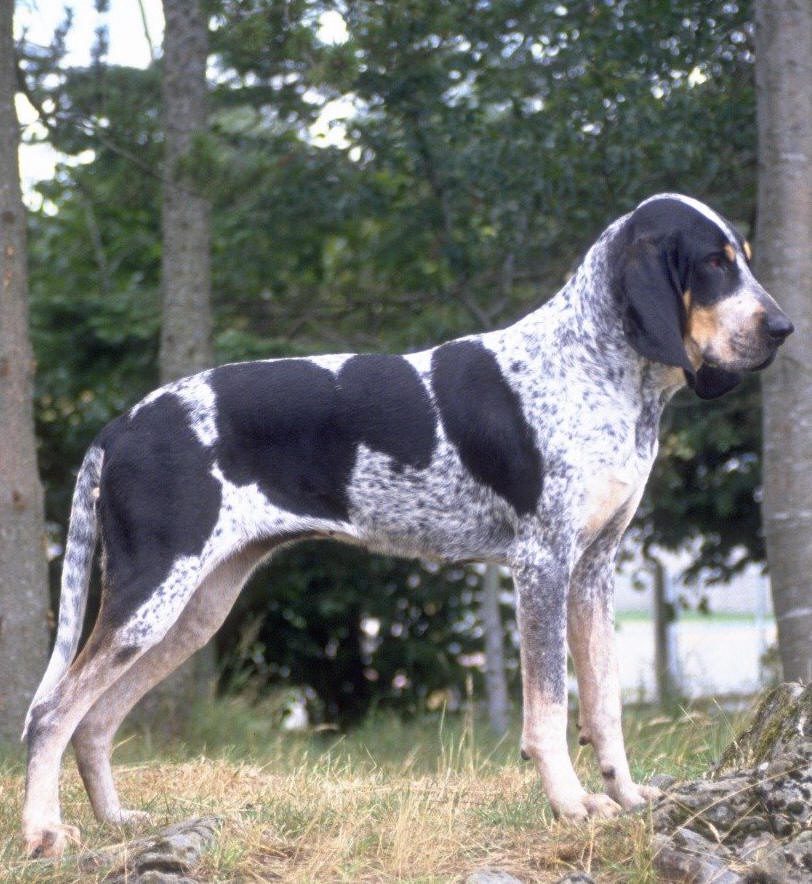
    There are four breeds recognized as โ€œGascony Blueโ€ by the FCI:

    The Great Gascony Blue and the Small Blue Gascony they are the best-known varieties.

    Small blue By hounddogsdrule.com
    Great blue by hondenrassenmetfoto.nl
    Blue Basset by bassetbleudegascogne
    Griffon blue by jjze.unblog.fr


    Physical characteristics ยซBlue Basset of Gascogneยป

    The race Blue Gascony Basset carries much inheritance from the great race from which it comes: The Basset. It is a very big dog, Although not too heavy (16 kg approximately). It has a not very broad and slightly domed head. His neck is quite long, slightly arched. His height is around the 34-38 centimeters.

    It has black and wide nose, with the wide open nostrils. Its snout is, practically, the same length as the skull. Their eyes are oval shaped, What gives them the feeling of being sunk, What makes them a very sweet expression, and a little sadder…

    The ears of this breed are fine, a little curly, very long and finished at tip. The ear is narrow at its source, which is located below the eye line.

    When is the dog standing, its tail almost touches the ground. Its fur is white mottled black spots, It must never be totally white. The hair is short and smooth. Such as dense speckled is what gives him the blue tone.

    Character and aptitudes ยซBlue Basset of Gascogneยป

    The Blue Gascony Basset It is a dog with an excellent sense of smell, Active, Agile and good port. It is a great Hunter. Usually howl. It is a dog that is easily vistas, It Intelligent, clever and funny, is also very loving and joyful. It is an excellent partner you need to play regularly (plenty of exercise).

    It is quite stubborn, his instinct for Hunter is very developed. It can be an excellent guard dog.

    Education ยซBlue Basset of Gascogneยป

    Due to his intelligence and loyalty to his master, the Blue Gascony Basset it is quite easy to train. But, how sometimes he gets distracted or stubborn, may have difficulty keeping order. Food is a good motivator, since they are greedy dogs.

    In short, the Blue Gascony Basset needs rigorous but gentle training from a young age.

    Health ยซBlue Gascogne Bassetยป

    This dog is in pretty good health, although it develops problems in the hindquarters with age. The breeders of the Blue Gascony Basset observe recurring problems, such as hip dysplasia or elbow dysplasia, dislocated kneecaps and herniated discs (that can cause dog paralysis). It is also prone to allergies and ear infections., because of his floppy ears.

    Last, how prone to stomach twisting, your servings should be divided and you should wait two hours after each meal before exercising.

    Images ยซBlue Gascogne Bassetยป

    Videos ยซBasset Azul de Gascuรฑaยป

    Butch Basset bleu gascogne

    Type and recognitions:

    • FCI CLASSIFICATION:
    • Group :
    • Section : . .

    Federations:

    • FCI – Group 6: Scent hounds, and related breeds. – Section 1.3: Small-sized Hounds. โ“˜
    • AKCHound โ“˜
    • โ€‹- UKCScenthounds โ“˜

    FCI breed standard "Blue Gascony Basset"

    Origin:
    France

    Date of publication of the valid original standard:
    24.01.1996

    Use:

    It is used for hunting with a shotgun and sometimes to chase game as a hound. Can hunt alone or in a pack. His favorite game is the rabbit and the hare.


    General appearance:

    It is a very typical Basset that denotes the great breed from which it descends.. He is quite burly, Although not too heavy.

    IMPORTANT PROPORTIONS :

    โ€ข Size / body length, about 5/8.
    โ€ข Chest height / Size, about 2/3.


    Behavior / temperament:

    Has a very good sense of smell. It is active, agile and persistent. It is applied in hunting and its howl is beautiful and sonorous. Easily joins the pack. He is affectionate and cheerful, and he likes to romp.

    Head:

    ---

    Cranial region:
    • Skull : I visit from the front, it is slightly domed and not too wide. The occipital protuberance is marked. Seen from above, the back is ogival shaped. Forehead is bulging.
    • Nasal-frontal depression (Stop) : It is little accentuated.

    facial region:

    • Truffle : Black and wide. The Windows are wide open.
    • Snout : It is the same length as the skull. It is thick. The muzzle is the same length as the skull, slightly arched.
    • Lips : Pretty hanging, covering the lower jaw well and giving the end of the snout a square profile. The commissure is well marked, although it is not lazy.
    • Nose cane : It is the same length as the skull. It is thick and slightly arched.
    • Jaws/Teeth : The joint is in the form of scissors. The incisors are set at right angles to the jaws..
    • Cheeks : They are thin, being able to present one or two folds of the skin.

    Eyes : They are oval in shape and appear sunken. They are brown. His expression is sweet and a little sad.

    Ears : They are characteristics of this blue breed, they are fine, twisted, they end in a point and must go beyond the tip of the nose. They are narrow at their insertion, which is located well below the eye line..

    Neck:

    It is quite long and a little arched. The double chin is not exaggerated.

    Body:

    • Back : Long and firm.
    • Pork loin : Short, well attached to the body, sometimes arched.
    • Rump : Slightly oblique.
    • Breast : Large, well developed in its length. Descends to below the elbow. The front of the sternum is quite protruding, and the back is long. Quite rounded ribs.
    • Flanks : Pretty stretched.

    Tail:

    The root is thick. Carried in the shape of a saber, sometimes it is somewhat spiky (towards the tip around the tail a few longer and thicker hairs slightly separated in a spike shape). During rest your limb should just touch the ground.

    Tips

    PREVIOUS MEMBERS :

    • As a whole : They're strong. A slight twist or semi-twist is acceptable.
    • Shoulder : Muscular, no appearance of heaviness ; oblique.
    • Elbows : Well attached to the body.

    LATER MEMBERS :

    • As a whole : Seen from the back, a vertical line descending from the tip of the gluteus passes through the center of the leg, hock, metatarsal and foot.
    • Thighs : Long and muscular.
    • Hock : Width, slightly angled and fairly close to the ground.
    • Metatarsus : Short, strong.

    FEET : They have an oval shape, little elongated. Fingers are thin and tight together. The pads and nails are black.

    Movement:

    Regular and fairly fluent.

    Mantle

    SKIN : It is flexible and not too thin. Black, or strongly streaked with black spots. It's never completely white. The mucous membranes are black.

    HAIR : Short, semi-thick and well dense.

    COLOR : Completely speckled with black and white, imparting a slate blue reflection. It may or may not be marked with more or less extended black spots. Usually, there are two black spots on each side of the head, that cover the ears, circle the eyes and stop at the cheeks. These do not join over the top of the head, but they leave a white space in the center of which there is often a small oval black spot typical of the breed..
    Above the eyes are two more or less raised tan markings located on the zygomatic arches simulating four eyes. Traces of tan can also be found on the cheeks, the lips, the inside of the ears, the limbs and under the tail.


    Size and weight:

    Height to the cross : For males and females : 34 to 38 cm..


    Fouls:

    Any deviation from the aforementioned criteria must be considered as a fault and the seriousness of this is considered to the degree of the deviation to the standard and its consequences on the health and well-being of the dog.

    Head :
    โ€ข Skull too wide and flat.
    โ€ข Round and globular eyes.
    โ€ข High set ears, wide, thick and rounded.

    Neck :
    โ€ข Short.

    Body :
    โ€ข Long body, loose top line, lack of corpulence.
    โ€ข Sunken xiphoid appendix.
    โ€ข Flat ribs.

    Tail :
    โ€ข Diverted tail.

    Forelimbs :
    โ€ข Straight shoulders.
    โ€ข Elbows forward.
    โ€ข Pasterns twisted outwards, carpi deviated forward.
    โ€ข Crushed feet.

    Hind limbs :
    โ€ข Closed or widely spaced hocks seen from behind.

    Fur :
    โ€ข Satin and fine.

    Color :
    โ€ข Tan marks too pale.

    Behavior :
    โ€ข Shy dog.

    MISS PLAYOFFS :

    โ€ข Fearful or aggressive dog.
    โ€ข Serious anatomical deformation.
    โ€ข Notable lack that causes any impediment.
    โ€ข Characteristics that do not correspond to the type.
    โ€ข Upper or lower prognathism.
    โ€ข Light eyes.
    โ€ข Body too long.
    โ€ข Rib deformation, absence of xiphoid appendix.
    โ€ข Twisted anterior extremities.
    โ€ข Any other coat that is not established by the standard.

    Any dog โ€‹โ€‹showing clear signs of physical or behavioral abnormalities must be disqualified..


    N.B.:

    Males should have two normal-sized testicles completely descended into the scrotum..

    Source: F.C.I - International Cynological Federation

    Alternative names:

    1. Basset Bleu de Gascogne, Bleus de Gascogne (English).
    2. Basset bleu de Gascogne (French).
    3. Basset bleu de Gascogne (German).
    4. Basset bleu de Gascogne (Portuguese).
    5. Basset azul de Gascuรฑa (espaรฑol).

    โ–ท The world of Pets: Dogs, cats, birds, reptiles, amphibians

    Black and tan coonhound
    Estados Unidos FCI 300 - Large-sized Hounds

    Perro negro y fuego para la caza del mapache

    The Black and tan coonhound they are very vocal and ladradores and, they tend to howl frequently.

    Content

    History

    The black and tan dog for raccoon hunting is a breed of dog used especially to track raccoons. It is a cross between Bloodhound and the Black and Tan Virginia Foxhound (ยซBlack fox hunter and virginia fireยป).

    The Black and tan coonhound It is one of the oldest breeds that exist in America. It is considered that its origin is in the old packs of Fox Hound Cross with Bloodhound they were imported from England in the 17TH century.

    The Black and tan coonhound is a descendant of dog Talbot (extinct race), It was in medieval England from the 11th century. His ancestry is, years. At that time, drawn through the Bloodhound and the Black and Tan Virginia Foxhound.

    The Black and tan coonhound it is the only one of the six races of the group โ€œCoonhoundโ€ (hunting dog breed belonging to hounds) officially recognized by the American Kennel Club.

    In 1945 the Black and tan coonhound was recognized by the American Kennel Club.

    The Redbone Coonhound and the Plott Hound since then they have been recognized in the miscellaneous class. The other three varieties of Coonhound are the Bluetick Coonhound, the American English Coonhound, and the Treeing Walker Coonhound.

    Physical characteristics

    The standard of the Black and tan coonhound mark that your weight is 29 to 59 Kg. Y, the height at the cross of 58 to 69 cm..
    Its pelage is short, dense and glossy. Their brand of black colour and fire are similar to the Dobermann and the Rottweiler, but with key differences that, It doesn't help to distinguish it from other races. The most prominent are the ears and long tails, and his strong bark, like no other. The eyes are Hazel color, throwing more dark in some cases.

    The legs are long in proportion to the length of the body, that is very muscular and thin, males tend to be more bony than females.

    The size of the litter of a Black and Tan Coonhound dog round the 8 Puppies. Y, the life expectancy of this breed is of 10 to 12 years.

    Generally healthy, but there is some risk of the Hip Dysplasia, ear cancer and other ear infections and eye problems.

    Character and skills

    The Black and tan coonhound achieves its objective by guiding itself only by smell, What makes it also efficient to find deer, bears, Pumas and other pieces of hunting, although in many countries this type of hunting with dogs is restricted.

    The general impression is the of the power, agility and alertness, with the ability to quickly drop to the ground and move down with powerful rhythmic strides. It also, every dog has his own voice, recognisable for their owners from a great distance.

    The Black and tan coonhound he is a gentle dog, adaptable and worthy to be loved. While adapt very well to different environments of life, This dog will be very happy when you can do the work for which has been raised.

    Thanks to its amazing sense of smell, is a dog that easily distracted, he is obedient but if any trail crosses his path he will go after himโ€ฆ Reason why, they are dogs that require a constant and patient training.

    Although most of the Black and tan coonhound they are dogs trust, balanced and sweet temperament, puppies need a fair amount of encouragement to build their confidence, especially, When living in the interior of a home as pets. You can have despanzurrado and happy on the sofa, If and when, It gives you a lot of exercise, years. At that time, they enjoy the company of their human family.

    The Black and tan coonhound, It may seem cautious or nervous in the presence of strangers or unfamiliar dogs, but if they are well socialized from puppies there will be no problem, they are dogs bred for hunting and working group.

    The Black and tan coonhound he is better known as "raccoon hunter", but she has also been used successfully for hunting other animals such as the bear, the deer, the Fox and the mountain lion – even on difficult terrain. Since, It is a dog that supports well the rigors of winter, as well as intense heat.

    The Black and tan coonhound it is a breed that tends to drool a lot, This is a feature that can be problematic. This race is not very appropriate for someone who is looking for a quiet dog, like all Coonhound, they are very vocal and ladradores and, as well, they tend to howl frequently. They are effective in warning their owners when a stranger enters the courtyard, the appearance of the dog at that time may seem threatening, but it is not likely to bite or attack unless smell the real danger or feel threatened.

    Despite being a dog that is not often seen in urban areas, they enjoyed much popularity in rural areas. It is said that a Coonhound they are found on the porch of most rural homes in the United States, more than any other race. While it is not a statistical fact, his place in the AKC registered breeds list that ranks as one of the most popular races.

    It is the image that has inspired the character of Pluto, the companion of Mickey Mouse.

    Characteristics "Black and tan coonhound"

    Coexistence is important that you have with your new friend. Before considering the acquisition of a dog of the breed "Black and tan coonhound" you know certain factors. Not all breeds of dogs are apt to live in an apartment, you must take into account his character, their need for exercise, their interaction with other pets, their care and if you have small children, their level of tolerance towards them.

    Adaptation โ“˜

    5,0 of 5 stars (based on 1 review)

    friendly dog โ€‹โ€‹โ“˜

    5,0 of 5 stars (based on 1 review)

    hair loss โ“˜

    5,0 of 5 stars (based on 1 review)

    Affection level โ“˜

    5,0 of 5 stars (based on 1 review)

    Need for exercise โ“˜

    5,0 of 5 stars (based on 1 review)

    Social need โ“˜

    3,0 of 5 stars (based on 1 review)

    Home โ“˜

    1,0 of 5 stars (based on 1 review)

    Toilet โ“˜

    1,0 of 5 stars (based on 1 review)

    Friendly with strangers โ“˜

    3,0 of 5 stars (based on 1 review)

    barking โ“˜

    5,0 of 5 stars (based on 1 review)

    Health โ“˜

    3,0 of 5 stars (based on 1 review)

    Territorial โ“˜

    1,0 of 5 stars (based on 1 review)

    Cat friendly โ“˜

    5,0 of 5 stars (based on 1 review)

    Intelligence โ“˜

    3,0 of 5 stars (based on 1 review)

    Versatility โ“˜

    2,0 of 5 stars (based on 1 review)

    Child friendly โ“˜

    5,0 of 5 stars (based on 1 review)

    Surveillance โ“˜

    3,0 of 5 stars (based on 1 review)

    joy โ“˜

    1,0 of 5 stars (based on 1 review)

    Images Black and tan coonhound

    Videos of the black and tan dog for raccoon hunting

    Type and recognitions:

    • FCI CLASSIFICATION:
    • Group :
    • Section : . .

    Federations:

  • FCI โ“˜, AKC โ“˜, ANKC โ“˜, CKC โ“˜, UKC โ“˜

  • FCI breed standard Black and tan coonhound

    FCIFCI - Black and tan coonhound
    Dog

    Alternative names:

    1. American Black and Tan Coonhound (English).
    2. Chien noir et feu pour la chasse au raton laveur (French).
    3. Schwarz-lohfarbene Waschbรคrenhund (German).
    4. Coonhound preto e castanho (Portuguese).
    5. Black and tan coonhound, perro negro y fuego para la caza del mapache (espaรฑol).

    โ–ท The world of Pets: Dogs, cats, birds, reptiles, amphibians

    Basset Hound
    Reino Unido FCI 163 . Small-sized Hounds

    The Basset Hound is a very happy dog, good and very sociable

    Basset Hound

    Content

    Characteristics "Basset Hound"

    Coexistence is important that you have with your new friend. Before considering the acquisition of a dog of the breed "Basset Hound" you know certain factors. Not all breeds of dogs are apt to live in an apartment, you must take into account his character, their need for exercise, their interaction with other pets, their care and if you have small children, their level of tolerance towards them.

    Adaptation โ“˜

    5,0 of 5 stars (based on 1 review)

    friendly dog โ€‹โ€‹โ“˜

    5,0 of 5 stars (based on 1 review)

    hair loss โ“˜

    3,0 of 5 stars (based on 1 review)

    Affection level โ“˜

    5,0 of 5 stars (based on 1 review)

    Need for exercise โ“˜

    5,0 of 5 stars (based on 1 review)

    Social need โ“˜

    3,0 of 5 stars (based on 1 review)

    Home โ“˜

    1,0 of 5 stars (based on 1 review)

    Toilet โ“˜

    2,0 of 5 stars (based on 1 review)

    Friendly with strangers โ“˜

    5,0 of 5 stars (based on 1 review)

    barking โ“˜

    5,0 of 5 stars (based on 1 review)

    Health โ“˜

    3,0 of 5 stars (based on 1 review)

    Territorial โ“˜

    1,0 of 5 stars (based on 1 review)

    Cat friendly โ“˜

    5,0 of 5 stars (based on 1 review)

    Intelligence โ“˜

    3,0 of 5 stars (based on 1 review)

    Versatility โ“˜

    3,0 of 5 stars (based on 1 review)

    Child friendly โ“˜

    5,0 of 5 stars (based on 1 review)

    Surveillance โ“˜

    3,0 of 5 stars (based on 1 review)

    joy โ“˜

    1,0 of 5 stars (based on 1 review)

    History

    The origin of the Basset Hound It, without a doubt, French and one of its closest ancestors is the Artois Hound, that was brought to England in 1.874 along with the Norman artesian Basset, crossing in England into a single breed which in turn was crossed with the St. Hubert Hound (using in 1.892 techniques of artificial insemination), favouring, during the selection, copies of most short legs, in order to obtain a dog capable of getting even between the most thick vegetation.

    In 1880 It is considered the first class of Basset Hound in England and it is also being prepared at this time that the first standard and it appears that the dichotomy between Work and Beauty. At the end of the 19th century, the breeding of this breed grows rapidly and the quality of their dogs, as well, and they are divided into two lineages, the work and the exhibition. Y, was in 1935 the name "Basset Hound" was born, registered first, documented. In 1962, Figure the first litter is registered in France.

    The United States adopted the breed and created a companion-only dog.

    These dogs are around 33 to 38 cm. (on the cross), they have short hair and are generally tricolor (black, honey and white). They also tend to be white with red spots or Red-footed. Some, Although few, they can be gray. They may occasionally leave copies with long hair, although it is not a desirable characteristic according to the breed standard.

    They have very long ears (up to the chest), also long neck with much loose skin and wrinkles around your head, This causes that you have a permanently sad. Its tail is long, erect and a curve.

    Physical characteristics

    "Basset Hound"

    His short stature is misleading because they are very long and they can reach things that dogs of similar heights could not.
    It has marked degree, features that equip it admirably for tracking through rough terrain. Dog short members, heavier bones, considering its size, than any other breed of dog; and although slow movements, they are in no sense clumsy.

    The word Basset It comes from the French "bas" which means low and that is the main characteristic of this breed. The Basset Hound It is a breed of small stature due, fundamentally, their short legs and elongated body. The head is prominent and it highlights a few wrinkled brows (due to the large amount of skin), long floppy ears, a few deep eyes that convey sadness and hanging lips. The skin is flaccid and causes many wrinkles around the body and is covered by a short hair, rough can be of different colors of the Bassets (white, black & Fawn) in any combination.

    Character and skills

    Low and somewhat plump appearance might suggest it is a lazy dog and something sleazy but this is only an impression, is a loving dog of the year. You need to do plenty of exercise to prevent overweight and arthritis at advanced ages.

    A specific care of this breed is the possibility of the development of conjunctivitis due to the loose skin around the eyes. (that leads to contain moisture), should be monitored continuously.

    His facial expression promises sadness, fatigue, but a dog very joyful, good and very sociable, She loves children and adapts perfectly to the family environment. As well, despite his physical appearance, is a dog She loves the exercise, Sport and trips. It can be very stubborn, as well, about all dogs...

    Nice temperament, never aggressive or shy (only in some cases). It has great strength in the field. extremely faithful.

    Basset Hound Education

    The stubborn side of Basset Hound requires authoritative parenting. You don't have to wait for him to "pass his youth", since it only matures around 3 years. A constant education, firm and consistent from an early age will make a good companion dog.

    In fact, no matter how smart I am, you will know how to make the most of every hesitation. Hence the importance of being consistent and clear in the rules and the rewards that will be given. It shouldn't surprise you that he can turn a deaf ear when you annoy him..

    Salud ยซBasset Houndยป

    It is known that the Basset Hound Have overweight, so the risk of canine obesity must be taken into account, that can damage your spine.

    Being the back a sensitive point of the Basset Hound, it is recommended to avoid obstacles and stairs in your daily life.

    It also, the Basset Hound have a predisposition to certain skin conditions:

    – atopia;
    – dermatitis with malassezia;
    – primary seborrhea;
    – intertrigo (in the folds of the skin).

    Their long ears can also be a complicating factor. In fact, are prone to infections such as scabies in the ear, due to Otodectes cynotis, a microscopic mite that causes itching and pain. This infection is diagnosed by direct examination of the parasite in the ear and then treated by local application of an acaricidal treatment..

    Last, the eyes of the Basset Hound, since it is known that the breed has a genetic predisposition that favors the development of primary glaucoma, an eye disease in dogs that impairs the function of the optic nerve. This disease is diagnosed by an ophthalmological exam that measures intraocular pressure, what should a vet do. It is recommended that this examination be performed as soon as possible in the Basset, since the adverse effects of this disease can be reduced if detected early.

    Aseo ยซBasset Houndยป

    The Basset Hound does not need much coat maintenance. But, the Basset Hound loses hair all the time, so it should be brushed regularly to avoid the accumulation of hair in the house.

    It also, their ears often need to be cleaned, as their length makes it particularly easy for dirt to enter them.

    Basset Hound pictures

    Basset Hound Videos

    Type and recognitions:

    • FCI CLASSIFICATION:
    • Group :
    • Section : . .

    Federations:

    FCI โ“˜, AKC โ“˜, ANKC โ“˜, CKC โ“˜, โ€‹KC โ“˜, NZKC โ“˜, UKC โ“˜

    FCI breed standard "Basset Hound"

    Origin:
    France

    Date of publication of the valid original standard:
    13.10.2010

    Use:

    Hunting dog.


    General appearance:

    It is a short-limbed hound, of considerable substance, well balanced and with countless qualities. It is important to keep in mind that it is a working hound and must be suitable for those purposes., therefore it must be strong, active and have great resistance in the field of work. TEMPERAMENT / BEHAVIOR: It is a tenacious hound of ancient lineage, that hunts by venting its prey and has the instinct of the pack. His voice is deep and melodious. He is gentle and affectionate, never aggressive or shy.


    Behavior / temperament:

    It is a tenacious hound of ancient lineage, that hunts by venting its prey and has the instinct of the pack. His voice is deep and melodious. He is gentle and affectionate, never aggressive or shy.

    Head:

    The forehead may have a small amount of wrinkles, as well as the part next to the eyes. In any case, the skin on the head is elastic enough to wrinkle slightly when facing forward or when the dog lowers its head.

    Cranial region:

    The top of the snout is almost parallel to the top line of the skull and is not much longer than the head., measured from the naso-frontal depression to the occiput.

    • Skull: It is domed in shape and the occipital protuberance is prominent; its width is medium in the region of the eyebrows and decreases slightly to the muzzle.
    • Depression links (Stop): Something marked.

    facial region:

    • Truffle: Completely black, except for light colored hounds, where it appears brown or liver. Windows are wide and wide open; the truffle sticks out a little beyond the lips.
    • Snout: The appearance of the muzzle is thin, but it is not pointed.
    • Lips: The flews of the upper lip considerably cover the lower lips.
    • Jaws / Teeth: The jaws are strong, with a perfect bite, regular and full scissor, That is, the upper incisors cover the lower incisors in close contact and are implanted at right angles in the jaws..

    Eyes: Rhomboid-shaped, they are neither prominent, or sunk. They are dark, but they can be medium brown in light colored hounds. His expression is calm and serious. Light or yellow eyes are very undesirable.

    Ears: Low insertion, just below the eye line. They are long, although not in excess, and extend only slightly beyond the tip of a snout of correct length. They are narrow throughout their length and tightly curled inwards. They are very flexible, fine and smooth texture.

    Neck:

    He's muscular, well arched, quite long and with a pronounced dewlap, although not in excess.

    Body:

    Long and deep throughout its length; the withers and the loin are approximately the same height.

    • Back: Rather wide and horizontal. From the withers to the hips the back is not excessively long.
    • Pork loin: May be somewhat arched. Breast : Viewed from the front, the sill adapts perfectly to the curvature of the forearms. The sternum is prominent, but the chest is neither narrow nor too deep. The ribs are well rounded and tight; extend well back, no protruding edges.
    • bottom line, belly: There must be adequate clearance between the lower part of the chest and the floor that allows the dog to move freely over all types of terrain..

    Tail:

    It is well established and is rather long. It is strong at its root and gradually diminishes. Under the tail rough hairs are observed in moderate quantity. When is the dog moving, tail stands up well and forms a smooth saber-shaped curve, but never kinked or carried too high.

    Tips

    PREVIOUS MEMBERS:

    • General appearance: Upper forearm slopes inward slightly, but not so much as to impede free movement, nor that the forelimbs touch each other when the dog is standing or in action. Some skin folds may appear on the leg but this should not be excessive in any way.
    • Shoulder: They are not heavy; shoulder blades are well tilted back.
    • Elbows: They are not directed inward or outward; are well attached to the sides of the chest.
    • Forearm: Short limbs, strong with good bones.
    • Carpo: It is highly undesirable for it to be deviated forward.
    • Previous feet: Large, with strong joints and pads. The front feet can be pointed straight forward or slightly brought out, but in any case the dog must stand correctly. Weight falls equally on all fingers and pads, so that the feet leave the imprint of a large hound and the pads touch and completely cover the ground.

    LATER MEMBERS:

    • General appearance: They are very well muscular and prominent, imparting an almost spherical appearance, seen from the back. There may be a few folds between the hock, the foot and on the back of the hock joint may appear a slight bag of skin but by no means this should be excessive.
    • Knee: Well angled.
    • Metatarsus: Hocks set low, slightly carried under the body, but they are not oriented neither in nor out when the dog is standing naturally.
    • Hind feet: Large, with strong joints and pads. Weight falls equally on all fingers and pads, so that the feet leave the imprint of a large hound and the pads touch and completely cover the ground.

    Movement:

    It is important to ensure that the dog can do its job. Movement is smooth and fluid powerful and effortless with front limbs extending well forward and rear limbs, that provide a strong impulse. Movement is free both at the front and at the back. The movement of the hock and knee should not be rigid; fingers should not drag on the ground.

    Mantle

    SKIN: Soft and stretchy without any exaggeration.

    Fur: Smooth, short, and tight, although not too fine. All the outline is clean, no fringes. Long soft hair, fringed, it is highly undesirable.

    Color: It is usually white, black and tan (tricolor) or lemon and white (bicolor), but any of the recognized colors on hounds is acceptable.


    Size and weight:

    Height to the cross: Of 33-38 cm..


    Fouls:

    Any deviation from the aforementioned criteria is considered a fault and its severity is considered to the degree of deviation from the standard and its consequences on the health and well-being of the dog and the dog's ability to perform its traditional task..

    FALTAS DESCALIFICANTES:

    • Aggressiveness or extreme shyness.
    • Any dog โ€‹โ€‹showing clear signs of physical or behavioral abnormalities must be disqualified..


    N.B.:
    • Males should have two normal-appearing testicles fully descended into the scrotum..
    • Only functionally and clinically healthy dogs, with the typical conformation of the breed, should be used for parenting.

    Source: F.C.I - International Cynological Federation