โ–ท The world of Pets: Dogs, cats, birds, reptiles, amphibians

Blue Gascony Griffon
Francia FCI 32 - Medium-sized Hounds

Blue Gascony Griffon

Originally bred for their tracking qualities, the Blue Gascony Griffon they are also affectionate companion dogs

Content

History

As its name implies, the roots of Blue Gascony Griffon are closely linked to the former French region of Gascony, which includes the lands between Bordeaux, Toulouse and Pyrenees. Some 14th-century writings recount the existence of a blue-haired hunting dog that was effective at tracking wild boar and deer., which is probably his ancestor.

Although we know with some accuracy where the race originated, it is more difficult to trace your family tree exactly before the decade of 1920.

But, it is believed to be a cross between the Great Gascony Blue, which in turn is the product of several crosses of old hounds (including the Bloodhound), and a french griffon: or the Griffon Nivernais or the Grand Griffon Vendรฉen. It is not possible to establish precisely which of the two is, because the available descriptions are too imprecise, but at least it is acquired that it is a French griffon.

In 1920, a special normalization commission of the club Great Gascony Blue, of the Small Blue Gascony and of the Blue Gascony Griffon first established a standard for the latter, what allowed the Livre des Origines Franรงais (LOF) officially differentiate him from his cousins. In fact, Until then it was considered a simple variety of the Great Gascony Blue. But, was not up 1963 which was officially recognized by the FCI (Fรฉdรฉration Cynologique Internationale).

This did not prevent the gradual decline of the breed, in particular due to its geographic isolation and confidentiality. In fact, was close to extinction, so that in 1977 only 10 individuals of 3 distinct lines were listed in the LOF. But, the situation improved considerably in the following years, since the number exceeded 100 in 1981.

At the beginning of the decade of 1990, the breed even saw a major revival in popularity with hunting enthusiasts, both in France and abroad (dog exports to Italy, Switzerland, Mauritius, Canada, Netherlands…), which led to an increase in the number of births. So that, the number of annual registrations LOF increased less than 80 prior to 1990 to more than 500 in 1994, and even more than 800 in 1996, before stabilizing between 700 and 800 in the following years.

This madness in France and abroad led to United Kennel Club, one of the leading organizations in the United States, to recognize the race in 1991. But, didn't actually make emulators: for example, neither him American Kennel Club (AKC), neither him Canadian Kennel Club (CKC), nor the prestigious British Kennel Club took the step.

Aware of the danger that this sudden interest could represent for the health of the few remaining specimens, with the risk, in particular, of health abuses caused by an intensive breeding program to meet a high demand, the Club of Small Blue Gascony, of the Gascon Saintongeois and Ariรฉgeois, in charge of the improvement of the race and affiliated with the Sociรฉtรฉ Centrale Canine (SCC), proposed to the Conservatory of Regional Biological Heritage the elaboration of a safeguarding and improvement plan. This approach (and the strict breeding practices that followed) contributed to the preservation of the good health of the breed, without hindering its development. So, in the first decade of the century, about 850 births were counted each year by the LOF. Since then, the figure has decreased slightly, but there is still an average of 600 to 700 by year.

Photo: French Blue Gascony Griffon: Griffon Bleu de Gascogne by Alephalpha, CC BY-SA 3.0, via Wikimedia Commons

Physical characteristics ยซGrifรณn Blue Gascuรฑaยป

The Blue Gascony Griffon it is rustic and solidly built. Very athletic, has a well-developed chest and a short, straight back that extends into a rather shaggy tail carried like a saber blade.

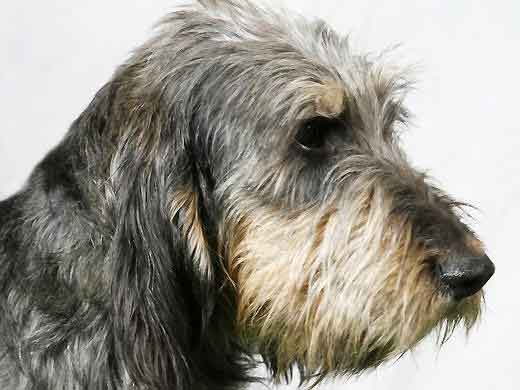
The head is ogival shaped, slightly vaulted, with a full forehead and a snout with a slight stop, sometimes slightly arched. The nose is black and wide. The eyes are oval, and its color varies between dark brown and brown. It also, despite his wide eyebrows, his look is very expressive. Located just below the eye line, the ears are flexible, curly and not very pointed, and reach the tip of the nose.

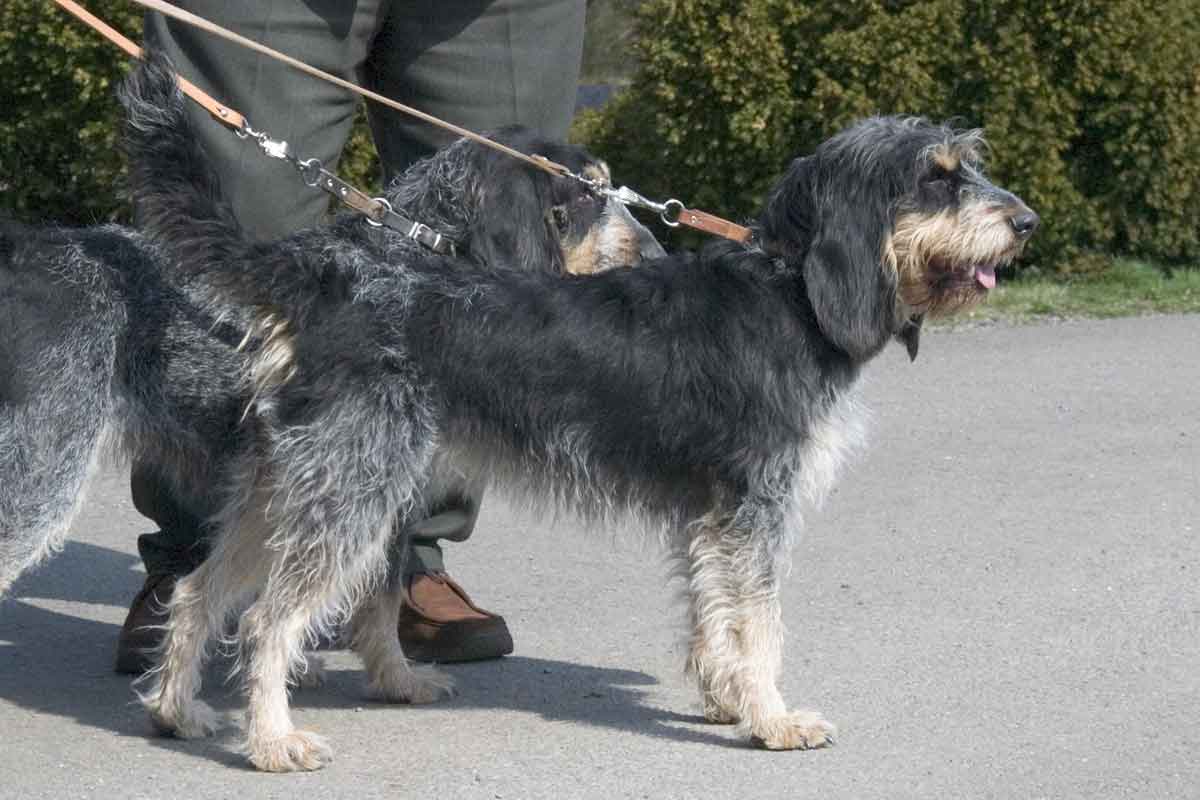
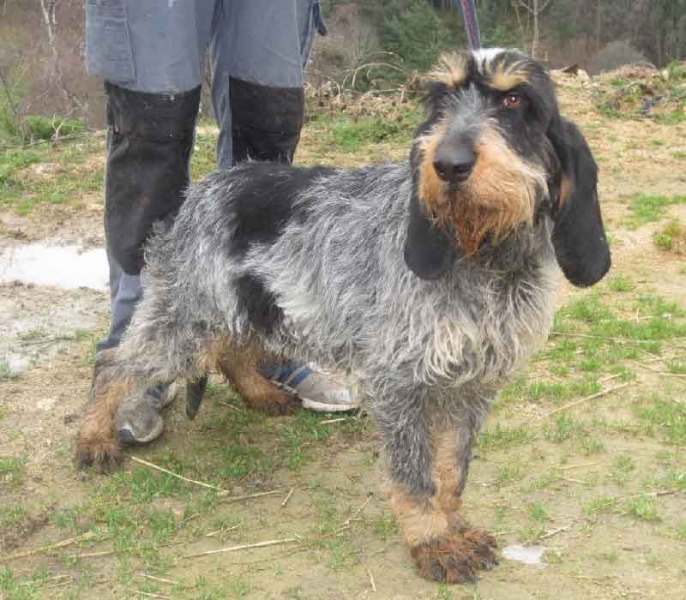
The mark of this dog is its hard and rough coat, giving it a slightly shaggy look. The coat is completely black and white, giving it the slate blue glow that gave it its name. Your body may also have a few more or less extensive black spots. In the head, there are usually two black spots on each side of the skull, covering ears, wrapping the eyes and stopping at the cheeks. These spots are separated in the upper part of the skull by a white hole, in the middle of which there is usually a small oval black spot, typical of the breed. More or less bright brown marks also color the upper part of the eyebrow, cheeks, whisker pads, the inside of the ear, as well as the extremities and the lower part of the tail.

Last, sexual dimorphism is only slightly pronounced in this breed: the female is usually only a few centimeters smaller than the male.

Size:

  • Males of 50 to 57 cm.
  • females of 48 to 55 cm..
  • Weight: 18 to 20 kg

Character and skills "Gascuรฑa Azul Giffon"

Originally bred for their tracking qualities, the Blue Gascony Griffon They are also affectionate companion dogs that adapt well to family life., as long as the family is active. Loyal and very attached to their teachers, as shown through various displays of affection, accompany them in all their activities with great enthusiasm and energy, without the need for undue attention.

He is a dog that loves children, with whom he is very patient and gentle. Generally well returned, representing excellent playmates for him, also bursting with energy. It is much less suitable for the elderly, they will soon find it exhausting.

Used to living in a group, can be alone during the day, but it only prospers if it has company at all times. Adopting an extra dog can be a solution to help you cope with the absence of its owner.

People and animals who are strangers to the dog generally receive a reserved but not aggressive welcome. Take the time to observe them before deciding what attitude to adopt.

This relative distance does not make it a good guardian, especially because it is not very territorial. In fact, if he barks when he sees a newcomer, it is more to announce your presence than to prevent you from passing and dissuade you from moving on.

Coexistence with other dogs in the house is perfectly possible and usually does not pose any particular problem.. Even when you don't know them yet, the Blue Gascony Griffon he is very sociable with his companions, and is both curious and peaceful once introduced. They don't try to dominate other dogs, and they will only attack if they are repeatedly and aggressively confronted by them.

On the other hand, it is not a good idea to try to get him to live in a house that also has a cat or small pet (like a rodent or a bird). Being a hunter at heart, would tend to relentlessly chase him around the house, even if you receive a strict education on the subject.

True electric battery and always with the truffle glued to the ground, the Blue Gascony Griffon only really flourishes in large spaces and houses with gardens. Although he likes to gasp for hours at his family's feet, not a city dweller, and is very likely to attract the ire of the neighborhood with his inopportune howls. By the way, can live perfectly well in an outdoor dog house, as long as you have enough to stimulate your intelligence and abilities – especially through play sessions with his teacher.

He particularly likes to snoop, sniff out clues and follow them to their source without being distracted by anything. This trait is very popular with hunting dogs., but it is more problematic for companion dogs, as it can lead them to run away or stubbornly go in one direction while walking. A high fence should be provided at home, and a strong strap should be used to keep its paws – if you are not paying attention – To walk. A connected GPS collar can also be a good investment to make sure you know when he's out for a walk at all times.

In addition to hunting, this hardworking and hardy dog รขโ‚ฌโ€นรขโ‚ฌโ€นhas a taste for many other activities. Enjoy throwing games (to be played in moderation, as they reinforce their chasing instinct), object search games (that challenge your exceptional sense of smell), the long walks, the race, swimming or even canicross, in which it excels. Almost everything can be found thanks to your eyes, as long as it comes to exercising and / or pleasing your master.

In any case, if your significant need for exercise is not met, it is likely to attack objects and plants in the house to evacuate its excess energy, or even your stress.

Educaciรณn ยซGrifรณn Blue de Gascuรฑaยป

The kindness of the Blue Gascony Griffon and his loyalty make him an obedient and diligent student. But, do not forget that he is an intelligent dog, which means he learns the commands just as fast as the nonsense.

It also, it is important to socialize him from an early age to limit his shyness and natural distrust of people and dogs he does not know. This is especially true if you are intended for hunting, since then it is more likely that you will meet other dogs that you do not know.

Having said that, they are quite docile companions, easy to train and educate: an ideal breed of dog for a novice master. But, be aware that obedience is achieved more through cooperation than coercion. So, it is just as important to congratulate and/or reward him whenever a command has been well executed as it is to reprimand him in a firm voice when he does something stupid. By the way, being firm does not mean being aggressive: yelling or being aggressive will only make them run away, or it will even make them suspicious and stressed.

Hunting training can begin as soon as 6 months after learning the basic commands. Treasure hunting is recommended to help you develop your sense of smell and intelligence, while the presence of more experienced dogs can help you get used to the noise of guns and the company of strange dogs.

Health and care "Blue Gascuรฑa Giffon"

Sturdy and durable, the Blue Gascony Griffon it is made for outdoor living and can withstand both heat and cold.

The main health problems observed in this breed are related to outdoor life and, in particular, with hunting: fractures, wounds, bites, as well as diseases transmitted by parasites (piroplasmosis, leptospirosis, etc.).

You also have a predisposition to stomach inversion (stomach dilatation-torsion syndrome).

It also, the hanging shape of their ears carries an increased risk of ear infections.

Last, your voracity makes you prone to obesity, especially if your activity level is still limited. This can facilitate the appearance and aggravate the impact of various ailments and constitutes a true vicious circle., since an overweight dog tends to be less active and therefore… fatter.

Go through a serious breeder of Blue Gascony Griffon allows you to put all the possibilities on your part to adopt a puppy in good health (and that is still the case). The professional must be able to present a certificate issued by a veterinarian certifying that he is indeed healthy, as well as details of the vaccinations administered to the animal, recorded in your health book (or vaccination book).

It also, as with any dog, excessive activity should be avoided until you reach adulthood. In fact, the bones and joints of a growing puppy are particularly fragile, and problems at this level could have lifelong consequences (malformations, etc.).

Finally, but the Blue Gascony Griffon is generally in good health, this does not mean that you should not wear it regularly (At least once a year) to the vet for a complete health check, that allows you to detect any problems as soon as possible. It is also the occasion to carry out your vaccination reminders, that are especially important to a dog like him, who usually spends a lot of time outdoors. Your antiparasitic treatments are at least as important; your landlord should make sure to renew them whenever necessary.

The price of a "blue gas tap"

The price of a puppy Blue Gascony Griffon in France it is between 900 and 1400 EUR, depending on the prestige of the kennel, the lineage from which it comes and its intrinsic characteristics (more or less conformity to the breed standard, physical qualities, etc.).

Outside france, it is very difficult to find a breeder Blue Gascony Griffon. The most likely option is then to import one from its country of origin.. If required, transportation and administrative costs are added to the purchase price of the animal and, of course, it is advisable to know and respect the regulations regarding the importation of a dog from abroad.

Characteristics "Blue Gascony Griffon"

Coexistence is important that you have with your new friend. Before considering the acquisition of a dog of the breed "Blue Gascony Griffon" you know certain factors. Not all breeds of dogs are apt to live in an apartment, you must take into account his character, their need for exercise, their interaction with other pets, their care and if you have small children, their level of tolerance towards them.

Adaptation โ“˜

2,0 of 5 stars (based on 1 review)

friendly dog โ€‹โ€‹โ“˜

3,0 of 5 stars (based on 1 review)

hair loss โ“˜

3,0 of 5 stars (based on 1 review)

Affection level โ“˜

4,0 of 5 stars (based on 1 review)

Need for exercise โ“˜

5,0 of 5 stars (based on 1 review)

Social need โ“˜

3,0 of 5 stars (based on 1 review)

Home โ“˜

4,0 of 5 stars (based on 1 review)

Toilet โ“˜

3,0 of 5 stars (based on 1 review)

Friendly with strangers โ“˜

2,0 of 5 stars (based on 1 review)

barking โ“˜

4,0 of 5 stars (based on 1 review)

Health โ“˜

4,0 of 5 stars (based on 1 review)

Territorial โ“˜

4,0 of 5 stars (based on 1 review)

Cat friendly โ“˜

2,0 of 5 stars (based on 1 review)

Intelligence โ“˜

4,0 of 5 stars (based on 1 review)

Versatility โ“˜

3,0 of 5 stars (based on 1 review)

Child friendly โ“˜

3,0 of 5 stars (based on 1 review)

Surveillance โ“˜

4,0 of 5 stars (based on 1 review)

joy โ“˜

4,0 of 5 stars (based on 1 review)

Images "Blue Gascony Griffon"

Photos:

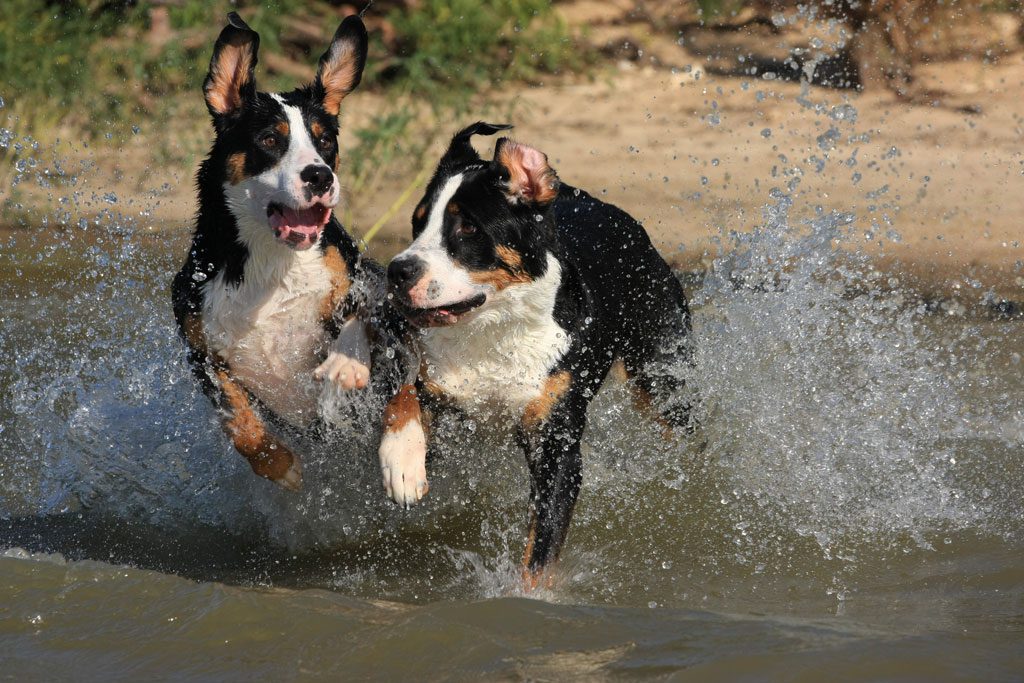
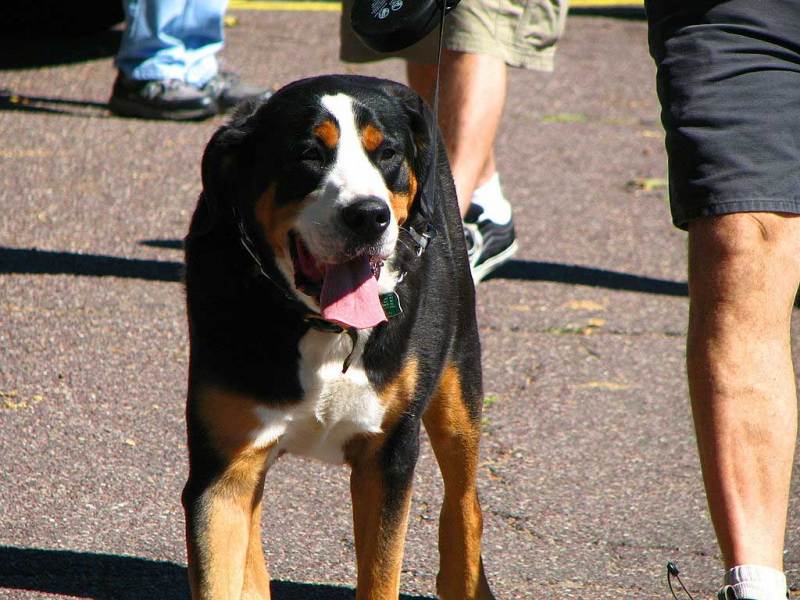
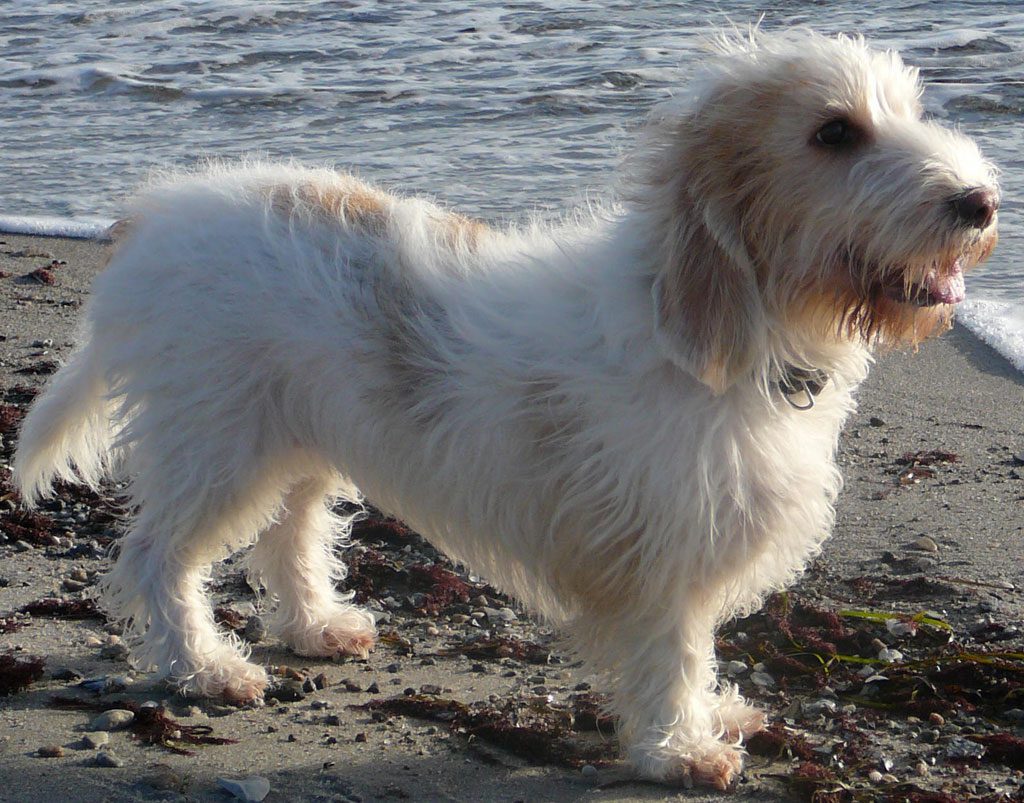
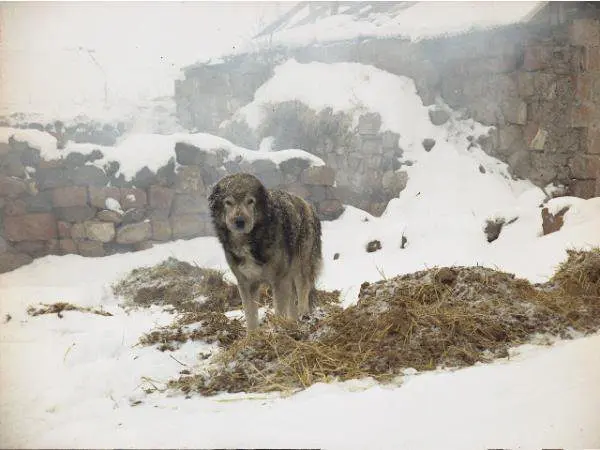
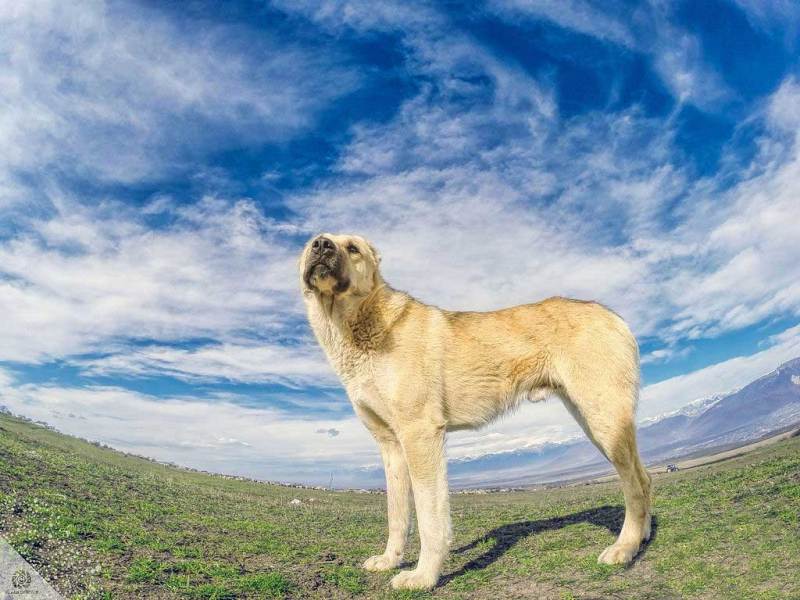
1 – A Blue Gascony Griffon female by Canarian, CC BY-SA 3.0, via Wikimedia Commons
2 – Blue griffin from Gascony by https://pxhere.com/es/photo/1331479
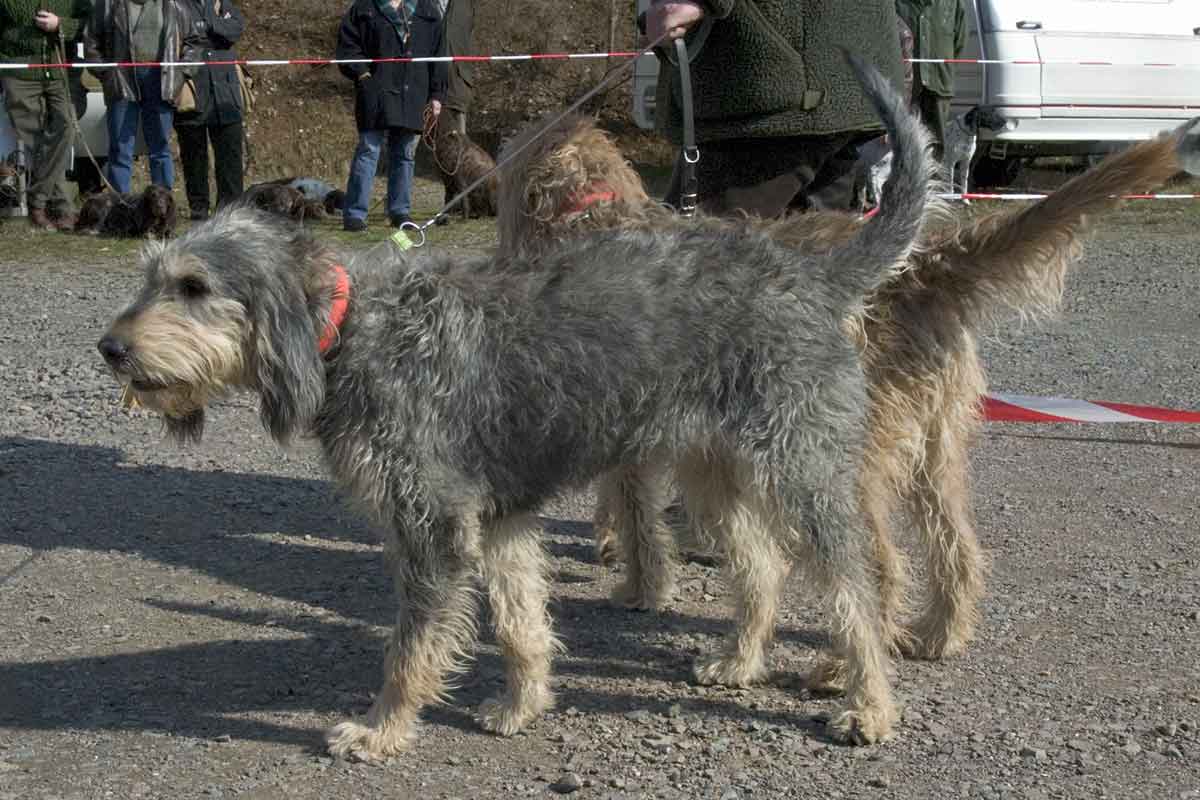
3 – Blue griffin from Gascony by https://pxhere.com/en/photo/1089317
4 – Blue griffin from Gascony by http://www.adopt-a-griffon.eu/en/breeds/griffon-bleu-de-gascogne/

Videos "Blue Gascony Griffon"

HTTPS://youtube.com/watch?v=AfvDdR1bX2s
Griffons bleus au Concours de meutes ร  Pranles
HTTPS://youtube.com/watch?v=YZWGz2C0DnY
Segugi Griffon Bleu de Gascogne – speciale cinofilia Game Fair 2015

Type and recognitions:

  • FCI CLASSIFICATION:
  • Group :
  • Section : . .

Federations:

  • FCI – Group 6: Scent hounds, and related breeds. – Section 1.2: Medium-sized Hounds. โ“˜
  • UKCScenthounds โ“˜
  • Central Canine Society โ“˜

FCI breed standard "Blue Gascony Griffon"

Origin:
France

Date of publication of the valid original standard:
24.01.1996

Use:

This is a multi-use dog. It is used for hunting with hare shotgun. His ardor and his good smell make him a very value assistant to follow the trail of the wild boar.


General appearance:

It is a rustic appearance tap, of solid constitution. Save the just medium between the two races from which it originates.


Behavior / temperament:

He has a good smell and his bark is sound. Is applied in hunting, that conducts con enthusiasm and initiative. It is unbelievable, But affectionate.

Head:

---

Cranial region:
  • Skull : Seen from the front, It is slightly bulging, but not too wide. The occipital protuberance is slightly marked.
    Seen from above, the back is ogival shaped. Forehead is bulging.
  • Depression links (Stop) : Little pointed.

facial region:

  • Truffle : It is black, wide. The Windows are wide open.
  • Lips : They are poorly developed, But they cover the lower jaw.
  • Snout : Straight nose cane, the lightly arched. Its length is almost equal to that of the skull.
  • Jaws / Teeth : The joint is in the form of scissors. The incisors are set at right angles to the jaws..
  • Cheeks : Thin.

Eyes : They have an oval shape. They are dark brown color; very expressive and living.

Ears : They are flexible, twisted, but not too much. They end on a slight tip and must reach the birth of the nose without exceeding their limb. Implanted just below the eye line.

Neck:

It is rather thin and presents some of the sock.

Body:

  • Back : Well pronounced, short.
  • Pork loin : Muscular and slightly arched.
  • Rump : Very slightly oblique.
  • Breast : Well developed. Rounded ribs, although not in excess.
  • Flanks : Bulky. The lower line is slightly raised backwards.

Tail:

It is quite hairy. It reaches precisely to the tip of the corvejรณn; The root is strong. It is brought happily in the form of saber.

Tips

PREVIOUS MEMBERS : Seen in conjunction, They are strong and well approved. They do not give an appearance of heaviness.

  • Shoulder : Quite oblique and muscular.
  • Elbows : Glued to the body.
  • forearms : Strong.

LATER MEMBERS : Seen in conjunction, the limbs are regular. The rear members are well developed.

  • Thighs : Well muscled.
  • Hock : Close to the ground.

FEET : They have oval shape and the fingers are thin and well together. The pads and nails are black.

Movement:

Is loose and alive.

Mantle

SKIN : It is quite thick and elastic. Black, or strongly streaked with black spots. It's never completely white. The mucous membranes are black.

HAIR : It's hard, harshly. It is a little shorter on the head, where the eyebrows, quite dense, They do not cover their eyes. It is much shorter and stuck on the ears.

COLOR : Completely speckled with black and white, imparting a slate blue reflection. It may or may not be marked with more or less extended black spots. Usually, there are two black spots on each side of the head, that cover the ears, circle the eyes and stop at the cheeks. These do not join over the top of the head, but they leave a white space in the center of which there is often a small oval black spot., typical of the breed. Above the eyes are two more or less uploaded fire marks located on the zygomatic arcades simulating four eyes. Traces of tan can also be found on the cheeks, the lips, the inside of the ears, the limbs and under the tail.


Size and weight:

Height to the cross :

  • In males it is 50 to 57 cm.,
  • in females it is 48 to 55 cm..


Fouls:

Any deviation from the above mentioned criteria is considered as missing and the gravity of this is considered in proportion to the degree of deviation to the standard and its consequences on the health and well-being of the dog.

Head :
โ€ข Head too short.
โ€ข Skull too wide.
โ€ข Pointed snout.
โ€ข Clear brown eyes.
โ€ข Apparent conjunctive.
โ€ข Too long ears, or very hairy.

Body :
โ€ข Largo; loose top line.
โ€ข Croup sagging.

Tail :
โ€ข Deviad or too short.

Tips :
โ€ข Hock closed, seen from behind.
โ€ข Crushed feet.

Behavior :
โ€ข Shy dog.

MISS PLAYOFFS

โ€ข Fearful or aggressive dog.
โ€ข Lack of characteristic type.
โ€ข It would be anatomic deformation.
โ€ข Notable lack that causes any impediment.
โ€ข Upper or lower prognathism.
โ€ข Light eyes.
โ€ข By the threaten the laugh.
โ€ข Any other color that is not established by the standard.

Any dog โ€‹โ€‹showing clear signs of physical or behavioral abnormalities should be disqualified..


N.B.:

Males should have two normal-appearing testicles fully descended into the scrotum..

Source: F.C.I - International Cynological Federation

Alternative names:

1. Griffon Bleu de Gascogne (English).
2. Griffon Bleu de Gascogne (French).
3. Griffon bleu de Gascogne (German).
4. Griffon bleu de Gascogne (Portuguese).
5. Griffon Bleu de Gascogne (espaรฑol).

โ–ท The world of Pets: Dogs, cats, birds, reptiles, amphibians

Griffon Nivernais
Francia FCI 17 - Medium-sized Hounds

Griffon Nivernais

Brave and vivacious, he "Griffon Nivernaisยป is an obedient and affectionate dog. never shy, it is not aggressive either.

Content

History

These dogs were crossed with those brought from the Crusades by San Luis to give the greyhounds, probable ancestors of the Griffon Nivernais.

They were big dogs, fine-nosed, clogged, excellent closers, very difficult to discipline, fast but tough, very scathing, specialized in strong and straight lines.

They were highly valued at that time for hunting wolves and wild boars.. The Greyhound was very fashionable during 200 years, until the reign of Louis XI, He was later abandoned from the royal packs by Francis I in favor of the "White Dog.".

But, some knights of the "Nivernais" maintained it until the French Revolution, when the race seemed to have disappeared. A century later, the last representatives of the greyhounds, kept in the cradle of the breed, were probably crossed with ยซGriffons de Bresseยป to give the Griffon Nivernais.

In the late nineteenth and early twentieth centuries, received blood from English Foxhound and Grand Griffon Vendรฉen to give it size and speed.

He "Vendรฉen-Nivernaisยป, in particular, crossed paths with Bloodhound to create the Otterhound. The latter was used to soak the ยซNivernaisยซ, giving them a rustic nose and wisdom, and improved the ability to approach.

Closer to our time, after having been through wars with difficulty, and thanks to the development of wild boar populations, their number grew steadily from the 1980s onwards. 1970. More recently, some users injected blue blood to give him throat and application at work, often at the expense of his love of hunting wild boar.

Photo: This dog is a french Griffon Nivernais by Alephalpha, CC BY-SA 3.0, via Wikimedia Commons

Physical characteristics ยซNivernais Griffonยป

The Griffon Nivernais is recognizable in particular by its furry appearance with its long, well stocked and messy fur. The latter, which is rough and hard, it is always charcoal color, that is to say, sandy or leonado with black spots, but there are also white hairs here and there in its fur that draw shades from light gray to dark gray.

Sad expression, almost shy, giving dark eyes and pronounced eyebrows is also a characteristic of this breed.

The Griffon Nivernais it is a medium-sized dog with a robust gait and dry limbs. His tail is not very long, but they carry it tall and even saber-shaped when in action.

Character and skills of the Nivernais Griffon

GRIFFON NIVERNAIS CLUB – centrale-canine.fr

The Griffon Nivernais has a well marked character, sometimes stubborn, which makes it a highly prized hunting dog for its value, resistance and initiative.

It is generally reduced to its simplest expression: It is a dog used almost exclusively for hunting wild boar.

They are made to live in a herd where they must excel to have their place. But, for this reason, it is also a dog that can be difficult to train. So, best suited to an already experienced master of dog breeding.

Nonetheless, the Griffon Nivernais is calm and obedient when well trained. He is also a dog full of energy. He is very close to his teacher.

Care and maintenance of the Nivernais Griffon

The Griffon Nivernais It is an outdoor dog that needs physical exercise. That's why it doesn't adapt to city life, and above all it is not made to live locked in an apartment.

Regarding maintenance, the Griffon Nivernais does not require any particular care apart from a normal brushing once a week and another, more thorough, with an iron brush to thoroughly clean dead hairs and your skin, At least once a year.

Health ยซGriffon of the Nivernaisยป

The Griffon Nivernais It is a dog resistant to cold and humidity. On the other hand, afraid of heat.

It is a dog prone to stomach twists. That is why you should not do intense physical exercise before and immediately after your meals.. Otherwise, there are no known breed-specific diseases.

Characteristics "Griffon Nivernais"

Coexistence is important that you have with your new friend. Before considering the acquisition of a dog of the breed "Griffon Nivernais" you know certain factors. Not all breeds of dogs are apt to live in an apartment, you must take into account his character, their need for exercise, their interaction with other pets, their care and if you have small children, their level of tolerance towards them.

Adaptation โ“˜

3,0 of 5 stars (based on 1 review)

friendly dog โ€‹โ€‹โ“˜

3,0 of 5 stars (based on 1 review)

hair loss โ“˜

3,0 of 5 stars (based on 1 review)

Affection level โ“˜

3,0 of 5 stars (based on 1 review)

Need for exercise โ“˜

5,0 of 5 stars (based on 1 review)

Social need โ“˜

3,0 of 5 stars (based on 1 review)

Home โ“˜

4,0 of 5 stars (based on 1 review)

Toilet โ“˜

2,0 of 5 stars (based on 1 review)

Friendly with strangers โ“˜

3,0 of 5 stars (based on 1 review)

barking โ“˜

4,0 of 5 stars (based on 1 review)

Health โ“˜

1,0 of 5 stars (based on 1 review)

Territorial โ“˜

3,0 of 5 stars (based on 1 review)

Cat friendly โ“˜

3,0 of 5 stars (based on 1 review)

Intelligence โ“˜

4,0 of 5 stars (based on 1 review)

Versatility โ“˜

4,0 of 5 stars (based on 1 review)

Child friendly โ“˜

4,0 of 5 stars (based on 1 review)

Surveillance โ“˜

4,0 of 5 stars (based on 1 review)

joy โ“˜

4,0 of 5 stars (based on 1 review)

Videos "Griffon Nivernais"

Nivernais Griffons at your command
Griffons Nivernais to orders
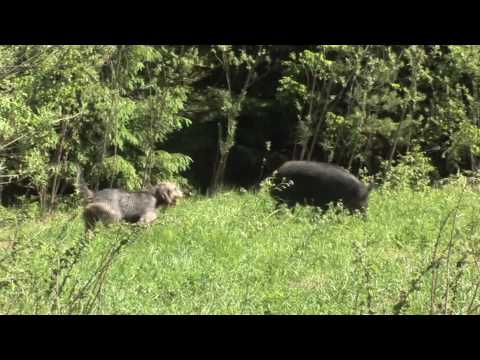
A Griffon Nivernais and two boars
Griffon nivernais and two wild boars

Type and recognitions:

  • FCI CLASSIFICATION:
  • Group :
  • Section : . .

Federations:

  • FCI – Group 6: Scent hounds, and related breeds. – Section 1.2: Medium-sized Hounds. โ“˜
  • UKCScenthounds โ“˜
  • Central Canine Society โ“˜

FCI breed standard "Griffon Nivernais"

Origin:
France

Date of publication of the valid original standard:
24.03.2004

Use:

Bloodhound dog used mainly for rifle hunting of wild boar, usually in pack, but also individually.


General appearance:

This is a tangled dog, typical of its genre, robust, very rustic and hirsute. Limbs and muscles are thin. It is a dog that is used more for its ability to work for long periods than for its speed.. It looks a little sad, but not afraid.

IMPORTANT PROPORTIONS :
The length of the body (scapular-ischial) is slightly higher than the height at the withers. The skull and the nasal passage are the same length.


Behavior / temperament:
  • Behavior: Dog with a very fine sense of smell, stubborn, It especially likes difficult terrain and weeds.
  • Character : Excellent collector, very good hunter, He is brave without being reckless. Its bravery and spirit of initiative allow it to be used successfully in small groups to hunt wild boar.. Although it is easy to trust him with the trail of this animal, sometimes appears stubborn and independent, so much so that his master must know how to make him obey from the most tender age.

Head:

---

Cranial region:

Very thin, light without being small, a bit long, but not in excess. The lines of the skull and the nasal passage are parallel.

  • Skull: Almost flat, medium amplitude. Delimited on the sides by the zygomatic arches, which are not very pronounced. The occipital protuberance is only noticeable by touch..
  • Depression links: Bit strong, it seems however, more accentuated every time the hair rises higher, but without exaggeration.

facial region:

  • Truffle : black, well marked.
  • Snout : Same length as skull, It is not too wide at its end. Its lateral faces converge slightly, but not to the point of creating a pointed snout. There is a little beard on the chin.
  • Lips : Poorly developed, They cover the lower jaw without further ado. They are covered by large, well-pigmented mustaches..
  • Jaws/teeth : Robust looking jaws, normally developed. Scissor joint, sometimes clamp-shaped. The incisors are set at right angles to the jaws.. The denture is complete (PM1 are not taken into consideration).
  • Eyes : Preferably dark. The look is lively and penetrating. Eyebrows are pronounced, but they don't cover the eye. The conjunctiva is not apparent. Eyelids are well pigmented.
  • Ears : median ligament (about 3 cm wide), at the level of the upper eye line. They are hanging, elastic, rather thin, medium amplitude, they turn slightly inwards at the extremity. They are quite hairy, semi long and reach to the birth of the truffle.

Neck:

Rather light, delgado, no appearance of double chin.

Body:

  • Top margin : Straight, from the cross to the loin.
  • Cross : It protrudes very slightly from the line of the back, It is narrow due to the proximity of the tips of the shoulder blades. Blends harmoniously with the neck.
  • Back : Solid and quite long. Rather narrow and steep, with good muscles, although this is not very apparent.
  • Pork loin : Solid, very slightly convex.
  • Rump : Huesuda, a little oblique, of thin muscles.
  • Breast : Go down as far as possible to the elbow. Front part of the chest poorly developed in width. The rib cage is long and widens towards the region of the false ribs.
  • Ribs : The first ones are rather flat, the last ones are more rounded.
  • Flanks : Massifs, although not in excess.
  • Lower margin : Slightly raised towards the back, but not aggrieved.

Tail:

Insertion a little high, not very long. It is thicker in the middle. During rest it appears slightly below the horizontal; when the dog is in action it appears in the shape of a saber, upward, and can be curled over the back at the end.

Tips

PREVIOUS MEMBERS : Seen in conjunction, good poise. Usually, and during rest, the previous members, viewed profile, They seem to be a little back from the vertical (under the dog, seen from the front).

  • Shoulder : Slightly sloping, skinny, well applied to the chest.
  • Elbows : Well attached to the body.Forearms : They look more solid because of their hair., but in reality they are thinner than thick and very straight.
  • Metacarpus : Rather short and slightly sloping.

LATER MEMBERS : Seen in conjunction, the profile appears slightly below the dog. Seen from the back, The vertical line that starts from the tip of the gluteus must pass through the tip of the hock, equally dividing the metatarsus.

  • Thigh : Rather flat. Hock : Tilted. In profile, the hock angle is slightly closed.
  • Metatarsals : They turn a little towards the front (slightly below the dog, seen from the back).

FEET : Oval, slightly elongated, with fingers together and solid. They resemble hare's foot, with good pigmentation in the nails and plantar pads.

Movement:

Elastic and easy (nor irregular, not even in jumps). The dog covers a lot of ground.

Mantle

SKIN : Elastic and quite stretched, well applied over the entire body. It's quite thick, Pigmented. Black spots are seen on the body, lips are well pigmented. There is no presence of dewlap.

HAIR : Long, hirsute and tangled, quite strong and rough (in any case, ni lanudo, ni enrizado). The belly and inner thighs should not be hairless.. Eyebrows, well pronounced, they do not cover the eye. There is some beard on the chin and ear, which is quite hairy.

COLOR : Always carbonated; that is to say, that the tip of the hair is darker than the base (carbon tips). The fawn can be more or less dark, but never orange. The carbonate end may be bluish. The light or dark appearance of the coat depends on how covered it is with carbon hairs. The presence of white hairs spread to a greater or lesser extent throughout the coat is accepted.; This imparts shades ranging from light gray to dark gray, passing through the gray boar. The coat is usually marked with fawn on the eyebrows, cheeks, the front part of the chest, the extremities of the limbs and under the tail. This feature, very visible in the puppy, often fades with age. The coat is characterized by the base color, by how covered it is with carbonaceous hairs and its possible union with the scattered white hairs. It is described for example, the โ€œvery slightly carbonated fawnโ€ (hare hair), the โ€œcarbon sandโ€ (wolf gray) and the โ€œblue carbon fawnโ€ (grey blue). A white spot on the front of the chest is acceptable.


Size and weight:

Height to the cross

  • Males: of 55 to 62 cm..
  • females: of 53 to 60 cm..


Fouls:

Any deviation from the above mentioned criteria is considered an absence and severity of this refers to the degree of deviation to the standard and its impact on the health and welfare of the dog.

โ€ข Behavior: Fearful dog.

MISS PLAYOFFS:

โ€ข Aggressive or fearful dog.
โ€ข Lack of typical features.
โ€ข Upper or lower prognathism.
โ€ข Different colored eyes โ€“ Heterochrome.
โ€ข Knotted tail.
โ€ข Complete black coat (absence of carbon fawn hair), wheat or orange, tricolor of bright and clearly delimited colors. white tips.
โ€ข Considerable depigmentation (truffle, eyelids, lips, around the anus, of the vulva, of the testicles).
โ€ข Size that deviates from the standard.
โ€ข Visible disabling defect. anatomical malformation.
โ€ข Presence of spurs, except in countries where it is prohibited by law to eliminate them.

Any dog โ€‹โ€‹showing clear signs of physical or behavioral abnormalities must be disqualified..


N.B.:

Males should have two normal-appearing testicles fully descended into the scrotum..

Source: F.C.I - International Cynological Federation

Alternative names:

1. Griffon Nivernais (English).
2. Griffon Nivernais (French).
3. Griffon Nivernais (German).
4. Griffon Nivernais (Portuguese).
5. Griffon Nivernais (espaรฑol).

โ–ท The world of Pets: Dogs, cats, birds, reptiles, amphibians

Grand basset griffon vendรฉen
Francia FCI 33 . Small-sized Hounds

Grand basset griffon vendรฉen

The Grand basset griffon vendรฉen is tenacious, brave and a little stubborn.

Content

History

The Grand basset griffon vendรฉen have been through more than 400 years of evolution to produce today's French hounds.

In general, French hounds developed into the breeds they are today forming to fit the particular needs of their geographic areas. The dense region, thorny and rocky area of โ€‹โ€‹the Vendรฉรฉe required a hardy breed of dog with mental and physical toughness and a coat that resisted brambles. It also, lower-class hunters who did not own horses needed a slower hound to keep up. His solution was to shorten the dog's legs and, through evolution and breeding, a short dog was created. At the end of the 19th century, the Grand basset griffon vendรฉen, combining rusticity and a shortened leg, had evolved as part of the basset breeds of France.

Working more on producing the exact size and proportions needed to hunt different game animals, the Vendeen Griffon Club, founded in 1907, recognized two varieties of Basset Griffon Vendรฉen, the Grand basset griffon vendรฉen and the Petit Basset Griffon Vendรฉen.

In the decade of 1950, the Grand basset griffon vendรฉen was separated on its own standard and considered a separate breed, although the miscegenation between basset vendeano "Big" and "Small" were not banned until 1977.

The first selections were made in the late 19th century by the Earl of Elva, who was looking for straight-legged dogs, but it was Paul Dezamy who established the type. He had understood that to catch a hare on the move, dogs of a certain size were needed, that he fixed on some 43 centimeters.

Today it is used for rifle hunting and can hunt all furry animals, from the hare to the wild boar. A herd of Grand basset griffon vendรฉen won the 5th European Hare Championship.

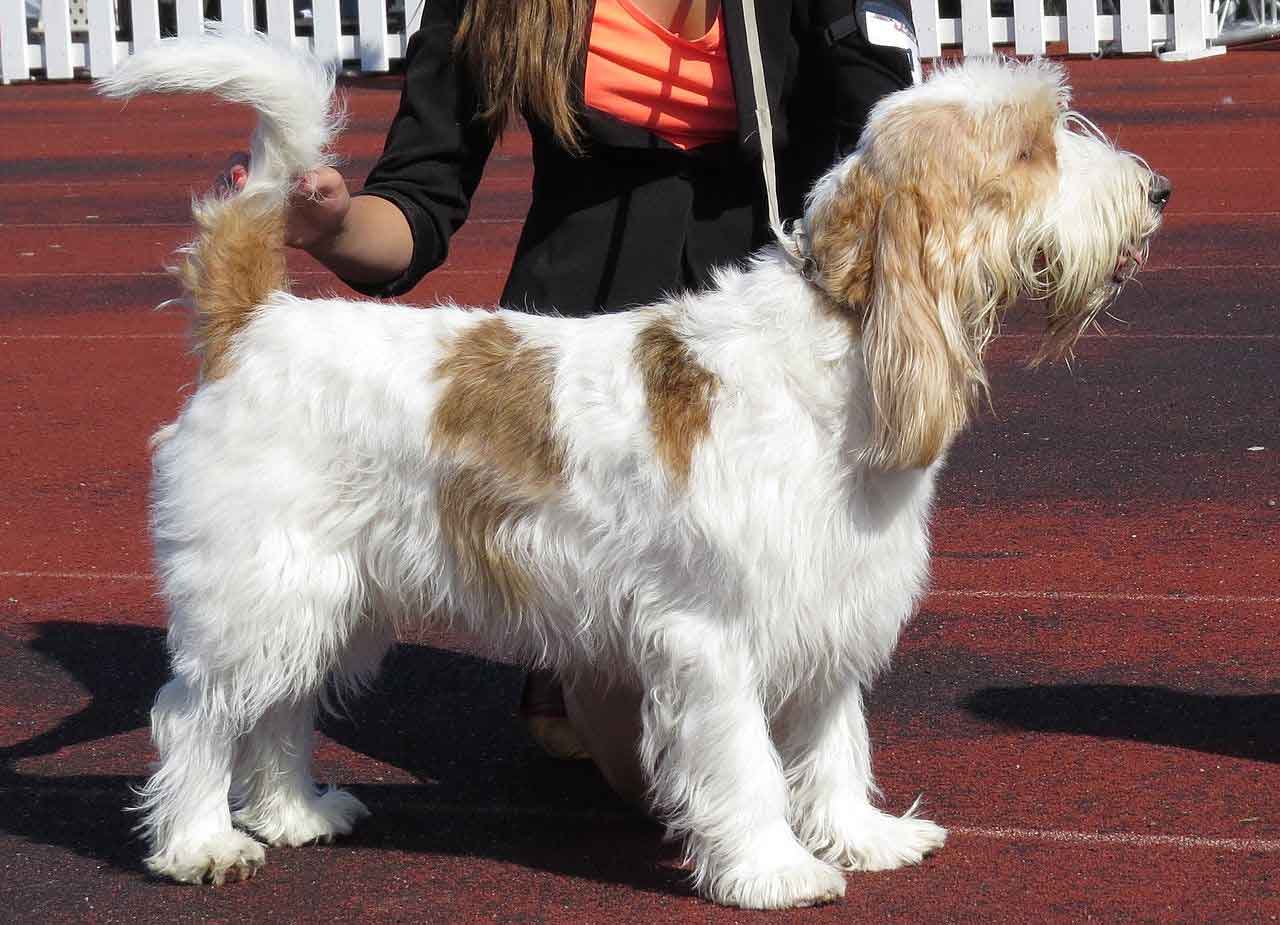
Photo: Grand Basset Griffon Vendรฉen in Tallinn duo CACIB, 17-18 Aug 2013, handler competition by Thomas, CC BY-SA 3.0, via Wikimedia Commons

Physical characteristics

The Grand basset griffon vendรฉen it is a well balanced, heavily built, an olfactory hound with a friendly and noble character. It is medium in size, with straight legs and deep chest. It is longer than high, with a moderately long muzzle, long ears and a long tail.

His neck is moderately long and strong, his noble head with mustache and beard, and is crowned by long protective eyebrows. Its structure was designed to hunt rabbits and hares, at a rapid pace through the brambles, protected with his long eyebrows, and on the rugged terrain of the Vendรฉe area in France.

He is a brave hunter, passionate and very skillful who nowadays is used to hunting not only rabbit and hare but also wild boar and roe deer. It is active, possesses great stamina for a full day of hunting and uses his voice freely while on the trail.

Any feature that detracts from its functionality is a serious fault..

Character and skills

The calm and docile demeanor of the Grand basset griffon vendรฉen makes them excellent companions and house dogs. Prepare to give him plenty of exercise. They won't thrive like a couch dog. They should have a fenced area to exercise, since these hunting dogs can't resist the urge to chase. They are sturdy and do not slow down with age, so plan to keep your exercise routine well into your teens.

You should be aware that like all hounds, the Grand basset griffon vendรฉen generally has a high prey drive and will follow its nose wherever it goes. Not only is a fence necessary and / or a strap, it is also required to train a constant memory from childhood. Another feature of Grand basset griffon vendรฉen is your free use of voice; no amount of training will stop this chatterbox. If you don't like your dog talking to you, this breed may not be for you.

Health

As in all races, there may be some health problems. Some dogs may face these health challenges in their lives, but most of the Grand basset griffon vendรฉen they are healthy dogs. Working with a responsible breeder, those who wish to own a dog of this breed, they can get the information they need to learn about the specific health problems of this beagle. Good breeders use genetic testing of their breeders to reduce the likelihood of disease in their puppies.

Recommended health tests for this breed:

  • Hip evaluation
  • Ophthalmologist evaluation
  • cardiac exam
  • Patella evaluation
  • Thyroid evaluation
  • Characteristics "Grand basset griffon vendรฉen"

    Coexistence is important that you have with your new friend. Before considering the acquisition of a dog of the breed "Grand basset griffon vendรฉen" you know certain factors. Not all breeds of dogs are apt to live in an apartment, you must take into account his character, their need for exercise, their interaction with other pets, their care and if you have small children, their level of tolerance towards them.

    Adaptation โ“˜

    3,0 of 5 stars (based on 1 review)

    friendly dog โ€‹โ€‹โ“˜

    2,0 of 5 stars (based on 1 review)

    hair loss โ“˜

    4,0 of 5 stars (based on 1 review)

    Affection level โ“˜

    3,0 of 5 stars (based on 1 review)

    Need for exercise โ“˜

    4,0 of 5 stars (based on 1 review)

    Social need โ“˜

    2,0 of 5 stars (based on 1 review)

    Home โ“˜

    3,0 of 5 stars (based on 1 review)

    Toilet โ“˜

    3,0 of 5 stars (based on 1 review)

    Friendly with strangers โ“˜

    3,0 of 5 stars (based on 1 review)

    barking โ“˜

    4,0 of 5 stars (based on 1 review)

    Health โ“˜

    4,0 of 5 stars (based on 1 review)

    Territorial โ“˜

    3,0 of 5 stars (based on 1 review)

    Cat friendly โ“˜

    2,0 of 5 stars (based on 1 review)

    Intelligence โ“˜

    3,0 of 5 stars (based on 1 review)

    Versatility โ“˜

    3,0 of 5 stars (based on 1 review)

    Child friendly โ“˜

    4,0 of 5 stars (based on 1 review)

    Surveillance โ“˜

    4,0 of 5 stars (based on 1 review)

    joy โ“˜

    4,0 of 5 stars (based on 1 review)

    Type and recognitions:

    • FCI CLASSIFICATION:
    • Group :
    • Section : . .

    Federations:

    • FCI – Group 6: Scent hounds, and related breeds. – Section 1.3: Small-sized Hounds. โ“˜
    • Central Canine Society โ“˜

    FCI breed standard Grand basset griffon vendรฉen

    FCIFCI - Grand basset griffon vendรฉen
    Big

    Alternative names:

    1. Basset Griffon Vendรฉen (Petite), PBGV (English).
    2. Grand basset griffon vendรฉen (French).
    3. Briquet Griffon Vendรฉen, GroรŸer Basset Griffon Vendรฉen (German).
    4. (em francรชs: Grand basset griffon Vendรฉen) (Portuguese).
    5. GBGV (espaรฑol).

    โ–ท The world of Pets: Dogs, cats, birds, reptiles, amphibians

    Great Dane
    Alemania FCI 235 - Molossoid - Dogo

    It is an expensive dog, that he eats in proportion to his size and that when he is young he needs some care

    Content

    Characteristics "Great Dane"

    Coexistence is important that you have with your new friend. Before considering the acquisition of a dog of the breed "Great Dane" you know certain factors. Not all breeds of dogs are apt to live in an apartment, you must take into account his character, their need for exercise, their interaction with other pets, their care and if you have small children, their level of tolerance towards them.

    Adaptation โ“˜

    3,0 of 5 stars (based on 1 review)

    friendly dog โ€‹โ€‹โ“˜

    3,0 of 5 stars (based on 1 review)

    hair loss โ“˜

    3,0 of 5 stars (based on 1 review)

    Affection level โ“˜

    3,0 of 5 stars (based on 1 review)

    Need for exercise โ“˜

    2,0 of 5 stars (based on 1 review)

    Social need โ“˜

    4,0 of 5 stars (based on 1 review)

    Home โ“˜

    5,0 of 5 stars (based on 1 review)

    Toilet โ“˜

    1,0 of 5 stars (based on 1 review)

    Friendly with strangers โ“˜

    3,0 of 5 stars (based on 1 review)

    barking โ“˜

    2,0 of 5 stars (based on 1 review)

    Health โ“˜

    4,0 of 5 stars (based on 1 review)

    Territorial โ“˜

    5,0 of 5 stars (based on 1 review)

    Cat friendly โ“˜

    3,0 of 5 stars (based on 1 review)

    Intelligence โ“˜

    3,0 of 5 stars (based on 1 review)

    Versatility โ“˜

    3,0 of 5 stars (based on 1 review)

    Child friendly โ“˜

    3,0 of 5 stars (based on 1 review)

    Surveillance โ“˜

    2,0 of 5 stars (based on 1 review)

    joy โ“˜

    5,0 of 5 stars (based on 1 review)

    History

    The Great Dane is the oldest breed in modern dog breeding in Germany. Since then it is considered by many as the Apollo among dogs – after the greek deity. And in fact, the Great Dane it is a dog with a special charm and a unique and impressive charisma and elegance. The origin of this breed is only partially found in Germany. Already in the 16th century the Great Danes are said to have originated in England, as described in historical sources "crossing the mastiff with the Irish greyhounds". The name ยซDoggeยป, the old english word for dog, from which the current ยซDogยป, also speaks of a British line of descent. But, this type of dog was already bred in ancient times and was depicted on stone tablets.

    Also on the European continent, old bull teethers regularly mated with greyhounds and hunting dogs, since these results of the crosses were perfectly adapted to the great hunts of the boar nobility, bears and wolves. Little by little, a breed of its own with molossi developed., Greyhound and some hunting dog blood. In 1867 the viennese cynologist Leopold Fitzinger distinguished three variants of Great Dane: the common mastiff, english and danish. Even today the great danes They are called "Great Daneยป in some languages. Modern analyzes by geneticists confirm the views of ancient cynologists about ancestors, and even assign them to greyhounds instead of molossians.

    In 1888 the Club of the Great Dane In Berlin. It is the first and oldest pedigree dog breeding club in Germany.. The Great Dane modern should now become a representative companion and protector. It also, should be even more elegant. So the standard was adapted to these ideas. It was possible to achieve an extremely elegant and harmonious mix of these very different origins.. The Great Dane combines the elegance and speed of hounds with the power and carefreeness of the molossians.

    Physical characteristics

    The Great Dane it is an extremely large and powerful dog but at the same time very elegant and sensitive. A male dog reaches a height at the cross of 80 cm., often even more. Bitches are slightly smaller. The Great Dane has a unique charisma. The animal painter and dog connoisseur Richard Strebel already betrayed 1914 to the breeders of the Great Dane, the: ยซ… they have created a dog that can be considered without exaggeration as the most successful in size, proportion, strength and elegant movement never created in dogs." Unfortunately, this respect is not always shown in breeding Great Dane. Regardless of your health, are used for extreme breeding, the so-called gigantism, as well as for games with defective genes for rare coat colors; genes that can also cause serious illness.

    While around 1900 the height at the withers for males was 76 – 80 cm., The FCI standard valid today says โ€œat least 80 cmยป without any clear upper limit. This allows the Great Dane reach the dubious honor of the world's largest dog. According to the Guinness Book of Records, this was the male Great Dane ยซGibsonยป con 108 height cm. That was in August 2004. Gibson still reached an age of almost 7 years, but the last years only in 3 legs. His record was expanded more and more.

    ยซZeusยป the Michigan/EE.UU. reached a height of 112 cm and died with just 5 years, supposedly already in old age – Dubious records at the expense of dog welfare. The Great Dane it's impressive enough even without those dubious extremes. Its sovereign and elegant appearance is also highlighted by its silky coat. It is a very short coat, which is close to the muscular body with a slight shine. Colors are yellow or black, blue, tabby or stained.

    • Fur: Satin.
    • Color:
    • – Tawny: yellow golden colour with black mask. The eyebrows and edges of the eyes must be black, While the ears and the tail may be clearer.
      – Striped: Fawn and black in a striped pattern.
      – Blue: Dark steel grey, allowing white markings on chest and legs.
      – Negro: Jet Black pure, allowing white markings on chest and legs.
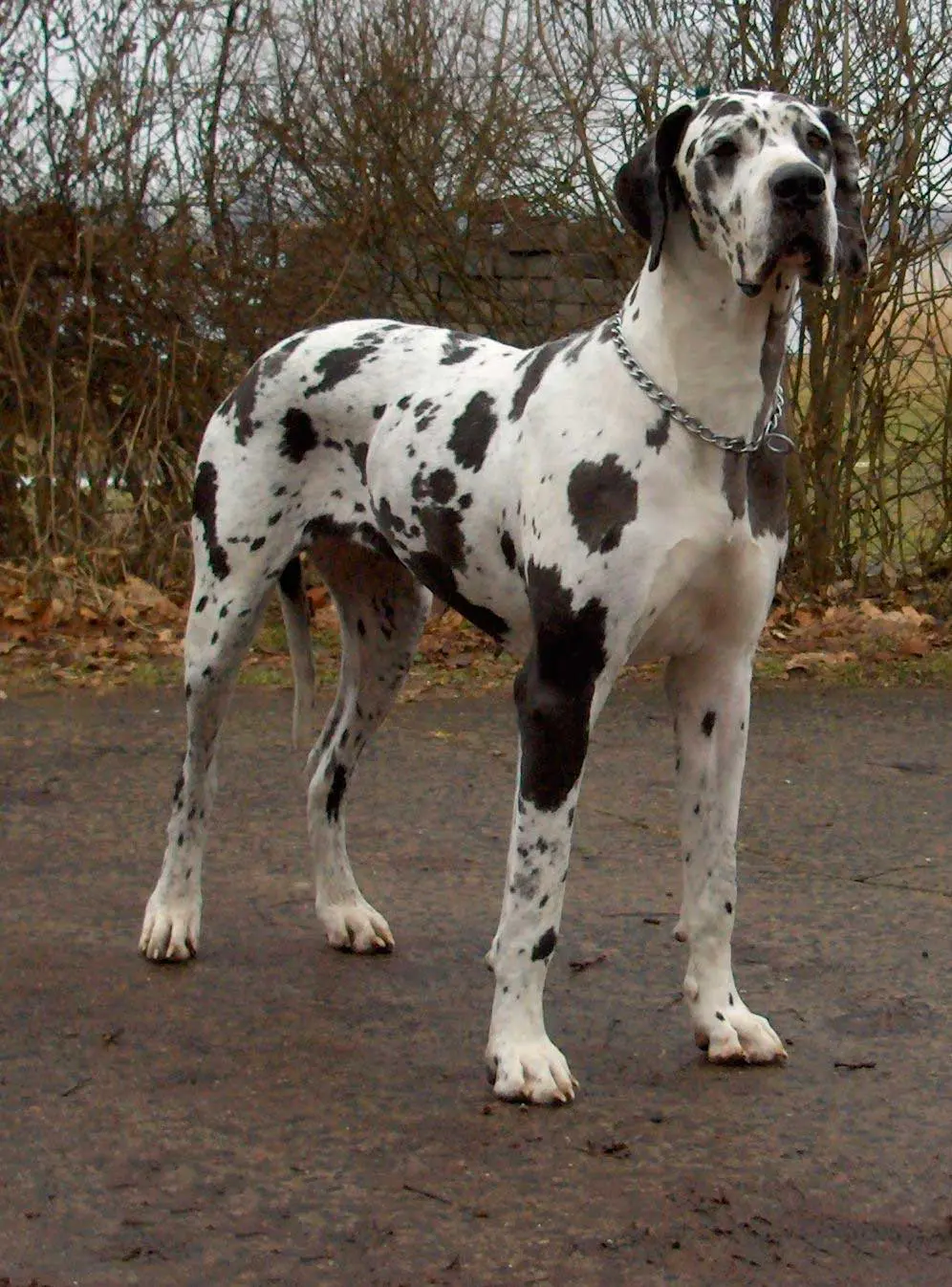
      – Harlequin: White with black patches. The Great Dane is the only breed to display this color pattern on its coat..

    • Size: the minimum height for males is 80 cm and for the females of 72 cm.

    Character

    The Great Dane is often described as a gentle giant, but it is naturally protective when the situation requires it. He is loving and loves people, and those qualities should never be perverted by encouraging aggressive behavior.

    In terms of character and size the Great Dane a dog is not for beginners. Belongs exclusively to the hands of experienced dog owners, who can and want to be fully involved with the animal. So there is no more inspiring companion than this dog. El Canciller del Reich Otto von Bismarck, who was accompanied by great Danes all his life, he openly admired the intelligence and abilities of his great danes and is said to have said: ยซI have great respect for my dog's knowledge of human nature – "He is faster and more complete than me."

    Great Danes love children, but they must learn to be nice to them. And a blow from that wagging tail will knock a little boy down, so it's important to monitor their interactions. These large dogs can also learn to get along with other pets., especially when raised with them.

    A fenced yard is necessary to prevent the Great Dane go for a walk alone. Not usually a jumper, so a six foot fence should be enough to keep it contained. Note that while adult Great Danes are quite calm, puppies are very active and enjoy digging in gardens..

    You might think that the Great Dane it is more suitable for outdoor life due to its huge size, but it's just the opposite. Should be an indoor dog that is part of the family. When that's the case, the Great Dane is loving, learns well and is easily trained. Left to his own fate, the amount of destruction it can do to your home and garden is beyond imagination.

    any dog, no matter how pleasant it, detestable levels can develop barking, excavation, counter-browsing and other undesirable behaviors if you are bored, untrained or unsupervised. And any dog รขโ‚ฌโ€นรขโ‚ฌโ€นcan be a test that live during adolescence. In the case of the Great Dane, The "adolescence" years can begin at six months and continue until the dog is about two years old.

    Start training your puppy the day you bring him home. Even at eight weeks old, He is able to absorb everything you can teach you. Don't wait until you are six months old to start training or you will have to deal with a stubborn dog. If possible, Take it to a trainer when you have between 10 and 12 weeks, and socializes, socialice, socialice. But, Note that many kinds of training puppies require certain vaccinations (such as kennel cough) stay up to date, and many veterinarians recommend limited exposure to other dogs and public places until puppy vaccinations (including rabies, distemper and parvovirus) They are completed. Instead of formal training, You can start training your puppy to socialize at home and among family and friends until immunizations are completed in the puppy.

    Talk to the breeder, Describe exactly what you want in a dog and ask for help choosing a puppy. Breeders see puppies daily and can make incredibly accurate recommendations once they know something about their lifestyle and personality.

    The Great Dane perfect doesn't come fully formed out of the puppy box. It is a product of his background and upbringing. Look for one whose parents have good personalities and who have been well socialized since the puppy's young age.

    Great Dane fitness

    The maintenance of Great Dane it is very complex and expensive. Food in the required quality and quantity, possible veterinary and drug costs, direct and indirect transportation costs and more require a financially wealthy owner. Yes a Great Dane wants to sit on the couch, you need all the two-seater, at least. Furniture made of solid faux leather has proven its worth here. The Great Dane should not be kept in a small apartment, Better is a house with a garden. The ideal would be to live in a rural area. Hectic urban centers are not the place where these big dogs feel comfortable. Also dog and owner are often met with rejection and even open hostility here. This must be considered.

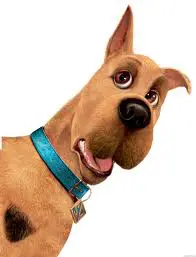
    Scooby Doo

    Fiction has made it one of the best-known dogs to the general public.. Scooby Doo character is a Great Dane.

    The Great Dane it is a big dog that wants to have a lot of movement. But, he is hardly ever seen on the street, although with 1.200 puppies a year ranks ninth on the VDH bestseller hit list (German Canine Federation), even before dog breeds like the Bernese Mountain Dog or the Chihuahua, they are seen much more often on the streets. Often these giants are only locked up once they are past their puppy age and - poorly socialized and educated.- can no longer be managed by the owner who is not familiar with dogs. The Great Dane not a kennel dog. He is basically a family dog รขโ‚ฌโ€นรขโ‚ฌโ€นand wants and needs the loving connection with his human family. Is smart and responsive. One should not think about what to do if this big dog, at times of 90 kg, is sick and has to be loaded. So, buying a Great Dane must be carefully considered.

    Great Dane Education

    The Great Dane a dog is not for beginners. Its strength and potential danger require expert and loving socialization, education and guidance already in the puppies. It is sensitive and intelligent and does not forgive any mistakes of the owner so quickly. She likes to be guided and educated, but not by any means of coercion. Many normal dog training aids do not work with the Great Dane, simply because it is too strong. In case of doubt, even the strongest man will not wear the leash. Due to overexploitation and unilaterally oriented breeding selection towards outward appearances, today there are, although extremely rare, specimens with idiopathic aggressiveness, which then represent practically insoluble problems for an education.

    Great Dane Health

    Great Danes also suffer from a high incidence of cardiomyopathy, a disease of the heart muscle that causes the heart to enlarge. This is very common in many giant dogs, and when it occurs late in life, can often be controlled with medication. Have your dog's heart checked at least once a year, and that any unusual murmurs or symptoms be investigated by a board-certified veterinary cardiologist. This condition can also be genetic., but currently available tests can only rule out the dog at the moment; a dog could shed one day and develop heart disease the next.

    Great Danes can also suffer from hip dysplasia, a crippling malformation of the hip socket that may require expensive surgery to repair and can result in painful arthritis later in life. Another genetic problem with an imperfect screening test, The best prevention for hip dysplasia at this time is to buy only a puppy whose parents have been tested with normal hips and who have very few close relatives with the disease.. Keep your dog slim, especially when young, can also help.

    Another painful bone disease is hypertrophic osteodystrophy., that occurs during the puppy's rapid growth phase. Ask Your Vet About Large Breed Puppy Foods. These diets are formulated to help puppies grow slowly., which can help prevent developmental orthopedic problems.

    Cancer is another major cause of death in the Great Dane, especially bone cancer. They are also prone to other skeletal problems, visual and neurological, both older and younger.
    Not all of these conditions are detectable on a growing puppy, and it is impossible to predict if an animal will be free of these diseases, so you need to find a reputable breeder who is committed to raising the healthiest animals possible. Must be able to produce independent certification that the dog's parents (and grandparents, etc.) have been examined for common defects and considered healthy for breeding. That's where health records come in..

    Careful breeders screen their breeding dogs for genetic diseases and breed only the healthiest, best-looking specimens., but sometimes mother nature has other ideas and a puppy develops one of these diseases despite good husbandry practices. Advances in veterinary medicine mean that in most cases dogs can still live a good life. If you are going to have a puppy, ask the breeder about the ages of the dogs in their lines and what they died of.

    Remember that after you have welcomed a new puppy into your home, has the power to protect you from one of the most common health problems: the obesity. Keep a Great Dane with a proper weight is one of the easiest ways to prolong your life. Make the most of your preventive skills to help ensure a healthier dog for life.

    Great Dane care

    The Great Dane has a short coat, thick and smooth. Falls moderately, in other words, more than you might think, but it requires little cleaning. Brush into Danish weekly with a rubber glove or soft bristle brush to keep hair and skin healthy. In spring and autumn, will have a heavy shed, known as "blowing" the coat and will need to be brushed more frequently during that time to get rid of all the loose hair.

    Bathe Danish as you like or only when it gets dirty. With the gentle dog shampoos available now, you can bathe a dane weekly if you want without damaging his coat.

    The rest is basic care. Cut your toenails every few weeks. Long nails can catch on things and tear off. That is so painful, and bleed much. Brush your teeth frequently for good dental health. To prevent ear infections, keep ears dry and clean, using a cleaning solution recommended by your vet.

    Nutrition / Food

    The Great Dane consume large amounts of food. At the same time, this food must be of a very high quality and must be selectively composed during the growth phase, which lasts up to two years. When it comes to eating, sometimes it is very rustic. Certainly not all, but some Great Danes don't have the best "table manners". So it may occasionally happen that the dog, as well as the feeding place should be cleaned after eating. How to minimize the risk of stomach torsion in this predisposed breed through proper feeding management is very important.

    Life expectancy

    Life expectancy Great Dane has increased slightly from the extremely low level of 2004 with 6 years and 6 months to 7 years, according to British Kennel Club statistics. As a general rule: the bigger and more unusual the coat color, less will be the life expectancy. Already at the age of 8 years a Great Dane he's officially considered an old man nowadays. Without gigantism and healthy breeding it could have a life expectancy of 10 to 12 years.

    Buy a Great Dane

    Only puppies from parents with a maximum height of 80 cm to the cross and have the colors yellow, striped, black, spotted. It also, Care must be taken to avoid inbreeding to get a puppy Great Dane healthy. One should know how old the ancestors of the puppies were. Those interested in dogs can find a Great Dane in one of the emergency initiatives for dogs and offer them a loving home. Maintaining Great Danes is very expensive. Acquisition costs can be negligible compared.

    Images "Great Dane"

    Photos:

    1 – Little Great Dane of 5 months, color negro by Eacampbell14 / CC BY-SA
    2 – 07 VICKY TRES MESES by https://flic.kr/ps/H4SaY
    3 – Great Dane by https://www.pxfuel.com/es/free-photo-oqedh
    4 – Great Dane by https://www.publicdomainpictures.net/es/view-image.php?image=34101&picture=great-dane-dog
    5 – Great Dane Dog Close-up portrait of a Harlequin Great Dane dog by public domain
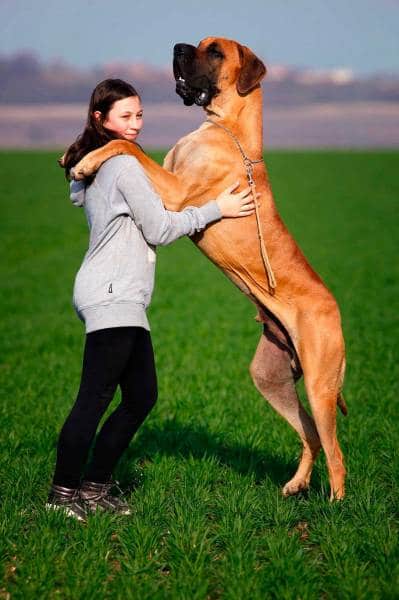
    6 – Large size dog standing on woman wearing gray pullover hoodie on green open field at daytime by https://www.wallpaperflare.com/large-size-dog-standing-on-woman-wearing-gray-pullover-hoodie-on-green-open-field-at-daytime-wallpaper-zqizp

    Videos "Great Dane"

    Type and recognitions:

    • FCI CLASSIFICATION:
    • Group :
    • Section : . .

    Federations:

    • FCI – Pinscher and Schnauzer-Molossoid type dogs – Swiss Mountain Dogs and Cattledogs. Section 2.1 Molossoid, mastiff type. โ“˜
    • AKC – Working dogs โ“˜
    • CKCโ“˜
    • โ€‹KC – Working dogs โ“˜
    • NZKC – Non-Sporting โ“˜
    • UKC – Watchdog โ“˜

    FCI breed standard "Great Dane"

    Origin:
    Denmark, France, Germany

    Date of publication of the valid original standard:
    08/10/2012

    Use:

    Guard and protection dog, service dog


    General appearance:

    The Great Dane brings together in its aristocratic general appearance a strong body structure combined with pride., strength and elegance. The substance together with its nobility and harmony in its appearance with the layout of its well-proportioned lines, an especially expressive head give the observer the image of a noble statue. It is neither too elegant nor gross. The difference between the sexes is clearly defined. It is the Apollo among the dog breeds.


    PROPIMPORTANT ORTIONSIts structure is almost square, especially in males. Females may have a slightly longer body.


    Behavior / temperament:

    Friendly, love or and devoted to his master. In front of strangers it can be somewhat reserved. A companion dog is required, family, self-confident, not scary, easy to handle and educate with a high stimulation threshold, without being aggressive.

    Head:

    In harmony with its general appearance, elongated, close, significant but not wedge-shaped. Expressive, finely chiseled (especially in the area under the eyes). The distance from the tip of the nose to the stop and from the stop to the slightly marked occiput should be as much as possible. The top line of the muzzle and skull should definitely be parallel. Viewed from the front, the head should have a narrow appearance and the nose should be as wide as possible..

    Cranial region:
    • Craging: Superciliary arches well developed but not protruding.
    • Ston: Clearly defined.

    facial region:

    • Trufa: Well developed, wider than round (nostrils wide open). Must be black except for Great Dane spotted black and white. In these, a black truffle is desired and a truffle with black or flesh-colored spots is tolerated.. In blue dogs the truffle is the color of anthracite (diluted black).
    • Horcico: Deep and possibly rectangular. Not pointed or with too little or protruding edges. Well marked lip commissure. Dark pigmented bumps. Black and white spotted Great Dane should tolerate not fully pigmented or flesh-colored gills. The nasal bridge should never be concave, convex or descending forward.
    • Jaws/Teeth: Wide and well developed jaws. Scissor bite, strong, healthy and complete. (42 teeth according to dental formula). Lack of P1 of the lower jaw is tolerated. All deviations from a complete scissor bite are absolutely unwanted.
    • Cheeks: Cheek muscles only slightly marked and in no way protruding.
    • Ojors: Medium in size with a lively expression, Smart and friendly. Where possible dark, almond shaped with well attached eyelids. Their placement not too far apart nor should they be eyes of an elongated shape. Clear eyes are undesirable, stabbing and amber yellow eyes. Slightly clearer eyes are allowed in the Blue Great Dane. Black and white spotted Great Dane should tolerate light eyes or eyes of undefined color.
    • Obars: By nature pendants, high insertion, medium size with its front edge resting on the cheeks. They should not have an insert too high or too low or separated or flat on the sides.

    Neck:

    Long, dry, muscular. It should not be short or thick. Well developed insert, tapering slightly towards the head and its upper line arched. Postage raised, somewhat slanting forward but not forming a deer neck. Too much loose or double chin is unwanted.

    Body:

    • Cruz: It is the highest point of a robust body. It is formed by the scapulae that go beyond the spinal process.
    • Dorrso: Short and firm, in an almost straight line with an imperceptible drop backwards. In no case ascending towards the posterior or too long.
    • Itmor: Slightly arched, width, good muscular.
    • Glikeness: Wide, with strong muscles, slightly falling from the sacrum to the insertion of the tail with which it merges impercepti- blebly. The rump should never fall abruptly or be completely flat..
    • Pecho: Reaches up to elbow joint. Well arched ribs extending backwards. Chest of good width and depth with a well developed chest without the sternum being too marked. Ribs should not be flat or barrel-shaped.
    • Lรญnlower ea and abdomen: Belly retracted well towards the back, forming a moderate curved line with the lower portion of the thorax. It is not desired in females to keep a loose belly after pregnancy..

    Tail:

    Reaches up to the tibial-tarsal joint, should not be too long not too short. High and wide insert, it should not be too high or too low nor too thick. Tunes evenly towards the end. At rest it hangs down forming a natural curve. When excited or during movement a slight saber bearing but not in the form of a hook or ring and not considerably above the line of the back or to the sides. A brush-shaped glue is not desired.

    Tips

    PREVIOUS MEMBERS: Well angled with strong bones and musculature.

    • Hormbros: Strong musculature. Long and inclined scapula forming an angle of 100ยบ to 110ยบ with the arm.
    • Brazo: Strong and muscular, glued to the body, should be a little longer than the scapula.
    • Elbows: Without deviations, neither in nor out.
    • Antarm: Strong, muscular. Seen from the front or from the side completely straight with vertical stop.
    • Carpo: Strong, firm, very little difference from the structure of the forearm.
    • Metacarpus: Seen from the front, strong and straight. Profile, shows very slight forward lean.
    • Pinis previous: Round, well arched with fingers well together (Jack's foot). Short nails, strong, as dark as possible.

    LATER MEMBERS: The entire skeleton is covered by strong muscles that make the rump, hips and thighs have a wide and round appearance. The hind limbs are well angulated and strong, seen from behind are parallel to the forelimbs.

    • Thighs: Long, wide and very muscular.
    • Rodinllas: Strong, positioned almost vertically below the hip joint.
    • PinErna: long, approximately the same length as the thighs. With developed musculature.
    • Atibio-tarsal articulation (Hock): Strong, stable, without deviations, neither outward nor inward.Metatarsus: Short, strong, almost perpendicular to the floor.
    • Pinis later: Round, well arched with fingers well together (Jack's foot). Short nails, strong, as dark as possible.

    Movement:

    Harmonious, agile, covering a lot of ground, slightly elastic. The limbs observed both in front and behind must move in parallel. Without taking short steps, no ambition step.

    Mantle

    PIEL: Footprint, well pigmented in dogs with solid colors. In the black and white spotted Great Dane the distribution of pigmentation corresponds mostly to the spots.

    Plink: Very short, thick, smooth, flattened and shiny looking. It should never be rough, matte or double layer.

    Colorr: The Great Dane is bred in three independent varieties: leonado and tabby, splashed and black, blue.

    • Leonado: Pale golden leonado to intense golden leonado. A black mask is never desirable., bluish fawn or a sooty fawn color. No white marks.
    • Ayougrado: Basic color pale gold fawn to deep gold fawn with regular, clearly drawn black stripes running in the direction of the ribs. A black mask is desirable. Never with discolored stripes. No white marks.
    • Arlequin(Whites with black splattered spots): Pure white base color, if possible, without any mottling, with jet black spots well distributed over the entire body, irregular in shape and with the appearance of being broken.. No gray areas are desired on the stains, blue or brownish as well as a gray-blue splash. The so-called โ€œGrautigerโ€ (have a mainly gray base color on black spots) occur, they are not wanted but they are not disqualified.
    • Negros: Azabach Black White markings on chest and feet are allowed. This includes the โ€œManteltigerโ€ in which black covers the body in the form of a mantle and the snout., neck, chest, belly, Extremities and the tip of the tail can be white as well as Great Danes with a white base color and large black plates. (Record dogs). It is a defect a leonado color, brown or blue black.
    • Awithul: Dark steel blue color, indulging in white markings on chest and feet Never tawny or blackish blue.


    Size and weight:

    Alturto the cross:

    • Males: at least 80 cm not exceeding 90 cm.
    • females: at least 72 cm not exceeding 84 cm.


    Fouls:

    Any deviation from the aforementioned criteria is considered as a fault and the severity of this is considered to the degree of the deviation to the standard and its consequences on the health and well-being of the dog..

    • Cthey are not coming: Insufficient stop
    • Horcico: Rolled lips (lower lips squeezed between the incisors of the upper and lower jaw).
    • Jaws / Teeth: Irregular positioning of the incisors individually as long as the correct bite is maintained, teeth too small partial clamp bite.
    • Ojors: Protruding or placed too deep
    • Hormbros: Loose or overloaded with right shoulder blades
    • Elbows: loose
    • Antarm: Curved, protruding knuckles on the carpal joint
    • Carpo: Outstanding Significantly compromised or inclined.
    • Formertlater remities: angulation very open or very closed In the static cow hock, hocks together or crowded.
    • PinIt: Plans, open, Long Dewclaws.

    FALTAS GRAVES:

    • Temperament: Diffidence, shy or nervous.
    • Cthey are not coming: Amanzanada, too marked cheek muscles
    • Ojors: Loose eyelids, conjunctiva too reddened
    • Dorrso: back sunken or soggy.
    • Glikeness: too inclined
    • Colto: inclined, thickened at the tip or tail amputated
    • Movement: Pasuqueo permanent

    FALTAS DISQUALIFYING:

    • Aggressiveness or extreme shyness.
    • Any dog โ€‹โ€‹showing clear signs of physical or behavioral abnormalities must be disqualified..
    • Temperament: Teether for fear, easily provoked
    • Trufa: liver colored truffle, party nose
    • Ectropiรณn, entropion or macroblefarian Different color in solid color. Watery blue eyes.
    • Jaws / Teeth: Prognathic bite, enognathic the crossed mouth, bite clamp, absence of teeth except two P1 in the lower jaw.
    • Colto: Broken tail.
    • Colorr
      • Gran Danish Leonado and tabby: silver blue or isabella color, white star on the forehead, white collar around the neck, white feet or sockets and white tail tip.
      • Black and White Spotted Great Dane: white without any black spots (albinos) as well as deaf Danes, the so-called Porzellantiger (these mainly show blue spots, leonadas or atigradas). 
      • Gblue danish ran: white star on the forehead, white collar around the neck, white โ€œdumpsโ€ or white tip of the tail.

    Tby hand: Below minimum height.


    N.B.:
    • Males should have two normal-appearing testicles fully descended into the scrotum..
    • Only functionally and clinically healthy dogs, with the typical conformation of the breed, should be used for parenting.

    TRANSLATION: Mrs. Brรญgida Nestler.

    Technical supervision: SR. Miguel Angel Martinez.

    Source: F.C.I - International Cynological Federation

    Alternative names:

    1. Deutsche Dogge, German Mastiff, Boarhound, Apollo of Dogs, Gentle Giant (English).
    2. Grand Danois (French).
    3. Ulmer Dogge, Englische Dogge, Dรคnische Dogge, Hatzrรผde, Saupacker, GroรŸe Dogge (German).
    4. Grande dinamarquรชs, Alano tedesco (Portuguese).
    5. Dogo alemรกn, Alano alemรกn (espaรฑol).

    โ–ท The world of Pets: Dogs, cats, birds, reptiles, amphibians

    Greater Swiss Mountain Dog
    Suiza FCI 58 - Swiss Cattle Dogs

    Gran Boyero Suizo

    Despite its impressive size and weight, The Greater Swiss Mountain Dog is strong and agile.

    Content

    History

    The Greater Swiss Mountain Dog is an old Swiss farm dog. It is the largest of the family of mountain dogs. These served in the mountains and valleys of the Swiss Alps as a complete tool for farmers. They watched the house and the farm. If a herd of cows had to be moved from one meadow to another, they made sure everyone stayed on the road and no cow was left behind.

    The great mountain dogs, from which the current one emerged Greater Swiss Mountain Dog, harnessed in front of larger wagons and served as all-terrain and mountain tractors, more or less like the old one Unimog. It was not unusual for them to be harnessed in pairs in front of a cart full of valuable cheese, so they could independently find their way from the alpine pasture to the village, to the merchant and back. Mountain Dogs and Swiss Cattle Dogs used to be a single family of dogs. What they have in common is a strong bond with family and their farm., a confident self-awareness, a widely lost hunting instinct, a high degree of vigilance, a loving attitude towards his own people and a reserved attitude towards strangers.

    A few ago 100 years, mountain dogs were divided into four breeds: Entlebucher, Appenzeller, Berne, Greater Swiss Mountain Dog – in order of size. This and the artificial fixation in a tricolorism conceived by the breed have not been good for the health of these great dogs.. So the statistics of the British Kennel Club 2014 document a life expectancy of only 8 years for Mountain Dogs and Bovine Dogs. Healthy servants could easily live 4 more years. More about this in the portrait of the respective mountain and cattle dogs.

    The Greater Swiss Mountain Dog became a valuable companion dog, but still has the skills of a working dog. In 1912 The "Club of Great Swiss Mountain and Cattle Dogs" was founded in Switzerland.

    Physical characteristics

    The Greater Swiss Mountain Dog is a big dog, robust, strong-boned and well-muscled. Radiates sovereign calm and self-confident composure, and that's how it is. The difference between the sexes should be quite large.
    The males must have a height at the withers of 65 to 72 centimeters, the females of 60 to 68. The weight is between 35 and 50 kg.

    The standard establishes numerous regulations on the details of coloring, texture and pattern of its coat. I should have brush hair and be tricolor. We see detailed regulations, where white marks are allowed and where they are not. In the interest of dogs, do not take these external characteristics so seriously, that are only devised by your breeder. Turning those details into breeding selection criteria is not in the interest of the welfare of the offspring. Greater Swiss Mountain Dog, they only have an extremely small gene pool anyway. What matters is the character and physical condition of the dogs. this last, Unfortunately, not too rare a problem. The Greater Swiss Mountain Dog it has better qualities than the color of its coat.

    Character and skills

    The Greater Swiss Mountain Dog feel more comfortable in the field. He wants to be moved and you can experience wonderful stress-free walks in nature with him. As it has little hunting instinct and usually has a good ear, you can enjoy relaxed and stress-free hours outdoors with it, even without a strap. But, It is not a companion dog for athletes..

    One Greater Swiss Mountain Dog not suitable for life in the middle of the big city. You don't need a house with a big garden, what would be ideal. He likes to have a land or a yard where he can take care of things. Otherwise, does not have any special requirement regarding its maintenance. Most important is their close integration into the human family. For a permanent or even partial stay in a kennel these dogs are completely unsuitable.

    Educating the Greater Swiss Mountain Dog

    One Greater Swiss Mountain Dog can be trained very well. He likes to learn. It is strongly oriented towards its people, what you can use well. The Great swiss you can read the mood and wishes of your people on their faces. This in turn means that one must approach one's education with feeling and of course with consequence.. He has a pronounced sense of justice and, the other way, expect an equally fair deal. One must not only accept their occasional stubbornness, but you must like it. They challenge an intimate and mutually respectful relationship between dog and owner. The reward is a happy coexistence for both parties.

    Care and health of the Greater Swiss Mountain Dog

    The Greater Swiss Mountain Dog it is very easy to care for, just brush it occasionally.

    Like many large dog breeds, tends to have hip problems (HD) or elbows (ED). La endogamia, unfortunately partly strong, has a negative effect on physical fitness and life expectancy.

    Nutrition / Food

    The Greater Swiss Mountain Dog has no special demands on their diet. Like many dogs of his size, tends to churn your stomach. Therefore you should not eat too fast and let it rest after eating.. Veterinarians often recommend an elevated feeding bowl, that can be purchased in specialized stores. During the breeding season, special attention must be paid to an adapted nutrition.

    The life expectancy of the Greater Swiss Mountain Dog

    One Greater Swiss Mountain Dog is relatively strongly affected by inbreeding and breeding selection that is one-sidedly oriented toward outward appearances, such as fur color details. So, their life expectancy has decreased in part enormously. It's between eight and -healthily- twelve years.

    Buy a Greater Swiss Mountain Dog

    When buying a puppy you must be careful that no ancestor appears twice in the pedigree. (endogamia). Otherwise, you should look for a breeder affiliated with the Swiss Mountain and Cattle Dog Club. You can also find the dog of your dreams at the animal shelter or in an emergency initiative.

    Characteristics "Greater Swiss Mountain Dog"

    Coexistence is important that you have with your new friend. Before considering the acquisition of a dog of the breed "Greater Swiss Mountain Dog" you know certain factors. Not all breeds of dogs are apt to live in an apartment, you must take into account his character, their need for exercise, their interaction with other pets, their care and if you have small children, their level of tolerance towards them.

    Adaptation โ“˜

    3,0 of 5 stars (based on 1 review)

    friendly dog โ€‹โ€‹โ“˜

    4,0 of 5 stars (based on 1 review)

    hair loss โ“˜

    3,0 of 5 stars (based on 1 review)

    Affection level โ“˜

    4,0 of 5 stars (based on 1 review)

    Need for exercise โ“˜

    3,0 of 5 stars (based on 1 review)

    Social need โ“˜

    4,0 of 5 stars (based on 1 review)

    Home โ“˜

    2,0 of 5 stars (based on 1 review)

    Toilet โ“˜

    1,0 of 5 stars (based on 1 review)

    Friendly with strangers โ“˜

    3,0 of 5 stars (based on 1 review)

    barking โ“˜

    4,0 of 5 stars (based on 1 review)

    Health โ“˜

    3,0 of 5 stars (based on 1 review)

    Territorial โ“˜

    5,0 of 5 stars (based on 1 review)

    Cat friendly โ“˜

    3,0 of 5 stars (based on 1 review)

    Intelligence โ“˜

    4,0 of 5 stars (based on 1 review)

    Versatility โ“˜

    4,0 of 5 stars (based on 1 review)

    Child friendly โ“˜

    4,0 of 5 stars (based on 1 review)

    Surveillance โ“˜

    3,0 of 5 stars (based on 1 review)

    joy โ“˜

    5,0 of 5 stars (based on 1 review)

    Images "Greater Swiss Mountain Dog"

    Photos:

    1 – Greater Swiss Mountain Dog, tricolour by Canarian / CC BY-SA
    2 – Greater Swiss Mountain Dog by jude / CC BY
    3 – Big Swiss Mountain Dog and Entlebucher Mountain Dog during International show of dogs in Katowice – Saucer, Poland by Pleple2000 / CC BY-SA
    4 – All Mountain Dogs: Greater Swiss Mountain Dog, the Bernese Mountain Dog, the Appenzeller Mountain Dog an the Entlebucher Mountain Dog by Shining dog / CC BY-SA

    Videos "Greater Swiss Mountain Dog"

    Type and recognitions:

    • FCI CLASSIFICATION:
    • Group :
    • Section : . .

    Federations:

    • FCI – Pinscher and Schnauzer-Molossoid type dogs – Swiss Mountain Dogs and Cattledogs. Section 2.2 Molossoid, mountain type. โ“˜
    • AKC – Working dogs โ“˜
    • CKC – Working dogs โ“˜
    • โ€‹KC – Working dogs โ“˜
    • UKC – Watchdog โ“˜

    FCI breed standard "Greater Swiss Mountain Dog"

    Origin:
    Switzerland

    Date of publication of the valid original standard:
    25.03.2003

    Use:

    Originally used as a guard and traction dog. He is currently used as a family dog., companionship and protection.


    General appearance:

    It is a tricolor dog, robust, strong bone and good musculature. Despite its size and weight, demonstrates agility and endurance. The sexual characteristics of the male and female are pronounced.

    IMPORTANT PROPORTIONS:

    • body length (measured from the tip of the shoulder to the tip of the buttock: height of the cross: = 10 : 9.
    • Chest depth: height of the cross: = 1 : 2.
    • Length of the skull: nose length: = 1 : 1.
    • Skull width: muzzle width: = 2 : 1.


    Behavior / temperament:

    insurance, attentive, awake and fearless in everyday situations, kind and dependent with people he trusts and self-confident in relation to strangers; medium temperament.

    Head:

    In relation to the body, it's strong but not heavy. The head of the males is more powerful than that of the females.

    Cranial region:
    • Skull: Flat and wide with a front groove that gradually heads and disappears upward.
    • Depression links (Stop): Notorious.

    facial region:

    • Truffle: black.
    • Snout: Strong, longer than deep, without looking pointy from above or from the sides. Straight nose cane, no middle groove.
    • Lips: Poorly developed, tight; black pigmented; not hanging.
    • Jaw โ€“ Teeth: Strong jaws. Full scissor bite, strong and regular. Lack of 2 teeth (premolars 1 y/ o 2) is tolerated. The absence of the M3 is not taken into account.

    Eyes: Medium, in the form of almond, not deep or bulging, hazelnut brown or chestnut, of happy and awake expression. Eyelids are well attached. The darkly pigmented edge of the eyelids.

    Ears: Medium-sized, triangular and fairly high set. When the dog is calm, supported and flat; when you are attentive, directs them forward. With enough hair both on the outside and on the inside.

    Neck:

    Strong, muscular, chubby and no chin.

    Body:

    Slightly longer than the height at the withers.

    • Back: Moderately long, strong and straight.
    • Pork loin: Wide and well muscled.
    • Rump: Long and wide, with a gently rounded fall; neither too high nor abruptly dropped.
    • Breast : Strong, width, reaching to the elbows; round-oval rib diameter chest neither flat nor crowded. Well developed sill.
    • Abdomen and lower line: The abdomen and flanks are poorly gathered.


    Tail:

    Inserted in harmonic continuation with the rump. Pretty heavy, reaching the hock; if the dog is calm, the tail hangs; if you are at attention or on the move, wears it higher and slightly curved, but never ringed or on the back.

    Tips

    PREVIOUS MEMBERS:

    • As a whole: Seen from ahead straight and parallel placed rather apart.
    • Shoulder: The long shoulder blade, strong, inclined, glued and well muscled, forming a not very obtuse angle with the arm.
    • Forearm: Straight and strong bone.
    • Metacarpus: Strong, seen from the front, in straight extension of the forearm; seen from the sides almost perpendicular.

    LATER MEMBERS:

    • En set: Seen from behind, straight and not too close. Metatarsals and feet must not be inclined inward or outward; dewclaws must be amputated, except in countries, in which amputation is not permitted by law.
    • Thigh: Rather long, width, strong and well muscled.
    • Knee: Claramente an obtuse angle.
    • PinScheme: Relatively long.Hock: Strong and well angled.

    FEET: Strong, straight, closed, fingers well together, well arched and strong nails.

    Movement:

    Wide and uniform in all types of gears. Good forward reach and good momentum from hindlimbs. When jogging, limbs move in a straight line, seen both in front and behind.

    Mantle

    • Fur: double hair, composed of dense outer layer of medium length, and inner fleece, equally dense, preferably dark gray to black. Short external hair is allowed, if the inner fleece is thick.
    • Color: Typically tricolor: Basic color is black with symmetrical reddish-brown fire markings and white markings. The reddish-brown fiery markings lie between black and white on the cheeks, above the eyes, on the inner side of the ears, at the sides of the chest, on all four limbs and at the bottom of the tail. White markings are located on the head (forehead and muzzle), from throat to chest (without interruption), on the feet and at the tip of the tail. Between the white mark on the forehead and the brown fire marks- reddish over the eyes should be a black streak. White spot on neck or white collar is tolerated.


    Size and weight:

    TAHAND:  
    Alturto the cross In males: 65 โ€“ 72 cm.,
      In females: 60 โ€“ 68 cm..


    Fouls:

    Any deviation from the aforementioned criteria is considered as a fault and the severity of this is considered to the degree of the deviation to the standard and its consequences on the health and well-being of the dog..

    • Dubious behavior.
    • Lack of other teeth, maximum two premolars (PM1 and / or PM2). M3s are not taken into account caliper bite.
    • light eyes; insufficient eyelid occlusion
    • Mantle: Internal fleece of brownish-yellowish or light gray color visible. Dirty colors.
    • Lack of marking
      • Lack of white mark on the head; very wide list.
      • White mark of the muzzle visibly reaching beyond the corners of the lip
      • ยซWhite bootsยป (white color that reaches above the metacarpal or metatarsal joints.
    • Notoriously asymmetrical drawings

    FALTAS DESCALIFICANTES:

    • Aggressiveness or extreme shyness.
    • Any dog โ€‹โ€‹showing clear signs of physical or behavioral abnormalities must be disqualified..
    • Upper or lower prognathism, arcade of the deviated incisors
    • Entropion, ectropion.
    • One eye or two blue eyes.
    • Short hair without undercoat.
    • Long hair.
    • Non tricolor dog.
    • Basic color other than black.


    N.B.:
    • Males should have two normal-appearing testicles fully descended into the scrotum..
    • Only functionally and clinically healthy dogs, with the typical conformation of the breed, should be used for parenting.

    TRANSLATION: Federation Canรณfila Mexicana a.c.

    Source: F.C.I - International Cynological Federation

    โ–ท The world of Pets: Dogs, cats, birds, reptiles, amphibians

    Small Vendรฉe Griffon
    Francia FCI 67 . Small-sized Hounds

    Grifรณn Vandeano Pequeรฑo

    The Small Vendรฉe Griffon or Small Basset Griffon Vendeen It is a small size hunting dog (Petit), under (Basset), hard hair (griffon) of French origin

    It was a race used, mainly, for hunting rabbits due to its large olfactory.

    It was developed from the Grand Basset Griffon Vendรฉen, larger copy, heavy and long.

    In the past, often to raise both races together, was in 1975 crossing them was prohibited-law, although puppies with characteristics of both breeds could still be born in the same litter.

    In France, It was a popular hunting dog for nearly a century (origin s. 16TH); However, the breed is relatively new in other regions.

    It is a small and rustic dog with a careless and natural appearance., hard and rough hair. Their eyebrows, beards and mustaches are wooly. White base, with black spots, Orange or grey.

      Small Vendรฉe Griffon (Hounds of small size)

    โ–ท The world of Pets: Dogs, cats, birds, reptiles, amphibians

    Tazi
    Afghanistan Great Britain FCI 228 . Long-haired or fringed Sighthounds.

    The Tazi (also known as Lebrel Afgano, Afghan Hound, Balkh Hound, Baluchi Hound, Barutzy Hound, Shalgar Hound, Kabul Hound, or Galanday Hound) It is a dog from Afghanistan.

    Read all about the race by clicking on: Afghan Hound.

    โ–ท The world of Pets: Dogs, cats, birds, reptiles, amphibians

    Armenian Gampr
    Armenia Not recognized by the FCI

    Gampr Armenio

    Content

    History

    Armenian Gampr (Armenian Wolfhound Gampr) is the name of a breed of guard dog of cattle that originated in the Armenian mountains (including the territories known today as Eastern Anatolia of Turkey).

    The Armenian Gampr was bred by the local population starting from the primitive dogs of the area that, It was on par with the evolution of societies domesticated.

    Not even being recognized by several important canine clubs as a breed of dog and undergoing an intensive genetic research, in April of 2011 the International Canine Union officially recognized the Armenian Gampr as the national dog breed of Armenia.

    The Gampr has been living for a long time in the prehistoric Armenian mountains, This is demonstrated by thousands of petroglyphs (that symbolic motifs are stones or rocks which have been carved, belonging to very ancient cultures) found throughout the territory. The teacher Oktay Belli from the University of Istanbul has studied petroglyphs found near the modern city of Kars and according to data from his research, various domestic breeds from the area have lived there since the Neolithic period.

    It is not known for sure when the Gampr, and while there is a great diversity among endemic species, back to tens of thousands of years, the Gampr modern is believed to have existed for at least 3.000 years. Petroglyphs found in the plateau of Armenia, show a large number and variety of dogs similar to the Gampr, What has given rise to generate a comprehensive record of development.

    Of the hundreds of petroglyphs found in Ughtasar and the Geghama mountain range, up a 20% of the carved motifs resemble modern ones Gampr, while others show a remarkable diversity of dogs that do not already exist.

    The results of an excavation carried out in 1954 in Lake Sevan, site dating from 800 or 1000 years before Christ, they found the skeleton of a dog perfectly preserved in a tomb. When comparing the skull found with that of a Armenian Gampr and other indigenous dogs, They concluded that he was an ancestor of the race, Although it presented some differences from the modern form in the face, her you estreches of the skull and powerful teeth, counting on these data and adding the changes that caused the selection and breeding process of the last 3.000 years that inevitably, affect the general appearance of the dogs, could affirm that the Armenian Gampr was already established and formed as a race in the first millennium BC.

    The issue is that, the Armenian Gampr modern has changed little through the history of its existence in the highlands of Armenia. It is one of the few natural breeds that exist, โ€œnaturalโ€ because they were not subjected to the harsh selection of phenotypes by the human hand. So they keep intact the genetic diversity they had initially, While they have crossed with other locatarios dogs. But that genetic variation has been something natural and spontaneous.

    Physical characteristics

    The Gampr it is a mountain dog that has a large head, body well delineated and developed, without prominent cheekbones. The back is wide, straight, muscular and strong. To the cross, the height in the males is of 65 centimeters or more, and in females is of 62 centimeters or more. The weight is proportional to the size of the dog, and generally varies between 45 and 60 kg.

    The Armenian Gampr has a highly developed double-layer coat of hair in order to protect it from the extreme temperatures and harsh weather conditions of the area where it was born. The outer layer is long and thick hair, and the hair is short and dense internal.

    Varieties

    There are two varieties of Gampr, guardian and the of Pastor. Pastor tends to be smaller in size, tireless, and a little lighter. The Gampr the guardian type is, generally, higher, more square, and loving and very protective. They have a tendency to be more sedentary, and stay in one place.

    The geographical and cultural coexistence of the Caucasian Shepherd Dog and the Central Asian Shepherd Dog, and its use on farms over time has caused a problem since the survival of the creole breed Armenian Gampr has been threatened…

    The Club of the Armenian Gampr of the United States tries to make it clear -given the similarity between the dogs- that the Armenian Gampr IT IS NOT: a Caucasian Shepherd Dog, a Kangal Shepherd Dog, a Kangal Shepherd Dog, a Akbash, a Karakachan, a Alabai (Central Asian Shepherd Dog), a Koochee, a Tornjak, a Sharplaninac, Although it has some similarities it is good to be able to differentiate between these breeds.

    Character and skills

    The Gampr is distinguished by its vitality, its independence, intelligence and instinct of self-preservation, capacity in the defence and protection of livestock, the exclusive kindness to humans.

    The Armenian Gampr it is a guard dog by nature, Unlike other dogs, This has developed this ability naturally, without previous training. In Armenian the word "Gampr" means "guard dogโ€, but it is also known by other names, like for example "Gelkhehtโ€ (which is derived from the word Wolf), if it is usually used for hunting bears it is known as โ€œArchashoonโ€ (โ€œdog-bearโ€) and if it performs typical functions of a shepherd dog, it is called "Chobanishoonโ€.

    One of the main features of Gampr, It is his innate ability to adjust independently to different situations and reach a decision appropriate to the circumstances. If he Gampr he sees that his master needs his help, will protect it, but if not, pass it… They are affectionate but not corporate.

    Images "Armenian Gampr"

    Photos:

    1 – Armenian Gampr dog by hy.wikipedia user Zara-arush, GFDL, via Wikimedia Commons
    2 – Armenian Gampr by Gampr1, CC BY-SA 3.0, via Wikimedia Commons
    3 – Armenian Gampr by Safi-iren, CC BY-SA 4.0, via Wikimedia Commons
    4 – Sheepdog, Gampr dog in Azerbaijan by Elkhan Ganiyev, CC BY-SA 4.0, via Wikimedia Commons

    Videos "Armenian Gampr"

    Armenian Gampr

    Gampr puppies

    Photo: gampr.org