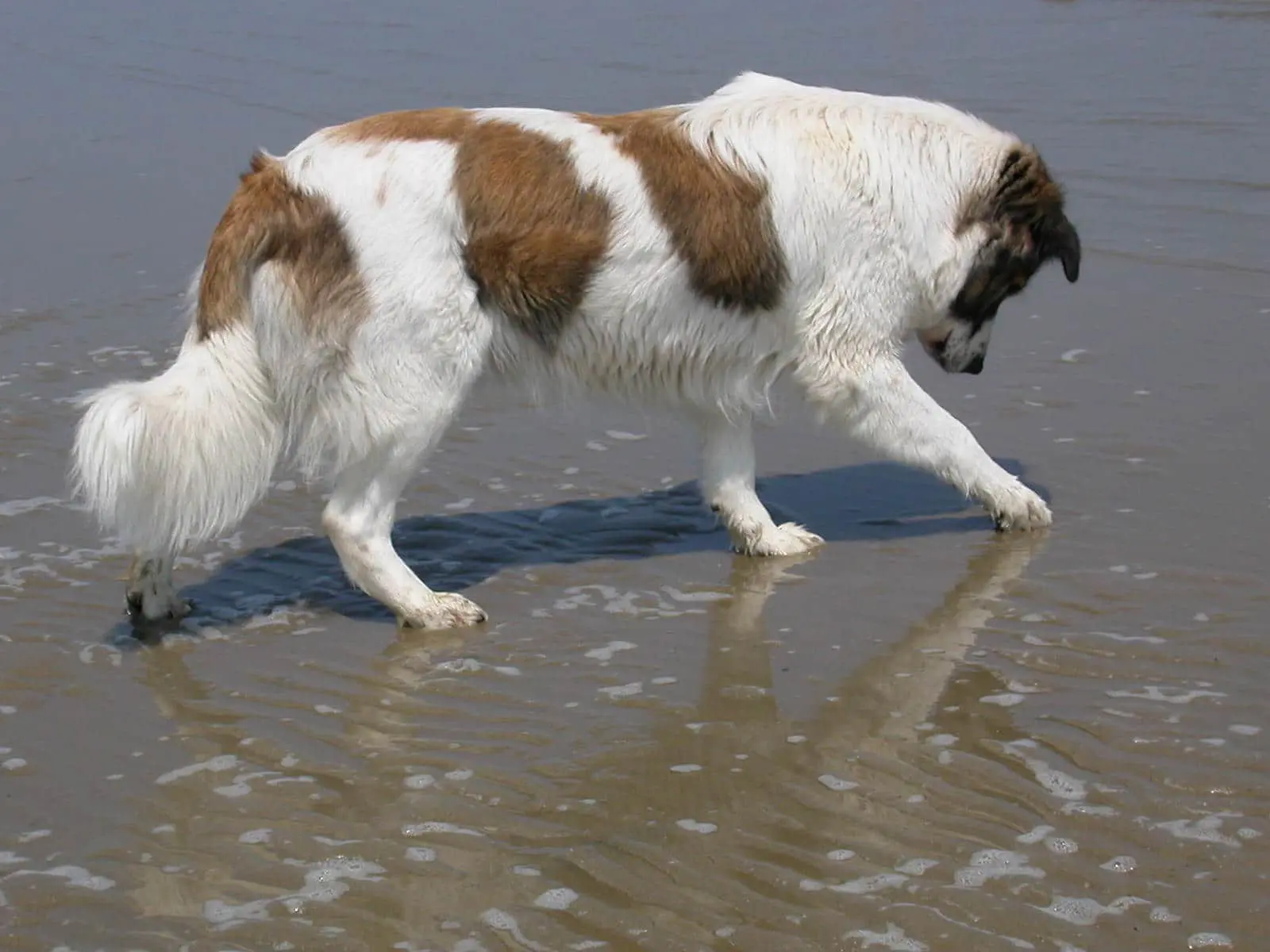
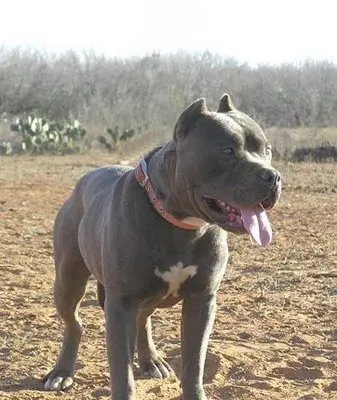
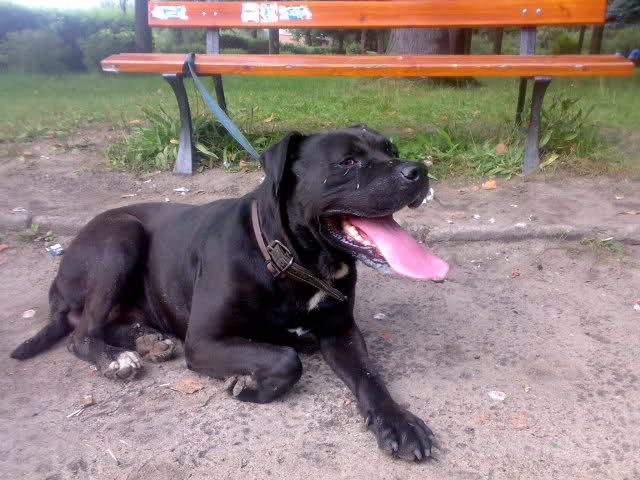
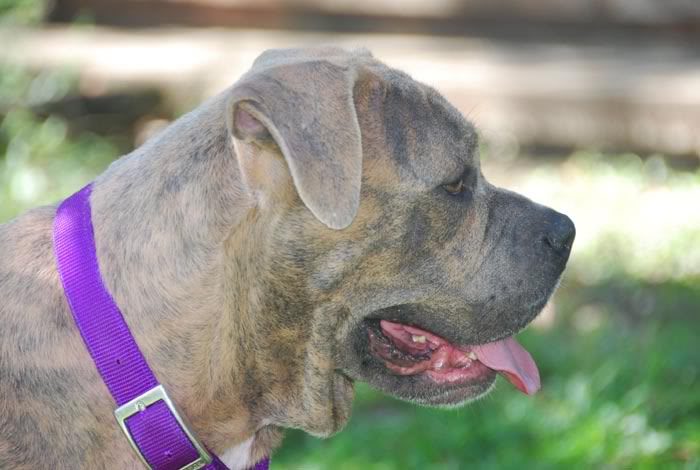
โ–ท The world of Pets: Dogs, cats, birds, reptiles, amphibians

American Hairless Terrier
Estados Unidos Not recognized by the FCI

The American Hairless Terrier lacks genetic abnormalities, as well as health problems.

Terrier americano sin pelo

Content

Characteristics "American Hairless Terrier"

Coexistence is important that you have with your new friend. Before considering the acquisition of a dog of the breed ยซยซ you know certain factors. Not all breeds of dogs are apt to live in an apartment, you must take into account his character, their need for exercise, their interaction with other pets, their care and if you have small children, their level of tolerance towards them.

Adaptation โ“˜

2,0 of 5 stars (based on 1 review)

friendly dog โ€‹โ€‹โ“˜

3,0 of 5 stars (based on 1 review)

hair loss โ“˜

1,0 of 5 stars (based on 1 review)

Affection level โ“˜

4,0 of 5 stars (based on 1 review)

Need for exercise โ“˜

2,0 of 5 stars (based on 1 review)

Social need โ“˜

5,0 of 5 stars (based on 1 review)

Home โ“˜

3,0 of 5 stars (based on 1 review)

Toilet โ“˜

1,0 of 5 stars (based on 1 review)

Friendly with strangers โ“˜

3,0 of 5 stars (based on 1 review)

barking โ“˜

2,0 of 5 stars (based on 1 review)

Health โ“˜

3,0 of 5 stars (based on 1 review)

Territorial โ“˜

3,0 of 5 stars (based on 1 review)

Cat friendly โ“˜

3,0 of 5 stars (based on 1 review)

Intelligence โ“˜

4,0 of 5 stars (based on 1 review)

Versatility โ“˜

3,0 of 5 stars (based on 1 review)

Child friendly โ“˜

4,0 of 5 stars (based on 1 review)

Surveillance โ“˜

3,0 of 5 stars (based on 1 review)

joy โ“˜

5,0 of 5 stars (based on 1 review)

History

The American Hairless Terrier is a rare breed of dog, considered a variant of Buzzard terrier.

The 1 in January of 2004, the American Kennel Club considered it a separate race within the Terrier. It is often confused with the Chihuahua without hair.

Reportedly, the breed started when a hairless puppy appeared in a litter Rat Terrier in the state of Louisiana, United States, in 1972. To the owners Edwin and Willie Scott they liked the dog, both in appearance and temperament, and decided to investigate more environment this variety.

The idea was, get debug hairless variety, but maintaining the characteristics of the breed of origin. Throughout his life, that female conceived three other puppies with the same characteristics that would continue the lineage. In 1981, attempts to continue this race, they were successful.

In 1998, the breed gained recognition as the American Hairless Terrier by the North American Kennel Club and the National Rat Terrier.

Canada was the first country outside the US. in recognition of the race (1999), very difficult question due to its rarity. In 1999 the race was known as a Rat Terrier: hairless variety by the United Kennel Club.

Physical characteristics

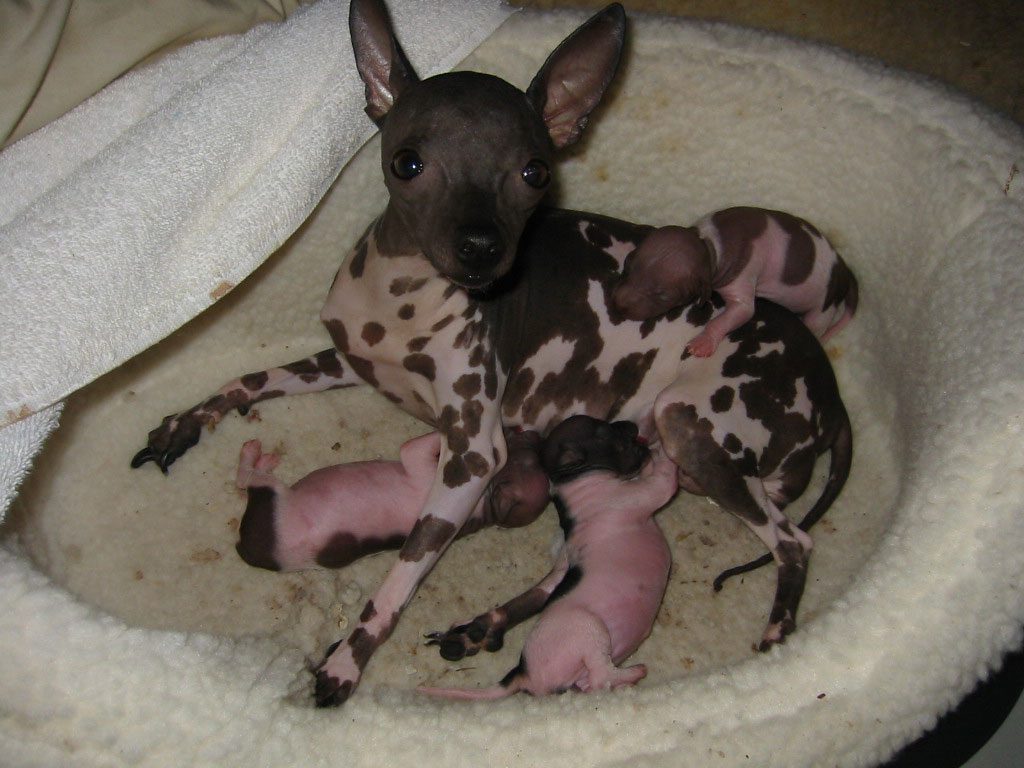
It is a muscular breed, medium-sized and with erect ears, which gives an aspect of bat. It does not have hair all over his body, except in the eyebrows and mustache, his skin is pink with black spots, brown, reddish or gray of varied sizes.
During his first days of life, the puppies are covered with a layer of hair lost within six weeks. In adulthood are beardless with the exception of the eyebrows and mustache.

Something curious is that, Unlike other races without hair, the American Hairless Terrier lacks genetic abnormalities, as well as health problems.

Although they are strong and resilient dogs, Okay remember that, due to his lack of hair, the hottest days it is necessary to protect the dog from the sun's rays, recommended is to put sunscreen 50 or more. Y, In cold weather, the ideal thing is to put a coat on them..

Character and skills

The American Hairless Terrier is an intelligent dog, curious, cheerful and energetic. It tends to be very well with young children. It is a dog that constantly seeks to please and interact with members of his family.

Despite being defined as a dog with an energetic character, it has a quieter part that allows it to rest 'loose paw' for several hours., preferably on an overstuffed sofa or on the lap of a person.

It is graceful and elegant and retains a great instinct for hunting of their ancestors, but its lack of fur makes it not a good candidate to be a hunting dog..., rough weed can damage unprotected skin.

His temper, as we said, makes a loving pet, Intelligent, energetic. They are quite territorial (due to his frustrated Hunter instinct…), but with a proper education that can be corrected.

To finish, the American Hairless Terrier they are not a good swimmer and for that reason they should be controlled when they are near water.

American Hairless terrier pictures

Videos American Terrier sin pelo

โ–ท The world of Pets: Dogs, cats, birds, reptiles, amphibians

Akbash
Turquรญa Not recognized by the FCI . Molossoid . Mountain
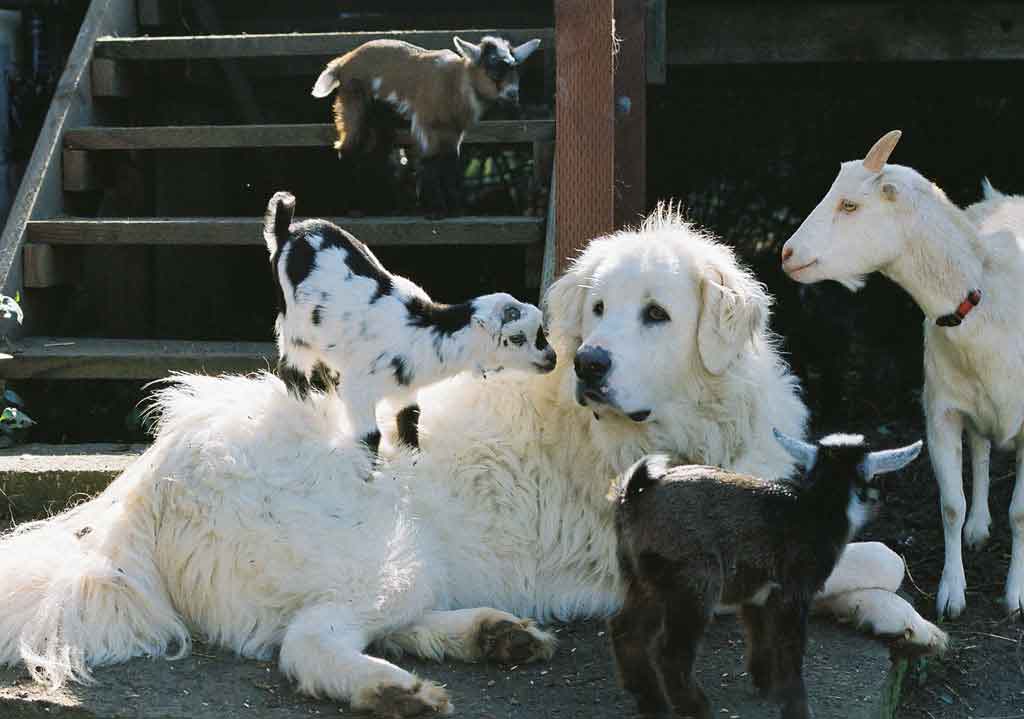
The Akbash he is calm and alert at the same time. Not shy, nor is it aggressive.

Akbash

Content

Characteristics "Akbash"

Coexistence is important that you have with your new friend. Before considering the acquisition of a dog of the breed "Akbash" you know certain factors. Not all breeds of dogs are apt to live in an apartment, you must take into account his character, their need for exercise, their interaction with other pets, their care and if you have small children, their level of tolerance towards them.

Adaptation โ“˜

3,0 of 5 stars (based on 1 review)

friendly dog โ€‹โ€‹โ“˜

1,0 of 5 stars (based on 1 review)

hair loss โ“˜

3,0 of 5 stars (based on 1 review)

Affection level โ“˜

3,0 of 5 stars (based on 1 review)

Need for exercise โ“˜

2,0 of 5 stars (based on 1 review)

Social need โ“˜

2,0 of 5 stars (based on 1 review)

Home โ“˜

1,0 of 5 stars (based on 1 review)

Toilet โ“˜

3,0 of 5 stars (based on 1 review)

Friendly with strangers โ“˜

2,0 of 5 stars (based on 1 review)

barking โ“˜

4,0 of 5 stars (based on 1 review)

Health โ“˜

3,0 of 5 stars (based on 1 review)

Territorial โ“˜

5,0 of 5 stars (based on 1 review)

Cat friendly โ“˜

3,0 of 5 stars (based on 1 review)

Intelligence โ“˜

3,0 of 5 stars (based on 1 review)

Versatility โ“˜

2,0 of 5 stars (based on 1 review)

Child friendly โ“˜

2,0 of 5 stars (based on 1 review)

Surveillance โ“˜

2,0 of 5 stars (based on 1 review)

joy โ“˜

5,0 of 5 stars (based on 1 review)

History of Akbash


The dog's Akbash is native to western Turkey from the region known as the AkbaลŸ, where he started to develop since ancient times for the care of livestock, especially sheep. Two of the names most commonly used to refer to this can, are Akbash and Akkush. Both names have a specific meaning in Turkish, So Akbash (Akbas) means "white head", and Akkush, "white bird".

This breed is thought to be the Turkish version of the typical livestock guardian sheepdog in the white variety, you are within (and around) of northern Mediterranean Basin. It has a unique combination of qualities of the molossians and hounds.

Its development dates back to at least make 3.000 years, and the reason white, was highlighted that in the field did not exist any difficulty to distinguish them from predators.

Archaeological evidence suggests that the early civilizations of these dogs (or better their ancestors) arose, what we know today as Turkey, makes one 10.000 years.

Akbash physical characteristics

It is a big dog, with a weight from 34 to 64 kg and a range around 69 to 86 height cm. It has soft and short fur (some parts with more hair), presents a double layer of hair, is generally white, but may be, a bit of light color of biscuits in the ears.

Videos "Akbash"

It has long legs, a queue that is screwed; they may have some pink hair Tufts, or with negruzco-bajo black or brown color stains their white coat. The edges of the eyes, the nose and lips should be completely black or brown black, Although some may have them pink.

It is believed that the ancient genetics of this breed was based on a combination of molosos and races of greyhounds. The Akbash has characteristics of both.. Although there is much variation in the size and height of this breed, usually are tall dogs, long and strong body. Most are quite flexible and light for their size.. They have loose neck skin to protect themselves from predators.

    Different native breeds of the country

Occupying the Turkish territory are three different races indigenous to the country; the Akbash, the Kangal and Kars. In Turkey is legal export Akbash, but it is illegal to export Kangal, because they are the national dog breed of Turkey.

Although initially the Americans and Europeans designating the same name for the three races (Dog Kangal Shepherd Dog), considering that among the three only the color and small details varied that did not make them differentiable; later, in 1996, was held at the University of Konya an international symposium that promoted the distinction between the three races of Turkish dogs protecting livestock.

Today they are considered separate breeds and there is an international association of the Akbash, Headquartered in the United States.UU. which promotes the popularity of the race around the world and, in special, in the United States.UU. where it is used to protect livestock from coyotes.

There are two varieties of Akbash: a long-haired and short hair, but both have the characteristic white color that makes this breed the perfect breed for caring for livestock., allowing to differentiate the dog of the Wolf with just the low light of the Moon.

Akbash character and skills

It is a dog quiet When not working. It also presents a majestic port transmitting calm. He is extremely loyal to his sheep, and it is even said that he creates very strong bond with them that arrive to make impossible their mating.

The Akbash It is a quiet dog and alert at the same time. Not shy, nor is it aggressive. When used as a protection dog, It is wary with any stranger that approaches their territory, and with the unusual sounds and changes in their environment.

The race is not naturally hostile, but as they were raised to think and act independently, This ingredient mark character; It is not a lap dog. If it educates small, would be perfectly suited to home life, If I had the opportunity to take long walks in the countryside, and a work to be done such as care for children, for example.

The Akbash It is one of the most popular around 30 races throughout the world under the title of Flock guardians, livestock protection dogs, or livestock guardian dogs (more commonly: LGD).

These dogs are known for their intelligence, courage, independence and loyalty.

Akbash pictures

Type and recognitions:

  • useful as herding dog, livestock care.
  • Recognized by the United Kennel Club UKC, An international registration of dogs that exalts the values, rewards ability and preserves the virtue of pedigree.
  • Recognized as one homogeneous race by the Turkish Federation of Dogs (HOW) and an associate member of the International Federation Cinolรณgica (FCI)

Alternative names

  • Akbash, AkbaลŸ ร‡oban KรถpeฤŸi (English).
  • Akbash (French).
  • AkbaลŸ, AkbaลŸ ร‡oban KรถpeฤŸi (German).
  • Akbash, cรฃo pastor de AkbaลŸ (Portuguese).
  • Akbash, Akkush (espaรฑol).
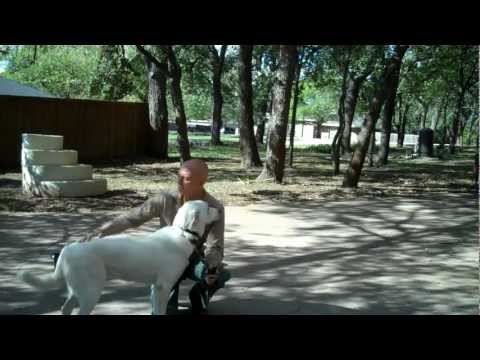
Tinker - Akbash | Redeeming Dogs | Tod McVicker Coppell dog training

โ–ท The world of Pets: Dogs, cats, birds, reptiles, amphibians

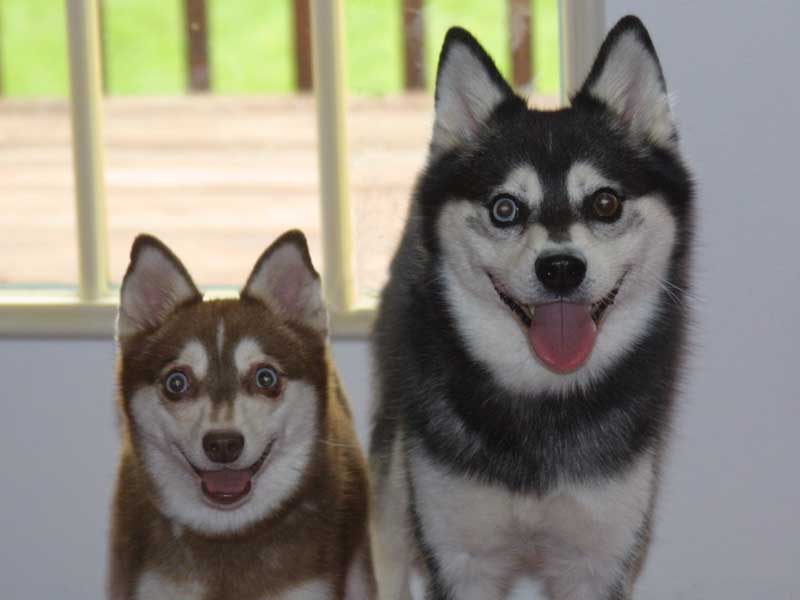
Alaskan Klee Kai
Estados Unidos Not recognized by the FCI

Developed to create a miniature dog Alaska Husky

Alaskan Klee Ka

Content

History of ยซAlaskan Klee Kaiยป:

ยซKlee Kaiยป dog breed that derives from the language Athabaskan, whose meaning is "small dog". The breed was developed to create a dog miniature of the Alaska Husky (a mixed breed dog used for bobsled run), resulting in a strong intelligent dog, with a look that reflects his heritage of the North.

The breed was developed in Wasilla, Alaska, United States, in the middle of the Decade of 1970 by Linda S. Spurlin, After that she observed the result of an accidental mating of a Alaskan Husky and a small unknown dog.

The breed was developed together with the Siberian Husky, with the Schipperke and the American Eskimo, to reduce the size without dwarfism. She bred these dogs in private until she released them to the public in 1988.

It was originally called "Klee Kaiยซ, The race was consolidated with the new name Alaskan Klee Kai in the year 2002, It was officially recognized by the American Rare Breed Association (ARBA) in 1995 and by the United Kennel Club (UKC) the 1 in January of 1997.

Physical characteristics of the "Alaskan Klee Kai":

Its weight varies between the 4,3 and 18 kg., Depending on the variety, the standard, the miniature and the Toy.

The appearance of the Alaska Klee Kai North reflects the heritage of the race.
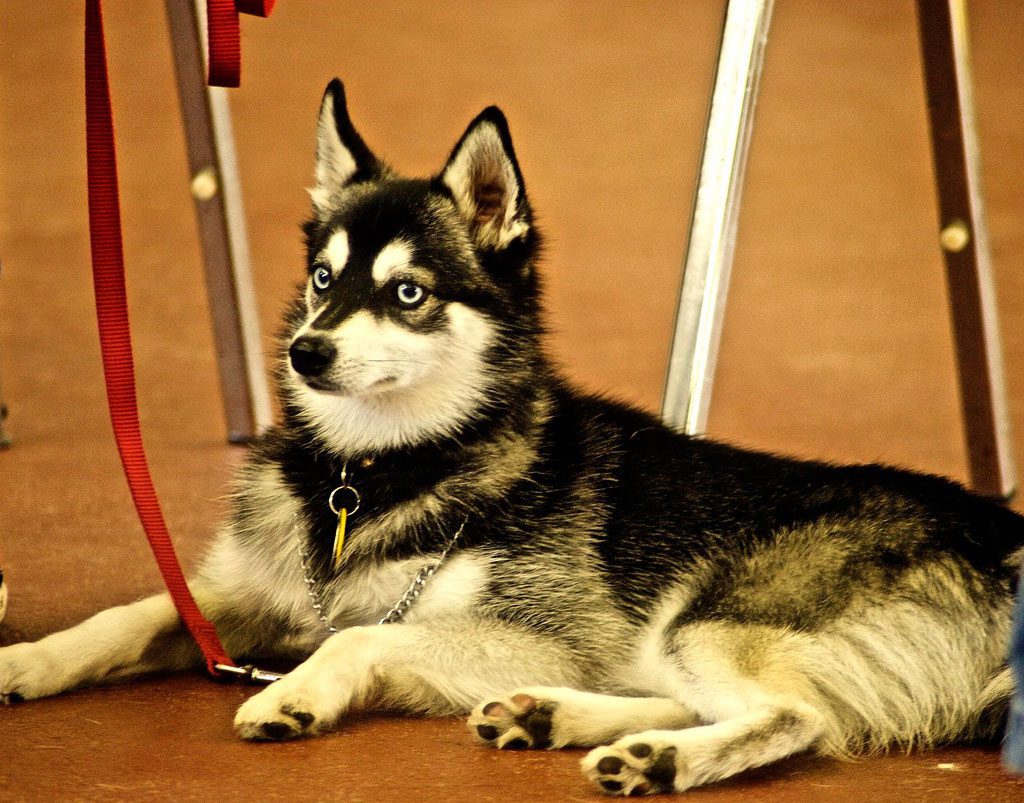
The most distinctive feature of the breed is the facial mask., which must be clearly visible due to the contrast of colors.

The head, wedge of broad-based, It should be free of wrinkles, proportional to the size of the body.
Length snout It should be equal or slightly less than the length of the skull. The lower jaw It is strong but not outgoing. The bite scissors.

The eyes They are medium-sized and can be any color or combination of colors. The almond-shaped eyes are the most desirable.
The ears upright, triangular-shaped, extremely mobile and sensitive to sounds.

The neck It is of medium length, arched and proudly erect when the dog stands. When jogging, It extends the neck so that the head is carried slightly forward.

Seen from the front, the Paws they are straight, parallel, spaced and moderately separated.

The rump It is wide and very slightly sloping.

The hair feet It can be trimmed between the pads and around the outer edges of the feet. All the Spurs must be removed. The tail should be well furred, You can hang when the dog is relaxed or in unfamiliar situations.

The fur It is twofold and of sufficient length to give an appearance reminiscent of Alaskan Husky. The inner layer is smooth, dense and of sufficient length to support the outer layer.

It should move smoothly and effortlessly by walking, agility inherited from their ancestors in the Arctic.

Character and abilities of the ยซAlaskan Klee Kaiยป:

Very curious, Active, fast, agile. His loyalty and its state of permanent alert, They make this race an excellent guard dog. They can be territorial, despite its small size. If well affectionate with family members, It reserved and cautious with strangers and in unfamiliar situations. It is important to socialize at every opportunity to prevent rejection of the unknown.

Small dogs usually do not like people to invade your space and Alaska Kai Klee is no exception. Neither likes him they grip or tironeen, something that young children often do.

When the Alaska Kai Klee he meets a new person (a friend or your cousin who has been 100 times), side will not fail his shyness. You will need to get to the level of the dog, kneeling you and offering you the back of your hand so that you olfateรฉ. If this goes well, That's great, You can try to scratch under the Chin, This usually they like and not what they interpreted as a threat. If this goes well, then a touch behind the ears, probably the next time that you see, already you accept as a friend.

Son pack animals, and will include human beings or other breeds of dogs as members of their herd.

It is a very brave race He will not hesitate to confront larger dogs, If you feel that a member of his herd is in danger. No dog big enough to intimidate a Alaska Kai Klee. The biggest cause of death in this breed is by fighting with other dogs and abuses in the street.

Very Smart and with a lot of energy. It also, do not mature fully unless they have around 2 years of age. Those first 2 years, the task is to keep free from boredom and therefore avoid destruction by your young pet valuables. They love to dig and chew and may annihilate in a short time the garden that you have cultivated so carefully. They are also excellent climbers and divers.

It can also be very barking, to the point of being unpleasant. They are very vocal when they have something to say and are usually very outgoing in general in such cases. If you have been out of sight during 10 minutes or several hours, You can already be prepared for some good 5-10 minutes which will put you abreast of everything what you missed, While were out of sight.

Images ยซAlaskan Klee Kaiยป

Videos ยซAlaskan Klee Kaiยป

Miki and the cat Alaskan Klee Kai

Dogs breeds: ยซAlaskan Klee Kaiยป


Type and recognitions:

  • Nordic group
  • UKC, ARBA, CKC, NKC, APRI, ACR, DRA

Alternative names

1. Alaskan Klee Kai, Klee Kai, Miniature Alaskan Husky, Mini Husky (English).
2. Alaskan Klee Kai (French).
3. Alaskan Klee Kai (German).
4. Alaskan Klee Kai, Klee Kai (Portuguese).
5. Alaskan Klee Kai, Klee Kai (espaรฑol).

โ–ท The world of Pets: Dogs, cats, birds, reptiles, amphibians

Australian Terrier
Australia FCI 8 . Small sized Terrier

The Australian Terrier is a lively dog, attentive, with a facial expression that denotes intelligence.

Australian Terrier

Content

Characteristics "Australian Terrier"

Coexistence is important that you have with your new friend. Before considering the acquisition of a dog of the breed "Australian Terrier" you know certain factors. Not all breeds of dogs are apt to live in an apartment, you must take into account his character, their need for exercise, their interaction with other pets, their care and if you have small children, their level of tolerance towards them.

Adaptation โ“˜

5,0 of 5 stars (based on 1 review)

friendly dog โ€‹โ€‹โ“˜

1,0 of 5 stars (based on 1 review)

hair loss โ“˜

1,0 of 5 stars (based on 1 review)

Affection level โ“˜

3,0 of 5 stars (based on 1 review)

Need for exercise โ“˜

4,0 of 5 stars (based on 1 review)

Social need โ“˜

4,0 of 5 stars (based on 1 review)

Home โ“˜

3,0 of 5 stars (based on 1 review)

Toilet โ“˜

1,0 of 5 stars (based on 1 review)

Friendly with strangers โ“˜

3,0 of 5 stars (based on 1 review)

barking โ“˜

5,0 of 5 stars (based on 1 review)

Health โ“˜

4,0 of 5 stars (based on 1 review)

Territorial โ“˜

5,0 of 5 stars (based on 1 review)

Cat friendly โ“˜

1,0 of 5 stars (based on 1 review)

Intelligence โ“˜

4,0 of 5 stars (based on 1 review)

Versatility โ“˜

4,0 of 5 stars (based on 1 review)

Child friendly โ“˜

4,0 of 5 stars (based on 1 review)

Surveillance โ“˜

4,0 of 5 stars (based on 1 review)

joy โ“˜

5,0 of 5 stars (based on 1 review)

History


The Australian Terrier It is a breed of dog in the Terrier family, classified in the section 2.

Due to his appearance, He is often confused with a Yorkshire Terrier large size. Is not surprising because, this breed comes from crossing a Yorkshire Terrier and different breeds of Terrier among the Skye Terrier, Cairn Terrier, the Norwich Terrier and other Irish Terrier.

Its origin goes back in the early 19th century, when accompanied by their Terrier British families travelled to Australia, and the vicissitudes of fate led those Terriers to interbreed with the natives..., and this is how many races in the world have been born.

In the early years of its existence, the Australian Terrier was known by the name โ€œBroken-coated-Terrierโ€ or โ€œBroken-hair-buel-and-tanโ€.

The wording of the first breed standard, took place in the year 1896, While the official recognition of the same, It is located a little laterโ€ฆ in 1933. Y, The latest revision of the standard dates from 1962.

Otros nombres: Terrier Australien

Group 3 / Section 2 – Small sized Terrier.

Physical characteristics

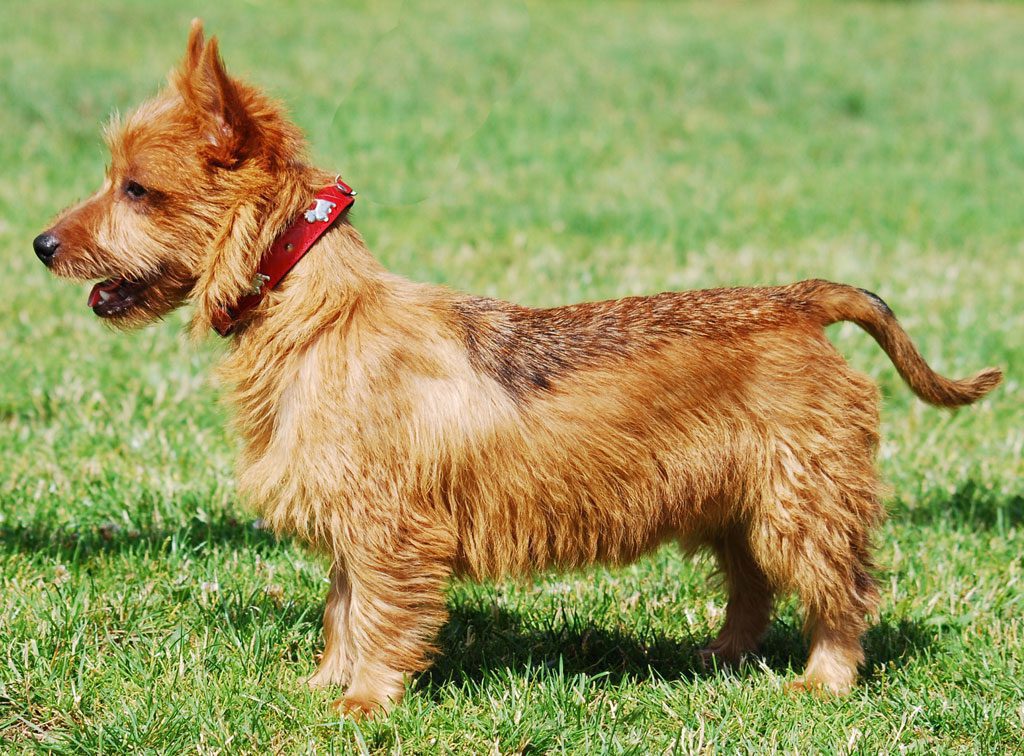
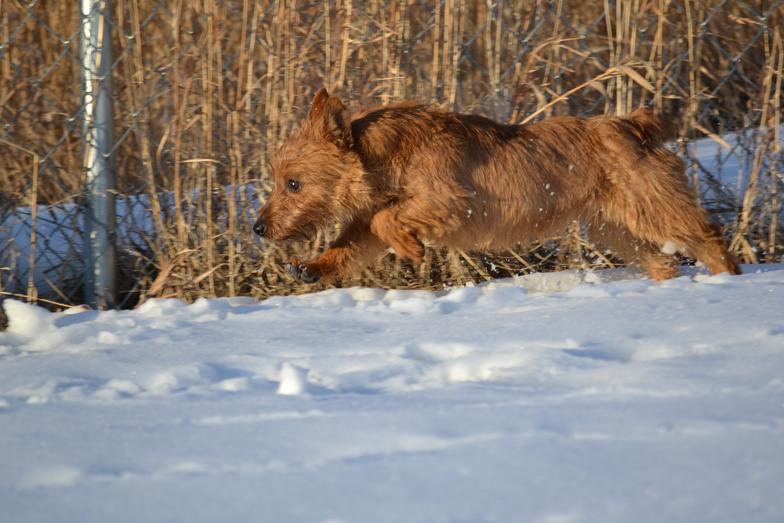
It is a long dog (in relation to your height), rustic looking, robust with short limbs and strong.

The head is elongated, It has the black truffle and scissor closing denture. It has pointed ears being erect and small and dark eyes. The tail is often be amputated.

The height of the Australian Terrier is maximum 25 cm. to the cross in males and 22,5 to 23 in females, the average weight is 4.5 to 5 Kg.

The hair is hard, straight and average length. that rustic look, precisely, Since hair is rough to the touch and out gives it.

The fur can be blue or silver, with stains of fire (or bronze) on the limbs and snout, or color sand clear or Griffon.

Puppies are born black solid color and change color in three months.

Observations

It is a very robust breed of dog, that often has a high percentage of Diabetes Mellitus.

What is Diabetes Mellitus?

Diabetes is defined as a disorder in the metabolism of the hydrates of carbon, fats and proteins caused by a deficiency of insulin, It can be absolute or relative.

Insulin is a hormone secreted in the beta cells of the pancreas, whose production allows to control blood sugar (blood glucose levels). Insulin deficiency causes a deterioration in the capacity of tissues to use nutrients, that translates into an increase of glucose in blood (Hyperglycemia).

Diabetes is classified according to the disease in humans, that is to say, as type I and type II.

The type I It is characterized by the destruction of beta cells, What determines the loss progressive and complete end of insulin secretion. Dogs suffering from Type I Diabetes Mellitus may have a sudden onset of symptoms due to the rapid loss of the ability to produce insulin.. These cases require insulinizaciรณn from the time of diagnosis and are called diabetics 1,811 (DMID).

Other dogs may have a gradual loss of insulin secretion, that their beta cells will be destroyed with slow. These animals may have an initial period in which hyperglycemia is mild or easily controlled., in which case it's diabetic insulinoindependientes (DMIID), Although in the long term these dogs also need her.

Diabetes Mellitus type II is a little more difficult to understand and is characterized by what we call "insulin resistance" and by "dysfunctional" beta cells. The secretion of insulin by these cells will be high, low or normal, but not enough to overcome the resistance to it in the peripheral tissues.

Itร‚ยดs, to explain it in a graphic way, It is as if peripheral tissues do not obey the orders of the insulin or were not able to do what send it.

Regarding the metabolism or synthesis of glucose, These dogs may have DMID or DMIID, that is to say, whether or not to require insulin depending on the extent of insulin resistance and the functional status of the beta cells in terms of their ability to produce and secrete the hormone in low amounts, normal or high.

Dogs also recognizes a secondary diabetes, produced by a carbohydrate intolerance (glucose) due to the presence of a disease or a drug treatment that it antagonizes or counteracts the effects of insulin and can lead to the exhaustion of the beta cells of the pancreas with the appearance of diabetes insulinodependiente.

The owners of diabetic dogs should be aware that the routine in the treatment with insulin and food has to be respected. Two fixed doses of insulin per day associated with a palatable food that always provides the same source and the same amount of starch, always run at the same time it can reduce the risk of hypoglycemia in diabetic dogs.

In North America, area where the Australian Terrier is very popular, scientific research is being carried out on the incidence of this disease.

Character and skills

The breed standard describes the ideal Australian Terrier temperament as an alert spirit., ยซwith the natural aggressiveness of a Buzzard and a Hunter of coverageยซ.

Taking into account the Classification of dogs according to their functional and obedience intelligence (Stanley Coren's "The Intelligence of Dogs") the Australian Terrier ranks number 34. Means that, is higher than the average, which indicates a good capacity for learning and training.

The Australian Terrier is a lively dog, attentive, with a facial expression that denotes intelligence, loyalty and faithfulness.

Sometimes it can become dominant, so a good training from an early age would be appropriate..

It is perfectly adapted to any type of housing, whether large or small (apartment, House, house with garden, etc.). It should be enough with daily brushing and a walk.

Images "Australian Terrier"

"Australian Terrier" videos

Australian Terrier (Terrier Australia)

Type and recognitions:

  • FCI CLASSIFICATION:
  • Group :
  • Section : . .

Federations:

  • FCI – Terriers 2 Small sized Terriers. โ“˜
  • AKC – Terriers โ“˜
  • ANKC – Terriers โ“˜

FCI breed standard "Australian Terrier"

Origin:
Australia

Date of publication of the valid original standard:
08.10.2012

Use:

One of the smallest work terriers that was raised both as an assistant and company dog โ€‹โ€‹in difficult times and land.


General appearance:

It is a robust dog, short limb, elongated in proportion to its height, With the strong typical character of the terriers, always alert, active and solid.
His coarse fur, without cutting, coupled with a well defined collar around the neck that extends to the sternum and its long and strong head help create the sturdy and robust appearance.


Behavior / temperament:

In its essence, he is a working terrier, But thanks to its loyalty and its balanced character it is also a company dog.

Head:

---

Cranial region:
  • Skull: Plano, moderate width, full between the eyes. Covered by a soft "bun".
  • Depression links (Stop): Light, but defined.

facial region:

  • Truffle: black, moderate in size, spreading to the nose.
  • Snout: Strong and powerful, is the same length as the skull. The nose should be strong and not fall below the eyes. Muzzle length and strength are essential to empower fearsome jaws.
  • Lips: Blacks, tight and clean.
  • Jaws / Teeth: Strong and fearsome jaw. Teeth are large and evenly placed; the upper incisors fall well near and in front of the lower ones (scissor bite).

Eyes: They must be small, oval, with a cunning expression, dark brown, well separated and not prominent.

Ears: They are small, upright, pointy, well carried, moderately broad-based, without having long hair, and very attentive (except for puppies younger than 6 months).

Neck:

Good length, slightly arched, strong and falling gently on the oblique shoulders.

Body:

Length in proportion to height, of strong construction. When valuing the body, Attention should be paid to the description of the first paragraph where it is โ€œa robust dog, of short and elongated extremities in proportion to the height ยป.

  • Back: level top line. Pork loin: Strong.
  • Breast : Of moderate depth and width, with well-rounded ribs. The sill is well developed, the relatively deep sternal region.

Tail:

Traditionally amputated, Both amputated and natural, it is of high implantation, well carried, but not on the back.

Tips

PREVIOUS MEMBERS: Seen from the front straight and parallel, good bone structure. The forelimbs are slightly feathered down to the metacarpus.

  • Metacarpus: Strong, no inclination.
  • Previous feet: Small, round, compact, well cushioned, with fingers tight and closed, moderately arched. Feet must not be twisted outwards or inwards. The nails are strong, black or dark.

LATER MEMBERS: Of moderate length, widths. Seen from behind, hind limbs must be parallel from hock to foot, without being too far apart or too close to each other.

  • Thigh: Strong and well muscled.
  • Knees: They have good angulation.
  • Hocks: Well angled, placed well under.
  • Hind feet: Small, round, compact, well cushioned, with fingers tight and closed, moderately arched. Feet must not be twisted outwards or inwards. The nails are strong, black or dark.

Movement:

Action must be free, agile, elastic and energetic. Seeing it from the front, forelimbs must move appropriately without shoulder looseness, elbows, o carpos. The hindquarters should give momentum and power, with free movement of the knees and hocks. Back views, the extremities must be parallel to the hock to the ground, without being too close or too far apart from each other.

Mantle

Fur: It consists of a rough and straight outer layer of hair of approximately 6 cm length, with a soft textured short hair undercoat. The snout, lower limbs and feet should be free of long hair.

Color:

  1. Blue, blue Steel, or dark gray blue, with intense tan markings (not sandy) on the face, ears, lower body, lower extremities and around the anus (except puppies). The more intense and defined the color is, Better Any black staining is undesirable. The bow on the head should be blue, silver or a lighter shade than the rest of it.
  2.  Light sand or red is acceptable with a lighter toned bow. Any dark staining or shading is undesirable.
  3. In any color, white spots on the chest or feet are penalized.


Size and weight:

  • Height to the cross: The desirable is approximately 25 cm., the females being a little smaller.
  • Weight: The desirable is approximately 6,5 kg for males, females being a little lighter.


Fouls:

Any deviation from the aforementioned criteria should be considered as fault, and the seriousness of it is considered to the degree of deviation to the standard and its impact on health and welfare of the dog.

FALTAS DESCALIFICANTES:

  • Aggressiveness or excessive shyness.
  • Any dog โ€‹โ€‹showing clear signs of physical or behavioral abnormalities must be disqualified..


N.B.:
  • Males should have two normal-appearing testicles fully descended into the scrotum..
  • Only functionally and clinically healthy dogs, with the typical conformation of the breed, should be used for parenting.

The latest amendments are in bold.

TRADUCCION: Mexican Canophilic Federation A.C.,review technique : M.A. Martรญnez (FCA)

Source: F.C.I - International Cynological Federation

Alternative names:

1. Aussie (English).
2. Terrier australien (French).
3. Aussie (German).
4. Terrier australiano (Portuguese).
5. Aussie, Terrier Australiano (espaรฑol).

โ–ท The world of Pets: Dogs, cats, birds, reptiles, amphibians

Aidi – Atlas Mountain Dog
Marruecos FCI 247 - Molossoid . Mountain

aidi

The Aidi is highly energetic, protective and extremely vigilant. Despite its resemblance to Sheepdogs, The Aidi is not one of them because there are no sheepdogs from the Atlas.

Read more

โ–ท The world of Pets: Dogs, cats, birds, reptiles, amphibians

American Mastiff Panja
Estados Unidos Not recognized by the FCI

The race American Mastiff Panja, was initially bred to protect homes and properties.

American Mastiff Panja

Content

History

The American Mastiff Panja It is a breed of dog developed in United States, raised initially to protect the homes and properties of the people.

The term "panjaโ€, by which it is usually known this race, proceeds of Panja Kennels, a hatchery situated in the city of Flint (Florida) who was one of the first to initiate selective breeding with the aim of turning it into a defined breed.

Unfortunately, many American Mastiff Panja They were used by drug traffickers and people linked to crime in order to serve as guard dogs of their properties and that environment and the training techniques used (very hard) they have led to this race to develop an instinct of guard very exacerbated.

Its origin is due to a cross between several races between them found dogs as the Pit Bull and Rottweiler.

Since they have been recognized by the DRA (Dog Registry of America), people in general have started to look at these dogs with other eyes, and fortunately not already belong, exclusively, to the world of drug traffickingโ€ฆ they have been able to get away from their (forced) dark past. They are currently used as companion pets..

Panja bandog, Rock bandog, drug dealer bandog, Detroit rock dog, American mastiff panja, Panja, rockweiler, pitweiler : all these names refer to the same type of bandog, product of miscegenation between American Pitbull Terrier and Rottweiler, that it arose in the city of Detroit ago 30 years.

American Mastiff Panja

Recognized by: BBC, DRA
Group: Work

Physical characteristics

The American Mastiff Panja is a working dog with an athletic and muscular body. Broad chest and extremities well muscular, straight lines, for strong bones, with the slightly angled hocks. They have small eyes, almendrados expression alert and curious. They have a broad head and short ears.

Like his compatriot the American Mastiff, the American Mastiff Panja differs from other Mastiff breed dogs in that its belfos not protrude, and they not drool-worthy.

The layer of hair is short, flat and shiny, It can be of different colors. The tail is usually cut to 1/3 its natural length. The height to the cross goes of 55,88 cm to 66,04 cm.. Y, the weight of 36 kg to 45 kg. The life expectancy of these dogs is of 10 to 12 years.

Character and skills

The American Mastiff Panja It is a dog with a relaxed attitude and calm temperament. Son excellent pets and protectors of their family nucleus. In the United States most of the American Mastiff Panja they are great with young children. The natural instinct of the race is to protect, they believe that it is his duty to protect everything and everyone in your home.

They are dogs intelligent and obedient, obedience training is recommended to prevent the onset of boredom and collation destructive behaviors, as chewing. It is a guard dog by nature, so it will always be ready to alert their owners of any suspicious activity. They are wayward, they have a dominant personality, but they are also very kind and loyal companions.

The American Mastiff Panja is in general, a very healthy dog, he does not have any important health problems to highlight, but like other many breeds of dogs, It is possible that some copies are in one higher risk of developing Hip Dysplasia.

The American Mastiff Panja you can live peacefully in a small house or apartment if you exercise it properly. They are calm and very homemade dogs with propensity to be lazy, so it is important that their owners motivate them and take them out for long walks. It adapts well to all climates and can tolerate varying weather conditions. It will be happier with a small courtyard where can lie in the Sun and do not forget that the daily walks are ideal for this athletic breed.

Images ยซAmerican Mastiff Panjaยป

ยซAmerican Mastiff Panjaยป Videos

Alternative names:

1. American Mastiff Panja (English).
2. American Mastiff Panja (French).
3. American Mastiff Panja (German).
4. American Mastiff Panja (Portuguese).
5. "Mastรญn Americano Panja" (espaรฑol).

โ–ท The world of Pets: Dogs, cats, birds, reptiles, amphibians

Alaskan Husky
Estados UnidosNot recognized by the FCI . Nordic Sledge Dogs

Alaskan Husky

Alaskan - Autor de la foto: siva_lovehorses (flickr).

The Alaskan Husky is an athletic and generally healthy dog., specializes in sledding.

Content

Characteristics "Alaskan Husky"

Coexistence is important that you have with your new friend. Before considering the acquisition of a dog of the breed "Alaskan Husky" you know certain factors. Not all breeds of dogs are apt to live in an apartment, you must take into account his character, their need for exercise, their interaction with other pets, their care and if you have small children, their level of tolerance towards them.

Adaptation โ“˜

5,0 of 5 stars (based on 1 review)

friendly dog โ€‹โ€‹โ“˜

5,0 of 5 stars (based on 1 review)

hair loss โ“˜

4,0 of 5 stars (based on 1 review)

Affection level โ“˜

5,0 of 5 stars (based on 1 review)

Need for exercise โ“˜

2,0 of 5 stars (based on 1 review)

Social need โ“˜

3,0 of 5 stars (based on 1 review)

Home โ“˜

1,0 of 5 stars (based on 1 review)

Toilet โ“˜

3,0 of 5 stars (based on 1 review)

Friendly with strangers โ“˜

5,0 of 5 stars (based on 1 review)

barking โ“˜

4,0 of 5 stars (based on 1 review)

Health โ“˜

2,0 of 5 stars (based on 1 review)

Territorial โ“˜

3,0 of 5 stars (based on 1 review)

Cat friendly โ“˜

1,0 of 5 stars (based on 1 review)

Intelligence โ“˜

3,0 of 5 stars (based on 1 review)

Versatility โ“˜

3,0 of 5 stars (based on 1 review)

Child friendly โ“˜

3,0 of 5 stars (based on 1 review)

Surveillance โ“˜

5,0 of 5 stars (based on 1 review)

joy โ“˜

3,0 of 5 stars (based on 1 review)

Alaskan Husky history

Listed not so much as a breed of dog as a type or category of dog. There are no fixed pedigree characteristics, but rather for the purpose, it is to be a very efficient sled dog.

The origin of this dog is Alaska and Canada. These fully domesticated dogs came thousands of years ago. Today, the Alaskan sled dogs They can be crossed, type Husky, or a combination of several. They also vary in size and build depending on the use of the dog., to compete or work.

Sled drivers usually distinguish between Alaskan Husky and crossbreeding, in an informal way, so it is possible that this type of dog has a degree of northern dog appearance.

Most of the Alaskan Husky have pointed ears, qualifying, in fact, as spitz type dogs.

There are some specializations within this type, as the Mackenzie River Husky or the MALAMUTE, the Alaskan of Sprint as the Eurohound, or distance.

It must be borne in mind that in sledge racing championships, These dogs can come with loaded sledges to the 30 km/h and that runs for three days at a rate of between 30 to 50 km daily.

The Alaskan They are valued for their toughness and resistance. They earn an average speed of 31 km/h.

Alaskan Husky Physical Characteristics

This type of dogs, at least those that are used to speed racing, are of moderate size, with an average 21 to 25 kg for the males and 17 to 19 kg for the females.

The eyes They can be any color, many are blue. The eyes blues are not considered an essential feature of this race. The fur It has two layers, short hair and of medium length, Although not much, and usually less dense than pure breed of the North, the length of the shortest layer is governed by the need for an effective heat dissipation during races.

Athletic and generally, healthy. Its Life expectancy is usually between 10 to 15 years.

Character and skills

They tend to vary greatly in personality both in colour and appearance. But, in general terms, They are very affectionate dogs, to live with other dogs and humans.

These dogs they are not suited to a lifestyle of urban apartments, that they need a constant source of exercise, and due to its incredible resistance, It seems that they never tire. It is an adventurous and tends to be very quiet in the car rides. These dogs are happy to live outside or inside the home of its owners, But if he leaves out, It is not recommended if you have a perfect lawnโ€ฆ, are amateur digging wellsโ€ฆ

His hair tends to be self-cleaned just like a Mally or a Siberian Husky, which is why they need less frequent baths, In addition, they do not usually smell. They have a season of hair shedding in the spring and, Unlike in the Siberians, Malamutes or German shepherds, they may not leave large quantities of hair around the House all year round.

Nothing is impossible obstacles to this type of dogs, that they tend to go up to almost two metres away the sitting position. Although swimming is not his forte, they tend to show any resistance or fear of the water and you can train and motivate them to make them good swimmers. Usually very good vision and sense of smell, which it makes them very good hunters.

Alaskan Husky Pictures

Vรญdeos Alaskan Husky

Siberian Husky runs with Bike! Springer Bike with your Dog
Type and recognitions:

  • Nordic Sledge Dogs
  • They are not recognized by the AKC, nor by the FCI

Alternative names

1. Alaskan Husky (English).
2. Alaskan Husky, Alaskan (French).
3. Alaskan Husky (German).
4. Alaskan Husky (Portuguese).
5. Alaskan Husky (espaรฑol).

โ–ท The world of Pets: Dogs, cats, birds, reptiles, amphibians

Akita
Japรณn FCI 255 - Asian Spitz and related breeds
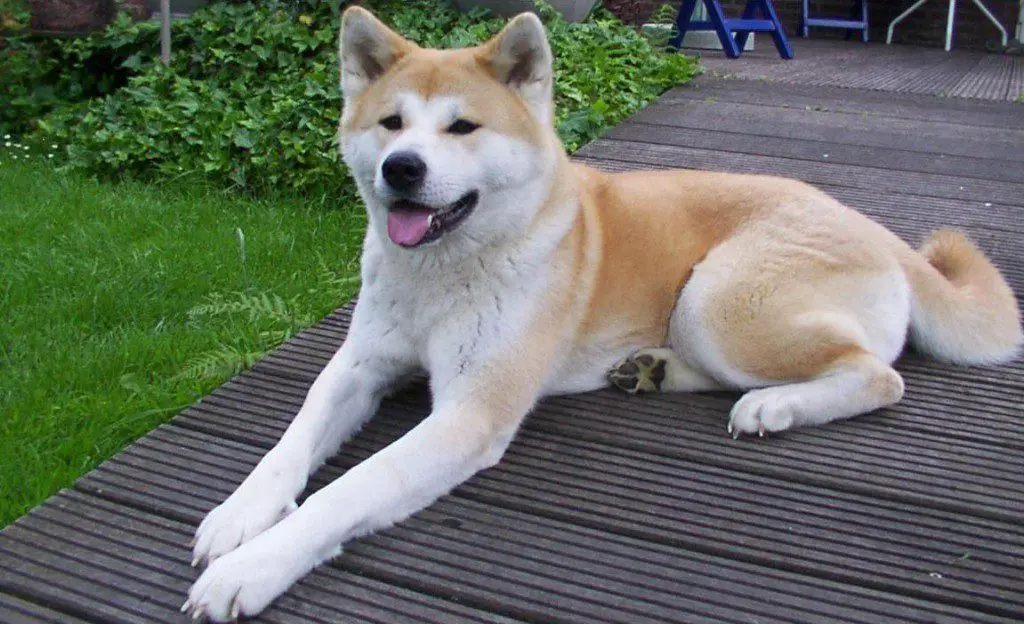
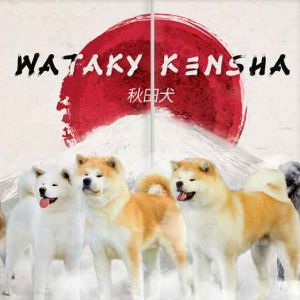
The Akita he is affectionate and protective with the family, suspicious of strangers.


Akita Inu

Content

Characteristics "Akita"

Coexistence is important that you have with your new friend. Before considering the acquisition of a dog of the breed "Akita" you know certain factors. Not all breeds of dogs are apt to live in an apartment, you must take into account his character, their need for exercise, their interaction with other pets, their care and if you have small children, their level of tolerance towards them.

Adaptation โ“˜

5,0 of 5 stars (based on 1 review)

friendly dog โ€‹โ€‹โ“˜

3,0 of 5 stars (based on 1 review)

hair loss โ“˜

5,0 of 5 stars (based on 1 review)

Affection level โ“˜

5,0 of 5 stars (based on 1 review)

Need for exercise โ“˜

4,0 of 5 stars (based on 1 review)

Social need โ“˜

3,0 of 5 stars (based on 1 review)

Home โ“˜

5,0 of 5 stars (based on 1 review)

Toilet โ“˜

5,0 of 5 stars (based on 1 review)

Friendly with strangers โ“˜

2,0 of 5 stars (based on 1 review)

barking โ“˜

1,0 of 5 stars (based on 1 review)

Health โ“˜

3,0 of 5 stars (based on 1 review)

Territorial โ“˜

5,0 of 5 stars (based on 1 review)

Cat friendly โ“˜

3,0 of 5 stars (based on 1 review)

Intelligence โ“˜

4,0 of 5 stars (based on 1 review)

Versatility โ“˜

3,0 of 5 stars (based on 1 review)

Child friendly โ“˜

2,0 of 5 stars (based on 1 review)

Surveillance โ“˜

5,0 of 5 stars (based on 1 review)

joy โ“˜

4,0 of 5 stars (based on 1 review)

History ยซAkita Inuยป

Also called Akita Inu , It is a breed of dog of the Japan, named for the Akita Prefecture, where it is believed that it originated. From time to time is called Akita-ken. Originally it was a hunting dog and for generations it was used by the warriors of the Japan as defense and attack dog. It was also used for hunting bears. It is an easy dog รขโ‚ฌโ€นรขโ‚ฌโ€นto train and a character very balanced.

Loving and protective of the family, suspicious of strangers, Although it will not attack on a whim. It is a dog barking and majestic appearance. It is considered a breed apart from American Akita.

In Spain the Akita It is considered a potentially dangerous race, by Royal Decree, by which to his possession must obtain the licence for possession of dangerous dogs and register it in the corresponding Municipal registry of potentially dangerous animals. One of the things that are required for this license is insurance of civil liability to third parties.

In the news, the Akita Inu It is considered the National dog of Japan and in 1931 It was designated a national monument.

The Akita (Akita dog) It is the tallest of Japanese dogs and over the years this dog has been, dog fight, symbol of wealth and prestige. owning a Akita Inu It was an honor allowed only the nobility, good luck symbol and talisman, while a statuette Akita Inu It gives away when a baby is born or when someone gets sick.

Did you know??

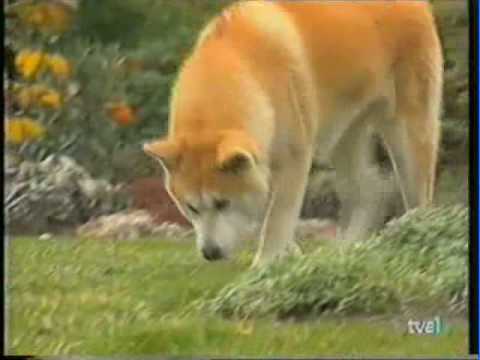
The movie of 2009 ยซHachiยป, starring Richard Gere, It is based on the true story of a Japanese Akita named Hachiko. After the death of its owner, Hachiko waited every day at the train station for the man to return, every day until the end of his own life.

ยซAkita Inuยป physical characteristics

Its size is that of a dog medium- but strong Constitution, balanced and capable of performing the work of a large dog.

It is a little longer than high, has the chest wide and deep, and the level back. His movement should be flexible and powerful. Its fur can have four colors: red, Sesame, striped or white pure.

The size of your skull is proportional to your body. The front and the neck is thick and muscular. The ears are relatively small, triangular and stops, preferred if they are inclined forward. The nose is usually black and lips are black, Although the language is usually pink.

The eyes they are small, sometimes distant from each other, almost triangular, Brown color. It has a strong and straight back, with a broad and muscular kidney region. It has the chest deep, arched ribs and perfectly raised abdomen.

The limb anterior and posterior they must be well developed and be strong to be able to function well in all activities. The feet are solid, round and well closed, your nails are hard. It has webbed feet like cats and is an excellent swimmer.. The tail is high implementation, thick and carried vigorously coiled on the back.

The hair covering the tail is longer which covers the rest of the body. The fur, thick and double, is rough and short. The internal layer is thick and soft hair.
The color varieties they are red, striped and white.

All colors (except for the White) They should have "urajiroยป (whitish hair on the sides of the snout, cheeks, under the jaw and in the neck, on the chest, abdomen, under the tail and on the inside of the legs).

Usually measured in 64 to 71 centimeters tall. The females Despite reach 30 to 49 kg, and males of 34 to 53 kg.

The current reconstruction to return to the Japanese type, based on copies of the line ichinoseski, In addition using, Spitz japoneses to recover characteristics of the old Akita Inu.

Character and abilities ยซAkita Inuยป

One character reserved and quiet, will remain impassive in irritating situations, minor. Take the dominant role in the relationship with other dogs, You will not look confrontation unless it has previously been challenged. It must be used, from puppy, the relationship with all kinds of dogs and other animals to live with him, so, getting our Akita Inu a totally socialized dog. With regard to their owners will be loving, loyal and protective. You will have a friendly character with people in general unless they prove bad intentions.

It's a race that no bark unless you have a good reason. When a Akita Inu bark you have to pay attention to. The character of Akita Inu It takes on special importance his protective instinct toward family and belongings.

It is equipped with a temperament quiet and balanced, It is a dog that will support the antics of the children with enormous patience, is more, is especially comfortable in the company of the little ones, that will become inseparable and will defend them and protect it from any intruders either person or animal even with your life.

They are known as dogs faithful and also Smart.

The Akita They can live happily in apartments, When given exercise. They need to be socialized from puppies. Even though they enjoy love and human company, they are very happy to be with other dogs. The Akita They are become excitable when seeing their owners, often moving around them.

These dogs are very good with children. It has a reputation for being an excellent domestic dog. They become big dogs in the family with proper training and socialization.

The protective instinct makes them particularly dangerous to children who may visit the home (they do not tolerate well, the shouts of children playing), should be taken into account we should accustom the animal children incorporated home, These dogs when they arrive home accept members of the family in a herd, new children if they arrive after the can are alien to him and have to adjust them so that there are no problems.

Average longevity of ยซAkita Inuยป is about 10 years, It is similar, to other breeds of their size.

A dog with history… Hachiko: The akita who waited 10 years the return of his master died as a sign of loyalty. A movie based on the true story has been made, call Hachiko Monogatari. There is also an adaptation in English, with the title Always by your side, Hachiko.

Breeders list "Akita"

REGISTER KENNEL

Akita Inu breeders

Offer your puppies for free. Sign up here.

  • This field is a validation field and should be left unchanged.
  • Enter an image of your kennel.


Images "Akita Inu"

Videos ยซAkita Inuยป

Type and recognitions:

  • FCI CLASSIFICATION:
  • Group :
  • Section : . .

Federations:

  • FCI – Group 5: Section: 5 Asian Spitz and related breeds โ“˜
  • AKC – of work Toy โ“˜
  • ANKC – Group 6 (Utility) โ“˜
  • CKC – Group 3 – (Working dogs) โ“˜
  • โ€‹KC – of work โ“˜
  • NZKC – Utility โ“˜
  • UKC – Northern races โ“˜

FCI breed standard "Akita"

Origin:
Japan

Date of publication of the valid original standard:
13.03.2001

Use:

Companion dog.


General appearance:

Large dog with solid build, well balanced and full of substance; well-emphasized secondary sexual characteristics, of great nobility and modest lordship, of strong Constitution.

IMPORTANT PROPORTIONS: The relationship between the height at the withers and the length of the body (measured from the tip of the shoulder to the tip of the buttock) is of 10:11, but the body of the females is slightly longer than that of the males.


Behavior / temperament:

It is a dog with a calm temperament, fell, docile and receptive.

Head:

---

Cranial region:
  • Skull: The size of the skull is proportional to the body; the forehead is wide, with a clear groove; without wrinkles.
  • Depression links (Stop): Defined.

facial region:

  • Truffle: Large and black; only in the case of white-haired specimens a small and diffuse lack of pigmentation is accepted, but black is always preferable.
  • Snout: Moderately long and strong with a broad base that tapers towards the tip, although it is not pointed; straight muzzle.
  • Jaws / Teeth: Strong teeth with scissor bite.
  • Lips: Glued.
  • Cheeks: Moderately developed.

Neck:

Thick and muscular, double chin free, balanced with head.

Body:

  • Back: Straight and firm. Pork loin: Broad and muscular.
  • Breast : Deep with a well developed parapet. Ribs moderately sprung.
  • Belly: Well collected.

Tail:

High implementation, thick and carried vigorously curled over the back. The tip of the tail almost reaches the hocks when hanging down.

Tips

PREVIOUS MEMBERS:

  • Shoulder: Moderately oblique and developed. Elbows: Glued to the body.
  • forearms: Straight, heavy boned.
  • Previous feet: Thick, round, arched and finger tight.

LATER MEMBERS: They must be well developed, strong and moderately angled.

  • Hind feet: Thick, round, arched and finger tight.

Movement:

Flexible and powerful movement.

Mantle

Fur: The outer coat must be smooth and hard in texture, the undercoat should be of fine and abundant hair; withers and hips should be covered with slightly longer hair; the hair on the tail is longer than that covering the rest of the body.

Color: Red-leonado, Sesame (red-tawny hairs with black tips), striped and white. All colors mentioned above, except for the White, must have Urajiro.

(URAJIRO = Whitish hair on the sides of the muzzle, cheeks, under the jaw and in the neck, on the chest, abdomen, under the tail and on the inside of the limbs.)


Size and weight:

Height to the cross:

  • Males: 67 cm..
  • females: 61 cm..

A difference of more or less is tolerated 3 cm..


Fouls:

Any deviation from the aforementioned criteria is considered as a fault and the severity of this is considered to the degree of the deviation to the standard and its consequences on the health and well-being of the dog..

  • Female males / male females.
  • Upper or lower prognathism.
  • Incomplete denture.
  • Tongue stained black or blue.
  • Light colored iris.
  • Short tail.
  • Shyness.

FALTAS DESCALIFICANTES:

  • Aggressiveness or extreme shyness.
  • Any dog โ€‹โ€‹showing clear signs of physical or behavioral abnormalities.
  • Not erect ears.
  • Hanging tail.
  • Long hair (thick).
  • Black mask.
  • Stains on the white background.


N.B.:
  • Males should have two normal-appearing testicles fully descended into the scrotum..
  • Only functionally and clinically healthy dogs, with the typical conformation of the breed, should be used for parenting.

The latest changes are in bold.

Source: F.C.I - International Cynological Federation

Alternative names:

1. Akita Inu, Japanese Akita, Great Japanese Dog (English).
2. Akita, Akita Inu, Akita Ken (French).
3. Akita, Akita Inu, Akita Ken, Japanischer Akita (German).
4. Akita Inu (Portuguese).
5. Akita Inu, Akita, perro de Akita, Akita Ken (espaรฑol).