โ–ท The world of Pets: Dogs, cats, birds, reptiles, amphibians

Welsh Terrier
Gran Bretaรฑaa FCI 78 - Large and medium sized Terriers
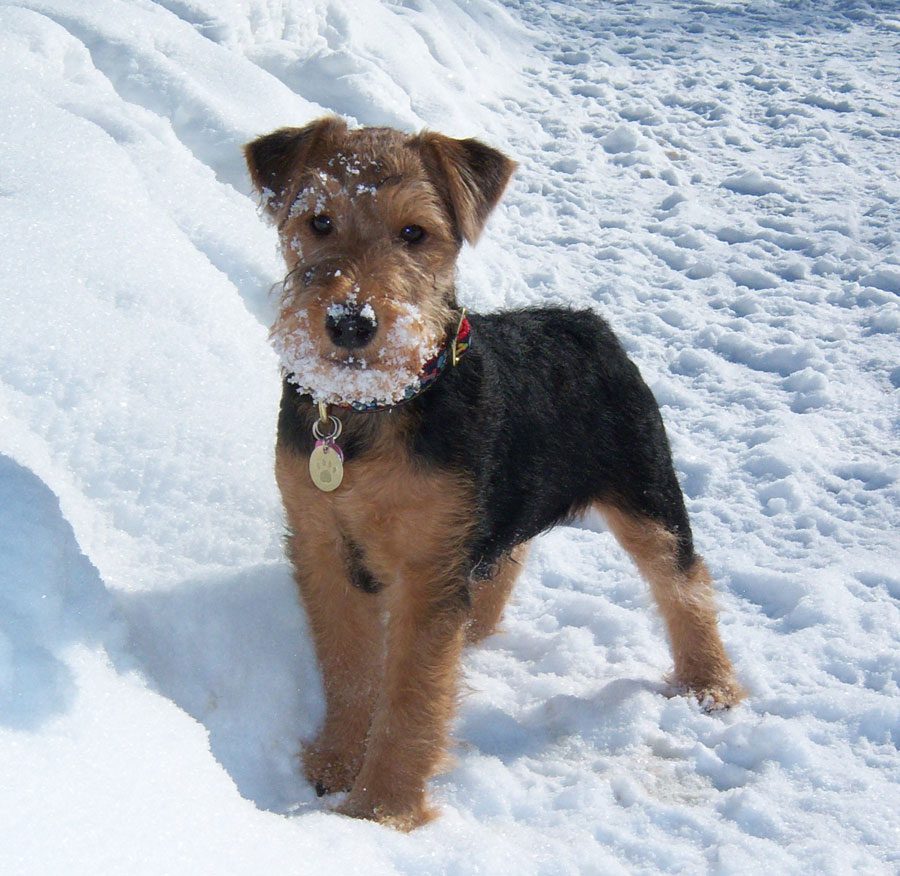
Welsh Terrier

The official standard describes the nature of the Welsh Terrier as: "Affectionate, obedient and easy to handle; happy and grumpy, rarely timid in nature"

Content

History

The Welsh Terrier it is a medium-sized and high-performance terrier. It is also often called the "little Airedale Terrierยซ, because it is very similar to it. But it is an independent terrier and not a miniature version of the Airedale Terrier. But, both are not only externally, but also in their nature quite similar. The name Terrier is derived from the Latin "Terra" for earth. So originally they were dogs for work on the land. The first evidence is given by the ancient Romans, in the Middle Ages terriers were already described in detail. Their home is in the British Isles, where you can find them all over the country. In the stables they kept the little vermin. Even the big rats were not a problem for them. The hens, pigeons and rabbits protected them from martens and foxes.

It is said that the Welsh Terrier has evolved from Black y Tan Terrier, that were widespread for centuries but are now extinct. Despite this ancient history, entered the stage of modern pedigree dog breeding relatively late. The ancestors of the Welsh Terrier spread throughout the British Isles. But, It was in Wales that the first breeders began to establish this original type of terrier as an independent breed in modern times.. In 1886 the first Club de Welsh Terrier. Since then the breed has been bred according to essentially the same criteria that continue to be given in the current standard.. In 1954 the breed was officially recognized by the FCI (International Cynological Federation).

Physical characteristics

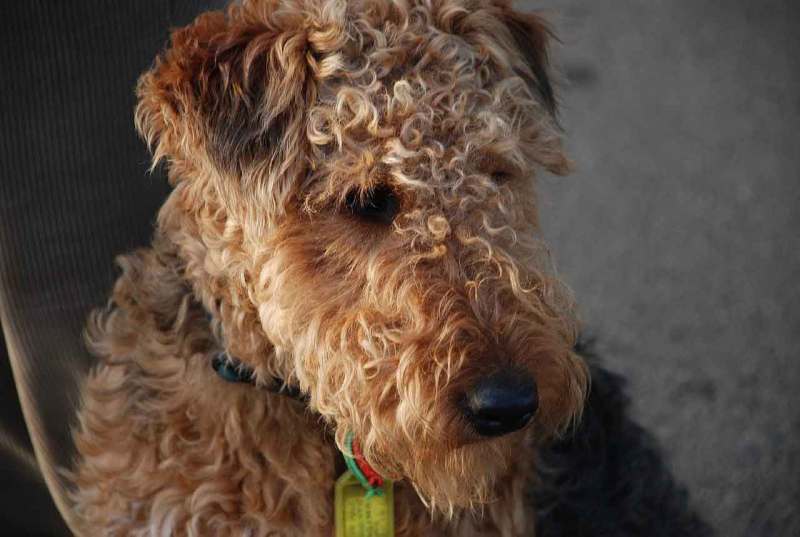
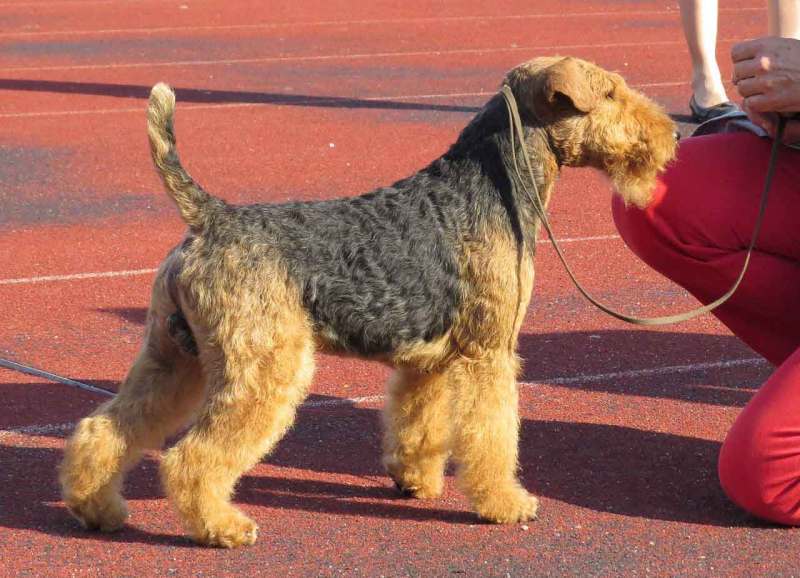
The Welsh Terrier is one of the highest performing terriers. His appearance is fast, Intelligent, balanced and compact. It is its external appearance that makes it unmistakable. His height exactly conveys his character: He is very attentive, ready for all actions like a charged power pack, but at the same time calm and without any aggression. This is underlined by the expression in his eyes, by the way he wears his ears and last but not least, for self-confidence, the tail that stands erect. The head of the Welsh Terrier is elongated and ends in a lush beard at the front. Ears are bent forward. The coat is also of a special kind. It's hard, very dense and abundant. Colors are preferred black and tan, or dark gray black with fiery reflections, no brush strokes of ortho color on the fingers. Males have a height at the withers of about 40 centimeters, the weight is about 9 to 10 kg.

Character and skills

The Welsh Terrier has first of all a character that distinguishes practically all terriers. The Welsh Terriers they are temperamental dogs that never say no to any adventure. They are lively, bright, concise, rapid. They are always alert, they are not aggressive, but they are not afraid and in an emergency they are ready to fight. They are also extremely cooperative and docile.. The official standard describes the nature of the Welsh Terrier as: "Affectionate, obedient and easy to handle; happy and grumpy, rarely timid in nature". bold and fearless, but in no way aggressive; although it can be sustained at any time, if required".

It is a great pleasure to work with these dogs. The Terriers galeses they are open and trusting, friendly, brave and intelligent. They are faithful to their humans and adapt well as family dogs if their strong personality is not only respected., but also appreciated and managed. Its suitability as a family dog รขโ‚ฌโ€นรขโ‚ฌโ€นalso requires that when Welsh Terrier given the proper occupation, or better yet, the challenges. Just going for a walk is not enough for a Welsh Terrier, especially as a young dog.

Fitness

Maintaining a Welsh Terrier no problems. They have no demands regarding the size of the floor. If anything, the biggest challenge is in his temperament. for a Welsh Terrier there is nothing worse than boredom. That is why you need challenges of a physical and mental nature.. Hunting work or sports and games should be on the agenda every day. The Welsh Terriers they are good companions for active and sporty people. But, when moving in nature, keep in mind that the hunting dog still sleeps in the terrier.

The Welsh Terrier they are very suitable for various sports with dogs. They are well positioned as companions to a runner, but also from a runner or cyclist, as long as these sporting challenges are kept in moderation. The Welsh must be used to other pets from puppyhood. Welsh Terriers are very suitable as playmates for children, they are always in a good mood for fun and robust enough to play with children. But, the house rules must be correct and the terrier must know his role in the family. You can do anything with a Welsh Terrier; he will know how to behave even in the best restaurant. Due to its manageable dimensions it is also very practical. It is always robust.

Education ยซWelsh Terriersยป

The breed can be trained very well and, if you want, even educated. The clear announcement and the consequence are the miracle words here based on a respectful and loving relationship with the master or caretaker.. The Welsh Terriers they need a consistent education from the puppy's age. On this basis they can be trained for a wide variety of tasks. Due to its high willingness to learn and its body measurements it is also suitable for a committed beginner.

Care and health ยซWelsh Terriersยป

The Welsh Terrier has a robust nature. The Terrier Club recommends that your hard, lean coat, which together with the dense and soft undercoat forms the so-called "English jacket", be professionally trimmed three or four times a year. It also, brushing and combing regularly is enough care.

The Welsh Terriers they are a very healthy breed, but they may have some genetic health problems. These may include, the breed may have glaucoma, cataract, dry eye and lens dislocation. Hypothyroidism has also been reported..

The breed also has problems with allergies and dislocation of the patella. (a condition in which the knees come out of their normal position). Although there are no screening tests for those and other conditions that can affect the Welsh Terrier, your puppy's breeder must be willing – in fact, anxious – to review the health records of your parents and close relatives, and discuss the incidence of those particular health concerns on their lines.

Remember that after you have welcomed a new puppy into your home, has the power to protect you from one of the most common health problems: the obesity. Keep a Welsh Terrier with a proper weight is one of the easiest ways to prolong your life. Make the most of your preventive skills to help ensure a healthier dog for life.

Nutrition / Food

The power of the Welsh Terrier has no problems.

Life expectancy ยซWelsh Terriersยป

The Welsh Terrier it has an average life expectancy of good 12 years.

Comprar ยซWelsh Terrierยป

The best thing to do is buy your puppy from Welsh Terrier locally to a breeder member of the Terrier Club, or you can search the shelter for a Welsh or similar terrier. A puppy of this breed of dog costs 1200 euros and more.

Characteristics "Welsh Terrier"

Coexistence is important that you have with your new friend. Before considering the acquisition of a dog of the breed "Welsh Terrier" you know certain factors. Not all breeds of dogs are apt to live in an apartment, you must take into account his character, their need for exercise, their interaction with other pets, their care and if you have small children, their level of tolerance towards them.

Adaptation โ“˜

5,0 of 5 stars (based on 1 review)

friendly dog โ€‹โ€‹โ“˜

2,0 of 5 stars (based on 1 review)

hair loss โ“˜

1,0 of 5 stars (based on 1 review)

Affection level โ“˜

4,0 of 5 stars (based on 1 review)

Need for exercise โ“˜

4,0 of 5 stars (based on 1 review)

Social need โ“˜

3,0 of 5 stars (based on 1 review)

Home โ“˜

4,0 of 5 stars (based on 1 review)

Toilet โ“˜

4,0 of 5 stars (based on 1 review)

Friendly with strangers โ“˜

3,0 of 5 stars (based on 1 review)

barking โ“˜

4,0 of 5 stars (based on 1 review)

Health โ“˜

2,0 of 5 stars (based on 1 review)

Territorial โ“˜

5,0 of 5 stars (based on 1 review)

Cat friendly โ“˜

1,0 of 5 stars (based on 1 review)

Intelligence โ“˜

4,0 of 5 stars (based on 1 review)

Versatility โ“˜

3,0 of 5 stars (based on 1 review)

Child friendly โ“˜

4,0 of 5 stars (based on 1 review)

Surveillance โ“˜

4,0 of 5 stars (based on 1 review)

joy โ“˜

5,0 of 5 stars (based on 1 review)

Images "Welsh Terrier"

Photos:

1 – Welsh Terrier by publicdomainpictures.net
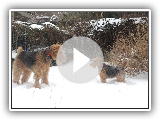
2 – Welsh Terrier during the international dogs show in Katowice, Poland by https://es.m.wikipedia.org/wiki/Archivo:Terier_walijski_suka_2009_pl.jpg
3 – Welsh Terrier by Shleiderbmx / CC BY
4 – Tallinn, Estonia, CACIB duo 2013, August 17-18 by Thomas / CC BY-SA
5 – A Welsh Terrier by Brian chee / CC BY
6 – Welsh Terrier by https://pxhere.com/es/photo/847899

Videos "Welsh Terrier"p

Type and recognitions:

  • FCI CLASSIFICATION:
  • Group :
  • Section : . .

Federations:

  • – FCI – Terriers 1 Large and medium-sized terriers. โ“˜
  • – AKC – Terriers โ“˜
  • – ANKC – Terriers โ“˜
  • – CKC – Terriers โ“˜
  • – โ€‹KC – Terriers โ“˜
  • – NZKC – Terriers โ“˜
  • – UKC – Terriers โ“˜

FCI breed standard "Welsh Terrier"

Origin:
Wales, United Kingdom

Date of publication of the valid original standard:
13.10.2010

Use:

Terrier


General appearance:

Faithful, obedient, easy to educate. Cheerful and fickle, rarely shy. Intrepid, but definitely without aggressiveness, even if he is always able to put himself before any situation.


Behavior / temperament:

Lively, passionate about work, well balanced and compact.

Head:

---

Cranial region:
  • Craging: Plano, of moderate width between the ears.
  • Depression links (Stop) : Not very defined.

facial region:

  • Trufa: black.
  • Horcico: Median length of stop to tip of nose.
  • Jaws / Teeth: Powerful Jaws, clean cut, rather deep and tremendous. Strong JAWS, with a perfect and uniform scissor bite, so that the upper incisors fall exactly in front of the lower ones, teeth being placed perpendicularly in the jaws.
  • Ojors: relativelysmall, well implanted, dark, with expression indicative of his temperament. Round and full eyes are not desirable.
  • Obars: Triangular shape, small, with not very thin pavilions. Relatively high implantation, positioned forward and close to the cheeks.

Neck:

Of moderate length and width, slightly arched, falling gracefully on your shoulders.

Body:

  • Espalda: Short.
  • Itmor: Strong.
  • Pecho: Good depth and moderate width. Well developed ribs back.

Tail:

Previously the custom was to amputate the tail.
  • amputee: Properly inserted. With erect bearing.
  • Sinn amputation: Properly inserted. With erect bearing. Being in good balance with the rest of the dog.


Tips

PREVIOUS MEMBERS:

  • Hormbros: Long, inclined and well positioned backwards.Elbows: Perpendicular to the body.
  • Antarm: Straight and muscular limbs, with strong bones.Metacarpus: Perpendicular and powerful.
  • Pinis previous: Small, round, ยซ cat's foot ยป.

LATER MEMBERS:

  • ApGeneral arience: Strong.
  • Thighs: Muscular, good length.
  • Metatarsals: Corrin theejoneswell angled, low-lying and broad-boned.
  • Pinis later: Small, round, ยซ cat's foot ยป.

Movement:

Anterior and posterior extremities are carried straight and parallel. The elbows move perpendicular to the body, with a free movement to the sides. Knees do not twist inward or outward.

Mantle

  • Plink: Wire hair, hard, very dense and abundant. It is undesirable that you only have one coat of hair (no inner layer).
  • Colorr: Preferably black and tan or black-gray and tan. No black brush strokes on fingers. It is undesirable that they have black color under the hocks.


Size and weight:

Alturto the cross: Without exceeding 39 cm..

Weight: Of 9 to 9,5 kg.


Fouls:

Any deviation from the aforementioned criteria is considered a fault and its severity is considered to the degree of deviation from the standard and its consequences on the health and well-being of the dog and the dog's ability to perform its traditional task..

FALTAS DISQUALIFYING:

  • Aggressiveness or extreme shyness.
  • Any dog โ€‹โ€‹showing clear signs of physical or behavioral abnormalities must be disqualified..


N.B.:
  • Males should have two normal-appearing testicles fully descended into the scrotum..
  • Only functionally and clinically healthy dogs, with the typical conformation of the breed, should be used for parenting.

Itlatest changes are in bold.

TRADUCCION: Brรญgida Nestler / Original version: (IN)

SupTechnical ervision: Miguel Angel Martinez

Source: F.C.I - International Cynological Federation

Alternative names:

1. Welshie, WT (English).
2. Terrier gallois (French).
3. Welsh (German).
4. Welsh (Portuguese).
5. Terrier galรฉs (espaรฑol).

โ–ท The world of Pets: Dogs, cats, birds, reptiles, amphibians

Border Terrier
Gran Bretaรฑa FCI 10 -Large and medium-sized Terrier
Border Terrier

The Border Terrier they are intelligent, loving, quite independent and.

Content

History

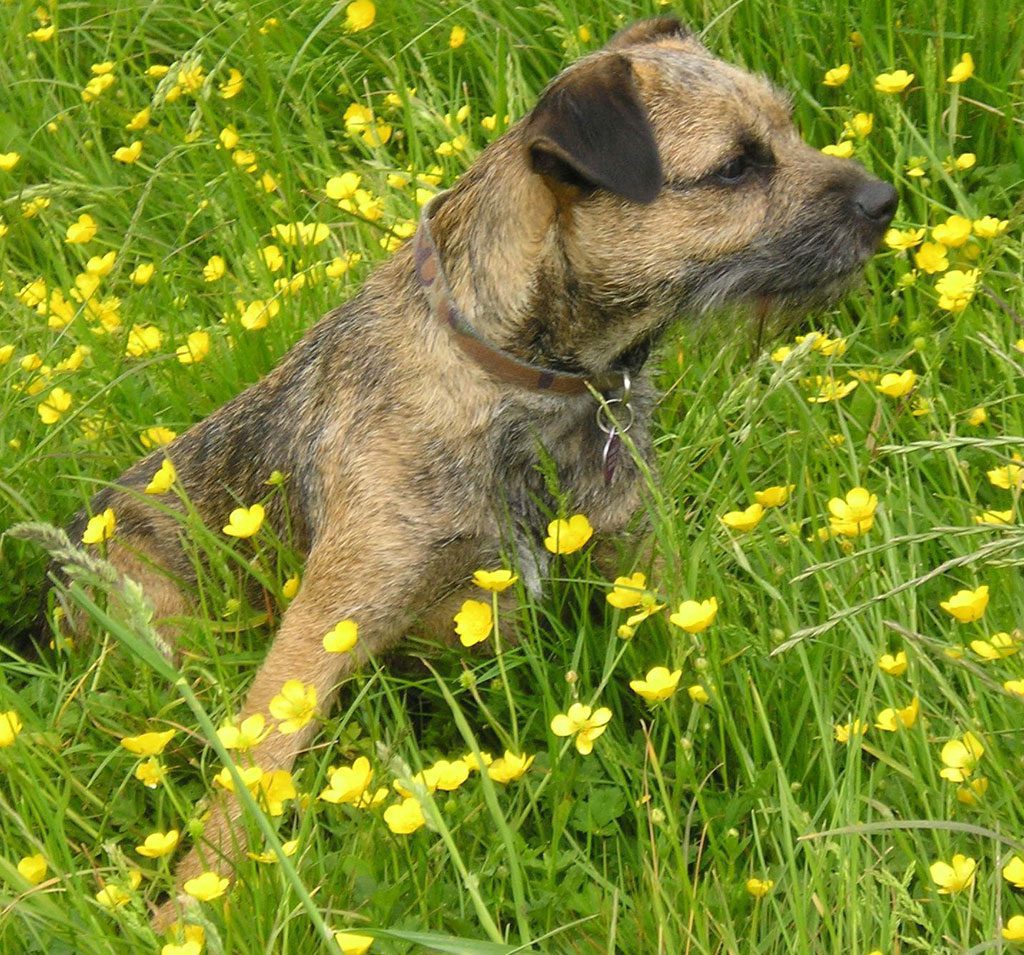
Border Terrier It is a breed of dog of the Terrier that group, It takes its name from its place of origin, the Scottish borders. Shares ancestors with the Dandie Dinmont Terrier and Bedlington Terrier.

Originally bred as a Hunter of foxes and small varmints, they were used to hunt otters and Badgers, as well.
Although the breed is very old, the Border Terrier was officially recognized by the Kennel Club of Great Britain in 1920, and by the American Kennel Club (AKC) in 1930.

In 2006, the Border Terrier ranked 81, in number of AKC registrations and rank 10 th in the UK (in the 2088, ranked number 8).

Read more

โ–ท The world of Pets: Dogs, cats, birds, reptiles, amphibians

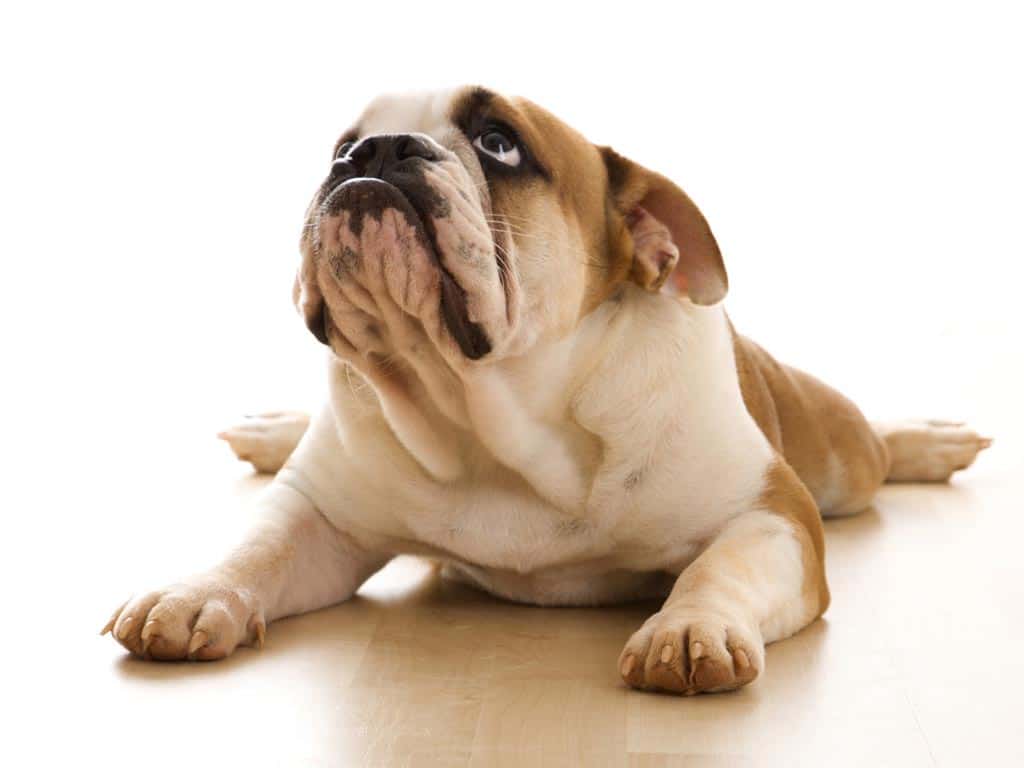
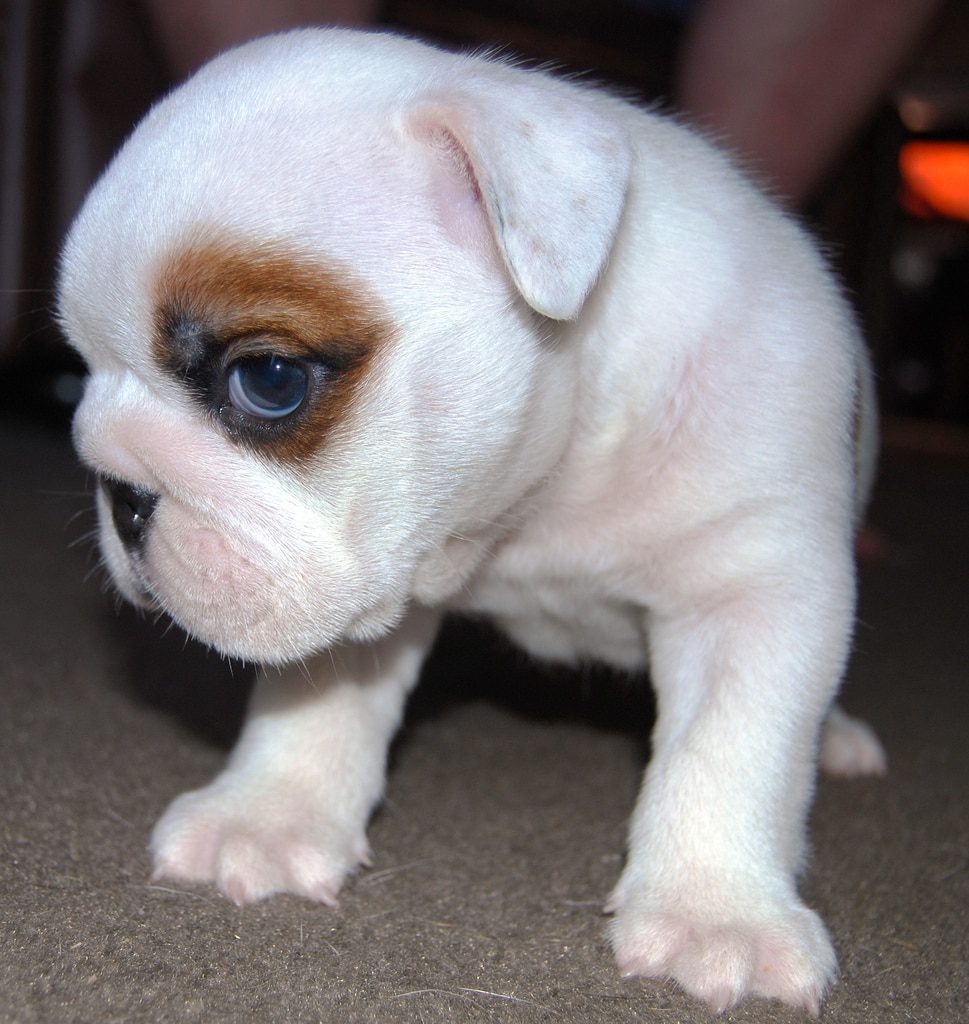
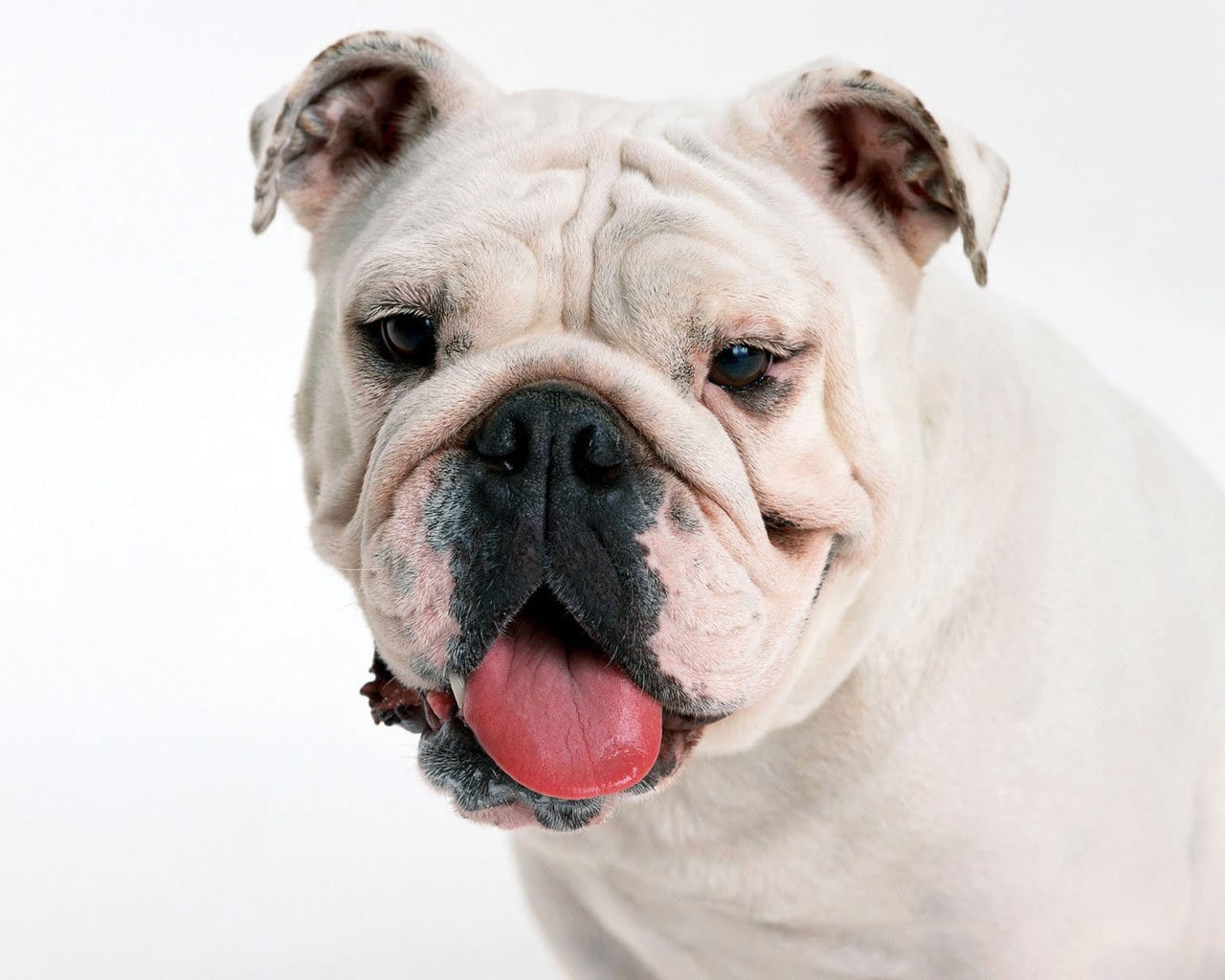
Bulldog
Gran Bretaรฑa FCI 149 - Molossoid - Dogo

Bulldog

The Bulldog Currently he is a dog known for having a good humor.

Content

History

The race Bulldog or English Bulldog, It was initially used for betting in dog fights, during the 17TH century (in 1835 This practice was banned in England). In the news, this dog is one of the symbols of England.

Its origin is in the "ancient Greek dog", Kelb Thal Bulldog, or bulls Maltese dog: an imported breed to England, with ancient mastiffs crossed gave rise to the Old English Bulldog.

The Bulldog of yesteryear was lighter and similar to the Boxer than the chubby current Bulldog; was a purely sporting animal. It was used in the creation of other races as: Bullmastiff, Boxer, Bull Terrier, and some hounds like him Beagle old type. As a fighting dog, it was an animal that only accepted the challenge of larger animals such as bears., bulls and even Lions.

The origin of the name is due to the fact of being a dog butchers, that is to say, its function was to run the bulls, for believing that his meat was softer that way. Although it is probably a deformation of the name Band Dog or "Hardened Dog".
It must be borne in mind that the old Bulldog have nothing to do with the current, they were only modified with crosses with other races like the Pug or Dutch bulldog; race of which Bulldog inherited its flattened snout as well as its plump muscles.

Former Bulldogs were dogs of varied appearance, sometimes dogs elongated snout and all colors. It has to be taken into account that the former Bulldog was a working animal by which attached great importance to the character.

Physical characteristics

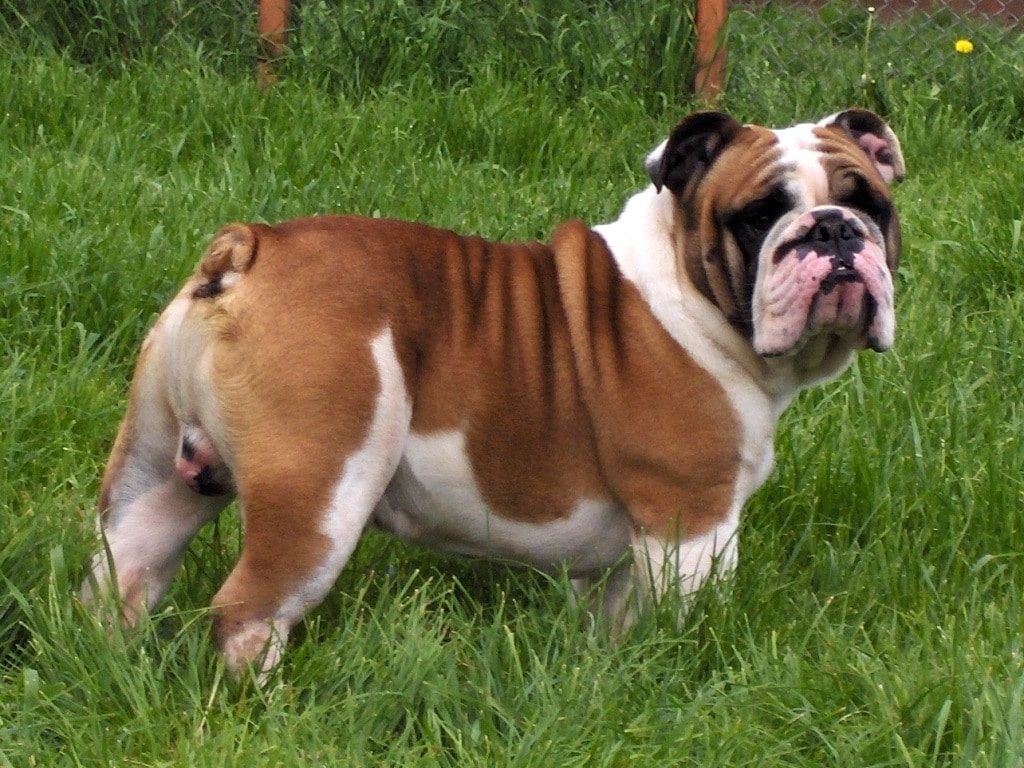
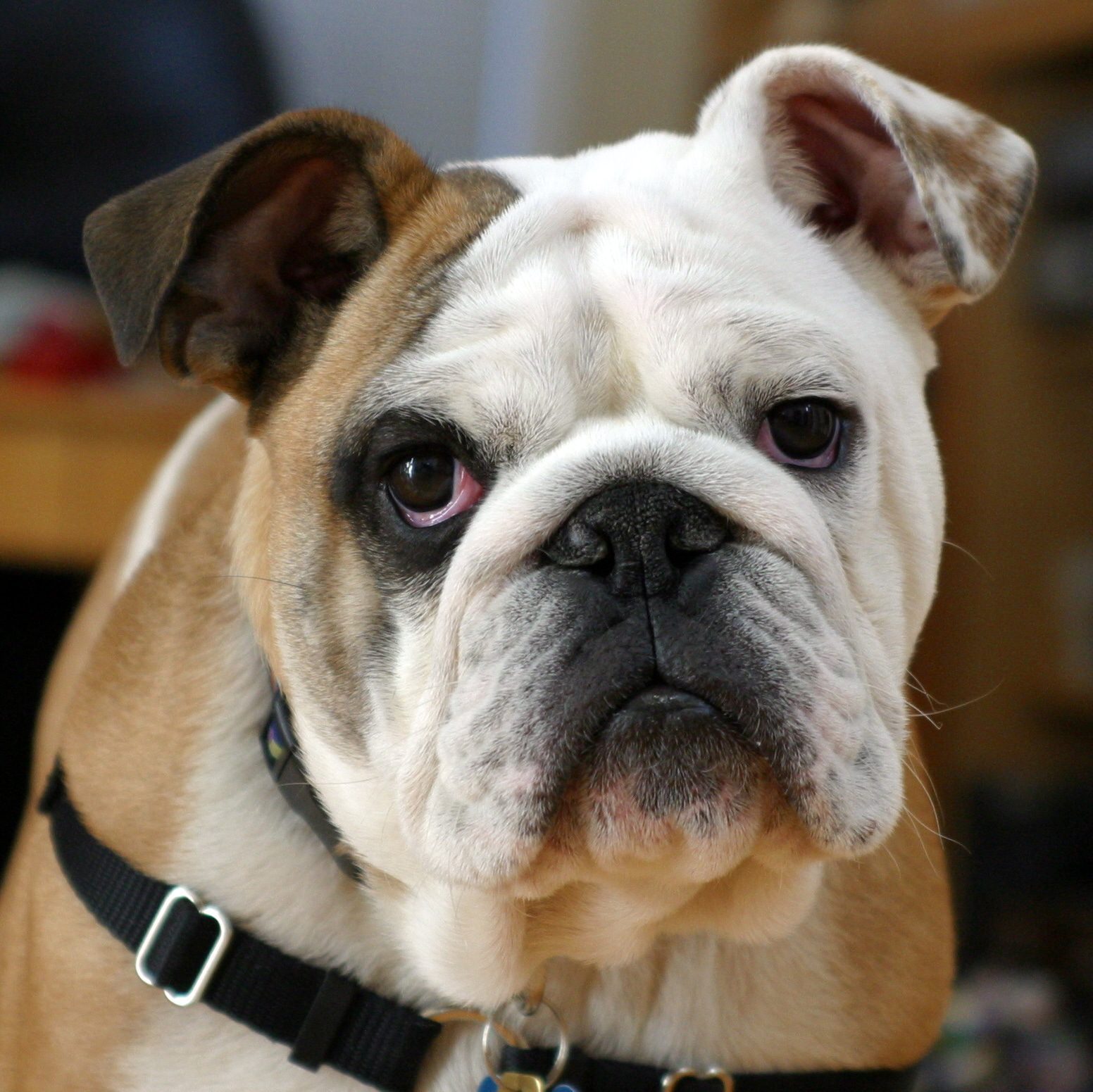
The Bulldog is a breed that is characterized by thick shoulders and a head large in proportion to their body. Generally thick folds of skin on his forehead, followed by a few black, large, round eyes. It has a short snout with folds above the nose, with a pendant Chin under neck, along with sagging lips and pointed teeth. The big legs give an idea, how strong is the dog that you have to deal with. Even a well-trained bulldog with an ideal weight seems to the uninitiated observer that it is a dog with excess pounds. He's really loaded with muscle and shouldn't have any fat on his ribs. All this translates into a very powerful and imposing appearance.

Its pelage is short, smooth and elegant red color, beige, white, striped (color mixing, sometimes in irregular stripes) and various colors of these.

Weight and height standard varies by country, but in general terms and averages, These dogs are usually measured in 30 to 40 cm. and weigh in 18 to 25 Kg. Some dog breeds need them they cut off the tail or her call after birth, the bulldogs are the few races that have naturally short and curly tail. A long, upright tail it is flaw in a Bulldog.

Character and skills

The Bulldog is friendly and courteous. There is hardly a quadruped that is so wholeheartedly devoted to humans. He greets his family and all the people he has held close to his heart at some point in his life with exuberant warmth.. Itร‚ยดs, mostly, a cool guy who can't be bothered by anything so quickly, not by a barking dog or by the vacuum cleaner running through its muzzle. But it can literally explode in an instant when it seems necessary. Then shoot like a rocket towards the front door and pile up with a dark bass in front of the alleged troublemaker.. In this situation, literally goes through the wall. The direct path is then his creed.

But do not worry, the Bulldog can be controlled and bite accidents are practically impossible. When you realize you've scared a friend, almost embarrassed. Once the "danger" has been avoided, he lies down comfortably on his couch again seconds later and growls like nothing happened. At these extremes his mental heritage comes out once again. The Bulldog has a sovereign character, making it the ideal companion even in hectic big cities and a balm for our often stressed psyche.

โ€œBulldogโ€ care

The Bulldog has no special demands on your posture. It is a frugal and low maintenance companion, as long as you are healthy. The most important thing is that you feel the love of your humans. It can be easily kept in a small apartment as long as it has its place on the sofa with a cushion. This is sacred to him. But there shouldn't be too many stairs to climb. He loves his daily walks, you also need to stay fit, and is a smooth companion when traveling or in the restaurant. The Bulldog behaves perfectly and can also be left in the room for a few hours.

But, when is hot, you have to let her rest. You have to be careful that you are neither physically nor mentally stressed. You should avoid long car trips even with air conditioning. Otherwise, it is perfectly suitable for traveling. to most of the Bulldogs they love to travel by car. Since he doesn't have a strong hunting instinct, you can walk with him relaxedly through the landscape, what he also likes Bulldog. You have to control yourself with food. Most of the Bulldogs they are voracious eaters, who empty their bowl in no time and then look at us with an innocent expression: "That, Thats not all, I'm supposed to starve here?ยป Being overweight is bad for your health, even in the Bulldogs.

No special coat care necessary; occasional brushing is good for fur and psyche.
Regular cleaning is necessary in case of exaggerated wrinkles.

Nutrition / Food

The Bulldog he's a greedy dog. He hurriedly empties the bowl and then asks with a disapproving look if that was it.. In the interest of your health and your tendency to be overweight, must keep short and always watch the total ration of sweets included. It is advisable to feed the English Bulldog with high quality food with a high meat content.

Life expectancy

Due to over-exploitation and exaggeration in its appearance, the Bulldog has a life expectancy of only 6,3 years according to the standard leading Kennel Club static. A typical Bulldog of serious breeding without exaggeration can easily reach the 10-12 years.

Health "Bulldog"

There is probably no dog, nor any animal, that was so deeply shaped and unfortunately deformed by us humans. This caused considerable health problems. In 2009 the Kennel Club of London, who is responsible for him, revised the standard of Bulldog in the sense of a healthier upbringing. Among other things, nose wrinkles are expressly prohibited. Unfortunately, these regulations are ignored in much of the breeding. Natural births are a rarity and mating is increasingly being replaced by artificial insemination by the vet. The Bulldog healthy is very easy to care.

Many Bulldogs suffer from a deformation of the respiratory tract, it doesn't allow them to breathe freely. As a result, the heart is occasionally overloaded. It also, inflamed wrinkles, entropion (eyelid turned inward) and narrow ear canals are common clinical pictures of the Bulldog. It also tends to cause allergies..

Education

The basis of your education is a relationship of love and trust with your master and caregiver. Humans must take their stubbornness and occasional stubbornness with humor.. Otherwise, we have a problem. Not a receiver of orders. But, needs clear boundaries and rules that must be strictly adhered to. Because when you want something, can be very stubborn. The Bulldog wants to please his people, but check the meaning of each order. If you don't want something, there is no way to enter. The only way to get in is by asking.. But then he will do what he is asked. A relationship of trust, a good understanding of your individual personality and respect for him can be the basis of an extremely harmonious team, where the Bulldog follows its caregiver with only facial expressions and eye movements.

Ideal family dogs

The Bulldogs they are ideal family dogs. Social integration in the human family and participation in his life is the greatest for him. Also for us, the humans, your warm affection is always a cause for joy, smile and good mood. Does not have an innate behavior, like the herding or protective instinct, that could turn into trouble. It is an ideal playmate for children. Although at first glance it seems a bit awkward, he is surprisingly kind even to young children. He also gets along well with other pets..

Buy a "Bulldog"

Find a Bulldog healthy is not easy
Buy a puppy from Bulldog it's not easy. Although there is a wide range of offers on the relevant Internet portals, these are mostly doubtful. Many of the Bulldogs offered there come from Eastern European or even German multipliers. Breeding dogs lead a miserable life and puppies often show their illnesses days after purchase. This can become a very expensive matter, not to mention suffering. The Bulldog seriously bred is an expensive dog to buy, precisely because their upbringing requires a lot of effort. Please, buy your Bulldog only from the local breeder from long ago, preferably breeders with all certifications. Take a close look at the breeder: Serious breeders like to show you their breeding dogs and document the health and age of their ancestors. But it is also recommended to take a look at the refuge – there may be an opportunity to offer a Bulldog a new home. The puppies of a serious breeder cost from 2500 EUR. No special maintenance costs are necessary, but the Bulldog has a high risk of disease and therefore a high risk of cost.

Characteristics "Bulldog"

Coexistence is important that you have with your new friend. Before considering the acquisition of a dog of the breed "Bulldog" you know certain factors. Not all breeds of dogs are apt to live in an apartment, you must take into account his character, their need for exercise, their interaction with other pets, their care and if you have small children, their level of tolerance towards them.

Adaptation โ“˜

5,0 of 5 stars (based on 1 review)

friendly dog โ€‹โ€‹โ“˜

5,0 of 5 stars (based on 1 review)

hair loss โ“˜

3,0 of 5 stars (based on 1 review)

Affection level โ“˜

5,0 of 5 stars (based on 1 review)

Need for exercise โ“˜

1,0 of 5 stars (based on 1 review)

Social need โ“˜

4,0 of 5 stars (based on 1 review)

Home โ“˜

5,0 of 5 stars (based on 1 review)

Toilet โ“˜

3,0 of 5 stars (based on 1 review)

Friendly with strangers โ“˜

5,0 of 5 stars (based on 1 review)

barking โ“˜

1,0 of 5 stars (based on 1 review)

Health โ“˜

5,0 of 5 stars (based on 1 review)

Territorial โ“˜

2,0 of 5 stars (based on 1 review)

Cat friendly โ“˜

5,0 of 5 stars (based on 1 review)

Intelligence โ“˜

3,0 of 5 stars (based on 1 review)

Versatility โ“˜

3,0 of 5 stars (based on 1 review)

Child friendly โ“˜

5,0 of 5 stars (based on 1 review)

Surveillance โ“˜

1,0 of 5 stars (based on 1 review)

joy โ“˜

5,0 of 5 stars (based on 1 review)

ยซBulldogยป images

ยซBulldogยป Videos

Type and recognitions:

  • FCI CLASSIFICATION:
  • Group :
  • Section : . .

Federations:

FCI โ“˜, AKC โ“˜, ANKC โ“˜, CKC โ“˜, โ€‹KC โ“˜, NZKC โ“˜, UKC โ“˜

FCI breed standard "Bulldog"

Origin:
England, United Kingdom

Date of publication of the valid original standard:
13.10.2010

Use:

Companion and deterrent dog.


General appearance:

It is a short haired dog, somethingheavy, rather short in stature, width, powerful and compact. Rather large head in proportion to its size, but no part of your body should be excessively large in relation to the others., thus breaking the general symmetry, making the dog look deformed or interfering with its ability to move. Cararelativelyshort, wide snout, blunt and inclined slightly upward, although not very excessive. Dogs showing respiratory problems are highly undesirable. Bodysomething short, of good structure. Strong Member, well muscled and robustno tendency to obesity. Tall and strong rear. females not so developed as males.


Behavior / temperament:

You must give the impression of determination, strength and activity. Alert, brave, fair, dependent, courageous, fierce in appearance, but holder of an emotional nature.

Head:

Side view, the head is very high and moderately cuts from the back up to the tip of the nose. Flat front with skin on and around the head, slightly loose and subtly wrinkledwithout excess never prominent or protruding from the face. The face, from cheek to nose bones, relatively short, with skinIt may be slightly  wrinkled. The distance from the interior of the eye angle (or the center of the depression slightly between the eyes) at the end of the tip of the nose, notshould be less than the distance the tip of the nose at the edge of the lower lip.

Cranial region:
  • Skull: Skullrelatively large in circumference. Seen from the front it appears high from the angle of the lower jaw to the top of the skull, also wide and square. From the stop, a Groove extends to the middle of the skull, may continued his stroke to the vertex.
  • Depression links (Stop) : Defined.

facial region:

Seen from the front, several properties of the face,  must be equally balanced to both sides of an imaginary center line.

Nose: Nose and large nostrils, wide, black, under no circumstances liver colored, Red or brown. Large nostrils wide and open, with a well defined line, vertical and straight in between I.

Snout:  Short snout, width, downturned, deep from the corner of the eye to corner of mouth.

The wrinkle on the nose, If it is present, full or broken, It should never negatively affect or obscure the eyes or nose.

Narrow nostrils and heavy wrinkles over the nose are unacceptable and should be severely penalized.

  • Lips: Thick belfos, large, and deep, covering the sides of the lower jaw, but joining the lower lip in front. Teethnon-visible.
  • jaws and teeth: Wide jaws, strong, square, lower jaw projectingslightly towards front topwith a moderate slope upward. Wide, square jaws with six small front teeth between the canines, in an even row. Canines well separated from each other, large, strong teeth that should not be seen when the mouth is closed. When seen from the front, the lower jaw is seen exactly below the upper jaw and parallel to it..
  • Cheeks: Well rounded cheeks and extends laterally beyond the eyes.
  • Eyes: Seen from the front, located low in the skull, well separated from the ears. The eyes and the naso-frontal depression are in the same straight line, at right angles to the front furrow. Separate, however the external angles within the outer line of the cheeks. Round, moderate size, or sunk or prominent, very dark, almost black, not showing the white when they look directly in front. Free of obvious problems of eyes.
  • Ears: High insertion, that is the front edge of each ear (seen from the front) touch the edge of the skull in its top margin, so that they are as far apart as possible from each other, separated from the eyes as possible and high. Small, thin โ€œrose-shaped earsโ€ is correct, It is said that internal wrinkles fall back, the top edge, front internal, curving outward and backward, showing part of the inside of the ear canal.

Neck:

Moderate long, very thick, deep and strong. Well arched at the top, with somethingloose skin, thick and wrinkled around the throat forming one mild dewlap on each side.

Body:

  • top line: It falls slightly to the back behind the tip of the blades (This is the lowest part) where thorn goes to the back (higher than the cross point) curving again more suddenly towards the tail, forming amild  bow a distinctive feature of the breed.
  • Back: Short back, strong, wide at the height of the scapulae. Chest: Chest width, prominent and deep. Body with well-defined ribs backwards. Chest deep and rounded. Well lowered between the front legs.Ribs not being flat at the sides, well rounded
  • Bottom line and belly: Abdomen retracted and not hanging.

Tail:

Low insertion, rather right out and then turning down. Rounded, smooth and devoid of fringe or wire-haired. Moderate long, short rather than long, thick at the base, fine tuning quickly towards a tip. You must take it down (without a clear upward curve at the tip) and never carried above the level of the top line. Absence of tail, reversed or too tight queue are undesirable.

Tips

FRONT MEMBER:

  • General appearance: Short front legs in proportion to the rear, but not so short as to make the back look like long or as to hinder the activity of the dog.
  • Shoulder: Wide shoulders with steep and deep scapulae, very powerful and muscular giving the appearance of being glued to the body.
  • Elbows: Elbows low and well away from the ribs.
  • Arm: Very Beefy front legs and strong, well developed, inserted separate good, thick, muscular and straight, the bones of the legs are large and straight, not bent or curved.
  • Metacarpus: Short metacarpals, straight and strong.
  • Previous feet: Straight and returned very slightly outward, moderately rounded and medium sized. Compact and thick fingers, well separated up, making knuckles prominent and high.

LATER MEMBERS:

  • General appearance: Great legs and Forelegs, in proportionslightly longer than the front ones. Long legs and Forelegs from the spine to the Hock.
  • Knees: Knee wrapsvery slightly away from the body.
  • Metatarsus: Slightly sloping and well descended metatarsals.
  • Hind feet: Round and compact. Compact and thick fingers, well separated up, making knuckles prominent and high.

Movement:

Walking with short, quick steps on the tip of your fingers, the rear feet not lifted high, resembling the floor rozan, running with one or another shoulder relatively moving. The strength of the movement is of the utmost importance.

Mantle

  • Fur: Texture fine, short, pasted and smooth (hard only small and paste, rather than wire)
  • COLOR : Solid or sooty, (is a single color with black mask or muzzle). Unicolores (It must be bright and pure of his type) how striped, Red in its various shades, trode, Griffon etc., White and parties (is the combination of white with any of the above colors) Flesh-colored, black and black and Tan are highly undesirable.


Size and weight:

  • Males: 25  kgs.
  • females: 23  kgs


Fouls:

Any deviation from the above mentioned points should be considered as missing and the seriousness with which this is to be taken must be in exact proportion to its degree and its effect on the health and welfare of the dog.


FALTAS DESCALIFICANTES :

  • Aggressive or fearful dog.
  • Any dog โ€‹โ€‹showing physical or behavioral abnormalities must be disqualified..


N.B.:

Males should have two apparently normal testicles, fully descended into the scrotum.


TRANSLATION : Brรญgida Nestler / Original version : (IN)
Technical supervision : Miguel Angel Martinez

Source: F.C.I - International Cynological Federation

Alternative names:

1. British Bulldog, English Bulldog (English).
2. Bulldog (French).
3. Bulldog (German).
4. Bulldog-inglรชs (Portuguese).
5. Bulldog inglรฉs (espaรฑol).

โ–ท The world of Pets: Dogs, cats, birds, reptiles, amphibians

Border Collie
Gran Bretaรฑa FCI 297 . Sheepdogs

Border Collie

The Border Collie is regarded as the breed of smarter dogs que existe

Content

History

The Border Collie takes its name from the region of Borders, the border region between Scotland and England, where he has been tending flocks of sheep since ancient times with extraordinary efficiency. For a long time, has remained there out of sight of international canine enthusiasts. So, the official rule was not registered with the FCI until 1976.

The foundation of the ISDS (International Society of Sheep Dogs) in 1906 marked a turning point in this dog's history. The name of Border Collie then appeared in 1915 to describe these famous "sheepdogs", in recognition of the selection work carried out by the pastoralists of the border regions. The word "border" refers to the border, while the word "Collie" is used to describe a sheepdog.

The Border Collie owes excellent performance in many disciplines to rigorous and uncompromising selection in a pastoral environment. The different breeds that have stabilized the border are mainly herder breeds (Old English Sheepdog (Bobtail), Bearded Collie…), but also hunting dogs, as the English Pointer and especially the Gordon Setter.

Like this, the definitive pedigree of Border Collie, and therefore his right to breed dogs with pedigree, directly depends on your herding skills.

Physical characteristics

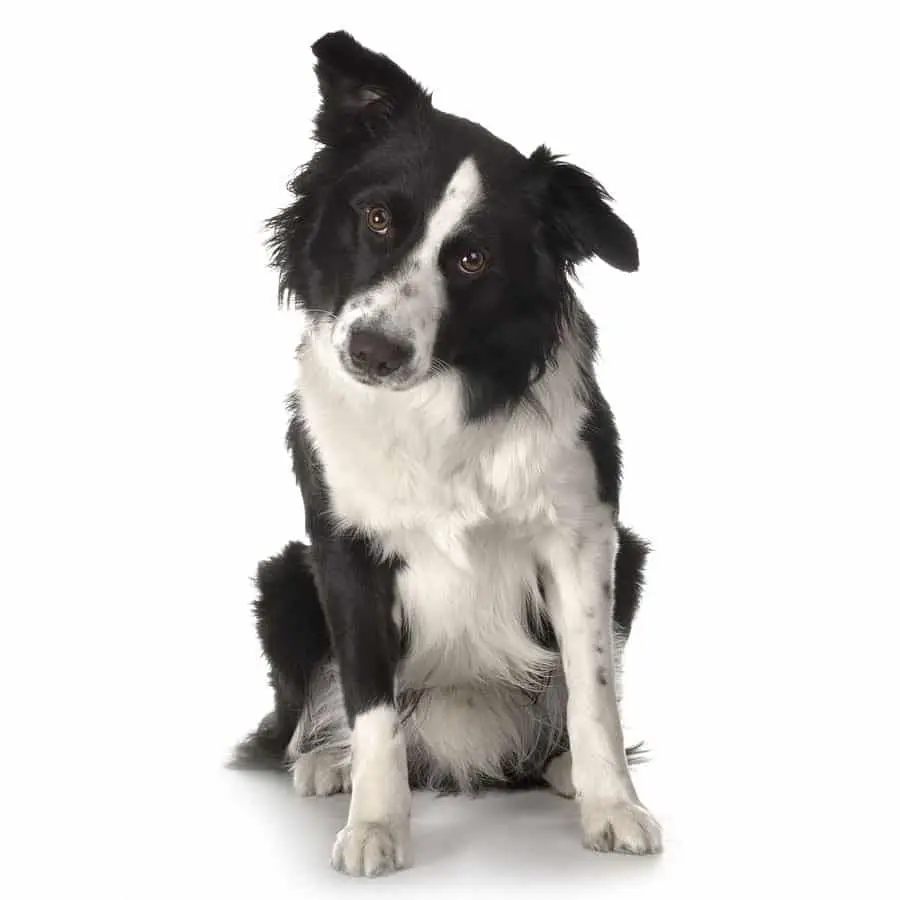
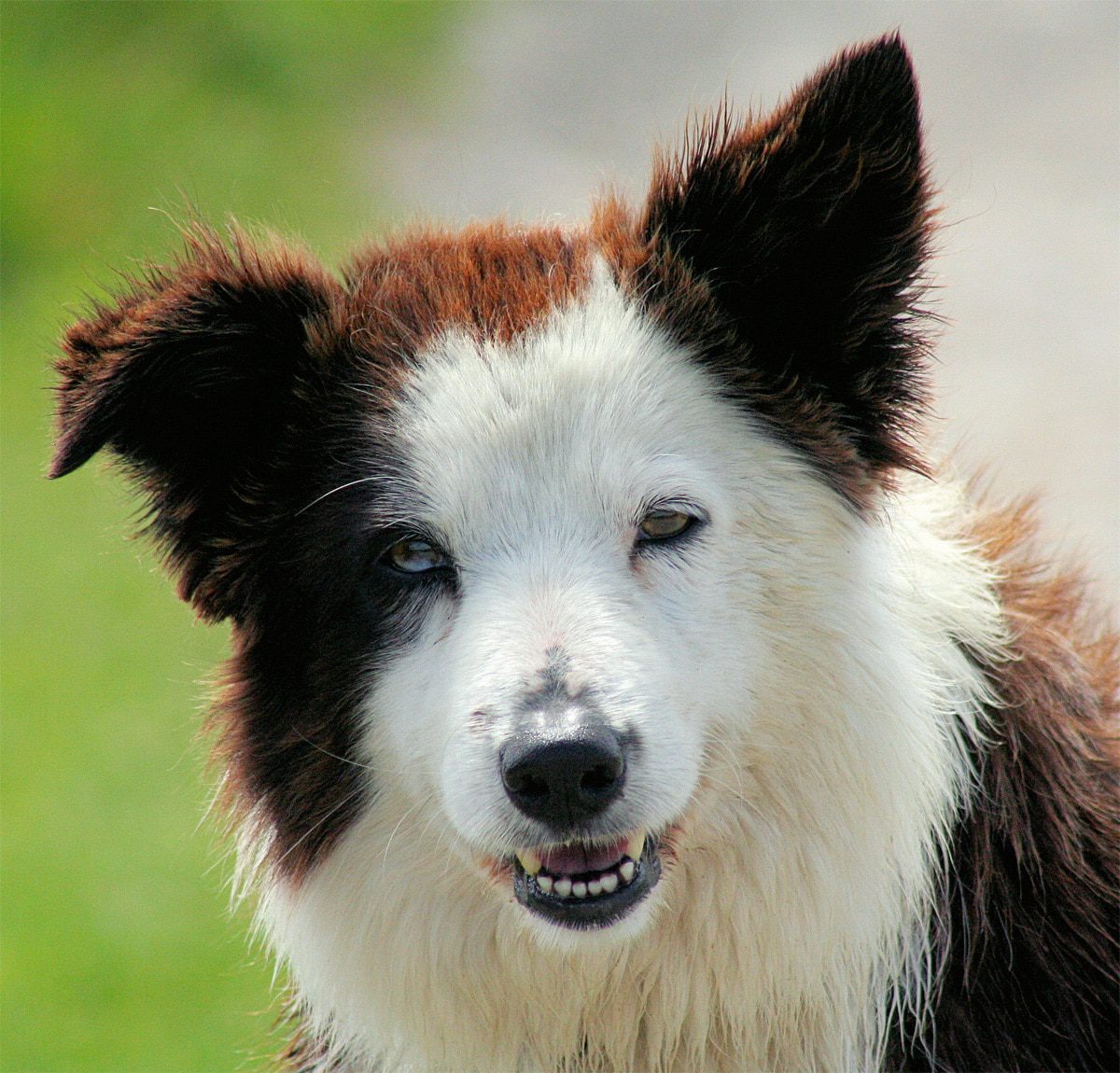
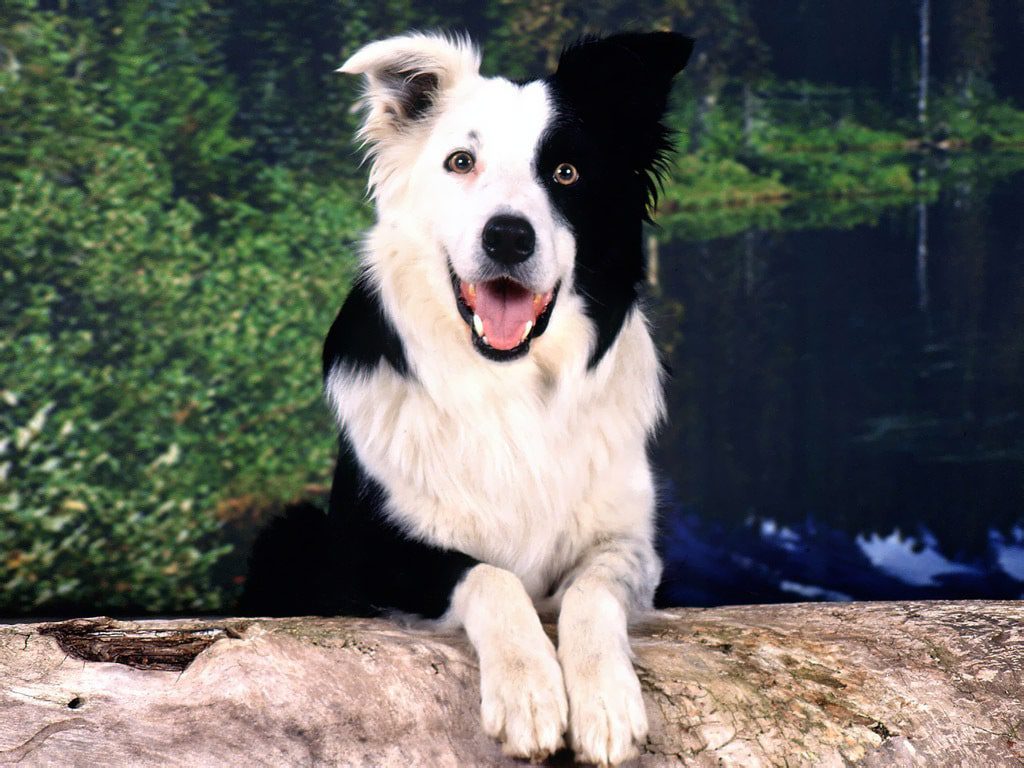
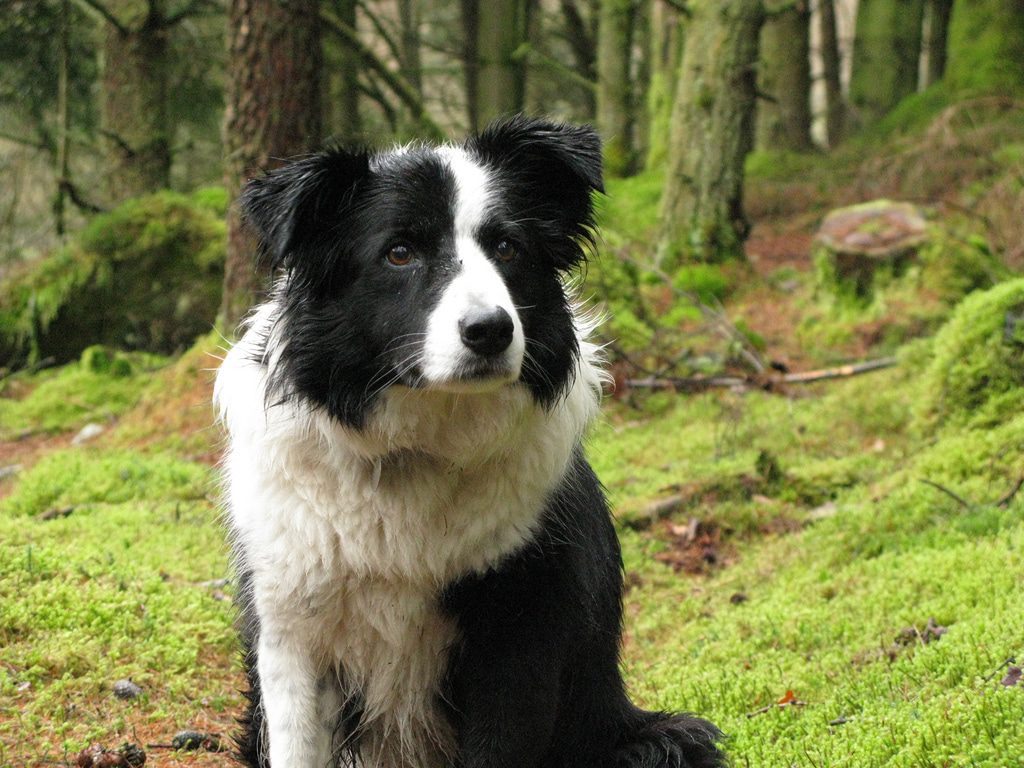
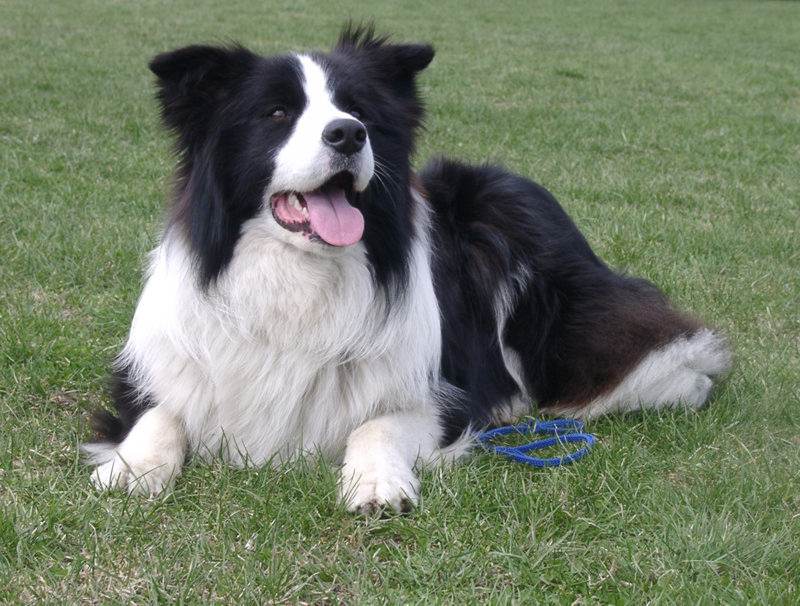
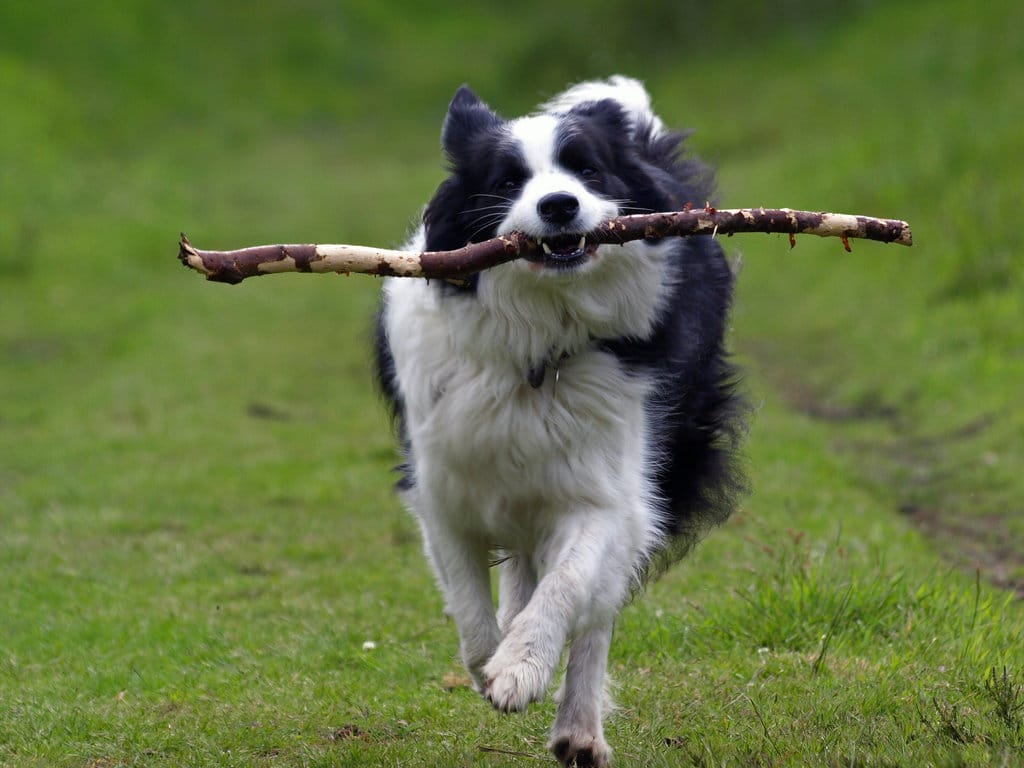
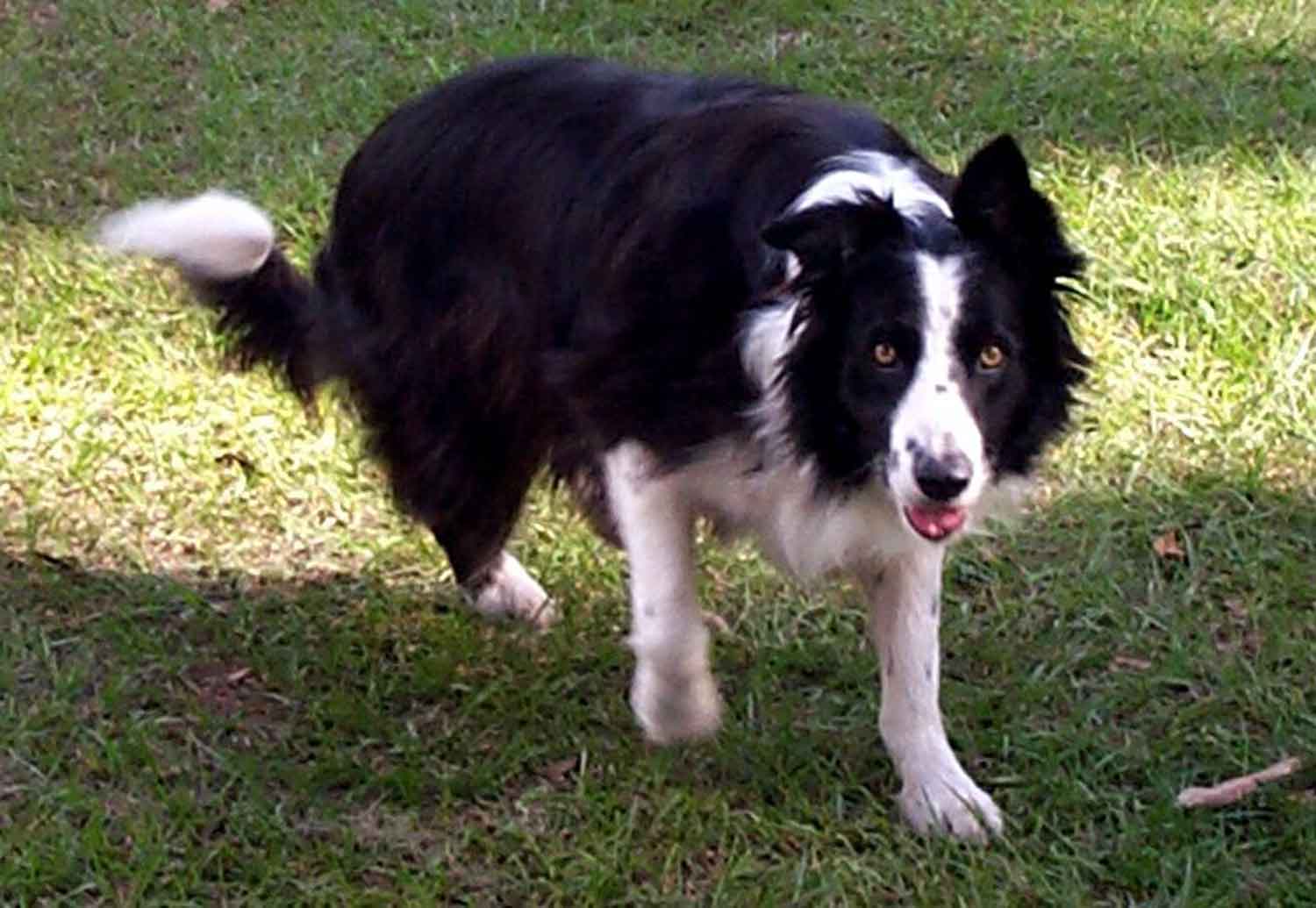
The Border Collie is a dog of medium size, well proportioned, that can weigh between 16 and 23 kg. It has a double cloak of hair that supports various colors, variations of black, toasted and white though white should never be the predominant color, the fur is impermeable, It can be dense and coarse, or dense, soft. The body has athletic appearance, low chest, strong and agile.

The height varies between 46,5 and 56 centimeters for males and between 46 and 53 centimeters in females. The tail is moderately long, slightly curved, well populated, with a lock of his hair white at the end of the same.

There are two coat varieties, moderately long and short. In both, the outer layer is dense and has a medium texture; the inner layer is dense and soft, which gives it good protection against the inclement weather. In dogs that have a moderately long fur, the abundant hair is Manes, fringes and tail brush. In the face, ears, previous members (except for the fringes) and later members from hocks to the ground, the hair should be short and smooth.

Character and skills

He is loyal to his own and especially to whom he adopts as a leader, with whom he forges an unconditional bond. His gaze is one of his main characteristics., in moments of work he never separates her from her leader, denoting an unusual ability to concentrate in other dog breeds. He is happy when working, enjoy doing it.

According to the classification made by Stanley Coren after analyzing the responses of more than 200 work of the AKC judges (ยซThe intelligence of dogsยป, Stanley city, Ediciones B, 1995), the Border Collie is the No. 1 from the list.

It is a clever dog, very acute hearing, with a broad response capacity but, above all, It has a great agility and is owner of extreme intelligence, both functional and obedience.

His strong herding instinct, coupled with his tenacity and resistance, It places it among the most required to bring races, controlling and driving flocks, proving the best breed of dog existing pastor.

The Border Collie is regarded as the breed of more intelligent dogs que existe, next to the Golden Retriever and to the German Shepherd, that is why it is so easy to train.

Itร‚ยดs awake, vigilant, responsive and intelligent. Affectionate and docile, sociable with humans and other animals. He possesses an innate curiosity. It is a working dog and requires exercise in large or open spaces. You need to feel that it is part of a group and it has a function in the same. As it is a herding breed, it needs a lot of daily physical activity..

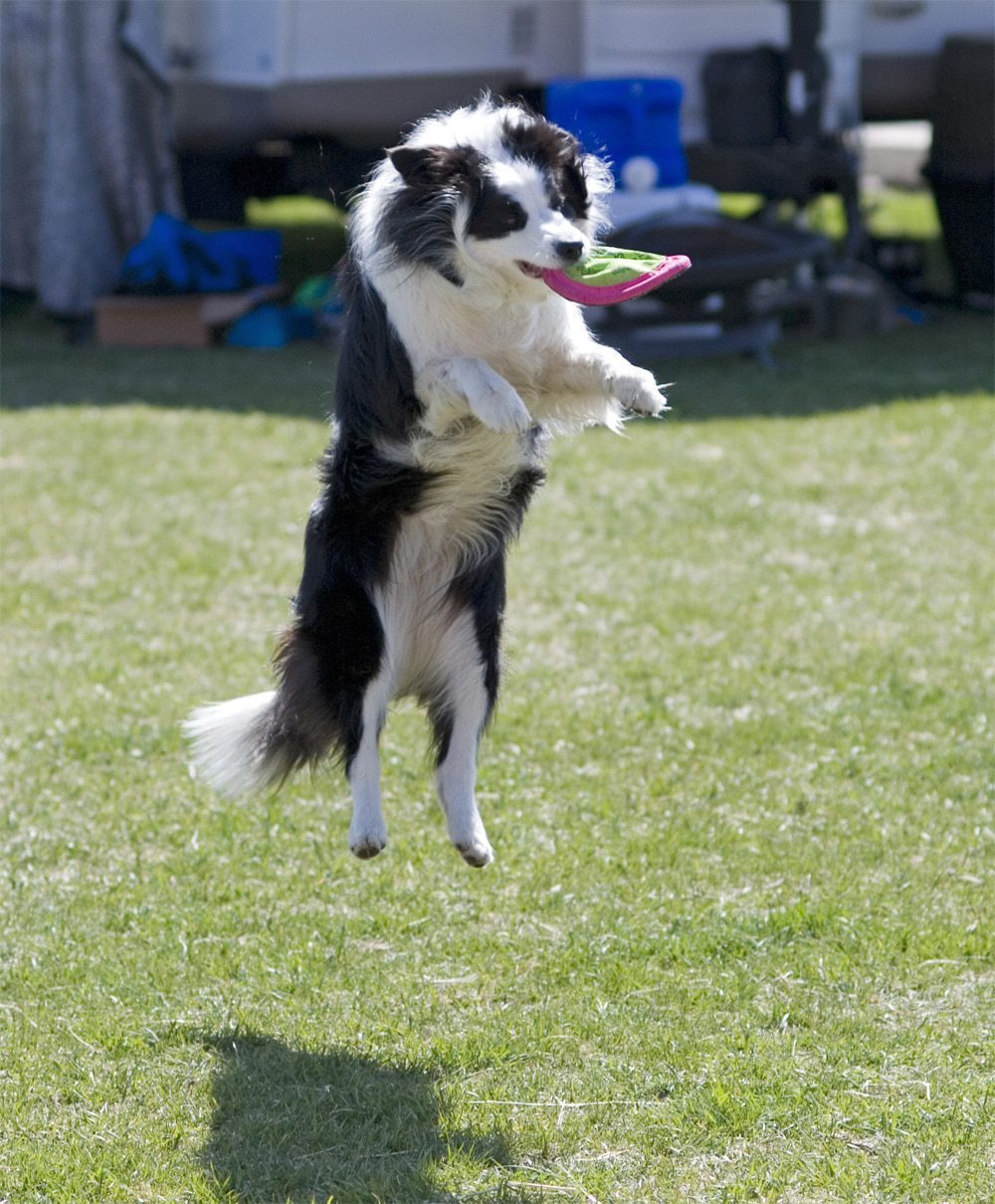
Slender, regular and easy, raising little toes, which gives the impression that move furtively and at high speed. The Agility It is a sport open to all those people who have one or more dogs (Whatever your race, with or without pedigree). It consists of the dogs led by their handlers being able to overcome a series of obstacles in order to demonstrate their intelligence., obedience, concentration, sociability and agility.

The Border Collie stands out in this sport for its physical and mental characteristics. If any of these tests has been occasionally observed, couldn't help but realize that the Border Collie They are present in many of them and they always end up doing it well.

Did you know??

The Border Collie they are known as herding dogs, but a dog of this breed currently holds the Guinness World Record for the fastest car window opened by a dog. Striker, a Border Collie from hungary, non electric opened window 11,34 seconds. Awesome!

Characteristics "Border Collie"

Coexistence is important that you have with your new friend. Before considering the acquisition of a dog of the breed "Border Collie" you know certain factors. Not all breeds of dogs are apt to live in an apartment, you must take into account his character, their need for exercise, their interaction with other pets, their care and if you have small children, their level of tolerance towards them.

Adaptation โ“˜

5,0 of 5 stars (based on 1 review)

friendly dog โ€‹โ€‹โ“˜

3,0 of 5 stars (based on 1 review)

hair loss โ“˜

3,0 of 5 stars (based on 1 review)

Affection level โ“˜

5,0 of 5 stars (based on 1 review)

Need for exercise โ“˜

5,0 of 5 stars (based on 1 review)

Social need โ“˜

5,0 of 5 stars (based on 1 review)

Home โ“˜

2,0 of 5 stars (based on 1 review)

Toilet โ“˜

2,0 of 5 stars (based on 1 review)

Friendly with strangers โ“˜

3,0 of 5 stars (based on 1 review)

barking โ“˜

5,0 of 5 stars (based on 1 review)

Health โ“˜

3,0 of 5 stars (based on 1 review)

Territorial โ“˜

5,0 of 5 stars (based on 1 review)

Cat friendly โ“˜

3,0 of 5 stars (based on 1 review)

Intelligence โ“˜

5,0 of 5 stars (based on 1 review)

Versatility โ“˜

5,0 of 5 stars (based on 1 review)

Child friendly โ“˜

5,0 of 5 stars (based on 1 review)

Surveillance โ“˜

5,0 of 5 stars (based on 1 review)

joy โ“˜

5,0 of 5 stars (based on 1 review)

Border Collie Images

Videos ยซBorder Collieยป

Type and recognitions:

  • FCI CLASSIFICATION:Group 1 –> Pastor and Boyeros dogs (except Swiss Cattle Dogs ) / Section 1 –> Pastor dogs. With working trial.
  • FCI 297
  • Federations: FCI โ“˜, AKC โ“˜, ANKC โ“˜, CKC โ“˜, โ€‹KC โ“˜, NZKC โ“˜, UKC โ“˜

  • FCI breed standard "Border Collie"

    Origin:
    Ireland, United Kingdom

    Date of publication of the valid original standard:
    24.06.1987

    Use:

    Shepherd dog.


    General appearance:

    Well proportioned; the silhouette is harmonious showing quality, grace and perfect balance, combined with enough substance to give the impression of resistance. Any tendency to coarseness or weakness are undesirable.


    Behavior / temperament:

    Tenacious, worker of great docility. Crafty, alert, obedient and intelligent. Neither nervous nor aggressive.

    Head:


    Cranial region:
    • Skull: Quite wide, the occiput is not pronounced.
    • Stop: Very defined.

    facial region:

    • Truffle: black, except in brown specimens (chocolate), in whom the nose may be brown.
    • In the blue specimens,  the nose must have a slaty color. The nostrils must be well developed.
    • Snout: Thinning towards the nose, moderately short and strong.
    • Jaws / teeth: Strong teeth and jaws with perfect and regular scissors bite, that is, the upper incisors closely overlap the lower incisors and are positioned vertically in the maxillae.
    • Cheeks: Neither full nor rounded.
    • Eyes: They must be well separated,  be oval in shape and of moderate size. Its color must be brown, except in the specimens "Merle",  in which one or both, or a part of one or both may be blue.  Sweet expression,  awake,  alert and intelligent.
    • Ears: Medium in size and texture,  placed well apart. They must be carried erect or semi-erect and attentive to the smallest noise.

    Neck:

    Long, strong and muscular, slightly arched and widening towards its insertion in the back.

    Body:

    Athletic in appearance. Slightly longer than the height at the withers.

    • Pork loin: Deep and muscular but not withdrawn.
    • Breast : Deep and quite wide, well arched ribs.

    Tail:

    Moderately long, the last vertebra must reach at least the tibiotarsal joint; low insertion,  well stocked with hair, ends up curving up, which completes the grace of the silhouette and the balance of the dog.  In a state of excitement, The tail can be raised but never taken over the dorsog>

    Tips

    Former members

    Seen from the front,  the forelimbs should be parallel to each other.  Of strong bones,  but not heavy.

    • Blades: Leaning well back.
    • Elbows: Glued to the body.
    • Metacarpus: Viewed from the side slightly inclined.
    • Front feet: Oval; thick footpads, strong and healthy; the fingers should be close together and arched; nails should be short and strong.
    Former members

    Spacious and muscular, its upper profile slopes slightly towards the insertion of the tail.

    • Thighs: Long, wide and muscular.
    • Knees: Well angulated.
    • Hocks: Strong and close to the ground.
    • Metatarsals: From the hock to the ground, the hind limbs should be well boned and parallel to each other when viewed from behind.
    • Hind feet: Oval, thick footpads, strong and healthy; the fingers should be close together and arched; nails should be short and strong.

    Movement:

    Libre, easy and indefatigable, raising your feet as little as possible, which gives the impression of caution and speed.

    Mantle

    • Fur: There are two varieties: Moderately long or short.

    In both, the outer layer is dense and has a medium texture; the undercoat is soft and dense, which gives you good protection against inclement weather. In dogs that have a moderately long coat, abundant hair forms manes, fringes and tail brush.  In the face, ears, previous members (except for the fringes) and later members from hocks to the ground, the hair should be short and smooth.

    • Color: Variety of colors are supported.  White color should never prevail.


    Size and weight:

    Ideal height:

    Males: 53 cm. (21 inches)

    females: slightly less.


    Fouls:

    Any deviation from the aforementioned criteria is considered as a fault and its severity is considered to the degree of the deviation to the standard and its consequences on the health and well-being of the dog., and the dog's ability to perform its traditional task.

    disqualifying fouls:

    โ€ข Aggressiveness or extreme shyness.
    โ€ข Any dog โ€‹โ€‹showing clear signs of physical or behavioral abnormalities.


    N.B.:

    Males should have two normal-looking testicles completely descended into the scrotum..

    โ€ข Only functionally and clinically healthy dogs, with the typical conformation of the breed, should be used for parenting.

    The latest changes are in bold.

    Source: F.C.I - International Cynological Federation

    Alternative names:

    1. Scottish Sheepdog (English).
    2. Border collie (French).
    3. Border collie (German).
    4. collie da fronteira (Portuguese).
    5. Collie de la frontera, Collie fronterizo (espaรฑol).

โ–ท The world of Pets: Dogs, cats, birds, reptiles, amphibians

Corgi
Gran Bretaรฑaa Gales- FCI 39 . Sheepdogs

Pembroke Welsh Corgi

The Corgi is extremely intelligent, affectionate and possesses a great personality.

Content

History

The Corgi (Pembroke Welsh Corgi) It is a small dog native of Great Britain. He has served for centuries as a shepherd, still considered one of the oldest dogs of Great Britain. There is another Welsh race, the Corgi Welsh Cardigan of very similar characteristics, Although of larger size and long tail.

There are different theories about the origins of Pembroke Welsh Corgi. It is believed that the two varieties Corgi they are descended from the dog of the Visigoths who introduced the Vikings in Wales to 9th century. Or the Cardigan may be the oldest variety, introduced the Celts into Wales around the year 1200 (The name CORGI comes from the Celtic word "corgi" which means "dog").

According to other sources, the Pembroke variety was brought to Wales by Flemish weavers in the 12th century. Independently, What was the origin of the breed, the Pembroke Welsh Corgi is developed in Pembrokeshire) and it was used to guide cattle mordisqueando its paw and barking. The Pembroke and Cardigan varieties crossed each other freely until the decade 30. From then on, breeders attempted to emphasize their differences.

Another theory states that the two varieties of Corgi have a common origin that is the crossing between a Shetland Sheepdog and Sealyham terrier.

This race was used for grazing. The poor peasants of the time were allowed to pasture in the open fields of the Crown, this absence of fences put the cattle at risk of getting lost or dispersing and made a fast dog necessary, clever and who could move smoothly between the livestock. The Pembroke is this type of dog, that pushes the cattle by the heels. His short height allowed him to run under cattle without being kicked.. It has evolved as a domestic animal, and it is the favorite breed of the English Royal family. It is a constant companion and an excellent guardian.

Physical characteristics

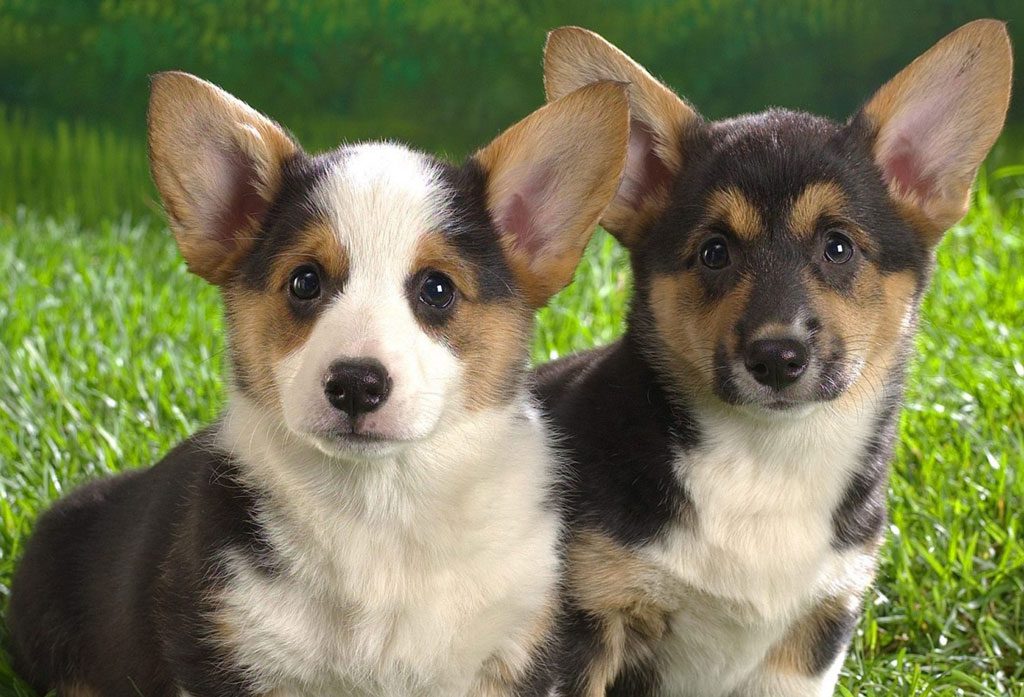
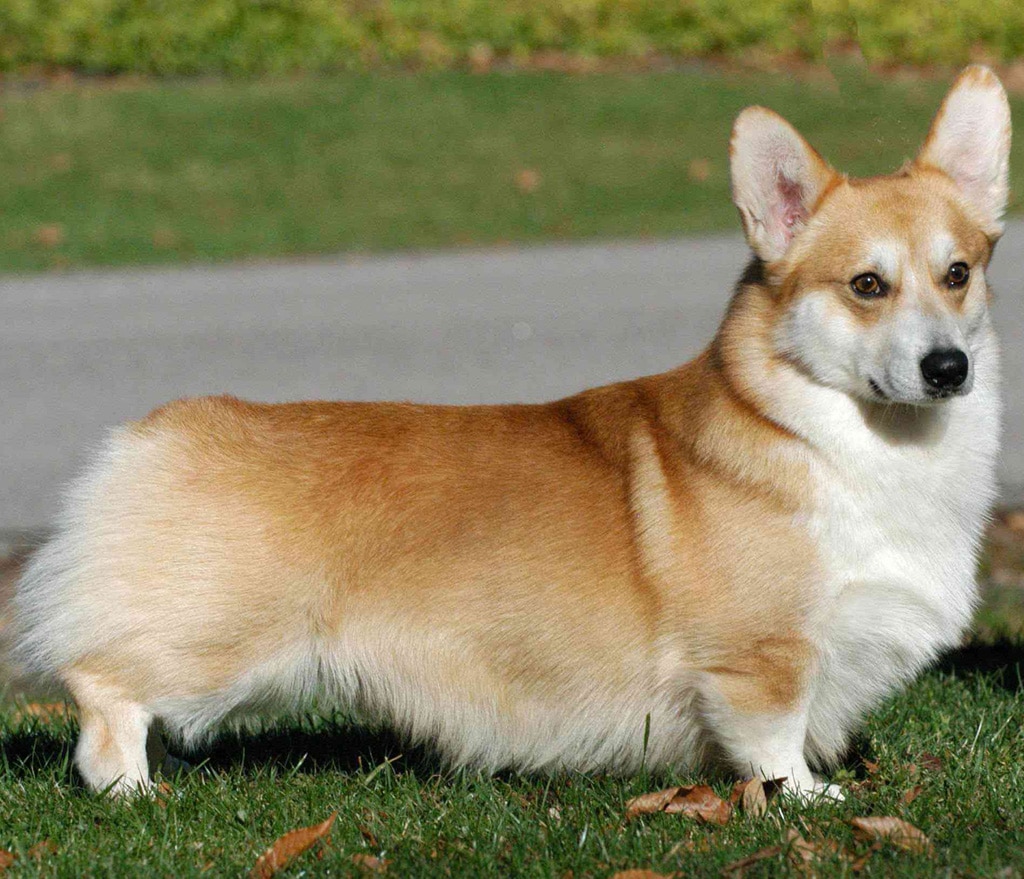
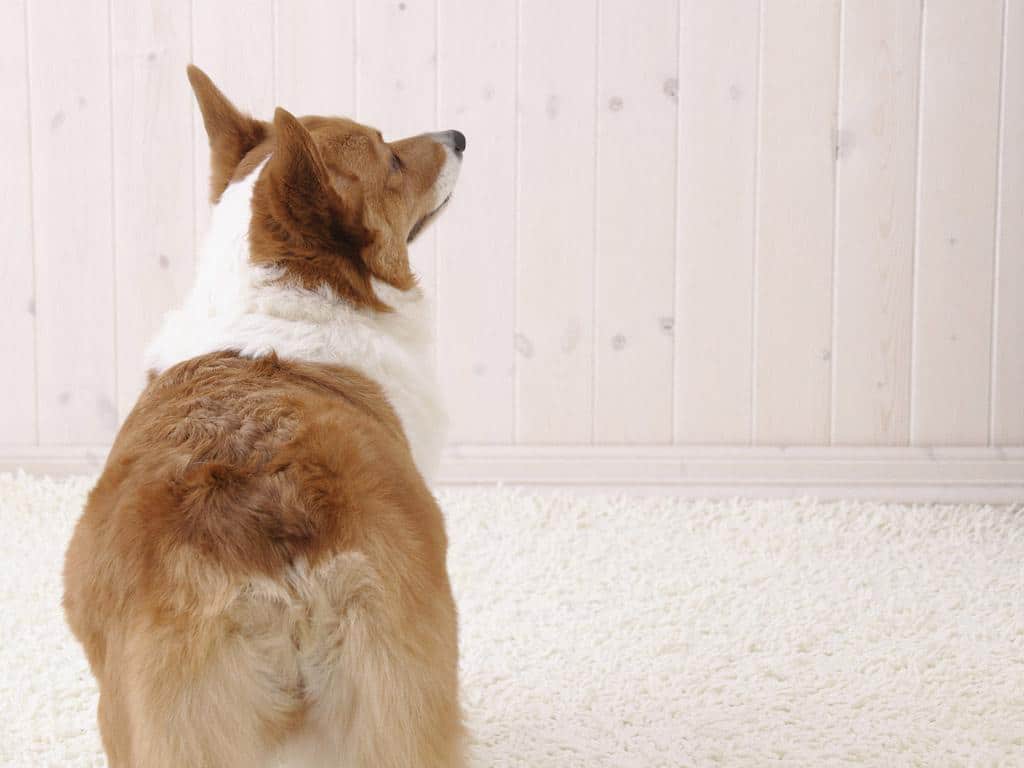
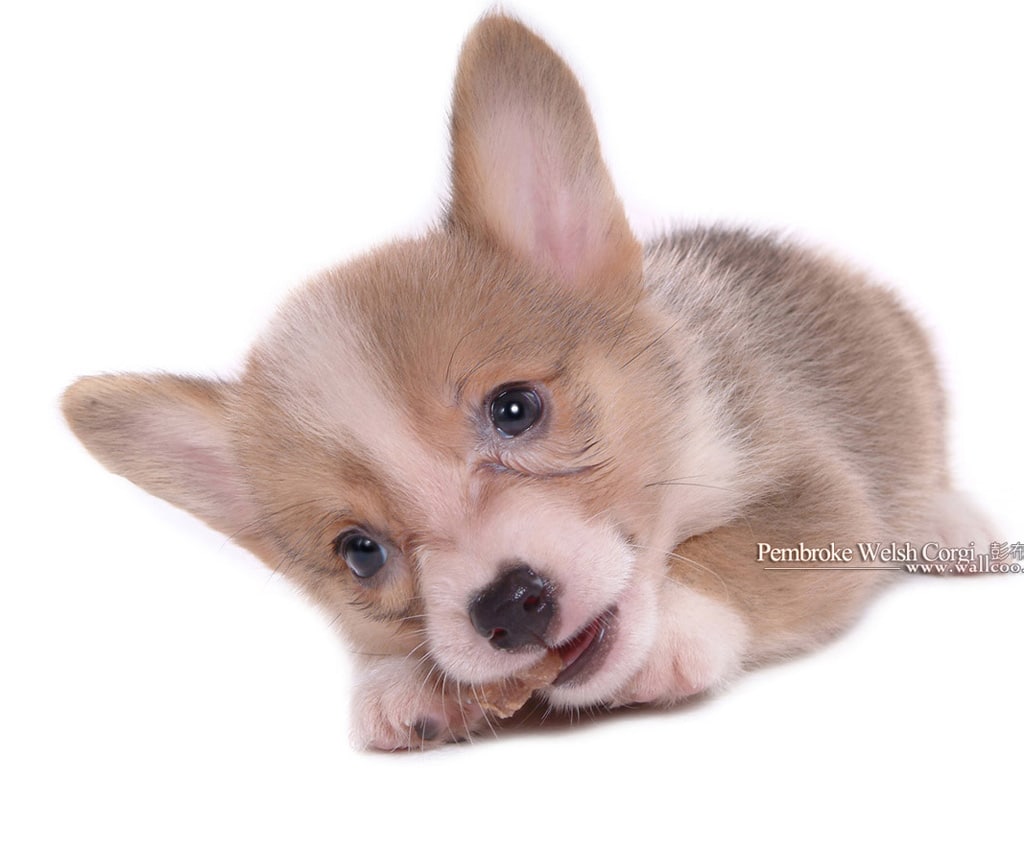
Although the cardigan welsh corgi and the Pembroke are relatives, his description of race is completely different. The Pembroke is of small size, strong, robust Constitution, alert and active, It gives the impression of strength and stamina in a small body.

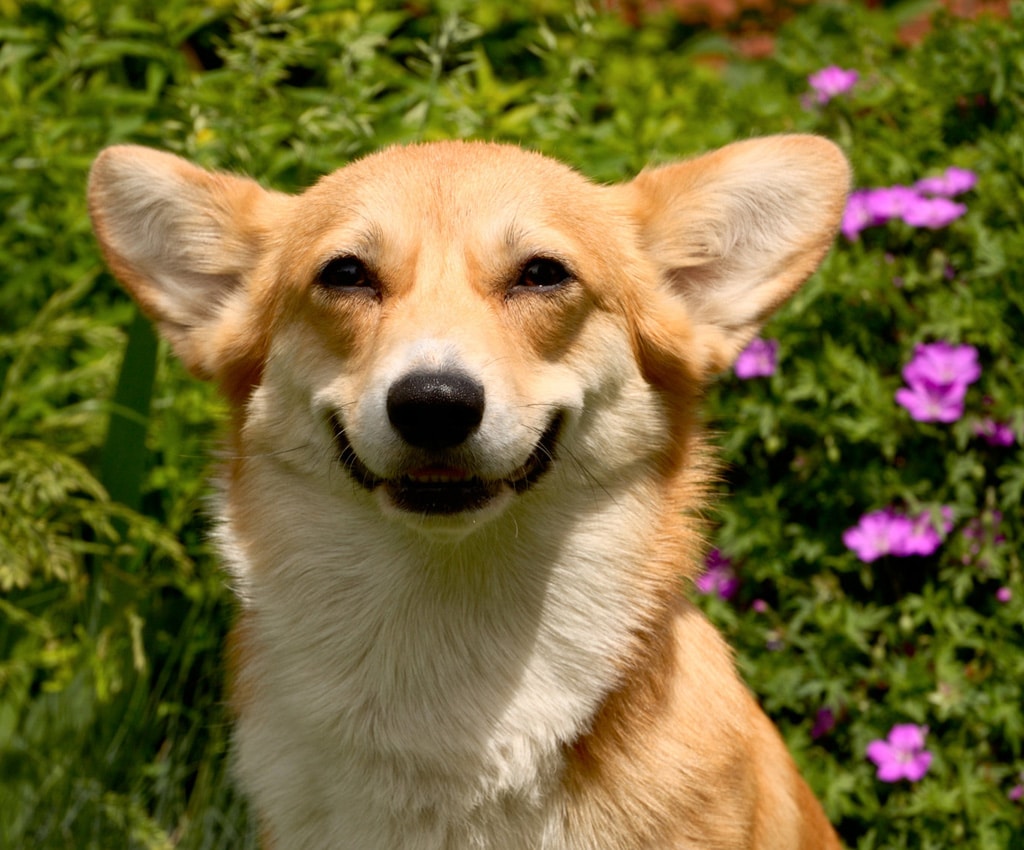
Head recalls by the shape and appearance to the Fox, with an expression alert and intelligent. The tail is short, preferably natural, When the puppies are not born rabones tail amputates almost completely.

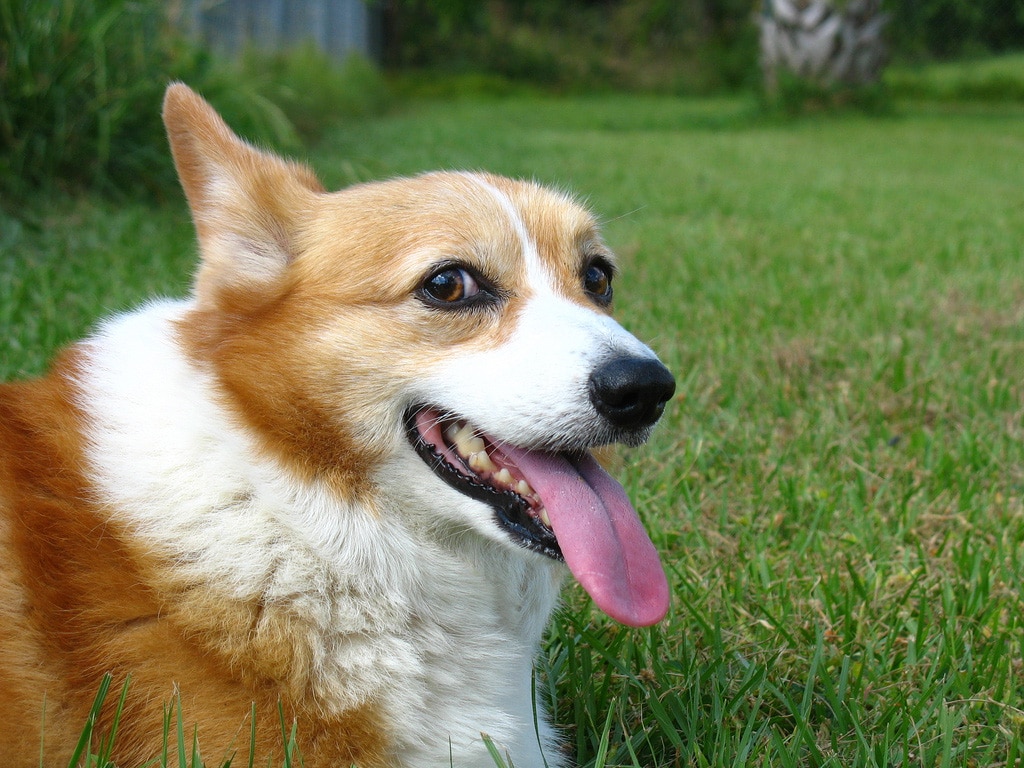
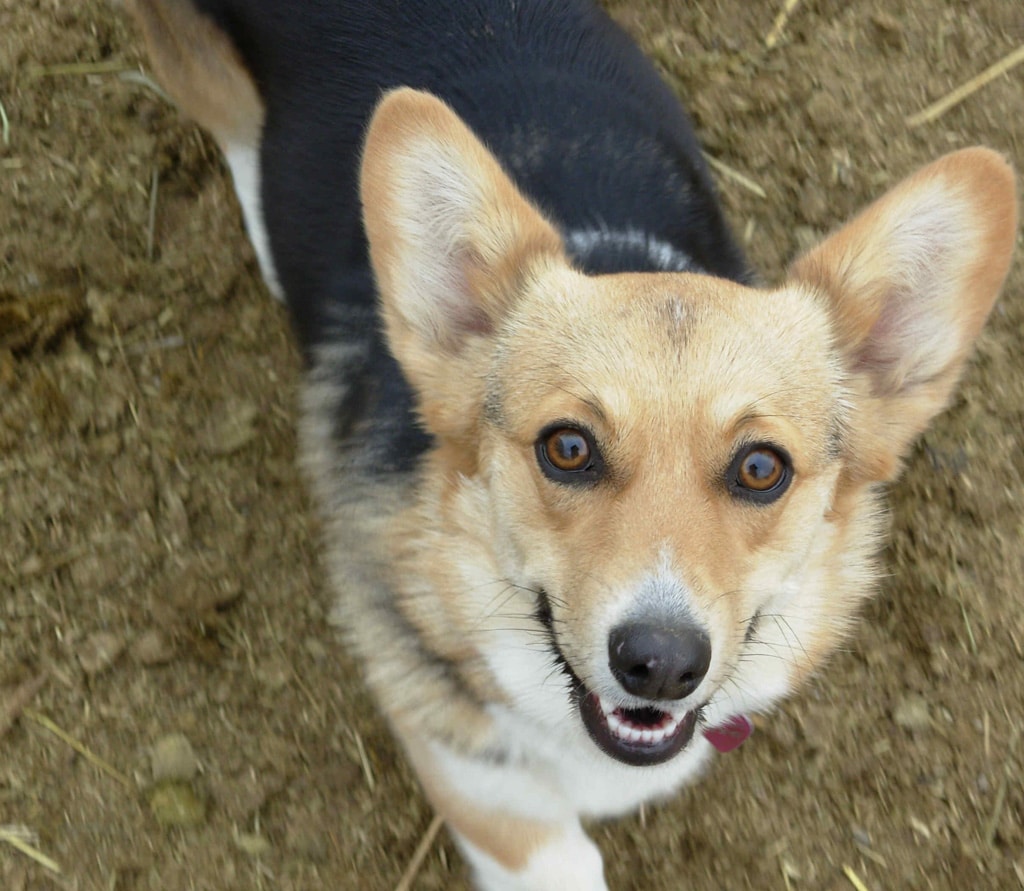
The hair is fairly long and smooth, in various colors such as red, Jet, beige or black and Tan, usually with white spots, is a truly beautiful dog.

The average Pembroke Welsh Corgi has a height of 25 to 30 cm., unato length of 30 to 38 cm and a weight of 11 to 14 kg. Their life expectancy is of 12 to 14 years.

Observations

In England the Pembroke Cogi is much more popular than the Cardigan Corgi. Perhaps the most obvious reason for this popularity is that of Pembroke is the favourite of the Royal family, in particular of Queen Elizabeth II. Outside England the Cardigan remains less well-known than the Pembroke Welsh Corgi.

Character and skills

It is a very active dog, but the tendency to have them as pets in small homes reduces its activity. If this excesses are added in their food taken quickly to obesity.

The Pembroke Welsh Corgi is highly intelligent and affectionate, with a great personality, very active and worker. Very adaptable to the farms and also, It is a perfect companion dog for children if it is treated properly and barks only occasionally..

An average dog requires of 150 to 300 grams of balanced commercial feed per day. A fairly common characteristic of the Corgi is its voracity, leading you to overeat which makes you feel like you are never full; You must limit your intake.

By the length of the spine are particularly sensitive to overweight which can produce osteoarthritis that reduces your life expectancy and the quality of the same.

This race also has a tendency to hip dysplasia (polygenetic origin), the falls, retinal dysplasia, von Willebrand disease and degenerative myelopathy.

Imรกgenes del Pembroke Welsh Corgi
Videos del Pembroke Welsh Corgi


  • Alternative names: Pembroke / PWC / Pem / Corgi / Welsh Corgi / Welsh Corgi Pembroke.
  • Group 1 / Section 1 – Sheepdogs.

Dogs breeds: Corgi


โ–ท The world of Pets: Dogs, cats, birds, reptiles, amphibians

Lurcher
Inglaterra Irlanda Not recognized by the FCI

Content

History

The Lurcher is a Podenco type dog of English origin whose name derives from ยซlurยป what does thief mean in gypsy language. Always it has been acknowledged as the dog of the poachers so occasionally is called Poacher’s Dog (dog of fugitive).

As a result of its appearance (hairy and scruffy) It is not admitted in competitions but for many it is a dog to enhance. In general, it can be said that the Lurcher is a cross between a Sighthound and working dog, What gives rise to many opportunities: English Greyhound and Golden Retriever; Whippet and Border Collie.

Physical characteristics

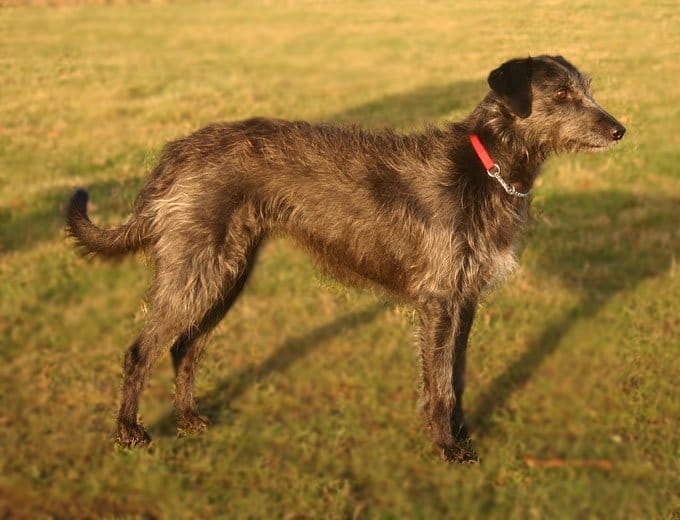
The Lurcher It is a hybrid dog similar to a Greyhound with short fur, medium long or long or straight hair in all colors.

The type of layer will be variable and will depend on the crosses made. Then, the types of fur can be: short and smooth like the Sighthounds, a bit long and thick as of the Boxer, or rough and hard as the of the Border Terrier, for example.

Character and skills

In case you want a Lurcher with more features than Sighthound what of working dog it is usually crossed for the second time with a dog Greyhound type. With this you get a dog faster than a working dog, but with the strength of this. The character of Lurcher is derived from the best of its parents and, some, They define it as quiet and affectionate.

The temperament, also variable, It will depend on the influence of ancestors, but as with all dogs, temperament will be modified by the socialization of the puppy and received education.

In general, the objective of the different crossing was to create a hound with more intelligence, an animal cunning and appropriate for the original purpose of the hound: hunting poaching rabbits, hares and birds. With the time, have gone underway several crossing, always pursuing the objective of improving the speed and intelligence.

The Lurcher he is a versatile dog, It has various uses that depend on the different crossing to which have been subjected, but they are usually used as hunting dogs with different styles. most of Lurcher today it is used for general pest control, Rabbit, hares and foxes, although some of the larger types have been successfully used for hunting large game such as wild boar and deer.

Insisting on the use of the can has much to do with the objective of the Hunter and the cross from which is derived, It is good to take this post to remind you that unfortunately, some breeders - no ethical- in the search for the "perfect dog" they usually kill or abandon everything Lurcher that does not fit your needs, because he is not a good hunter or has a physical or behavioral problem.

The Lurcher, It has also proved to be very good in canine sports, such as obedience and agility, where they are becoming increasingly popular due to its speed and willingness to please.

Because the Lurcher is not a pure breed they are not recognized by any canine club. But, North America has recently created the โ€œLurcher and Longdog Associationโ€ to serve as a registration body for dogs Lurcher and Longdog in the United States and Canada.

Beyond the different objectives of the crossing, What is certain is that the Lurcher It is an excellent companion dog that adapts very well to home life., and it is very grateful to received love, She loves to be with people but it needs vigorous walks outdoors, like all dog.