โ–ท The world of Pets: Dogs, cats, birds, reptiles, amphibians

Indigo Macaw
Anodorhynchus leari


Guacamayo de Lear

Content

Description:

Ilustraciรณn Guacamayo de Lear

75 cm.. length and 940 g. of weight.

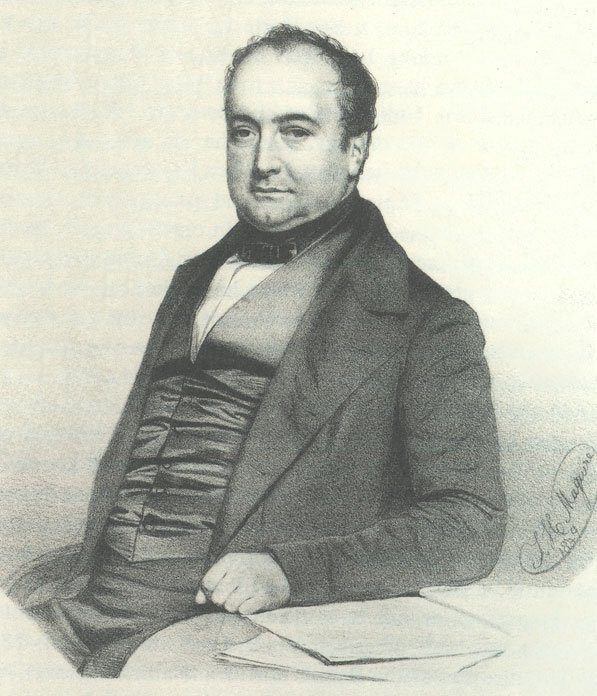
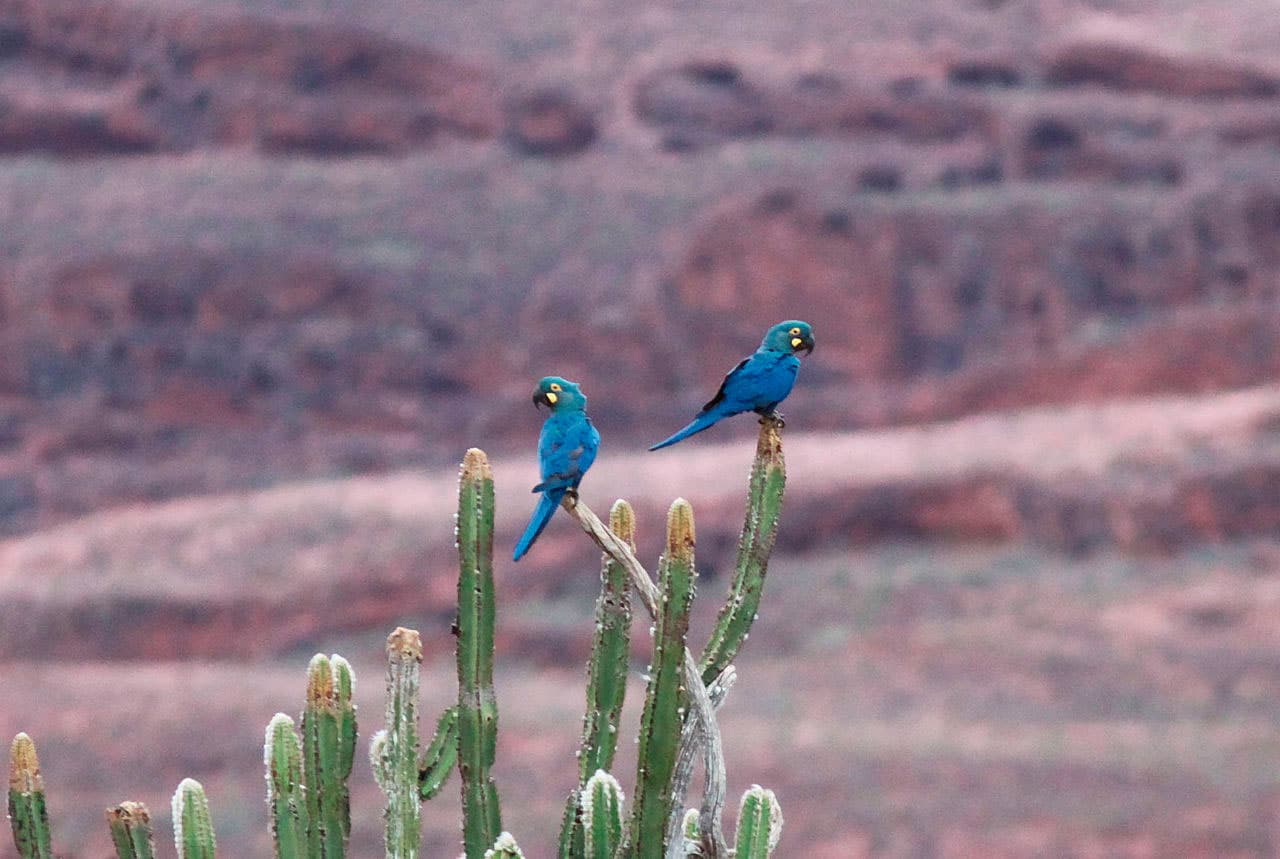
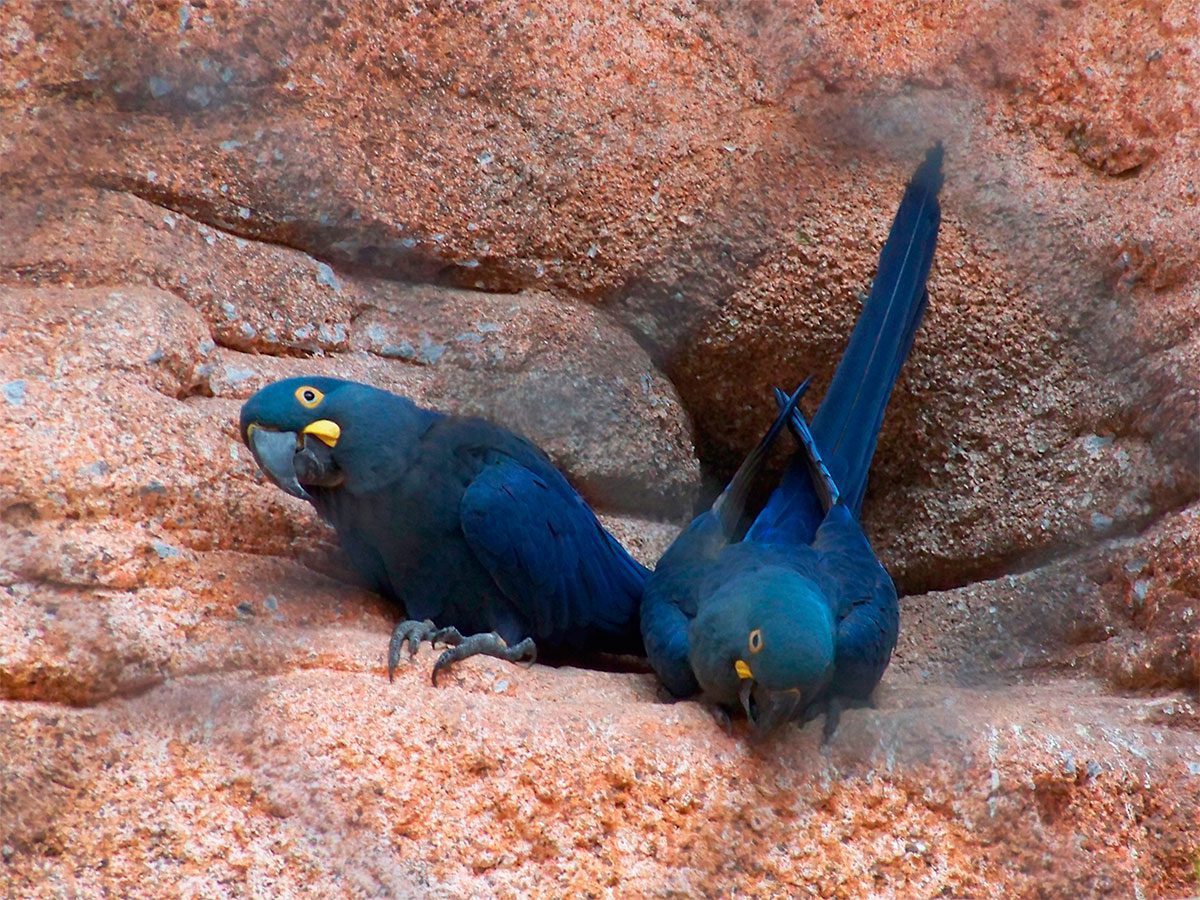
The Indigo Macaw (Anodorhynchus leari) It is a beautiful Blue Parrot with a long tail. Similar to the Hyacinth Macaw, but much smaller and chunky, with a large yellow spot in the cheeks. It was described for the first time in 1858 by the nephew of Napoleon, Lucien Bonaparte, from an illustration by the famous English illustrator and artist known for his absurd poetry, Edward Lear.

This Parrot, However, remained elusive in nature, and it was only accepted as a distinct species in 1978, When the naturalist Helmut Sick finally found a wild population.

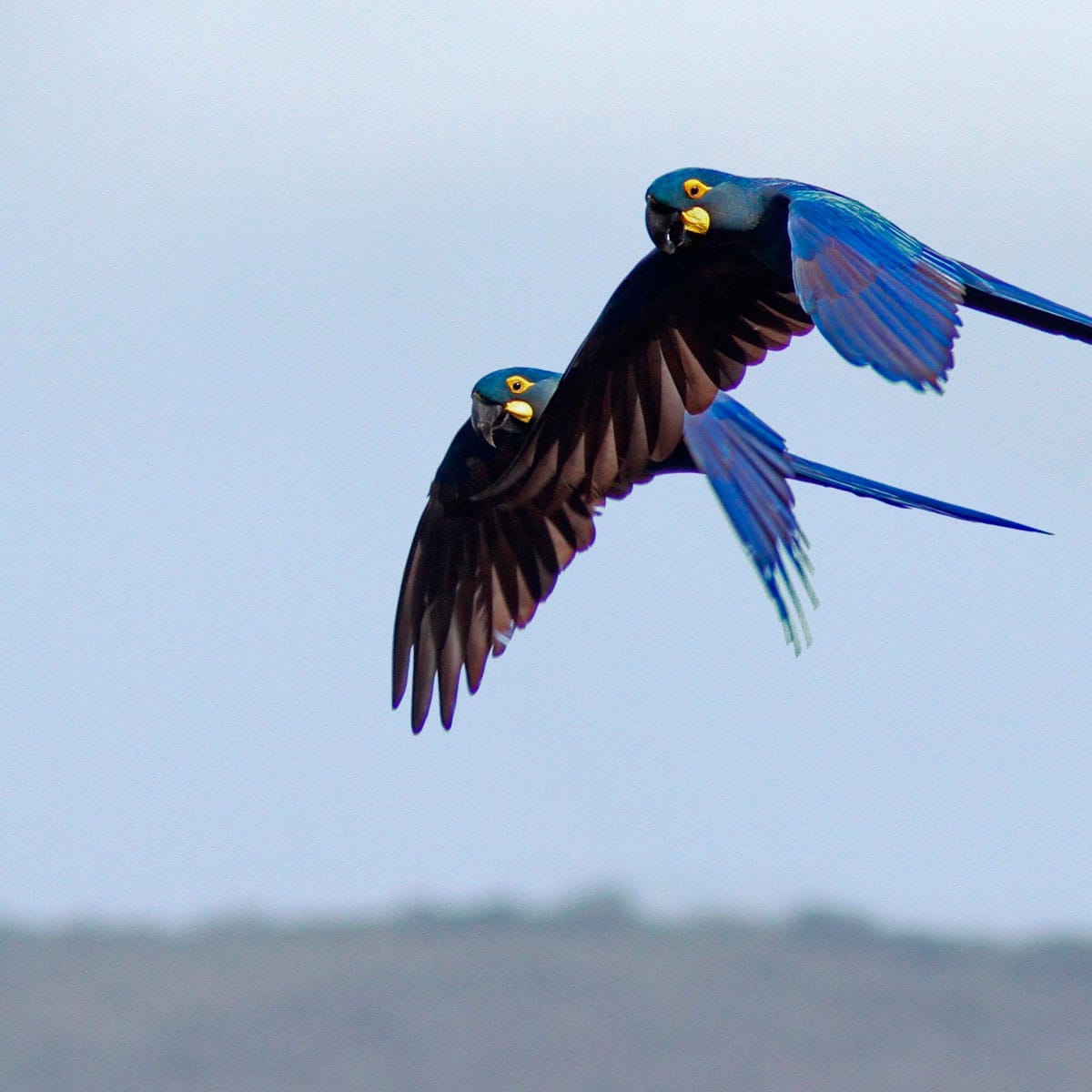
The head, the neck and underparts This Parrot are greenish-blue, While the rest of the body looks like a purple / indigo. The bare skin around the eyes and at the base of the bill It is pale yellow.

The irises are dark brown and the bill, Although predominantly black, You may have a grey stains clear.

Males and females They seem to. The male can have a larger beak and can usually be larger in size, but those differences vary or may be only slight and are not considered reliable for gender identification.

The youth they can be identified by its shorter tail; the upper beak is pale.

Habitat:

They live in drylands, with resistant vegetation of caatinga (thorny scrub), especially in areas with Palm trees Syagrus coronata.

They require sandstone cliffs to perch and nest.

gregarious and in general in flocks, although usually in very small numbers. Shapes communal roosts in cracks eroded near the top of the walls of canyons of sandstone at altitudes between 30 and 50 m. Many birds perch on the largest holes, while others cling to rocks or rest on the cornices.

The Indigo Macaw leave the roosts in family groups to go to the feeding areas before dawn to return at dusk.

Reproduction:

The nests of the Indigo Macaw they are located in crevices in cliffs, Although sometimes they also nest in shallow tree cavities.

The breeding season It is located in the months February-April, coinciding with the rainy season and possibly coinciding with the maximum availability of palm nuts.
The average clutch size is two to three eggs. The average period of incubation is of 28 days and the average age of feathered is of 16 to 20 weeks.

Food:

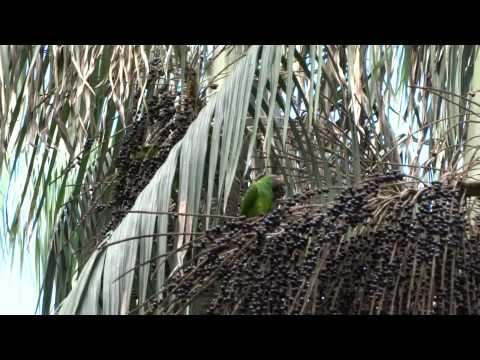
The staple food of the Indigo Macaw they are palm nuts Syagrus (a bird can take 350 nuts in a day). Also take seeds from Melanoxylon, above all when the walnuts Syagrus they are scarce (July-September). Other reported foods include fruits of Jatropha pohliana, Dioclea and Spondias tuberosa, flowers Agave and corn.

Fluid from the unripe fruit of Palms is perhaps the main source of moisture.

The Indigo Macaw they feed in the trees and on the ground.

Distribution:

Confined to the plateau Raso da Catarina, to the northeast of Bay in Brazil; mainly occupy an area close to 8,000 km 2 in the center of Rรญo Vasa Neighborhoods, in the South of the plateau. Two main colonies are known, one on each side of the Vasa Barris.

These birds make daytime movements South of Holy and Euclides da Cunha and possibly from the North to the north-western edge of the plateau to feed.

There is a peripheral population smaller at several hundred kilometers of Vasa Barris and there are unconfirmed reports of other small groups in remote northern dry inside of Bay.

Resident, remaining close to the cliffs where nest and their favorite roosting birds.

The population of Indigo Macaw is estimated at 139 birds (117 more 22) with an evident decline during the last 100 years. The pressures arising from the trade in birds, hunting, the loss of plants used as food for livestock, the disturbance and, possibly, inbreeding depression, could quickly lead to extinction in freedom of this beautiful species.

Conservation:

โ€ข Current Red List of UICN: Danger

โ€ข Population trend: Unknown

The Indigo Macaw suffered a historic long-term drop due to the capture, but estimates of population remained fairly stable after its rediscovery in the wild in 1978 until the mid of 1990 when the numbers began to rise rapidly; While this may reflect in part, improvements in the survey methodology, also there has been a real increase due to intense conservation efforts.

According to specialists, they only survive in the world, mainly in zoos, a few 1.300 specimens This species whose natural habitat are the rock walls in the arid interior of the state of bahia (Northeast of Brazil).

For its part, the Spix's Macaw It is considered extinct in the wild since 2000, Although currently survive in captivity a few 90 specimens, that are maintained by institutions from different countries, mostly out of Brazil.

"Indigo Macaw" in captivity:

The Indigo Macaw It is the most uncommon of all the macaws in captivity. There are three known copies in United States and a similar amount in Europe. The Government of Brazil does not recognize any other legal specimen of this species outside its borders. On the other hand, in the zoos of Rio de Janeiro and Sรฃo Paulo in Brazil, they have several copies. Twelve copies of Indigo Macaw with that features the Zoo's Sรฃo Paulo they are isolated and in cages that cannot be visited by the public due to the risk of extinction of the species.

With regard to its longevity, They have News of a captive bird that lived 38,3 years.

During the last ten years, attempts to smuggle this species have been discovered from Brazil and some birds have confiscated, who have been returned to the country.

A Special Committee has been formed by the part of the IBAMA of the Government of Brazil to initiate actions for the conservation of this species. Likewise, other countries that have also signed the treaty CITES they should support Brazil in their attempts to establish pairs of players in captivity and to conserve the habitat of the Indigo Macaw.

If anyone knows the whereabouts of illegal copies of this species must notify the authorities for his immediate intervention. This species is on the verge of extinction and all possible actions to save her must be coordinated through a working group for the conservation.

Notes:

They are accomplished in Brazil the first reproduction in captivity of a Lear's macaw

Alternative names:

Indigo Macaw, Lear’s Macaw (English).
Ara de Lear (French).
Learara, Lear-Ara (German).
Arara-azul-pequeรฑa, arara-azul-de-Lear, arara-azul-pequena (Portuguese).
Arara-azul-de-lear, arara-azul-pequena (Portuguese (Brazil)).
Guacamayo de Lear, Guacamayo Indio (espaรฑol).

Charles Lucien Bonaparte

scientific classification:


Order: Psittaciformes
Family: Psittacidae
Genus: Anodorhynchus
Scientific name: Anodorhynchus leari
Citation: Bonaparte, 1856
Protonimo: Anodorhynchus leari


Images Indigo Macaw:
Videos "Indigo Macaw"


Species of the genus Anodorhynchus

ยซGuacamayo de Learยป (Anodorhynchus leari)


Sources:

Avibase
– Parrots of the World โ€“ Forshaw Joseph M
– Parrots A Guide to the Parrots of the World – Tony Juniper & Mike Parr
– Birdlife
– Wildscreen Arkive
– Macaws. A Complete Guide by Rick Jordan.

Photos:

(1) – Two Learโ€™s Macaws at Rio de Janeiro Zoo, Brazil By Marcos Pereira (originally posted to Flickr as blue macaw couple) [CC BY 2.0], via Wikimedia Commons
(2) – Learโ€™s Macaw Anodorhynchus leari By https://www.flickr.com/photos/jquental [CC BY 2.0], via Wikimedia Commons
(3) – Two Learโ€™s Macaws at Canudos Biological Station, Bahia, Brazil By Miguelrangeljr (Own work) [Public domain], via Wikimedia Commons
(4) – Anodorhynchus lear By Rick elis.simpson (Own work) [CC BY-SA 3.0], via Wikimedia Commons
(5) – PROGRAMA DE CATIVEIRO DA ARARA-AZUL-DE-LEAR by Fabio Nunes – icmbio.gov.br
(6) – Illustration by Edward Lear (1812โ€“88) first published in his book Illustrations of the Family of the Psittacidae, or Parrots in 1832

Sounds: Hans Matheve (Xeno-canto)
โ–ท The world of Pets: Dogs, cats, birds, reptiles, amphibians

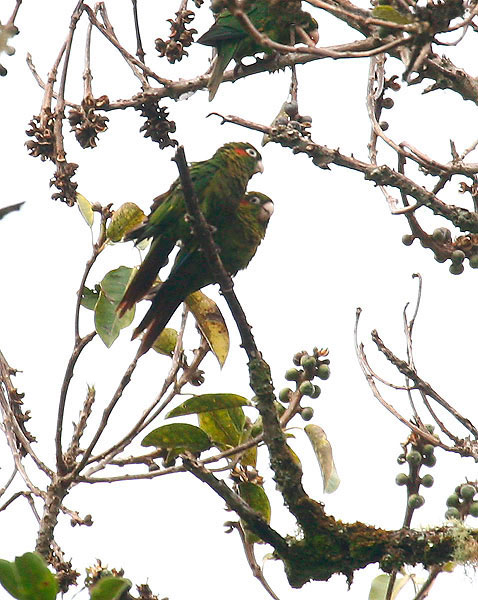
Yellow-eared Parrot
Ognorhynchus icterotis


Aratinga Orejigualda

Content

Description:


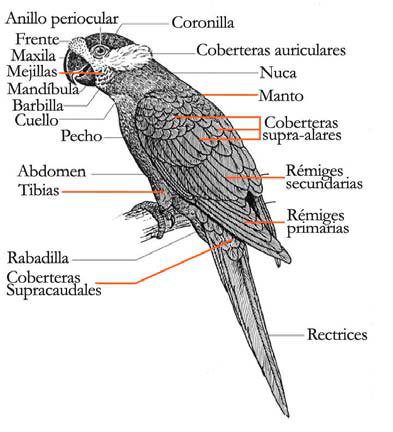
Anatomy-parrots

42 cm.. of length and a weight of 285 g..
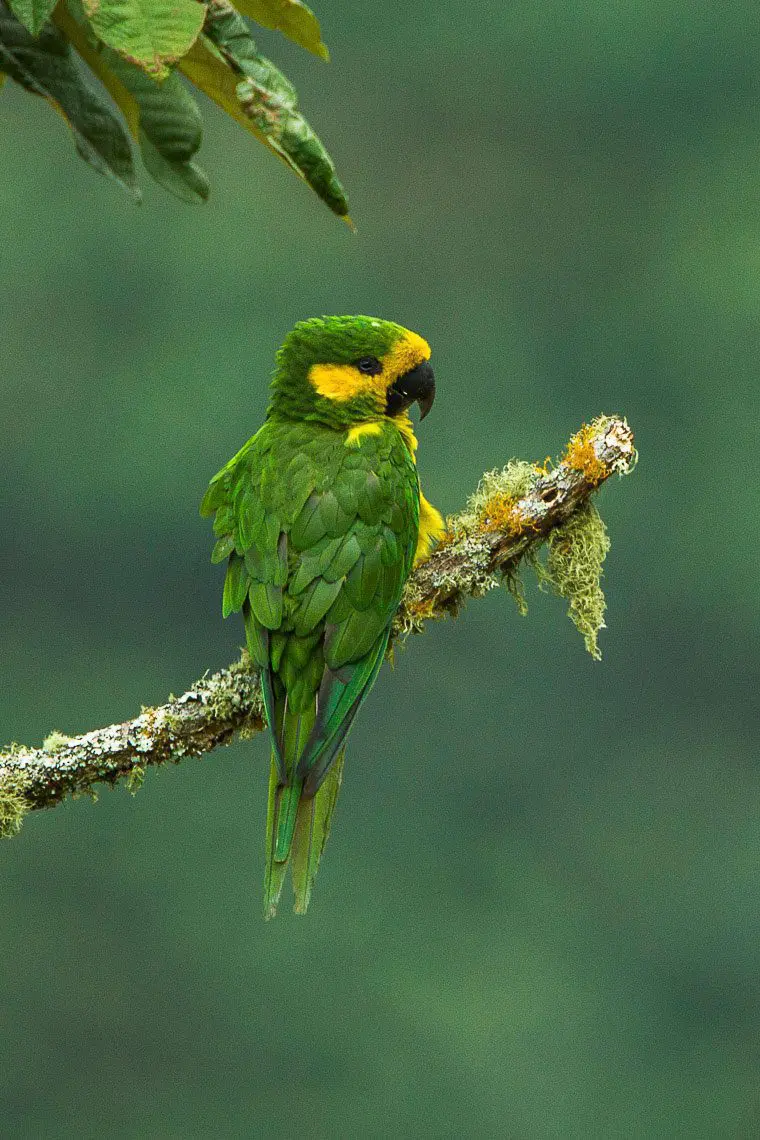
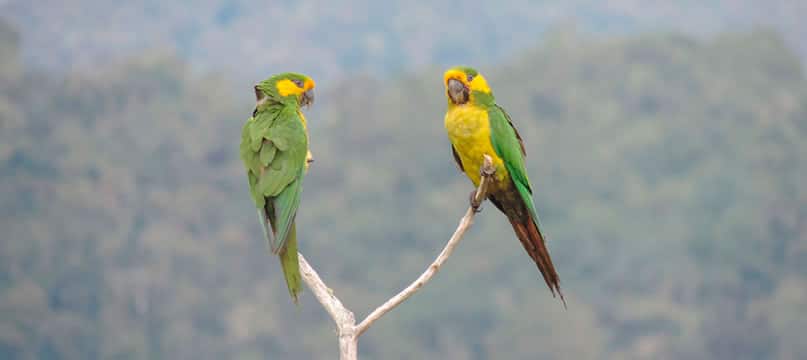
The Yellow-eared Parrot or Yellow-eared Parrot (Ognorhynchus icterotis) is a parrot of medium-sized; has the crown green grass with Emerald suffusion; the forecrown with a wide yellow stripe that extends to the lores, upper cheeks and below the eyes up to the ear-coverts; bottom of the cheeks and both sides of the neck green.

The upperparts, upperwing-coverts and flight feather are green grass. Under the wings yellowish green in coverts, yellowish in the flight feather. The underparts yellowish with increasingly darker green dye in the belly, the the thighs and area of the vent.

Aratinga Orejigualda

Upper, the tail green; down off red. The head is large in proportion to the body, with bill thick, blackish. Orbital ring, pale grey; Orange the irises; legs grey.

Both sexes similar.

The immature not described.

  • Sound of the HTTPS://www.mascotarios.org/wp-content/themes/generatepress_child/sonidos/Yellow-eared Parrot.mp3.

Habitat:

Video – "Yellow-eared Parrot" (Ognorhynchus icterotis)

yellow-eared parrot project 10 years - Ognorhynchus icterotis - ProAves

They inhabit in the humid montane forests in the subtropical high and low temperate zones, sometimes frequent partially cleared areas.

Associated to the wax Palms (Ceroxylon quindiuense), Although the dependence of these species is uncertain since the birds remain absent from those areas in which these palms are abundant. Move, generally, in pairs or small flocks and perform migrations altitudinal and latitudinal, not specified, outside the breeding season.

Reproduction:

They fly in stable couples and they always nest in old nests.
There are reports of nests on wax Palms (Ceroxylon quindiuense) to 25 metres in height
child in the month of may in the North of Tolima and conditions of reproductive birds have been seen in the month of March in Huila. Breeding season July to October in Ecuador.

One of the most unique behaviors in reproduction of the Yellow-eared Parrot is the assistance of a third adult ave sharing the duties of parents, known as "breeding assistants", they have been observed assisting parents in parenting, feeding and caring for the chicks.

Clutch of four eggs.

Food:

It is known that they feed on las Palmas Ceroxylon quindiuense and Ceroxylon alpinum but it probably takes fruits of all other species of this genus; other reported foods include fruits of the Saurauia tomentosa and Sapium.

The Yellow-eared Parrot they sometimes feed in more open areas, returning the forest to rest.

Distribution:

Size of its range (breeding/resident): 168.000 km2

Its distribution is discontinuous.

Limited to the North of the Andes, in the North of Ecuador and West Colombito between 1.200 and 3.400 meters above sea level, (mostly between 2,500-3,000 m).

With distributed (or distributed) in the three chains of the Andes in Colombia; records in the West of the Andes, from a small area in the South, to the North of Cauca and possibly Valle del Cauca; in the Central Andes, from the western slope of Antioquia, Caldas and Cauca and in the eastern slope, in Tolima and Huila; in the East of the Andes from the West side and the East of the basin in Norte de Santander, on the eastern slope of Cundinamarca and in the header of the Magdalena River Valley, in Huila.

Observed to the North of Ecuador, from Carchi, Imbabura and Pichincha.

It is likely that they led by seasonality, with the evidence that are present in Ecuador in the months of November and Colombia during the rest of the year.

Formerly considered common and in some places even abundant, but now is very scarce and local.

Drastic reduction of its population in the century 20 due to deforestation on a large scale on much of its distribution area and perhaps decrease of species of Quindio wax Palm.

Recent records sporadic and the species may now be confined in a few localities in Colombia, including the region of the Munchique national natural park (West of the Andes in Cauca), where some forests remain unchanged, at the front of the Magdalena River Valley, and in the Northwest of the Andes, in Ecuador.

Registered, sporadically, in several protected areas, including the Cueva de los Guรกcharos National Park, Colombia, and Book ecolรณgica Cotacachi-Cayapas in Pichincha, Ecuador.

The total population of the Aratinga Orejigualda is very small and in danger of extinction.

Very rare in captivity and remaining birds could be at risk of capture. Appendix I. critical.

Conservation:

โ€ข Red List category of the UICN current: In danger of extinction

โ€ข Population trend: Growing

The current population It is thought that you understand 1.103 individuals. But, a maximum of only 212 individuals have bred in recent years (Fundaciรณn ProAves in litt., 2010), therefore, This figure is used for the current population of mature individuals. The rest of the population is assumed cautiously being too young to reproduce.

Due to the intensive action conservation of the population has grown from 81 to 1.103 individuals in 2009, of which 212 they are mature (Fundaciรณn ProAves in litt., 2010).

Threats:

– Its distribution area It seems to be strongly restricted by the expansion of exotic forests, Since only occurs in the native forest (CEIA et to the., 2009).

– It has been a considerable loss and fragmentation of habitat (90-93% of Montane forest in Colombia) throughout its area of distribution (Salaman et al the 1999b, Snyder et to the., 2000.); But, several significant areas of habitat are maintained within their historic range, which suggests additional causes of impairment (Krabbe 1998, PGW Salaman in litt., 1999).

– The mortality of the Quindio wax Palm (Ceroxylon quindiuense) It is accelerating and the logging in adjacent areas increases its susceptibility to disease (Krabbe 1998, Salaman et to the. 1999to, Salaman et to the. 1999b, PGW Salaman in litt., 1999).

– The Quindio wax Palm they are incredibly long-lived and slow growing (some more of 500 years of age) (Salaman 2001), and are being exploited unsustainably for use in the celebrations of the Domingo de Ramos within the range of the species.

– In Ecuador, their hunting was prolific as food source (Krabbe and Sornoza 1996, Salaman et to the., 1999b), and capture has had any impact on Colombia, Although the species is very difficult to keep in captivity (Salaman et to the. 1999b, Salaman 2001).

Conservation Actions Underway:

CITES Appendix I and II.

– The traditional breeding place in Ecuador He has bought and is being reforested (Snyder et to the., 2000).

– Surveys were conducted at the beginning of 2008 in Ecuador to determine the status of the species there (O. Jahn in litt., 2007).

– It hopes that an awareness campaign for people who live in close, stop parrots feed hunting (Krabbe 1998).

– In Colombia, awareness to reduce the pressure of the hunting and the impact of the processions of the Domingo de Ramos, It has involved poster campaigns, environmental education, community workshops, radio and school visits (Waugh, 2004).

– In combination with actions on the ground, such as surveys, fencing of sites of play to allow the regeneration of the wax Palm, the restoration of the habitat and the provision of artificial nest boxes (Salaman 2001, the ProAves Foundation in litt. 2012), the size of the population of the species has increased significantly (Waugh's 2004, the ProAves Foundation in litt. 2010, 2012).

ProAves Foundation has two reserves, where this species conservation efforts are focused, about Garden (c.800 hectares) and in Roncesvalles-Tolima (c.10, 000 hectares).

– In 2009, the ProAves Foundation, Loro Parque Foundation, the American Bird Conservancy and other, they established a corridor of more of 16.000 acres (including the acquisition of more of 10.000 acres) for the Yellow-eared Parrot and other threatened parrots on the Cordillera Central of Colombia (ProAves Foundation in litt. 2010, 2012).

– In San Luis of Cubarral, the use of artificial nests started in 2011, and it was reported that the population has increased as a result (by O. Cuts in litt. 2013).

– More information about conservation efforts is provided by Salaman et to the. (2006).

Conservation Actions Proposed:

Search additional subpopulations, with a focus on the definition of the State within the Intag Valley, Ecuador (PGW Salaman in litt., 1999, Snyder et to the., 2000), and prepare maps of habitats of the massif of the The Ruiz-Tolima volcano (Salaman et to the . 1999b).

– Purchase and further protect habitat (Salaman et to the. 1999b, PGW Salaman in litt., 1999, Snyder et to the., 2000).

– Continue with the current program of successful conservation efforts in Colombia, and extend it into any subpopulation identified inside of Ecuador in the future.

"Yellow-eared Parrot" in captivity:

In the news, the Yellow-eared Parrot It is not a bird to keep captive, but you run the risk of being easy prey for poachers, Since It shows no fear toward humans.

In May of the 2000, a nest It was looted to remove a fledgling and use it as pet. But, this practice is apparently not common.

Alternative names:

Yellow-eared Parrot, Yellow eared Parrot, Yellow-eared Conure, Yellow-eared Parakeet (ingles).
Conure ร  joues d’or, Perriche ร  joues d’or, Perruche ร  joues d’or (French).
Gelbohrsittich, Gelbohr-Sittich (German).
Papagaio-de-crista-amarela (Portuguese).
Aratinga Orejigualda, Loro Amarillo, Loro Orejiamarillo (espaรฑol).
Loro orejiamarillo, Perico de pรกramo o Catarnica (Colombia).
Loro caripero (Ecuador).

scientific classification:

Order: Psittaciformes
Family: Psittacidae
Scientific name: Ognorhynchus icterotis
Citation: (Massena & Souance, 1854)
Protonimo: Conurus icterotis

Yellow-eared Parrot images:


Sources:

Avibase
– Parrots of the World โ€“ Forshaw Joseph M
– Parrots A Guide to the Parrots of the World – Tony Juniper & Mike Parr
– Birdlife

Photos:

(1) – Yellow-eared Parrot – Colombia_S4E5367 by Francesco VeronesiFlickr
(2) – Yellow-eared Parrot In the Yellow-eared Parrot Reserve near Jardin, Colombia by Joseph BlowersFlickr
(3) – YELLOW-EARED PARROT Immature by Bryant OlsenFlickr
(4) – YELLOW-EARED PARROTS by Bryant OlsenFlickr
(5) – Reserva Natural de las Aves Loro Orejiamarillo – ProAves
(6) – Ognorhynchus icterotis Syn: Psittacara icterotis By J. Davernes (biodiversitylibrary.org) [Public domain], via Wikimedia Commons

Sounds: (Xeno-canto)

โ–ท The world of Pets: Dogs, cats, birds, reptiles, amphibians

Dusky-headed Parakeet
Aratinga weddellii

Aratinga Cabecifusca

Content


Anatomy-parrots

Description:

Of 25-30 cm.. length and a weight between 95-115 g.

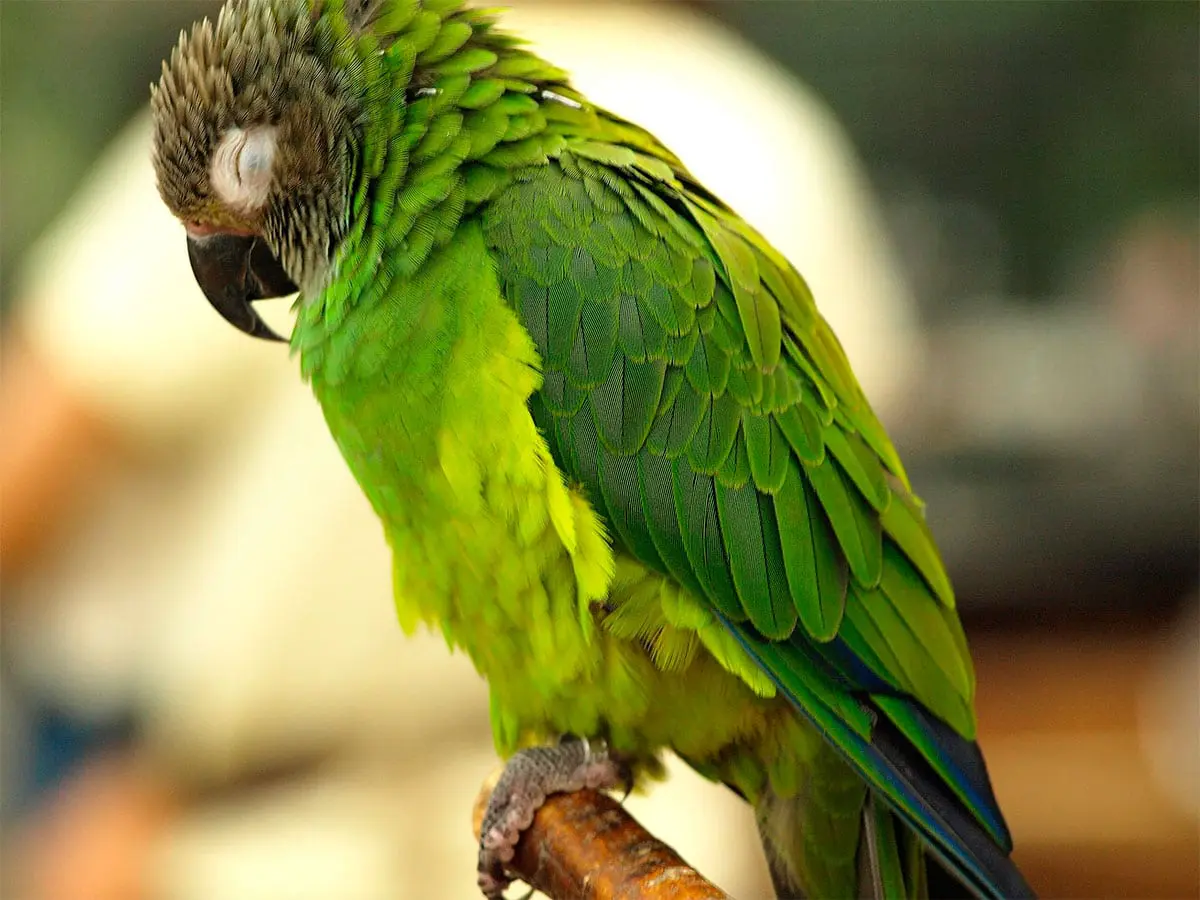
The head of the Dusky-headed Parakeet (Aratinga weddellii) is greyish Brown, with off blue stripes that give it a scaly appearance. The upperparts are green, the feathers of the nape they have yellowish margins (some banks in the mantle), the back and Hip with Brown centers, giving an appearance of Brown altogether. The scapulars with varying between Brown and green edges; the minor, large and medium-sized inner coverts green grass with paler green margins; the outer and the primary coverts are dark blue. Primary and secondary mostly blue with vane outer Green or green margins toward the vane external in the primaries; very dark (almost black) the Tips. Underwing-coverts green: underside of the flight feather opaque gray. Top of the chest pale green with turquoise suffusion; belly and undertail-coverts pale yellowish green, greener on the flanks. Upper, the tail green, Blue towards the tip: undertail, opaque gray.

Dusky-headed Parakeet

The bill shiny black; cere pinkish grey; wide area orbital off-white; irises yellowish white; legs dark gray.

Both sexes similar.

The immature are like adults but with the irises darker.

Habitat:

Video – "Dusky-headed Parakeet"

Dusky-headed Parakeet (Aratinga weddellii)

They inhabit in humid jungle, semi-wet, swamps, involved swamp forest and stubble, until 500 metres in Colombia and exceptionally 750 metres in Bolivia. Its preferred habitats are the forests and marshes and flooded forests in swampy areas. Also in the remnants of forest in humid savannah and cleared areas with patches of remnant forest. Also observed in coffee and sugarcane plantations; apparently rarely fly over the dense forest. Usually, in pairs or in small groups, but flocks of up to 75 reported individuals where food is plentiful.

Reproduction:

It nests in trees and palms of marshy or riparian areas, between June and August. They also used the cups of dead Palm trees and termite nests.
Four nests observed in Leticia, Colombia, between 4 and 15 metres in height. Birds incubating in the month of February in Colombia. Bird in reproductive condition in the month of August in Bolivia. Observed breeding from June to September in Loreto, eastern peru; from April to July in the Mato Grosso.
A normal start is of 3 to 5 eggs and both parents feed the chicks.

Food:

Its diet consists of seeds, fruit, flowers, berries, as well as insects and their larvae found in decaying trees and stumps.

Distribution:

Its distribution ranges from the southeast of Colombia, east of Ecuador and Peru to the East of Bolivia and West of Brazil.

Apparently Nomad in some parts of the distribution. In general common, even in partially deforested areas, and perhaps increase due to clearing and fragmentation of dense forest.

Conservation:

State of conservation โ“˜


minor concern Minor Concern โ“˜ (UICN)โ“˜

โ€ข Red List category of the UICN current: Least concern

โ€ข Population trend: Growing

The size of the world population Dusky-headed Parakeet It has not been quantified, but this species is described as common (Stotz et to the. (1996)).

This species is suspected that it has been lost between the 15 and the 17,7% of its suitable habitat within its range over three generations (21 years) based on a model of deforestation of the Amazon (Soares-Filho et to the., 2006, Bird et to the. 2011). Given the susceptibility of this species to the hunting or trapping, It is suspected that its population may decrease in around the 25% in three generations.

"Dusky-headed Parakeet" in captivity:

Not common in captivity, but in the past was part of the international trade. They are common in cultivation areas, for this reason they are common in homes of peasants.

The Dusky-headed Parakeet is not known for its ability to mimic the speak human, but they are nevertheless birds very fun, kind and loving – provided that they have been hand reared and socialized properly. They are not as active and noisy as other species of parrots, they only emit sounds, not too high, when excited.

wonderful pets. His charming personality makes them good pets for children. They are not demanding, they spend happy hours playing with their favorite toys but still enjoy human company very much.

They are relatively easy to raise. They may have several broods per year; But, good husbandry practice stipulates that they should not be allowed to have more than two or three clutches to allow for their rest. The size of Sunset is of 3 to 4 eggs, they are incubated for a few 23 days. Both parents take care of the young.. The chicks leave the nest after a few 50 days.

In the wild, according to sources, females have been estimated can live up to 25 years. Its longevity in captivity It has not been studied in detail. It has been observed a muscle aging in wild animals.

Alternative names:

Dusky-headed Parakeet, Dusky Conure, Dusky headed Parakeet, Dusky Parakeet, Dusky-headed Conure, Weddell’s Conure (English).
Conure de Weddell, Conure ร  tรชte sombre, Perriche de Weddell, Perruche de Weddell (French).
Weddellsittich, Weddell-Sittich (German).
Aratinga-de-cabeca-escura, aratinga-de-cabeรงa-suja, jandaia-de-cabeรงa-azulada, jandaia-de-cara-suja, periquito-de-cabeรงa-suja (Portuguese).
Aratinga Cabecifusca, Perico Canoso, Periquito de Cabeza Gris, Perico cabezagris(espaรฑol).
Loro canoso, Perico Canoso, Cotorra cabecigris, Cotorra cabeciparda (Colombia).
Cotorra de Cabeza Oscura, San Pedrito, Lorito cabeza gris (Peru).
Perico cabecioscuro (Ecuador).
Tarechi (Bolivia).
Ipiรญ (Chimane).
Bambaorito (I ingano).
Sacara (Cofรกn.).
Butuquiria (Macuna).

scientific classification:

Order: Psittaciformes
Family: Psittacidae
Genus: Aratinga
Scientific name: Aratinga weddellii
Citation: (Deville, 1851)
Protonimo: Conurus Weddellii

Dusky-headed Parakeet images:


Species of the genus Aratinga

Sources:

Avibase
– Parrots of the World โ€“ Forshaw Joseph M
– Parrots A Guide to the Parrots of the World – Tony Juniper & Mike Parr
– Birdlife

Photos:

(1) – Dusky-headed Conure or Weddellโ€™s Conure (Aratinga weddellii) in captivity. Kobe Kachoen By merec0 (originally posted to Flickr as Kobe Kachoen (32)) [CC BY 2.0], via Wikimedia Commons
(2) – A Dusky-headed Parakeet at Jurong Bird Park, Singapore By Sham Edmond [CC BY 2.0], via Wikimedia Commons
(3) – Dusky-headed Conure or Weddellโ€™s Conure (Aratinga weddellii) By Steve Beger [CC BY-SA 2.0], via Wikimedia Commons
(4) – Dusky-headed Conure or Weddellโ€™s Conure (Aratinga weddellii) By en:user:Jhwodchuck (http://en.wikipedia.org/wiki/Image:DuskyConure.jpg) [GFDL, GFDL or CC-BY-SA-3.0], via Wikimedia Commons
(5) – Aratinga weddellii – black-headed conure – Dusky-headed conure – dusky-headed conure Florin FeneruFlickr
(6) – Ilustraciรณn Dusky-headed parakeet by Biodiversity Heritage LibraryFlickr

Sounds: (Xeno-canto)
โ–ท The world of Pets: Dogs, cats, birds, reptiles, amphibians

Emma's Parakeet
Pyrrhura emma

Emma's Parakeet

Content

Description:

Emma's Parakeet

23 cm.. length.

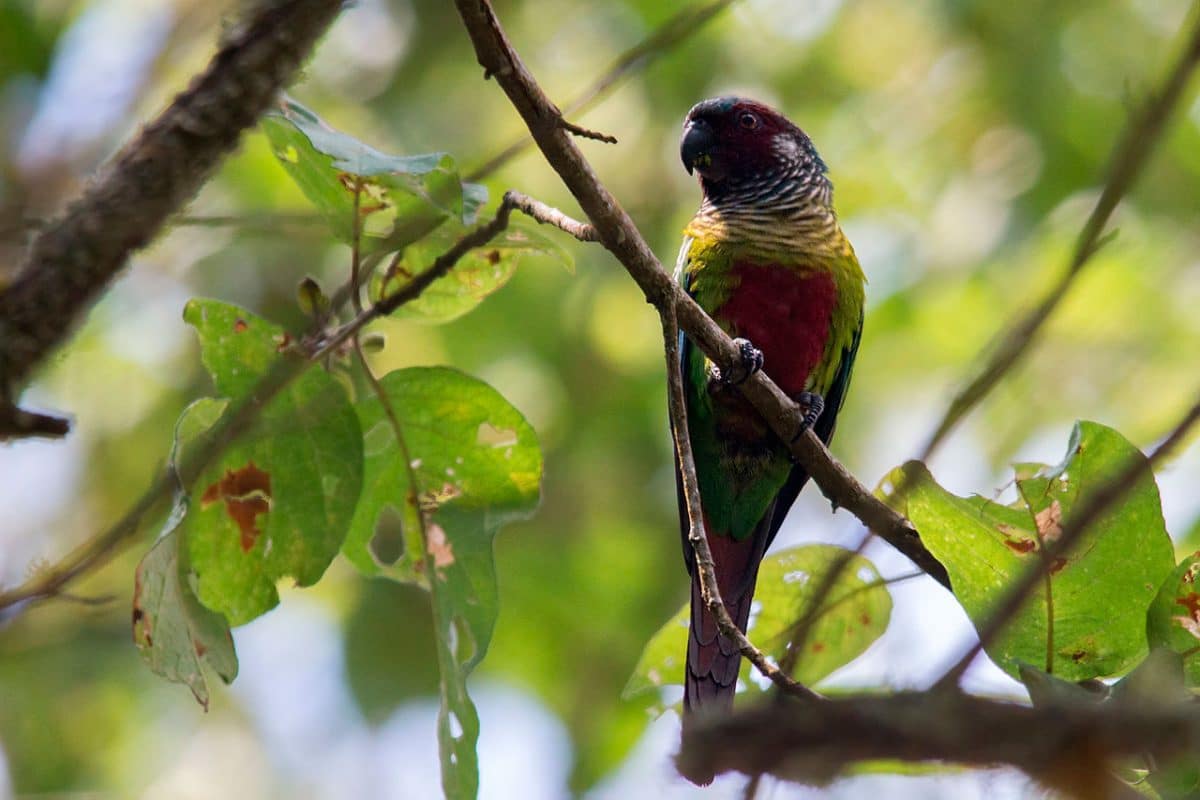
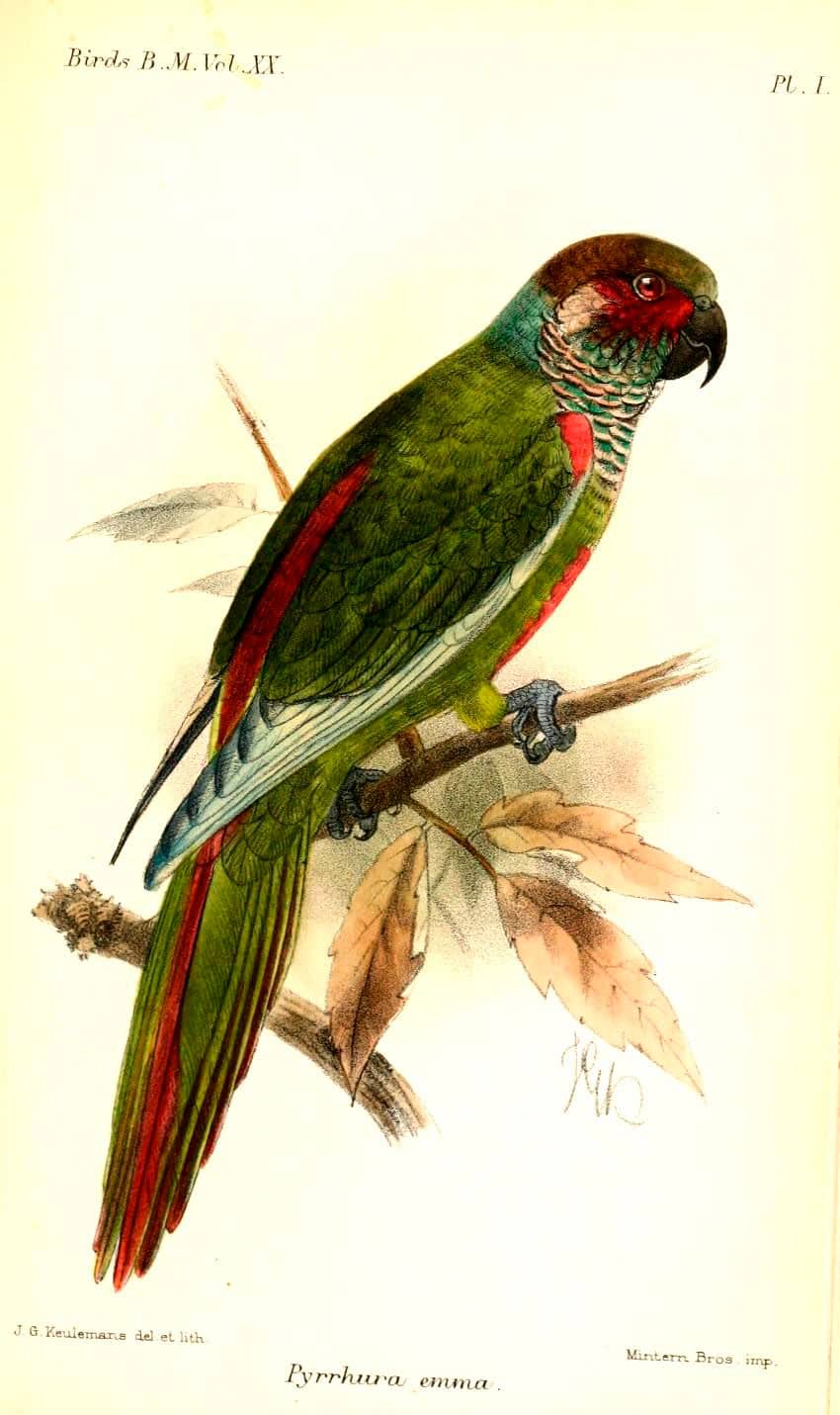
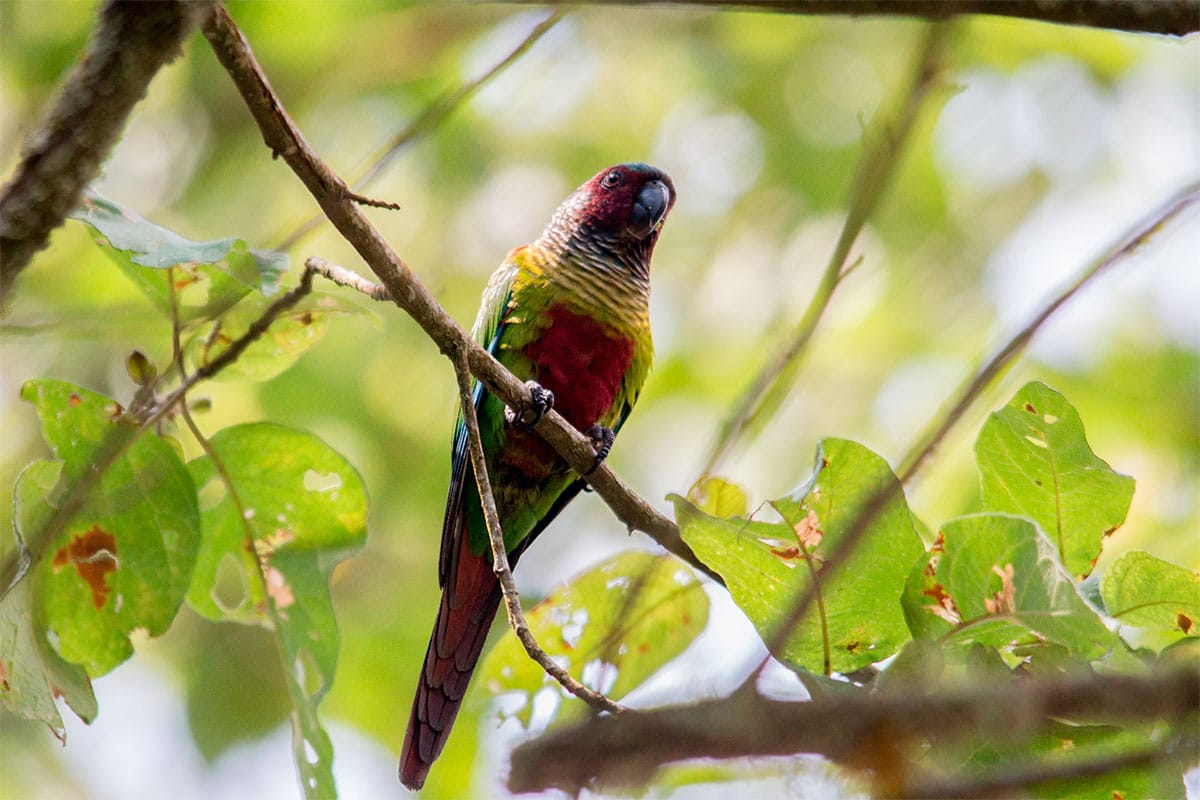
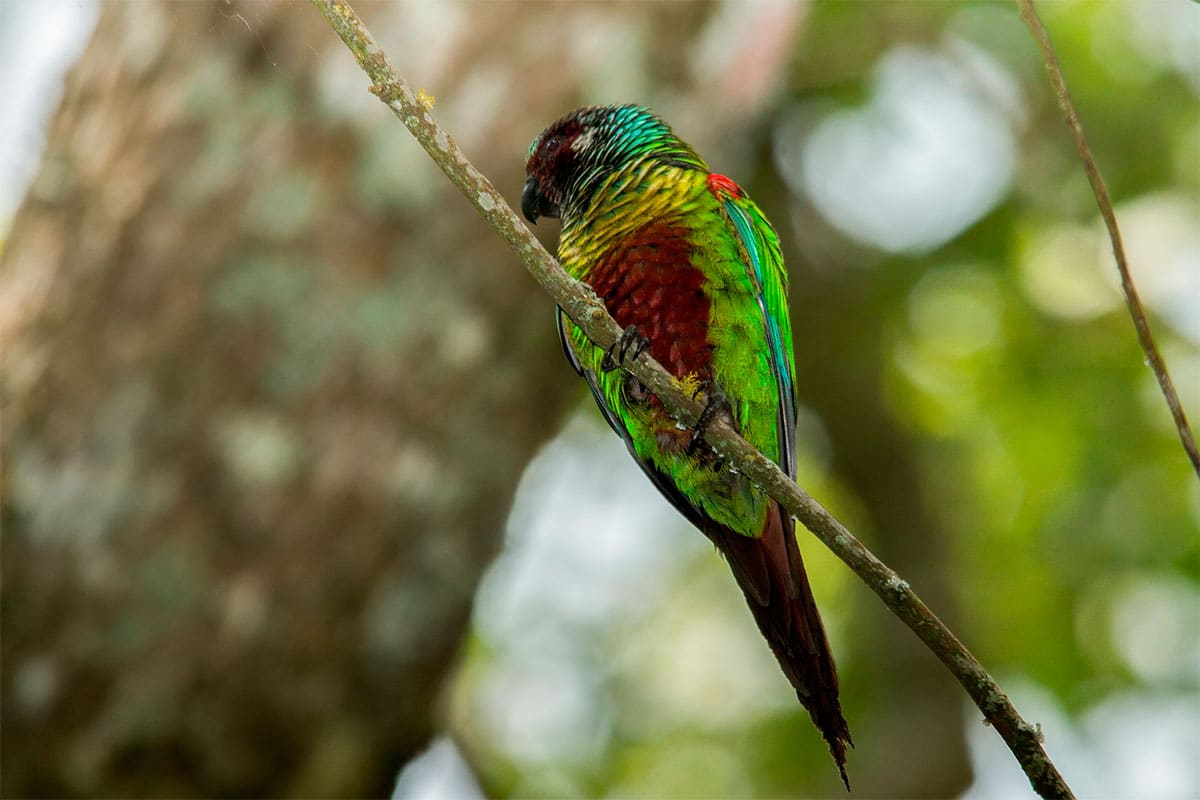
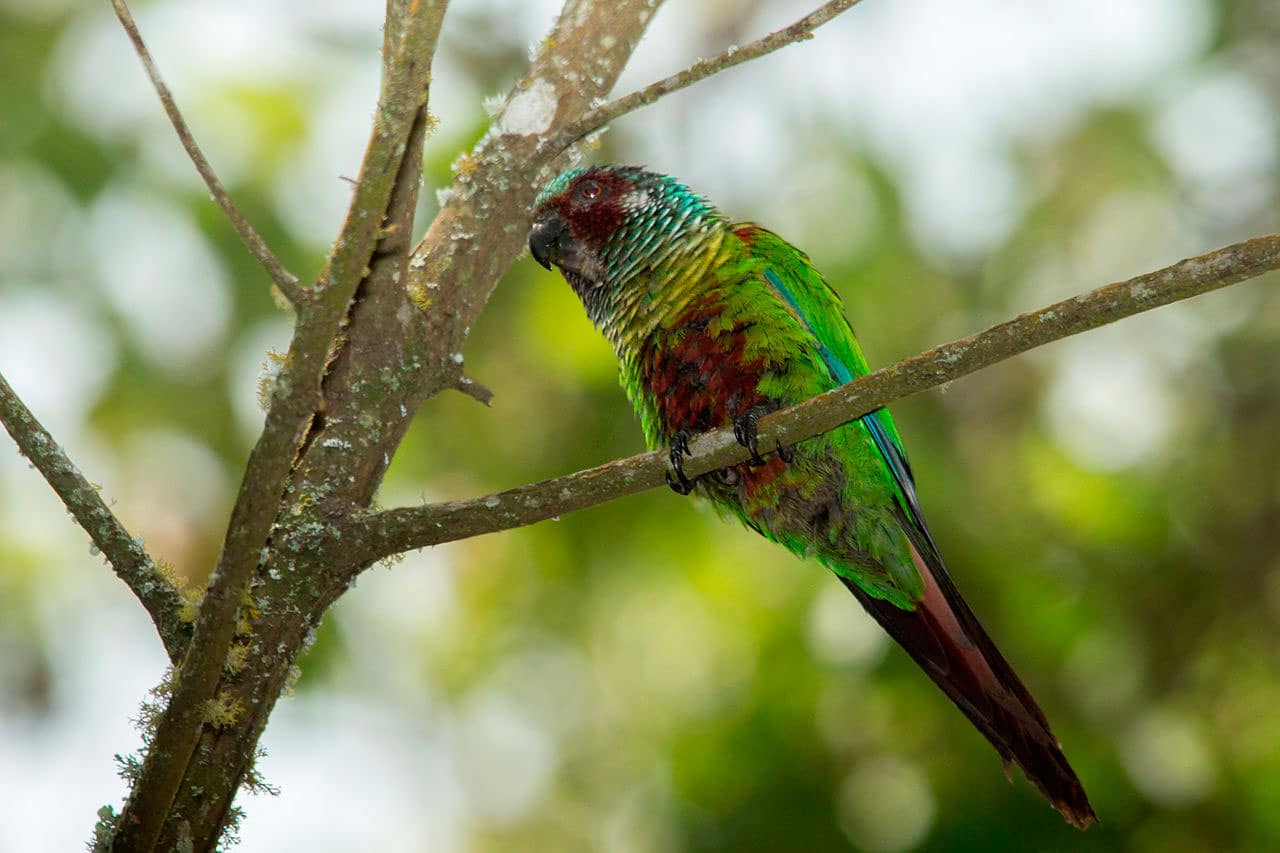
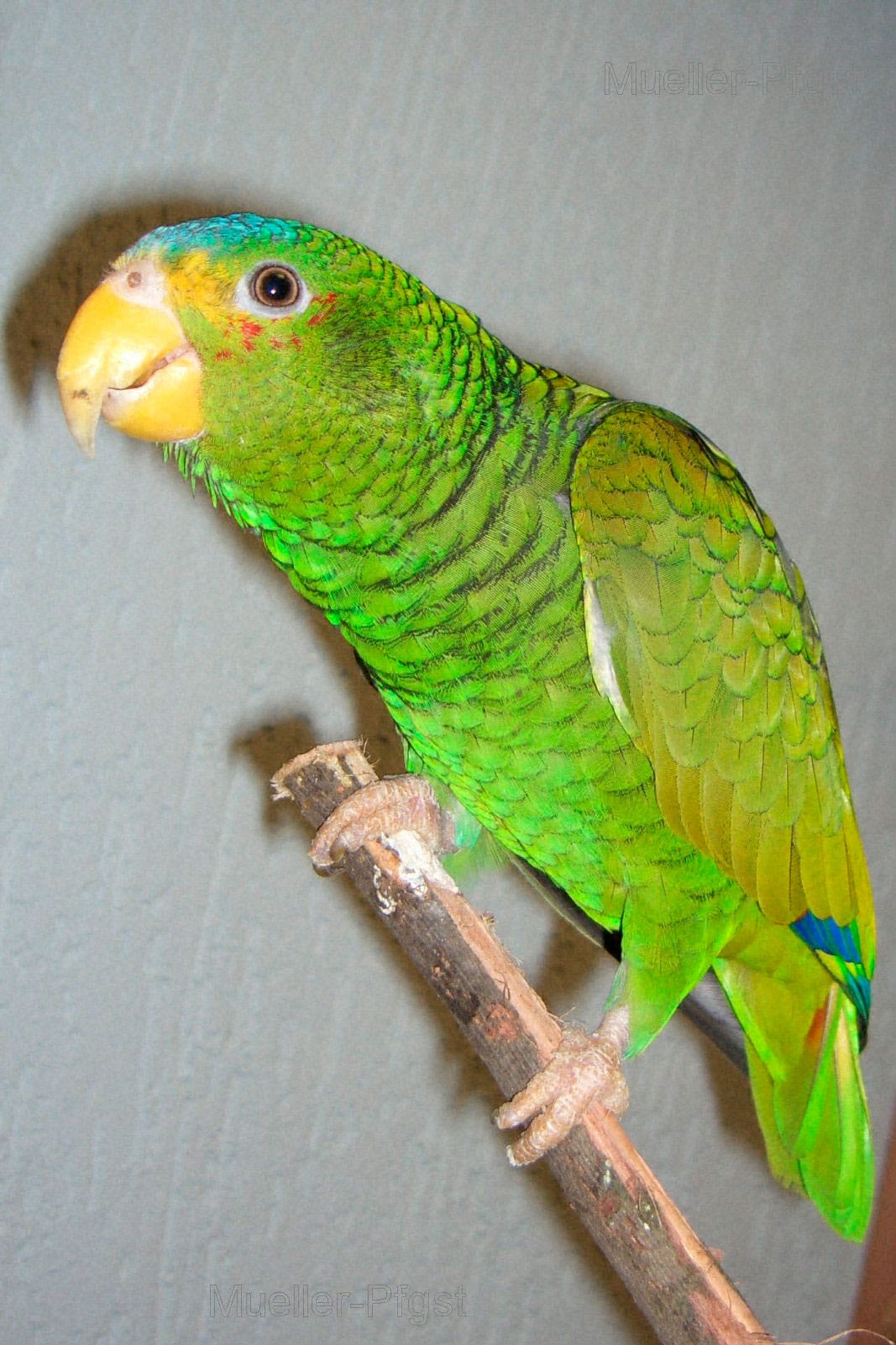
The Emma's Parakeet (Pyrrhura emma) is a bird, mostly, green, with blue in the wings, reddish-brown in rump, on tail and in the back; Scaled plumage chest yellowish color on a gray background olive; wings with red shoulder, inconspicuous.

The face red plum, while the pileum It is brown and gray forecrown blue. Abdomen with dark red stain, tail with green base, edge red and below all red.

Eye ring grey, cheeks red with white spot on ears. Bill dark. It has no sexual dimorphism.

Habitat:

They can be seen in hill forests in the coastal mountain range in Venezuela, in humid forests and edges as well as in adjacent clearings with sparse trees and groves (pit et to the., 1997).

Usually it moves in flocks, on quick flights up 25 specimens, before landing in the canopy.

Reproduction:

There is insufficient information regarding reproduction and feeding. Breeding season probably between May and July. Period of incubation: 24-25 days.

Food:

They have been observed eating flowers of Ochroma and nectar (Hilty 2003).

Distribution:

Size of its range (reproduction / resident): 88.300 km2

The Emma's Parakeet inhabits forested areas of the northern coastal range Venezuela, from Yacacuy and Carabobo until Miranda, and disjuntamente from Anzoรกtegui to Sucre and northern part of Monagas (Del Hoyo et al., 1997, Juniper and Parr 1998, Hilty 2003, Forshaw 2006).

It is mainly found at altitudes 250-1.700 m, but you can see at sea level in eastern Sucre (Hilty 2003), where is quite common (Hilty 2003, P. Boesman in a bit., 2006). Its distribution within this range is complex and disjoint, found especially in mountainous terrain at lower elevations (Hilty 2003).

Conservation:

โ€ข Current category of the Red List of the UICN: Least concern.
โ€ข Population trend: Decreasing.

Justification of the population

State of conservation โ“˜


minor concern Minor Concern โ“˜ (UICN)โ“˜

Apparently, the population size of this species has not been quantified.

Justification of trend

The capture for trade and changes in land use may be causing a decrease in population of this species, although the trend has not been quantified, and none of these is considered serious threats to this species today(CJ Sharpe a slightly. 2014).

Conservation Actions Underway

They live in several national parks (P. Boesman in a bit., 2006), with a "substantial" population in the Guatopo National Park, Miranda (Juniper and Parr 1998, Hilty 2003).

Conservation Actions Proposed

Continue to monitor this species in the field and in trade.

Strengthen the network of protected areas within the range of this species.

"Emma's Parakeet" in captivity:

Very rare in captivity. Very intelligent, active and playful. They are very aggressive with other species. Price per couple: 400 EUR.

Alternative names:

Emma’s Parakeet, Emma’s Parakeet (incl. auricularis), Painted Parakeet (Venezuelan), Venezuelan Parakeet (English).
Conure d’Emma, Conure emma, Conure emma (incl. auricularis) (French).
Emmasittich (German).
Emma’s Parakeet (Portuguese).
Cotorra de Emma (espaรฑol).


scientific classification:

Salvadori Tommaso

Order: Psittaciformes
Family: Psittacidae
Genus: Pyrrhura
Scientific name: Pyrrhura emma
Citation: Salvadori, 1891
Protonimo: Pyrrhura emma


Images Emma's Parakeet:

Videos "Emma's Parakeet"


Especies del gรฉnero Pyrrhura

Emma's Parakeet (Pyrrhura emma)


Sources:

Avibase
– Parrots of the World โ€“ Forshaw Joseph M
– Parrots A Guide to the Parrots of the World – Tony Juniper & Mike Parr
Birdlife

Photos:

(1) – Venezuelan Parakeet | Perico Pintado ( Pyrrhura emma)By Fernando Flores from Caracas, Venezuela [CC BY-SA 2.0], via Wikimedia Commons
(2) – Venezuelan Parakeet | Perico Pintado ( Pyrrhura picta emma) By Fernando Flores from Caracas, Venezuela [CC BY-SA 2.0 or CC BY-SA 2.0], via Wikimedia Commons
(3) – Venezuelan Parakeet | Perico Pintado (Pyrrhura emma) by Fernando FloresFlickr
(4) – Venezuelan Parakeet | Perico Pintado (Pyrrhura emma) by Fernando FloresFlickr
(5) – Venezuelan Parakeet | Perico Pintado (Pyrrhura emma) By Fernando Flores from Caracas, Venezuela [CC BY-SA 2.0], via Wikimedia Commons
(6) – Pyrrhura emma = Pyrrhura picta, Painted Parakeet by John Gerrard Keulemans [Public domain], via Wikimedia Commons

Sounds:

โ–ท The world of Pets: Dogs, cats, birds, reptiles, amphibians

Yellow-lored Parrot
Amazona xantholora

Yellow-lored Parrot

Content

Description:


Anatomy-parrots

25-28 cm.. length and 200-232 g. of weight.

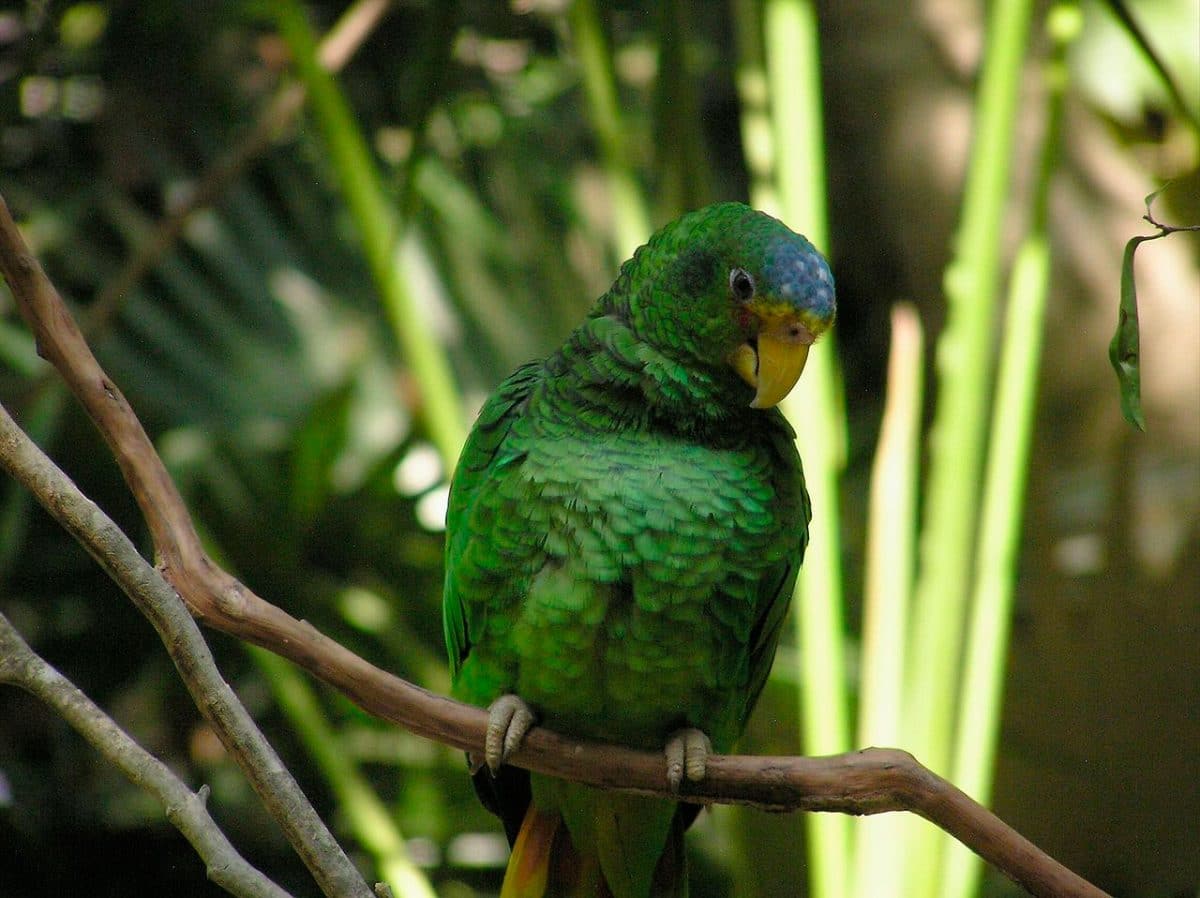
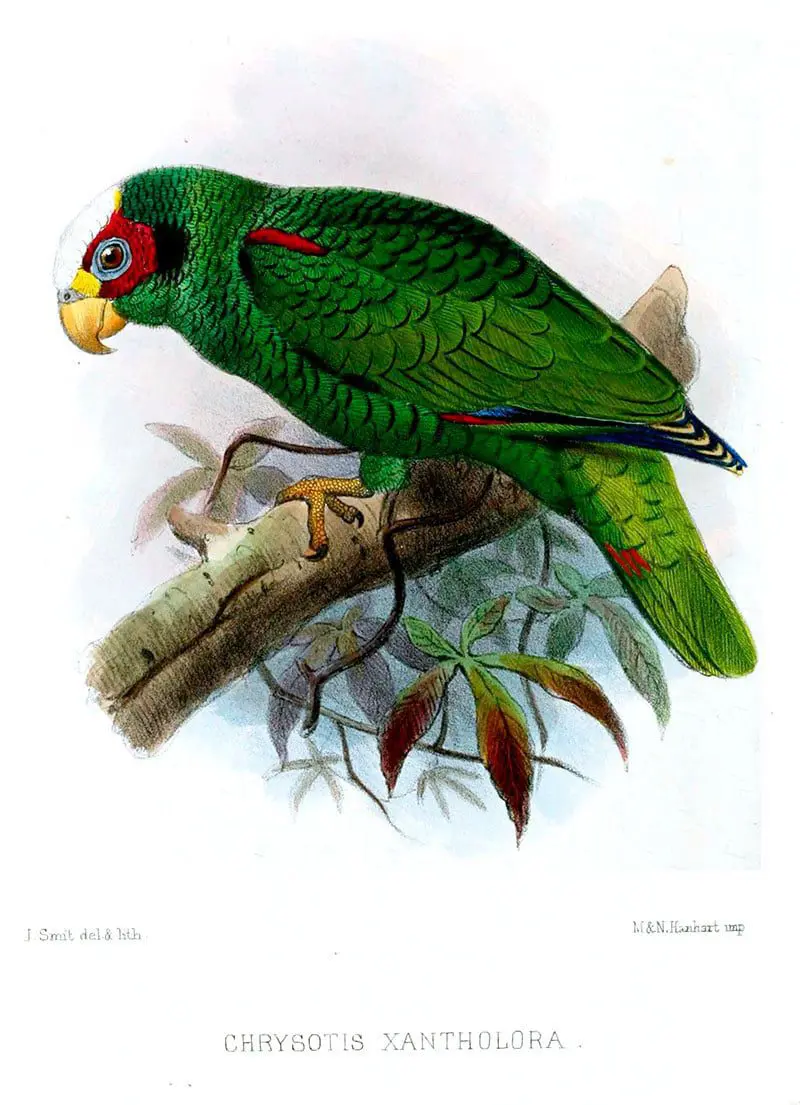
The Yellow-lored Parrot (Amazona xantholora) has the lores and a close frontal band, bright yellow; most of the forecrown and crown, are white; the back of the crown is blue; band wide around the eyes, including upper cheeks, bright red; ear-coverts dark gray.

Top green grass with prominent black tips on feathers giving a scalloped appearance, although uppertail-coverts are yellowish-green. Primary coverts red; remaining coberteras (especially smaller and medium), green with black tips. Flight feathers mostly blue with a green base at primaries. Under the wings, bluish green. Underparts green with black tips on breast feathers, although undertail-coverts are yellowish-green; at the top, the tail is green; below green with yellowish tip and the outer feathers red.

Yellow-lored Parrot

Bill yellow-horn; irises yellow; legs grey.

In this species sexual dimorphism. The female has the crown blue (nonwhite), little or no red around the eye, and primary coverts green. The immature They are like female but with lores paler yellow and crown pale blue.

  • Sound of the Yellow-lored Parrot.

Habitat:

Video – "Yellow-lored Parrot"

Yellow-lored Parrot (?)

In Yucatan, the Yellow-lored Parrot They live mostly in the tropical deciduous forest, probably avoiding dense rain forests. But, their exact preferences are unknown due to the difficulty of distinguishing the White-fronted Parrot (Amazona albifrons). Observed in pine forests and mixed forests of pines and oaks Quercus in the North of Belice, and pine forests in the highlands in Roatan.
They are distributed at altitudes between 100 and 250 m.
Usually views in flocks, to form communal roosts coming up 1.500 birds from roosting and dispersed in small herds forage.

Reproduction:

They lay their nests in tree cavities on agricultural land and around cornfields where dead trees have been left standing after forests have been cleared and burned. also can nest in cracks of trees, rock walls or termiteros.

It has been observed to Yellow-lored Parrot in breeding condition in March in the yucatan peninsula, and young in the nest in April-May Belice. The laying is of 1 to 3 eggs; the incubation similar in duration to that of White-fronted Parrot (Amazona albifrons), that is to say, of 25 to 28 days.

Food:

Foods reported include guilt of Acacia gaumeri, corn and citrus. The Yellow-lored Parrot They feed mainly in the treetops.

Distribution:

Size of its range (reproduction / resident): 157.000 kilometros2

The Yellow-lored Parrot It is found mainly in the Eastern and Central parts of the Yucatan Peninsula, Mexico, in Yucatan, Campeche and Quintana Roo; in the northern parts of Belice; and in the islands of Cozumel (Mexico) and possibly Roatan (Honduras), where the recent field work could not confirm its current (or previous) existence. Common to quite common in the East of Yucatan and in Cozumel, but considered quite rare in some other parts (especially at the edges) Mexican range. It is thought to be scarcer than the White-fronted Parrot (Amazona albifrons) with which it is closely related, although in some areas, the Yellow-lored Parrot it's more common, especially towards the center of its range.
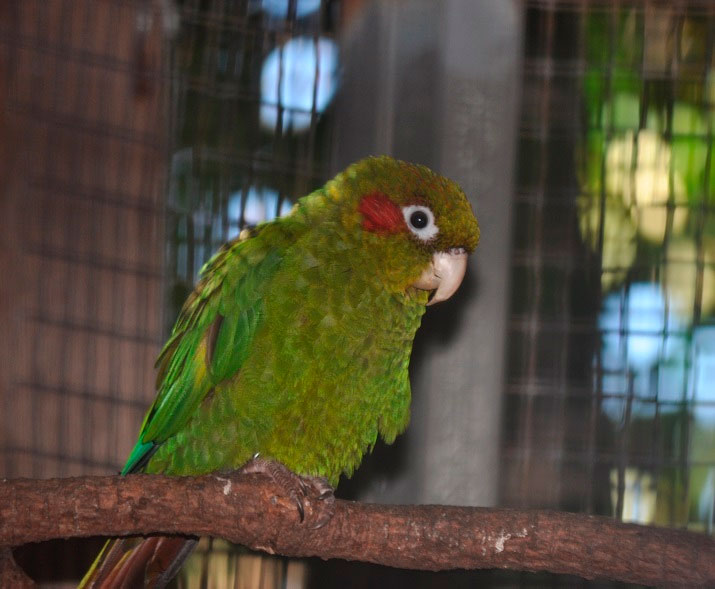
Live in several areas protected. Situation in Northern Belice unknown.

Conservation:

State of conservation โ“˜


minor concern Minor Concern โ“˜ (UICN)โ“˜

โ€ข Current category of the Red List of the UICN: Least concern.

โ€ข Population trend: Stable.

โ€ข Population size: 20,000-49,999.

  • Justification of the Red List of the Category

This species has a range very large, and therefore not approaching the thresholds for vulnerable under the criterion of size range (extent of occurrence <20.000 km2 combinan con un tamaรฑo gama disminuciรณn o fluctuante, hรกbitat medida / calidad, o de la poblaciรณn tamaรฑo y un pequeรฑo nรบmero de lugares o fragmentaciรณn severa). La population trend appears to be stable, and therefore the species does not approach the thresholds for Vulnerable according to the population trend criteria. (> 30% decrease of more than ten years or three generations). The population size It can be moderately small to large, but are not believed to approach the thresholds for Vulnerable based on population size criteria (<10.000 individuos maduros con una disminuciรณn continua estima en> 10% in ten years or three generations, or with a specific population structure). For these reasons, the species was evaluated as Least concern.

  • Population justification

Partners in Flight estimates the population at fewer than 50.000 individuals (A. they Panjabi a slightly. 2008), by what is placed in the band 20,000-49,999 individuals here.

  • Justification trend

The population suspected to be stable in the absence of evidence of any reduction or substantial threats.

  • Threats

The main threats to this species are the deforestation, the catch eggs and chicks directly from their nests, just like him illegal trade adult individuals. Moreover and, considering the differential distribution of this species within the Peninsula, You may think that areas are susceptible to drastic declines in these species (Beissinger and Snyder 1992).

The Yellow-lored Parrot in captivity:

Very rare in captivity. Convention CITES regulates international trade under the Appendix II (Species not necessarily threatened with extinction, but in which trade must be controlled in order to avoid utilization incompatible with their survival).

Alternative names:

Yellow Lored Amazon, Yellow lored Parrot, Yellow-faced Amazon, Yellow-lored Amazon, Yellow-lored Parrot, Yucatan Amazon, Yucatan Parrot (English).
Amazone du Yucatan, Amazone xantholore (French).
Goldflรผgelamazone, Goldzรผgelamazone (German).
Papagaio-de-iucatรฃ (Portuguese).
Amazona de Yucatรกn, Amazona Yucateca, Lora de Roatรกn, Loro Yucateco (espaรฑol).

scientific classification:

Order: Psittaciformes
Family: Psittacidae
Genus: Amazona
Scientific name: Amazona xantholora
Citation: (Gray, GR, 1859)
Protonimo: Chrysotis xantholora

Images Yellow-lored Parrot:


Species of the genus Amazona


Sources:

Avibase
– Parrots of the World โ€“ Forshaw Joseph M
– Parrots A Guide to the Parrots of the World – Tony Juniper & Mike Parr
Birdlife
Naturalist

Photos:

(1) – Amazon Yucatan, Mexico, Quintana Roo, Xcaret By philippe from FRANCE, You can search by name, by commission or family for birds and insects, using tags [CC BY-SA 2.0], via Wikimedia Commons
(2) – A female Yellow-lored Amazona also known as the Yucatan Amazona at Xcaret Eco Park, Quintana Roo, Mexico. By philippe from FRANCE, You can search by name, by commission or family for birds and insects, using tags [CC BY-SA 2.0], via Wikimedia Commons
(3) – Amazona species xantholora. His name is Poll By GuillermoPech (Own work) [CC BY-SA 4.0], via Wikimedia Commons
(4) – Yellow-lored Amazon By Andreas Mueller Pfgst (Picture yourself created) [GFDL or CC BY-SA 3.0], via Wikimedia Commons
(5) – Yellow-Lored Parrot by James DiedrickFlickr
(6) – Chrysotis xantholora = Amazona xantholora by Joseph Smit [Public domain], via Wikimedia Commons

Sounds: Oliver Komar, XC182833. accessible www.xeno-canto.org/182833

โ–ท The world of Pets: Dogs, cats, birds, reptiles, amphibians

Sulphur-winged Parakeet
Pyrrhura hoffmanni

Sulphur-winged Parakeet

Content

Description:

23 cms. length and 84 g. of weight.
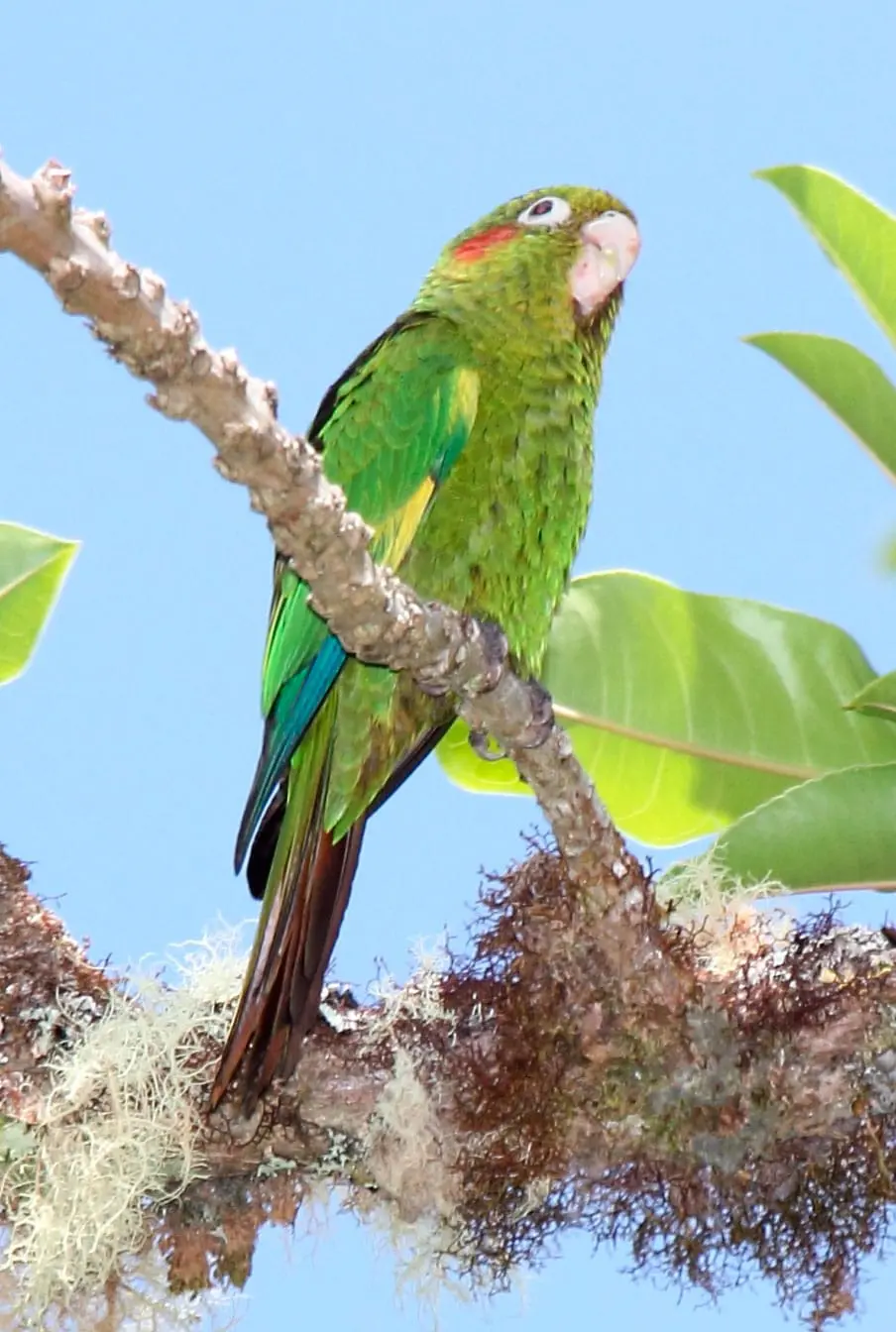
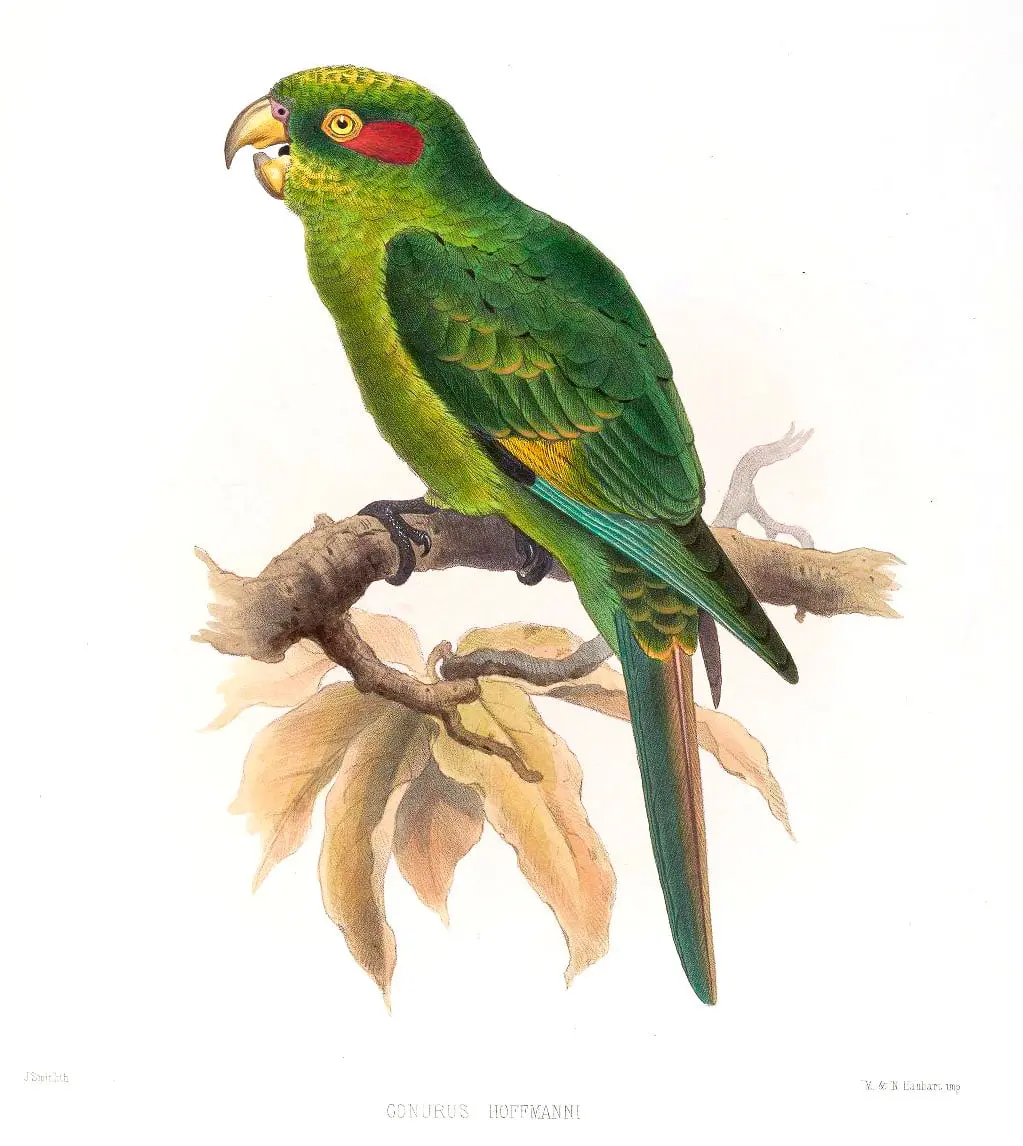
The Sulphur-winged Parakeet (Pyrrhura hoffmanni) It, mostly, green with some individual variations in plumage.

It has a distinctive tail long and round about ear-coverts crimson red. Yellow at the top of the wings, largely hidden when the bird is at rest, but perfectly visible in flight.

The feathers of the forecrown, crown, cheeks and nape, They are green with yellow centers (the proportion of the yellow color is higher in the forecrown, lower in the back of the crown). Above predominantly green, It is the leading edges of the wings, sometimes, yellow. The lesser coverts and median are, generally, green, sometimes with some yellow in outer median coverts and feathers alula.

Yellow at the base of the outerweb of the greater coverts. Outerwebs of primaries, to a great extent, blue; primaries and secondaries with bright yellow patch, especially on the basis of innerwebs; flight feather with black tips. Under, the wings with the lesser coverts green, the majors, greenish yellow; a central portion flight feather yellowed with greyish tips.

Sulphur-winged Parakeet

Chin reddish; throat, sides neck and the top chest, green with yellow tips on feathers, which gives an overall light effect Scaled. The belly, the flanks and undertail-coverts, are green. Upper, the tail is green, below, reddish.

The bill and cere They are pink colored horn; bare periophthalmic white or yellowish white; the irises brown; legs pale grey.

Both sexes are similar, but the male player has yellow stripes on pens crown.
The Immature It has less yellow in head, the chest and wings.

  • Sound of the Sulphur-winged Parakeet.

Subspecies description:

  • Pyrrhura hoffmanni gaudens

    (Bangs, 1906) – Very similar to nominal, although feathers crown and nape They have yellower, with their ends red or red and orange (in some birds, red ends of the feathers may extend over the back, the throat and the chest). Underparts slightly darker.


  • Pyrrhura hoffmanni hoffmanni

    (Cabanis, 1861) – Nominal.

Habitat:

Video – "Sulphur-winged Parakeet" (Pyrrhura hoffmanni)

Sulphur-winged Parakeet (Pyrrhura hoffmanni)

Observed, mainly, in mountainous areas, preferring montane forests in the subtropical zone, mainly 1.000 to 2.400 meters above sea level, although views 550 meters in the region Admiral's Bay, Panama and a 3.000 metres in Costa Rica.

They appear to tolerate a considerable disturbance of habitat, including managed forests, areas and the second growth partially cleared, forests and wooded pasture shrubs. Usually seen in pairs or small flocks of 5-15 birds. You can perform altitudinal movements daily to feed, returning to the mountains to rest. Forage occurs in the canopy or smaller trees and bushes near the edge of the woods.

Reproduction:

They nest in tree hollows, including old nests woodpeckers, to 8-20 meters of land. With reproduce dry season (January June). Clutch six eggs in captivity.

Food:

Its diet includes fruit of Ficus, Croton, Leandra, Myrtus and Miconia.

Distribution and status:

Extending its range (players / residents): 18.400 km2

Confined south of Costa Rica and western Panama.

The species is found in the highlands of the southern half of Costa Rica, including the slopes of Caribbean, the mountains of the central plateau south and the two sides of the Cordillera de Talamanca, sometimes the region Cartago and Paradise and the Irazu volcano.

In western Panama They are mainly distributed in the west and center chiriqui and areas adjacent in Bull's mouths, in the highest mountains (including the chiriqui volcano and the high ridges on Boquette) and at lower elevations around, for example, of the Chirรญqui Lagoon and Admiral Bay.

The easternmost Panamanian registry was found east of the central mountain range in 1868.

Some altitudinal movements (higher in the dry season). Birds are perhaps only sporadic in the extremities of their range. Apparently, It is common in the middle to high elevations of the Cordillera de Talamanca and in isolated areas, and it is believed to be quite numerous throughout the main range.

Its habitat It is now highly fragmented, though still apparently numerous, even in areas where the forest is partly cloudy. Rare in captivity.

Subspecies distribution:

  • Pyrrhura hoffmanni gaudens

    (Bangs, 1906) – West of Panama and Caribbean slope of Bull's mouths.


  • Pyrrhura hoffmanni hoffmanni

    (Cabanis, 1861) – Nominal. South of Costa Rica.

Conservation:

State of conservation โ“˜


minor concern Minor Concern โ“˜ (UICN)โ“˜

โ€ข Current category of the Red List of the UICN: Least concern.

โ€ข Population trend: Stable.

โ€ข Population size : Unknown.

Rationale for the Red List category

Although this species may have a small range, it is not believed that approximates the thresholds for Vulnerable under the criteria of size range (Extension <20,000 km2 combinada con un tamaรฑo de rango decreciente o fluctuante, extensiรณn / calidad del hรกbitat o tamaรฑo de la poblaciรณn y un pequeรฑo nรบmero de lugares o fragmentaciรณn severa). La trend of the population It appears to be stable, so that the species does not approach the thresholds for Vulnerable under the criteria of population trend (> 30% decline over ten years or three generations). The population size It has not been quantified, but it is not believed to be close to the thresholds for Vulnerable under the criterion of population size (<10.000 individuos maduros con un declive continuo estimado> 10% in ten years or three generations or a population structure). For these reasons, the species is evaluated as Least Concern.

Justification of the population

The size of the world's population has not been quantified, but this species is described as ยซquite commonยป (Stotz et to the., 1996).

Justification of trend

They suspected that the population of Catana Cotorra is stable in absence of evidence of any decline or threatens substantial.

"Sulphur-winged Parakeet" in captivity:

Rare in captivity. Quieter than other parakeets. In Panama the export of these birds is prohibited from 1980.

Alternative names:

Hoffmann’s Conure, Hoffmann’s Parakeet, Hoffman’s Conure, Hofman’s Conure, Sulfur-winged Parakeet, Sulphur winged Parakeet, Sulphur-winged Conure, Sulphur-winged Parakeet (English).
Conure de Hoffmann, Perriche de Hoffmann, Perruche de Hoffmann (French).
Hoffmann Sittich, Hoffmannsittich, Hoffmann-Sittich (German).
Tiriba-de-asa-amarelada (Portuguese).
Cotorra Catana, Perico aliazufrado, Perico de Hofman (espaรฑol).
Perico aliazufrado (Costa Rica).


scientific classification:

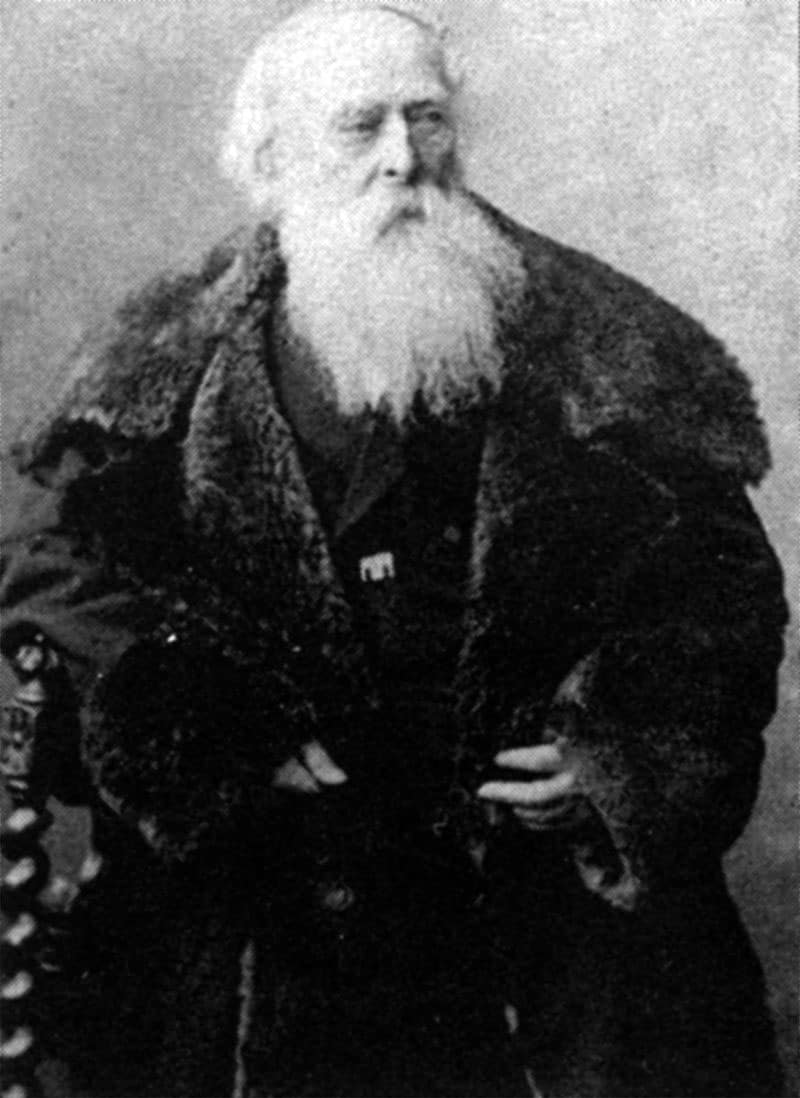
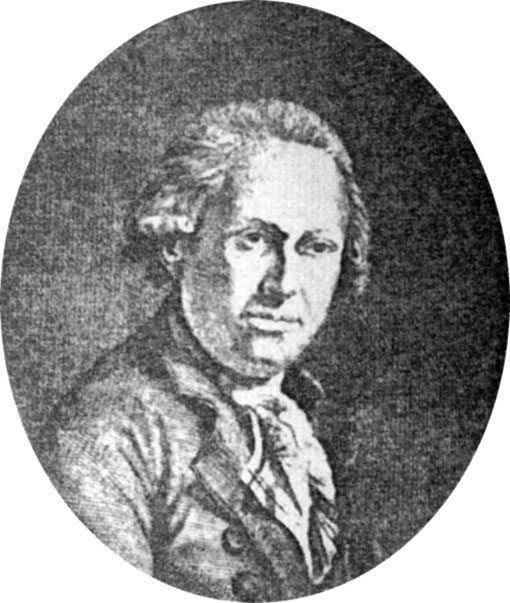
Jean Louis Cabanis
Jean Louis Cabanis

Its name refers to the German naturalist Karl Hoffman.

Order: Psittaciformes
Family: Psittacidae
Genus: Pyrrhura
Scientific name: Pyrrhura hoffmanni
Citation: (Cabanis, 1861)
Protonimo: Conurus hoffmanni

Sulphur-winged Parakeet Images:


Especies del gรฉnero Pyrrhura

Sources:

Avibase
– Parrots of the World โ€“ Forshaw Joseph M
– Parrots A Guide to the Parrots of the World – Tony Juniper & Mike Parr
– Birdlife

Photos:

(1) – Sulphur-winged Parakeet (Pyrrhura hoffmanni). Photographed at Savegre, in Costa Rica By Dominic Sherony [CC BY-SA 2.0], via Wikimedia Commons
(2) – Parakeet HOFFMAN (Pyrrhura hoffmanni) Loro Parque, Tenerife by ZOOTOGRAFIANDO
(3) – A Sulphur-winged Parakeet at Savegre, Costa Rica By Dominic Sherony [CC BY-SA 2.0], via Wikimedia Commons
(4) – Sulphur-winged Parakeet (Pyrrhura hoffmanni) at Savegre Lodge, near San Gerardo, Costa Rica By Michael Woodruff [CC BY-SA 2.0], via Wikimedia Commons
(5) – Sulphur-winged Parakeet or Hoffmannโ€™s Conure (Pyrrhura hoffmanni) by elite-pets
(6) – Conurus hoffmanni = Pyrrhura hoffmanni by Joseph Smit [Public domain], via Wikimedia Commons

Sounds: Mike Nelson, XC107214. accessible www.xeno-canto.org/107214

โ–ท The world of Pets: Dogs, cats, birds, reptiles, amphibians

Rainbow Lorikeet
Trichoglossus moluccanus

Rainbow Lorikeet

Content

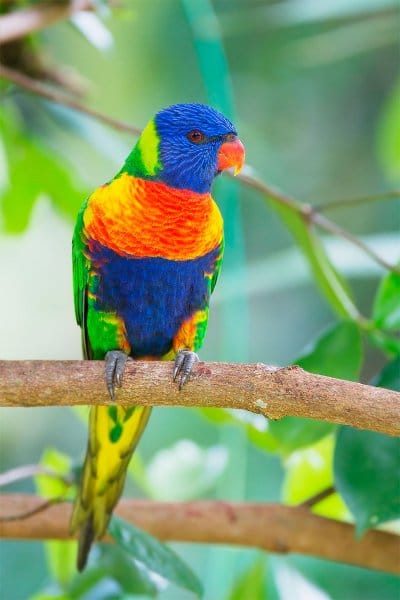
Description ยซRainbow Lorikeetยป:

Of 25-30 cm. length; 70-169 grams and a wingspan of 46 cm..

Rainbow Lorikeet

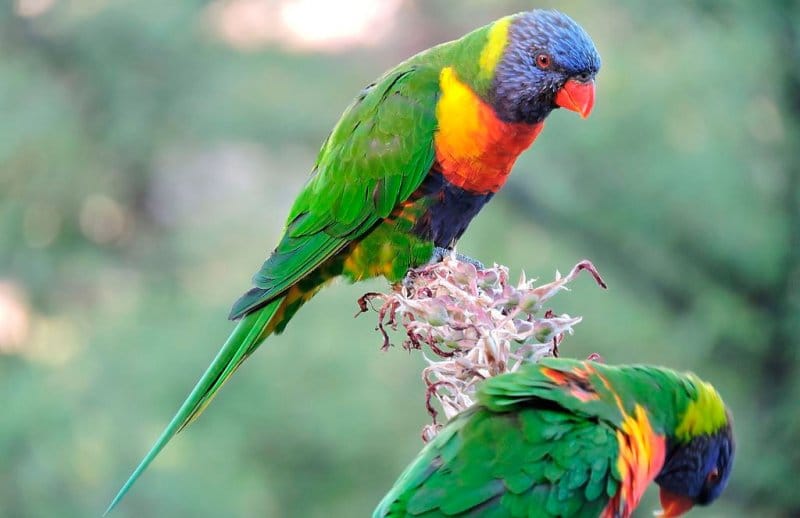
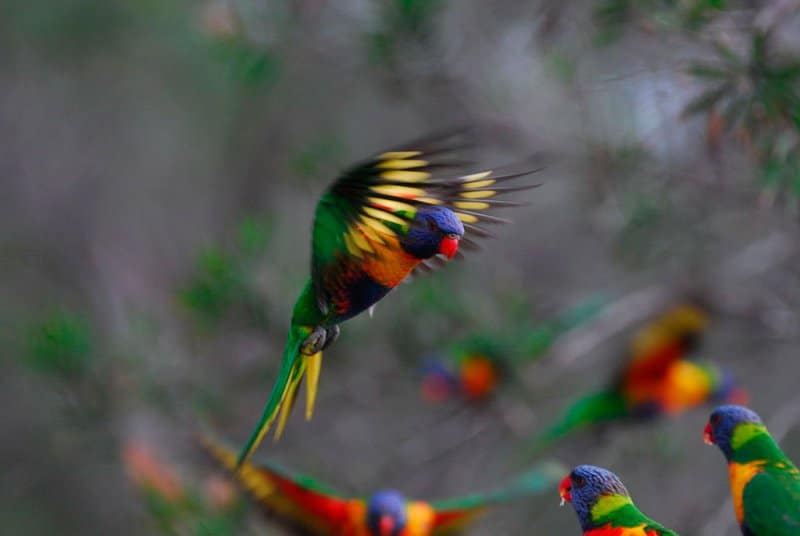
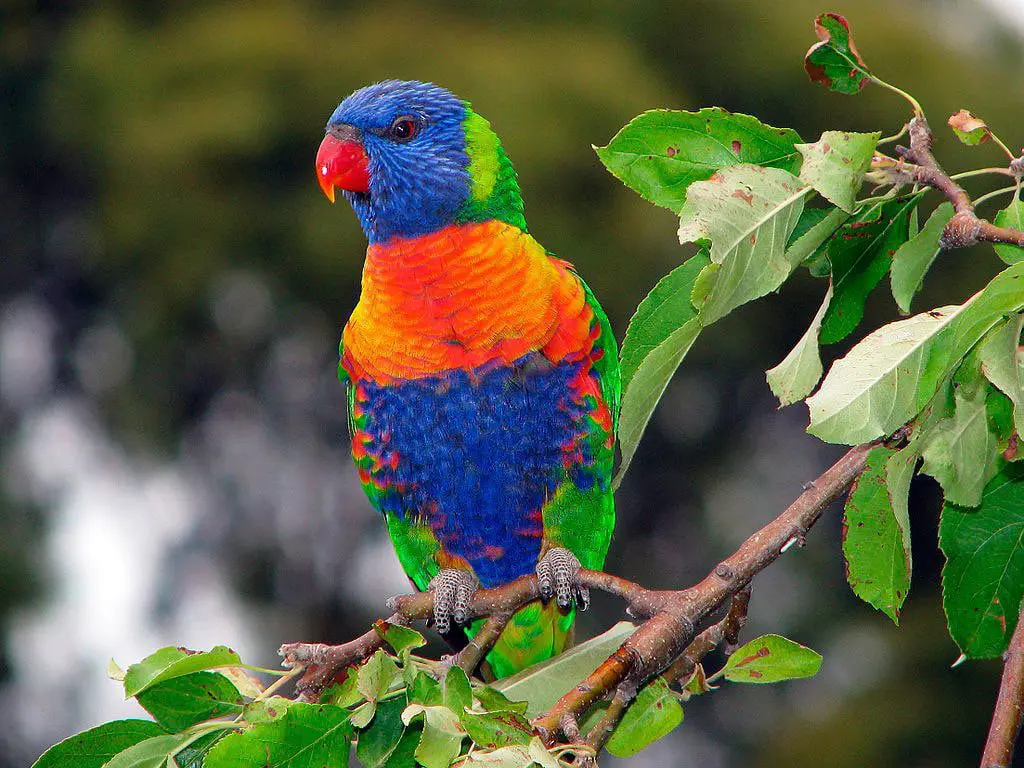
The plumage of the Rainbow Lorikeet (Trichoglossus moluccanus) is very bright. The head is deep blue with a neck greenish-yellow and the rest of the upperparts (wings, back and tail) are deep green. The chest is red with blue-black barring.. The belly is deep green, and the thighs and rump are yellow with deep green barring.. In flight, a yellow wing-bar contrasts clearly with the red underwing-coverts.

There is little to visually distinguish between the sexes; However, for an acute observer, their dimorphism is readily apparent.

The youth has bill black, which gradually brightens to orange in the adults..

The markings of Trichoglossus moluccanus resemble of the Coconut Lorikeet (Trichoglossus haematodus), but with a belly blue and breast with little or no blue-black barring..

Rainbow Lorikeet taxonomy

With one exception, the species have been treated so far as a group of subspecies within the extended group Coconut Lorikeet (Trichoglossus haematodus), but they differ from the Trichoglossus haematodus her pale red breast without bars ; its blue belly against green or blackish; its pale blue hood without black edge and its larger size.

The subspecies Trichoglossus moluccanus eyrei (South of Australia) It is included within the species nominal. Small hybrid population of present species paired with the Musk Lorikeet (Glossopsitta concinna) in SE Southern Australia (Yorke Peninsula).

  • Sound of the Rainbow Lorikeet. (1)

(1) Some species are under extreme pressure because of traps and harassment. So, the open availability of high-quality recordings of these species may further worsen the problems, this being the reason why downloading these recordings is off. In conclusion, recorders themselves are free to share these files on xeno-canto, but they will have to approve access to these recordings.

We do not take this action lightly, and we wish it wasn't necessary, but we are convinced that the negative impacts of offering easy access to these recordings outweigh the benefits. To access these recordings, You can contact directly with the recorder.

Subspecies description:

  • Trichoglossus moluccanus moluccanus

    (Gmelin, 1788) – Nominal.

  • Trichoglossus moluccanus septentrionalis

    (Robinson, 1900) – As the species nominal but with brighter purple/blue stripes on the head and tail shorter.

Habitat:

The Rainbow Lorikeet often they travel together in pairs and occasionally respond to calls to fly like a flock, then they disperse again in pairs. Couples aggressively defend their feeding and nesting against other lstallion arcoiris and other bird species. Not only they scare off smaller birds, as the Noisy Miner (Manorina melanocephala) and the Brush Wattlebird (Anthochaera chrysoptera), but also to larger, as the Australian Magpie (Gymnorhina tibicen).

Reproduction:

In Australia, Reproduction usually takes place during spring (from September to December), but it may vary from one region to another with changes in food availability and climate. Sites nesting They are variable and may include gaps as tall trees eucalyptus, trunks of palm trees or overhanging rocks.

Couples sometimes nest in the same tree with other couples Rainbow Lorikeet or other species of birds. The clutch size is between one and three eggs, which are incubated for about 25 days. Incubation tasks are performed by the female alone.

The Rainbow Lorikeet are mostly monogamous and remain paired for long periods, if not for life.

Food:

Nectar and pollen of native trees and shrubs, especially eucalyptus (for example, Eucalyptus gummifera, Eucalyptus maculata).

Rainbow Lorikeet distribution:

Extension of the distribution (breeding/resident): 3,810,000 km2

Endemic East and Southeast Australia (of Cape York to the Eyre Peninsula, South of Australia)

They were recorded for the first time in Perth in 1968 and the population is believed to have come from fewer than ten birds that were deliberately released or had escaped from aviaries.

Since the beginning of the decade 1960, the population has grown exponentially and has spread rapidly throughout 174 km2 metropolitan area. The current population is estimated at 8.400 birds and their range is expanding at a rate of 0,7 km per year.

wanderer Tasmania.

Subspecies distribution:

  • Trichoglossus moluccanus moluccanus

    (Gmelin, 1788) – Nominal.

  • Trichoglossus moluccanus septentrionalis

    (Robinson, 1900) – North of Queensland (Cape York Peninsula), in northwestern Australia; also the Torres Strait Islands (Boigu and Saibai except, at the north end) and it was introduced in the district of Perth, in southwest Australia..

Conservation "Rainbow Lorikeet":


minor concern

1. Current red list category of the UICN: Least concern.

2. The population trend: Decreasing.

3. Population size : Unknown.

Rationale for the Red List category

This species has a extremely large distribution area, and therefore does not approach the thresholds for Vulnerable under the criteria of size range (Extent of Occurrence <20,000 km2 combined with a decreasing area size or fluctuating distribution, extension / habitat quality, or population size and a small number of places or severe fragmentation). While the trend of the population seems to be decreasing, the decline is not believed to be rapid enough to approach the Vulnerable thresholds according to the population trend criterion (decrease of more than 30% in ten years or three generations).

The population size has not been quantified, but it is not believed to approach the thresholds for Vulnerable under the criterion of population size (<10.000 mature individuals with an estimated continuous decrease in> 10% in ten years or three generations, or with a specific population structure). For these reasons, the species is assessed as Least concern.

Justification of the population

Global population size has not been quantified, but the species is described as abundant in northern Australia and rare Tasmania (pit et to the. 1997).

Justification trend

They suspected that the population is declining due to unsustainable levels of exploitation.

Rainbow Lori Threats

The species has been the subject of a intense trade: from 1981, When it was included in the Appendix II of the CITES, they have been 100.388 individuals caught in international trade (UNEP-WCMC CITES Trade Database, January 2005).

In captivity:

Not very common. Its longevity It 20 years en libertad, 15-25 years in captivity and its market price is around wild birds 250 EUR.

Alternative names:

Rainbow Lorikeet, Rainbow Lorikeet (Rainbow) (English).
Loriquet ร  tรชte bleue (de Swainson), Loriquet ร  tรชte bleue (moluccanus), Loriquet arc-en-ciel, Loriquet de Swainson (French).
Regenbogenlori (German).
Lรณris-molucano, Periquito-arco-รญris (moluccanus) (Portuguese).
Lori arcoiris, Lori de Arco Iris (espaรฑol).


Gmelin Johann Friedrich

scientific classification:


Order: Psittaciformes
Family: Psittaculidae
Gender: Trichoglossus
Scientific name: Trichoglossus moluccanus
Subpoena: (Gmelin, JF, 1788)
Protonimo: Psittacus moluccanus

Images "Rainbow Lorikeet":

Videos "Rainbow Lorikeet"


"Rainbow Lorikeet" (Trichoglossus moluccanus)

โ–ท The world of Pets: Dogs, cats, birds, reptiles, amphibians

Mountain Parakeet
Psilopsiagon aurifrons


Mountain Parakeet

Content

Description:


Anatomy-parrots

17 to 19 cm.. height.
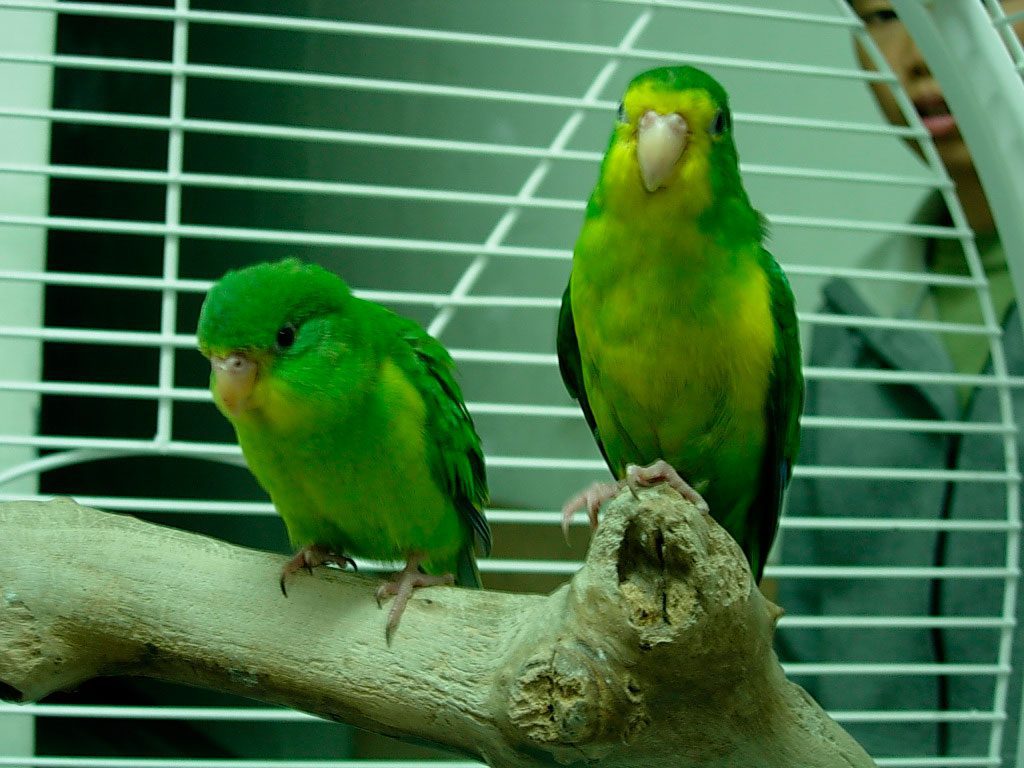
The Mountain Parakeet (Psilopsiagon aurifrons) is distinguishable by the face yellow and the belly yellow with dye-Green, bill pale, wing with extreme blue (notorious is when closed), tail long. Bill and legs color clear. Iris black.
The female with face green and belly yellow-green.
Treated above as Bolborhynchus aurifrons.

Subspecies description:

  • Psilopsiagon aurifrons aurifrons

    (Lesson, 1830) – The nominal,

  • Psilopsiagon aurifrons margaritae

    (Berlioz & Dorst, 1956) – With very little or nothing of yellow and very little dimorphic sexual, they resemble females of the subspecies nominal and robertsi. The females sometimes have the bill grey;

  • Psilopsiagon aurifrons robertsi

    (Carriker, 1933) – It has yellow only in the forecrown, sides bill, throat with green dye, and belly green with yellow line on the sides.

  • Psilopsiagon aurifrons rubrirostris

    (Burmeister, 1860) – With mask facial blue sky and no sexual dimorphism

Habitat:

Video – "Mountain Parakeet" (Psilopsiagon aurifrons)

Serrano catita girl (Psilopsiagon aurifrons): VOICE

It is found in variety of ecosystems, forest in gallery, Puna and crops, from 1000 to 2900 m (sometimes from sea level up to 4500 m). It is possible to carry out local migration after reproduction. gregarious.

Reproduction:

Sometimes They nest colonially, in cracks or holes in inaccessible Rocky escarpments.
breeding station: From October to December, North of Chile, February/March, Argentina.

Food:

It feeds on shoots, seeds, vegetables and fruits.

Distribution:

Size of the distribution (reproduction / resident): 820.000 km2

Can be found in the Centre and South of the Andes, from Peru until Argentina and Chile.

Subspecies distribution:

  • Psilopsiagon aurifrons aurifrons

    (Lesson, 1830) – The nominal,

  • Psilopsiagon aurifrons margaritae

    (Berlioz & Dorst, 1956) – The Andean slopes in the South of Peru, Bolivia, North of Chile and Northwest of Argentina.

  • Psilopsiagon aurifrons robertsi

    (Carriker, 1933) – The Valley of the Maranon River in the Center-North of Peru.

  • Psilopsiagon aurifrons rubrirostris

    (Burmeister, 1860) – The sheds Andean of the Northwest Argentine, between Catamarca and Cรณrdoba, and South of Chile

Conservation:

State of conservation โ“˜


minor concern Minor Concern โ“˜ (UICN)โ“˜

โ€ข Current category of the Red List of the UICN: Least concern.

โ€ข Population trend: Stable.

This species has a very large range, and therefore not it approaches the threshold of Vulnerable on the criterion of size of the area.

The trend of the population seems to be stable, and therefore, the species is not approaching thresholds for vulnerable under the trend of criterion.

For these reasons, the species is evaluated as Least concern.

"Mountain Parakeet" in captivity:

Itร‚ยดs rare in captivity. They are very susceptible to stress and disease, so many die during the process of acclimatization. It is good to acclimatize it in a large aviary with other birds. Prone to deficiency of vitamin D3.

Need of hiding places so that they may disappear from view.

Alternative names:

Mountain Parakeet, Golden-fronted Parakeet (English).
Toui ร  bandeau jaune, Perruche ร  bandeau jaune (French).
Zitronensittich, Zitronen-Sittich (German).
Periquito-da-cordilheira (Portuguese).
Catita de Frente Dorada, Catita Frentidorada, Catita serrana chica, Perico cordillerano (espaรฑol).
Catita serrana chica (Argentina).
Perico cordillerano (Chile).
Perico Cordillerano (Peru).
Cialla (Aymara).

scientific classification:

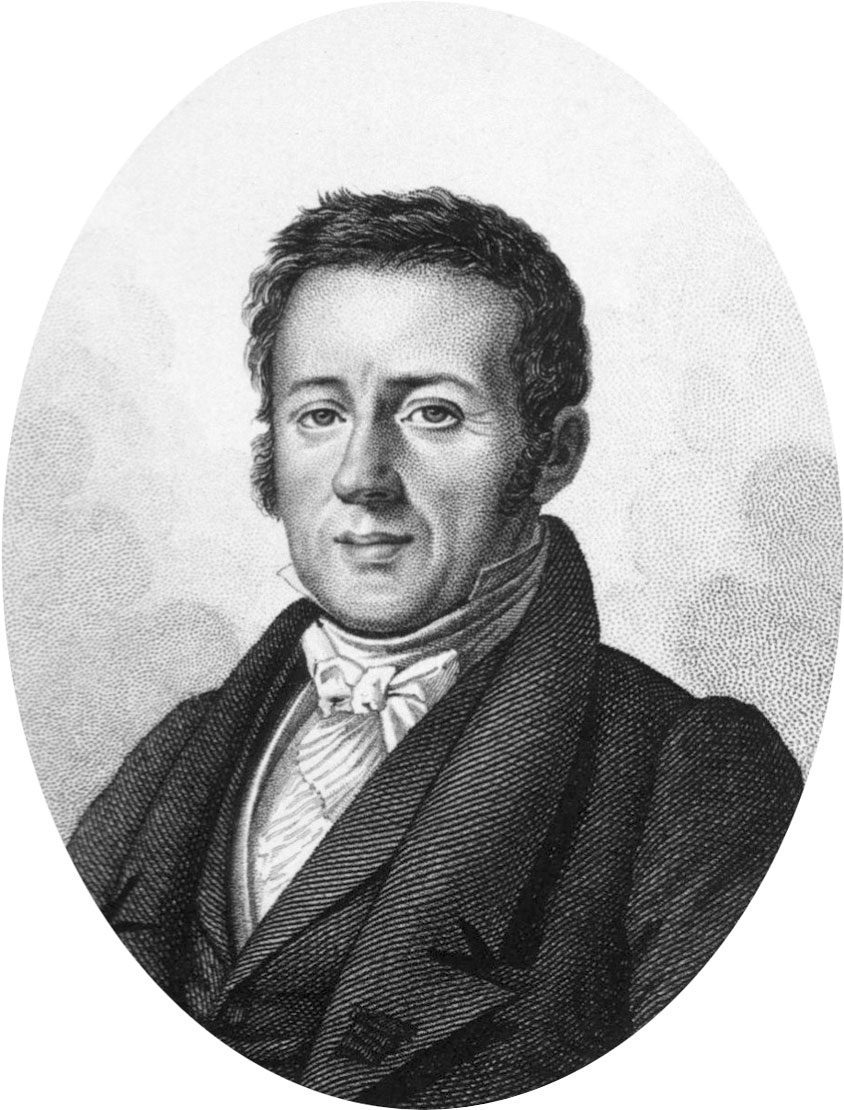
Renรฉ Primevรจre Lesson

Order: Psittaciformes
Family: Psittacidae
Genus: Psilopsiagon
Scientific name: Psilopsiagon aurifrons
Citation: (Lesson, 1831)
Protonimo: Psittacus (Lathamus) aurifrons

Images "Mountain Parakeet"

Mountain Parakeet

Two Mountain Parakeet views between Uquia and Yavi, Salta, Argentina


Species of the genus Psilopsiagon

Sources:

Avibase
– Parrots of the World โ€“ Forshaw Joseph M
– Parrots A Guide to the Parrots of the World – Tony Juniper & Mike Parr
Birdlife
– Parrot Book, Parrots and macaws Neotropical

Photos:

(1) – Mountain Parakeet; two in a cage By TJ Lin (originally posted to Flickr as mountain oarakeet) [CC BY-SA 2.0], via Wikimedia Commons
(2) – Two Mountain Parakeets seen between Uquia to Yavi, Salta, Argentina By Ron Knight from Seaford, East Sussex, United Kingdom (Mountain ParakeetUploaded by snowmanradio) [CC BY 2.0], via Wikimedia Commons

Sounds: (Xeno-canto)