โ–ท The world of Pets: Dogs, cats, birds, reptiles, amphibians

English Toy Terrier (black and tan)
Gran Bretaรฑaa FCI 13 . Toy Terriers

English Toy Terrier

In Great Britain they are increasingly rare and in the rest of Europe they are disappearing.

Content

History

The English Toy Terrier (black and tan) is closely related to the Manchester Terrier. It was originally called Black and Tan Terrier and was usually even larger than current specimens. They deliberately mated with him Italian Sighthound and only the smallest dogs were used for breeding.

They were originally kept in London as rat catchers. Due to its size, they were often put in a purse or coat pocket, where they should protect themselves from pickpockets. In the time of Queen Victoria it was very popular as a lap dog.

Physical characteristics

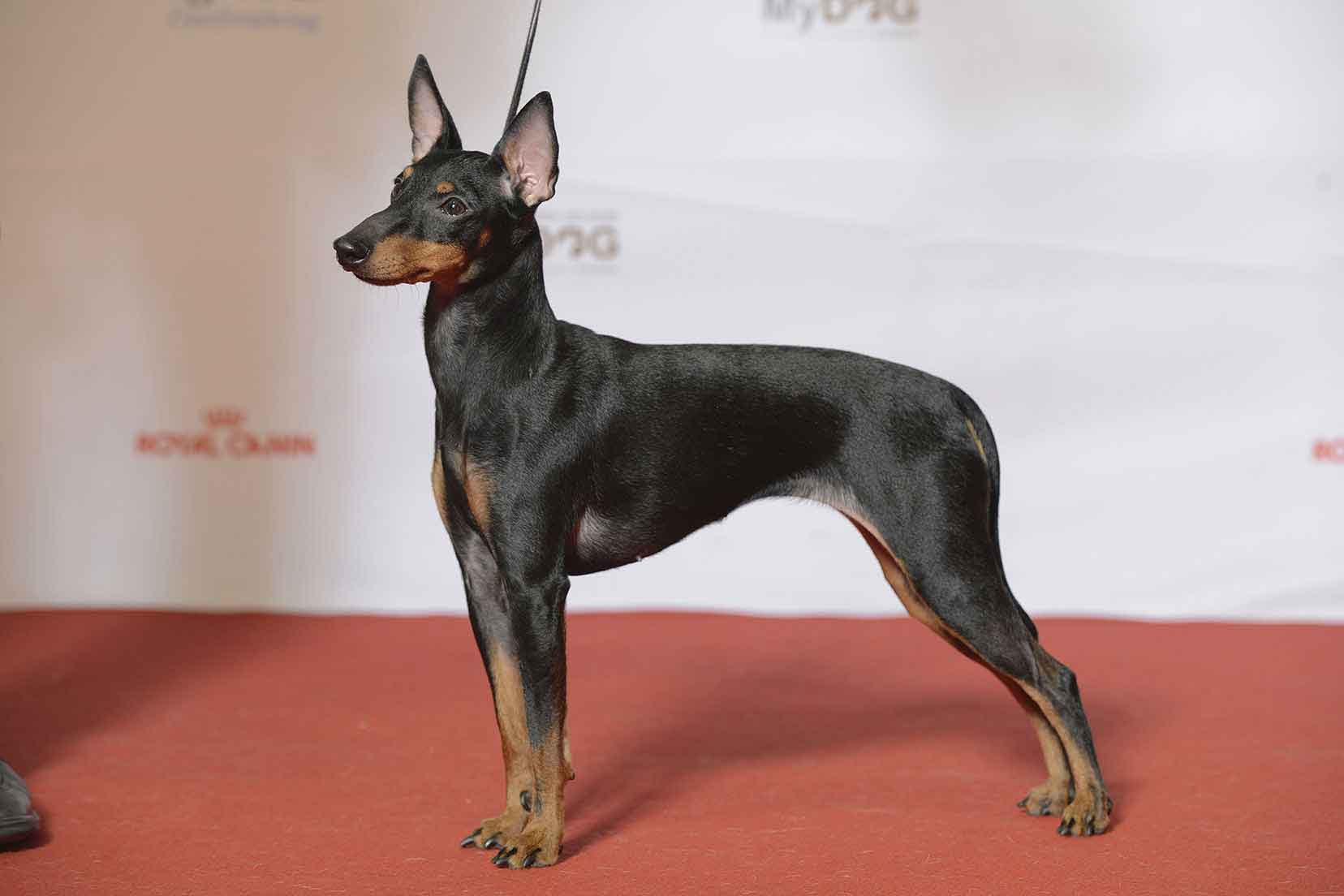
The English Toy Terrier (black and tan) he is a well balanced dog, elegant, compact, neat and clean construction.

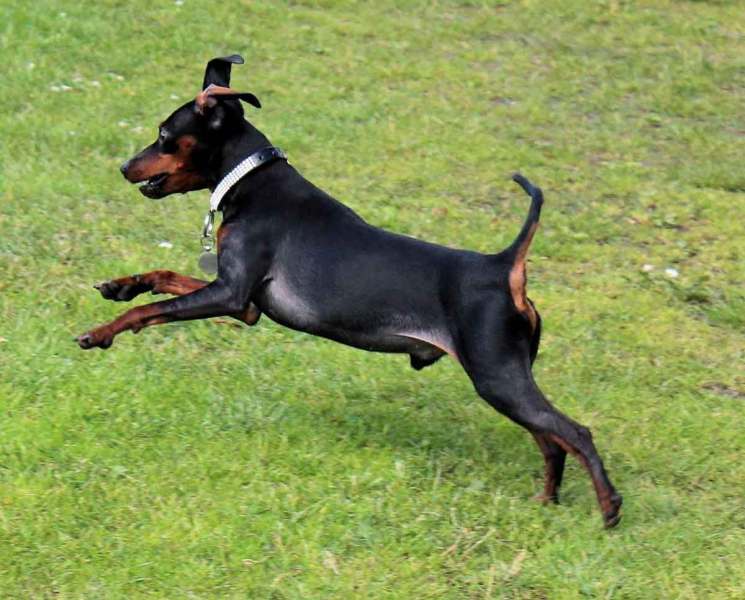
Has a body weight of about 3,6 kg. The height of his body is about 30 cm.. With this size, the English toy terrier It is one of the smallest representatives of the group of terriers. So, falls in section 4 "Dwarf Terriers".

This breed is characterized by a slim body. All four legs are straight and very delicate. But, at the same time, the representatives of these Terriers are sporty and muscular, so they can easily accompany you on long walks.

At first sight, the little dog's large, upright ears stick out. The dog's muzzle is long and reminiscent of larger terriers. The eyes of the English toy terrier they are alert and awake. All the Toy Terriers ingleses They have the hair pattern "black and fire", what does black and tan mean. Most of the coat is black, but there are tan marks on some parts of the body. So the dog always has tan markings on his face and chest.. The coat of a English toy terrier it's short and smooth.

Character and skills

Today the English Toy Terrier (black and tan) belongs to the rare breeds and there are only a few breeders. And that, although this little terrier can be kept well even in city apartments. He is very close to his family and continues to be a good guardian, but tends to bark a little. He usually gets along well with children and is a tireless playmate. The little terrier also gets along with other dogs.

To the English Toy Terrier (black and tan) loves long walks and ball games. It can even be a good companion for shorter and not too fast jogging rounds.

The English Toy Terrier (black and tan) they still show typical terrier features. They are brave, testy, lively, alert and cheerful. They learn quickly, but they also need some consistency up front. They still have a hunting instinct, so from the beginning you must work to direct this instinct in an acceptable way.

Health and life expectancy

The English Toy Terrier (black and tan) tend to be a bit nervous, but otherwise they are quite healthy dogs. They can come to live off 13 to 15 years.

Similar breeds and relatives

The English Toy Terrier (black and tan) es similar al Manchester Terrier, the Italian Sighthound, the German Pinscher and the Doberman.

English Toy Terrier Care

This little terrier has an easy-care coat that never really needs to be washed. Once your English Toy Terrier has been lying, you can wash it with clean water. You should only use a dog shampoo if it is very dirty. Too frequent use of shampoos destroys the natural protective layer of the coat, what can cause skin diseases.

Its English toy terrier he is a robust dog that does not normally need a jacket. In very low temperatures it may be useful to protect your dog with a well-fitting jacket. Especially very small dogs get hypothermia when they are in the snow for a long period of time.. The jacket should fit well and not get in the way of your dog when he runs and plays.

Check your teeth English Toy Terrier regularly. Tartar can form here, which in the long run can lead to painful inflammation of the teeth. Care, a soft dog toothbrush can be used for brushing. A toothpaste for dogs is harmless and usually tastes quite good to animals.. Make sure to slowly and gently get your English Toy Terrier used to brushing their teeth..

The correct nutrition of the English Toy Terrier

The English toy terrier it is a very robust breed that gets along well with most foods. Due to its small body size it is important to provide the English toy terrier of enough energy. As such, for example, you can choose a type of food specially developed for small breeds. Small dogs have a greater renewal of energy than large ones. Another way of feeding is to give the dog fresh food or homemade food. Here too care must be taken to ensure sufficient calorie intake.

feed your English toy terrier several times a day, since the small dog can only absorb small amounts. Although healthy dogs usually have good teeth, the food components should not be too large.

Because the English toy terrier he is an adorable dog, many people tend to pamper him. But, many human foods are not suitable for dogs. So, their English toy terrier should only be fed with leftover food if it does not contain sugar or spices.

Suitable accessories for the English Toy Terrier

You don't need many accessories for your English toy terrier for everyday use. For food and water your dog needs at least two bowls. The water bowl should always be full and accessible to your dog.

Like the Toy Terriers ingleses they are very delicate animals, you should buy a well fitted harness. It is also important to use a light lead line. Pull lines are less suitable if your dog has not yet learned not to pull on the leash. A good alternative is to use a lightweight traction strap, that gives your dog freedom of movement.

To the playful English toy terrier loves to learn. So you can do a lot of sports with it which is also suitable for very small dogs. Dummies and other retrieval toys are good for training. It also, you English toy terrier will have a lot of fun with chew toys, that also support dental health.

Last, but no less important, should provide your English toy terrier a comfortable dog bed. There are several dog beds, almost all of them suitable. Whether your terrier is allowed on the couch or in bed, you can also give him a dog blanket there.

It is very important that you secure your English toy terrier in the car. An adapter for the belt buckles can be attached to the harness. This prevents skipping while driving and reduces the risk to your dog in the event of an accident. An alternative is to accustom your dog to a transport box. You can also take him on the train in a transport box if he is used to it.

Images "English Toy Terrier (black and tan)"
Photos:

1 – ENGLISH TOY TERRIER, NO JV-14 NO UCH X-Pected Dine Mites X-Factor by Svenska Mรคssan from Sweden / CC BY
2 – English Toy Terrier (Black & So) by AkselHelp / CC BY-SA
3 – English Toy Terrier by Lil Shepherd / CC BY
4 – English Toy Terrier by Lil Shepherd / CC BY
5 – English Toy Terrier by Lil Shepherd / CC BY
6 – Dog 2013 Helsinki 13-15/12/2013 by Thomas / CC BY-SA
6 – English toy terrier by https://pxhere.com/en/photo/883104

Videos "English Toy Terrier (black and tan)"
Type and recognitions:

  • FCI CLASSIFICATION:
  • Group :
  • Section : . .

Federations:

  • FCI – Group 3 – Section 4 Toy Terriers. โ“˜
  • โ€‹KC – Toy Group โ“˜

FCI breed standard "English Toy Terrier (black and tan)"

Origin:
United Kingdom

Date of publication of the valid original standard:
26.03.2009

Use:

Terrier


General appearance:

Well balanced, elegant, compact, neat and clean construction.


Behavior / temperament:

Toy dog (Toy), With the characteristics of the terriers. Alert, Remember that historically this dog could cruelly drive in the rats holes. Never overly nervous.

Head:

It is long, close, wedgeless without giving much emphasis to the cheese muscles; under the eyes is very full.

Cranial region:
  • Craging: Plano.
  • Stop: Little noticeable.

facial region:

  • Trufa: black.
  • Horcico: The muzzle gradually tapers to give the wedged shape, profile view very similar to looking from the front. Although it may give an impression of prognathism, it is not desirable to have a pointy appearance.
  • Labios: Well compressed.
  • Jaws / Teeth: Upper and lower jaw form a perfect and tight closure. Strong JAWS, with a perfect scissor bite, regular and complete, that is, the inner face of the upper incisors is in close contact with the outer face of the lower incisors and the teeth are placed perpendicularly in the maxillae. Uniform and strong teeth.
  • Cheeks: No emphasis of the muscles.
  • Ojors: Dark to black, without having light shadows on the iris. Of sizerelativelysmall, almond shape and oblique position, they are bright andnot prominent.
  • Obars: In the shape of a candle flame, slightly pointed, positioned very high and at the back of the skull, proportionally very close. A good reference point for size can be obtained by bending the ear forward, should not reach the eye. From nine months of age, ears must be erect. The entire pinna of the ear should point towards the front. The leather of the ear is thin.

Neck:

Long, with grace, slightly arched. The neck line descends on the shoulders in an elegant decline. Double chin is undesirable.

Body:

Compact, with head and limbs provided, producing a perfect balance.

  • Espalda: Little arched from behind the shoulders to the loins, The upper line later falling on the root of the tail.
  • Itmor: Well up.
  • Pecho: Narrow and deep with well sprung ribs.

Tail:

Thick at the root, tapering towards the tip. Low-set, without reaching below the hocks. Tail carried high excessively is undesirable.

Tips

PREVIOUS MEMBERS: Forelimbs fall straight from the shoulders, with the elbows close to the chest, making the front straight. Very desirable fine bone structure

  • Hormbros: Well positioned back.
  • Elbows: Well glued.

LATER MEMBERS: Well rounded loins and slightly rounded buttocks lead to good knee angulation. It is undesirable that the front extremities appear stuck under the body.

  • Corvejones: Positioned low, without twisting outward or inward.
  • PinIt: Refined, compact, with fingers wide apart, well arched with jet black nails; the middle fingers of the forelimbs are longer than the others; hind feet have the appearance of cat's feet. Hare's foot is undesirable.

Movement:

The ideal movement is similar to an extended trot. You don't want the "Hackney" step. Dragging is also undesirable. Agile hindlimb action, combining ease and precision with a good push, should be fluid to indicate firmness.

Mantle

Fur: Thick, closed and glossy. High density of short hair is required.

Color: black and tan. The black must have the coloration of ebony, and the fire must remember the firm chestnut color. The colors neither spill nor fade but meet abruptly, forming clear and defined lines in the division of colors.

The forelimbs are tan colored up to the carpal joint in front, following the inside and back of the forelimb down to the elbows; small black lines (brush strokes) on each finger, and a definite black mark (thumb mark) in the center of each metacarpus, also under the chin. The hind limbs are tan in front and inside, with a black bar that divides the tan color in the center of the legs. Much tan color on the outside of the hind limbs (breeching the falda) is undesirable. The muzzle is tan. The truffle is black, continuing the black color on the nasal bridge, forming a curve under the eyes to the base of the throat. Has a fire mark over each eye, and a small one on each cheek. The lower jaw and throat are also tan colored; The line of the lips is black. The hair inside the ears is fire. Tan behind the ears is undesirable. Each side of the chest has a little tan coloring, as well as the perineum and under the root of the tail. White patches are totally undesirable anywhere.


Size and weight:

The ideal weight is 2,7 to 3,6 kg (6 to 8 English pounds).

The ideal height at the withers is 25 to 30 cm. (10 to 12 inches).


Fouls:

Any deviation from the aforementioned criteria is considered as a fault and the severity of this is considered to the degree of the deviation to the standard and its consequences on the health and well-being of the dog..

FALTAS DISQUALIFYING:

  • Aggressiveness or extreme shyness.
  • Any dog โ€‹โ€‹showing clear signs of physical or behavioral abnormalities must be disqualified..


N.B.:
  • Males should have two normal-appearing testicles fully descended into the scrotum..
  • Only functionally and clinically healthy dogs, with the typical conformation of the breed, should be used for parenting.

Itlatest changes are in bold.

TRADUCCION: Federation Canรณfila Mexicana, A.C.

Source: F.C.I - International Cynological Federation

Alternative names:

1. ETT, English toy terrier (English).
2. Toy terrier anglais noir et feu (French).
3. English Toy Terrier (German).
4. English Toy Terrier (Portuguese).
5. Terrier miniatura negro y fuego, English toy terrier, Toy Terrier inglรฉs, TERRIER INGLร‰S DE JUGUETE NEGRO Y FUEGO (espaรฑol).

โ–ท The world of Pets: Dogs, cats, birds, reptiles, amphibians

English mastiff
Inglaterra FCI 264 - Molosoids โ€“ Doge

Mastรญn Inglรฉs

The English mastiff He is extremely loyal and faithful to his family.

Content

History

The English mastiff It is a breed of dog of large size type trotting and English origin.

The history of this dog goes back to the year 55 to. c., time when the legions invaded Great Britain and to his surprise had to face an enemy that had two curious assistants, two dogs with striking characteristics.

One of them was strong and robust both body and members, with a large head and a short but powerful jaw.

That dog is possibly the ancestor of the Bulldog, and part of the current Bullmastiff.

The other dog had dimensions that were scary, looked more like a lion than a dog. This specimen was a direct descendant of the Mastiffs 'Asiriobabilonians' who had traveled to England by the Phoenicians five centuries before the Roman invasion.

Before this beanpole, the 'molossians of Epirus' which the Romans brought with them as their war dogs, they looked like Chihuahuas...

So once conquered 'Britain', the Romans, they expanded his army with several copies of those giant and fearful dogs who called "Pugnaces Britannici" and they used them, mainly in typical shows of the time...

They faced these dogs with huge wild beasts in the arenas of circuses, there they participated in bloody fights against bulls, bears and other dogs. As well, they were used as guardians of herds, bodyguard, protectors and companions.

The English Mastiff or Mastiff, is descended directly from those dogs.

A Mastiff arrived in America aboard the Mayflower, name of the ship that transported the so-called "Pilgrims" from England (United Kingdom), to the coast of what is today the United States of America, in the year 1620.

They were the first settlers, in settling on the coast of Massachusetts, forming the Plymouth Colony, and with them the English Mastiff.

There is documentary evidence that the English Mastiff first arrived in America on the Mayflower., but the standardization of the breed in United States did not occur until the end of the 19th century.

By the end of the second world war, the mastiffs were almost extinct in England. But, with the flow of imports of United States and Canada, the breed resurfaced and today its existence is not in any danger in England and has gained much popularity in North America..

Physical characteristics

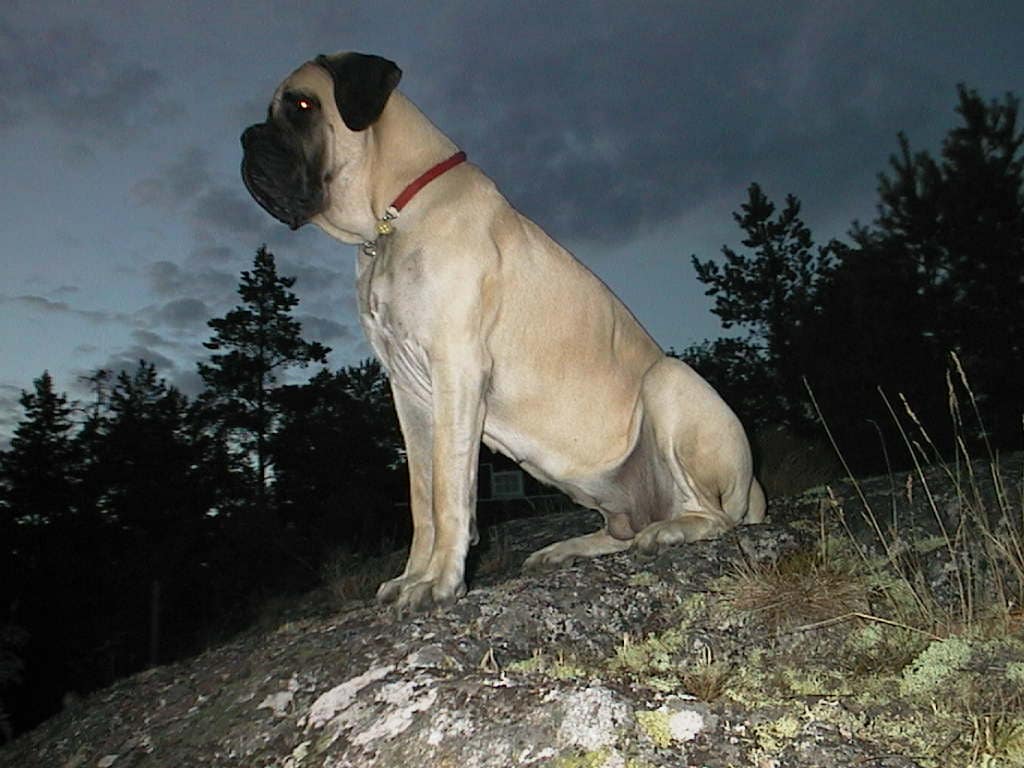
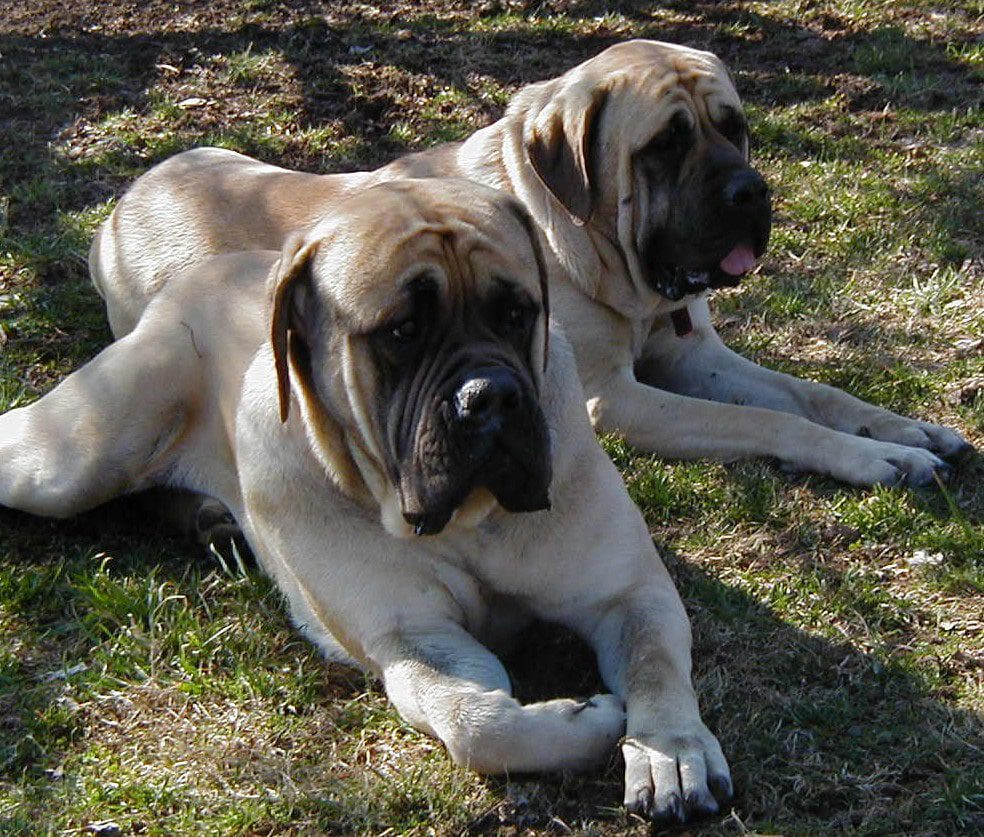
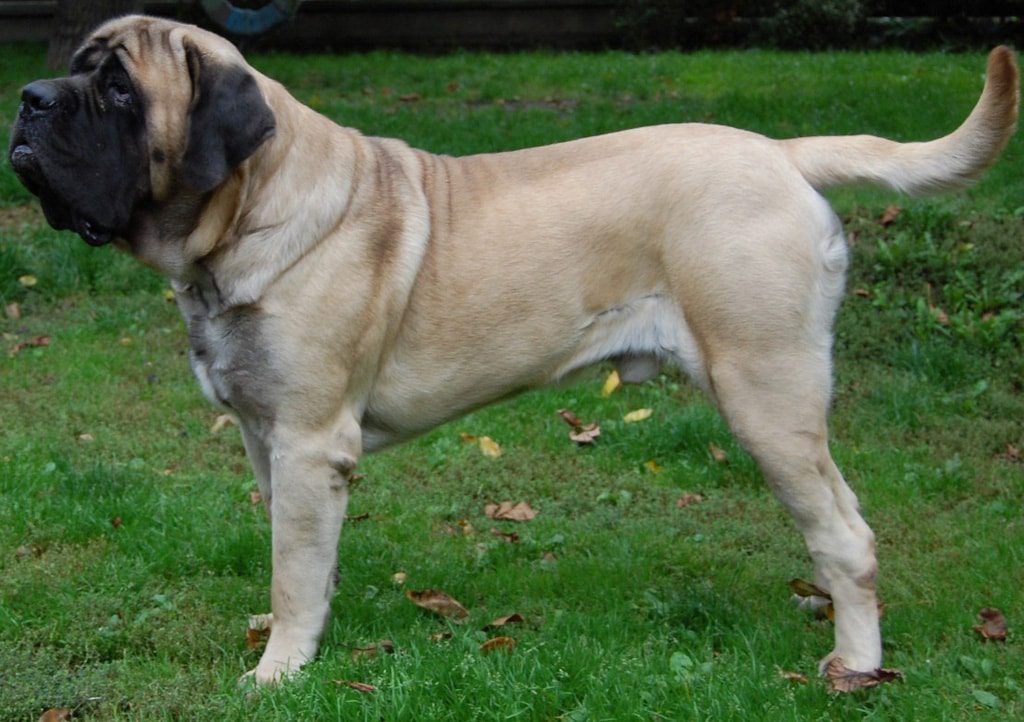
This is a race of powerful composition, burly, wide skull and the head usually has a square appearance.

Of size It must be very large and give the impression of power and strength, viewed from any angle. The body must be massive with great width and depth, especially between the Forelegs, cause these are well separated. While no height or weight have been specified for this race, the approximate height of 70 to 80 cm and the weight of 80 kg to 90 kg.

His hair is short and glued to the body and color may vary, while its snout, ears and nose, around the eyes is always black.

This is a particularly large dog that requires a correct diet and exercise. Normally live in 10 to 12 years.

Different colors are possible, for example, sand color, striped, brown or gray. Unfortunately the human tends to extremes and the mastiff was not spared from this.. So it has been raised bigger and heavier in recent decades.. His head has become increasingly massive and many folds have also been made. Giants could no longer reproduce naturally, they could no longer walk properly, his life expectancy was dramatically reduced.

Character and skills

Videos of the English Mastiff
Handsome English Mastiff
English Mastiff Samson Snaps Tree Branch!Lightbox for Video by VideoLightBox.com v1.11

The Mastiff breed is a combination of greatness, dignity, and bravery; calm and affectionate towards his owner, but capable of protecting.

He is a well-mannered dog but you need enough field to stretch his long body. It is an extremely loyal breed and, Although it shows no excessively, It is true to his family and is very good with children.

But, It can be very jealous for the protection of owners and should be handled sensibly, as it is exceptionally powerful and can be difficult to control.

Seeks proximity to its humans. It is a reliable protector for them. In case of acute threat to your humans, will try to keep danger away from them by facing the attacker with his body, but it won't attack him anymore. His calm and serene temperament makes him a loyal and child-friendly companion, who forgives everything. It gets along very well with other pets.

English Mastiff Education

Keep in mind that in an adult mastiff the leash is only symbolically a control. The mastiff easily has the power to maneuver the other end of the line at will.. But you don't want to do it, at least if you have enjoyed the basics of a good education. The Mastiff is very easy to train. Only their stubbornness has to be broken here and here a consistent softness is needed.. He wants to follow his master and caretaker and he does it very reliably. It is an elementary duty of the owner of a Mastiff to pay attention to a consequent education already in the puppy. This alone and not the strap makes wonderful walks in nature possible, that together with this four-legged friend become a balm for the soul of agitated people.

Care and health English Mastiff

Caring for a healthy mastiff is not problematic. Brushing the coat once a week is enough.

Typical diseases

Gigantism with copies of more than 90 kg, sometimes up to 120 kg, unbalances the entire natural dog building plan. Serious gait damage is just one consequence, and life expectancy is also greatly reduced. Bad habit of strong folding of the head and body often leads to chronic inflammations. As in most large dogs, we see hip or elbow dysplasia. Eye and heart disease can occur more frequently with mastiffs – the rule is always: the more serious, the greater the risk.

Nutrition / Food

You need a lot of high quality food. Especially in the growth phase you need a professional nutrition plan. It is helpful to have a feeding bowl in a high position to counteract the risk of stomach twisting. You should always pay close attention to their weight.

Characteristics "English mastiff"

Coexistence is important that you have with your new friend. Before considering the acquisition of a dog of the breed "English mastiff" you know certain factors. Not all breeds of dogs are apt to live in an apartment, you must take into account his character, their need for exercise, their interaction with other pets, their care and if you have small children, their level of tolerance towards them.

The life expectancy of the English Mastiff

Breeding errors, especially the tendency to gigantism, they have cost this dog, once extremely robust, many years of his life expectancy. Before they were 12, Today are 7 – 9 years.

Buy an English Mastiff

Buying a mastiff should be long-term and well-considered. You should carefully check if you have all the requirements to be able to spend many wonderful years with this giant.. If you are looking for a puppy, you must pay special attention that the dogs are not too massive. One should wonder about ancestors, its appearance, their illnesses, your age. Also to get a Mastiff with a stable character, you should just look directly at a serious breeder. For animal welfare reasons one should refrain from buying puppies from parents of more than 90 kg. Very occasionally there is also a mastiff in the animal shelter. Puppies raised in serious conditions cost around 2000 EUR.

Characteristics "English mastiff"

Adaptation โ“˜

5,0 of 5 stars (based on 1 review)

friendly dog โ€‹โ€‹โ“˜

3,0 of 5 stars (based on 1 review)

hair loss โ“˜

3,0 of 5 stars (based on 1 review)

Affection level โ“˜

5,0 of 5 stars (based on 1 review)

Need for exercise โ“˜

2,0 of 5 stars (based on 1 review)

Social need โ“˜

3,0 of 5 stars (based on 1 review)

Home โ“˜

3,0 of 5 stars (based on 1 review)

Toilet โ“˜

2,0 of 5 stars (based on 1 review)

Friendly with strangers โ“˜

3,0 of 5 stars (based on 1 review)

barking โ“˜

1,0 of 5 stars (based on 1 review)

Health โ“˜

4,0 of 5 stars (based on 1 review)

Territorial โ“˜

5,0 of 5 stars (based on 1 review)

Cat friendly โ“˜

5,0 of 5 stars (based on 1 review)

Intelligence โ“˜

3,0 of 5 stars (based on 1 review)

Versatility โ“˜

3,0 of 5 stars (based on 1 review)

Child friendly โ“˜

5,0 of 5 stars (based on 1 review)

Surveillance โ“˜

2,0 of 5 stars (based on 1 review)

joy โ“˜

5,0 of 5 stars (based on 1 review)

Images ยซEnglish Mastiffยป

ยซEnglish Mastiffยป Videos

Type and recognitions:

  • FCI CLASSIFICATION:
  • Group :
  • Section : . .

Federations:

  • FCI – Pinscher and Schnauzer-Molossoid type dogs – Swiss Mountain Dogs and Cattledogs. Section 2.1 Molossoid, mastiff type. โ“˜
  • AKC – Dogs working โ“˜
  • ANKC – Group 6 (utility dogs) โ“˜
  • CKC – Group 3 – Working dogs โ“˜
  • โ€‹KC – Working dogs โ“˜
  • NZKC – Utility dog โ“˜
  • UKC – Watchdog โ“˜

FCI breed standard "English mastiff"

Origin:
United Kingdom

Date of publication of the valid original standard:
13.10.2010

Use:

Defense and guard dog.


General appearance:

View from any angle, the head, in its outline it appears well square. Width is a sought after characteristic and the width of the skull is equal to two thirds of the total length of the head.

The body, width, alto, long and strong build. The limbs are well apart and in aplomb. The musculature is clearly drawn.

The size ishighly desiredbut onlyif it is on par with the build qualityand the correction is not maintained at all. Height and substance are two important points if they are correctly combined. Grand, powerful, well built.

IMPORTANT PROPORTIONS: The length of the body from the tip of the shoulders to the tip of the ischium is greater than its height at the withers.


Behavior / temperament:

Combination of nobility and courage. Take it easy, affectionate with their owners, but good guardian.Usually indifferent to strangers, shyness is unacceptable.

Head:

---

Cranial region:
  • Skull: The skull is wide between the ears. The forehead is smooth but wrinkles when the dog is attentive.. Eyebrows (supra-orbital arches) are slightly raised. The temporalis and masseter muscles are well developed. The cross section of the skull describes an arch. From the middle area between the eyes, a depression can be traced through the center of the forehead and extends to the middle of the skull., following the sagittal axis.
  • Depression links (Stop): Stop between the eyes well marked but not abrupt.

facial region:

  • Truffle: black. The nose, seen from the front, it is wide offering wide open nostrils and a profile view, it's flat (It is neither pointed nor retracted.).
  • Snout: The snout is short, width between the eyes, remaining this wide to the end of the nose.

The muzzle is truncated, that is to say, cut into square, Its anterior surface forms a right angle with the upper line of the snout., having a great width from the upper anterior border to the lower jaw. The length of the muzzle is equal to one third of the total length of the head. Muzzle circumference, measured at the midpoint between the eyes and the nose, represents three fifths of the head, measured in front of the ears.When is at rest, any exaggeration of folds or excess skin is unacceptable in adult dogs.

  • Lips: The lips are divergent, forming an obtuse angle in relation to the nasal septum (Septum). They are slightly hanging to offer a square profile.
  • Jaws / Teeth: The lower jaw is wide to the end. Healthy canines, powerful and well separated.Level incisors (bite clamp, edge to edge) or lower projection in front of the upper ones (reverse scissor bite) but never so much that they are visible with the mouth closed.
  • Cheeks: Well-developed temporal masseter and cheek muscles.

Eyes: Moderate size, well separated. Hazel eyes, as dark as possible. The conjunctiva not visible.Highly undesirable are the loose eyelids. Free from obvious eye problems.

Ears: Small, fine to the touch, well separated from each other.

High on the sides of the skull, in the form of prolonging the transverse upper profile. At rest, are placed flat adjacent to the cheeks.

Neck:

Slightly arched profile, medium length, very muscular. Its circumference is less around2,5 to 5 cm.of the head, measure in front of the ears.

Body:

  • top line: Level.
  • Back: Wide and muscular.
  • Pork loin: Wide and muscular, flat and very wide in females, slightly arched in males.
  • Breast : Chest width, deep and well descended in the sternal region. Ribs well arched and well rounded. False ribs are long and well developed towards the back of the chest.
  • Bottom line and belly: Flanks heavily lowered.

Tail:

High implanted, descending to the hocks or a little lower. Wide at birth and tapering to the extreme. Hangs right at rest, but in action it forms a curve, the end straightens; but it is never carried on the back.

Tips

PREVIOUS MEMBERS:

  • General appearance: Balanced and in harmony with the hind limbs.
  • Shoulder: They are slightly oblique, powerful and very muscular.
  • Arm: Slightly inclined, heavy and muscular. Elbows: Elbows are on the axis of the body.
  • Forearm: Strong Member, rights placed well apart, big bones.
  • Metacarpus: They are poised.
  • Previous feet: Large, roundand tight. Well arched fingers. black nails.

LATER MEMBERS:

  • General appearance: Very wide and muscular.Strength in the hind limbs is of utmost importance, cow hock in adult dogs is unacceptable.
  • Legs: Well developed.
  • Metatarsals: Angled hocks, well separated and always in aplomb both in season and on the move.
  • Hind feet: Large, roundand tight. Well arched fingers. black nails.

Movement:

Powerful with easy limb extension. Push from the rear, fluid, Right, steps covering the surface. Top line stays level during movement. The tendency to pasuqueo is undesirable. Absolute correction is essential.

Mantle

Fur: Short and flat on the body.But rough on the neck and shoulders.

Color: Tawny, apricot, or striped. In all cases the muzzle, ears and nose should be blackand the eyes are surrounded by blackextending upward.Excessive white color on the body is unacceptable, chest or feet.


Size and weight:

----


Fouls:

Any deviation from the aforementioned criteria is considered as a fault and the severity of this is considered to the degree of the deviation to the standard and its consequences on the health and well-being of the dog..

FALTAS DESCALIFICANTES:

  • Aggressiveness or extreme shyness.
  • Any dog โ€‹โ€‹showing clear signs of physical or behavioral abnormalities must be disqualified..


N.B.:
  • Males should have two normal-appearing testicles fully descended into the scrotum..
  • Only functionally and clinically healthy dogs, with the typical conformation of the breed, should be used for parenting.

The latest changes are in bold.

TRANSLATION: Brรญgida Nestler / Original version: (IN).

Technical supervision: Miguel Angel Martinez

Source: F.C.I - International Cynological Federation

Alternative names:

1. Mastiff, Old English Mastiff (English).
2. Old English Mastiff (French).
3. Old English Mastiff (German).
4. Mastiff inglรชs, Mastim inglรชs, Canis molossus, ะก. mastivus gladiator, Mastife inglรชs (Portuguese).
5. Old English Mastiff (espaรฑol).

โ–ท The world of Pets: Dogs, cats, birds, reptiles, amphibians

Entelbucher Cattle Dog
Suiza FCI 47 - Swiss Cattle Dogs

Boyero de Entlebuch

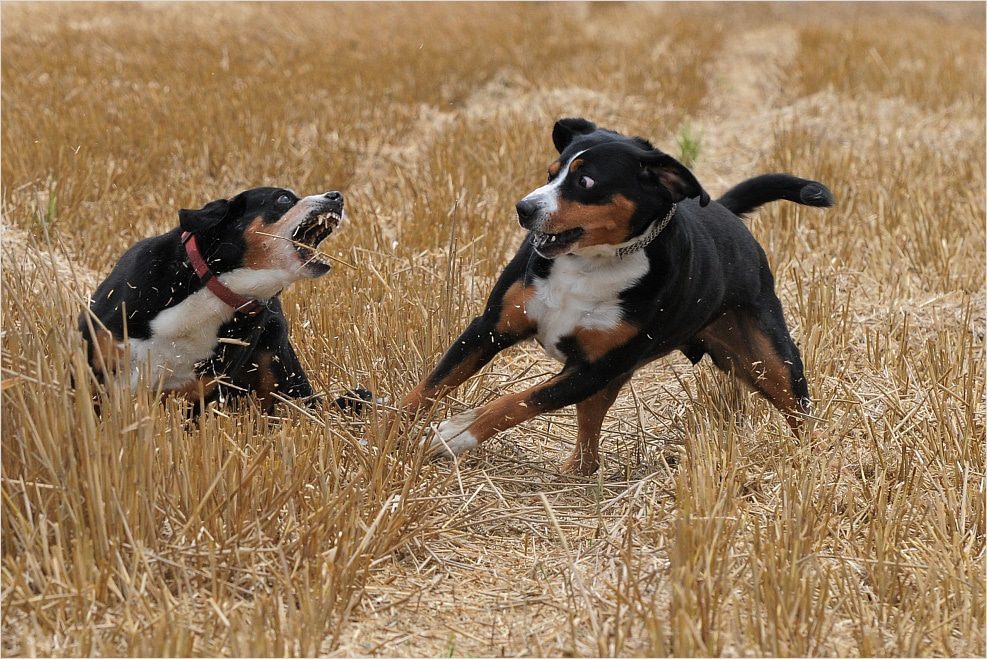
The Entelbucher Cattle Dog they are kind and dedicated to people close to him

Content

History

The Entelbucher Cattle Dog is the smallest of the four Sennenhund, a type of dog that includes four races in the region. The name Sennenhund refers to the population Senn, dairy and livestock farmers in the Swiss Alps.

The distinctive of this variety of Sennenhund name responds to the District of Entlebuch (in German Amt Entlebuch) It is one of five districts of the Canton of Lucerne (Switzerland), Located southwest of Canton.

All races Sennenhund are believed to be descendants of large molossians brought to Switzerland by the Romans in the 1st century to. C. But, Entlebuch's Boyero was described as a separate breed in 1889. After World War I, the breed greatly decreased in number of specimens.

The first breed club was not formed until 1926, only sixteen examples of this type of dog were recorded in 1927, and it was so, the race was gradually restored. Although initially the race stayed for custody of goods and grazing, today the breed is generally reserved as a cheerful family companion.

The Entelbucher Cattle Dog is recognized by the International Cynological Federation, and the standard written in the native country of the breed is used, Switzerland.

Other national canine clubs not affiliated to the Federation Cynologique Internationale, They also recognize the race, but they often write their own versions of the standard of the breed.

The breed is recognized by numerous small clubs and registries on the Internet, where it is promoted as a rare breed to puppy buyers looking for a unique pet.

Physical characteristics

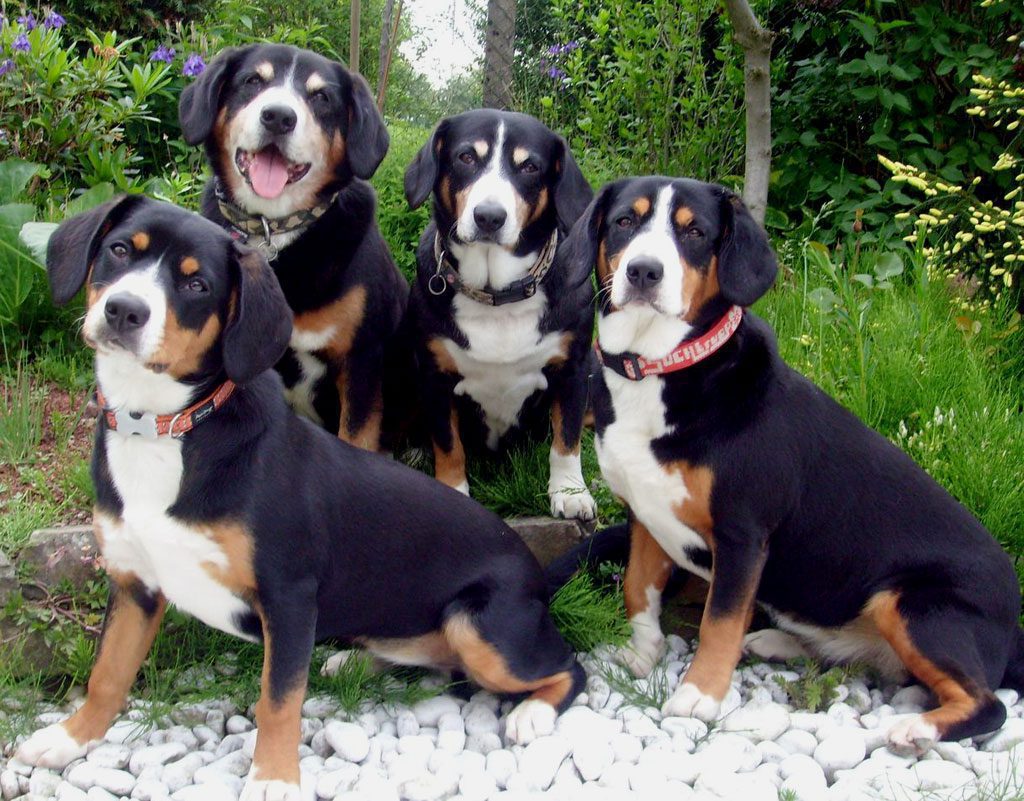
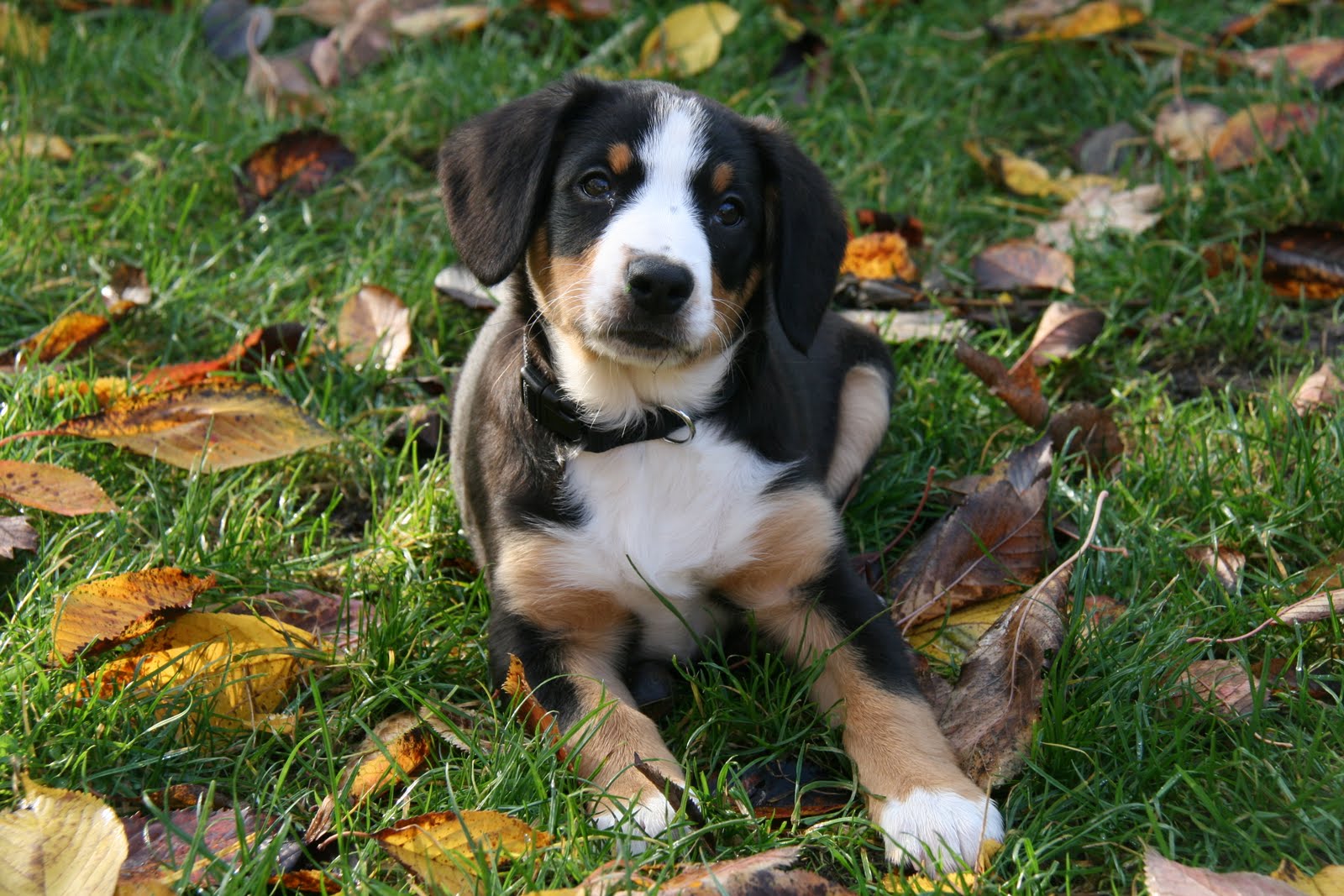
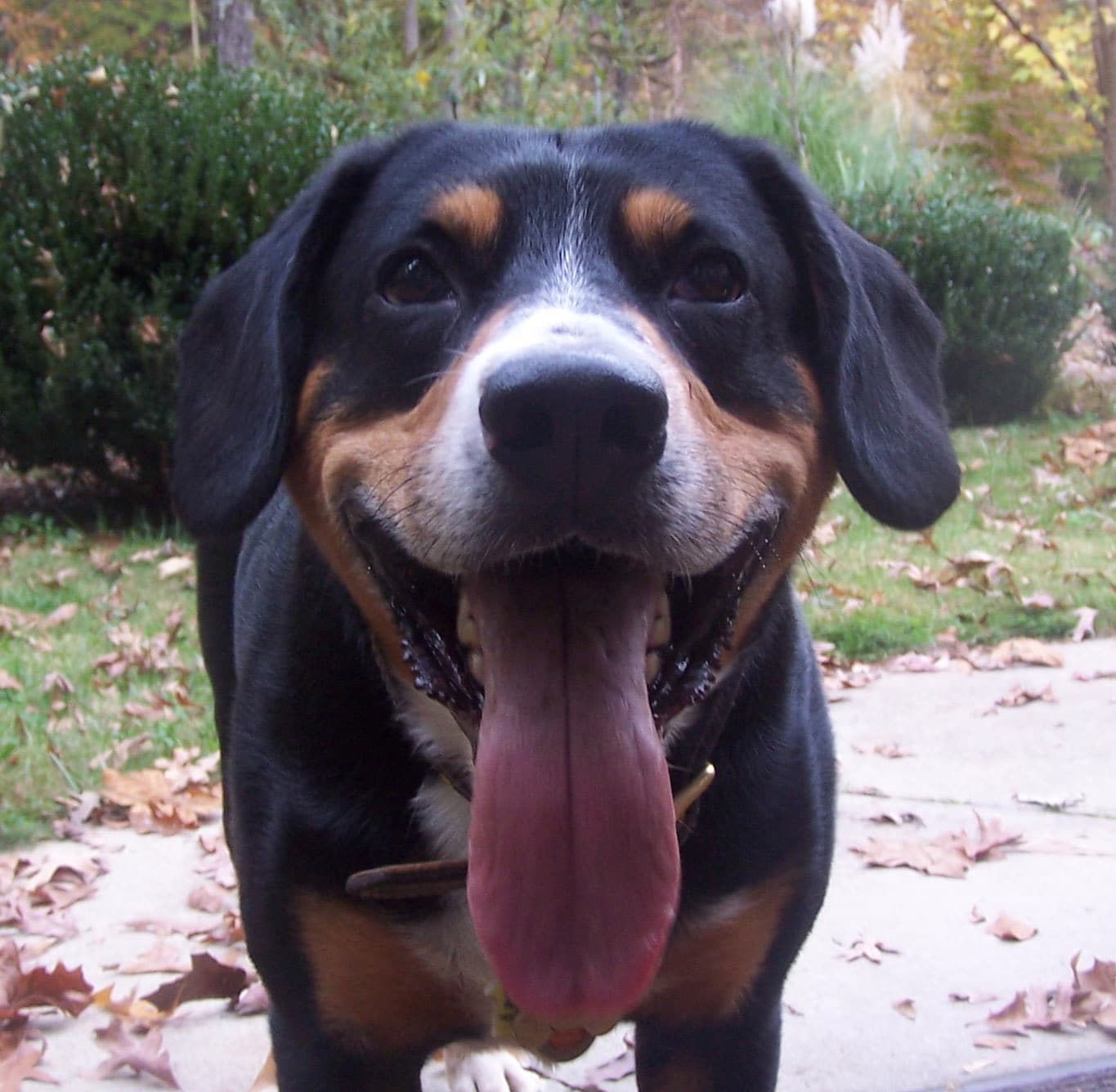
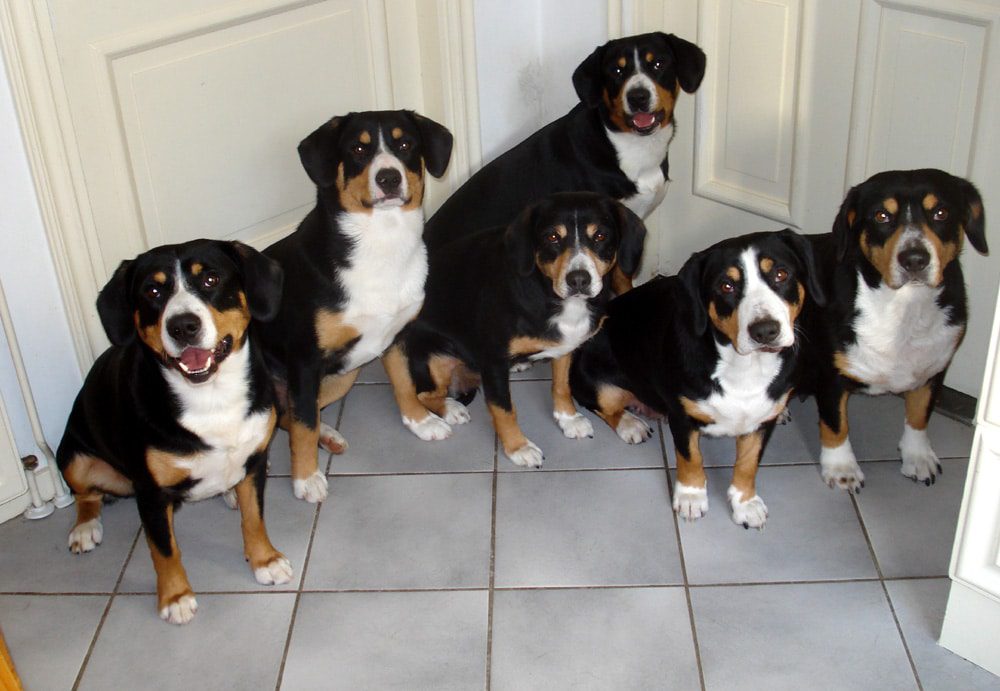
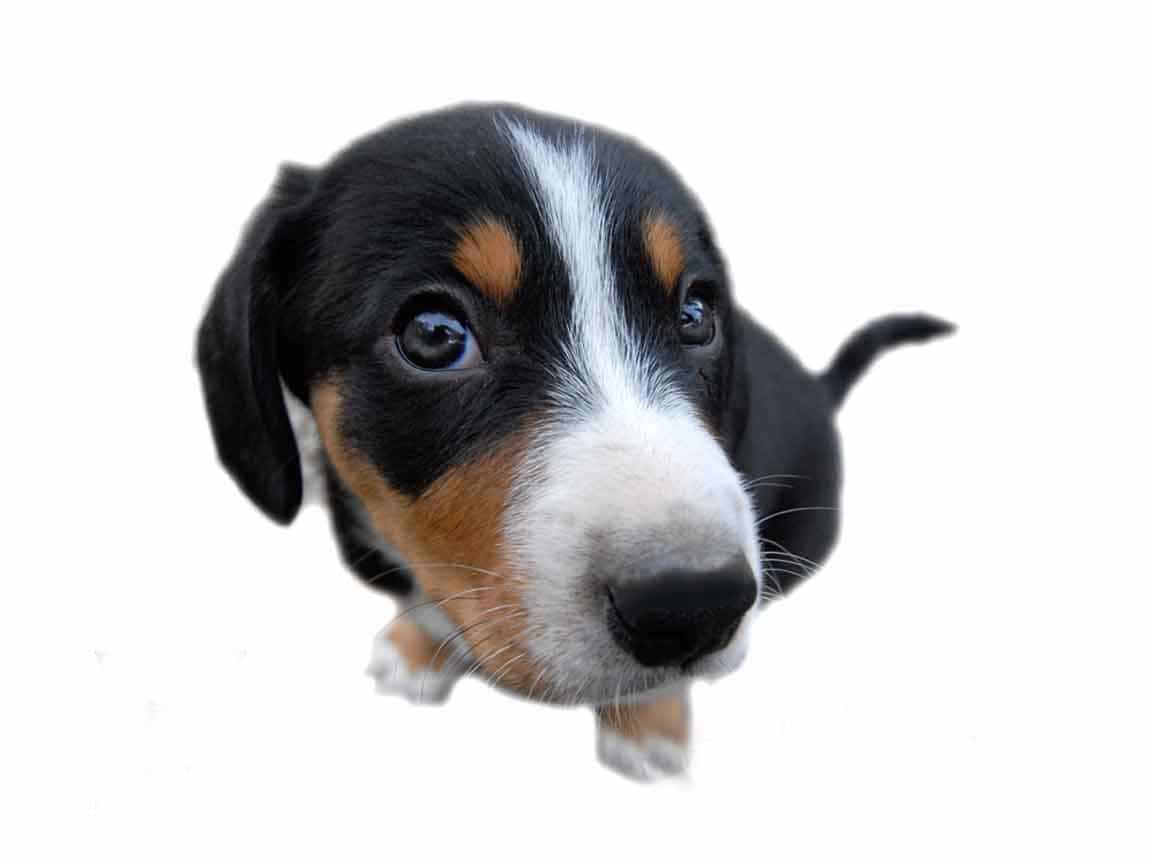
Entelbucher Cattle Dog is a square dog, robust, but medium-sized. It has small ears, triangular and rather small brown eyes. The head is well-proportioned to the body, with a flat and strong skull. His long jaw is well shaped and powerful. Toes are compact and provide cushioning and support his muscular body.

The layer of hair is smooth is thin and hard, with symmetrical markings of tricolor. White on their toes, the tip of the tail, the chest, the Tan always lies between the black and white. It has muscular broad hips. The tail is sometimes cut, a practice that is prohibited by law in many countries.

One Entelbucher Cattle Dog It has a height at the withers between 44 and 52 cm in males and between 42 and 50 cm in females. Weight is between 20 and 30 kg.

Character and skills

Like all large working dogs, very active, which is why, This race should be socialized at an early age with other dogs and people, and always with normal activity and training that can live safely as a pet (given its size, It may be a problem if you do not receive adequate education).

According to the breed standard, they are dedicated to people close to him and kind dogs, a little distrustful with strangers, and he loves children. But we must always bear in mind that the temperament of the dogs is individual, that is to say, may varyโ€ฆ

Entelbucher Cattle Dog Education

The Entelbucher Cattle Dog feel more comfortable in the field. He wants to move and be busy. Not a sofa dog. Not suitable for comfortable people and not for life in the middle of the city, but for challenges at work and dog sports. But, you don't necessarily need a house with a big garden, what would be ideal, because it also settles for an apartment. He has no special demands on his attitude, except the fact that we work with him and that on a daily basis. The nucleus and the end of their close participation is the human family. The Entelbucher Cattle Dog can be well trained. Loves to learn and learns with enthusiasm. It is strongly oriented towards its humans, which can be put to good use. The Entlebucher can read the mood and desires of your humans on their faces. This in turn means that one must approach one's education with feeling and of course with consequence.. You have a clear sense of justice and, therefore, questions fair treatment of him.

Entelbucher Cattle Dog Images

Videos Entlebuch Mountain Dog

Type and recognitions:

  • FCI CLASSIFICATION:
  • Group :
  • Section : . .

Federations:

FCI โ“˜, AKC โ“˜, ANKC โ“˜, CKC โ“˜, โ€‹KC โ“˜, UKC โ“˜

FCI breed standard Entelbucher Cattle Dog

FCIFCI - Entelbucher Cattle Dog
Cattle

Alternative names:

1. Entelbuch Mountain Dog, Entelbucher Cattle Dog, Entlebucher (English).
2. Bouvier de l’Entlebuch (French).
3. Entlebucher Sennenhund (German).
4. Entlebucher Sennenhund (Portuguese).
5. Entlebucher Sennenhund (espaรฑol).

โ–ท The world of Pets: Dogs, cats, birds, reptiles, amphibians

Estrela Mountain Dog
Portugal FCI 173 - Molossoid . Mountain

Estrela Mountain Dog

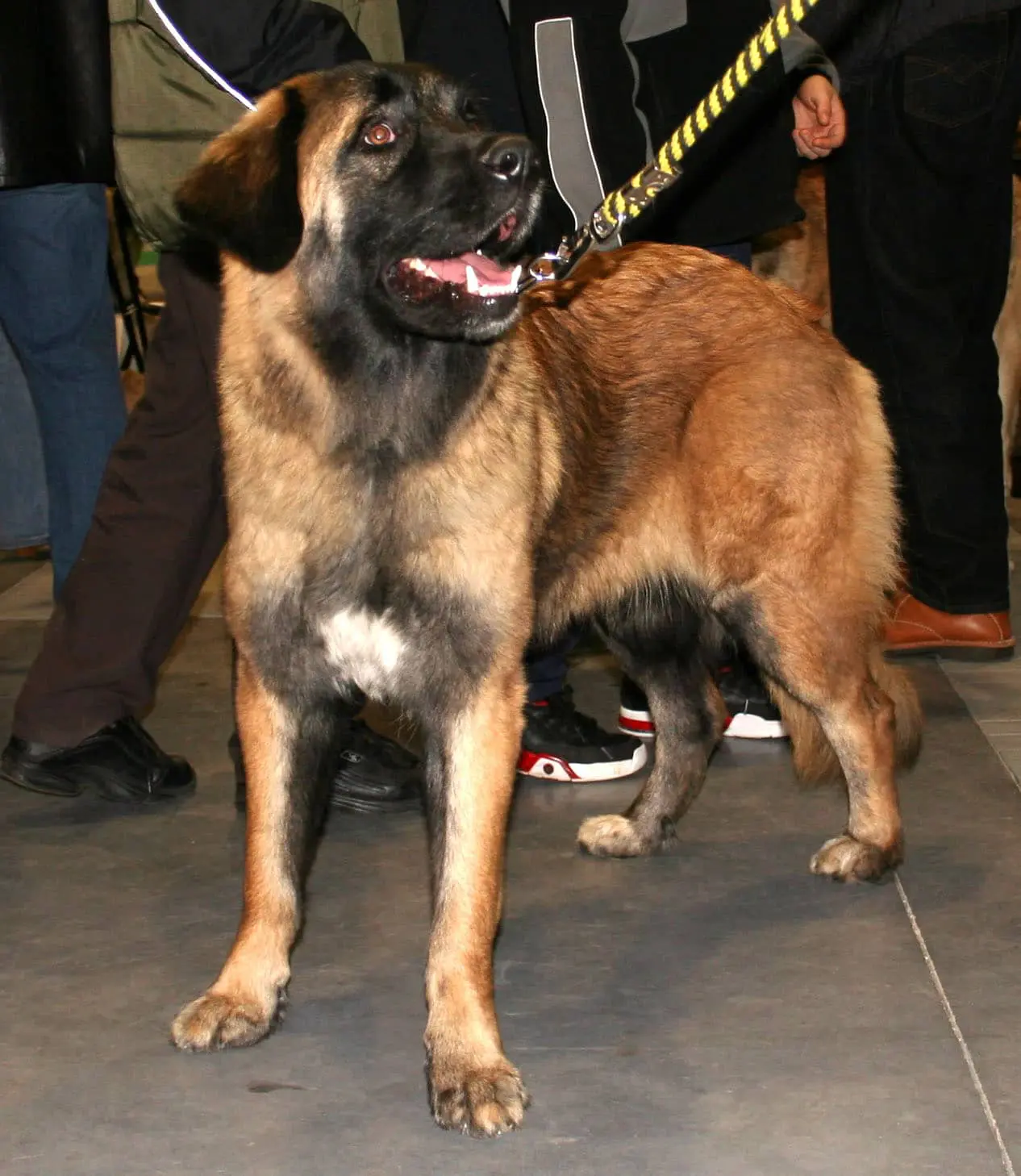
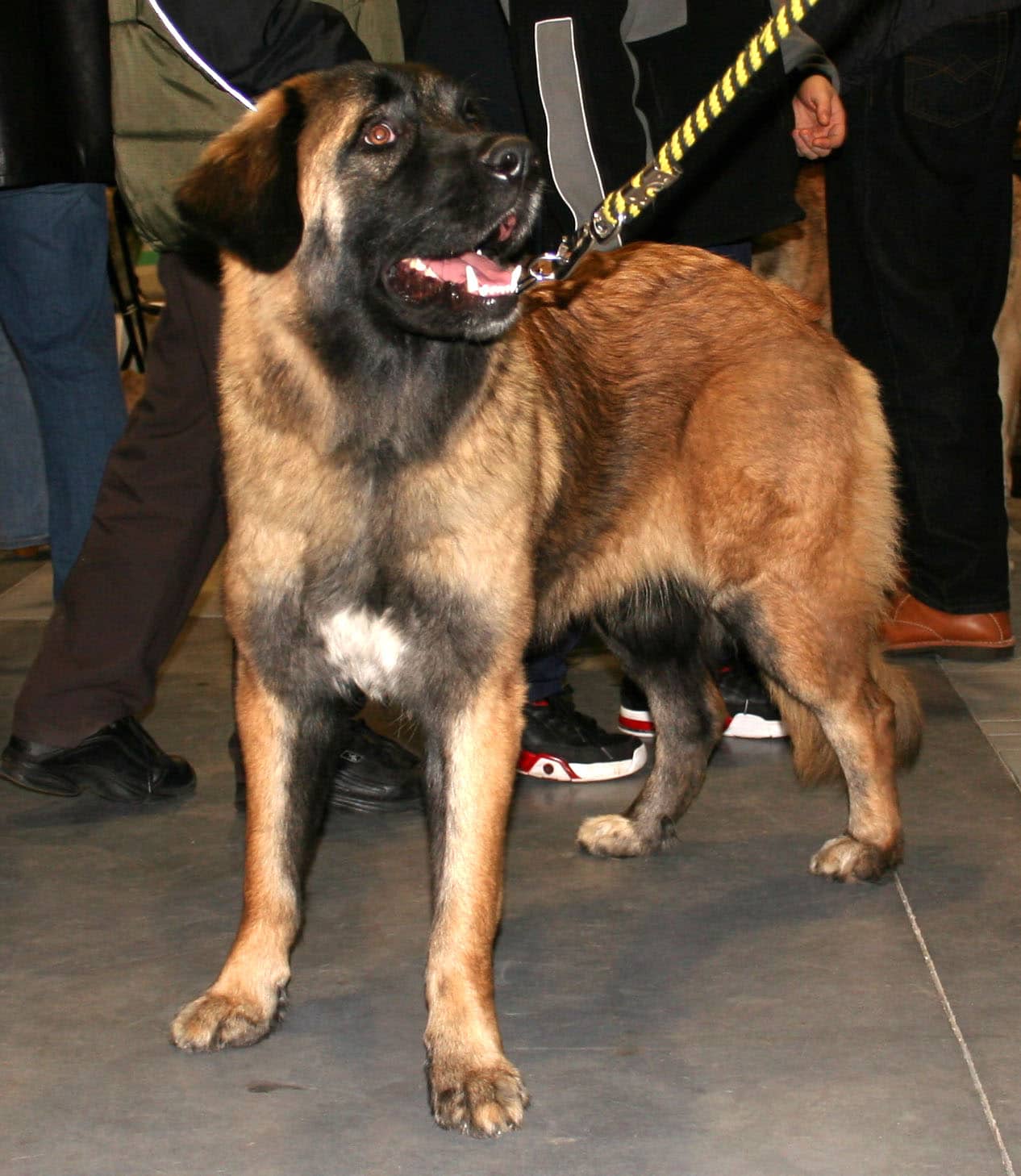
The Estrela Mountain Dog is a big dog, rough lines and powerful appearance

Content

History

The Dog of the Sierra de la Estrela (Cรฃo da Serra da Estrela) It is a breed of dog native of Portugal, in the mountainous region that bears the same name. It has all the qualities required in this wild region, is intelligent, loyal and brave.

There are those who hold the theory that they were introduced to Portugal by the Visigoths and slowly to various parts of Europe.. The Estrela Mountain Dog was used mainly- in mountainous areas to accompany shepherds and flocks on their annual migrations, defending the wolves and thieves.

It is believed that the two varieties of existing hair: short hair and Longhair, they are due to regional variations. Contrary to what might be expected, the warmest region, the region of Manteigas, is where you could find the long-haired dogs, While short hair varieties were most frequent in the North, in Gouveia e Seia. Crosses between these two varieties were frequent.

In 1934 the standard of the breed was drafted, which was established according to its two varieties of layer. From this point, the cross between two varieties became undesirable. The publication of the rule in 1966 and the recognition of the breed by the FCI, have not brought more popularity to the breed. Over the years 60 and 70, the Portuguese emigrated looking for escape from the regime of poverty. The population of dogs Serra da Estrela declined drastically in that period, but the dedication of some breeders allowed the continuity of the breed.

Today, the Estrela Mountain Dog is highly requested, especially the variety of long hair. While the variety of short hair was more numerous at the beginning of the last century, is the variety of long hair that stands out, especially for being more eye-catching, stylish, with a larger. This made the breeders will focus primarily on the variety of long hair. Today the short-haired variety is particularly vulnerable and rare..

Physical characteristics

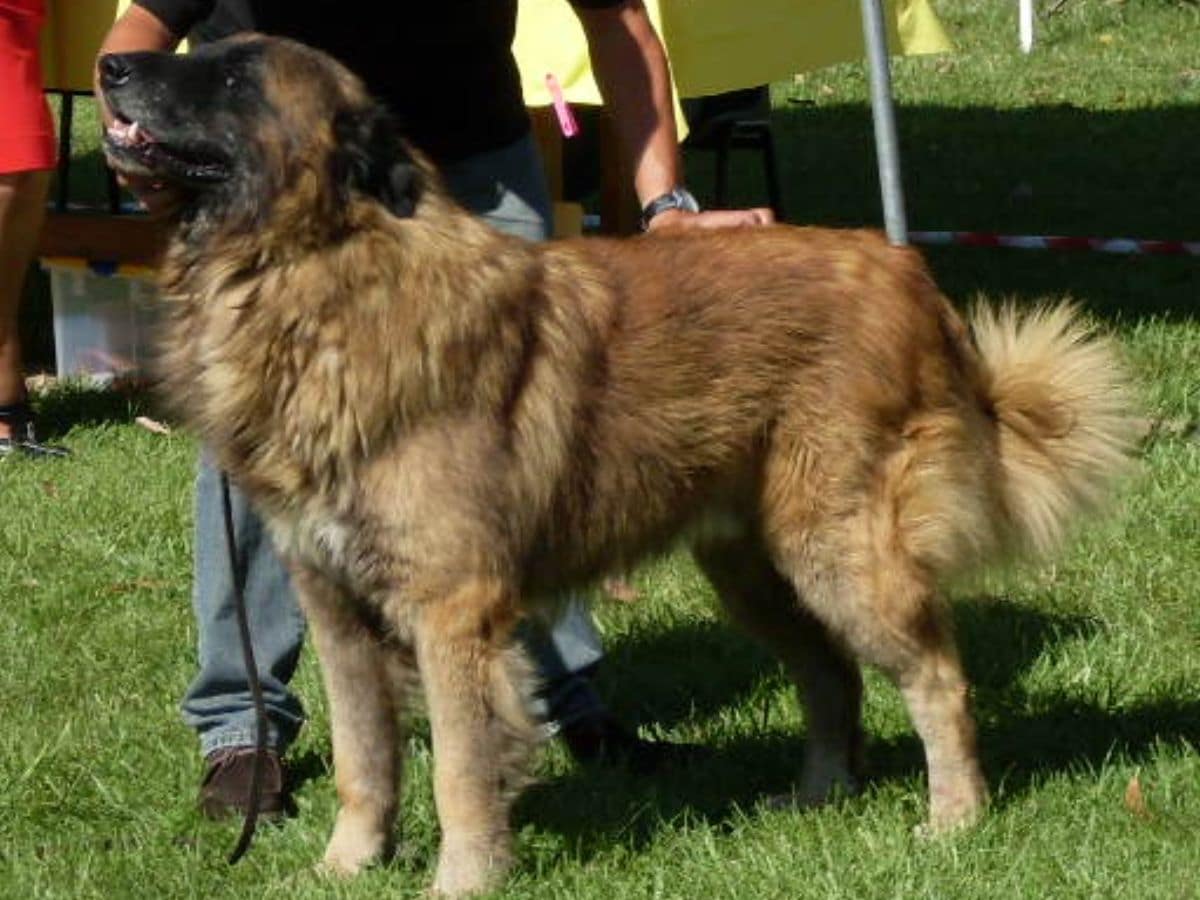
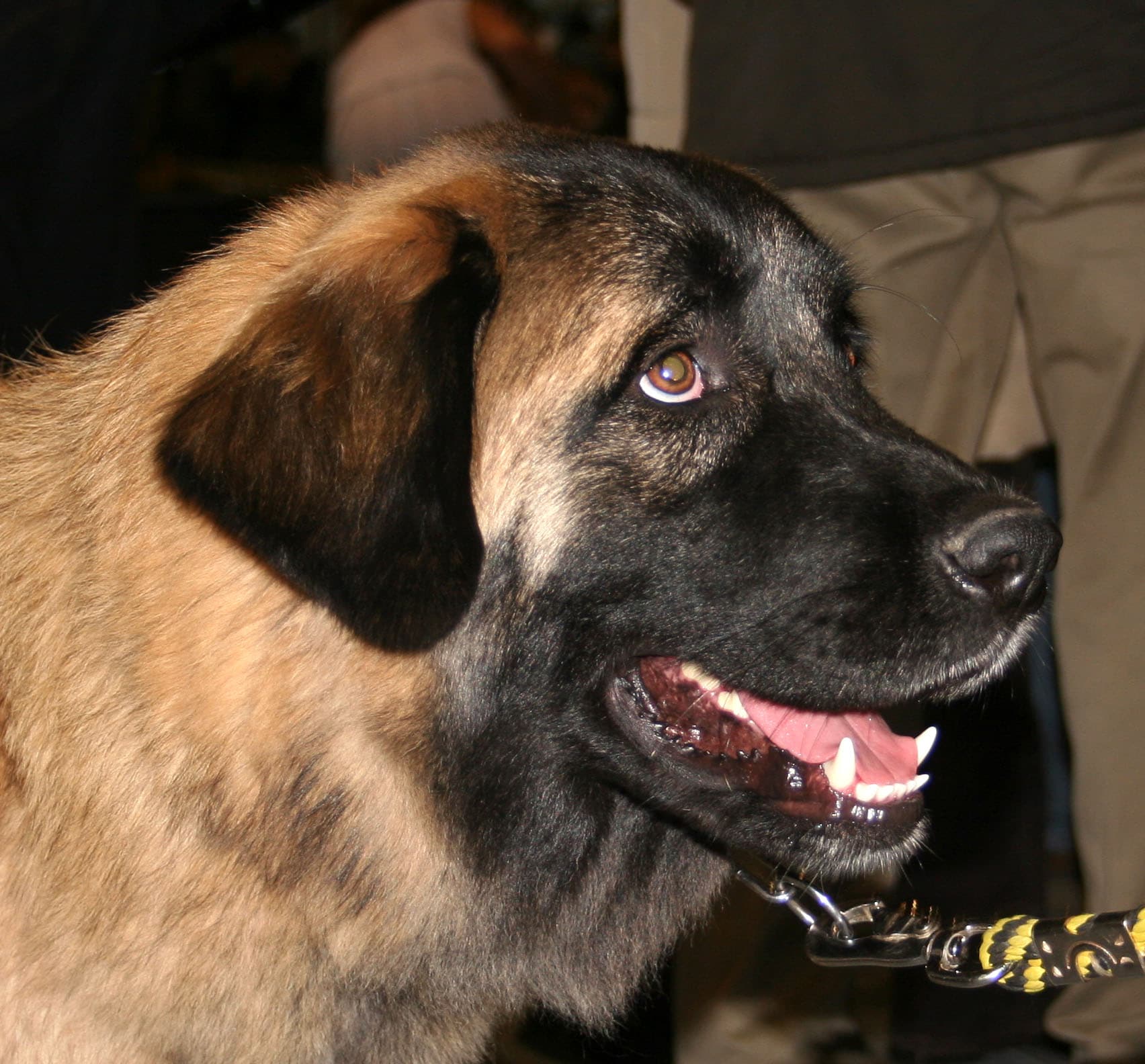
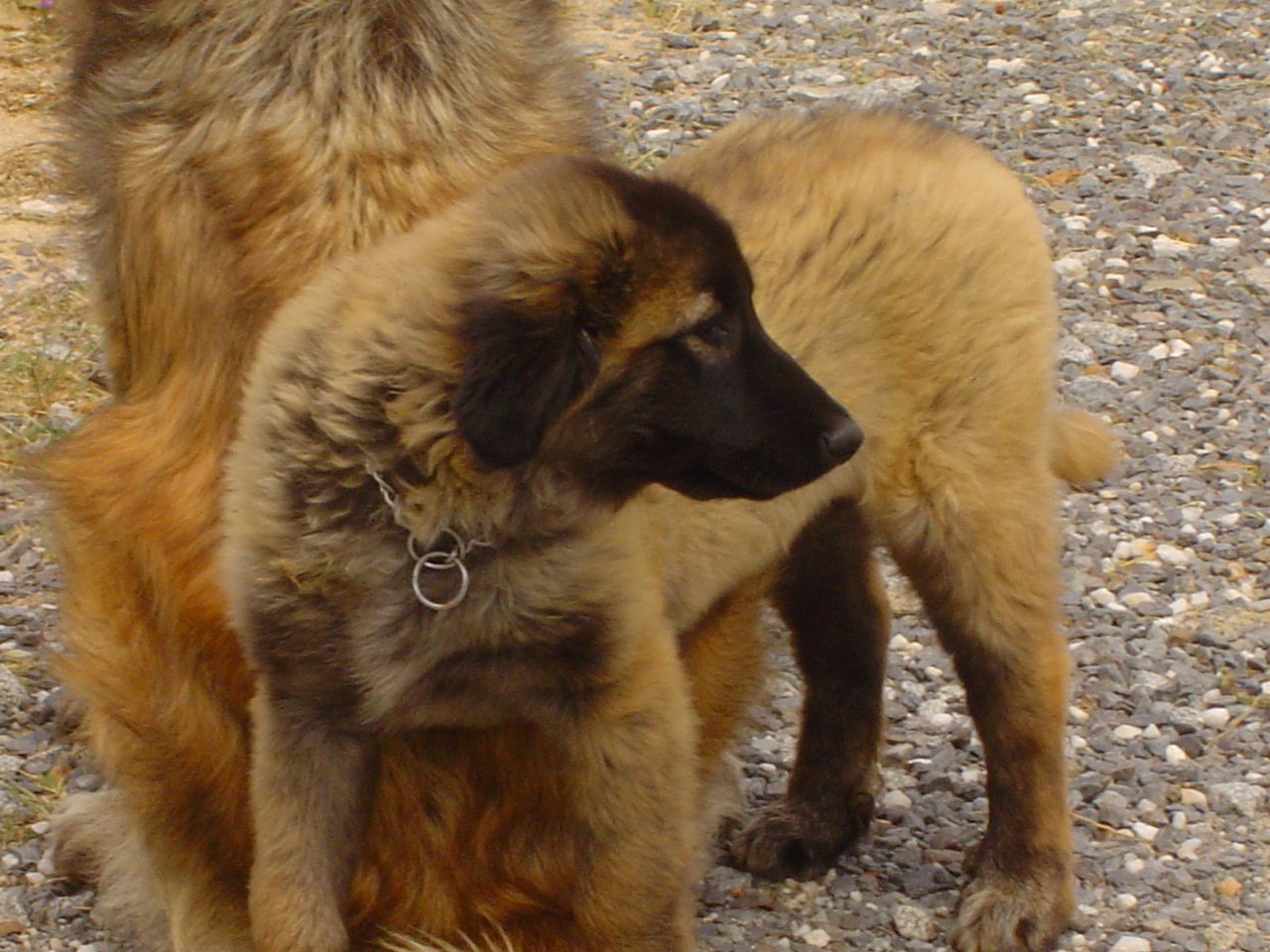
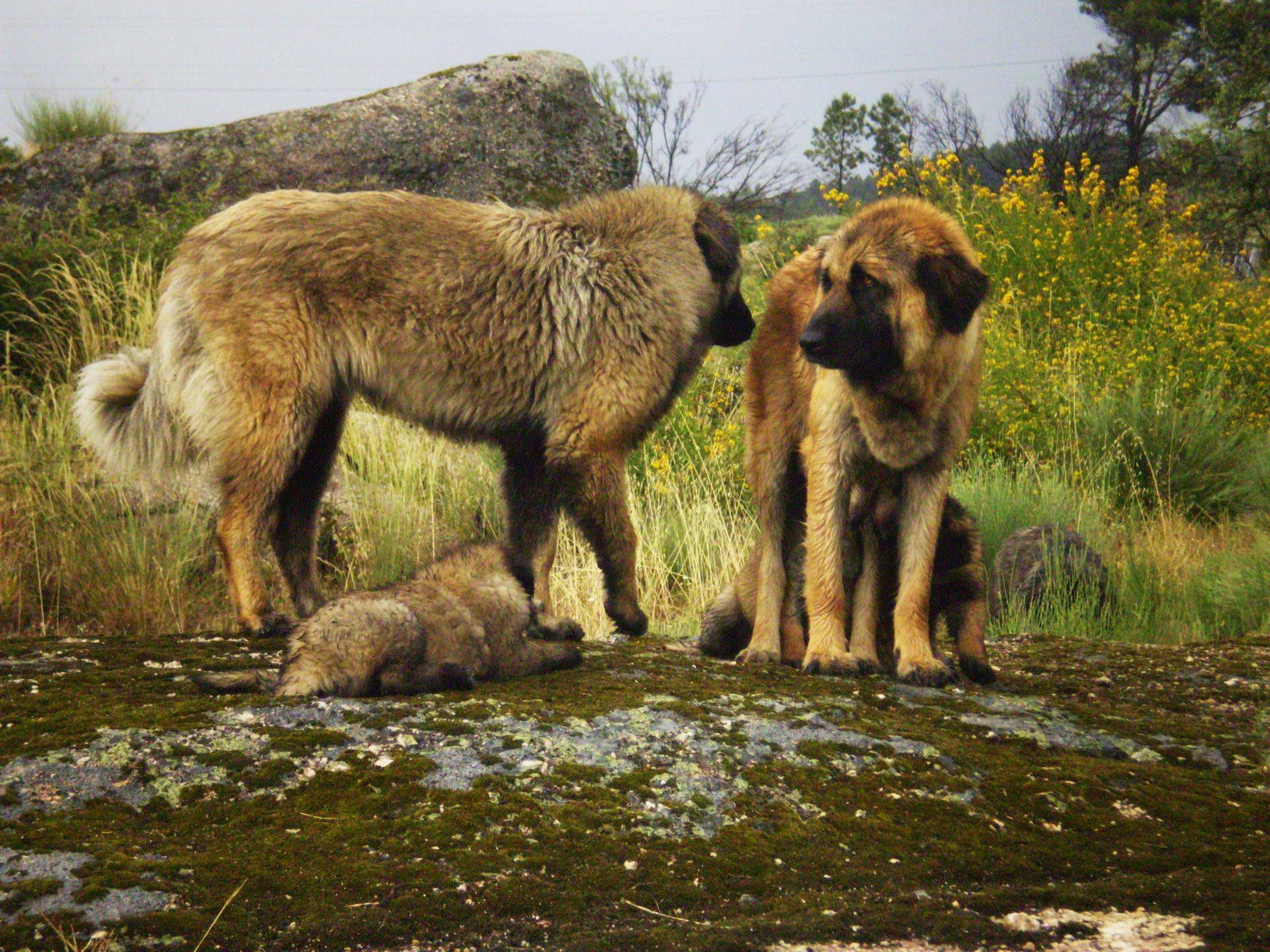
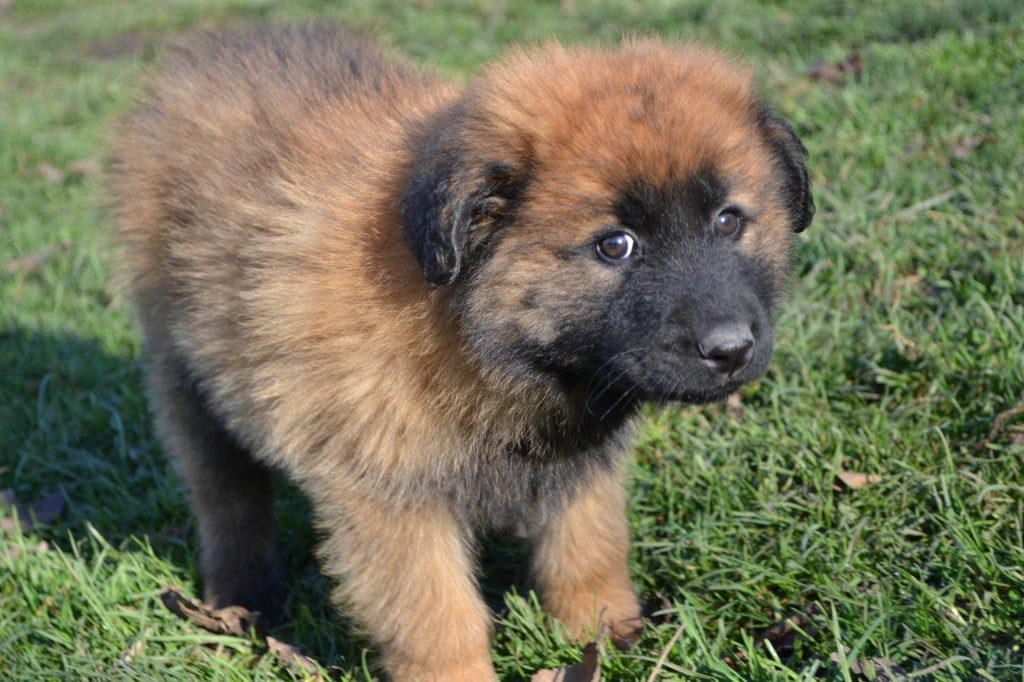
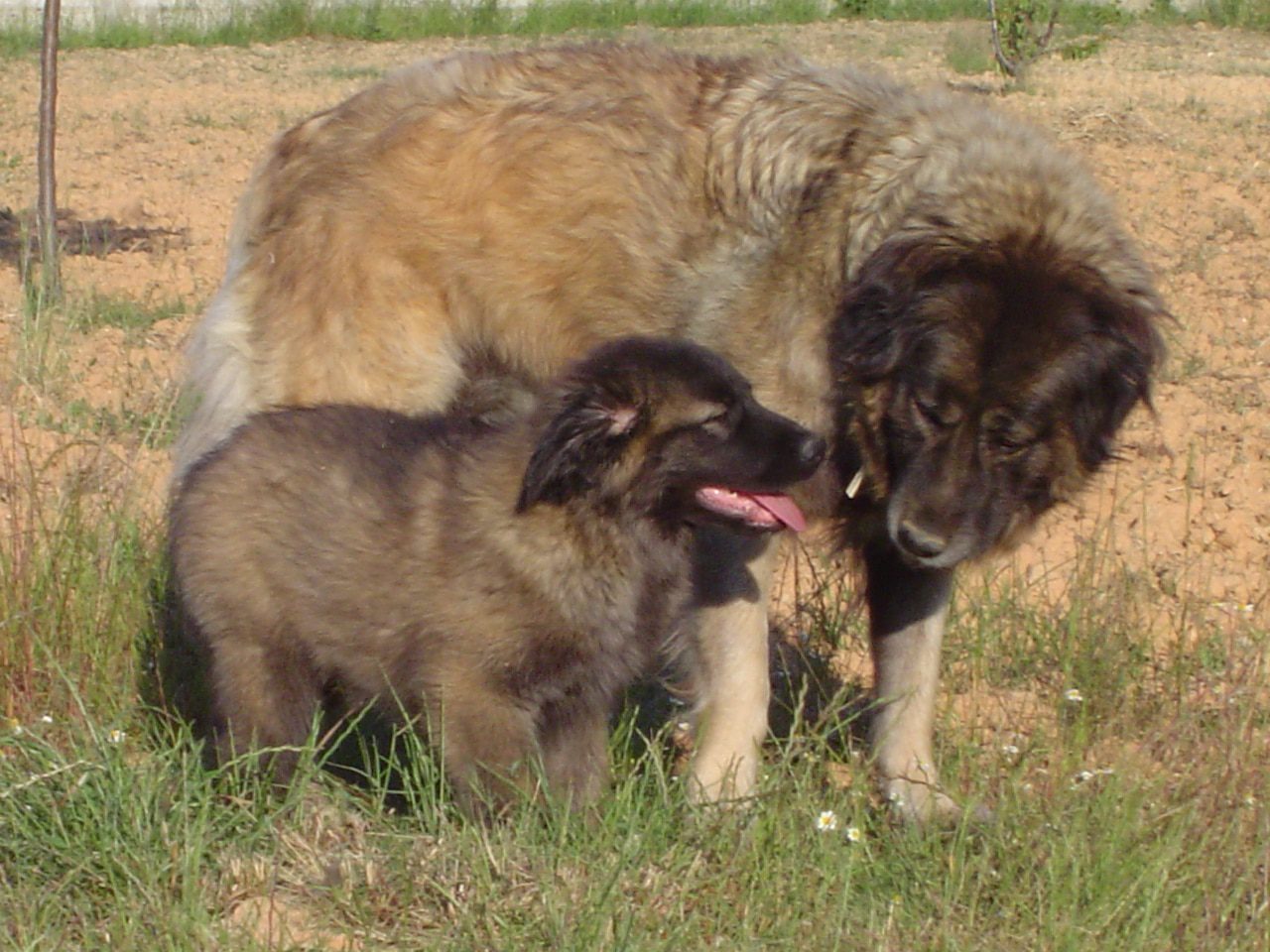
The Estrela Mountain Dog is a big dog, rough lines and powerful appearance. The head is huge, rounded and with a stunning skull. It has oval eyes, very expressive, Smart and serene.
The ears they are small and pendants, covered with a soft skin.

mastiff-type molosoid, the Estrela Mountain Dog has a broad chest and a slightly drooping rump. The members are strong and muscular. The tail is long, thick and slightly droopy.

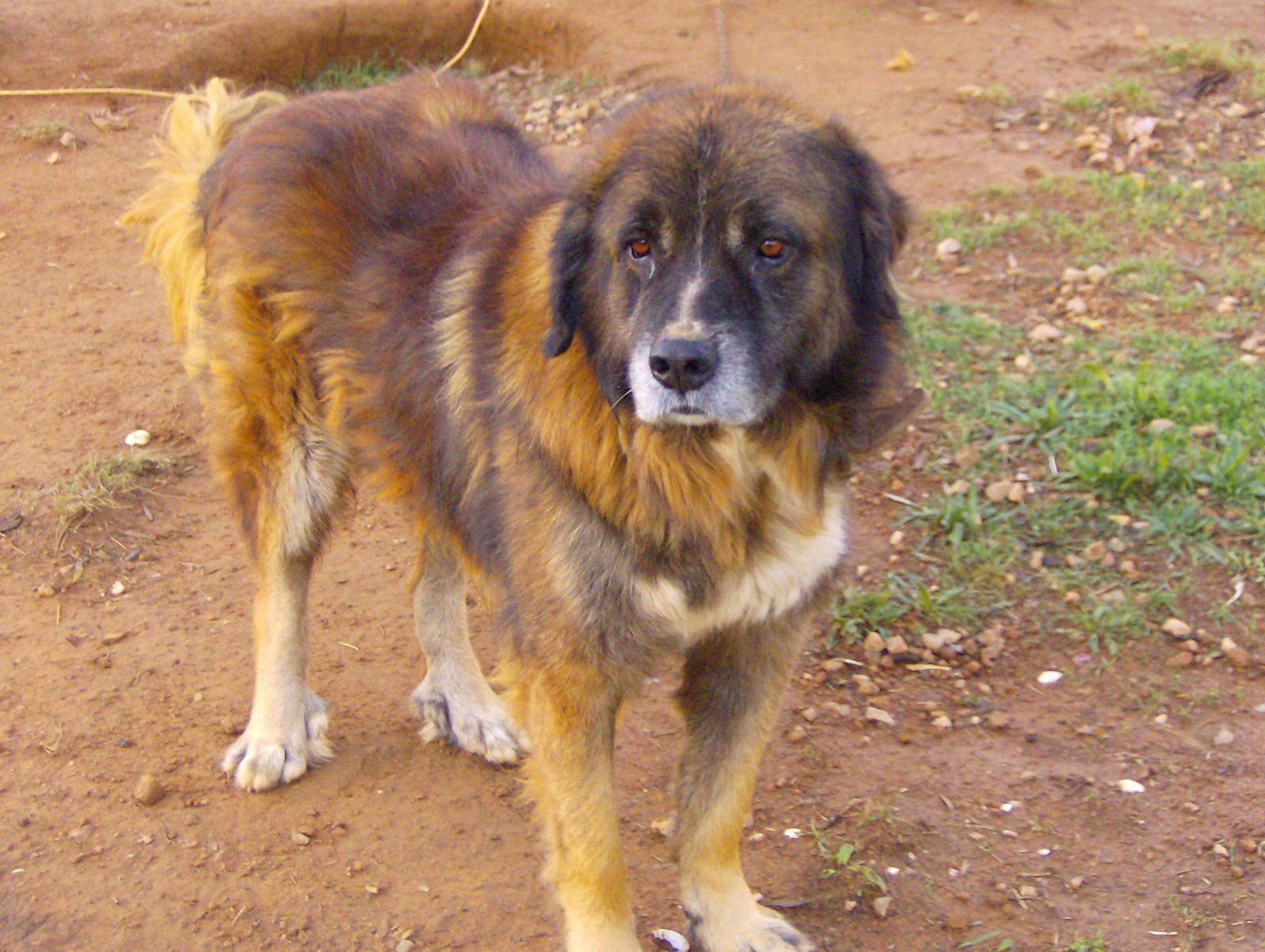
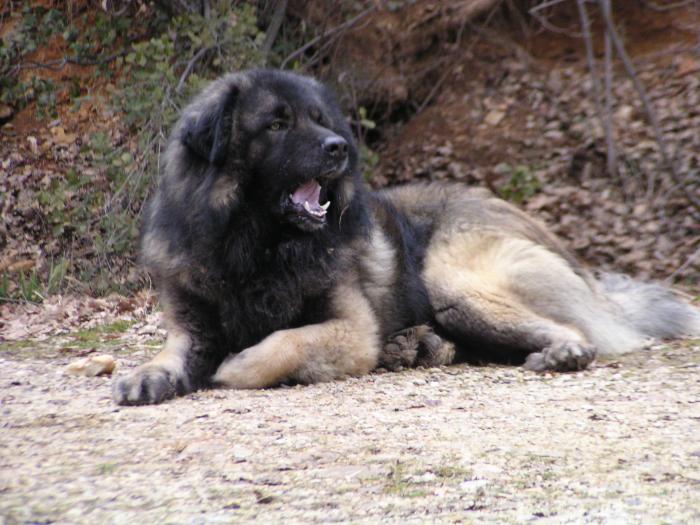
There are two varieties of Estrela Mountain Dog: long hair and short hair. The hair is strong, thick, but not too rough. In some regions it is longer than others, especially in the queue, around the neck and back.

Only allowed the tawny colors, Lupine and yellow, monochrome or marbled.

Observations

Estrela Mountain Dog is a healthy dog, due to the strong natural selection which was exposed. But, There are some diseases of large animals with a higher incidence in this breed. The Dysplasia is one of them, especially that of hip. Due to this trend, owners must use quality diets, not exercise too your dog when he is young, avoid the steep stairs, breaks and slippery floors.

The variety of long hair they require more maintenance: brushed daily to untangle hair.
The variety of short hair only needs weekly brushings. Bathing should only be administered, only, When cannot be avoided,Since the protective greasiness of the skin can be damaged by cleaning products.

Character and skills

The Estrela Mountain Dog has always been kept with the sheep, While pastor was away from his flock the dog developed an independent organization and this led to his character of excellent guard dog.

It is also used for self defense and as a dog shot.

The Estrela Mountain Dog, due to its isolation and difficult access, It has become the home of this breed of dog. His hard hair helps you survive the harsh winters of the region. Each race has its specific character developed throughout its existence, of their own history.

This more or less independent nature makes this breed adapts well to modern times, where instead of caring won, waits for their owners to return from work at the end of the day. They have a lot of patience.

The beauty of this dog, his intelligence and strength, are the characteristics that allow him to be in addition to an excellent guard, a good family dog and very tolerant with children.

Habitat Estrela Mountain Dog

The Estrela Mountain Dog it's a big dog with a big boost. So, an apartment in the city is not ideal for him. Fluctuations of time and temperature do not bother him much, so you prefer to spend the day outdoors. So, the ideal is a house with a large patio or garden where you can move freely. It also, does not want to do without his long walks. For many other canine sports, requiring reliable obedience, is however hardly suitable due to its obstinacy.

Nutrition Estrela Mountain Dog

The Estrela Mountain Dog requires a correspondingly large serving of food, which should also be considered when buying it. Proper dog feeding helps keep it healthy for a long time. Whether one wants to use dry or wet food is a matter of personal preference.. In particular, nutrition during growth, especially in large dogs, sets the course for later life.

While puppies and adult dogs need enough energy, young dogs need an adapted diet, protein rich, to ensure that your muscles and skeleton grow evenly. If the young dog grows too fast on food that is too high in energy, there is a risk of permanent joint problems and malpositions. It also, It should be noted that all large breeds of dogs are at risk of stomach upset if the daily ration is administered at one time.. So, it is better and healthier to divide the food into at least two servings in the morning and at night and then give the animal a break for digestion.

Education and care

Due to the close connection of the Estrela Mountain Dog with humans and their good understanding, good conditions are created for purposeful education. But, the race's own head should not be underestimated. The Hound of the Sierra de la Estrela dog stubbornly reacts to too much hardness in training and the orders he considers meaningless. Therefore, the right key to a successful workout is patience, empathy and a consistent hand. During training special attention should be paid to the tendency to dominate, especially in males.

Although this is rarely directed against humans, but mainly against other big dogs, can disturb harmonious interaction and, above all, The walking. Ideally, great importance should be given to socialization already in the breeder. You should also practice meeting other dogs as soon as possible after your dog has moved in.. You can learn that other dogs are an enrichment and not a danger and that dominant behavior is not tolerated. In a good dog school you will receive many tips when in doubt, which will facilitate the management of your Dog from the Sierra de la Estrela.

A lot brushed in the change of coat

The Estrela Mountain Dog has a dense coat with a lot of undercoat, that adapts to weather conditions. The change of coat is therefore strong in this breed. To facilitate this process for the animal and reduce the amount of dog hair at home, should be brushed sufficiently and correctly, especially during the period. Ideal for this purpose are the special brushes, they can comb the bottom layer. Outside the change of coat phase, brush once a week.. The rest of the preparation is limited to a minimum. Especially if the dog is outside and a lot in the meadows and forests, should be checked regularly for parasites. If required, claws must be shortened with claw pliers.

Typical health and illnesses

The Estrela Mountain Dog it is a very robust animal that does not have to fight with the typical diseases of the breed. But, being a very large breed, you may suffer from dysplasia of the hip joint. Breeders recognized by the FCI only use parents that are not affected by this disease for breeding purposes., which also greatly reduces the risk to offspring.

Estrela Mountain Dog life expectancy

As a healthy race, the Estrela Mountain Dog reaches an age of 10 to 12 years without difficulty and generally without many visits to the vet. Proper nutrition and parenting are the prerequisites for a long and healthy life.

Photos Estrela Mountain Dog

Videos Estrela Mountain Dog

Type and recognitions:

  • FCI CLASSIFICATION:
  • Group :
  • Section : . .

Federations:

FCI โ“˜, AKC โ“˜, ANKC โ“˜, โ€‹KC โ“˜, NZKC โ“˜, UKC โ“˜ – The AKC does not have its own standard and instead is linked to the FCI

FCI breed standard "Estrela Mountain Dog"

Origin:
Portugal

Date of publication of the valid original standard:
04.11.2008

Use:

Herd guard dog, surveillance and companion dog also used in shooting work.


General appearance:

The Sierra de la Estrela Dog is a mastiff type. There are two varieties of hair: long and short. Rustic, of much substance with a strong movement and stunning attitudes.

The breed has a cheerful look, calm and expressive. Well proportioned, morphologically perfect, compact and rustic; The harmony of the whole is remarkable and demonstrates an ethnic purity of ancient races of the past.

IMPORTANT PROPORTIONS :

Medium long (long sub) tending to the middle line. Depth of chest is less than half of its height at the withers. The muzzle and the skull should be approximately the same length, If that is not the case, the skull should be slightly longer.


Behavior / temperament:

Inseparable companion of the pastor and faithful guardian of the herd protect against predators and thieves. Excellent dog guard farms and households, distrustful of strangers and typically docile towards its master.

Head:

Strong, voluminous. It is elongated and slightly convex profile view. Well positioned and provided to the body, the same as the relationship that keep the skull and facial, accentuate the harmony of the whole. Smooth skin over the skull and cheeks.

Cranial region:
  • Skull: Well developed, rounded skull facial longitudinal top spindles slightly divergent. Convex profile, superciliary arches slightly developed with a slightly apparent frontal fold. No prominent occipital protrusion.
  • Depression links (Stop) : Slightly pronounced, located at a more or less equal distance between the end of the nose and the occipital Protuberance.

facial region:

  • Truffle: Straight and aligned with the nasal bridge, well open Windows, big and black.
  • Snout: Elongate, slimming progressively towards the tip of the nose, but do not be sharpened. Almost straight nose cane, Although slightly hooked at the end.
  • Lips: Well developed but not thick, well bonded without tilting.  The mucous membranes of the mouth and palate, as well as the very pigmented black edge of the lips.
  • Jaws / Teeth: Well-defined mouth with well-developed jaws, full dentition with strong teeth, White and well implemented and good occlusion. Preferably bite in scissors, accepting bite on clamp.

Eyes: Horizontal, oval-shaped, at the level of the head; are medium-sized, aimed at small, symmetrical and wide open, with a calm and alert expression; Dark amber in colour preference. The eyelids are well bonded and pigmented black edges. A little marked eyebrows.

Ears: Small relative to the rest of the skull, form triangular, thin, rounded at their lower edge, pendants; inserted at a medium height, is tilted back slightly and hang to the sides of the head near the cheeks, revealing a part of your inner side in the base (called Pink ear).

Neck:

Straight, short and thick, correctly inserted on the shoulders and with a slight dewlap but not exaggerated.

Body:

  • top line: Straight. Level.
  • Back: Short preferably, well muscled.
  • Pork loin: Lumbar region wide, short, muscular and properly inserted to the rump.
  • Rump: Slightly inclined, short, broad and muscled. The height at the Croup should be equal to or slightly greater than the height at the withers.
  • Breast : Rounded, without being cylindrical, broad, long and well descended.
  • bottom line: The bottom line should gradually and gently rise from the sternum to the groin, not too wide belly, in proportion to the substance of the animal and harmoniously connected with the body.

Tail:

Robust, long, whose tip reaches the tibio-tarsal joint when the dog is standing or at rest. It is thick in the shape of a ยซ scimitar ยป, inserted at a medium height, well covered with stripes on the variety of long hair and hair ; is a hook at the end. The tail is carried below the horizontal line and falls naturally between the thighs when the dog is at rest. ; When stimulated or in action, it is carried higher than the horizontal line, forming an upward curvature., Go ahead, to the sides or down.

Tips

PREVIOUS MEMBERS: Plumb, with bones and joints strong, fairly open with unrestricted movement angles.

  • Forearm:  Straight, parallel, long, with strong bone and always cylindrical in shape.
  • Previous foot: Provided, never too round or too long, I in between a Jack's foot and a foot of Hare (not open), thick, fingers tightened with abundant hair between fingers, dark nails, preferably black, well developed, pads thick and hard.

LATER MEMBERS : Plumb, with bones and joints strong, fairly open with unrestricted movement angles.

  • Hock: Somewhat low, average opening, never leaning in or out.
  • Metatarsus: Vertical, always cylindrical in shape. Possible presence of single or double spur.
  • Rear foot: Identical to the previous foot.

Movement:

Normal and light.

Mantle

HAIR: Fur: Strong, very abundant, slightly thick, without excessive hardness with texture similar to the goat hair. The subhair is composed of a thin hair, short, abundant and matted. Usually lighter than outer hair color.

  • Long hair variety: Exterior smooth or slightly wavy hair, I uneven and some areas. In the Member, Below the elbows and legs it is shorter and thicker, as well as above the head., ears is gradually shorter from base to tip, being more thin and more soft. It is longest on the queue, where is well thick, thick and long hair. Around the neck and throat and on the thighs abundant long hair as well as on the sides of the forearm.
  • Variety short hair: Short hair, evenly distributed over the body, somewhat shorter on the head and members without having hair longer.

COLOR

The following colors are accepted and considered typical:

  •  Solid: yellow, Fawn and grey in all ranges of intensity of color;
  •  Wolf Gray: leonado, yellow and grey tones, usually with shaders more light and dark.
  • Striped: leonado, yellow or gray as a base with a black Brindle color.

In the craniofacial area a dark mask is typical.

White spots are allowed only on the limbs or feet before and after and a very small extension on the lower region of the neck and chest.


Size and weight:

  • Males : 65 to 73 cm..
  • females : 62 to 69 cm..

Tolerance + 2 cm..

WEIGHT :

  • Males: 45 โ€“ 60 Kg.
  • females: 35 โ€“ 45 Kg.


Fouls:

Any deviation from the aforementioned criteria is considered as a fault and the severity of this is considered to the degree of the deviation to the standard and its consequences on the health and well-being of the dog..

  • Appearance: Poor overall appearance, thinness or obesity.
  • Height: Outside the limits of the standard but with a tolerance of 2 cm.. of the upper limit.
  • Very narrow head, long and pointed.
  • Eyes: color clear.
  • Ears: incorrectly inserted, very long fleshy or round. Hanging completely flat.
  • Tail: Port on the back. Absence of hook.
  • Color: Absence of dark mask.

 SEVERE FAULTS

  • Behavior: Animals that show signs of shyness or nervousness.
  • Tail: Amputated or rudimentary.
  • Truffle: Pale nostrils, Truffle partially nonpigmented.
  • Ears: Amputee.
  • Fur: Other than described above.
  • Height:
  • Males :  Below the 65 cm.. or above 75 cm..
  • females: Below the 62 cm.. or above 71 cm..

MISS PLAYOFFS

  • Behavior:  Aggressive or too shy.
  • Typicity: Atypical.
  • Head: Too narrow, very long and very sharp, total absence of molosser type.
  • Jaws: Prognathism or enognatismo.
  • Eyes: Eyes of different colour or different size.
  • Tail: Anurismo.
  • Fur: Completely different hair than typical.
  • Color:  Any other color not mentioned in the standard. albinism.

Any dog โ€‹โ€‹showing clear signs of physical or behavioral abnormalities must be disqualified.


N.B.:

โ€ข Males must have two normal-appearing testicles fully descended into the scrotum..
โ€ข Only functionally and clinically healthy dogs, with the typical conformation of the breed, should be used for parenting.

Source: F.C.I - International Cynological Federation

Alternative names:

1. Portuguese Shepherd (English).
2. Chien de montagne portugais (French).
3. Serra da Estrela Berghund (German).
4. Perro de la sierra de la Estrela (Portuguese).
5. Perro de la Sierra de la Estrela (espaรฑol).

โ–ท The world of Pets: Dogs, cats, birds, reptiles, amphibians

English Shepherd
Estados Unidos UKC - Herding Dog Group
Pastor Inglรฉs

The English Shepherd It resists the pressure of long demanding hours.

Content

History

The race English Shepherd It is extremely versatile as a working dog. It's a line of Collie developed in the United States from farm dogs brought by the English and Scots early in the country's history.

Should not be confused with Old English Sheepdog (Bobtail).

The English Shepherd is very smart, able to bring forward any dog on the farm and used in varied pastoral work (beef, sheep, goats, pig), monitoring, hunting, vermin and rodent eradicator and company for the kids. It is possibly one of the most common breeds during the 19th century before the pedigree was given the importance it has to this day..

Many farmers appreciated this race for its versatility and not on their standard of appearance, being raised according to their abilities and not for exhibitions.

Physical characteristics

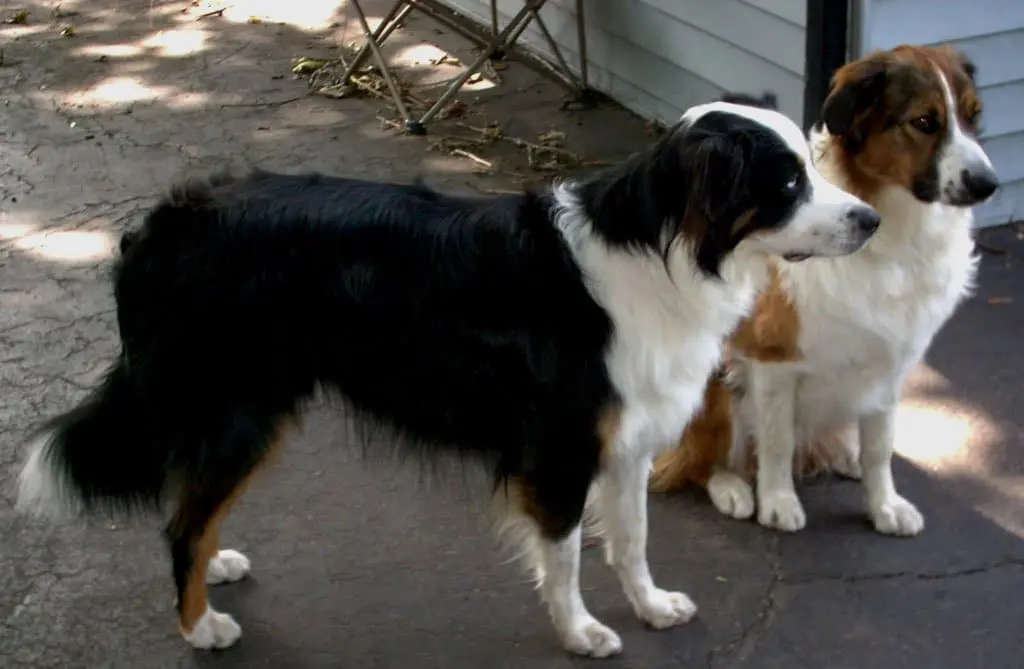
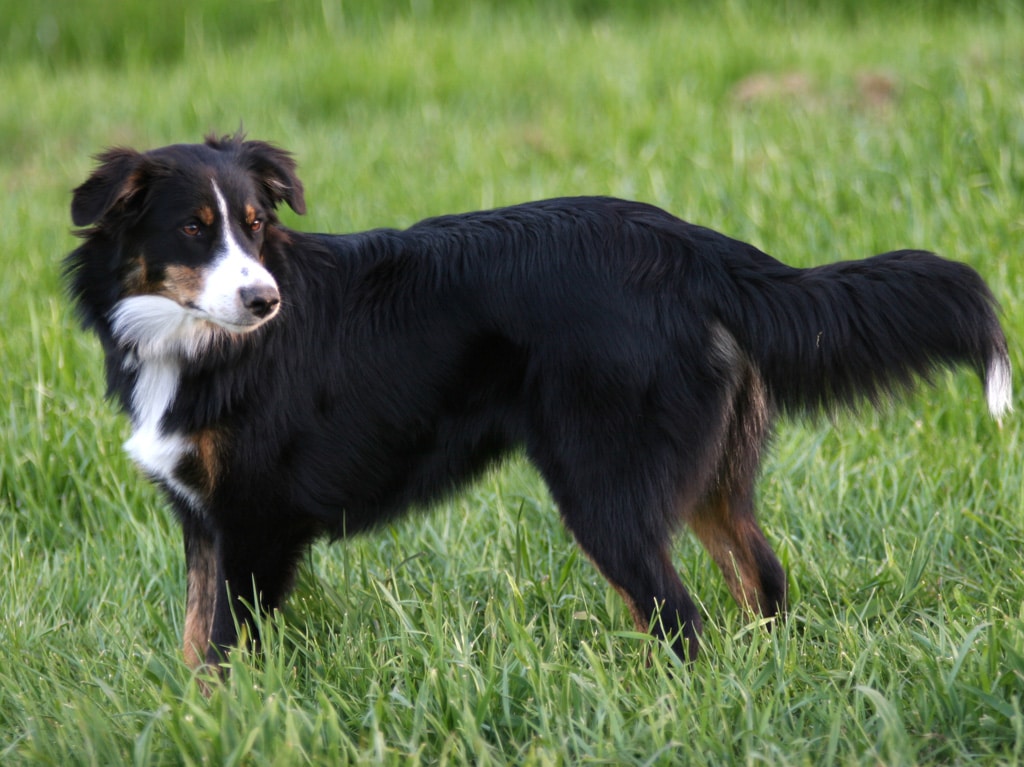
The English Shepherd is similar in appearance to Border Collie and to the Australian Shepherd. Although it has a less rounded head than the last, nor do they tend to have the mantle of merle color, something common in the Australian Shepherd, they have not so square body.

The English Shepherd is usually larger than the Border Collie, are easier to distinguish from Border Collie what of Australian Shepherd.

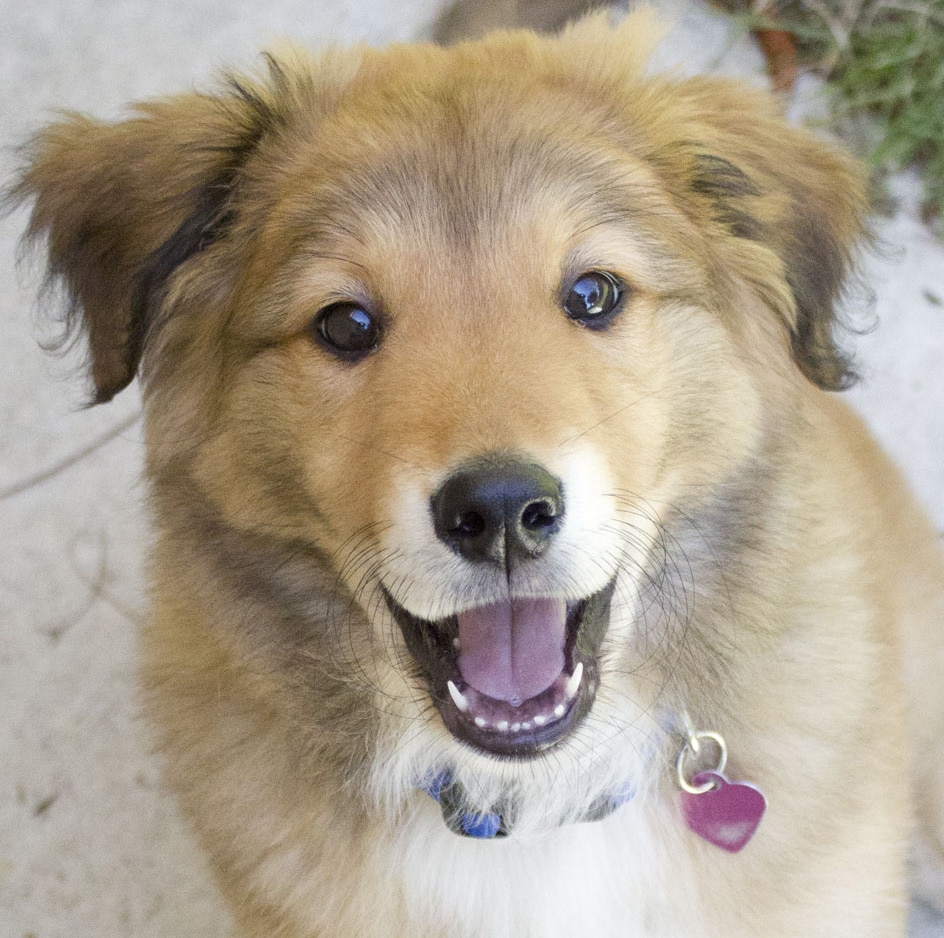
The English Shepherd is a medium-sized dog, usually a little longer than high. His weight is about 20 to 30 kg and is balanced in proportions. As a small farms working dog, has been selected to meet a variety of needs and that has resulted in a wide range of regional variations, appearance on.

The mantle is of average length and can be smooth, wavy or curly. It often has fringes on legs and the tail. As in all working dog, the hair should be easy to maintain, they require very little preparation. Dirt tends to be repulsed by the fur.

The English Shepherd It, generally, a healthy dog.

The colors of the layer can be sable & white, tricolor, black and white, or black and Tan. Other variants, such as solid colors (any), Red and atigrados also exist but are not common.

Character and skills

The temperament of English Shepherd is the defining characteristic of the breed, has one great intelligence and, often a unique kind of kindness for their own, both animals and people.

Often, is a independent worker, but always attentive to its own. They adapt easily and quickly learn routines.

Some may be distrustful with strangers and they are dogs of a single person. But, Once you agree to another adult (or other pets) or children, the converted part of his flock, and, with children especially, from that moment it will be difficult to find a better caregiver than a English Shepherd, to be aware of their children.

Images "English Shepherd"

Videos "English Shepherd"

English Shepherd Puppies of Forrest Run Farm Registered family raised April 2010
English Shepherd pups at 4 wks  old
Patient English Shepherd
Walnut Ranch English Shepherd puppies

Type and recognitions:

  • CLASSIFICATION UKC: Herding Dog Group

  • Alternative names:

    1. Farm Collie, Farm Shepherd, Old Farm Collie (English).
    2. English Shepherd (German).

โ–ท The world of Pets: Dogs, cats, birds, reptiles, amphibians

English White Terrier
Inglaterra Extinct

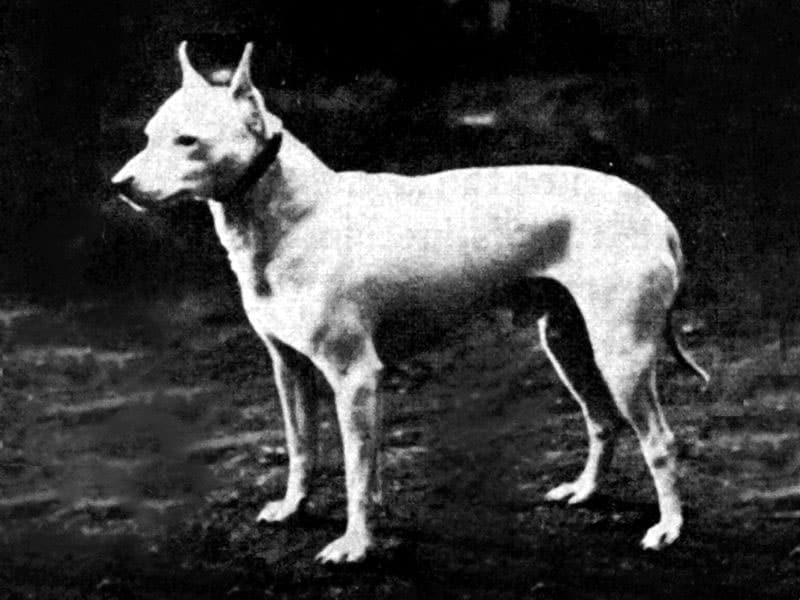
The English White Terrier (White English Terrieris a breed of dog extinct, of English origin.

Content

History

The name of "English White Terrierโ€ was invented and adopted at the beginning of 1860 by a group of breeders willing to create a new breed of dog, inspired by the typical working Terrier but with greater hearing acuity. This premature intention was born later the Fox Terrier, the Jack Russell Terrier, the Sealyham terrier and, later, in United States the Boston Terrier and the Rat Terrier.

With the passage of time (and not much) the authorities of the Kennel Club they decided that the English White Terrier, should be considered as a race and was admitted, but the dog's myriad of genetic problems led to its popularity plummeting...

All these vicissitudes led to the life and history of the English White Terrier, it will last very littleโ€ฆ at 30 years of appearing on the stage of the Kennel Club, the English White Terrier had fallen into extinction. But, before disappearing was crossed with the English Bulldog thus generating the first dawn of the races Boston Terrier and Bull Terrier.

In fact, working and small Terrier breeds have existed at least since the end of the century in United Kingdom 18. These dogs have always been very variable in size and shape, dogs could be found Terrier with a height at the withers that ranged from 25,4 and 31 cm., with floppy ears or straight ears, smooth coat or hard hairโ€ฆ

With the rise of the show ring over the years 1860, enthusiasts of the new races that were emerging, they made possible by naming them and improve them, the Terrier were the first of their lists. From there working Terrier dogs were born that we know today as Fox Terrier, Jack Russell Terrier, Parson Russell Terrier and Sealyham terrier.

In the vortex of creation and claim of new dog breeds, the different breeding groups competed ruthlessly, sometimes they put different names for the same breed, it was also common practice to make up stories about racesโ€”totally- fictitious they advertised as part of a campaign by declaring a new strain of a race, or a new race, that gave certain personal distinction and cachet to the breeder and of course... his sales went up. That was the real meaning...

Physical characteristics

In 1894, for as long as he English White Terrier finally disappeared from the scene of the canine clubs (who was always more of a companion pet and show dog, as a working dog) a scholar of the race, Rawdon Lee Briggs, noted that โ€œthe last specimens seen in London, they were of typeToyโ€, small dogs that were not above the 7 kg, with a rounded skull, or the so-called 'apple head', which would be due to an effect of inbreedingโ€. According to the official standard, the English White Terrier weighed between 6 and 9 Kg.

Lee described the English White Terrier as "the most fragile and delicate of all our Terrier. He is not the typical companion of an athlete, but it is an ideal dog to live in a nice house, in which he receives a considerable amount of pampering and careโ€.

Though 1894 the dog still existed, people linked to the canine world could see before their eyes that the possible extinction of the English White Terrier it was already a harsh reality... But lamenting the decline of the race, they consoled themselves with the thought that perhaps they should give rise to new races (assuming the inevitable)โ€ฆ, and they thought developing breeds better adapted to the needs and comforts of the historic present.

There was, a male specimen of the breed English White Terrier born in 1876, He was very famous, was owned by Alfred Benjamin, it was called 'Silvioโ€™. Today it is considered a reliable and privileged sample of the breed..

In 1877, Silvio was the champion of an event of โ€˜Conformation Showโ€™ (Demonstrations of conformation, also known as a demonstration race), is a competition, orโ€ฆ an event in which a judge familiar with a certain breed of dog, individually evaluates each specimen and determines which dogs are purebred or, which conform to the breed standard. Silvio I weighed nineteen kilos.

This exhibition was held at theRoyal Agricultural Hall" in the year 1878, in what we know today as the l "Business Design Centreโ€ which is an exhibition center located in the Islington district, in London.

Alternative names:

  • White English Terrier
  • Old English Terrier
  • British White Terrier
  • โ–ท The world of Pets: Dogs, cats, birds, reptiles, amphibians

    English Water Spaniel
    Inglaterra Extinct

    Content

    History

    English Water Spaniel (Water Dog) It is a breed of dog that has been extinct since the first part of the 20th century, was last seen in the s 1930. Is of English origin.

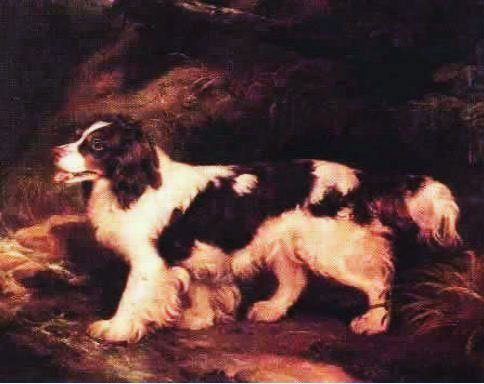
    He was very famous for his skill in hunting waterfowl and being able to dive like a duck. It was described as similar to a Collie or a cross between a Poodle and Curly-coated Springer Spaniel and was usually white with liver or brown markings.

    The English Water Spaniel is prior to Irish Water Spaniel (Whiptail). Historians of the race, They claim that they have been mentioned by Shakespeare in his work "Macbethโ€, and they believe that they have influenced genetically in several modern dog breeds, including therein to the American Water Spaniel, the Curly-coated Retriever and the Field Spaniel, Although it is unknown if the race was involved in the creation of Irish Water Spaniel.

    In 1570, the Dr. John Caius wrote a description of the English Water Spaniel. But the race is officially mentioned by name in 1802, in the "Sportsmanโ€™s Cabinetโ€ (organization that nuclear all hunting sports), where they describe the English Water Spaniel like a dog "natural hair is long and curly, and compact, not loose and messyโ€, the description was accompanied by an engraving in which a English Hair Spaniel white with liver spots. This shows that the English Water Spaniel is prior to Irish Water Spaniel, not developed as a breed recognized until the Decade of 1830.

    During the first half of the 18th century, the English Water Spaniel It was used for hunting ducks in East Anglia.

    The Kennel Club โ€“initially– had a specific classification in which all the "Non-Irish water dogsโ€. That standard was created specifically for the English Water Spaniel by Hugh Dalziel in one of his books dedicated to the races of water dogs.

    In an article of his published in the year 1897, Hugh Dalziel, ensured that, I didn't think the breed was extinct, on the other hand, He assured that there were still many specimens of the breed distributed throughout the country, and keeping alive the race passed through motivate breeders from the most important clubs and canine committees, in the perpetuation and improvement of the breed. But later, Dalziel, regretted the fact that while the Irish Water Spaniel became famous, the English Water Spaniel was absorbed by other breeds of spaniel, under the eye of the most important clubs and canine committees, until you reach the extinction…

    In 1967, the author John Fawcett Gordon (and politician from Northern Ireland) He said: โ€œAfter two centuries of breeding the English Water Spaniel has become extinct. No specimen has been seen again in the last thirty yearsโ€.

    At least, It is believed that the English Water Spaniel has left its legacy in descendant races...

    Some authors include within these races the American Water Spaniel which was also developed using additional genetic material from the Irish Water Spaniel and of the Flat-coated Retriever. The Curly-coated Retriever is considered to have descended from Poodle, of the Setter, of the extinct St. John’s Water Dog and of the English Water Spaniel.

    The records for the origin of the modern breed Field Spaniel are more precise and show that one of the four parent dogs used in the creation of the breed was a English Water Spaniel crossed with a Cocker Spaniel officially registered as a Sussex Spaniel, due to its liver-colored spots. ยฟEs lioso?, truth?

    Physical characteristics

    The English Water Spaniel looked more like a curly-haired version of the Springer Spaniel, with some features of the Collie, Pudelhund, and Setter.

    With white hair and liver-colored spots (brown), they measured about 51 cm in height to the cross. They were thin, long-legged characteristic of some Spaniel, with the tail and long ears, White under belly and Brown dorsum. With a head long and narrow small and those long ears covered with thick and very defined curls. The body was moderately thick, barrel-shaped, but not as much as the Field Spaniel.

    Due to the colors of the English Water Spaniel (liver or brown and white), it has been suggested that breed may have been the source of the colors that modern breeds have English Springer Spaniel and Welsh Springer Spaniel.

    Alternative names:

  • Water Dog, Water Rug