โ–ท The world of Pets: Dogs, cats, birds, reptiles, amphibians

Welsh Terrier
Gran Bretaรฑaa FCI 78 - Large and medium sized Terriers
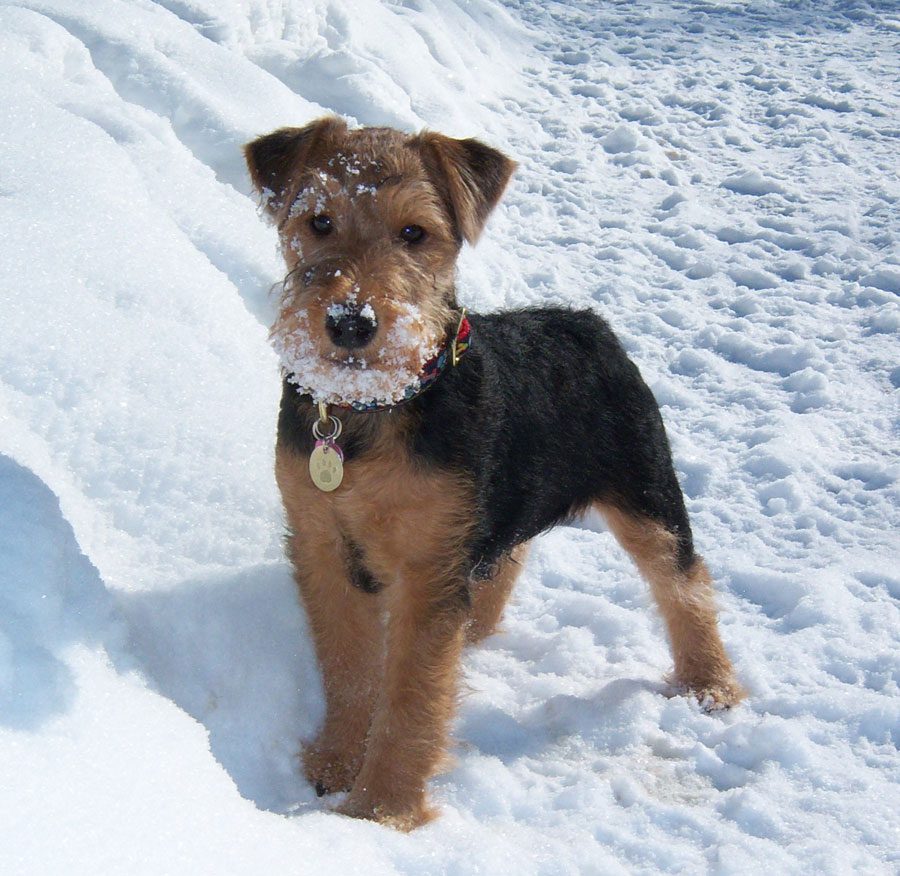
Welsh Terrier

The official standard describes the nature of the Welsh Terrier as: "Affectionate, obedient and easy to handle; happy and grumpy, rarely timid in nature"

Content

History

The Welsh Terrier it is a medium-sized and high-performance terrier. It is also often called the "little Airedale Terrierยซ, because it is very similar to it. But it is an independent terrier and not a miniature version of the Airedale Terrier. But, both are not only externally, but also in their nature quite similar. The name Terrier is derived from the Latin "Terra" for earth. So originally they were dogs for work on the land. The first evidence is given by the ancient Romans, in the Middle Ages terriers were already described in detail. Their home is in the British Isles, where you can find them all over the country. In the stables they kept the little vermin. Even the big rats were not a problem for them. The hens, pigeons and rabbits protected them from martens and foxes.

It is said that the Welsh Terrier has evolved from Black y Tan Terrier, that were widespread for centuries but are now extinct. Despite this ancient history, entered the stage of modern pedigree dog breeding relatively late. The ancestors of the Welsh Terrier spread throughout the British Isles. But, It was in Wales that the first breeders began to establish this original type of terrier as an independent breed in modern times.. In 1886 the first Club de Welsh Terrier. Since then the breed has been bred according to essentially the same criteria that continue to be given in the current standard.. In 1954 the breed was officially recognized by the FCI (International Cynological Federation).

Physical characteristics

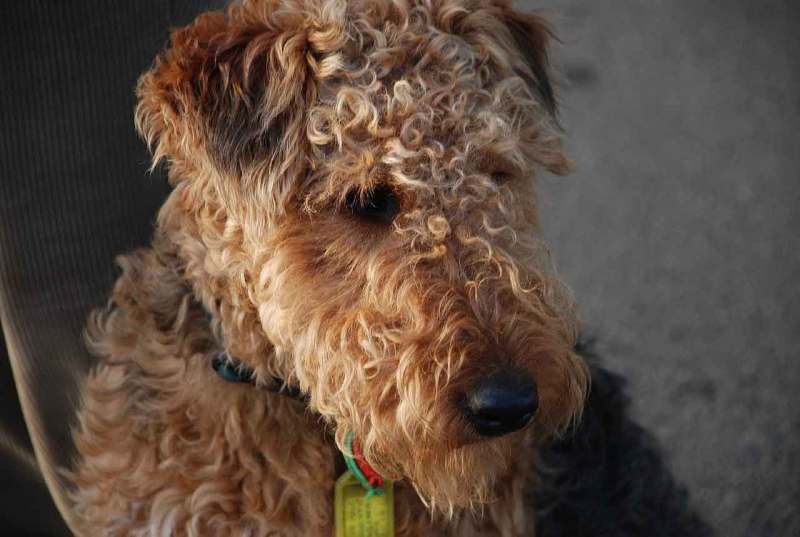
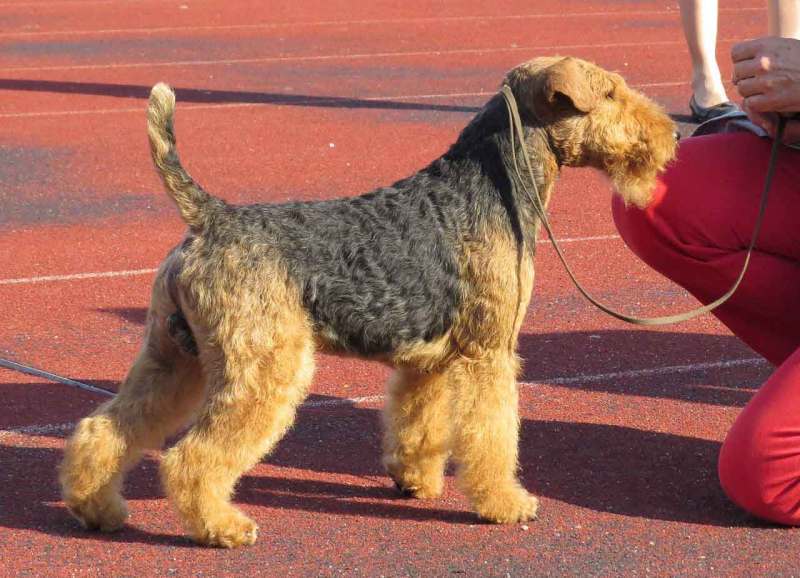
The Welsh Terrier is one of the highest performing terriers. His appearance is fast, Intelligent, balanced and compact. It is its external appearance that makes it unmistakable. His height exactly conveys his character: He is very attentive, ready for all actions like a charged power pack, but at the same time calm and without any aggression. This is underlined by the expression in his eyes, by the way he wears his ears and last but not least, for self-confidence, the tail that stands erect. The head of the Welsh Terrier is elongated and ends in a lush beard at the front. Ears are bent forward. The coat is also of a special kind. It's hard, very dense and abundant. Colors are preferred black and tan, or dark gray black with fiery reflections, no brush strokes of ortho color on the fingers. Males have a height at the withers of about 40 centimeters, the weight is about 9 to 10 kg.

Character and skills

The Welsh Terrier has first of all a character that distinguishes practically all terriers. The Welsh Terriers they are temperamental dogs that never say no to any adventure. They are lively, bright, concise, rapid. They are always alert, they are not aggressive, but they are not afraid and in an emergency they are ready to fight. They are also extremely cooperative and docile.. The official standard describes the nature of the Welsh Terrier as: "Affectionate, obedient and easy to handle; happy and grumpy, rarely timid in nature". bold and fearless, but in no way aggressive; although it can be sustained at any time, if required".

It is a great pleasure to work with these dogs. The Terriers galeses they are open and trusting, friendly, brave and intelligent. They are faithful to their humans and adapt well as family dogs if their strong personality is not only respected., but also appreciated and managed. Its suitability as a family dog รขโ‚ฌโ€นรขโ‚ฌโ€นalso requires that when Welsh Terrier given the proper occupation, or better yet, the challenges. Just going for a walk is not enough for a Welsh Terrier, especially as a young dog.

Fitness

Maintaining a Welsh Terrier no problems. They have no demands regarding the size of the floor. If anything, the biggest challenge is in his temperament. for a Welsh Terrier there is nothing worse than boredom. That is why you need challenges of a physical and mental nature.. Hunting work or sports and games should be on the agenda every day. The Welsh Terriers they are good companions for active and sporty people. But, when moving in nature, keep in mind that the hunting dog still sleeps in the terrier.

The Welsh Terrier they are very suitable for various sports with dogs. They are well positioned as companions to a runner, but also from a runner or cyclist, as long as these sporting challenges are kept in moderation. The Welsh must be used to other pets from puppyhood. Welsh Terriers are very suitable as playmates for children, they are always in a good mood for fun and robust enough to play with children. But, the house rules must be correct and the terrier must know his role in the family. You can do anything with a Welsh Terrier; he will know how to behave even in the best restaurant. Due to its manageable dimensions it is also very practical. It is always robust.

Education ยซWelsh Terriersยป

The breed can be trained very well and, if you want, even educated. The clear announcement and the consequence are the miracle words here based on a respectful and loving relationship with the master or caretaker.. The Welsh Terriers they need a consistent education from the puppy's age. On this basis they can be trained for a wide variety of tasks. Due to its high willingness to learn and its body measurements it is also suitable for a committed beginner.

Care and health ยซWelsh Terriersยป

The Welsh Terrier has a robust nature. The Terrier Club recommends that your hard, lean coat, which together with the dense and soft undercoat forms the so-called "English jacket", be professionally trimmed three or four times a year. It also, brushing and combing regularly is enough care.

The Welsh Terriers they are a very healthy breed, but they may have some genetic health problems. These may include, the breed may have glaucoma, cataract, dry eye and lens dislocation. Hypothyroidism has also been reported..

The breed also has problems with allergies and dislocation of the patella. (a condition in which the knees come out of their normal position). Although there are no screening tests for those and other conditions that can affect the Welsh Terrier, your puppy's breeder must be willing – in fact, anxious – to review the health records of your parents and close relatives, and discuss the incidence of those particular health concerns on their lines.

Remember that after you have welcomed a new puppy into your home, has the power to protect you from one of the most common health problems: the obesity. Keep a Welsh Terrier with a proper weight is one of the easiest ways to prolong your life. Make the most of your preventive skills to help ensure a healthier dog for life.

Nutrition / Food

The power of the Welsh Terrier has no problems.

Life expectancy ยซWelsh Terriersยป

The Welsh Terrier it has an average life expectancy of good 12 years.

Comprar ยซWelsh Terrierยป

The best thing to do is buy your puppy from Welsh Terrier locally to a breeder member of the Terrier Club, or you can search the shelter for a Welsh or similar terrier. A puppy of this breed of dog costs 1200 euros and more.

Characteristics "Welsh Terrier"

Coexistence is important that you have with your new friend. Before considering the acquisition of a dog of the breed "Welsh Terrier" you know certain factors. Not all breeds of dogs are apt to live in an apartment, you must take into account his character, their need for exercise, their interaction with other pets, their care and if you have small children, their level of tolerance towards them.

Adaptation โ“˜

5,0 of 5 stars (based on 1 review)

friendly dog โ€‹โ€‹โ“˜

2,0 of 5 stars (based on 1 review)

hair loss โ“˜

1,0 of 5 stars (based on 1 review)

Affection level โ“˜

4,0 of 5 stars (based on 1 review)

Need for exercise โ“˜

4,0 of 5 stars (based on 1 review)

Social need โ“˜

3,0 of 5 stars (based on 1 review)

Home โ“˜

4,0 of 5 stars (based on 1 review)

Toilet โ“˜

4,0 of 5 stars (based on 1 review)

Friendly with strangers โ“˜

3,0 of 5 stars (based on 1 review)

barking โ“˜

4,0 of 5 stars (based on 1 review)

Health โ“˜

2,0 of 5 stars (based on 1 review)

Territorial โ“˜

5,0 of 5 stars (based on 1 review)

Cat friendly โ“˜

1,0 of 5 stars (based on 1 review)

Intelligence โ“˜

4,0 of 5 stars (based on 1 review)

Versatility โ“˜

3,0 of 5 stars (based on 1 review)

Child friendly โ“˜

4,0 of 5 stars (based on 1 review)

Surveillance โ“˜

4,0 of 5 stars (based on 1 review)

joy โ“˜

5,0 of 5 stars (based on 1 review)

Images "Welsh Terrier"

Photos:

1 – Welsh Terrier by publicdomainpictures.net
2 – Welsh Terrier during the international dogs show in Katowice, Poland by https://es.m.wikipedia.org/wiki/Archivo:Terier_walijski_suka_2009_pl.jpg
3 – Welsh Terrier by Shleiderbmx / CC BY
4 – Tallinn, Estonia, CACIB duo 2013, August 17-18 by Thomas / CC BY-SA
5 – A Welsh Terrier by Brian chee / CC BY
6 – Welsh Terrier by https://pxhere.com/es/photo/847899

Videos "Welsh Terrier"p

Type and recognitions:

  • FCI CLASSIFICATION:
  • Group :
  • Section : . .

Federations:

  • – FCI – Terriers 1 Large and medium-sized terriers. โ“˜
  • – AKC – Terriers โ“˜
  • – ANKC – Terriers โ“˜
  • – CKC – Terriers โ“˜
  • – โ€‹KC – Terriers โ“˜
  • – NZKC – Terriers โ“˜
  • – UKC – Terriers โ“˜

FCI breed standard "Welsh Terrier"

Origin:
Wales, United Kingdom

Date of publication of the valid original standard:
13.10.2010

Use:

Terrier


General appearance:

Faithful, obedient, easy to educate. Cheerful and fickle, rarely shy. Intrepid, but definitely without aggressiveness, even if he is always able to put himself before any situation.


Behavior / temperament:

Lively, passionate about work, well balanced and compact.

Head:

---

Cranial region:
  • Craging: Plano, of moderate width between the ears.
  • Depression links (Stop) : Not very defined.

facial region:

  • Trufa: black.
  • Horcico: Median length of stop to tip of nose.
  • Jaws / Teeth: Powerful Jaws, clean cut, rather deep and tremendous. Strong JAWS, with a perfect and uniform scissor bite, so that the upper incisors fall exactly in front of the lower ones, teeth being placed perpendicularly in the jaws.
  • Ojors: relativelysmall, well implanted, dark, with expression indicative of his temperament. Round and full eyes are not desirable.
  • Obars: Triangular shape, small, with not very thin pavilions. Relatively high implantation, positioned forward and close to the cheeks.

Neck:

Of moderate length and width, slightly arched, falling gracefully on your shoulders.

Body:

  • Espalda: Short.
  • Itmor: Strong.
  • Pecho: Good depth and moderate width. Well developed ribs back.

Tail:

Previously the custom was to amputate the tail.
  • amputee: Properly inserted. With erect bearing.
  • Sinn amputation: Properly inserted. With erect bearing. Being in good balance with the rest of the dog.


Tips

PREVIOUS MEMBERS:

  • Hormbros: Long, inclined and well positioned backwards.Elbows: Perpendicular to the body.
  • Antarm: Straight and muscular limbs, with strong bones.Metacarpus: Perpendicular and powerful.
  • Pinis previous: Small, round, ยซ cat's foot ยป.

LATER MEMBERS:

  • ApGeneral arience: Strong.
  • Thighs: Muscular, good length.
  • Metatarsals: Corrin theejoneswell angled, low-lying and broad-boned.
  • Pinis later: Small, round, ยซ cat's foot ยป.

Movement:

Anterior and posterior extremities are carried straight and parallel. The elbows move perpendicular to the body, with a free movement to the sides. Knees do not twist inward or outward.

Mantle

  • Plink: Wire hair, hard, very dense and abundant. It is undesirable that you only have one coat of hair (no inner layer).
  • Colorr: Preferably black and tan or black-gray and tan. No black brush strokes on fingers. It is undesirable that they have black color under the hocks.


Size and weight:

Alturto the cross: Without exceeding 39 cm..

Weight: Of 9 to 9,5 kg.


Fouls:

Any deviation from the aforementioned criteria is considered a fault and its severity is considered to the degree of deviation from the standard and its consequences on the health and well-being of the dog and the dog's ability to perform its traditional task..

FALTAS DISQUALIFYING:

  • Aggressiveness or extreme shyness.
  • Any dog โ€‹โ€‹showing clear signs of physical or behavioral abnormalities must be disqualified..


N.B.:
  • Males should have two normal-appearing testicles fully descended into the scrotum..
  • Only functionally and clinically healthy dogs, with the typical conformation of the breed, should be used for parenting.

Itlatest changes are in bold.

TRADUCCION: Brรญgida Nestler / Original version: (IN)

SupTechnical ervision: Miguel Angel Martinez

Source: F.C.I - International Cynological Federation

Alternative names:

1. Welshie, WT (English).
2. Terrier gallois (French).
3. Welsh (German).
4. Welsh (Portuguese).
5. Terrier galรฉs (espaรฑol).

โ–ท The world of Pets: Dogs, cats, birds, reptiles, amphibians

Cardigan Welsh Corgi
Gales FCI 38 - Sheepdogs

Corgi-Cardigan Welsh-de-

Affectionately called the "garden dog" in his native Wales, the Cardigan Welsh Corgi is active, fun and very affectionate.

Content

History

It is believed that the Cardigan Welsh Corgi It is the oldest of the two races Corgi. Although nobody knows for sure, their ancestors may have come to Wales with the ancient Celts who migrated from Central Europe. The dog we know today comes from the hills of Cardiganshire, that were once full of farms and valleys that were perfect for raising cattle. His predecessors had cattle to market, their heels for cattle moved, and they deviated from the path if cattle drew back.

Industrialization ended the usefulness of the Corgi on the farm, and people began to cross with other dogs herding breeds, including Collies and the first Pomeranian, which they were much larger than the current standard of Pomeranian. The crossing with Collie You may have thrown the blue merle color to the genetic background of the Cardigan.

For a while, it seemed that the Cardigan he would go the way of the dinosaurs because he was less popular than his cousin, the Pembroke Welsh Corgi. At any given time, both they were considered the same race, but the Kennel Club separated in 1934, giving the cardigans better chance of surviving on their own.

Physical characteristics

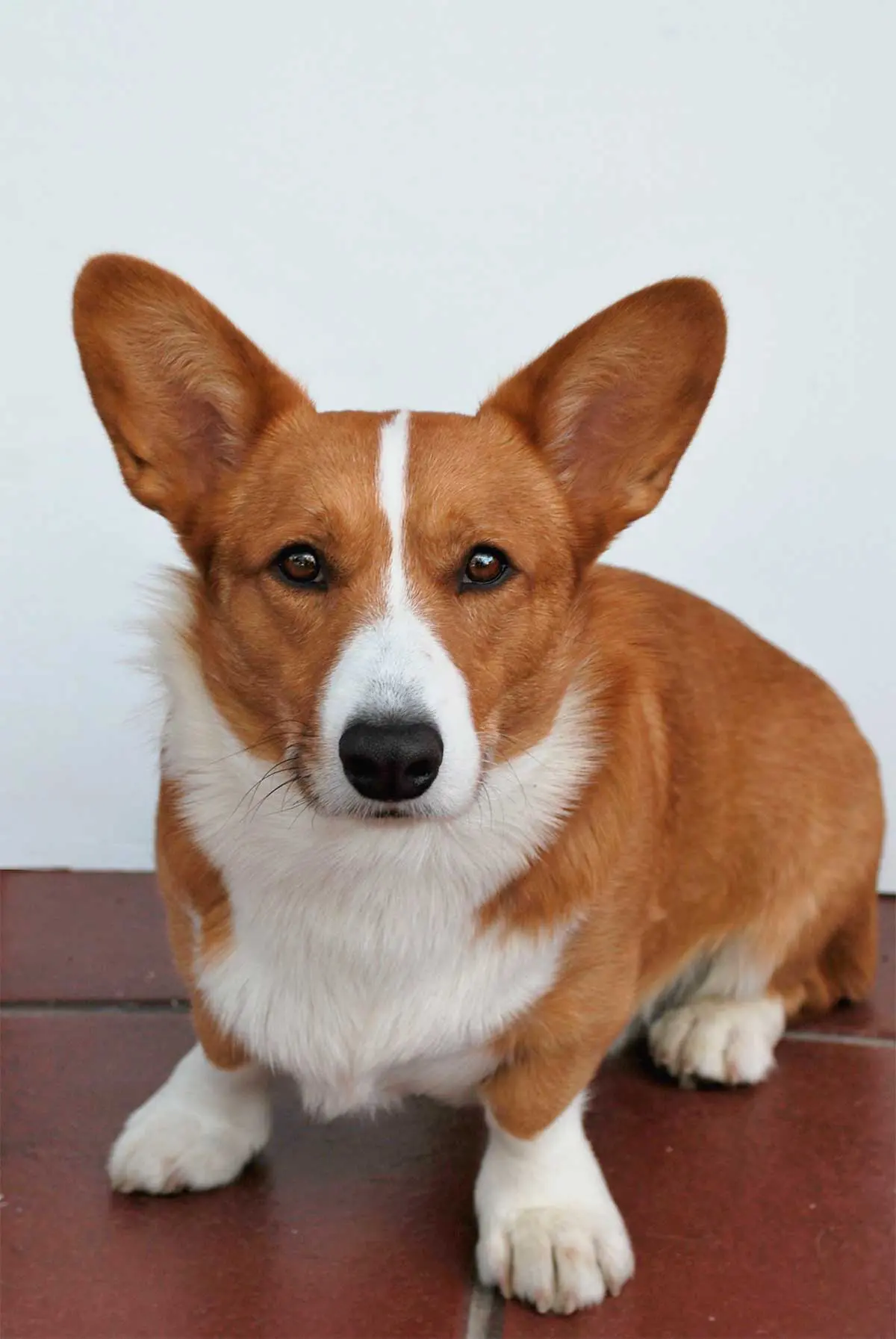
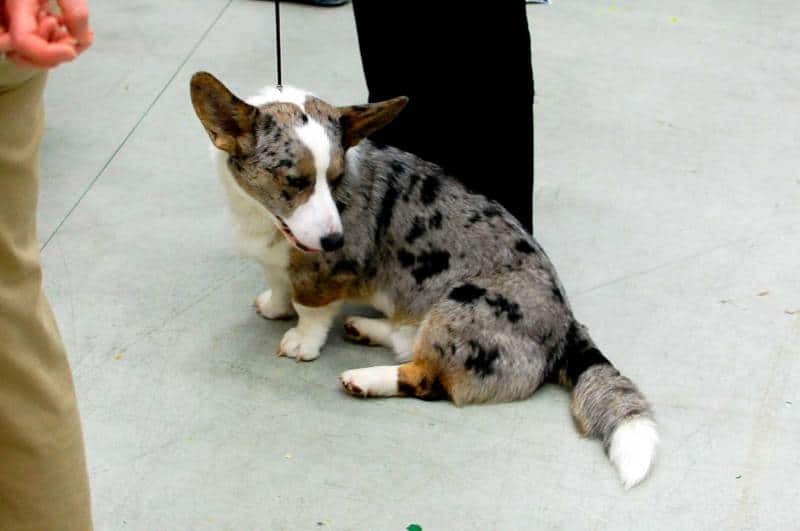
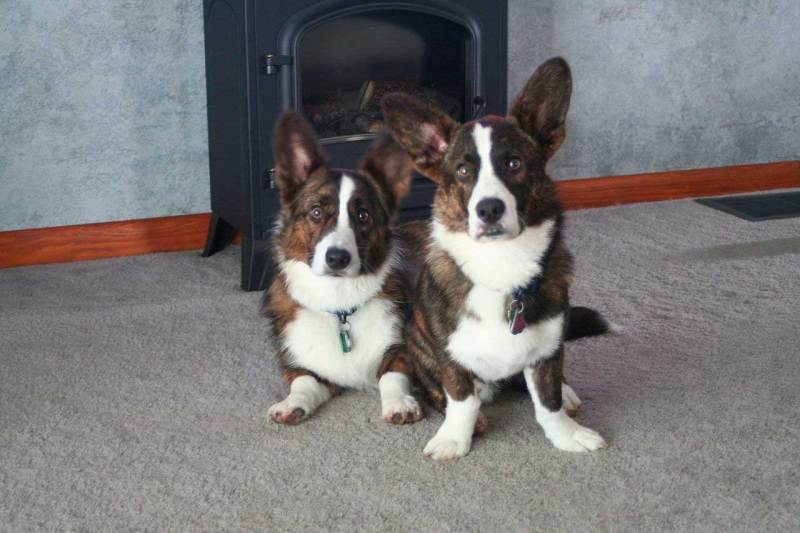
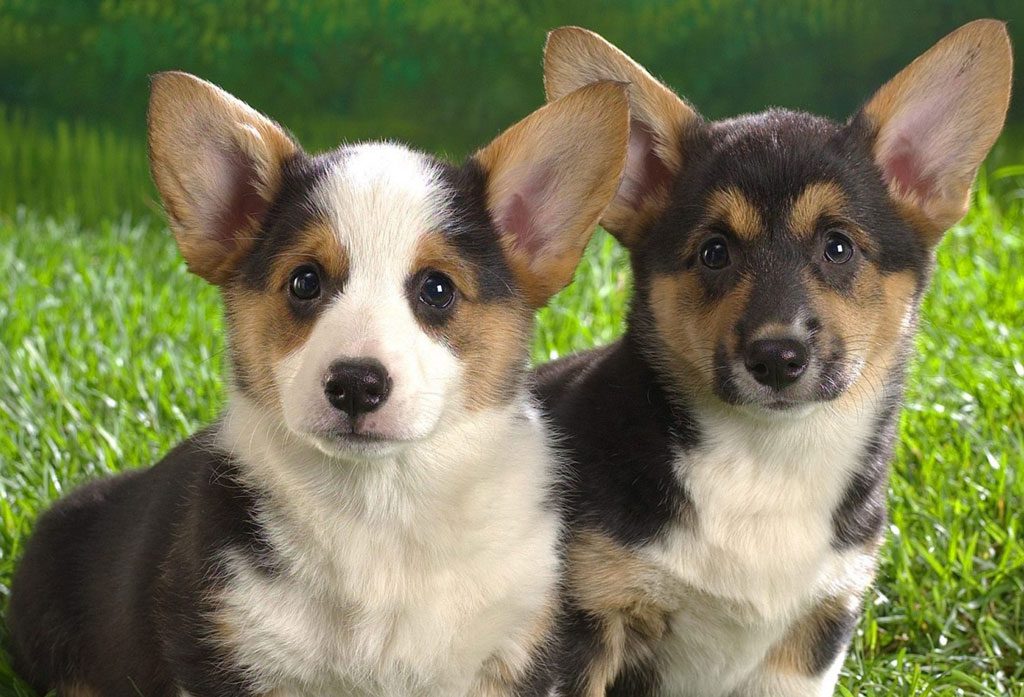
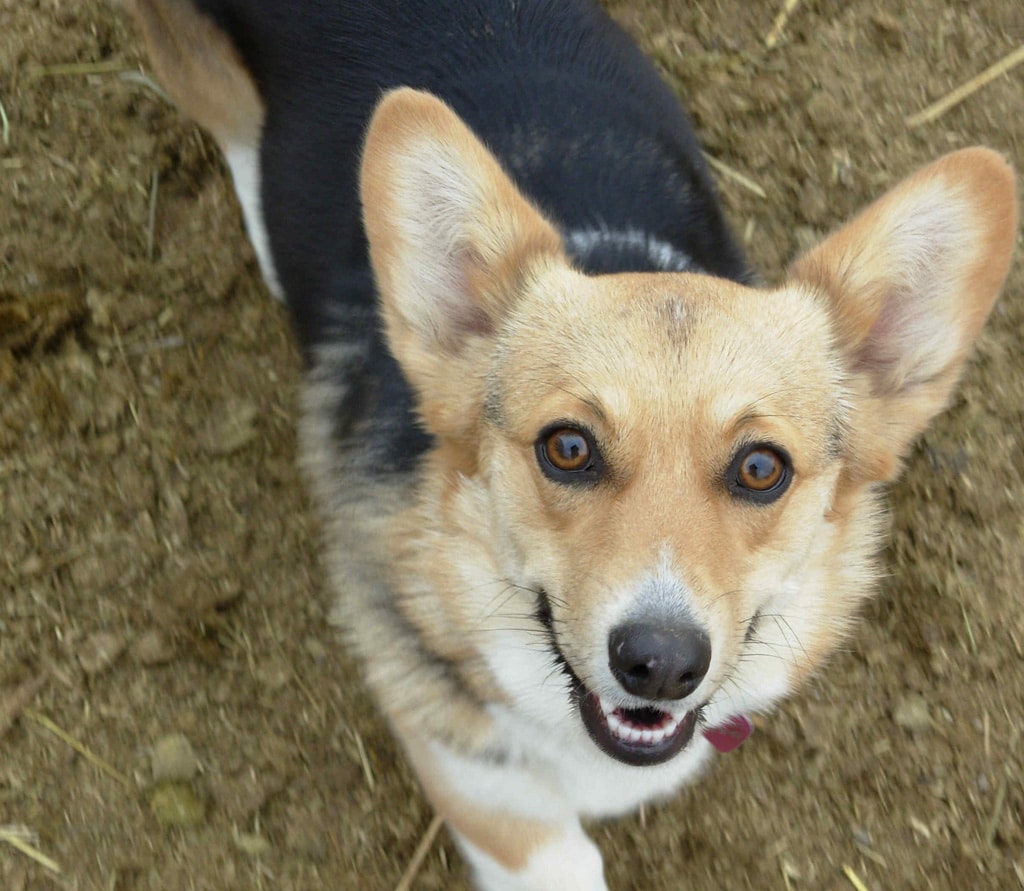
The Cardigan Welsh Corgi It is best described as a Pembroke tailed, but it stands out from his cousin, the Pembroke Welsh Corgi, in other respects. The Cardigan has larger, rounder ears and comes in a variety of colors, including tricolor (black and white, with tans or brindle points), blue merle, striped, marten and red. Most Cardis also have white markings on their necks., the chest, paws and tail tip. They weigh between 11 and 17 Kg, which makes them a little larger than Pembroke.

Although Cardigan and Pembroke Welsh Corgi were developed in Wales, They have different ancestors: twin sons of different mothers, it could be said. The Cardigan, nicknamed the garden dog in his home county of Cardigan, shares ancestors with another long race, the Sausage dog.

Character and skills

The fun Cardigan Welsh Corgi it's a classic herding dog: even, loyal and loving. His real goal in life is to spend time and please his people. Its moderate size and activity level make it adaptable to any type of home or family, and it is robust and tolerant of children and other pets. In fact, the company of another dog or cat is a great benefit to him.

Cardigans may not seem athletes, but they are agile. You will be surprised how fast you can run a Corgi when chasing a ball or compete in agility trials. If you can deviate from the path of mad cow, certainly you can browse frames, tunnels, jumps and other obstacles. Cardi has a lot of resistance, You can even walk the trails, but also it conforms with a short walk or play on the playground.

Start training your puppy the day you bring him home. Even at eight weeks old, He is able to absorb everything you can teach you. Don't wait until you have 6 months to start train or have to deal with more stubborn dog. If possible, take him to puppy kindergarten class when he's between 10 and 12 weeks, and socializes, socialice, socialice. But, Note that many kinds of training puppies require certain vaccinations (such as kennel cough) stay up to date, and many veterinarians recommend limited exposure to other dogs and public places until puppy vaccinations (including rabies, distemper and parvovirus) They are completed. Instead of formal training, You can start training your puppy to socialize at home and among family and friends until immunizations are completed in the puppy.

Of course, the Cardigan Welsh Corgi be wary of strangers, thanks to its heritage grazing, so early socialization is important. To counter this trend, invite people to your house, to be used to receive regular visits.

Health of the "Cardigan Welsh Corgi"

The Cardigan Welsh Corgi they are a generally healthy breed, but they are susceptible to some health conditions, including intervertebral disc disease and eye problems such as progressive retinal atrophy (PRA) and cataracts.

Veterinarians can not predict whether an animal will be free from these diseases, so it is important to find a reputable breeder and insist on seeing an independent certification that the parents of the dog have been examined for defects and considered healthy.

Careful breeders their dogs examined for genetic diseases, and they only breed the best looking specimens, but sometimes Mother Nature has other ideas and a puppy can develop one of these diseases. In most cases, can still live a good life, thanks to advances in veterinary medicine. And remember that you have the power to protect his Cardigan one of the most common health problems: the obesity. It keep a proper weight is a simple way to extend the life of its Cardi.

Characteristics "Cardigan Welsh Corgi"

Coexistence is important that you have with your new friend. Before considering the acquisition of a dog of the breed "Cardigan Welsh Corgi" you know certain factors. Not all breeds of dogs are apt to live in an apartment, you must take into account his character, their need for exercise, their interaction with other pets, their care and if you have small children, their level of tolerance towards them.

Adaptation โ“˜

5,0 of 5 stars (based on 1 review)

friendly dog โ€‹โ€‹โ“˜

3,0 of 5 stars (based on 1 review)

hair loss โ“˜

5,0 of 5 stars (based on 1 review)

Affection level โ“˜

5,0 of 5 stars (based on 1 review)

Need for exercise โ“˜

4,0 of 5 stars (based on 1 review)

Social need โ“˜

3,0 of 5 stars (based on 1 review)

Home โ“˜

5,0 of 5 stars (based on 1 review)

Toilet โ“˜

3,0 of 5 stars (based on 1 review)

Friendly with strangers โ“˜

3,0 of 5 stars (based on 1 review)

barking โ“˜

3,0 of 5 stars (based on 1 review)

Health โ“˜

2,0 of 5 stars (based on 1 review)

Territorial โ“˜

3,0 of 5 stars (based on 1 review)

Cat friendly โ“˜

5,0 of 5 stars (based on 1 review)

Intelligence โ“˜

5,0 of 5 stars (based on 1 review)

Versatility โ“˜

5,0 of 5 stars (based on 1 review)

Child friendly โ“˜

5,0 of 5 stars (based on 1 review)

Surveillance โ“˜

4,0 of 5 stars (based on 1 review)

joy โ“˜

5,0 of 5 stars (based on 1 review)

Images "Cardigan Welsh Corgi"

credits:

1 – FatFairfax / CC BY-SA
2 – Wikimaster97commons / CC BY-SA
3 – RdRnnr / CC BY-SA
4 – Blue Merle Cardigan Welsh Corgi by WJ van den Eijkhof

Videos "Cardigan Welsh Corgi"

Type and recognitions:

  • FCI CLASSIFICATION:Group 1 –> Pastor and Boyeros dogs (except Swiss Cattle Dogs ) / Section 1 –> Pastor dogs. With working trial.
  • FCI 38
  • Federations: FCI โ“˜, AKC โ“˜, ANKC โ“˜, CKC โ“˜, โ€‹KC โ“˜, NZKC โ“˜, UKC โ“˜

  • FCI breed standard "Cardigan Welsh Corgi"

    Origin:
    Wales

    Date of publication of the valid original standard:
    24.06.1987

    Use:

    Shepherd and companion dog.


    General appearance:

    Robust, rustic, restless, able to resist. Length in proportion to height, ending in a fox tail in appearance, inserted in the body line.

    important proportions:

    The length of the muzzle in proportion to the head 3 to 5.


    Behavior / temperament:

    Alert, active and intelligent. Stable neither shy nor aggressive.

    Head:

    With the appearance and shape of a fox head

    Cranial region:
    • Skull: Wide and flat between the ears; thinning towards the eyes above which is slightly domed.
    • Stop: Moderate.

    facial region:

    • Truffle: black, projects slightly, in no way sharp.
    • Snout: Moderately thinning towards the nose.
    • Jaws/teeth: Strong teeth with scissor bite, that is, the upper incisors closely overlap the lower incisors and are positioned vertically in the maxillae.
      The lower jaw has a clean cut. Strong but without prominence.
    • Eyes: Medium-sized, clean, giving a gentle expression, alert but vigilant. Rather separate set with clearly defined angles. Preferably dark, or according to the color of the coat, dark eyelid edge. One or both pale blue eyes, blue or speckled blue are allowed only on blue merles.
    • Ears: erected, in proportion rather large for the size of the dog. The tips slightly rounded, moderately wide at the base and inserted approximately at 8 cm. (3,5 inches) One of another.
      Carried in such a way that the tips are slightly outside in a straight line drawn from the tip of the nose, through the center of the eyes, and inserted well back so that they can rest flat along the neck.

    Neck:

    Muscular, well developed in proportion to the build of the dog, inserting into well-sloped scapulae.

    Body:

    Quite long and strong.

    • top line: To level.
    • Pork loin: Clearly defined waist.
    • Breast : Moderately wide with prominent sternum. deep chest. Well arched ribs.

    Tail:

    Like a fox tail, inserted in line with the body and moderately long (to touch the ground or close to the ground). Carried low at rest but can be raised slightly over the body in motion, not curved over the back.

    Tips

    Of strong bones. Short limbs but the body must be clearly off the ground.

    Former members
    • Blades: Leaning well back, angled approximately in 90 ยฐ With the humerus, muscular.
    • Elbows: Glued to the sides.
    • Forearm: Slightly arched molding to rounded chest.
    • Front feet: Round, tight, rather large and with good foot pads. Slightly turned out.
    Former members

    Strong, well angulated and aligned with muscular thigh and tibia; strong bones to the ground. Short members.

    • Metatarsals: Vertical when the dog is at rest, viewed from the side and from behind.
    • Hind feet: Round, tight, rather large and with good foot pads.

    Movement:

    Free and active, elbows fit close to the sides of the body, neither loose nor tight. Forelimbs reaching well forward without lifting too much, In unison with the thrust action of the posterior train.

    Mantle

    • Fur: Short or medium, hard textured. Weather resistant, with good under-hair. Preferably straight.
    • Color: Any color, With or without white marks but white
      It should not predominate.


    Size and weight:

    Ideal height at the withers: 30 cm.
    The weight is in size proportion, taking into account primarily the balance sheet.


    Fouls:

    Any deviation from the aforementioned criteria is considered a fault and its severity is considered to the degree of deviation from the standard and its consequences on the health and well-being of the dog and the dog's ability to perform its traditional task..

    disqualifying fouls:

    • Aggressiveness or extreme shyness
    • Any dog โ€‹โ€‹showing clear physical or behavioral abnormalities must be disqualified..


    N.B.:

    Males should have two normal-appearing testicles fully descended into the scrotum..

    Source: F.C.I - International Cynological Federation

    Alternative names:

    1. Cardigan, CWC, Cardi (English).
    2. Cardigan (French).
    3. Cardigan (German).
    4. Cardigan Welsh Corgi (Portuguese).
    5. Cardigan Welsh corgi, Cardi, Corgi (espaรฑol).

โ–ท The world of Pets: Dogs, cats, birds, reptiles, amphibians

White Swiss Shepherd Dog
Suiza FCI 347 - Sheepdogs.

Pastor Blanco Suizo

The White Swiss Shepherd Dog is a dog of great temperament, attentive and guardian and never nervous.

Content

History

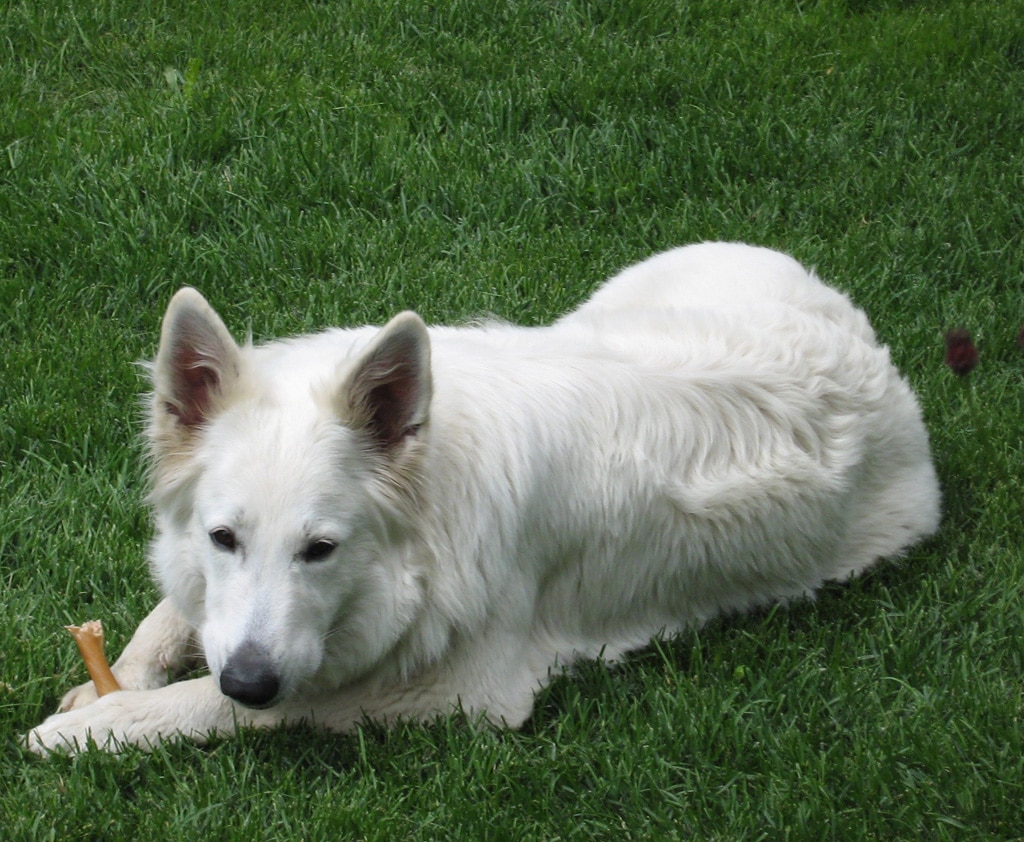
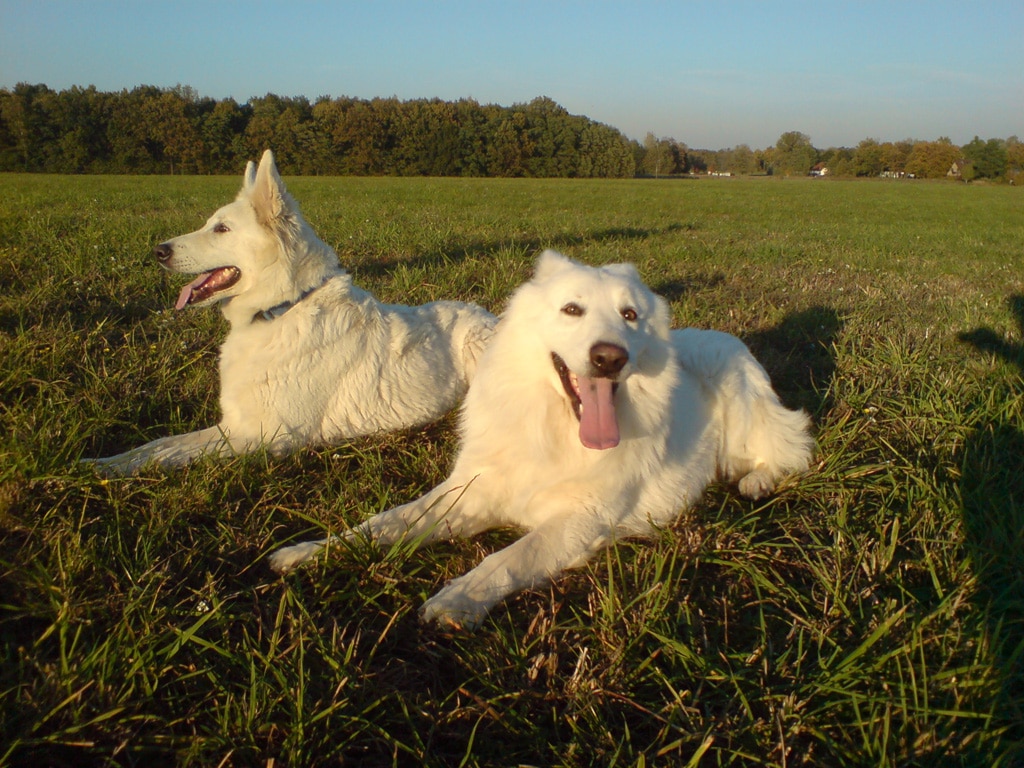
The White Swiss Shepherd Dog a breed of dog is pastor of Swiss origin. Share origins with the German Shepherd, but has been recognized provisionally as a breed apart by the FCI.

The 3 in April of 1899, the first dog German Shepherd, as we know it today, It was officially registered. This dog was a completely white male which was used by ranchers and sheepherders for grazing because it was very easy to distinguish it from the wolves.

The first news about a hatchery White Swiss Shepherd Dog are earlier than the year 1900 and its origin is found in Alsace-Lorraine, to be more exact in the Royal Court of the Habsburgs. In their enclosure they had a kennel of purebred white shepherds.

After the creation of the race German Shepherd, all colors were accepted. It was in the first decades of the 20th century, When were the white copies excluded, Therefore, persecuted and almost wiped out in Europe.

Back in the years 70, Switzerland had imported the first specimens of white shepherds, while in Germany - as we said above- as these dogs did not meet the standard of the German Shepherd as we know it today, White shepherds were almost wiped out.

The first Club of White Swiss Shepherd Dog was founded in the decade of 1970 in United States. For which reason, the race returned to appear in Europe. At first in Switzerland and Denmark, and later in Germany. Little by little, European Cynological societies began to open their stud books for the White Swiss Shepherd Dog.

A dog born in 1966, it was the first White Swiss Shepherd Dog which was registered in Europe, in Switzerland.

The breed was recognized in Switzerland of 1991, followed by the Netherlands in 1992. Czech Republic, Austria and Denmark, They also recognized the breed.

Switzerland, Despite the low popularity of this breed, He recovered the race and also assumed the same motherhood, so in the 26 in November of the year 2002 the Federation Cynologique Internationale acknowledged - on a provisional basis- to the White Swiss Shepherd Dog, as a separate breed.

Physical characteristics

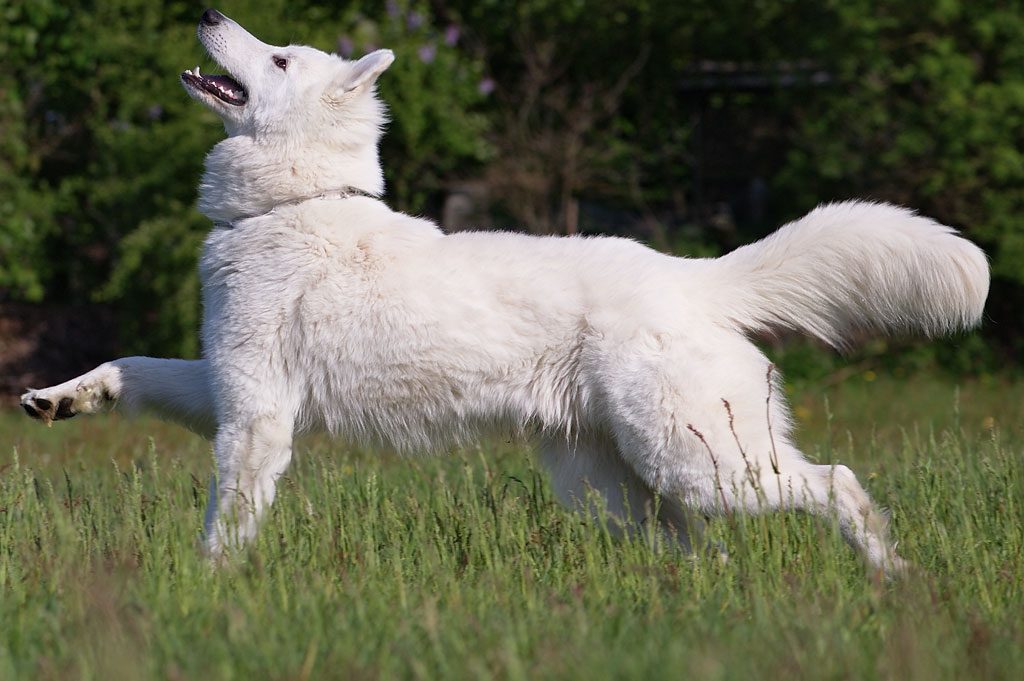
The White Swiss Shepherd Dog, to the naked eye and as far as the physical, He is a German Shepherd in all rule, It is only slightly more elongated and less angular.

According to him standard, the White Swiss Shepherd Dog, is a dog from size medium, powerful, muscular and robust. According to the standard, males must have a tall cross ranging from 60 to 66 cm., females are slightly smaller their stature is about 55 to 61 cm..

It has the ears large, straight and triangular. The tail scimitar-shaped, is low and at rest reaches the Hock.

It is the eyes they are fed and slightly oblique tend to be of color dark brown or purplish-brown fire.

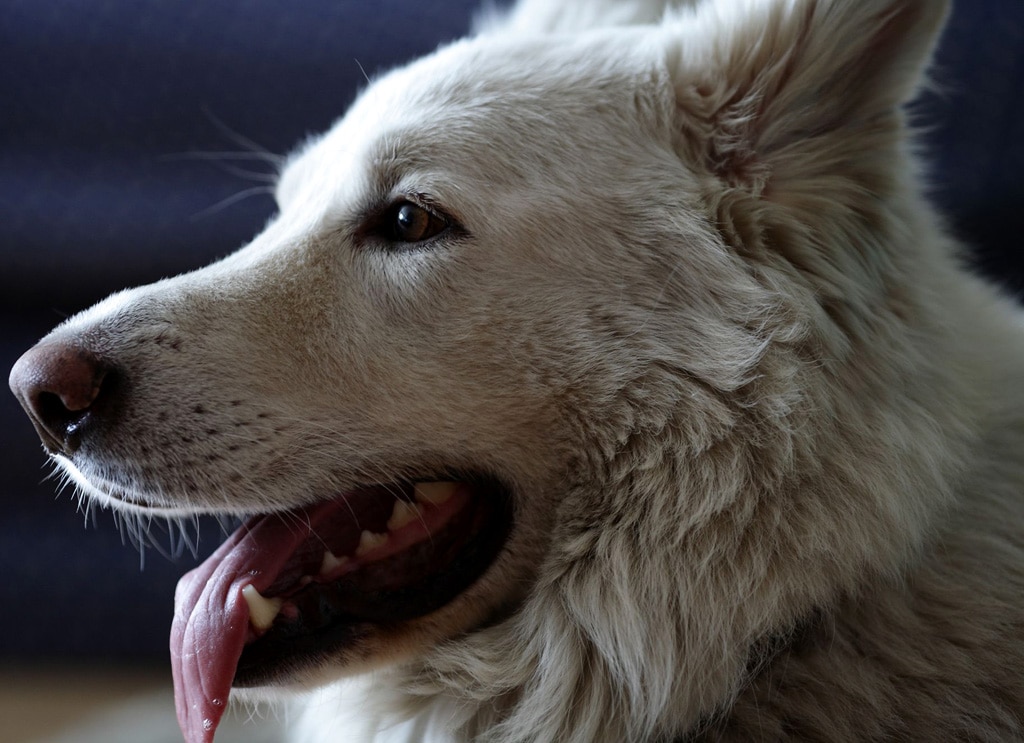
And perhaps, The most outstanding feature of this beautiful dog is its white mantle of double layer and medium long length. Dense and well separated hair.

The colour of the mantle is white. The nose, the lips and pads are absolutely black.

In the year 1933, the white color of the coat was pointed out as a defect that had to be eliminated by the German Shepherd Club of Germany, of America and Canada.

There are even theories, in the news, that continues to hold the white color is due to a physical defect, to a pathology but that type of theory lacks foundation and the first proof of it, It is a very healthy dog.

Its white color comes from a simple recessive gene that both parents must be carriers to continue the color, that is the reality.

Character and skills

The German Shepherd, not only the color of the mantle but also in its character differ.

While it is a dog of great temperament he displays never nervous, But if attentive and vigilant. It tends to be suspicious with strangers but never aggressive.

It is a dog friendly, very Intelligent and learn with ease.

Itร‚ยดs fair to his family and -as we said- he can be cautious with strangers, but should never show shy or fearful behavior and less aggressiveness. Some people think that the Arctic Wolf mixed with the breed, and that's where his caution comes from, but that only a legend.

It is a balanced dog, very good watchdog and has even been trained as a guide dog on occasion.

It is a great companion for everything physical exercise that is its scope, loves to play with sticks, balls, run…

While its origin speaks of a shepherd dog, today despite the fact that in some countries it is still used in such tasks, is widely accepted as a companion dog.

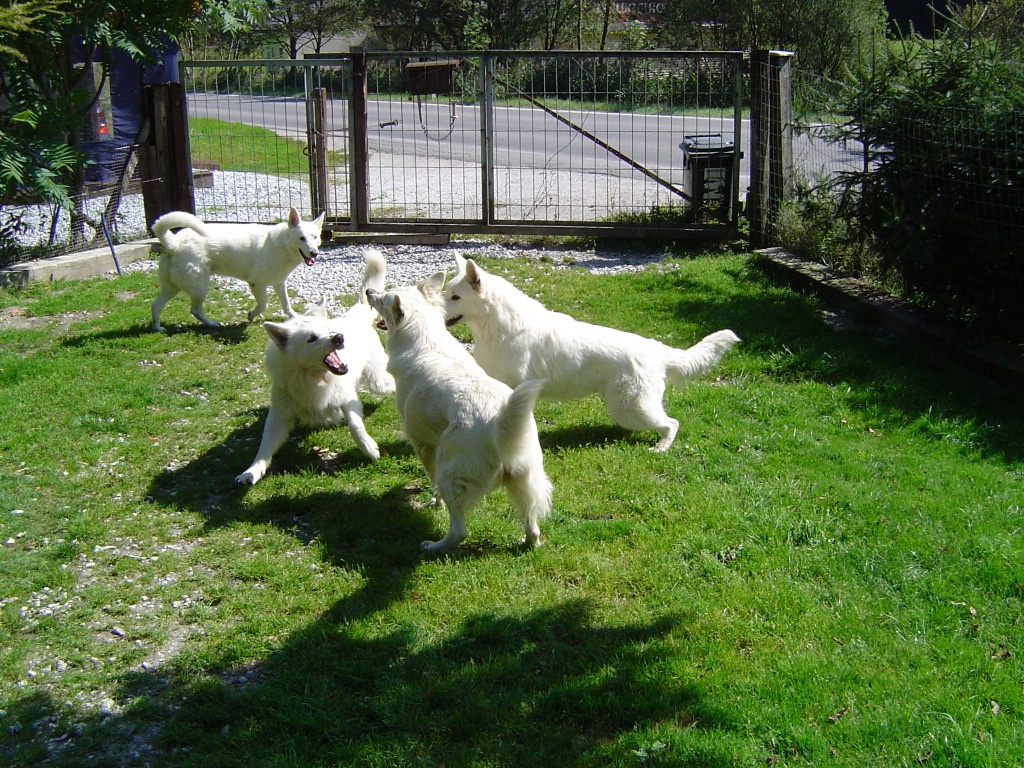
It adapts perfectly to the home, fond of children but remember that need exercise like all dogs, This always necessary if we want to keep happy balanced our puppies. Let's not forget that he is a working dog that needs physical and mental challenges.

The White Swiss Shepherd Dog gets along well with other dogs and, as well, It is usually good in agility competitions, search, rescue and obedience. They are also used as assistance dogs.

The character of White Swiss Shepherd Dog it is softer than the German Shepherd, But if you take genius to protect his family, will not hesitate it to.

White Swiss Shepherd Dog Images

White Swiss Shepherd Dog videos

Type and recognitions:

  • FCI CLASSIFICATION:
  • Group :
  • Section : . .

Federations:

  • – FCI – Group 1 Herding dogs, Section 1 Sheepdogs โ“˜
  • – ANKC – Group 5 (working dogs) โ“˜
  • – โ€‹KC – Pastoral โ“˜
  • – NZKC – Working dog โ“˜

FCI breed standard "White Swiss Shepherd Dog"

Origin:
Switzerland

Date of publication of the valid original standard:
04.07.2011

Use:

Family and companion dog.


General appearance:

It is a powerful White Shepherd dog, good muscular, medium-sized, with erect ears, double coat that can be medium or long; elongated; medium and elegant bone, harmonious silhouette.

IMPORTANT PROPORTIONS: Moderately long with a rectangular shape: body length (from the tip of the shoulder to the tip of the ischium) and height at the withers = 12 : 10.

The distance from the stop to the tip of the nose is slightly greater than from the stop to the occipital protuberance.


Behavior / temperament:

Lively and balanced temperament, enjoy the action, attentive with good ability to be trained. Friendly and discreet. With high social capacity and devoted to his master. Never skittish or aggressive without provocation. A cheerful and easily teachable working and sporting dog; with the ability to be educated in any discipline.
Its high social capacity allows it to be integrated into any kind of events and situations.

Head:

---

Cranial region:

Strong, clean cut and finely chiseled, in good proportion to the body. Wedge shaped, top or side view. The axes of the skull and muzzle are parallel.

  • Skull: Only somewhat rounded; the central groove is barely perceptible.
  • Depression links (Stop): Slightly marked, but clearly perceptible.

facial region:

Truffle: Medium-sized; black pigmentation is desirable; lighter pigmented and winter nose is accepted.

  • Snout: Powerful and moderately long in relation to the skull; straight nose bridge and lower muzzle line, converging slightly towards the nose.
  • Lips: Dried, closing fairly, as black as possible.
  • Jaws / Teeth: Strong and complete scissor bite. The teeth are set at right angles to the jaws.
  • EYES: Medium size, almendrada form, placed somewhat obliquely; brown to dark brown color, dark brown. Well attached eyelids, it is desirable that it has black edges.
  • EARS: erect, set high, parallel and directed forward; in the shape of an elongated triangle with a slightly rounded tip.

Neck:

Moderately long and well muscled, harmoniously inserting into the body, without jowl; the elegant upper neck line runs in a continuous line from the head, which is carried moderately high, to the cross.

Body:

  • top line: Strong, muscular of medium length.Cross: Pronounced.
  • Back: Level and firm.Pork loin: Well muscled.
  • Rump: Long and medium wide, leans gently towards the root of the tail.
  • Breast : Not too wide. Its depth (approx.. the 50% of the height to the cross); reaching elbow; torch oval box, spreading well back. Marked chest.
  • Bottom line and belly: Thin flanks, firm: moderately retracted lower line.

Tail:

Saber-shaped and thick, slimming to tip; rather low insertion; reaching at least the hock; at rest it hangs downwards straight or with a slight saber-like curve in its last third; in action it takes it higher but never higher than the top line.

Tips

PREVIOUS MEMBERS:

  • General appearance: Strong, vigorous, with medium bone. Straight, seen from the front; only moderately separated; viewed profile, they are well angulated.
  • Shoulder: The scapula is long and well sloped, well angled; the entire shoulder region well muscled.
  • Arms: Of adequate length and well muscled.Elbows: They are well attached to the body.forearms: Long, straight and vigorous.Metacarpus: Firm and only slightly oblique.
  • Previous feet: Oval; fingers are well arched and close together, footpads are firm, resistant and black. Are desired dark nails.

LATER MEMBERS:

  • General appearance: Strong, vigorous, with medium bone. Viewed from behind they are straight and parallel; while standing they are not too separated; viewed from the side with adequate angulation.
  • Thigh: Medium in length and well muscled.Knee: With adequate angulation.
  • Leg: Medium length, oblique, with solid bone and well muscular.
  • Hock: Strong, of good angulation.Metatarsus: Medium length, straight, robust.
  • Hind feet: Oval; hind feet are slightly longer than fore feet. Fingers are arched and well together, footpads are firm and black, dark nails are desired.

Movement:

Rhythmic sequence of steps with push and resistance; forelimbs reaching well forward, with strong push; the trot is free, with good ground cover.

Mantle

  • SKIN: No creases with dark pigmentation.

Fur:

  • Medium length mantle: Denso, glued with double hair; abundant undercoat covered with stiff hair, protection straight; the face, ears and forehead of limbs is covered by shorter hair; on the neck and on the back of the limbs the hair is slightly longer. Slightly wavy but hard hair is allowed.
  • Long hair: Denso, double glued mantle; with abundant undercoat covered with hard hair, protection straight. The face, ears and forehead of limbs are covered by shorter hair; on the neck the long hair forms a clear mane and on the back of the legs are short and the hair on the tail is dense. The length of the coat should never be exaggerated. Slightly wavy but hard hair is allowed.
  • Color: White.


Size and weight:

Height to the cross:

  • Males: 58 โ€“ 66 cm.. females: approximately 53 โ€“ 61 cm.Weight:
  • Males: 30 โ€“ 40 kg. females: approximately 25 โ€“ 35 kg.

Typical dogs slightly below or above the stipulated measurements should not be disqualified.


Fouls:

Any deviation from the aforementioned criteria is considered as a fault and the severity of this is considered to the degree of the deviation to the standard and its consequences on the health and well-being of the dog., and the dog's ability to perform its traditional task.

  • Slight bay color overlapping (light yellow or shades of bay) on the tips of the ears, at the back and top of the tail.
  • Partial loss of pigmentation giving a mottled appearance to the nose, lips and / or on the edge of the eyelids.
  • Spurs. Except in countries where its removal is prohibited by law.


    SERIOUS FAULTS:
  • Heavy appearance, too short under construction (square silhouette).
  • Absence of sexual dimorphism.
  • Missing more than two PM1; M3 are not taken into account.
  • Floppy ears (hanging), semi-erect ears, button ears.
  • Severely falling top line.
  • Ring on tail, curled tail, hooked tail, tail carried higher than top line.
  • Soft mantle, silky outer hair; woolly, curly, open hair; decidedly long hair without undercoat.
  • Decidedly bay color (clear yellowish or bay overlay) on the tips of the ears, back or top of the tail.

    FALTAS DESCALIFICANTES:

  • Aggressiveness or extreme shyness.
  • Any dog โ€‹โ€‹showing clear physical or behavioral abnormalities.
  • Anxiety, fear in high degree, aggressiveness due to anxiety, unnecessary aggression, lethargic behavior.
  • One or both blue eyes. Protruding eyes.
  • Entropion, ectropion.
  • Upper or lower prognathism, deviated jaw.
  • Total loss of pigmentation in the nose, lips and / or edge of the eyelids.
  • Total loss of pigmentation in the skin or footpads.
  • albinism.


N.B.:
  • Males should have two normal-appearing testicles fully descended into the scrotum..
  • Only functionally and clinically healthy dogs, with the typical conformation of the breed, should be used for parenting.

Source: F.C.I - International Cynological Federation

Alternative names:

1. Berger Blanc Suisse, White German Shepherd (English).
2. berger blanc (French).
3. Berger Blanc Suisse (German).
4. Pastor branco suรญรงo (Portuguese).
5. Perro de pastor suizo blanco (espaรฑol).

โ–ท The world of Pets: Dogs, cats, birds, reptiles, amphibians

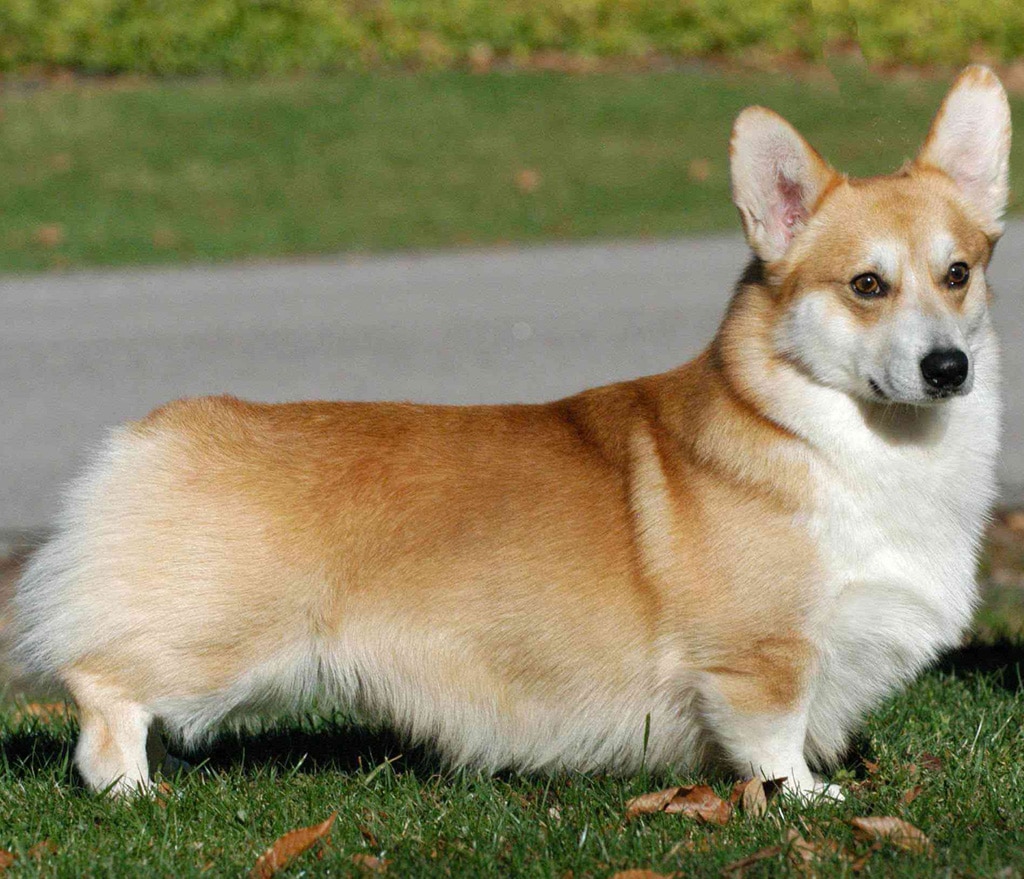
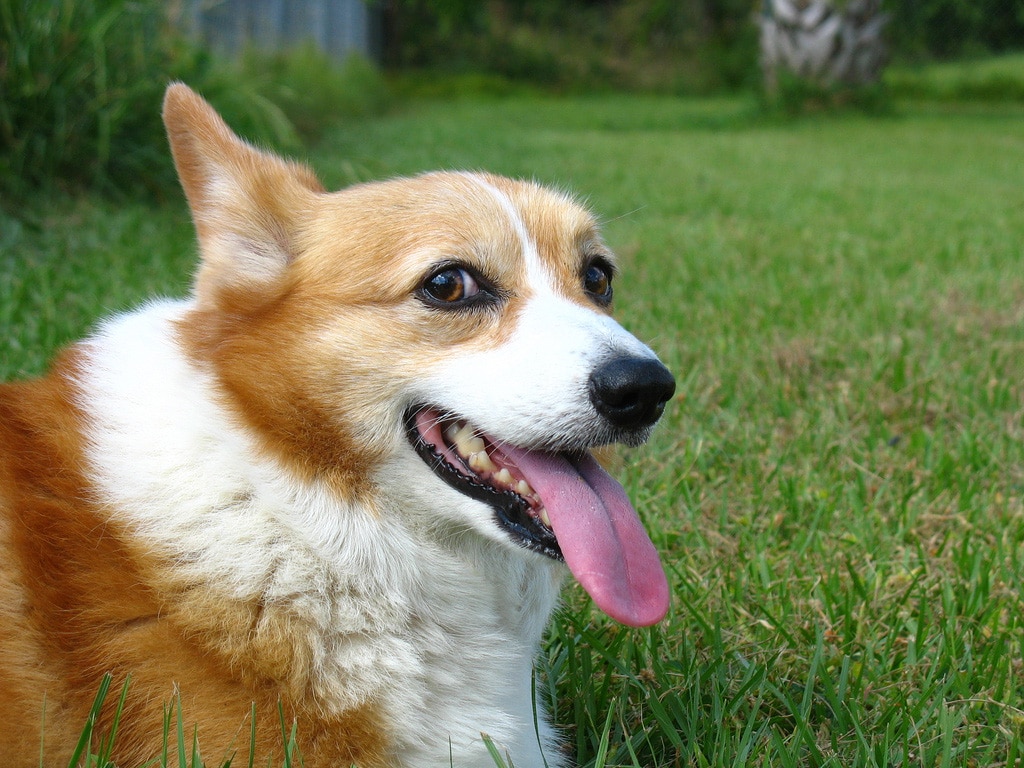
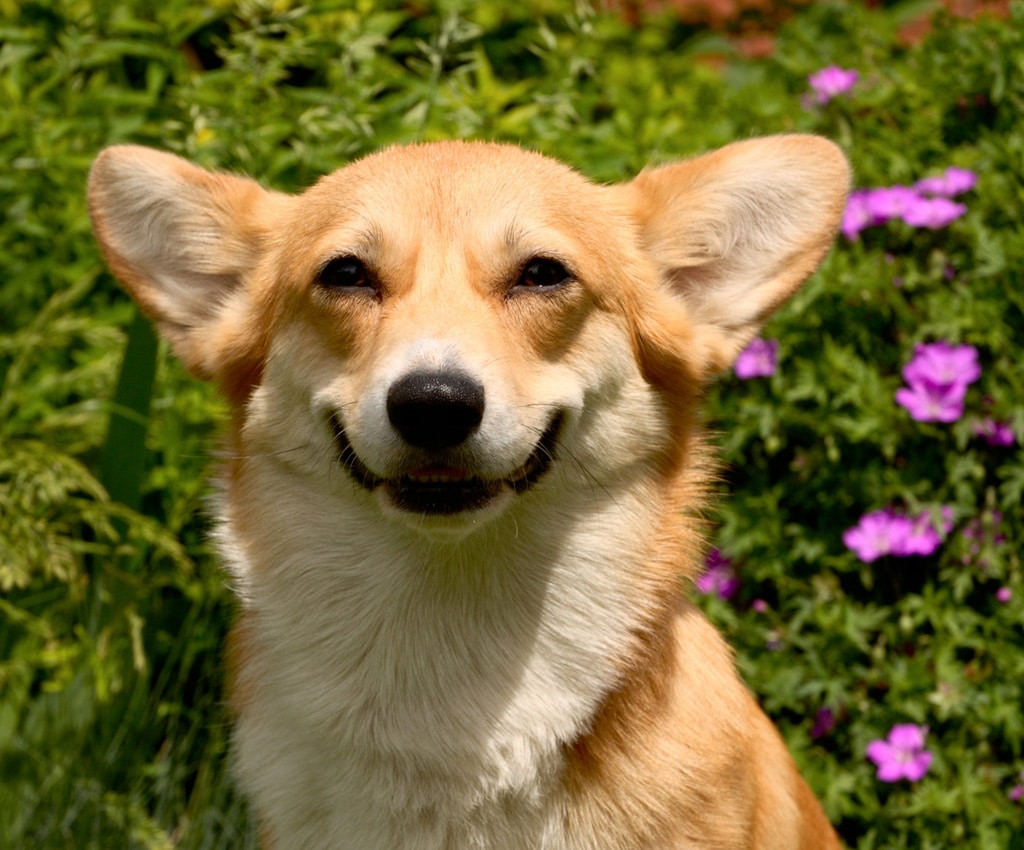
Pembroke Welsh Corgi
Gran Bretaรฑaa Gales- FCI 39 . Sheepdogs

The Pembroke Welsh Corgi is extremely intelligent, affectionate and possesses a great personality.

Corgi Galรฉs de Pembroke

Content

Characteristics "Pembroke Welsh Corgi"

Coexistence is important that you have with your new friend. Before considering the acquisition of a dog of the breed"Pembroke Welsh Corgi" you know certain factors. Not all breeds of dogs are apt to live in an apartment, you must take into account his character, their need for exercise, their interaction with other pets, their care and if you have small children, their level of tolerance towards them.

Adaptation โ“˜

5,0 of 5 stars (based on 1 review)

friendly dog โ€‹โ€‹โ“˜

3,0 of 5 stars (based on 1 review)

hair loss โ“˜

5,0 of 5 stars (based on 1 review)

Affection level โ“˜

5,0 of 5 stars (based on 1 review)

Need for exercise โ“˜

4,0 of 5 stars (based on 1 review)

Social need โ“˜

4,0 of 5 stars (based on 1 review)

Home โ“˜

5,0 of 5 stars (based on 1 review)

Toilet โ“˜

3,0 of 5 stars (based on 1 review)

Friendly with strangers โ“˜

3,0 of 5 stars (based on 1 review)

barking โ“˜

5,0 of 5 stars (based on 1 review)

Health โ“˜

3,0 of 5 stars (based on 1 review)

Territorial โ“˜

5,0 of 5 stars (based on 1 review)

Cat friendly โ“˜

5,0 of 5 stars (based on 1 review)

Intelligence โ“˜

5,0 of 5 stars (based on 1 review)

Versatility โ“˜

5,0 of 5 stars (based on 1 review)

Child friendly โ“˜

5,0 of 5 stars (based on 1 review)

Surveillance โ“˜

4,0 of 5 stars (based on 1 review)

joy โ“˜

5,0 of 5 stars (based on 1 review)

History

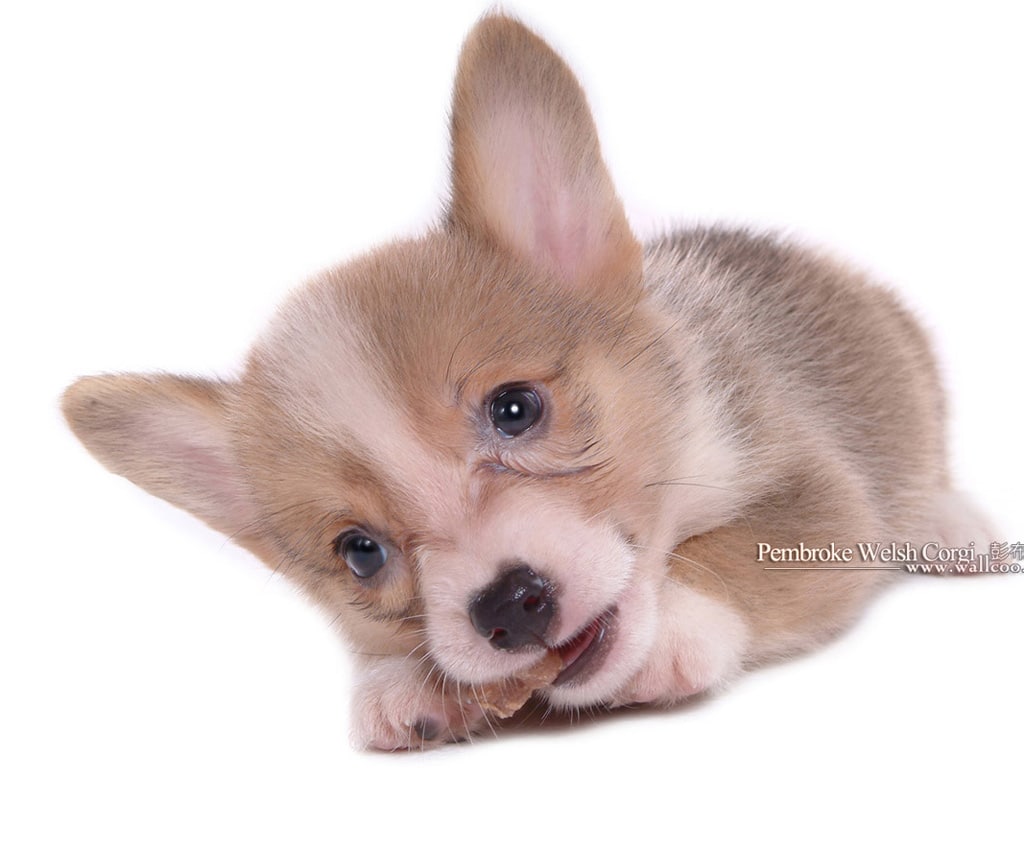
The Pembroke Welsh Corgi (Corgi) It is a small dog native of Great Britain. He has served for centuries as a shepherd, still considered one of the oldest dogs of Great Britain. There is another Welsh race, the Cardigan Welsh Corgi of very similar characteristics, Although of larger size and long tail.

There are different theories about the origins of the Pembroke Welsh Corgi. It is believed that the two varieties Corgi they are descended from the dog of the Visigoths who introduced the Vikings in Wales to 9th century. Or the Cardigan may be the oldest variety, introduced the Celts into Wales around the year 1200 (name Corgi comes from the Celtic word "corgi" which means "dog").

According to other sources, the Pembroke variety was brought to Wales by Flemish weavers in the 12th century. Independently, What was the origin of the breed, the Pembroke Welsh Corgi was developed in Pembrokeshire) and it was used to guide cattle mordisqueando its paw and barking. The varieties Pembroke and Cardigan They interbred freely until the 1970s. 30. From then on, breeders attempted to emphasize their differences.

Another theory posits that the two varieties of Corgi have a common origin which is the cross between a Shetland Sheepdog and Sealyham terrier.

This race was used for grazing. The poor peasants of the time were allowed to pasture in the open fields of the Crown, this absence of fences put the cattle at risk of getting lost or dispersing and made a fast dog necessary, clever and who could move smoothly between the livestock. The Pembroke is this kind of dog, that pushes the cattle by the heels. His short height allowed him to run under cattle without being kicked.. It has evolved as a domestic animal, and it is the favorite breed of the English Royal family. It is a constant companion and an excellent guardian.

Physical characteristics

Although Cardigan Welsh Corgi and Pembroke they are relatives, his description of race is completely different. The Pembroke It is small in size, strong, robust Constitution, alert and active, It gives the impression of strength and stamina in a small body.

Head recalls by the shape and appearance to the Fox, with an expression alert and intelligent. The tail is short, preferably natural, When the puppies are not born rabones tail amputates almost completely.

The hair is fairly long and smooth, in various colors such as red, Jet, beige or black and Tan, usually with white spots, is a truly beautiful dog.

The Pembroke Welsh Corgi average has a height of 25 to 30 cm., unato length of 30 to 38 cm and a weight of 11 to 14 kg. Their life expectancy is of 12 to 14 years.

Observations

In England the Corgi de Pembroke is much more popular than Cardigan Welsh Corgi. Perhaps the most obvious reason for that popularity is that Pembroke is the favorite of the royal family, in particular of Queen Elizabeth II. Outside of England the Cardigan is still less known than the Corgi.

Character and skills

It is a very active dog, but the tendency to have them as pets in small homes reduces its activity. If this excesses are added in their food taken quickly to obesity.

The Pembroke Welsh Corgi is extremely intelligent and loving, with a great personality, very active and worker. Very adaptable to the farms and also, It is a perfect companion dog for children if it is treated properly and barks only occasionally..

Food

An average dog requires of 150 to 300 grams of balanced commercial feed per day. A fairly common feature of Corgi is their voracity, leading you to overeat which makes you feel like you are never full; You must limit your intake.

Health

By the length of the spine are particularly sensitive to overweight which can produce osteoarthritis that reduces your life expectancy and the quality of the same.

This race also has a tendency to hip dysplasia (polygenetic origin), the falls, retinal dysplasia, von Willebrand disease and degenerative myelopathy.

Images "Pembroke Welsh Corgi"

Videos ยซCORGI JUGS DE PEMBROKEยป

Type and recognitions:

  • FCI CLASSIFICATION:
  • Group :
  • Section : . .

Federations:

  • – FCI – Group 1 Herding dogs, Section 1 Sheepdogs โ“˜
  • – AKC – PASTORAGE โ“˜
  • – ANKC – Group 5 (working dogs) โ“˜
  • – CKC – Group 7 – Herding dogs โ“˜
  • – โ€‹KC – Pastoral โ“˜
  • – NZKC – Working dog โ“˜
  • – UKC – Herding dogs โ“˜

FCI breed standard "Pembroke Welsh Corgi"

Origin:
United Kingdom, Wales

Date of publication of the valid original standard:
4.11.2010

Use:

Shepherd dog.


General appearance:

It is a small dog, strong, robust Constitution, alert and active, It gives the impression of strength and stamina in a small body.

important proportions:

The length of the muzzle should be 3/5 the length of the skull.


Behavior / temperament:

Sociable and friendly, never nervous or aggressive.

Head:

The head resembles that of the fox due to its shape and appearance, with an expression alert and intelligent.

Cranial region:
  • Skull: The skull is quite wide and flattened between the ears.
  • Depression links (Stop): Slightly marked.

facial region:

  • Truffle: black.
  • Snout: Narrowing slightly.
  • Jaws / Teeth: Must have strong jaws, with healthy teeth, complete and scissor bite, that is to say, that the internal face of the upper incisors is in contact with the external face of the lower incisors, and well positioned in the jaws.
  • Eyes: Well-placed, round, medium in size and brown in color that harmonizes with the mantle.
  • Ears: Medium-sized, upright and slightly rounded. If a straight line is drawn from the tip of the nose passing through the eyes and continues, I should cross the tip of the ears or be tangent to it.

Neck:

Moderately long.

Body:

The body is medium long, well sprung ribs, the lumbar region should not be short. Slightly tapered when viewed from above. Horizontal top line, the chest is broad and deep and well descended between the extremities.

Tail:

Short, naturally preferable.
  • amputee: Short.
  • Without amputating: Inserted at the same level as the upper line, carried low, not curled on the back. Carried along the same line as the back in motion, low at rest. Too high or too low insertion is undesirable.


Tips

Former members
  • Shoulder: Well bent backs, forming an angle of 90 ยฐ with the arms
  • Arms: Arms conform to the shape of the chest.
  • Elbows: The elbows close to the body, neither loose nor too tight.
  • forearms: Short forearms and as straight as possible. Strong skeleton in all its extension to the feet.
  • Previous feet: Oval; with strong fingers, well arched and together. The middle fingers slightly exceed the sides; the pads should be strong and well-rounded. Nails must be short.
Former members
  • General appearance: Strong and flexible. Short hindquarters with good bones all the way to the feet..
  • Knees: Well angulated.
  • Hocks: Seen from behind they should be parallel.
  • Hind feet: Oval; with strong fingers, well arched and together. The middle fingers slightly exceed the sides; the pads should be strong and well-rounded. The
    nails must be short.

Movement:

Your movement must be lively and lively, elbows neither loose nor too close together. The forelimbs should be directed forward, without lifting them much, in harmony with the propeller action of the posterior limbs.

Mantle

  • Fur :Medium long, smooth and with a dense undercoat. It should never be smooth, wavy or very hard (wire).
  • Color : Uniform colours: Red, carbonated leonado, black and tan, with or without white spots on the limbs, chest and neck. Small white spots are allowed on the head and forehead.


Size and weight:

Height to the cross:

Approximately between 25,4 and 30,5 cm..

Weight

  • Males: Among 10 and 12 kg.
  • females: Among 10 and 11 kg.


Fouls:

Any deviation from the aforementioned criteria is considered as a fault and its severity is considered with respect to the degree of the deviation to the standard and its consequences on the health and well-being of the dog., and the dog's ability to perform its traditional task.

disqualifying fouls:

  • Aggressiveness or extreme shyness.
  • Any dog โ€‹โ€‹showing clear signs of physical or behavioral abnormalities.


N.B.:
  • Males should have two normal-appearing testicles fully descended into the scrotum.
  • Only functionally and clinically healthy dogs, with the typical conformation of the breed, should be used for breeding.

The latest changes are in bold.

Source: F.C.I - International Cynological Federation

Alternative names:

1. Pembroke, PWC, Pem, Corgi, Welsh Corgi (English).
2. Welsh Corgi Pembroke (French).
3. Welsh Corgi Pembroke (German).
4. Welsh Corgi Pembroke (Portuguese).
5. Welsh Corgi Pembroke (espaรฑol).

โ–ท The world of Pets: Dogs, cats, birds, reptiles, amphibians

Waterside Terrier
Inglaterra FCI 7 - Large and medium-sized Terrier
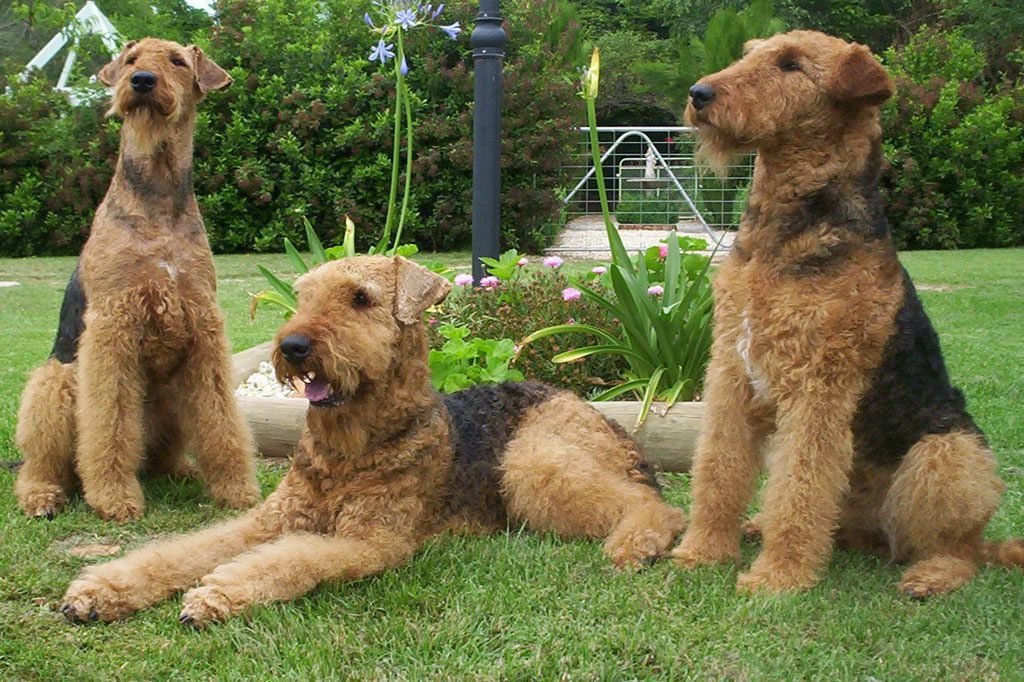
Waterside Terrier

The Waterside Terrier or Airedale Terrier (as well, call: Bingley Terrier, King of Terriers), It is a large, strong dog breed belonging to the Group Terrier.

It is of British origin, of the Yorkshire region. It is believed that he descended from a cross between the Otterhound, otter hunter optimal, and the Old English Terrier. The breeding of these animals began in the mid-nineteenth century.

Read about the race by clicking on: Airedale Terrier.

Dogs breeds: Waterside Terrier


โ–ท The world of Pets: Dogs, cats, birds, reptiles, amphibians

American Black and Tan Coonhound
Estados Unidos FCI 300 - The Hound of raccoons

Cazador de mapaches negro y bronce

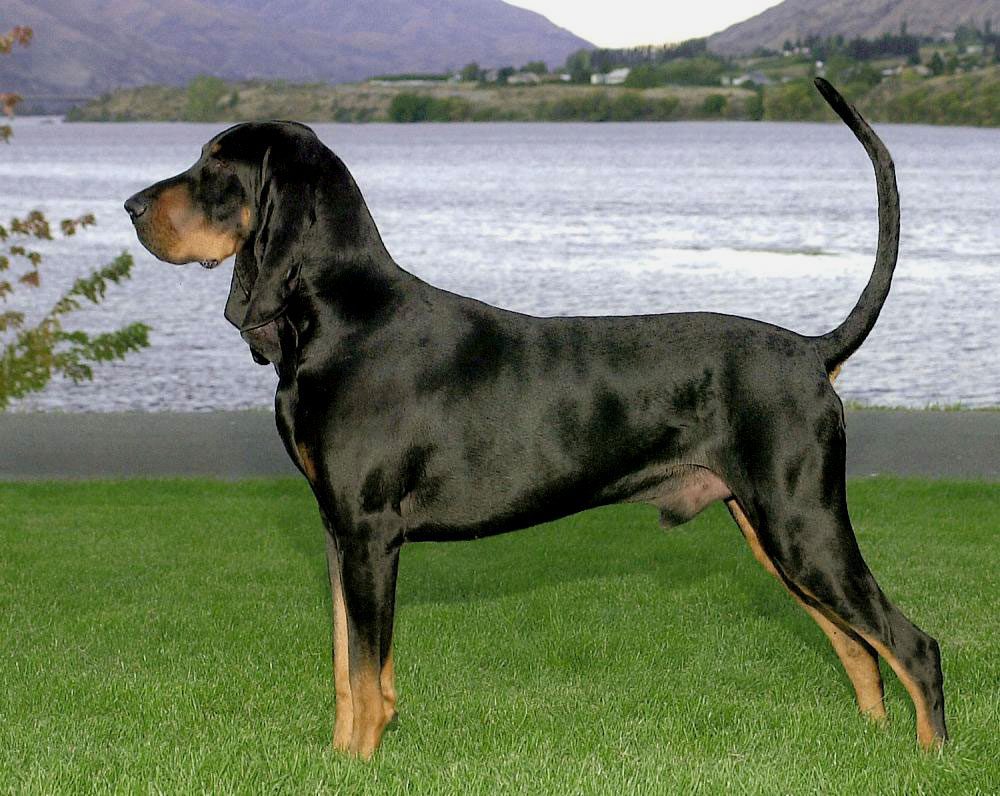
The American Black and Tan Coonhound (in English: ยซBlack and Tan Coonhoundยซ) It is a breed of dog used especially to follow the trail to raccoons. It is a cross between Bloodhound (Bloodhound) and the Black and Tan Virginia Foxhound ("Virginia Black and Tan Foxhunter").

Read all the information in the race, by clicking on: Black and Tan Coonhound.

American Black and Tan Coonhound

โ–ท The world of Pets: Dogs, cats, birds, reptiles, amphibians

Sighthounds
types of sighthounds

Lebrel

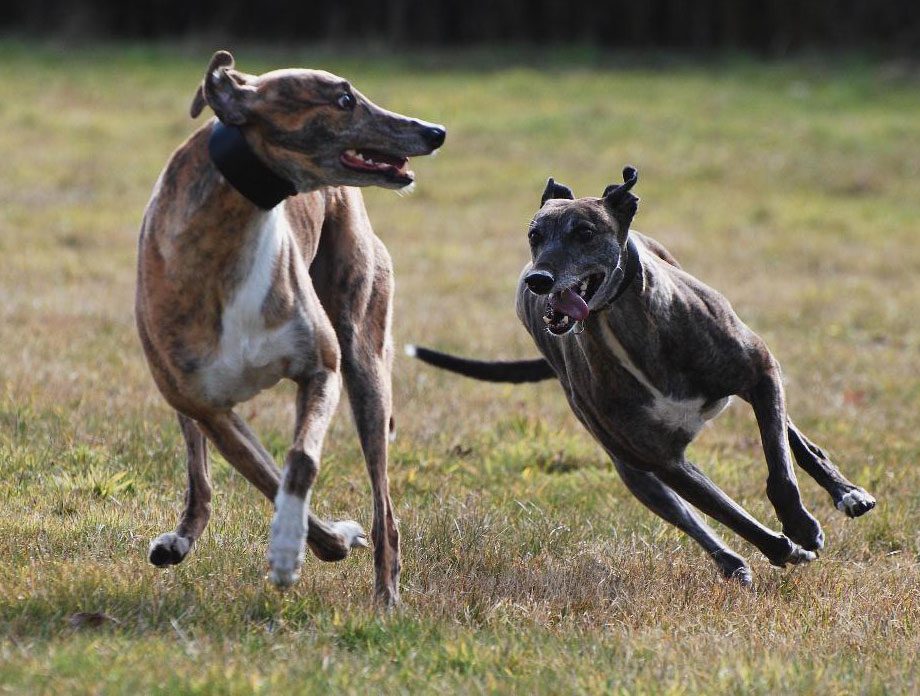
The Sighthound responds to a group of dogs that make up a breed whose physical constitution makes them very well equipped for the race, which can reach a high speed. They are mostly taller than long, they have long, narrow head and ears in pink or semierectas. And detail to highlight mode, they possess a great sense of sight unlike most dog breeds. They are usually used for hunting big game in packs and for rabbit and hare hunting..

In Spain they are also known as Greyhounds since that is the name given to the National Greyhound and by extension all those breeds that have similar characteristics., are referred to as Greyhound.

The Federation Cynologique Internationale It classifies the different varieties of the breed hound in Group X, and at the same time, This group is divided in:

  • Section 1: where the dogs are included Long-haired or fringed Sighthounds.
  • Section 2: where the dogs are included Rough-haired Sighthounds.
  • Section 3: where are included Short-haired Sighthounds.

Here we offer each section of the X group, with its respective members, and brief overview that may extend to following the link to each of the races.

Section 1: Long-haired or fringed Sighthounds.

  • Afghan hound: also known as Afghan greyhound, Afghan Hound, Balkh Hound, Baluchi Hound, Barutzy Hound, Shalgar Hound, Kabul Hound o Galanday Hound It is a dog from Afghanistan. It has a characteristic coat, very long, fine and silky, It needs continuous care that he entangled, arriving at losing their gloss.
  • Saluki: known as the Royal Egypt dog, It is perhaps the oldest known breed of domesticated dog and the oldest in the venรกtici, It is believed descended from wolves in the wilderness of Ara. The Bedouins hold them in high esteem and use them for hunting gazelles and as pets..
  • Russian Wolfhound: or Borzoi, It is a breed of dog developed in Russia. It descends from the Arabian Greyhound being similar to a Russian sheepdog. Formerly known as Russian Wolfhound, It was originally bred to hunt wolves and hares. It is graceful, strong and fast.

Section 2: Rough-haired Sighthounds.

  • Irish wolfhound: or Irish Wolfhound is the largest breed of dog that exists; adults reach an average height of between 95 and 100 cm to the cross. Known since the year 395, descended from the hounds used by the Celts of Ireland to hunt the wolf, deer, and other large dams.
  • Deerhound: or Deerhound, It is a traditional dog belonging to the Scottish Highlands, It also appears in the old portraits, sleeping at the foot of great lords. When became fashionable with shotgun deer hunting, This race was on the verge of extinction.

Section 3: Short-haired Sighthounds.

  • Spanish greyhound: The Greyhound is a breed of dog indigenous Spain, so it is also known as Spanish Greyhound. According to the Royal Academy of the Spanish Language, the word derives from Latin Gallฤญcus Canis, dog of the Gaul.
  • english greyhound: It is a breed of dog that is used mainly as a companion and competition animal.. It is the ancestor of most sighthounds. They are skilled to run, but not to carry out extensive exercise.
  • Whippet: It is a breed of dog of British origin, slender and elegant porte. They are active and playful dogs, physically similar to the English Greyhound. Its popularity has led to the use of the name Whippet in a large number of things, from cars to cookies.
  • Italian Lebrel: or Italian Greyhound is perfectly adapted to small households. However you need to walk. He can keep company in short runs but prefers walks and playing with other dogs (better if they are not great).
  • Azawakh: o African Greyhound is a breed of Greyhound type dog, native to africa. It is also known by other names: Hanshee, Oska, Rawondu, Bareeru, Wulo, Tuareg Sloughi.
  • Sloughi: Arabian Greyhound, Berber Greyhound or Sloughi Moghrebi is native to North Africa. It is in Morocco, Algeria, Tunisia and Libya. The Sloughi is closely related to the Azawakh.
  • Polish Greyhound: It is a breed of dog lebrel of Polish origin, as the name reflects. It originated in Poland, and among their ancestors we find some Asiatic Greyhound, a dog type Saluki. According to current theories, they do not have the english greyhound.

And remembering, Digest, not to forget and act: Spain is the only country in the European Union where hunting with greyhounds is still allowed and hunters kill around 50.000 Greyhounds or Sighthound per year, with bleach injections, hanging or burned alive, as economic methods of murder.

Dog breeds: Sighthound

โ–ท The world of Pets: Dogs, cats, birds, reptiles, amphibians

Wirehaired Vizsla
Hungrรญa FCI 239 . Braque Type

Vizsla Wirehaired

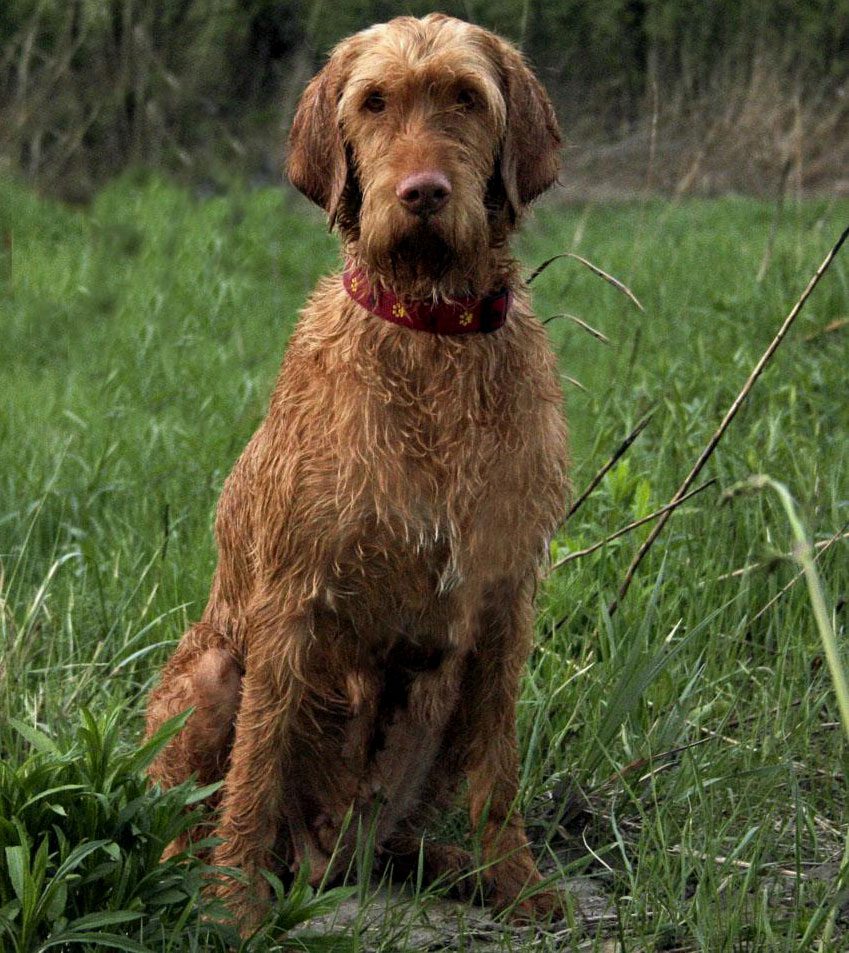
The Wirehaired Vizsla or Hungarian Wirehaired Vizsla is a dog from rare breed originally from Hungary, It is estimated approximately- occur between 140 and 150 copies per year.

The Vizsla Wirehaired was developed in the Decade of 1930, initially by Vasas Jozsef, owner of a Vizsla dog breeder called โ€œCsabai Vizslaโ€ together with Gresznarik Laszlo, owner of a Kennel of dogs German Braco of hair hard (German Wirehaired Pointer). His goal was to create a dog that combined the Vizsla with a thicker layer of hair color, that would allow him to work in cold climates and, above all,- in the recovery of prey in icy waters.

Read more