โ–ท The world of Pets: Dogs, cats, birds, reptiles, amphibians

Cretan Hound
Grecia Not recognized by the FCI

Kritikos Lagonikos

Content

History

The Cretan Hound (Kritikos Lagonikos), belongs to a primitive hunting breed, its existence on the Greek island of Crete is documented in writings for at least 3.500 years. Minoan civilization, which at its peak dominated most of the Aegean, the Cyclades islands and the eastern Peloponnese, bred and used it extensively.

Like a hunting and hunting hound, was always used to hunt down and capture wild hares and rabbits on the harsh terrain of his home island. The classical authors praised the cretan hounds (Kressai Kynes) as the best hare hunters known to man and in ancient times they were exported to the Greek colonies and other European countries, reaching Spain and the British Isles, to mix and improve local hounds.

These dogs have many peculiar traits and it is clear that they are a truly ancient species, probably the oldest breed of dog in Europe. Your ancestors may have come from Africa., but later they adapted to this unique habitat of Crete, an island remote enough to be home to other unique species of animals as well, as a unique subspecies of wild goat, the lynx and others.

Isolated there for millennia, these dogs were trained by function to perform a particular and challenging task and remain pure and unaltered to this day.

Due to a long history of fighting external enemies, the Cretans they are a freedom loving race, proud, independent, somewhat suspicious and even tested. They do not like to give their dogs to outsiders and even to this day the best specimens are kept hidden from public view..

Breeding practices are ruthless and the limited means of the past taught the locals to castrate all males, except the best, and to destroy the dogs that were not good for hunting. This resulted in an especially strong and healthy breed., but also very few in number. For years they were kept a secret and even now they rarely leave Crete, except on the occasions when they participate in international dog shows held in Athens, where visitors have the opportunity to meet a true living legend.

Physical characteristics

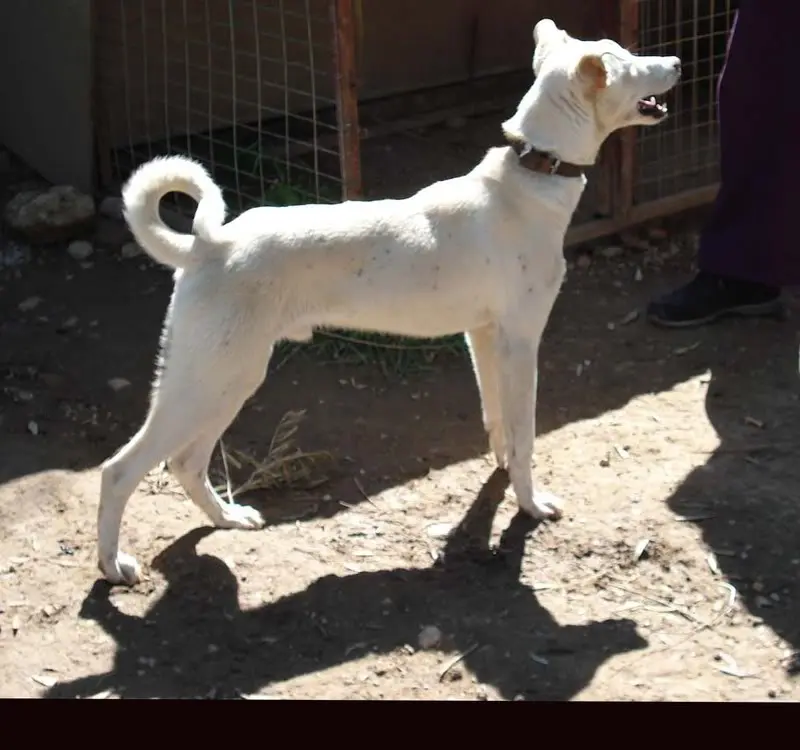
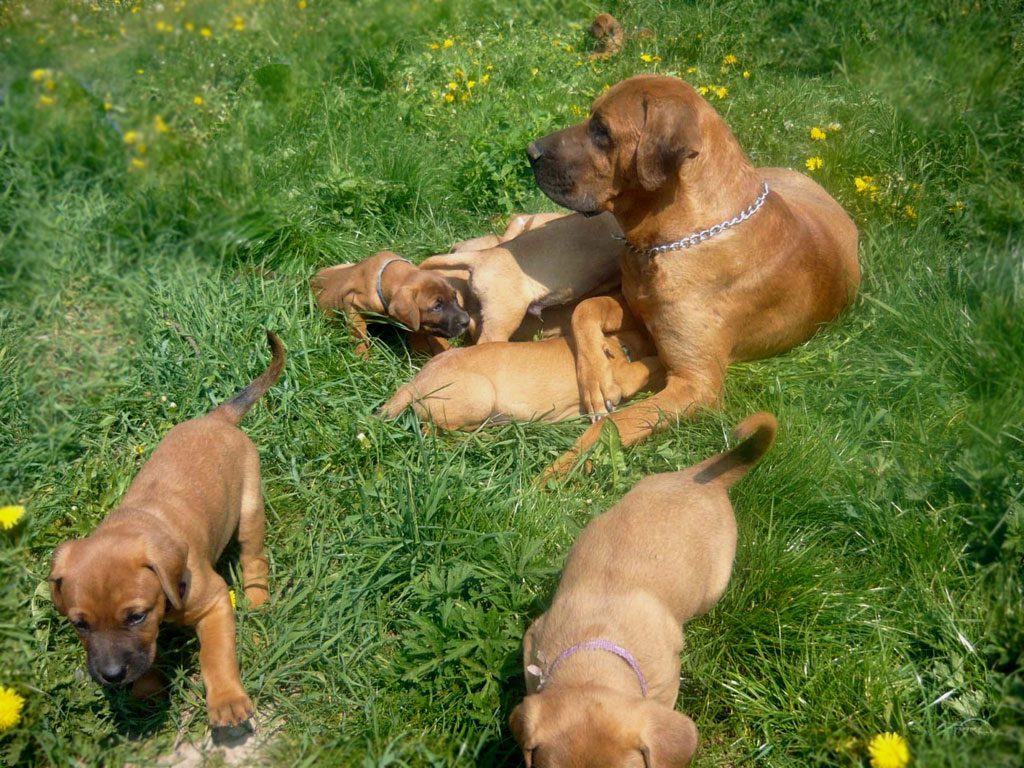
The Cretan Hound (Kritikos Lagonikos) is a slender dog, of body intermediate between a hound and a greyhound, especially light feet (that are oval instead of feline) and strong loin, specially adopted for fast reflexes and high speed on dangerous and rocky terrain.

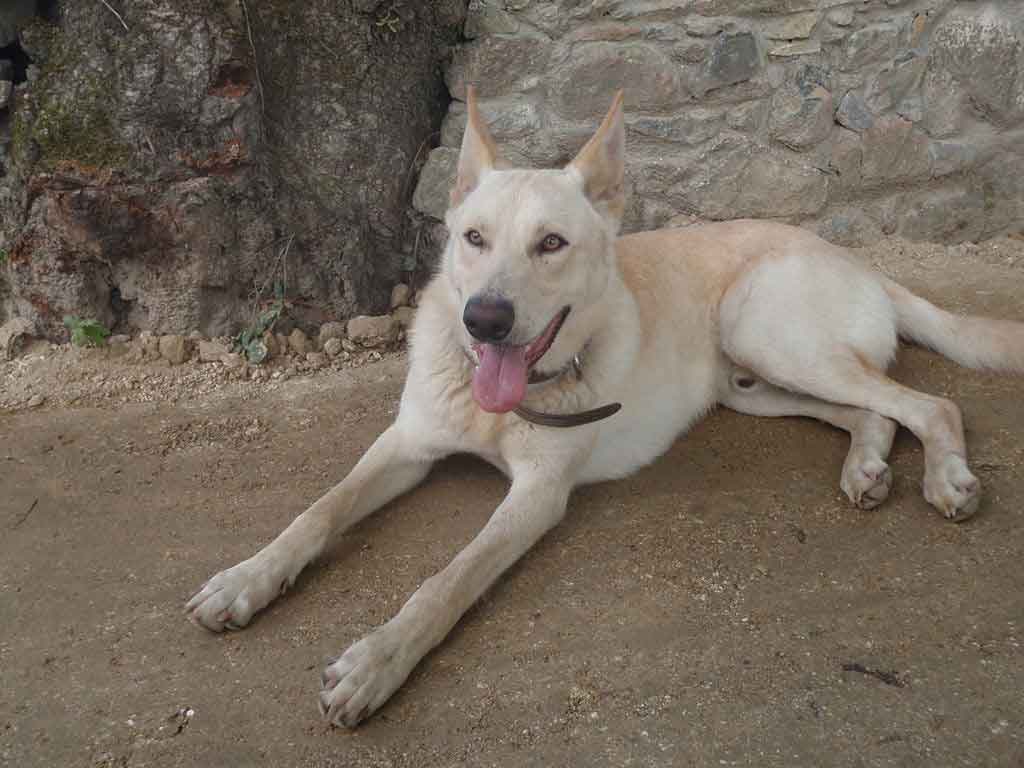
The head wedge shaped, it is elongated and dry, with pointy, highly mobile ears that fold back like a greyhound's during the chase. (There are specimens with semi-standing or drooping ears, and the latter tend to be more similar to a sighthound; there is also a smaller variety, something like a Whippet, of which little is known).

The skin it is thin and tense all over the body, and of many colors. The tail is a very important characteristic of the breed, long and curved up, forming a loose or tight ring and covered with a longer hair brush underneath.

The Cretan Hound is slightly longer than tall, with medium angulations, legs slim and well muscled; the rib cage is spacious but neither too wide nor too rounded and does not reach the tip of the elbow. The back he's slim but powerful and there's a nice tuck, with the tips of the hipbones slightly prominent.

There must be a balance between speed and endurance characteristics, being the conformation a commitment that produces great agility. Flaccid individuals are not tolerated, clumsy and heavy.

Colors: pure white, cream, sand, leonado, grey, striped or black, bicolor or tricolor.

Size

  • Height: females: 50+ cm. (19+ inches) Males: 60+ cm. (27+ inches)
  • Weight: 20-30 kg (44-66 pounds)

Character and skills

The Cretan Hound uses both sight and smell in hunting and has a particular tendency to savor air or ground odor, to the point of sucking it off the pebbles and stones. When it perceives the prey, the tail moves in a circular motion and the hound stiffens moments before starting the chase.

Manso, affectionate, aristocratic, but deadly in pursuit, is a polite hound that comes to life in the presence of prey; clean, soft, elegant in form and movement, it is never vulgar or overwhelming in gestures.

Slightly reserved with strangers, is naturally inquisitive and tolerant.

The Kritikos Lagonikos lives happily with other domestic animals, but it will mercilessly chase the neighbor's cat.

It's excellent, friendly and very affectionate with children. He rarely barks but will alert strangers to his home; on the farm he will kill mice and rats and is not indifferent to feather hunting, but the latter use will make the breed lazy and disorderly in hunting; your constitution needs the challenge of true persecution.

Make sure you are the calm leader, but firm and sure of this dog, providing enough leadership and exercise to produce a well-balanced canine companion. Proper communication between the dog and the man is essential.

โ–ท The world of Pets: Dogs, cats, birds, reptiles, amphibians

St. Hubert Hound
Bรฉlgica FCI 84 . Large-sized Hounds

Sabueso de San Huberto

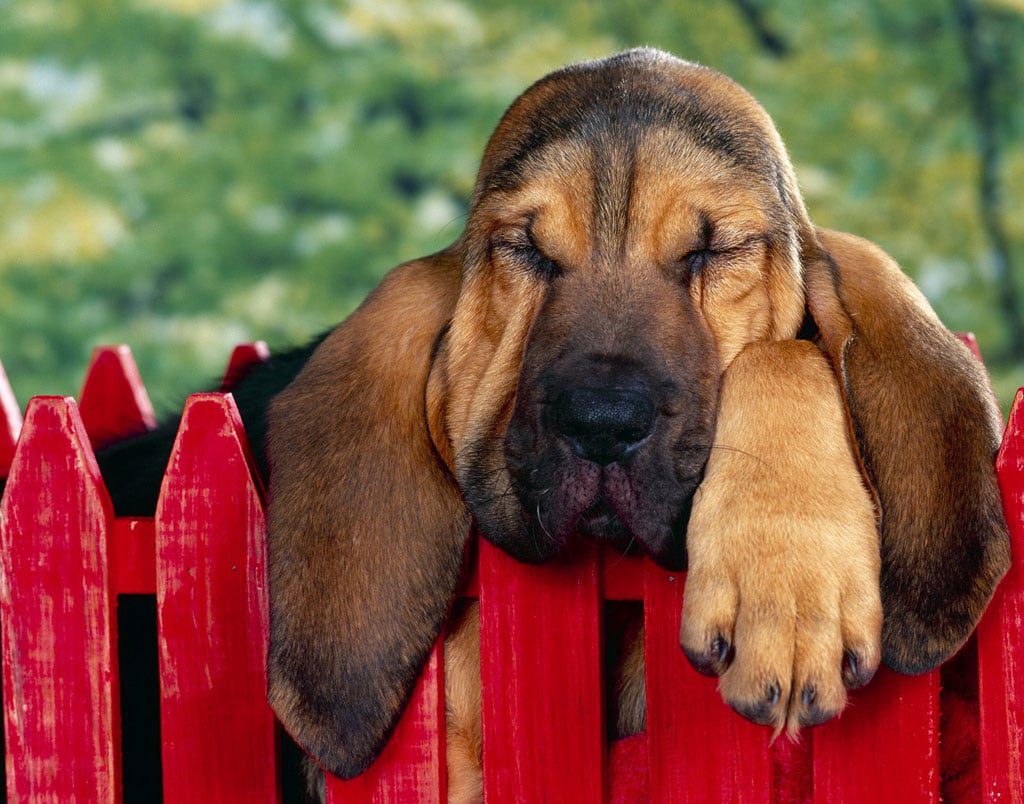
The St. Hubert Hound It is the dog with the more developed nose around the globe

The St. Hubert Hound (in English, known as Bloodhound) It is a breed of dog originally from Belgium, more specifically in the region of the Ardennes. It is one of the different breeds of hound recognized by the FCI in your group 6.

Traditionally the monks of the Saint Hubert monastery as the creators of the race.

Read all about this race by clicking on: Bloodhound.

  • Alternative names: Chien de Saint-Hubert / St. Hubert Hound / Bloodhound / Bluthund
  • Group 6 / Section 1.1 – Large-size hounds

Dogs breeds: St. Hubert Hound


โ–ท The world of Pets: Dogs, cats, birds, reptiles, amphibians

Black and Tan Virginia Foxhound
Estados Unidos Large-size hounds

Black and Tan Virginia Foxhound

Black and Tan Virginia Foxhounds are hunting dogs with an excellent sense of smell

Content

History

The Black and Tan Virginia Foxhound, It is believed that it descends from hunting dogs introduced in America in 1650 by Robert Brooke.

These hounds were the ancestors of the varieties of American hunting dogs.

George Washington received a Foxhound French as a gift of the French aristocracy and that dog he crossed one of the hunting dogs bred by the Lord Brooke that it resulted in the race Black and Tan Virginia Foxhound, as we know it today. Later, Irish Foxhound were crossed, as well, with the Black and Tan Virginia Foxhound to increase your stamina and speed.

In 1966 the state of Virginia elected Black and Tan Virginia Foxhound as official race of the State of Virginia. This race, along with other varieties of American Foxhound, it was created by the upper class during the Colonial Era, mainly for the purpose of fox hunting.

Physical characteristics

While the Black and Tan Virginia Foxhound is similar to its equivalent in English, the English Foxhound, the American version has been raised to be lighter, higher and more agile.

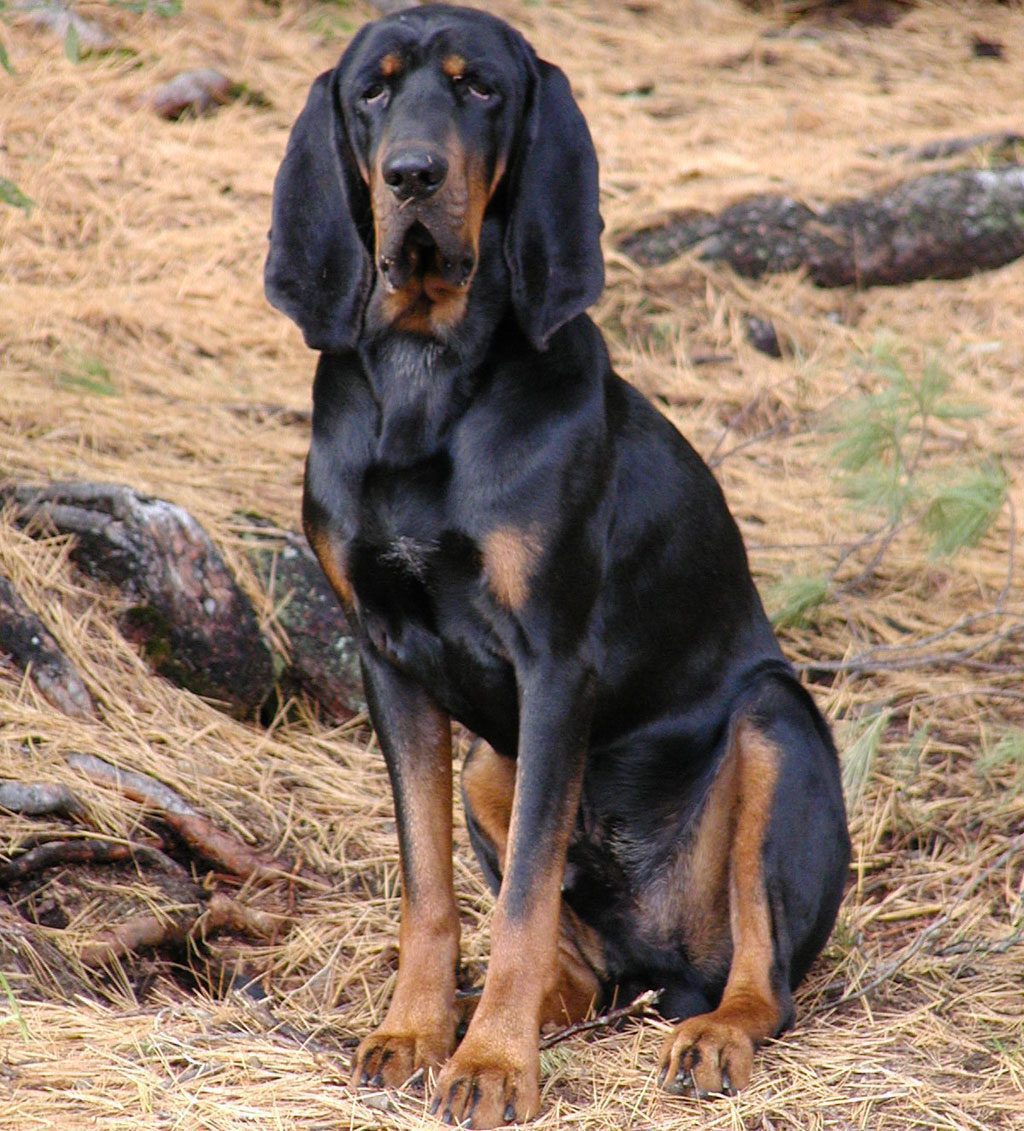
of his physical appearance, the most distinctive feature is its fur, It is black and Tan on a white base, short and rather coarse hair. They are large size dogs, they grow to a height of 21 to 25 centimeters and can weigh between 30 and 35 Kg. His head is long, his ears are large and drooping over his face. The eyes are Hazel or brown, giving a friendly look and intelligent in his face.

Character and skills

These dogs are loyal and Nice by nature, they need a lot of exercise to prevent boredom, since if they get bored or when locked up for long periods of time they can become quite destructive, and breaking furniture and all crossing on their way. They require much attention during the training and need to be well socialized.

These dogs have an excellent sense of smell and are faster than other hunting dogs when they pursue their prey.

While adapt with ease, life in an apartment does not make them very happy, they need plenty of exercise and in his absence is likely to upload weight easily. Apart from the need to exercise, they tend to be reasonably healthy and are not usually affected by genetic diseases of hip and bones, as it happens in other races. Their life expectancy average is about 10-12 years.

The Black and Tan Virginia Foxhound, is a beautiful breed for anyone wanting a dog of gentle temperament adore staying active with their masters.

It has the soft nature of a Black and tan coonhound and the strong personality of a Scent hound.

Videos Black and Tan Virginia Foxhound

  • Large-size hounds

โ–ท The world of Pets: Dogs, cats, birds, reptiles, amphibians

Japanese Mastiff
Japรณn FCI 260 - Molossoid - Dogo

The Japanese Mastiff is quiet, serene, dignified and extraordinarily peaceful.

Mastรญn Japonรฉs

The Japanese Mastiff (Tosa) It is a breed of dog originating in Japan. Molosser imposing aspect, It is one of the favorite breeds for the lovers of dogs large size around the world. The breed emerged in the mid-19th century, When crossing various European breeds of large size (Great Dane, Mastiff, St. Bernard, Bulldog, German Shorthaired) with the native Shikoku Inu.

In Spain it is listed as a potentially dangerous breed of dog by Royal Decree, by which to his possession must obtain the licence for possession of dangerous dogs and register it in the corresponding Municipal registry of potentially dangerous animals. One of the things that are required for this license is insurance of civil liability to third parties.

Otros nombres: ๅœŸไฝ / Tosa Inu / Tosa Ken / Tosa Tลken / Japanese Fighting Dog / Japanese Mastiff / Tosa Fighting Dog

Crupo 2 / Section 2 – molosoids and mountain dogs.

Dogs breeds: Japanese Mastiff

Read all about the race by clicking on: Tosa.

โ–ท The world of Pets: Dogs, cats, birds, reptiles, amphibians

Armenian Gampr
Armenia Not recognized by the FCI

Gampr Armenio

Content

History

Armenian Gampr (Armenian Wolfhound Gampr) is the name of a breed of guard dog of cattle that originated in the Armenian mountains (including the territories known today as Eastern Anatolia of Turkey).

The Armenian Gampr was bred by the local population starting from the primitive dogs of the area that, It was on par with the evolution of societies domesticated.

Not even being recognized by several important canine clubs as a breed of dog and undergoing an intensive genetic research, in April of 2011 the International Canine Union officially recognized the Armenian Gampr as the national dog breed of Armenia.

The Gampr has been living for a long time in the prehistoric Armenian mountains, This is demonstrated by thousands of petroglyphs (that symbolic motifs are stones or rocks which have been carved, belonging to very ancient cultures) found throughout the territory. The teacher Oktay Belli from the University of Istanbul has studied petroglyphs found near the modern city of Kars and according to data from his research, various domestic breeds from the area have lived there since the Neolithic period.

It is not known for sure when the Gampr, and while there is a great diversity among endemic species, back to tens of thousands of years, the Gampr modern is believed to have existed for at least 3.000 years. Petroglyphs found in the plateau of Armenia, show a large number and variety of dogs similar to the Gampr, What has given rise to generate a comprehensive record of development.

Of the hundreds of petroglyphs found in Ughtasar and the Geghama mountain range, up a 20% of the carved motifs resemble modern ones Gampr, while others show a remarkable diversity of dogs that do not already exist.

The results of an excavation carried out in 1954 in Lake Sevan, site dating from 800 or 1000 years before Christ, they found the skeleton of a dog perfectly preserved in a tomb. When comparing the skull found with that of a Armenian Gampr and other indigenous dogs, They concluded that he was an ancestor of the race, Although it presented some differences from the modern form in the face, her you estreches of the skull and powerful teeth, counting on these data and adding the changes that caused the selection and breeding process of the last 3.000 years that inevitably, affect the general appearance of the dogs, could affirm that the Armenian Gampr was already established and formed as a race in the first millennium BC.

The issue is that, the Armenian Gampr modern has changed little through the history of its existence in the highlands of Armenia. It is one of the few natural breeds that exist, โ€œnaturalโ€ because they were not subjected to the harsh selection of phenotypes by the human hand. So they keep intact the genetic diversity they had initially, While they have crossed with other locatarios dogs. But that genetic variation has been something natural and spontaneous.

Physical characteristics

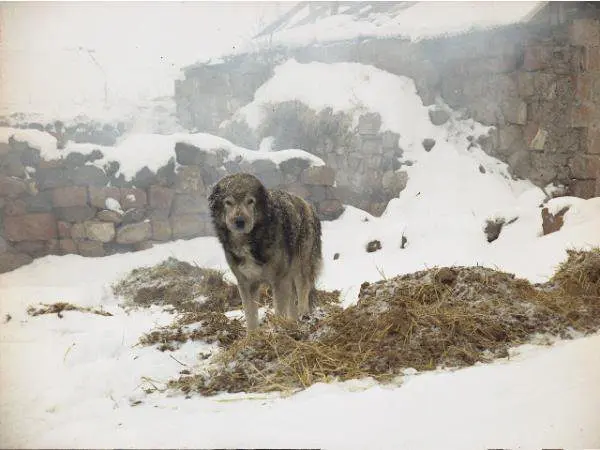
The Gampr it is a mountain dog that has a large head, body well delineated and developed, without prominent cheekbones. The back is wide, straight, muscular and strong. To the cross, the height in the males is of 65 centimeters or more, and in females is of 62 centimeters or more. The weight is proportional to the size of the dog, and generally varies between 45 and 60 kg.

The Armenian Gampr has a highly developed double-layer coat of hair in order to protect it from the extreme temperatures and harsh weather conditions of the area where it was born. The outer layer is long and thick hair, and the hair is short and dense internal.

Varieties

There are two varieties of Gampr, guardian and the of Pastor. Pastor tends to be smaller in size, tireless, and a little lighter. The Gampr the guardian type is, generally, higher, more square, and loving and very protective. They have a tendency to be more sedentary, and stay in one place.

The geographical and cultural coexistence of the Caucasian Shepherd Dog and the Central Asian Shepherd Dog, and its use on farms over time has caused a problem since the survival of the creole breed Armenian Gampr has been threatened…

The Club of the Armenian Gampr of the United States tries to make it clear -given the similarity between the dogs- that the Armenian Gampr IT IS NOT: a Caucasian Shepherd Dog, a Kangal Shepherd Dog, a Kangal Shepherd Dog, a Akbash, a Karakachan, a Alabai (Central Asian Shepherd Dog), a Koochee, a Tornjak, a Sharplaninac, Although it has some similarities it is good to be able to differentiate between these breeds.

Character and skills

The Gampr is distinguished by its vitality, its independence, intelligence and instinct of self-preservation, capacity in the defence and protection of livestock, the exclusive kindness to humans.

The Armenian Gampr it is a guard dog by nature, Unlike other dogs, This has developed this ability naturally, without previous training. In Armenian the word "Gampr" means "guard dogโ€, but it is also known by other names, like for example "Gelkhehtโ€ (which is derived from the word Wolf), if it is usually used for hunting bears it is known as โ€œArchashoonโ€ (โ€œdog-bearโ€) and if it performs typical functions of a shepherd dog, it is called "Chobanishoonโ€.

One of the main features of Gampr, It is his innate ability to adjust independently to different situations and reach a decision appropriate to the circumstances. If he Gampr he sees that his master needs his help, will protect it, but if not, pass it… They are affectionate but not corporate.

Images "Armenian Gampr"

Photos:

1 – Armenian Gampr dog by hy.wikipedia user Zara-arush, GFDL, via Wikimedia Commons
2 – Armenian Gampr by Gampr1, CC BY-SA 3.0, via Wikimedia Commons
3 – Armenian Gampr by Safi-iren, CC BY-SA 4.0, via Wikimedia Commons
4 – Sheepdog, Gampr dog in Azerbaijan by Elkhan Ganiyev, CC BY-SA 4.0, via Wikimedia Commons

Videos "Armenian Gampr"

Armenian Gampr

Gampr puppies

Photo: gampr.org

โ–ท The world of Pets: Dogs, cats, birds, reptiles, amphibians

Malinois
Bรฉlgica FCI 15 . Sheepdogs

Malinois

The Malinois is vigilant, always active and alert. He has an innate aptitude as a flock guardian…

Content

History

The Malinois is one of the 4 belgian shepherd varieties, its name comes from the Belgian city of Mechelen (Mechelen Dutch, French Malines), town that saw it born.

The first standard of this variety was written by Professor Reul, of the Club du Chien de Berger Belge, to be adopted in 1892. The appearance, skills and most of the physical characteristics outlined in this standard, they are almost identical to the current. Its origins are the same as those of wire-haired dogs.

This variety, little known, of Belgian Shepherd is a breed of utility par excellence and is very appreciated by trainers of dogs work and people who participate in various tests of competition as Schutzhund.

In addition to his civilian facet as a competitive "athlete", It is also frequently used by the armed forces, for example the Mexican army who used it to attack.

They are very popular in Belgium, France and America, the first Malinois they arrived in United States in 1907, to be used by the police, due to its temperamental characteristics.

Currently the Malinois It has been a better option for the election of the army and police, unlike the German Shepherd, Although does not have the same force as the German Shepherd, the Malinois surpasses this in resistance and availability to work, Moreover the level of intelligence is similar, even many creators who have worked with both races, They claim that it is superior.

Its development is closely linked to sport, in particular the French Ring and their dissemination at the global level. In fact, in 1900 organized the first tests with jump of obstacles, obedience and a program of bite and 1909 in Paris, is the first World Championship in Ring, from which, is carried out each year.

Physical characteristics

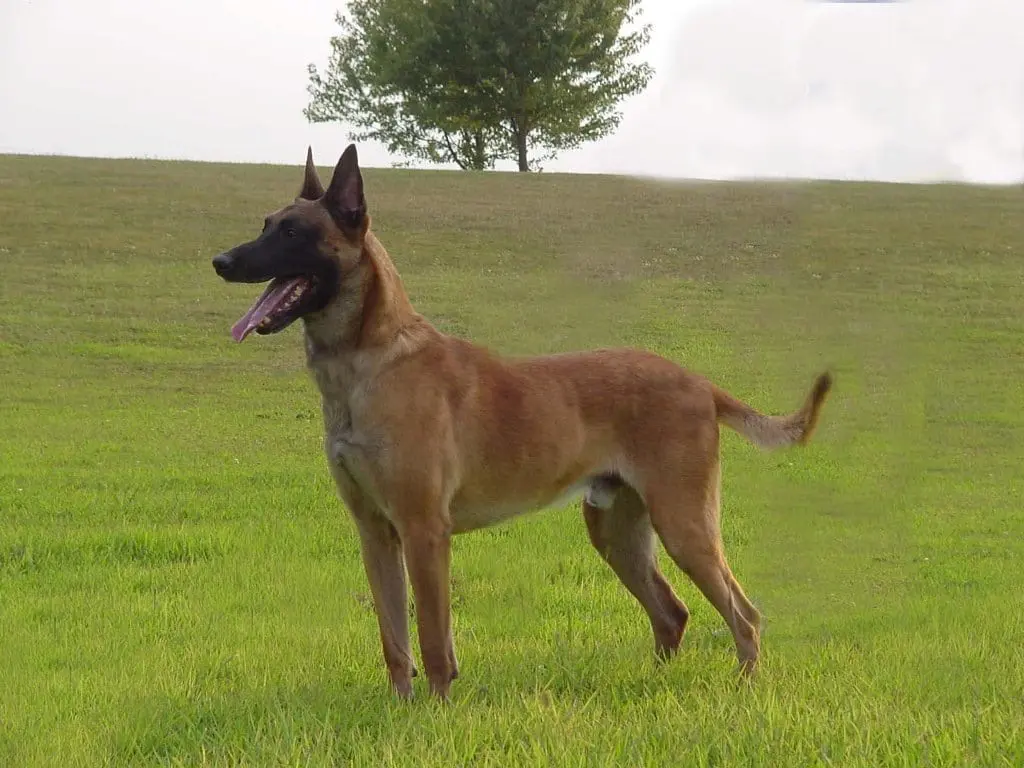
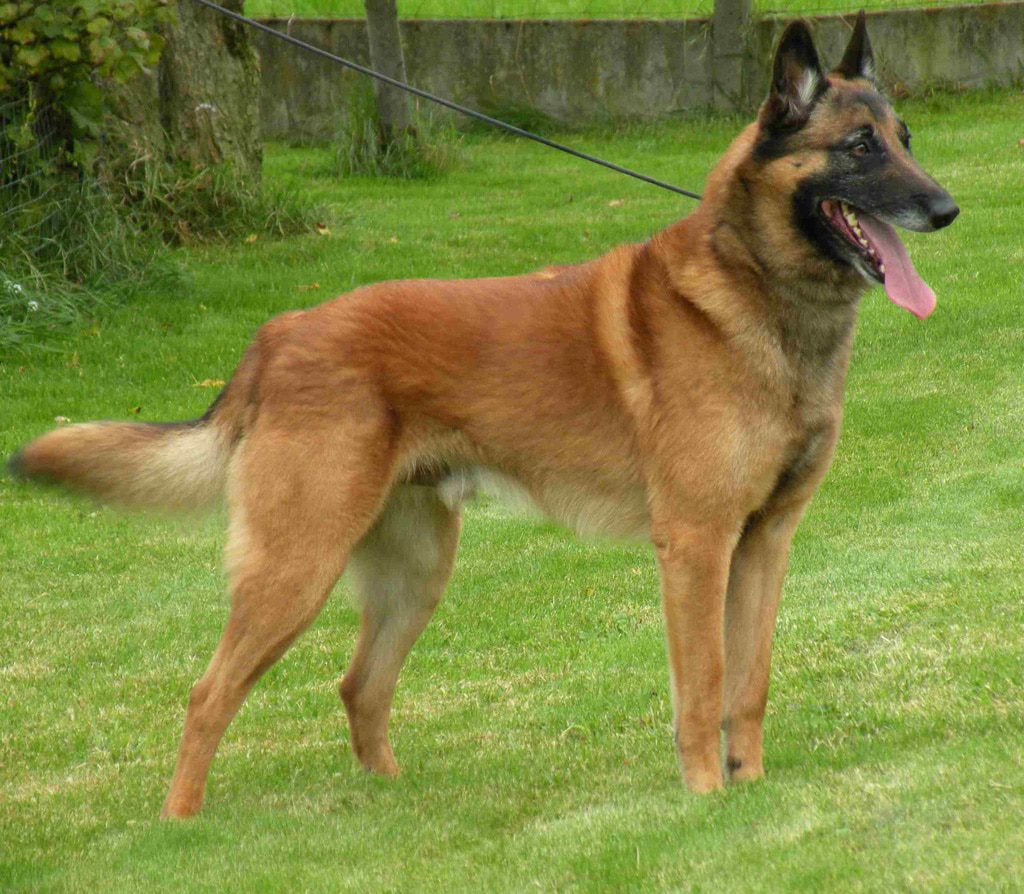
The Malinois shared standard with each other 3 varieties of Belgian Shepherd, differentiating these only in the length, type and hair color. His hair is short on the body, without fringes in limb or tail, the color is carborane Brown and presents dark mask on the face.

Its robust constitution allows it to easily adapt to life outdoors and withstand the environmental conditions of climates as difficult as that of Belgium..

For more than four decades, the lines of beauty and work have not mixed with each other. The Malinois It is above all a breed of utility and if there is something that it is becoming known around the world for, it is for its good attributes for work while still seeing that it is not a dog that resists all terrain, in strength is surpassed by the German Shepherd and some Bull type dogs, but it is still an exemplary dog.

So, It is not a variety whose upbringing go primarily oriented to the official type that sets the standard, that is to say: the beauty.

This explains that his standard has a fairly broad margin compared with other races classified by the FCI, that is why it should not surprise found with copies that differ in size and height.

Character and skills

He is a guard dog, always active and alert. He has an innate aptitude as a flock guardian, and it is a tenacious and ardent supporter of his master, bringing together all the qualities needed to be a sheep dog, guardian, of Defense and service.

Despite their heterogeneity of characters these examples stand out for their vitality, loyalty, vivacity, vehemence, innate aptitude of guardian and his obsession with instinctive to cash in and bite objects. And as often have an intuitive nature towards things for his excellent sense of olfactory sensory perception and is a good Hound, and here the dogs exceeding probably is the German Shorthaired.

Images of the ยซMalinoisยป

Videos of the ยซMalinoisยป


FCI breed standard Malinois

FCIFCI - Malinois
Malinois

Otros nombres:

Belgian Malinois / Berger Belge Malinois / Mechelaar / Mechelse Herder / Mechelse Scheper / Pastor Belga Malinois

โ–ท The world of Pets: Dogs, cats, birds, reptiles, amphibians

Bobtail
Gran Bretaรฑaa FCI 16 . Sheepdogs

The Bobtail It is possibly the breed that needs the most care regarding its hair.

Bobtail

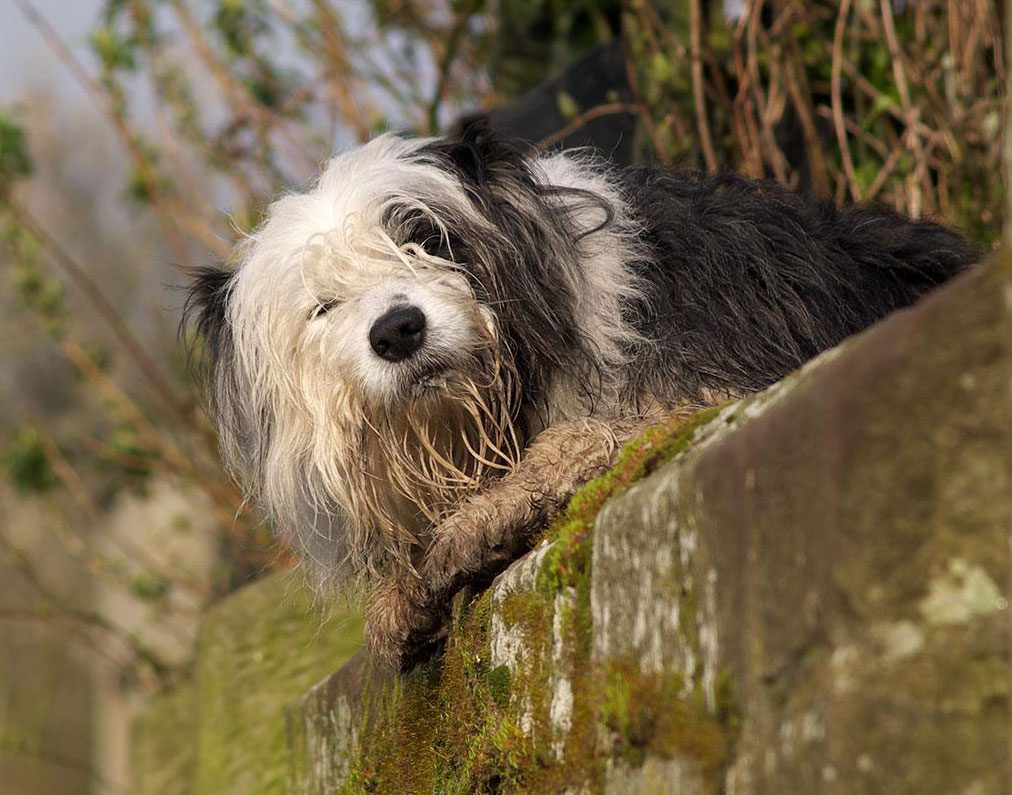
Bobtail (different from the English Shepherd dog breed), It is a breed of dog to family care or pastoral dogs.

The race was created in the West of England, in the middle of the s. 19TH, to control the sheep and beef cattle in the rural area.

Read all about the race by clicking on: Old English Sheepdog

  • Otros nombres: Old English Sheepdog / Bobtail / Berger anglais ancestral / Altenglischer Schรคferhund
  • Group 1 / Section 1 - Pastor dogs

โ–ท The world of Pets: Dogs, cats, birds, reptiles, amphibians

Can de Palleiro
Espaรฑa Not recognized by the FCI

The Can de Palleiro It is a breed of herding dog provenzal.

Cรฃo de Palleiro

Content

History

The ancestors of Can de Palleiro It is a breed of herding dog provenzal. are the dogs introduced in the Iberian Peninsula by the Central European and Nordic peoples in the successive invasions that formed the Suebic Kingdom from Galicia. Share a common origin with the Belgian shepherds, germans, Dutch, of Picardia or with the Castro Laboreiro Dog.

This farm dog has existed since then in all of Galicia, and while many references about him, both oral and literary, has remained virtually anonymous to this day.

It is named in allusion to the barn where the Shepherd and guardian usually sleep.

Physical characteristics

Their fur tends to be thick, without sagging, and the body connected to the front. The deck (color) is generally uniform, with a wide range of sand, cinnamon, brown, Vulture black and uniform. Hair is thick and dense, more in winter, being an animal that generally they live outdoors, always with the cattle or Haystack.

The males measure height to cross a few 59-65 cm and the females of 57 to 63 cm.. Males weigh in 30 to 38 kg and females in 25 to 33 kg.

Character and skills

Can de Palleiro
Haystack dog, celtic shepherd – giggling, CC BY 3.0, via Wikimedia Commons

It is a herding dog and faithful and multifunctional guard, It is with cow herding them and saving them as also cares home. Guardian of proverbial intelligence, It presents a strong and reserved nature with strangers, Besides being brave and bite, characteristics that make it a great collaborator in driving and guarding livestock. With a great loyalty to his master, with the people of the House becomes quiet and sweet.

It is necessary to highlight the psychic and balanced stability of this animal, own a shepherd dog, so this feature has to take care of in the extreme, promoting balanced and sufficiently socialized specimens selection.

Dog possessive and careful of himself and those who live with him, ladra strangers and defends its territory as a good watchdog, it is ideal to live with large families and with children since it will not allow them to run any risk, ideal for field and not for the cities, which as its name indicates (Palleiro = Pajar) It is used to sleeping in the field.