โ–ท The world of Pets: Dogs, cats, birds, reptiles, amphibians

Polish Tatra Sheepdog (Tatra Shepherd Dog)
Polonia FCI 252 - Sheepdogs

Pastor de Tatras

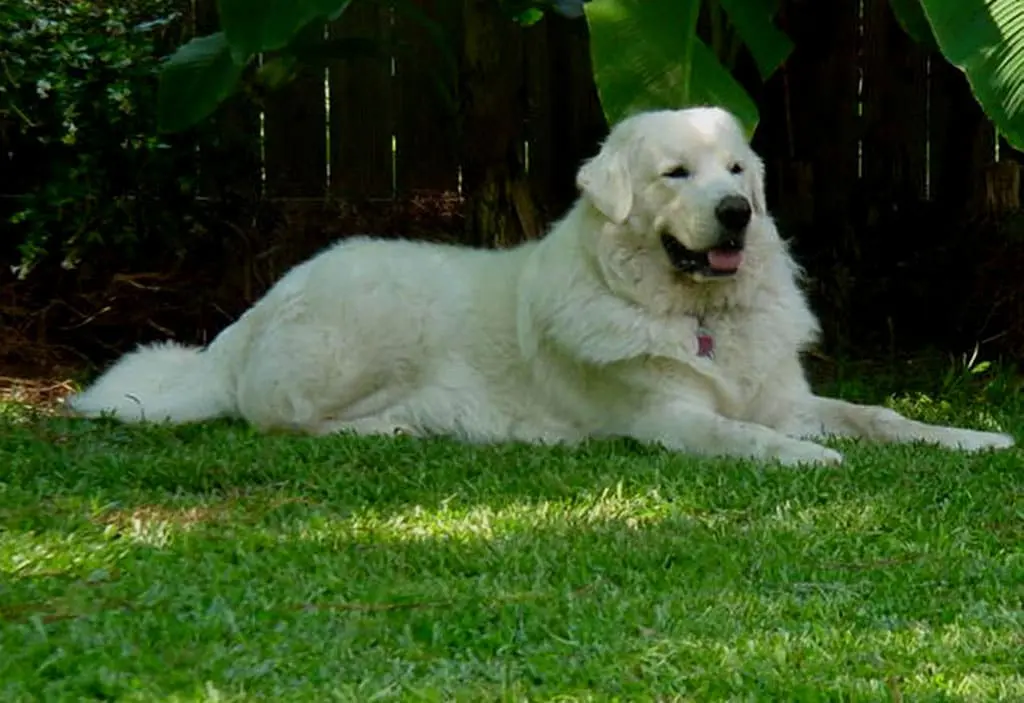
The Polish Tatra Sheepdog is intelligent, quiet and independent, loyal and protective.

Content

History

The breed of dog Polish Tatra Sheepdog, It originated in the region of Podhale, in the area of the Tatra mountains of Poland, hence its name.

The race lived the Polish mountains since thousands of years ago, but there is no exact date to record the start of the race. There are theories that suggest similar terraces that inhabited the mountains mixed together and from there arose the Polish Tatra Sheepdog.

Other historians, They suggest that it was born from dogs imported by Phoenician traders from the East and probably came to Europe from Africa.. They also argue, that the Phoenicians used these dogs as merchandise to exchange for valuable products, as glass, Silver and tissues.

As well, other historians recount that the Romans used in battles and also as guard of prisoners, and that the nobles used to use it as a companion and guard dog.

Although there is much controversy regarding the origin of Polish Tatra Sheepdog, breeders of race in Poland, they assure that it comes from a Mastiff-type dog.

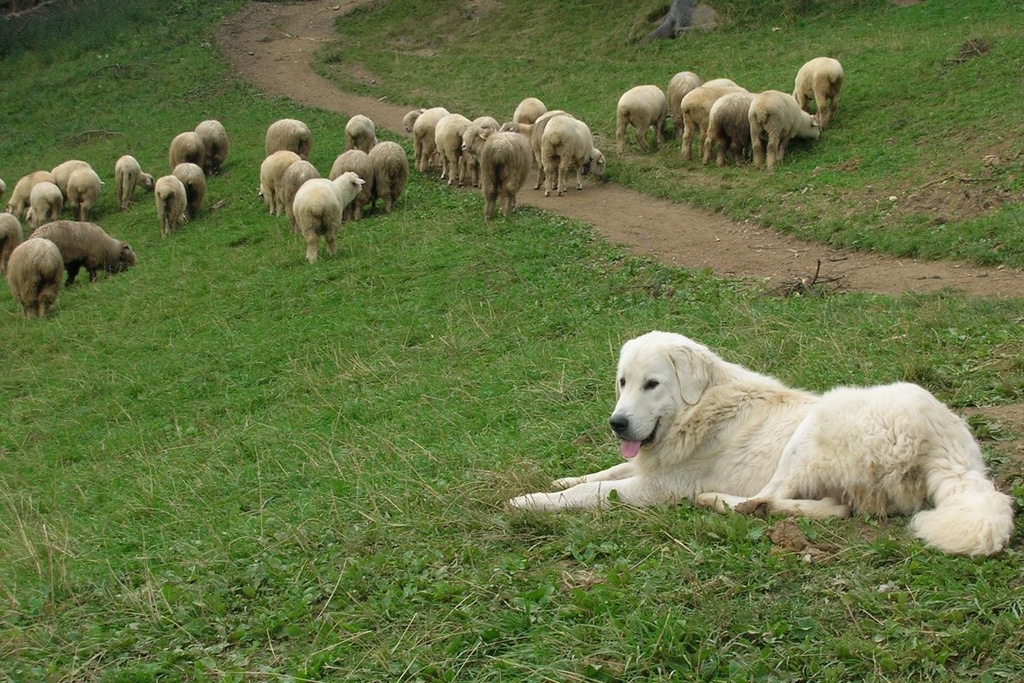
Historically, the Polish Tatra Sheepdog has been very successful among pastors for various reasons, but one of them, and perhaps the most remarkable - in addition to its inteligencia-es the color of his cloak, that allowed shepherds to quickly identify it from a bear or a wolf, for example.

It also, owners used to trim the dog's hair and use it like wool.

While the grazing of sheep will be the most important task of this dog, Historically, It wasn't the only job I did.. As well, they used it as a personal guard dog, of factories and private in general property.

But despite all these wonders that describe the Polish Tatra Sheepdog, After the world wars was on the verge of extinction.

It was the Federation Cynologique Internationale (FCI) who prevented that you happen starting in the year 1960 an exhaustive breeding program in order to avoid the extinction of the breed.

Thanks to this action, the race was slowly stretching to far and wide throughout Europe, for the year 1981 the race was already present in Canada.

Although it is currently bred more frequently and remains relatively stable, the Polish Tatra Sheepdog still known as a rare breed, It is estimated that there are only 3000 copies of the race around the world. Most are in Poland, they have with 600 registered copies, the if United States with 300 registered copies, and then countries like France, for example in the year 2003 registered 150 births this race.

And in Poland, approximately 150 of those 600 specimens, are they still used for grazing.

Physical characteristics

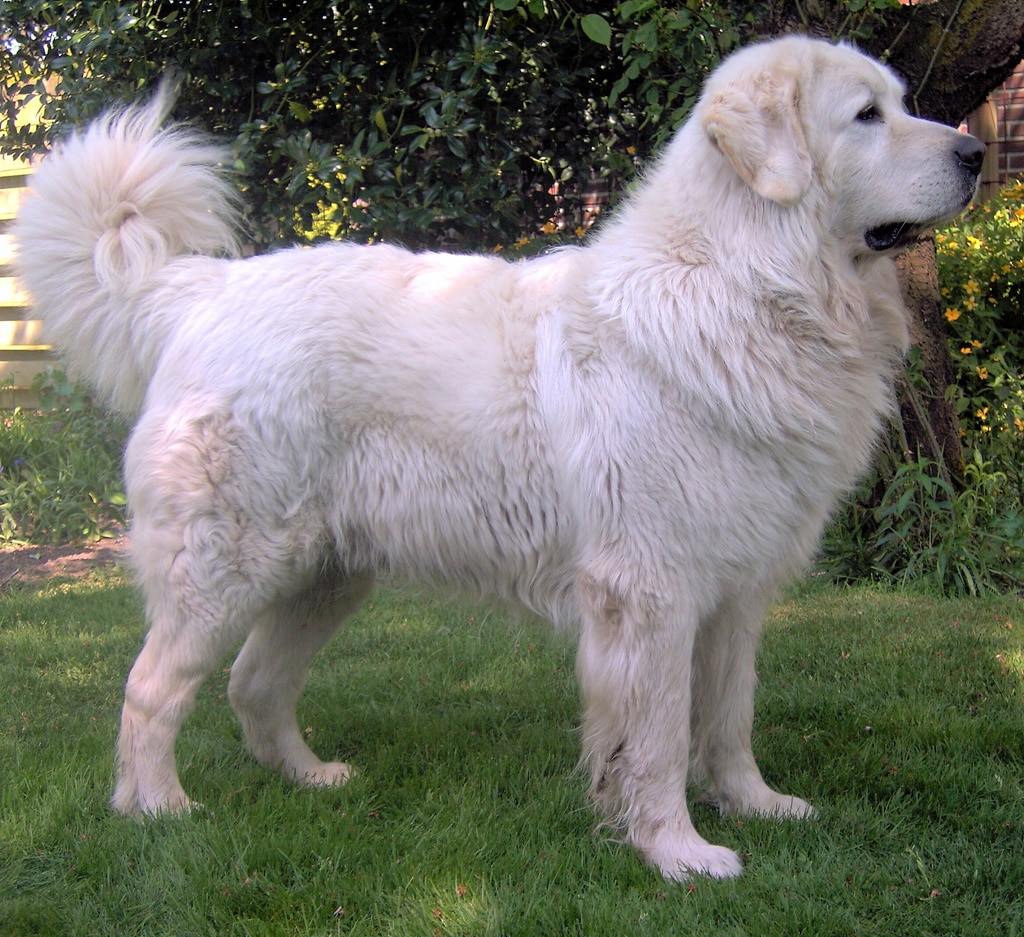
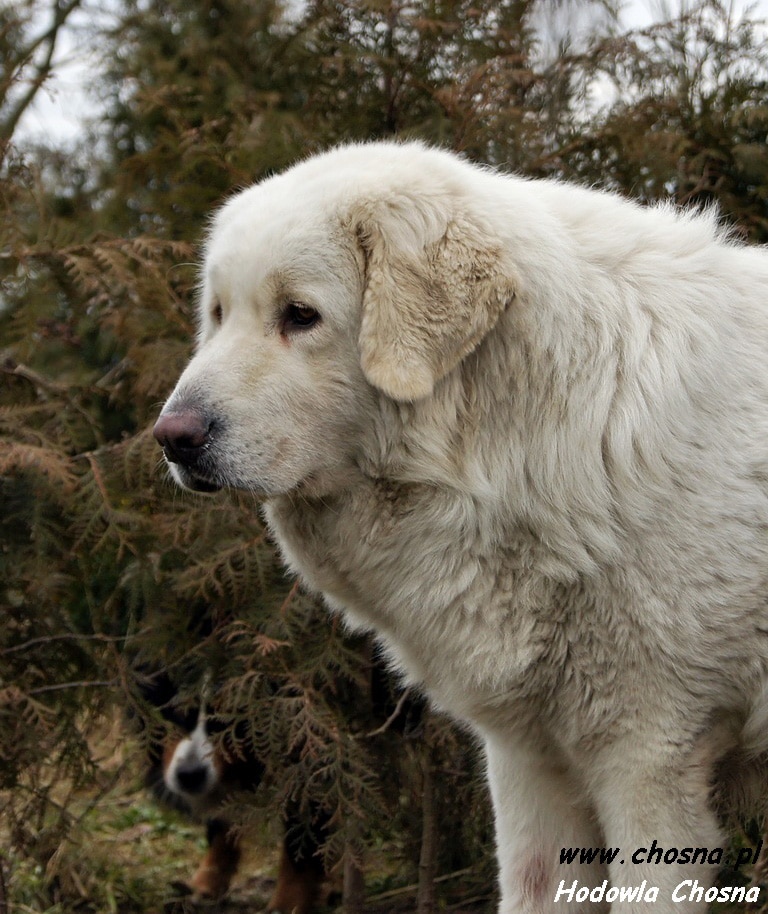
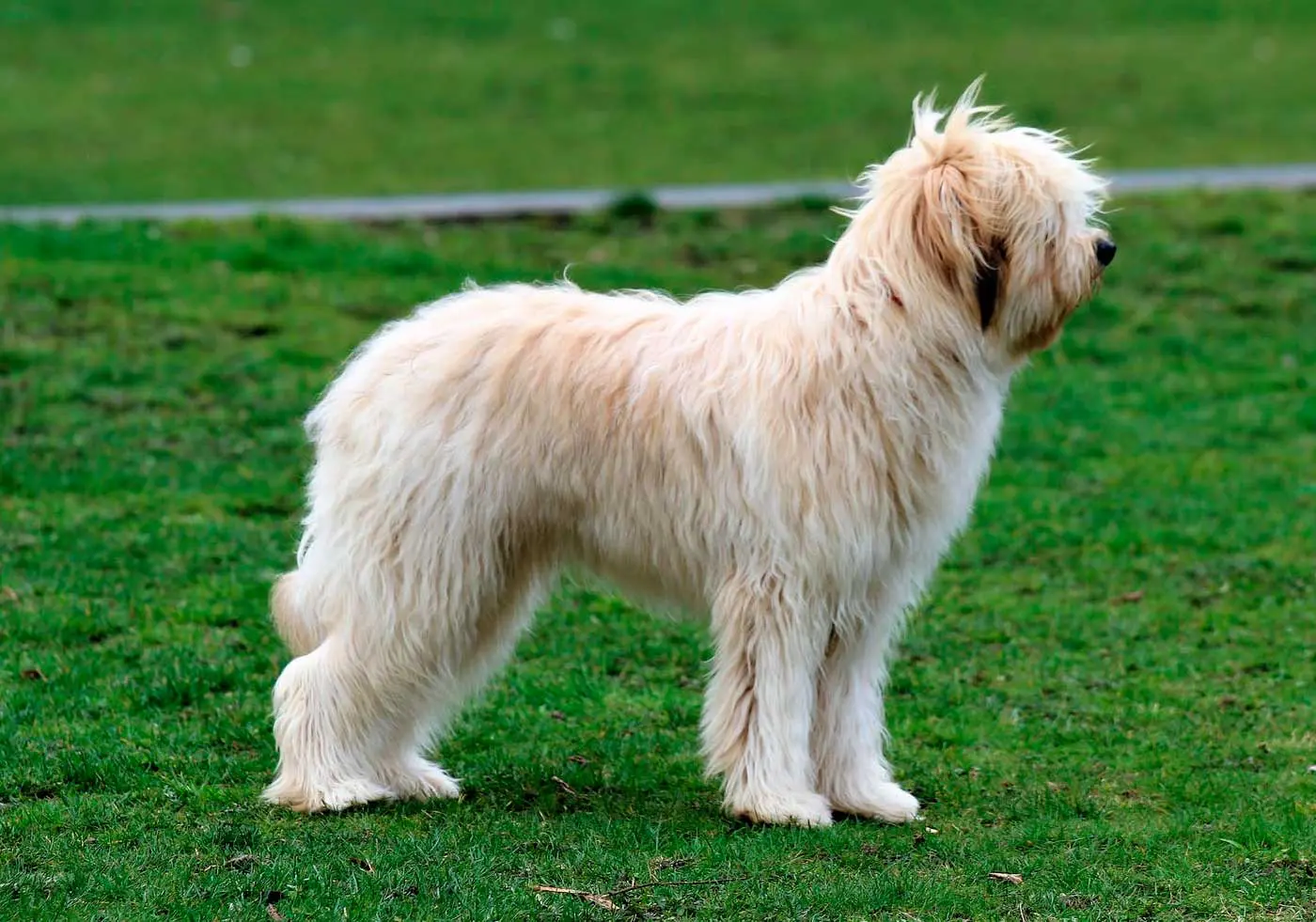
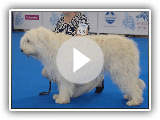
The Polish Tatra Sheepdog, is a dog from large size, is very similar to the Newfoundland but completely white.

The males they have a height to the cross ranging from 65 to 70 cm. and females -slightly smaller- they have a height ranging from 60 to 65 cm.. The weight is proportional to its size, but it is usually located 39 to 59 kg.

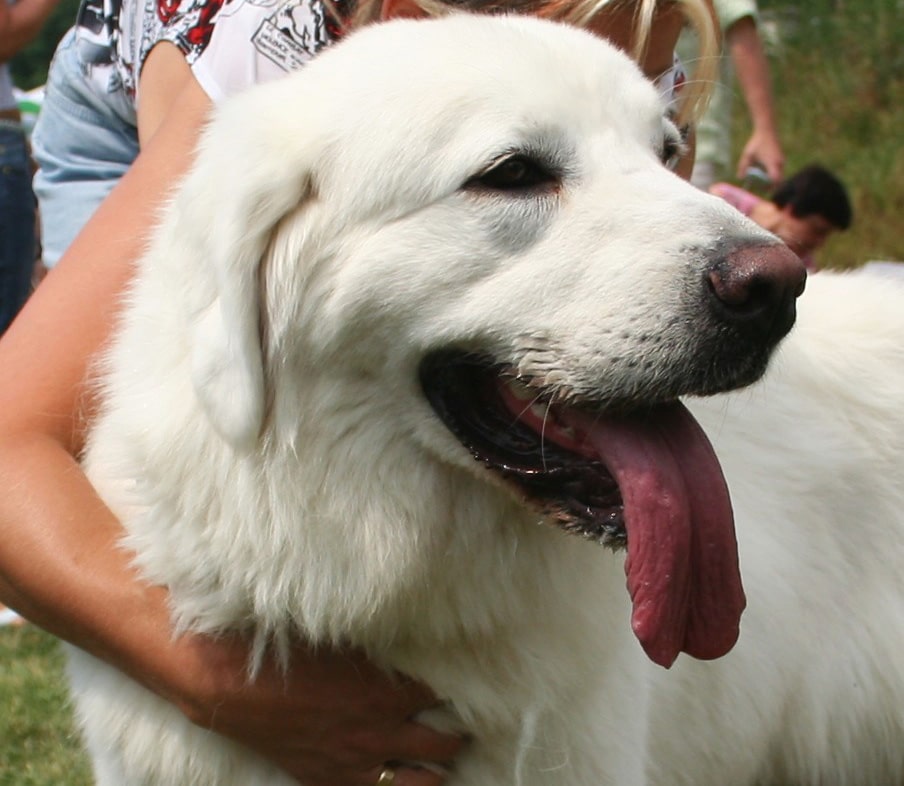
In one head huge, with a wide barrel and slightly arched Vault but with well marked but not abrupt stop.

Their eyes are showy and medium-sized, they transmit - by the general-una smart look, lively, the shape of the eyes is gently almendrada and gives us the feeling of that would sleep, transmits tenderness.

The ears they have an average length and are triangular, fitted with long hair.

The tail, planted at mid-height has a length that reaches at least the hock.

The the mantle of the Pastor of Tatras, is of double layer. The subpelo, is dense and fluffy, and the outer layer is a fairly notorious long mane around the neck.

Character and skills

His instinct, through hundreds of years of ageing, was to protect livestock, reason why easily adopt a family as a herd if it were.

It is a companion dog and very protective of their own (whether families or herds). It is not an attack dog, but perceived threats to the distance and try to scare it through intimidation, using as I support his strong bark.

Although maintained similarities in appearance and temperament with at the Pyrenean Mountain Dog and with the Kuvasz (Hungarian). The Polish Tatra Sheepdog it is less distant than those two races mentioned, tends to be more attached to his offspring and is more attached to his own.

The Polish Tatra Sheepdog, is a quiet dog, very powerful but aware of his strength shows sensitivity to the weakest (for example, children).

Temperament is very balanced, It independent and autonomous but very easy to educate and always ready to learn.

With children is, especially, cheerful and friendly. It will take care of them like its young, displaying its strong protection instinct backed by its history..

Observations

In the mountainous regions of Poland, where this precious dog usually lived, shepherds used to place an iron or spiked collar to protect it from wolves. It was a way to avoid bites that wolves usually allocated to the neck or throat of its prey. In the news, they still used kind of necklaces.

In United States, the dog Polish Tatra Sheepdog it is considered a rare breed. And is not recognized by the American Kennel Club.

Images ยซTatra Shepherdยป

ยซTatra Shepherdยป Videos

Type and recognitions:

  • FCI CLASSIFICATION:
  • Group :
  • Section : . .

Federations:

  • – FCI – Group 1 Herding dogs, Section 1 Sheepdogs โ“˜
  • – UKC – Herding dogs โ“˜

FCI breed standard Polish Tatra Sheepdog (Tatra Shepherd Dog)

FCIFCI - Polish Tatra Sheepdog (Tatra Shepherd Dog)
Pastor

Alternative names:

1. Tatra Mountain Sheepdog, Owczarek Tatrzaล„ski, Owczarek, Podhalaล„ski, Polski Owczarek, Podhalan, Tatra (English).
2. Berger de Podhale (French).
3. Tatra Schรคferhund, Tatrahund, Tatra-Hirtenhund sowie Podhalaner (German).
4. Polski Owczarek Podhalaล„ski (Portuguese).
5. Pastor polaco de Podhale (espaรฑol).

โ–ท The world of Pets: Dogs, cats, birds, reptiles, amphibians

South Russian Ovcharka
Rusia FCI 326 . Sheepdogs

South Russian Ovcharka

The South Russian Ovcharka it is a dog that reacts fast, is strong, balanced and lively, with a tendency to be dominant and very active in defense.

Content

History

The ancestry of the South Russian Ovcharka It comes from the thick-haired bearded dogs that were brought along with fine wool sheep to the steppe regions of the South from Spain. This fact is mentioned in volume XXVI (1830 and., St. Petersburg) from the complete collection of the laws of the Russian Empire. These agile medium-sized dogs, modern-like Catalan Atura dog, they were able to corner the flocks of sheep and protect them. These dogs brought from Spain spontaneously mated with local shepherds and hunting dogs, who had been bred there like sheep since ancient times. Later, these crossbreeds spread throughout the southern regions of Russia and they were even known abroad, In Western countries or in Europe as "the Russian shepherd". In 1867, a gold medal was awarded to Russian Shepherd Dog at the World Fair in Paris for its beauty. But, the real selection started in 1898, in Crimea, en Askania – Nova, the demesne of the Russian baron of German origin Mr. Friedrich von Falz-Fein. He was the person who gave the race typical modern features and called her ยซSouth Russian Ovcharkaยซ.

Numerous breedings with local hounds had led to increased height and dominance of white color, they added some confirming lightness and a few chest flattens typical of fast running dogs, as well as a tucked-in belly and more pronounced angulations of the hindquarters. The latest typical characteristics of conformation and name ยซSouth Russian OvcharkaยปThey were finally assigned to the race in the period of the USSR, in the early decade of 1930, when the first official breed standard was approved. The dogs of South Russian Ovcharka they are easy to maintain and can easily adapt to various weather conditions due to their resistance, and they are always ready to protect their owners and their properties. These dogs are exceptionally loyal and dedicated to their owners., but at the same time it should not be expected that the South Russian Ovcharka be friendly to strangers.

Physical characteristics

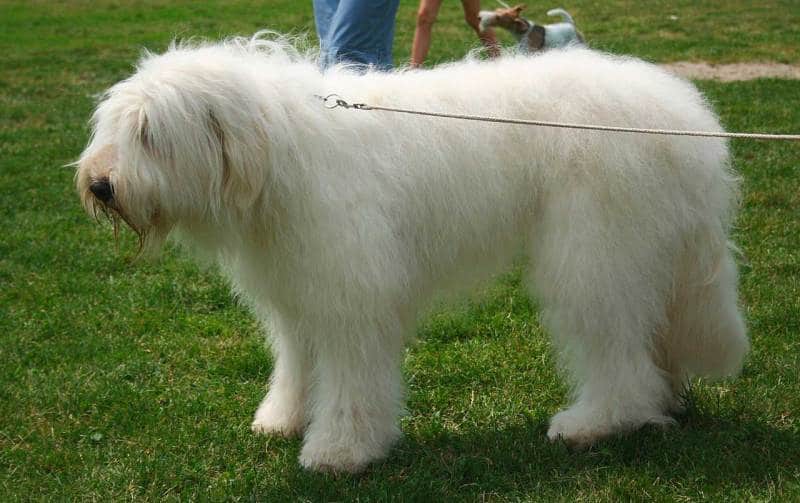
The South Russian Ovcharka it is a medium to large size dog, medium-bodied, not robust, with strong bones and dry, powerful muscles. Sexual dimorphism is well defined, males are more bulky compared to females and have larger heads. The top line is a characteristic feature of the breed; forms a slight curve over the spine. The body, the head, the limbs and tail are covered in thick fur, long and disheveled that gives a deceptive impression of clumsiness and heaviness, but actually the South Russian Ovcharka he is a fast and agile dog. The eyes, slightly almond-shaped, must be dark and horizontally arranged. The ears are relatively small, triangular and hanging.

  • Fur: the cloak is made up of long hair (10-15 cm.), often dense and slightly wavy, hard with abundant undercoat.
  • Color: uniform white allowed, White grey (Ash), white with gray traces, stained gray; fawn white robes are rarer, straw and completely gray.
  • Size: males, minimal 65 cm.; females, minimal 62 cm.. Individuals of 75 cm or more.

Observations and tips

Puppies are sometimes born light gray in color and turn white with the first shedding.

Character and skills

It is a dog that reacts fast, is strong, balanced and lively, with a tendency to be dominant and very active in defense. Very smart and responsive, is very balanced but easily takes action if your family's safety is threatened. It is very good with the owners, children included.

Images "South Russian Ovcharka"

Videos "South Russian Ovcharka"

Type and recognitions:

  • FCI CLASSIFICATION:
  • Group :
  • Section : . .

Federations:

  • – FCI – Group 1 Herding dogs, Section 1 Sheepdogs โ“˜
  • – UKC – Herding dogs โ“˜

FCI breed standard South Russian Ovcharka

FCIFCI - South Russian Ovcharka
Pastor

Alternative names:

1. Yuzhnorรบsskaya Ovcharka, Ukrainian Ovcharka, Ukrainian Shepherd Dog, Yuzhak, South Ukrainian Ovcharka, South Russian Shepherd Dog, South Russian Sheepdog (English).
2. berger de l’Ukraine (French).
3. Juschnorusskaja Owtscharka, Sรผdrussischer Schรคferhund, Ioujnorousskaรฏa Ovtcharka (German).
4. pastor-da-ucrรขnia (Portuguese).
5. Pastor Ucraniano, Pastor del sur de Rusia (espaรฑol).

Photos:

1 – South Russian Shepherd by https://www.pexels.com/es-es/foto/perro-2042862/
2 – South Russian Ovcharka during dogโ€™s show in Racibรณrz, Poland by user:chained / CC BY-SA
3 – South Russian Ovcharka during dogโ€™s show in Racibรณrz, Poland by user:chained / CC BY-SA
4 – South Russian Ovcharka during dogโ€™s show in Racibรณrz, Poland by user:chained / CC BY-SA
5 – Wikimania Images by Sailesh by Sailesh Patnaik / CC BY-SA

โ–ท The world of Pets: Dogs, cats, birds, reptiles, amphibians

Beauceron
Francia FCI 44 . Sheepdogs

Pastor de Beauce

The Beauceron It is one of the best job in the world dogs.

Content

History

The Beauceron, It is a breed of dog originating in the French Brie region; This race is quite old and well known in France.

True that the canine world, the history of this beautiful dog is not of the noveladas. The Beauceron, It was presented for the first time in a dogshow in the year 1897, but the race is actually quite old.

The specimens of Beauceron older, the first to set foot on our land, they had hard and coarse hair, but the characteristic that stood out the most was his marked aggressiveness.

With the passage of time, Select mediantes, breeders have succeeded in lowering the level of aggressiveness, but even so, it is not an easy dog โ€‹โ€‹to train, it retains certain ferocious traits.

At first the Beauceron It was used to hunt wild boar but later developed the ability to guide herds, being able to defend it from any attack by a predator; is a great guardian.

Physical characteristics

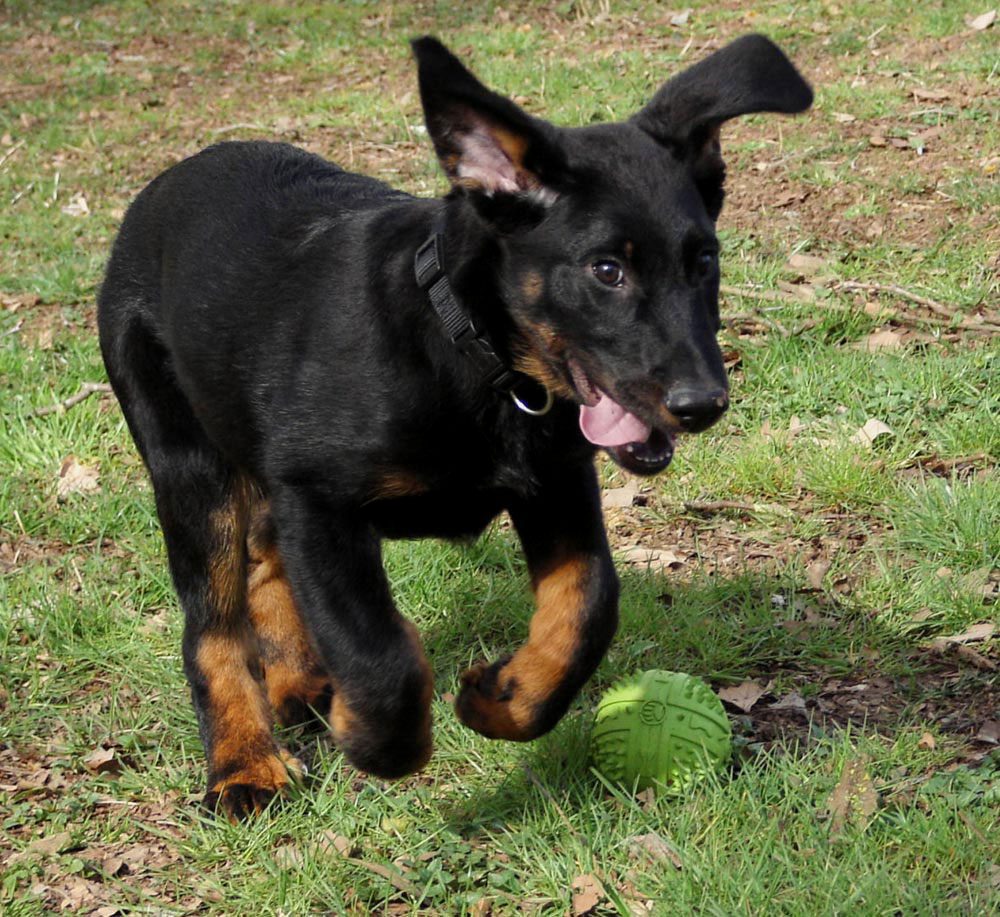
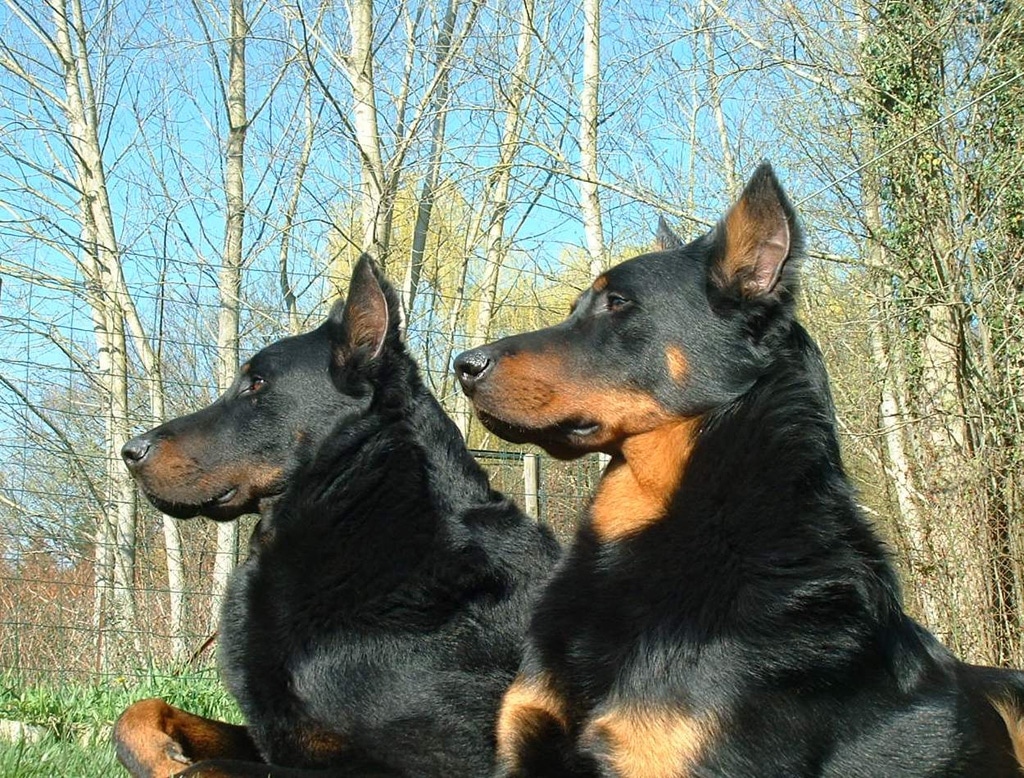
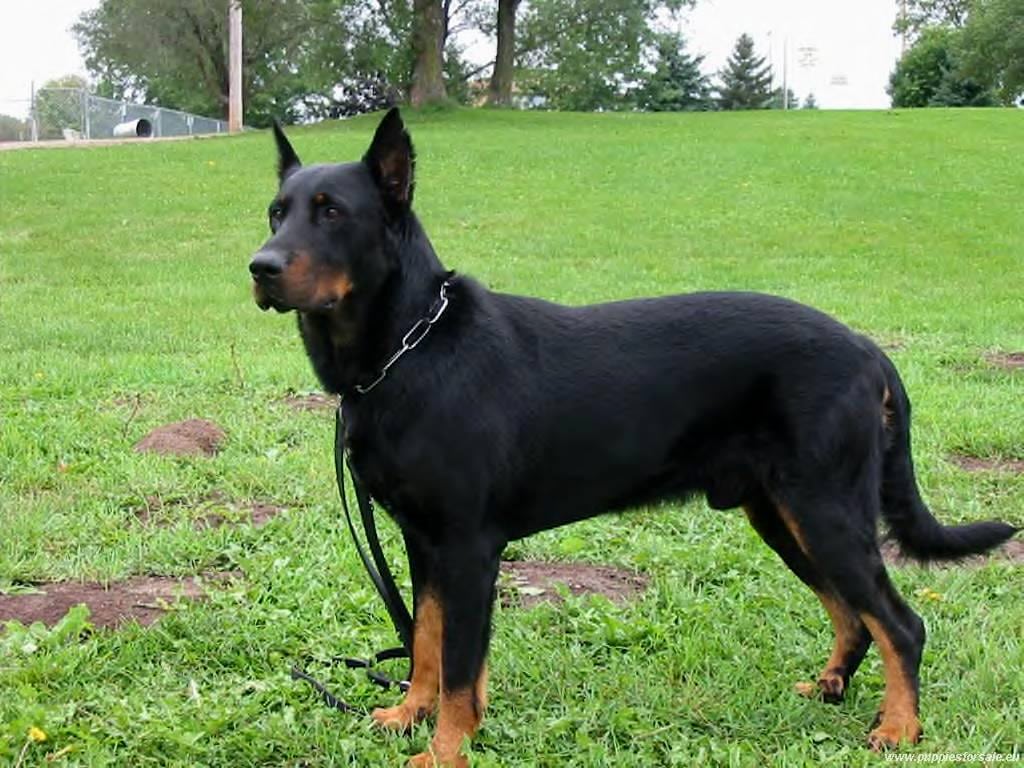
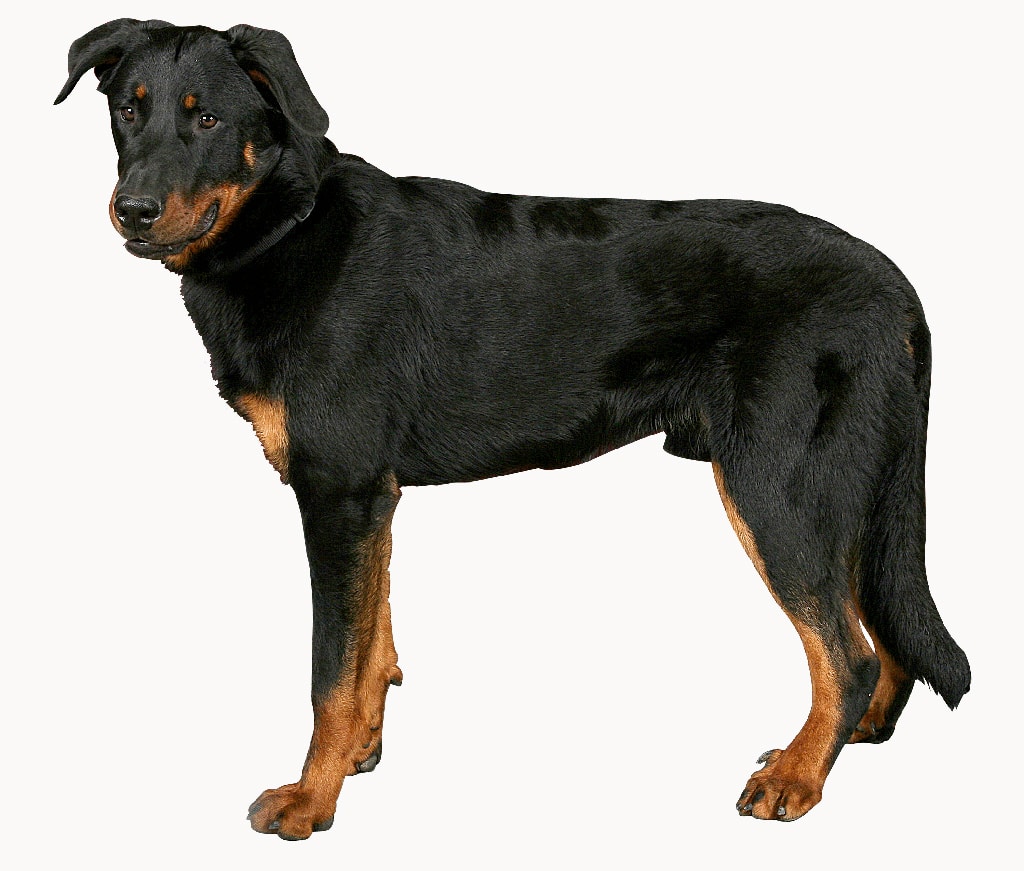
The Beauceron, often confused with the Dobermann due to the combination of color bronze and fire of his cloak. This coincides with the fact that the most widespread variety of the Beauceron.

Despite the similarity in the colors of the coat, it has many differences with him Dobermann, the Beauceron It is a dog with a more rustic and robust structure, the hair is also different and the tail does not cut.

Another differential characteristic, It is that the hind legs should stand double spur. This is one distinctive feature of the race.

The height males will of 65 to 70 cm and the females of 61 to 68 cm.. The approximate weight is between 40 and 50 kg. Females tend to be lighter.

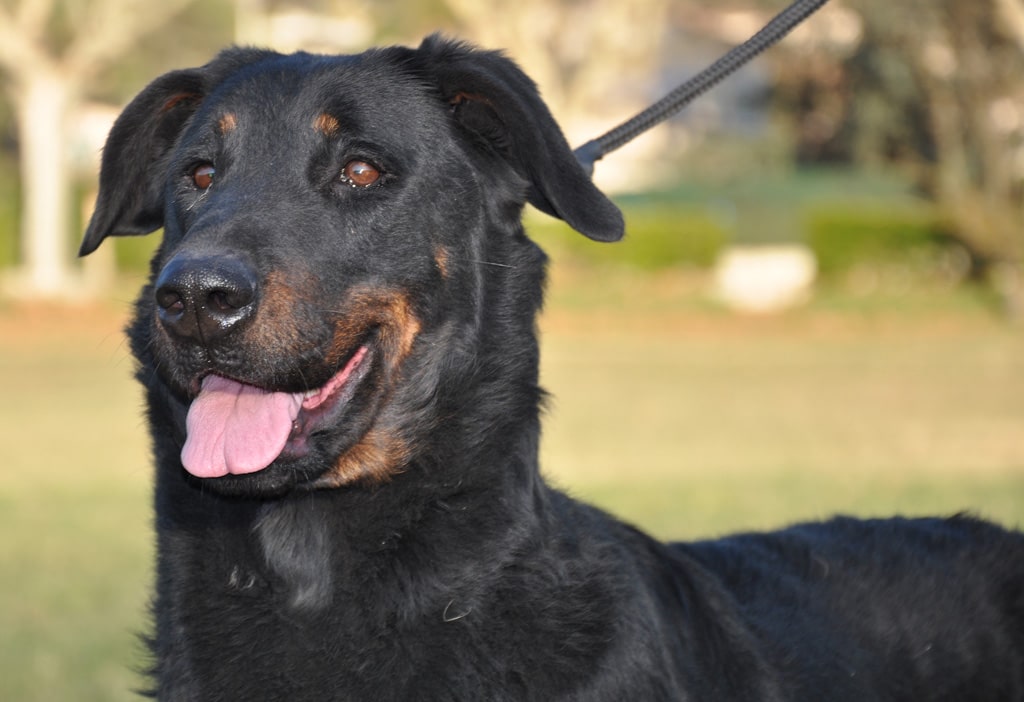
It has a aspect rustic, Wolf. Long head and flat, the muzzle and skull have the same length, dark eyes to harmonize with the fur, their ears hang naturally if they have not been cut.

They have the long neck, the elongated body and deep chest. Their limbs are strong.

The Beauceron has two layers of hair, the exterior is strong, thick, thick and smooth (Although they tend to present ripples around the neck). Internal hair layer is more dense and velvety, color grey mouse and must not be seen through the upper layer.

The colors supported are the black and tan and the Harlequin.

Character and skills

According to experts, It one of the best job in the world dogs, and all dogs of pastor is one who is more prepared for the defense.

Then, his character allows you to carry out defense, foster, useful but it is good to take into account that it is not a dog to be in the hands of inexperienced or too permissive.

He has a very independent character and a strong instinct for responsibility that allows him to make his own decisions. If he notices the slightest insecurity in his master, he will not take long and seconds to make the decisions himself..

With the strangers will be very suspicious, for this reason it is very important that the owner of the dog can control it because if it feels minimally intimidated it can be very biting.

If you receive adequate training and education will be an excellent companion.

Observations

Before purchasing a copy of Beauceron, We must take into account that it is not an easy dog. The person who decides to have a copy of this breed as a pet should be able to train him and raise him with full security.

The dog needs to know who is charge, It is also important to understand that all members of the family are heads of the herd, because if you can not pass it only obey one person whom he recognizes as head of the herd and the rest of the family will ignore or or them even try to impose.

Images of the "Beauce Pastor"

Videos del "Pastor de Beauce"

Characteristics "Beauceron"

Coexistence is important that you have with your new friend. Before considering the acquisition of a dog of the breed "Beauceron" you know certain factors. Not all breeds of dogs are apt to live in an apartment, you must take into account his character, their need for exercise, their interaction with other pets, their care and if you have small children, their level of tolerance towards them.

Adaptation โ“˜

3,0 of 5 stars (based on 1 review)

friendly dog โ€‹โ€‹โ“˜

2,0 of 5 stars (based on 1 review)

hair loss โ“˜

3,0 of 5 stars (based on 1 review)

Affection level โ“˜

4,0 of 5 stars (based on 1 review)

Need for exercise โ“˜

5,0 of 5 stars (based on 1 review)

Social need โ“˜

4,0 of 5 stars (based on 1 review)

Home โ“˜

2,0 of 5 stars (based on 1 review)

Toilet โ“˜

2,0 of 5 stars (based on 1 review)

Friendly with strangers โ“˜

2,0 of 5 stars (based on 1 review)

barking โ“˜

4,0 of 5 stars (based on 1 review)

Health โ“˜

2,0 of 5 stars (based on 1 review)

Territorial โ“˜

5,0 of 5 stars (based on 1 review)

Cat friendly โ“˜

2,0 of 5 stars (based on 1 review)

Intelligence โ“˜

5,0 of 5 stars (based on 1 review)

Versatility โ“˜

5,0 of 5 stars (based on 1 review)

Child friendly โ“˜

3,0 of 5 stars (based on 1 review)

Surveillance โ“˜

4,0 of 5 stars (based on 1 review)

joy โ“˜

5,0 of 5 stars (based on 1 review)

Type and recognitions:

  • FCI CLASSIFICATION:
  • Group :
  • Section : . .

Federations:

  • – FCI โ“˜
  • – AKC โ“˜
  • – โ€‹KC โ“˜
  • – UKC โ“˜

FCI breed standard Beauceron

FCIFCI - Beauceron
Pastor

Alternative names:

  • Alternative names: French Shorthaired Shepherd / Beauce Shepherd / Berger de Beauce / Bas Rouge (Red Stocking)

โ–ท The world of Pets: Dogs, cats, birds, reptiles, amphibians

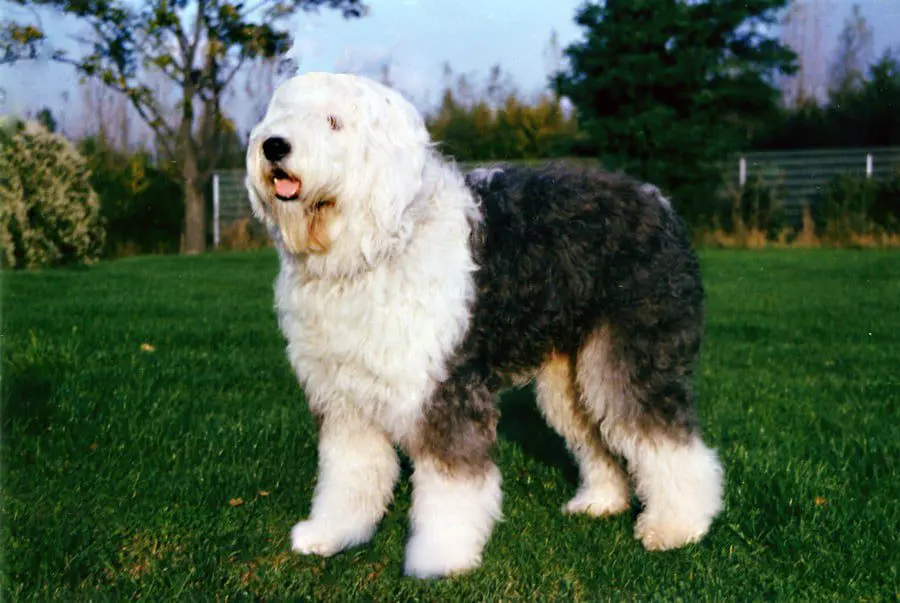
Old English Sheepdog (Bobtail)
Gran Bretaรฑaa FCI 16 . Sheepdogs

The Old English Sheepdog It is possibly the breed that needs the most care regarding its hair.

Antiguo Perro Pastor Inglรฉs

Characteristics "Old English Sheepdog (Bobtail)"

Coexistence is important that you have with your new friend. Before considering the acquisition of a dog of the breed "Old English Sheepdog (Bobtail)" you know certain factors. Not all breeds of dogs are apt to live in an apartment, you must take into account his character, their need for exercise, their interaction with other pets, their care and if you have small children, their level of tolerance towards them.

Content

Adaptation โ“˜

3,0 of 5 stars (based on 1 review)

friendly dog โ€‹โ€‹โ“˜

3,0 of 5 stars (based on 1 review)

hair loss โ“˜

5,0 of 5 stars (based on 1 review)

Affection level โ“˜

5,0 of 5 stars (based on 1 review)

Need for exercise โ“˜

3,0 of 5 stars (based on 1 review)

Social need โ“˜

5,0 of 5 stars (based on 1 review)

Home โ“˜

1,0 of 5 stars (based on 1 review)

Toilet โ“˜

5,0 of 5 stars (based on 1 review)

Friendly with strangers โ“˜

2,0 of 5 stars (based on 1 review)

barking โ“˜

4,0 of 5 stars (based on 1 review)

Health โ“˜

3,0 of 5 stars (based on 1 review)

Territorial โ“˜

5,0 of 5 stars (based on 1 review)

Cat friendly โ“˜

3,0 of 5 stars (based on 1 review)

Intelligence โ“˜

4,0 of 5 stars (based on 1 review)

Versatility โ“˜

3,0 of 5 stars (based on 1 review)

Child friendly โ“˜

5,0 of 5 stars (based on 1 review)

Surveillance โ“˜

3,0 of 5 stars (based on 1 review)

joy โ“˜

5,0 of 5 stars (based on 1 review)

History

The Old English Sheepdog or Bobtail. It is a breed of dog guard or shepherds dogs family.

The race was created in England, more specifically, in the west, in the mid-19th century, to control the sheep and beef cattle in the rural area. While the race is born and develops in England, there is more than one theory that explains its origin.

Some authors raised the breed descended from dogs brought from Central Europe by the Romans, that over time they were crossing with different English races, including the English mastiff giving rise to Old English Sheepdog.

Other scholars of the race stress that it is a very old dog and possibly his most significant ancestor is the famous Asian Shepherd What, It has helped the existence of the Berger de Brie in France, of the Bergamasco Shepherd in Italy, and of the Komondor in Hungary.

According to this second current, the first copies of Bobtail they were selected for the first time in an era marked by the savage rivalry between England and France, the Of the hundred years ' war (1337-1453).

Y, finally, they pose in their ancestors, appears with total security the Berger de Brie.

In addition to in England this dog took many acceptance and dissemination among the Spanish shepherds in the 19th and 20th centuries by their excellent conditions and skills for the care of livestock.

Physical characteristics

It is a dog great size and scale, with a height around the 63 cm.. and a weight between the 30 and 40 kg.

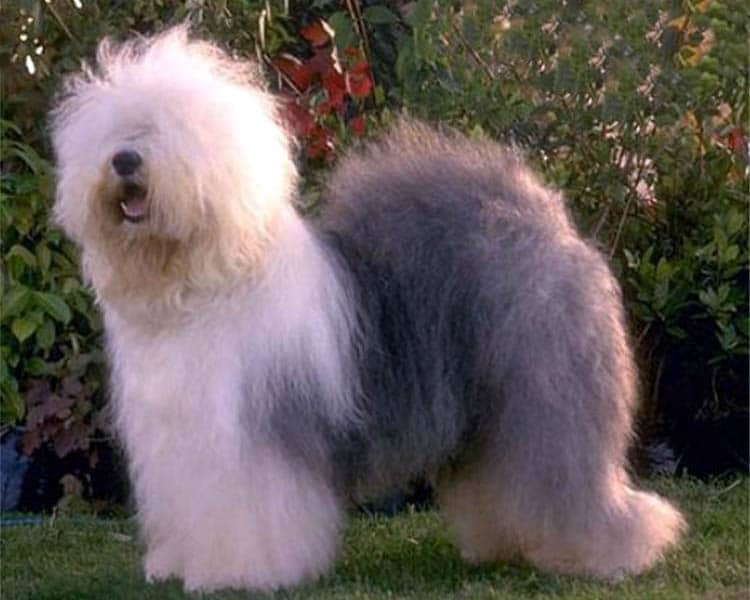
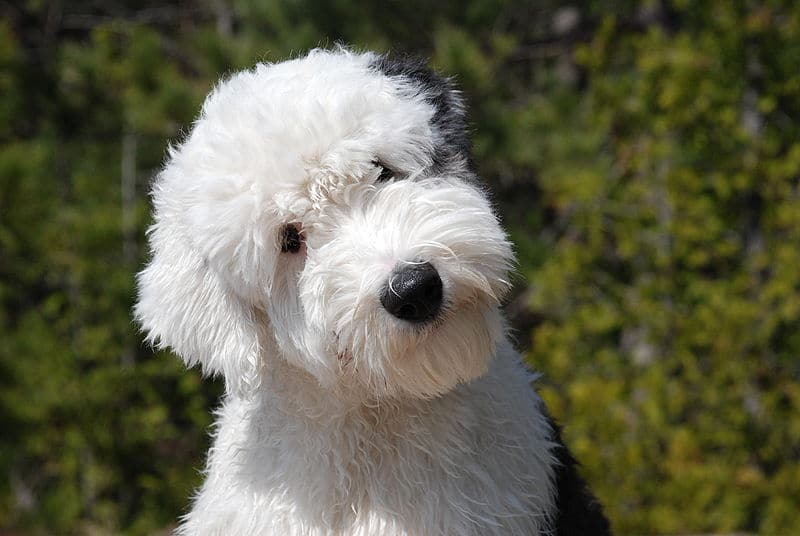
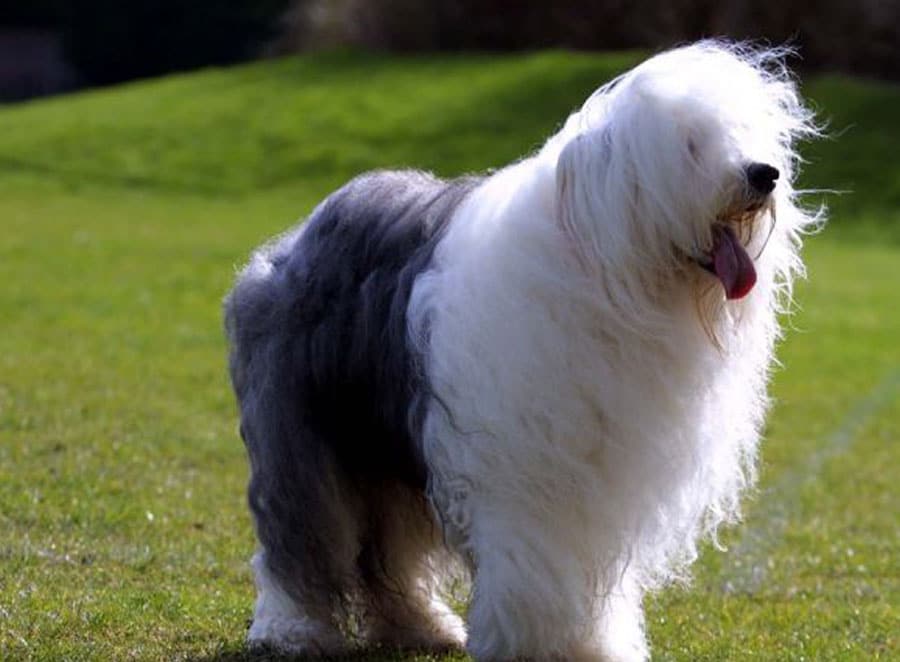
Small and floppy ears, coated with hair, strong and elongated neck, abundant hair desgreรฑado and rough touch, with a range of colors that can range from grey, grey, Blue to blue merle, with or without white markings on the head, bottom of the stomach or forelimbs.

The tail is often be amputated, or are there simply copies that are already born without it, hence its name Bobtail which in means ยซcut tailยซ, The search for this characteristic trait is believed to have been due to the desire of English breeders not to pay taxes., already before the dogs with tails were thought to be luxury goods. This dog has a very characteristic bark in the canine world, serious and pervasive.

Did you know??

There is no upper limit to the height of the Old English Sheepdog. Females usually measure 53 cm , the males 56 cm . That's because the sheep varied in size, so the dogs used to herd them they also varied in size.

Character and skills

Video "Old English Sheepdog (Bobtail)"

The Bobtail, tolerant character, It is an excellent dog for living together with children and other pets. They are able to easily adapt themselves to different conditions.. Faithful and intelligent It adapts to life in an apartment if necessary, always with the company of its owner. It is important to train it well from small, It is to learn fast and responsive dog.

The Old English Sheepdog he is a very good worker and is able to carry out orders, but it won't if the instruction if they believe that they are stronger minded than the human herd members.

They have a strong herding instinct and can treat the flock to shock people, never to bites. It is necessary to learn from an early age that humans are not part of his flock.
This dog is possibly the more care you need for your hair, that should be dealt with by canine professionals. As well, but to adapt to living in small spaces, you need a daily dose of exercise in the open air, because otherwise it could become destructive with the furniture in the house. Due to its thick coat is not a recommended race to live in warm places.

Health

The Bobtail have a predisposition to certain skin conditions:

– atopy ;
– demodecy;
– Furunculosis bacteriana (in the legs).

Life expectancy

13 years

Grooming

The maintenance of "Old English Sheepdog (Bobtail)" it is tedious due to its fur. Grooming is recommended every 4 or 6 weeks, otherwise shearing is inevitable.

Images ยซOld English Sheepdogยป

โ€œOld English Sheepdogโ€ Videos

Home Again Chip saves Texas Old English Sheepdog

Type and recognitions:

  • FCI CLASSIFICATION:Group 1 –> Pastor and Boyeros dogs (except Swiss Cattle Dogs). – Section 1 –> Pastor dogs. Without working trial.
  • FCI 16
  • Federations: FCI โ“˜, AKC โ“˜, ANKC โ“˜, CKC โ“˜, โ€‹KC โ“˜, NZKC โ“˜, UKC โ“˜

FCI breed standard "Old English Sheepdog (Bobtail)"

Origin:
United Kingdom

Date of publication of the valid original standard:
13.10.2010

Use:

Shepherd dog.


General appearance:

It is a strong dog, symmetric, square, very harmonious construction and robust constitution. Absolutely no weakness in the limbs. Completely covered in abundant hair. He is a muscular dog, solid and with a very intelligent expression. Natural shapes should not be artificially modified using scissors or shearing machines.. Of great vitality, presenting a slightly ascending upper line and, seen from above, a pear-shaped body. Has a typical sway when walking with an ambling gait or with a normal gait. His barking has a characteristic timbre.


Behavior / temperament:

It is a docile dog with a good character. Bold, fell, and trustworthy. Not in any way fearful or aggressive if not provoked.

Head:


Cranial region:
  • Skull : Bulky and square in shape. The supra-orbital region is well arched.
  • Depression links (Stop) :  Well defined.

facial region:

  • Truffle : Large and black. The nostrils are wide.
  • Snout :  Strong, square and truncated,
  • Jaws / teeth : Strong teeth, large and well placed. Scissor bite : The jaws are strong and articulated in a perfect scissor shape., regular and complete, that is to say, that the upper incisors cover the lower ones in close contact and are set square in relation to the jaws. Pincer bite is tolerated but undesirable.
  • Eyes :  Separate. Dark-colored eyes or gazey eyes. The two blue eyes are admitted. Light eyes are a flaw. Pigmented eye rim will be preferred.
  • Ears :  Small and stuck to the sides of the head,

Neck:

Good length, strong and gracefully arched.

Body:

Rather short and compact.

  • Pork loin : Very robust, wide and slightly arched.
  • Breast : Well lowered and wide. The ribs are well sprung.

Tail:

Previouslycustom wasamputate the tail or naturally borntailless.
  • amputee: Usually completely amputated.
  • Without amputating : natural size. With good fringes and abundant hard-textured hair.


Tips

Former members
  • Shoulder : The scapulae should be well oblique, more  closer in the area of รขโ‚ฌโ€นรขโ‚ฌโ€นthe cross than in the shoulders. Loaded shoulders are undesirable.
  • Elbows : Tight to the chest.
  • Forearm: Perfectly straight forelimbs ; his skeleton is very strong, holding the body so that it is not close to the ground.
  • Previous feet: They must not be turned either inwards or outwards. They are small and tight. Well arched fingers, thick and solid ear pads.
Former members
  • General appearance: The posterior third is well covered with hairs, round and muscular.
  • Knee : Well angled, but without exaggeration
  • ;Leg : Long and well developed.
  • Hock : Well descended.
  • Metatarsus: Seen from behind, they must be perfectly straight.
  • Rear foot: They must not be turned either inwards or outwards. They are small and tight. Well arched fingers, thick and solid ear pads.
  • Movement:

    When walking, the rear one sways like a bear. At a trot, the extension is easy and the drive given by the rear is powerful. The members move in planes parallel to the axis of the body. Very elastic canter. In slow movements, certain dogs may have a tendency to walk at a walking pace. In motion, the dog may adopt a naturally lower head stature.

    Mantle

    • Fur : Abundant, very rough in texture ;  it is not smooth, but hirsute and free of loops. The undercoat is waterproof. The head and skull are well covered with hair. Ears are moderately covered. Neck well covered, as well as the anterior limbs, especially their surroundings. Hair is more abundant in the posterior third than in the rest of the body. Quality should be given more importance, to hair texture than to length andabundance.
    • Color : Any shade of gray, grayish or blue. The body and posterior third are uniform in color, with or without small white spots on the extremities of the limbs (socks). White spots in solid color areas should be rejected.  The head, the neck, forelimbs and lower belly should be white, with or no stains. Any brown hue is undesirable.


    Size and weight:

    Height to the cross

    • Males:    61 cm ,
    • females:   56  cm .

    The type and balance of shapes are of utmost importance and should not, in no case, be slaughtered for the carving.


    Fouls:

    Any deviation from the aforementioned criteria is considered a fault and its severity is considered to the degree of deviation from the standard and its consequences on the health and well-being of the dog and the dog's ability to perform its traditional task..

    disqualifying fouls
    • Aggressive or fearful dog
    • Any dog โ€‹โ€‹showing clear signs of physical or behavioral abnormalities must be disqualified..


    N.B.:

    Males should have two normal-appearing testicles fully descended into the scrotum..

    The latest changes are in bold.

    Source: F.C.I - International Cynological Federation

    Alternative names:

    1. Shepherd’s Dog, bob-tailed sheep-dog, Bob-tail, Bobtail (English).
    2. Chien de berger anglais ancestral (French).
    3. Stummelschwanz, Schรคferhund, Altenglischer (German).
    4. Old english sheepdog, Ovelheiro-inglรชs (Portuguese).
    5. Antiguo pastor inglรฉs, Bobtail (espaรฑol).

    โ–ท The world of Pets: Dogs, cats, birds, reptiles, amphibians

    Bouvier des Flandres
    Bรฉlgica Francia FCI 191 - Cattledogs (except Swiss Cattle Dogs)

    Boyero de Flandes

    The strong herding instinct of the Bouvier des Flandres manifests itself with its own family

    Content

    History

    Bouvier des Flandres It is a breed of dog of Flanders, It is one of the three regions of Belgium, Wallonia and the Brussels region (Capital of Belgium and Flanders). It is known as Bouvier des Flandres and Toucheur de Boeuf en francรฉs, Vlaamse Koehond in flamenco and Vuilbaard in German.

    There are many disputes as to its origin. For the French, This Boyero comes from the crossing of the Griffon with the old Pastor of Beauce. Belgians claim that it descends from the Boyero Roeselare, certainly it intervened in the construction of the race after extinction after the second world war. The FCI has attributed both origins to this dog, the region of Flanders is part French and part Belgian.

    Physical characteristics

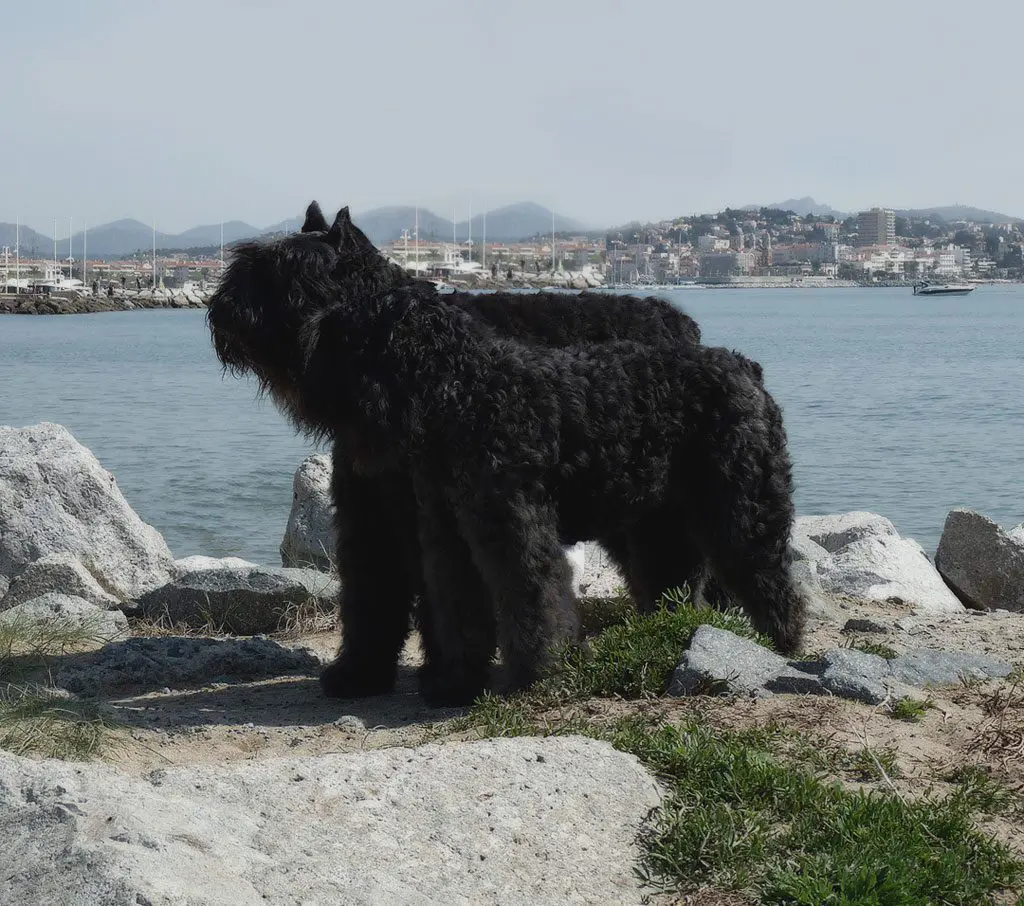
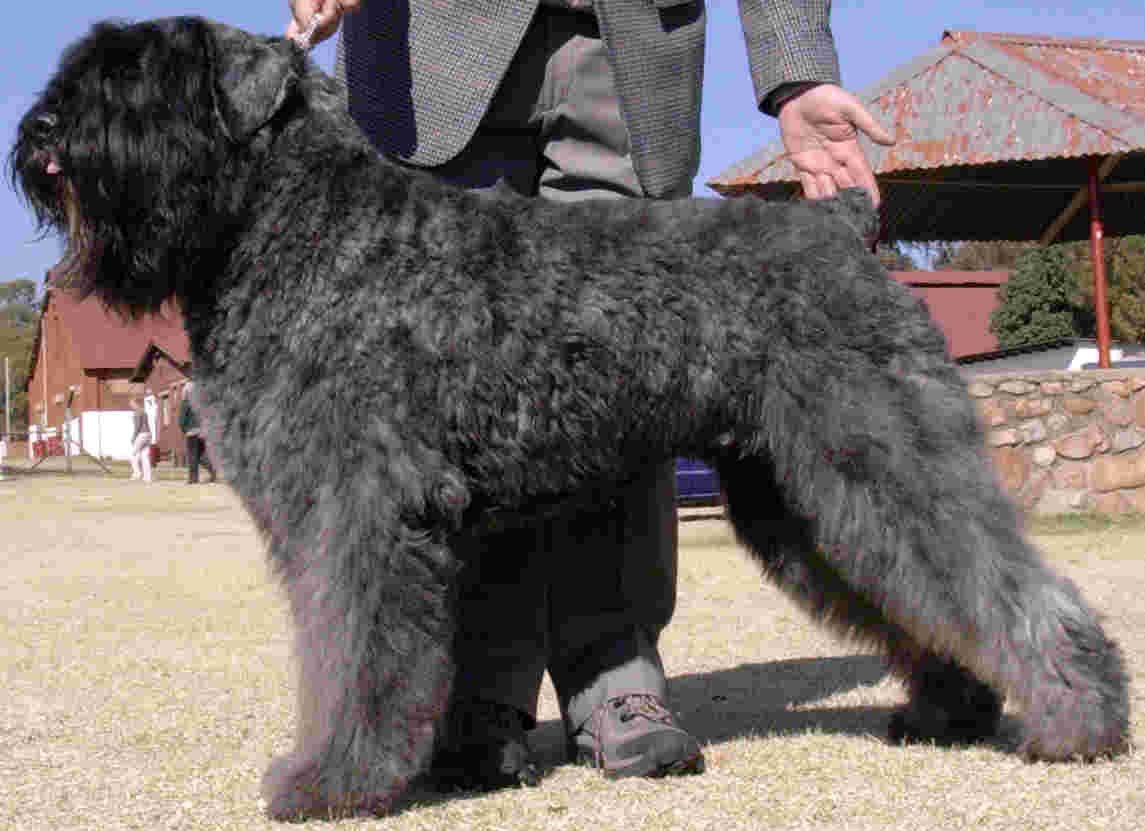
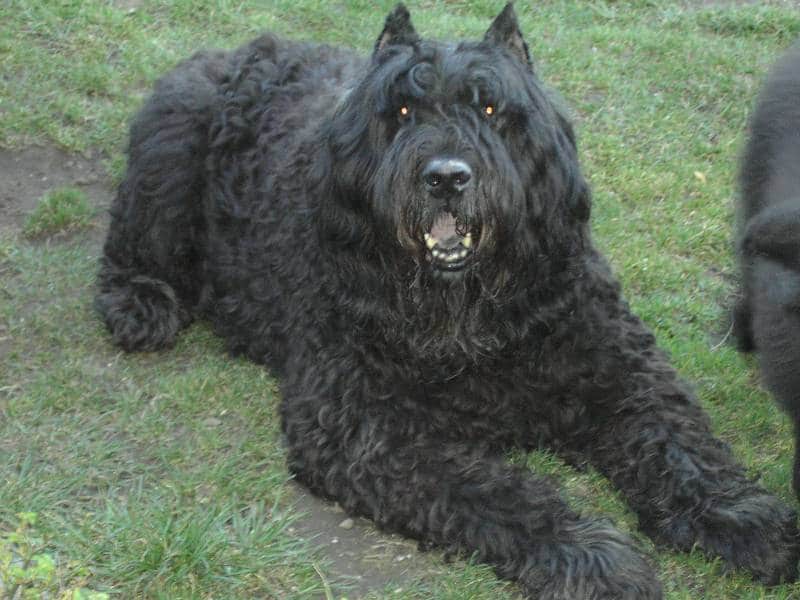
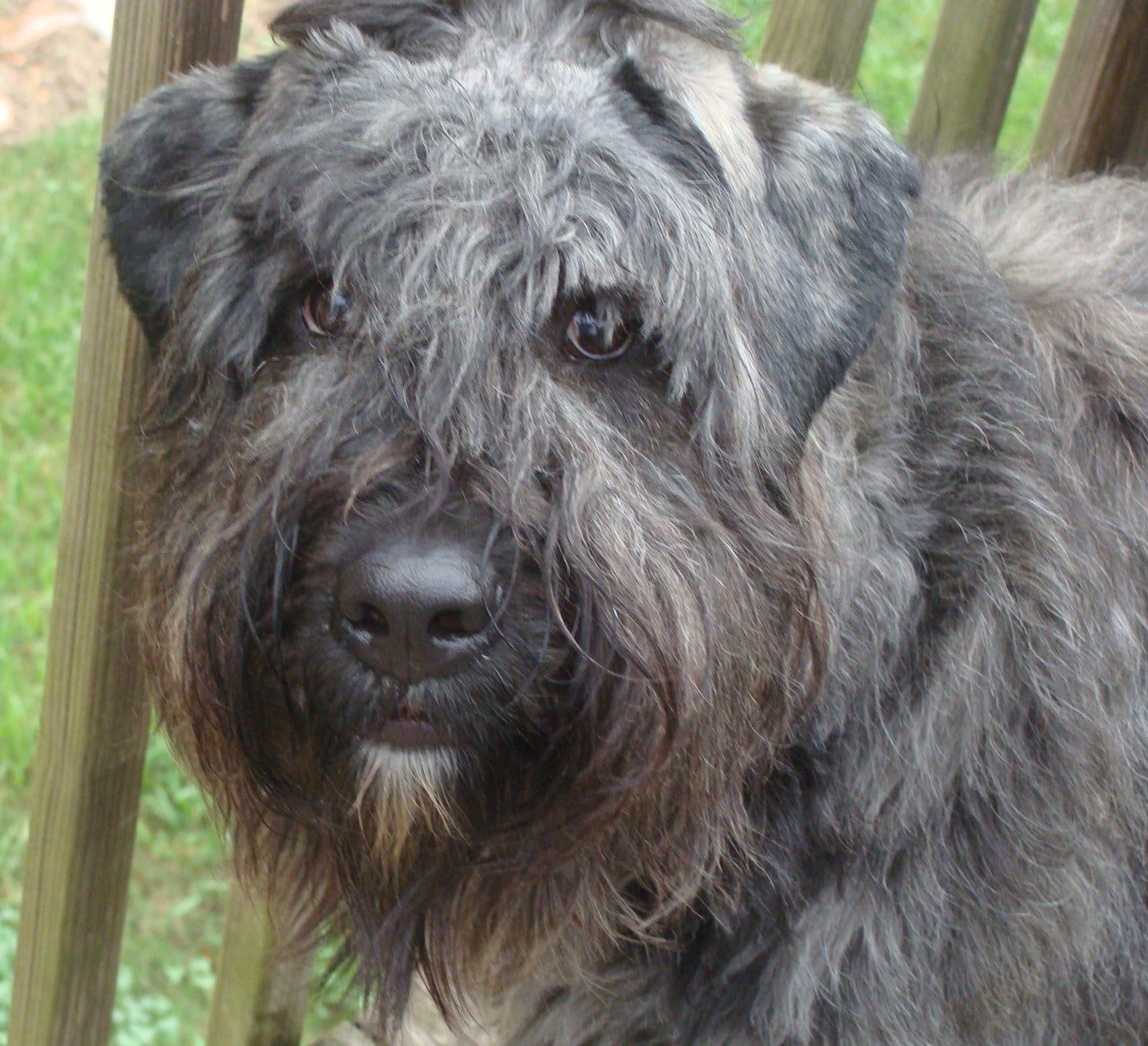
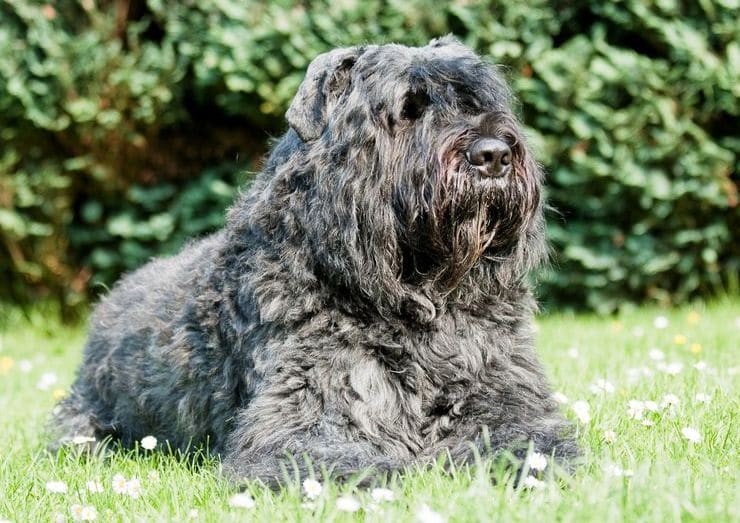
    Traditionally used as cattle herding dog and a guard dog, the Sennenhund Flanders, It is a dog of large size and with the body covered with an abundant layer of long hair. There are several colorations, ranging from light brown (leonado) into the black, passing through several shades of gray, "salt and pepper" and chocolate. The validity in different colors of fur contest is determined by the different associations canรณfilas.

    Boyero Flanders is a robust dog, powerful appearance and large size but without showing clumsiness or heaviness. His most notable feature is his impressive head, accentuated by a bushy beard and moustache. The ears and tail times are cut, Although this practice is falling into disuse. The weight can vary between 36 and 45 kg, the height to cross between 60 and 69 centimeters.

    Bushy fur has a underlying layer and can be anything from a up black Griffon, requiring constant grooming and, in the case of dogs in competition, cut each 6 u 8 weeks.

    Character and skills

    Boyero Flanders has a stable temperament; never shy but never aggressive. It is a worthy dog, calm, rational and, wisely, bold. As dog and surveillance, It may be suspicious and protective with their family or herd.

    His strong herding instinct is manifested with his own family, especially if children are included.

    It is an intelligent dog, He learns fast, although it is also easily bored so it requires constant stimulation and obedience training is essential.

    It is a relatively healthy breed and little predisposed to specific ailments. Like all large breeds it is susceptible to Dysplasia of hip and gastric torsion, and sometimes there may be problems of cataract.

    Characteristics "Bouvier des Flandres"

    Coexistence is important that you have with your new friend. Before considering the acquisition of a dog of the breed "Bouvier des Flandres" you know certain factors. Not all breeds of dogs are apt to live in an apartment, you must take into account his character, their need for exercise, their interaction with other pets, their care and if you have small children, their level of tolerance towards them.

    Adaptation โ“˜

    5,0 of 5 stars (based on 1 review)

    friendly dog โ€‹โ€‹โ“˜

    3,0 of 5 stars (based on 1 review)

    hair loss โ“˜

    3,0 of 5 stars (based on 1 review)

    Affection level โ“˜

    5,0 of 5 stars (based on 1 review)

    Need for exercise โ“˜

    3,0 of 5 stars (based on 1 review)

    Social need โ“˜

    3,0 of 5 stars (based on 1 review)

    Home โ“˜

    1,0 of 5 stars (based on 1 review)

    Toilet โ“˜

    5,0 of 5 stars (based on 1 review)

    Friendly with strangers โ“˜

    2,0 of 5 stars (based on 1 review)

    barking โ“˜

    5,0 of 5 stars (based on 1 review)

    Health โ“˜

    3,0 of 5 stars (based on 1 review)

    Territorial โ“˜

    5,0 of 5 stars (based on 1 review)

    Cat friendly โ“˜

    3,0 of 5 stars (based on 1 review)

    Intelligence โ“˜

    5,0 of 5 stars (based on 1 review)

    Versatility โ“˜

    5,0 of 5 stars (based on 1 review)

    Child friendly โ“˜

    5,0 of 5 stars (based on 1 review)

    Surveillance โ“˜

    3,0 of 5 stars (based on 1 review)

    joy โ“˜

    5,0 of 5 stars (based on 1 review)

    Pictures Bouvier des Flandres

    Videos Bouvier des Flanders

    Type and recognitions:

    • FCI CLASSIFICATION:
    • Group :
    • Section : . .

    Federations:

    FCI โ“˜, AKC โ“˜, ANKC โ“˜, CKC โ“˜, โ€‹KC โ“˜, NZKC โ“˜, UKC โ“˜

    FCI breed standard Bouvier des Flandres

    FCIFCI - Bouvier des Flandres
    Cattle

    Alternative names:

    1. Flanders Cattle Dog, Vlaamse Koehond (English).
    2. bouvier des Flandres (French).
    3. Bouvier des Flandres (German).
    4. Boiadeiro das Flandres (Portuguese).
    5. Boyero de Flandes (espaรฑol).

    โ–ท The world of Pets: Dogs, cats, birds, reptiles, amphibians

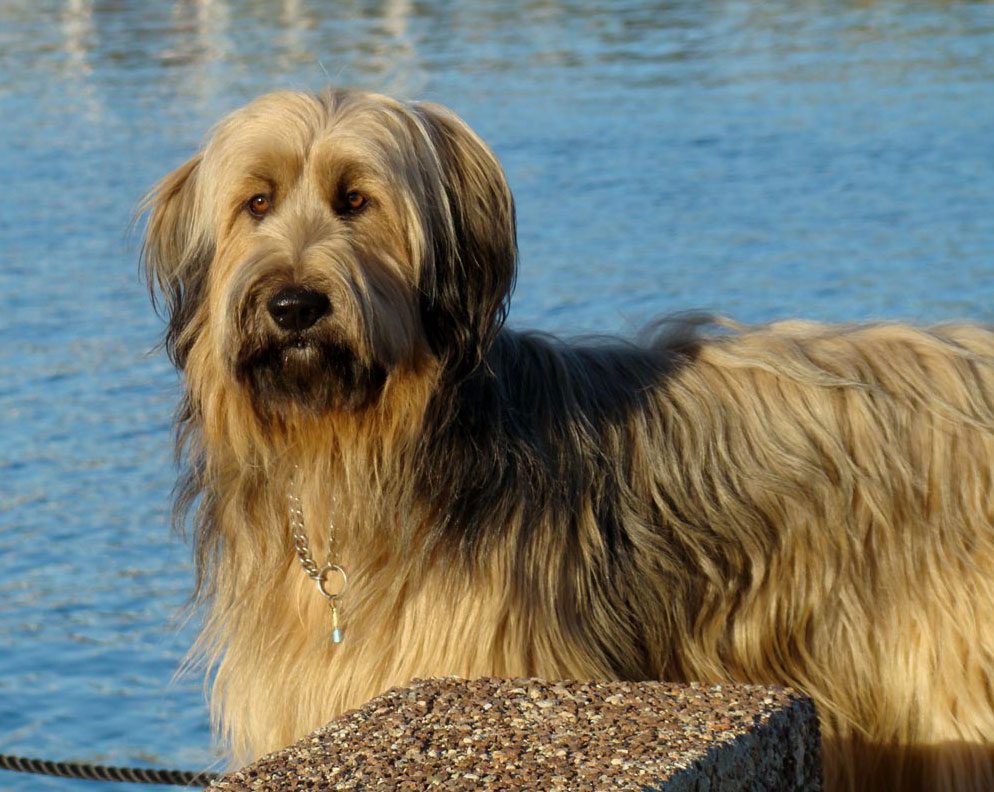
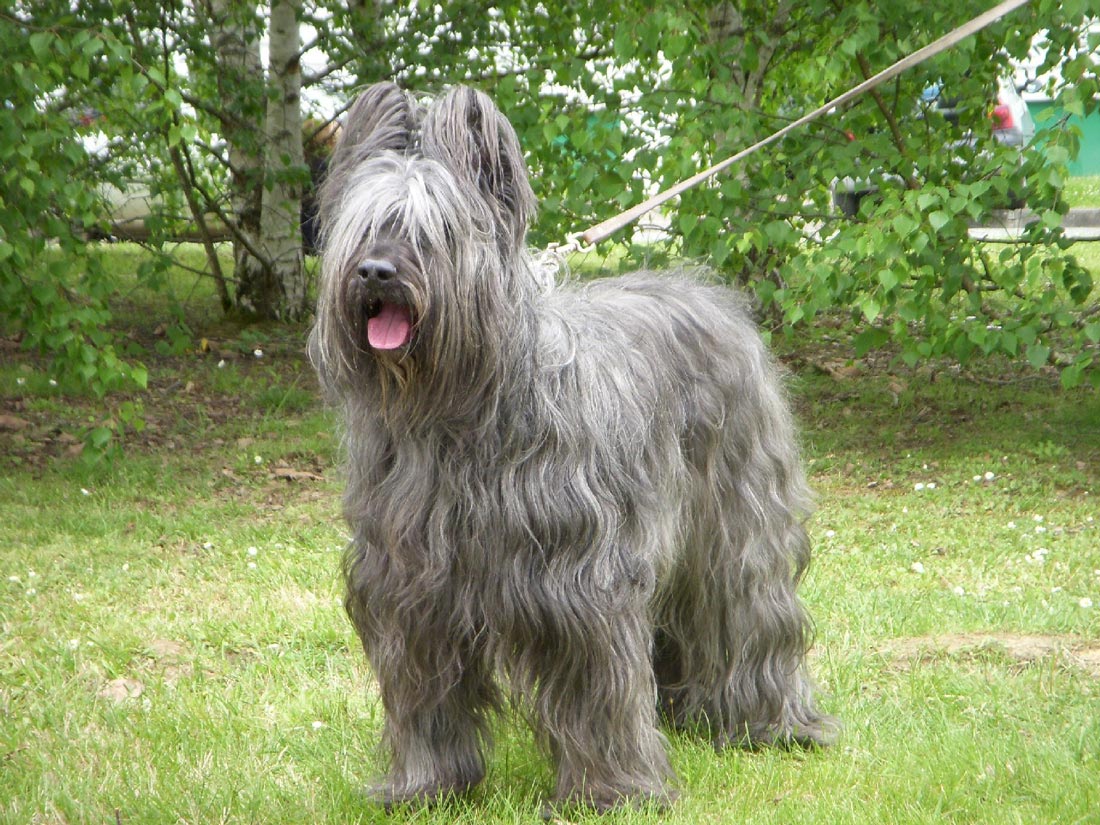
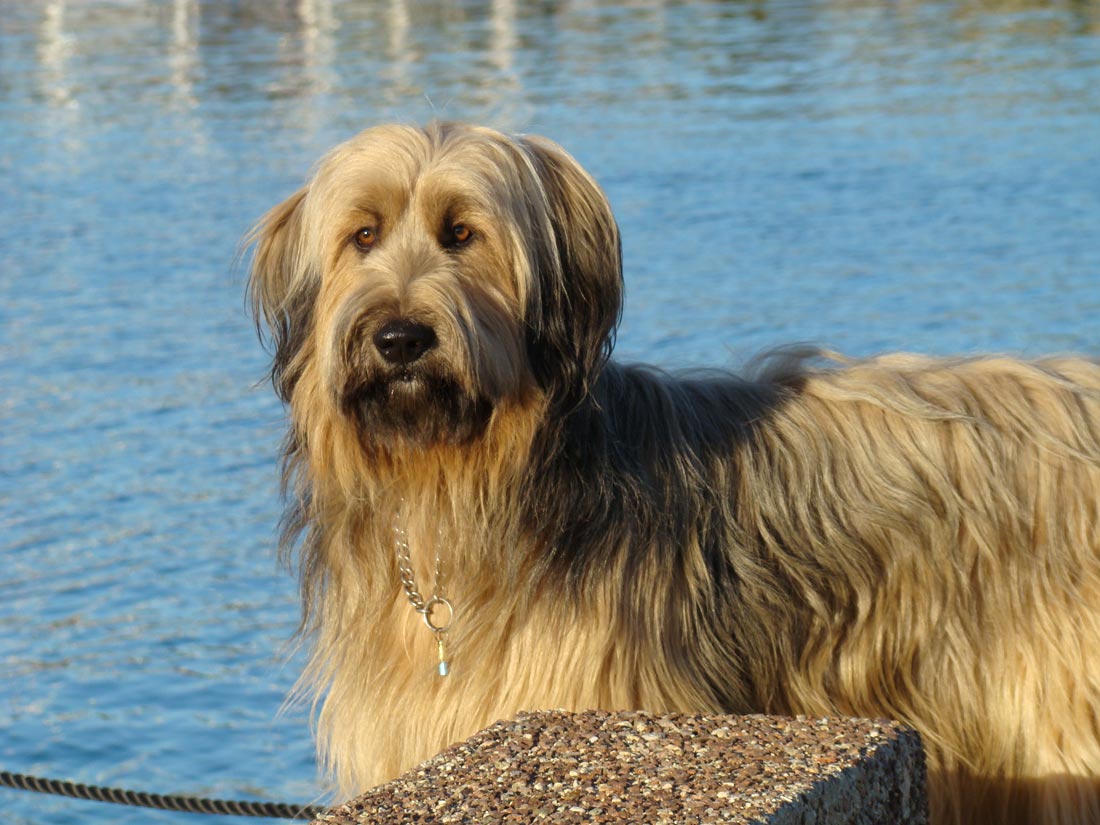
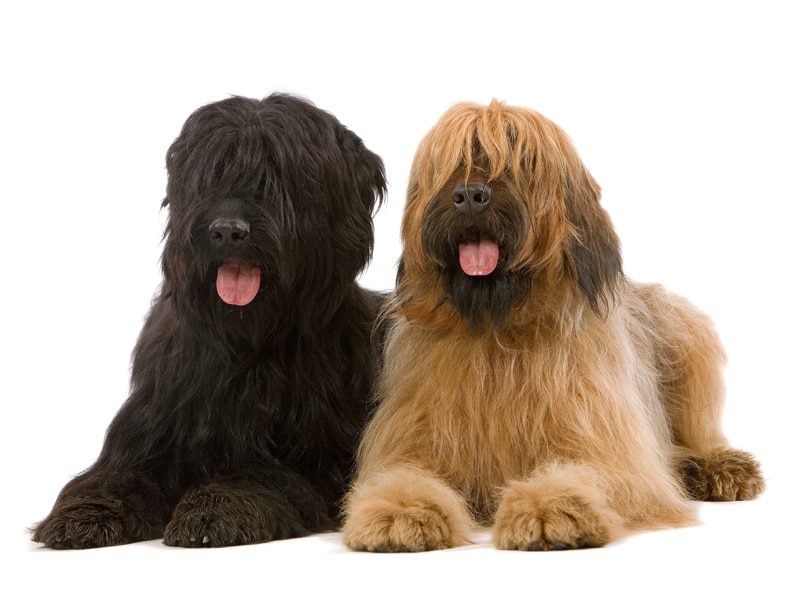
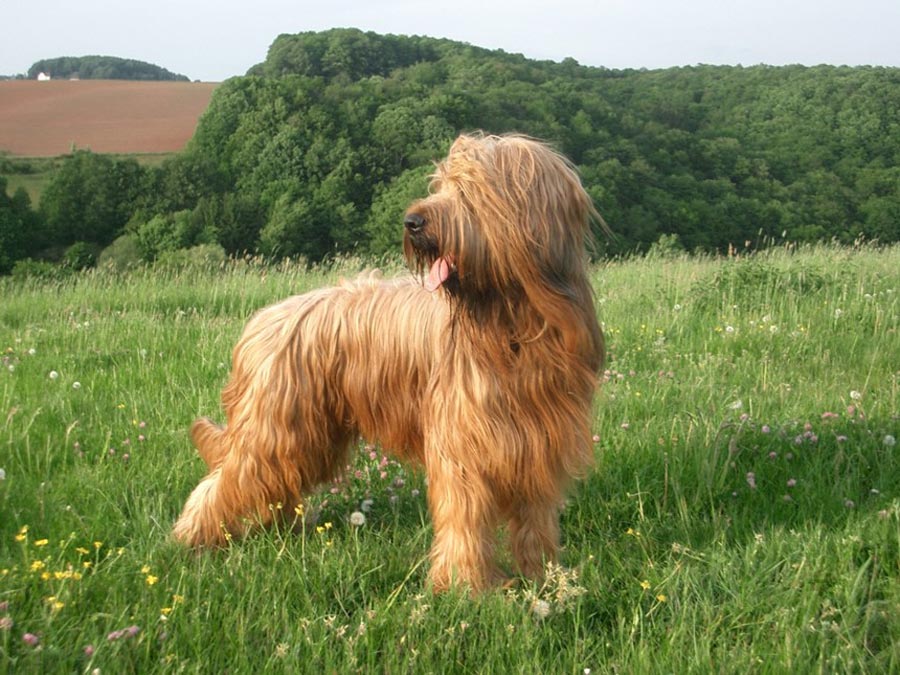
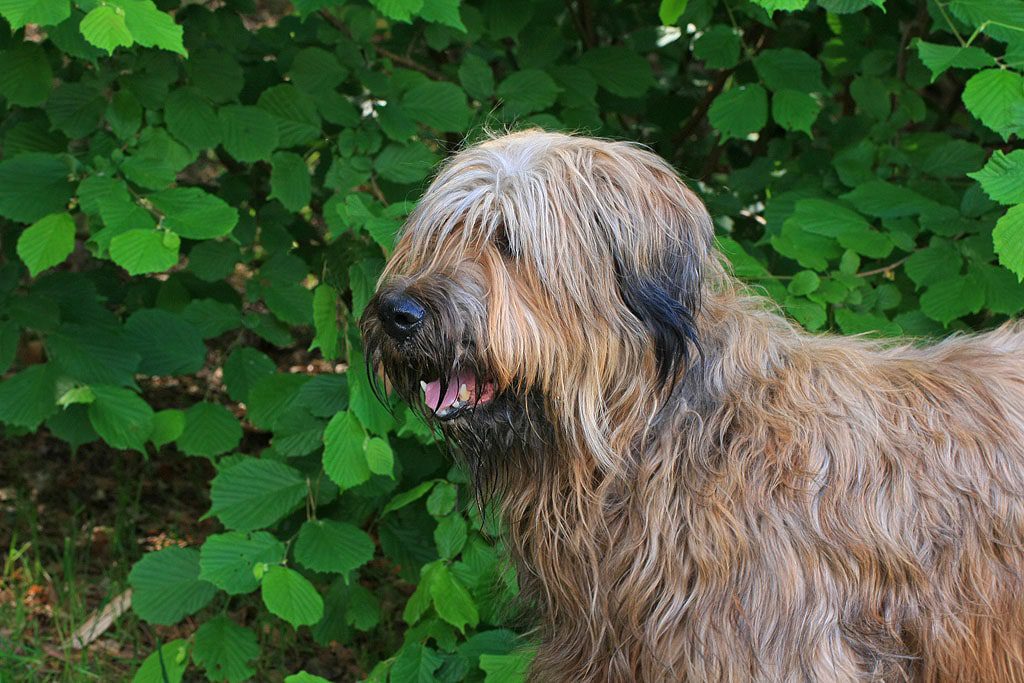
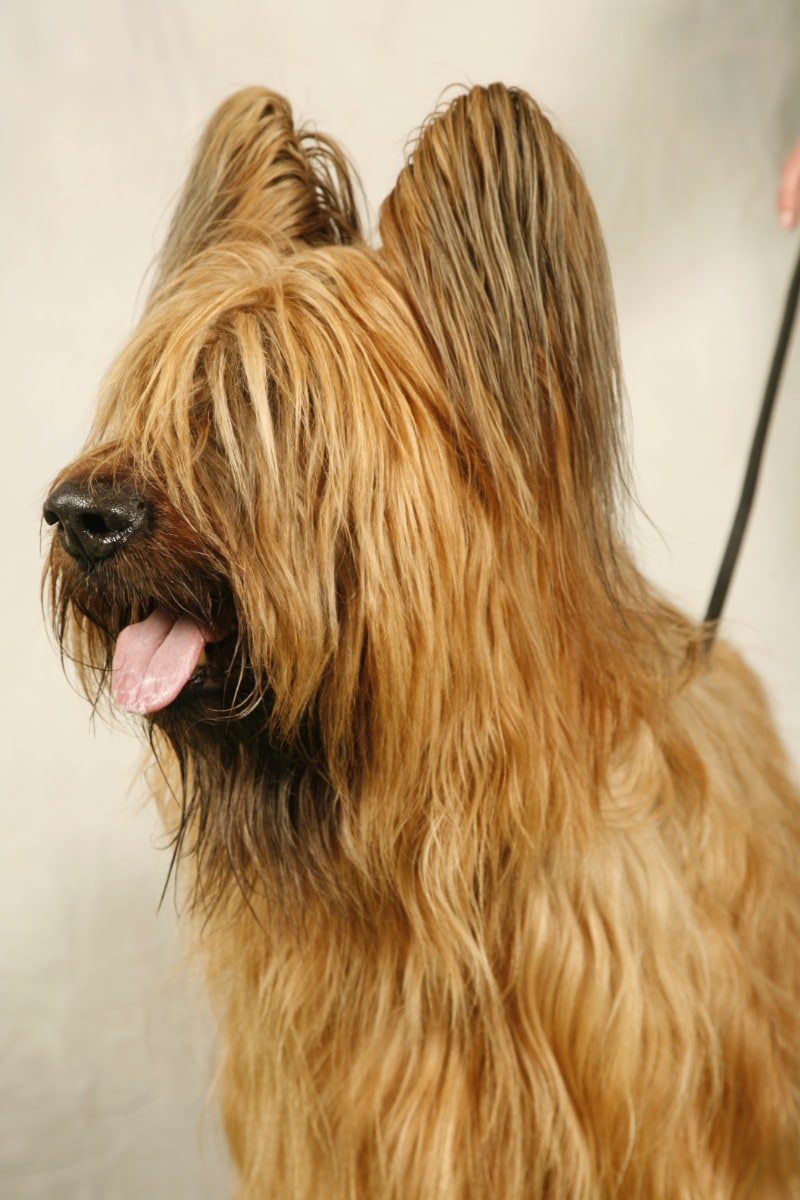
    Briard
    Francia FCI 113 - Sheepdogs

    The Berger de Brie It is an excellent race to raise with children of all ages.

    Pastor de Brie

    Content

    Characteristics "Briard"

    Coexistence is important that you have with your new friend. Before considering the acquisition of a dog of the breed ยซยซ you know certain factors. Not all breeds of dogs are apt to live in an apartment, you must take into account his character, their need for exercise, their interaction with other pets, their care and if you have small children, their level of tolerance towards them.

    Adaptation โ“˜

    4,0 of 5 stars (based on 1 review)

    friendly dog โ€‹โ€‹โ“˜

    3,0 of 5 stars (based on 1 review)

    hair loss โ“˜

    3,0 of 5 stars (based on 1 review)

    Affection level โ“˜

    5,0 of 5 stars (based on 1 review)

    Need for exercise โ“˜

    5,0 of 5 stars (based on 1 review)

    Social need โ“˜

    4,0 of 5 stars (based on 1 review)

    Home โ“˜

    4,0 of 5 stars (based on 1 review)

    Toilet โ“˜

    5,0 of 5 stars (based on 1 review)

    Friendly with strangers โ“˜

    2,0 of 5 stars (based on 1 review)

    barking โ“˜

    3,0 of 5 stars (based on 1 review)

    Health โ“˜

    3,0 of 5 stars (based on 1 review)

    Territorial โ“˜

    5,0 of 5 stars (based on 1 review)

    Cat friendly โ“˜

    3,0 of 5 stars (based on 1 review)

    Intelligence โ“˜

    5,0 of 5 stars (based on 1 review)

    Versatility โ“˜

    5,0 of 5 stars (based on 1 review)

    Child friendly โ“˜

    4,0 of 5 stars (based on 1 review)

    Surveillance โ“˜

    3,0 of 5 stars (based on 1 review)

    joy โ“˜

    5,0 of 5 stars (based on 1 review)

    History

    The Berger de Brie or Briard is a breed dog, one of the many existing breeds of dogs pastors. Its origin is French. The history of the Briard has already some centuries… Charlemagne, Napoleon, Thomas Jefferson and Lafayette, they all had a dog of this breed.

    Some theories say that, the Briard descends from Asian dogs brought to the region by the barbaric invasions that attacked Europe during the Middle Ages.

    This former guardian of sheep and shepherd has also been used, as well, by the French Navy as Sentinel, messenger and in search of wounded soldiers because of his fine sense of hearing. They were used in the first world war in an indiscriminate way to bring them to extinction. This breed is still used as guardian and Shepherd of herds, as well as as a pet.

    They became popular just after the ยซParis Dog Show" from 1863, in large part due to an improvement in the appearance of animal achieved by crossing with the Beauceron and the Barbet.

    It is believed that they take their name from the French province of Brie, although the animal probably does not come from that locality., the population of Briard is slowly recovering. It is believed that this breed is related to the Berger Picard.

    Physical characteristics

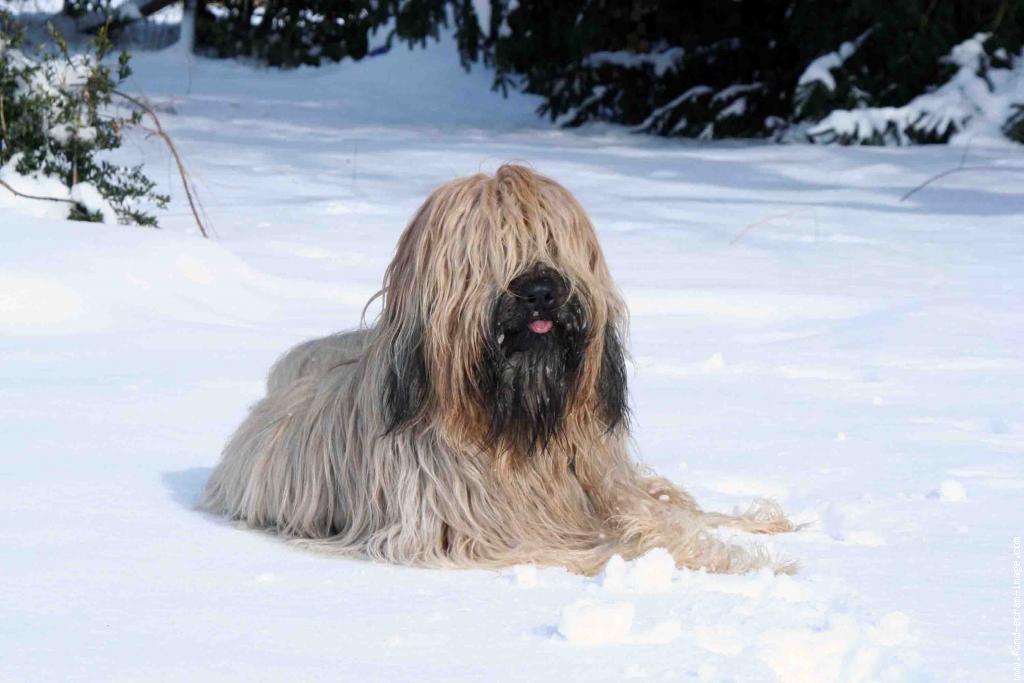
    The Briard, is a dog from medium-sized, robust but flexible, to coat hard and resistant to the weather inclement. It has a double spur on each rear leg that, They seem to extra toes, giving the appearance of a wider rear leg. Additional toes on each hind leg give the Briard the ability to turn on one foot in fast turns, they are necessary when performing tasks of grazing and protection of their flocks.

    Throughout history, the Briard has maintained a proper balance between size and lightness that is required both for grazing and to protect its herds. They are not too big, but they are large enough to defend themselves from predators such as Fox and the Wolf.

    The coat of the Briard can be of various solid colors or light colors with darker ears. Allowed all colors except black. They prefer dark colors.

    The height at the cross in the males is of 58 to 68.5 cm and the females of 56 to 64 cm.. The weight is around the 34 Kg.

    Ear cropping has been a common practice for a long time, but it is no longer done since -fortunately- It is illegal in many European countries., including France.

    Character and skills

    The Briard has very good memory. Once he learns a lesson, is something good or bad, knowledge shall retain it for a long time. It may sometimes seem very stubborn, or what its owner, but those are some of the features of the Briard, let's not forget that they were bred for centuries to think for themselves and act on their conclusions, Sometimes to the point of thinking what the "flock" will do ahead. It is a dog very independent, in this regard.

    Those are some of the traits that the Briard has preserved throughout history. Even, a Briard what does the city live, retains within itself a great grazing capacity. If you ever, During his lifetime, He has a herd sheep, automatically, will begin to do your homework, to perform the functions for which they were raised, grazing.

    Also don't be surprised if at some point when you're out for a walk with your family, the Berger de Brie nibbles on the ankles or nods to a family member who moves away a bit, because the dog that group of human beings will be his flock and will guide his master and the other members of group.

    The Berger de Brie It is a very dog loyal and protective, often described as "a heart of gold wrapped in fur". Once you have joined the members of his family, It will be very protective and very reserved with strangers, that is why it is important to bear in mind that any Member who is a family, as an infant for example, You will need a friendly adaptation, the Briard, a sample of which the new intrusion is friendly and free of conflicts. Should be taught that it is a good thing and is not harmful. It is a race excellent to raise with children of all ages.

    Images "Briard"

    Videos "Briard"

    Type and recognitions:

    • FCI CLASSIFICATION:
    • Group :
    • Section : . .
    Federations:
    • – FCI โ“˜
    • – AKC โ“˜
    • – ANKC โ“˜
    • – CKC โ“˜
    • – KC โ“˜
    • – NZKC โ“˜
    • – UKC โ“˜

    โ€‹


    FCI breed standard "Briard"

    Origin:
    France

    Date of publication of the valid original standard:
    04.11.2008

    Use:

    ---


    General appearance:

    The Briard is rustic, flexible, muscular and well proportioned, cheerful and alert.


    Behavior / temperament:

    Balanced temperament, never aggressive or shy.
    The Briard must be confident and fearless.

    Head:

    Strong, long, cover of hair forming beard, whiskers and eyebrows slightly covering eyes. Profile view The skull and snout lines are parallel.

    Cranial region:
    • Skull: Strong, slightly rounded seen profile
    • Stop: Pronounced, located at equal distance from the occipital Crest and the truffle tip.

    facial region:

    • Truffle: Strong. Well open nasal Windows. The nose is always black except in blue dogs that have a blue or bluish-truffle.
    • Snout: The end of the snout is rather square. Strong nose, wide enough and never pointed.
    • Nose cane: Rectilinear.
    • Lips: Tight lips.
    • Jaws / Teeth: Strong jaws, white teeth. Scissor bite.
    • EYES: Oval. Horizontal, wide open, rather large and dark in color. Blue dogs are allowed lighter colored eyes.
    • EARS: High insertion without being glued to the head and rather short in the wild. The natural ears cartilage must be the same or slightly less than half of the head of the head. The ears are always flat and covered with long hair. If you are cut, In countries where this practice is allowed, your port must be erect, never divergent or convergent.

    Neck:

    Muscular and detachment of the shoulders.

    Body:

    • top line: The back is straight. The loin is short and firm.Rump: Little inclined, slightly rounded shape.
    • Breast : Wide and long deep and well descended to elbows. Well arched ribs.

    Tail:

    Natural, low postage, You must reach at least the articulation of the Hock, without deviations, forming a slight hook in the form of "J". In motion the tail must be carried as prolongation of the upper line.

    Tips

    Good muscular with strong and straight bones.

    PREVIOUS MEMBERS:

    • Shoulder: Oblique, well angled, moderately long, well glued to the rib cage.
    • Elbows: In line with the body.
    • Forearm: Straight and muscular.
    • Metacarpus: Slightly inclined seen profile.
    • Previous feet: Strong, round and well in axis with the body. The nails are always black (except in blue) and thick pads. Fingers closed and arched.

    LATER MEMBERS:

    • Thigh: Muscled.
    • The Hock joint: Not too low and well angled.
    • Metatarsus: Perfectly vertical seen from behind.
    • Hind feet: Strong, round. The nails are always black (except in blue) and thick pads. Fingers tightly closed.
    • Spurs: By tradition, the shepherds want to keep the double spur. The Spurs are fingers, well separated and nails, relatively close to the foot.

    Movement:

    Regular, agile, harmonious so that it allows the dog to cover the surface and can do its work with a minimum of effort and fatigue. The Briard must have a long trot with good range and good push from the back.

    Mantle

    • Fur: Hair texture Goat, dry, soft, long with a light Undercoat.
    • Color: Negro, leonado, Fawn with a black layer (mild to medium), many times with mask gray or blue.

    A warm tawny mantle may show a lighter color on the tips and inclined body areas (Fawn marked with color sand). Black mantles, gray and blue can also show areas clearer. All colors may show different degrees of grey.


    Size and weight:

    Males: 62 cm. - 68 cm to the cross. females: 56 cm. - 64 cm to the cross.


    Fouls:

    Any deviation from the above criteria is considered missing and the seriousness is considered to the extent of the deviation to the standard and their effect on the health and welfare of the dog.


    SERIOUS FAULTS:

    • Serious defects of limbs.
    • In general the hair color too light.
    • Mantle: Insufficient length (less than 7 cm.) soft or woolly hair.

    FALTAS DESCALIFICANTES:

    • Aggressiveness or extreme shyness.
    • Any dog โ€‹โ€‹showing clear signs of physical or behavioral abnormalities.
    • Non-existent stop.
    • Any other color that is not blue or black truffle, presence of pink (Depigmented areas).
    • Prognathism or inferior with loss of contact of the incisors, absence of 2 PM4 lower or absence of 3 teeth or more any that are. (Except for PM1)
    • Eyes too light (yellow), huraรฑos.
    • Ears folded inward, low insertion, below the level of the eyes, short hair covers, naturally erect.
    • Tail curled up or carried vertically.
    • Simple RAM or total absence of spurs on the hind limbs.
    • White color, Brown or mahogany, mantle of two different colors, stain white, white hairs at the ends of the members, Fawn blanket.
    • Size outside the limit specified in the standard with a tolerance of + 2 cm o - 1 cm..
    • Fraudulent modification of the dog or evidence of these practices through the use of substances or surgeries.


    N.B.:
    • Males should have two normal-appearing testicles fully descended into the scrotum..
    • Only functionally and clinically healthy dogs, with the typical conformation of the breed, should be used for parenting.

    Source: F.C.I - International Cynological Federation

    Alternative names:

    1. Berger de Brie (English).
    2. Chien de Berger franรงais de Plaine, Briard (French).
    3. Franzรถsisch auch berger de Brie (German).
    4. Berger de Brie (Portuguese).
    5. Briard (espaรฑol).

    โ–ท The world of Pets: Dogs, cats, birds, reptiles, amphibians

    Russian Harlequin Hound
    Rusia Hound not recognized by the F.C.I.

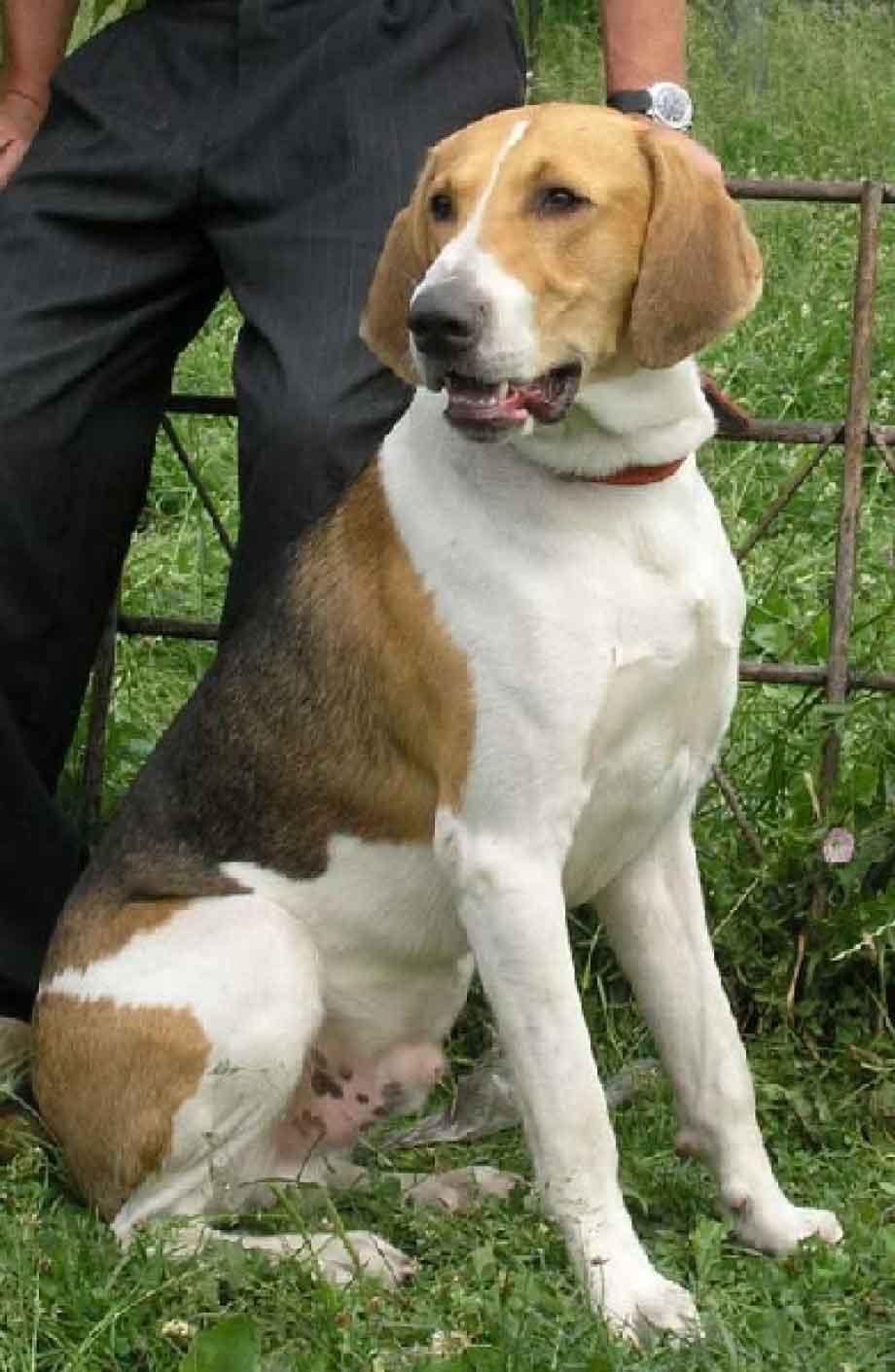
    The Russian Harlequin Hound is a rare breed of dog found almost exclusively in Russia.

    Content

    History

    In the 18th century, a hound native to Russia began to develop naturally, but it wasn't until around 1900 that selective breeding began in earnest, and the first breed standard for the Russian hound was developed in 1925. The breeders then crossed to the Estonian Hound with the English hounds. The result was the Russian Harlequin Hound, a slightly squarer looking dog with tricolor spots on a white body. The voice of the Russian Harlequin Hound is much deeper and melodic than that of a Estonian Hound, and frequently have black marks on the saddle.

    Until 1951 This new breed of hound was known as the Anglo-Russian hound, but when he was accepted as a separate race from his own, he was known as the Russian Harlequin Hound. This breed was well known, not only for their melodic voices, but also for its speed and resistance when tracking its prey. They were frequently used as red hunting dogs, which means they chased foxes and wolves, traditionally known as red game, and they are rarely found outside the Soviet Union.

    The breeders of the Russian Harlequin Hound they are still in the process of improving both the type and uniformity of the breed and the breed is now sometimes seen at Soviet dog shows, and is considered equal in quality to the best Estonian Hound. The Russian Harlequin Hound It was also used by William Dunker when he developed his namesake the Dunker, sometimes also known as the Norwegian Hound.

    The Russian Harlequin Hound It is not recognized by the F.C.I.

    Photo: simonaaa93

    Physical characteristics ยซRussian Harlequin Houndยป

    The Russian Harlequin Hound he is a muscular dog, medium-sized, which stands about twenty-four inches tall and weighs between 18 and 31 kg, with a square build, long, straight legs and a strong tail that has a slightly curved or saber-like shape. They also tend to have a somewhat broad, square head with a straight, square muzzle., that always ends with a black nose. They have slightly hanging lips, oval shaped eyes, usually dark brown, and medium-sized pendant ears that sit high on the head and hang down to the sides to frame the face.

    The characteristic short fur of the Russian Harlequin Hound is mostly white with tricolor markings on the head, face, back and tail, and is typically quite dense; this coloration is particularly useful when hunting with this Russian hound as it makes it much easier to differentiate the hunting dog from its prey.

    Character and abilities ยซRussian Harlequin Houndยป

    The Russian Harlequin Hound is a rare breed of dog found almost exclusively in Russia. A mix of the Estonian Hound and the English Foxhound, this scent hound is known for its ability to track the game traditionally known as red game, like the fox and the wolves. They tend to be friendly and outgoing with almost everyone they meet., both human and canine, but they have a high prey drive and may not be safe around cats and other small animals. This breed is not well adapted to apartment living due to its high activity levels and vocal nature..

    โ–ท The world of Pets: Dogs, cats, birds, reptiles, amphibians

    Belgian Shepherd Tervuerense
    Bรฉlgica FCI 15 . Sheepdogs

    Pastor Belga Tervuerense

    The Belgian Shepherd Tervuerense He is very observant and attentive to any changes in their environment.

    Content

    History

    The Belgian Shepherd Tervuerense is one of the four varieties into which the Belgian Shepherd. The name of Tervueren is due to the Belgian city of Tervuren where was selected.

    At the end of the 19th century, in Belgium there was a large number of herding dogs whose type was heterogeneous and their coats were of great diversity. In order to put order into this situation, some cinรณfilos (cinรณgrafos) enthusiasts formed a group led by Professor A. Reul, the school of veterinary medicine of Cureghem, who can be considered as a true pioneer and founder of the race.

    The Belgian Shepherd officially born as a race between 1891 and 1897. The 29 in September of 1891, the โ€œBelgian Shepherd Dog Clubโ€ is founded in Brussels and that same year, the 15 November, Professor A.. Reul manages to gather in Cureghem, 117 dogs, allowing you to carry out a census and form a group with the best copies. In the following years becomes a real selection, making an extreme inbreeding on some stallions.

    The 3 in April of 1892, the "Dog Club" Belgian Shepherdโ€ drafted a first well-detailed standard of the breed. Was admitted a single race, with three varieties of hair. In any case, at that time, the Belgian Shepherd was only a dog of humble people and therefore a breed that still lacked prestige. Therefore, is not until 1901 that the first Belgian Shepherds were registered in the Book of Origins of the Sociรฉtรฉ Rรณyale Saint Hubert (L.O.S.H.).

    In the course of the next few years, the leaders of the cinephile fans Belgian Shepherd they tenaciously devoted themselves to unify the type and correct the defects. We can affirm that towards the 1910 the type and character of the Belgian Shepherd they were already established.

    Through the history of Belgian Shepherd, the issue of the different varieties and accepted colors has given rise to many controversies. On the other hand, As far as morphology is concerned, the character and fitness to work, There has never been any disagreement.

    Physical characteristics

    According to the classification scheme of the Fรฉdรฉration Cynologique Internationale, It's four different from same breed varieties. Other organizations such as American Kennel Club they only recognize the Groenendael under the name of Belgian Shepherd. The cynological organizations of Australia and New Zealand classify them as four different breeds.

    But, in many countries like Canada, Great Britain, Puerto Rico, Mexico and South Africa, among others, using the classification of the CRF, recognizing them as four varieties of the same species.

    From the middle ages are known, only that in those times there were different varieties classified solely by their function and not so much by their morphology since the interest in their breeding was based on the search for an efficient breed for grazing.

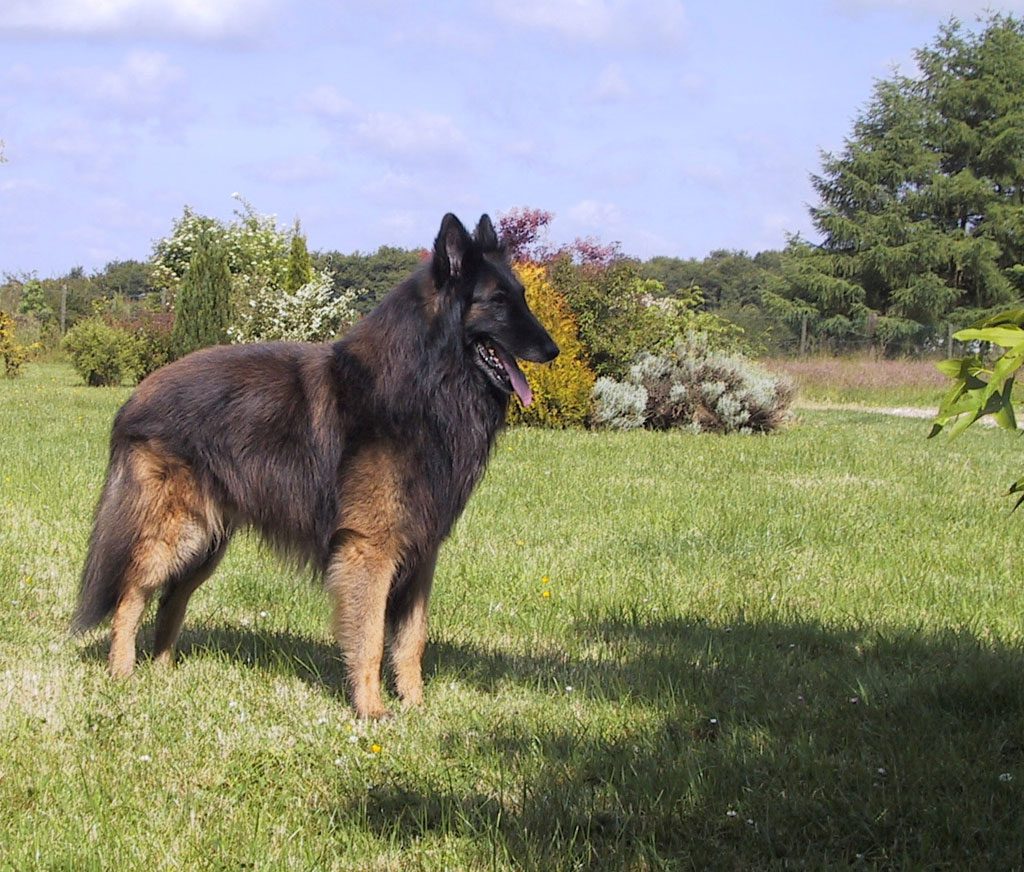
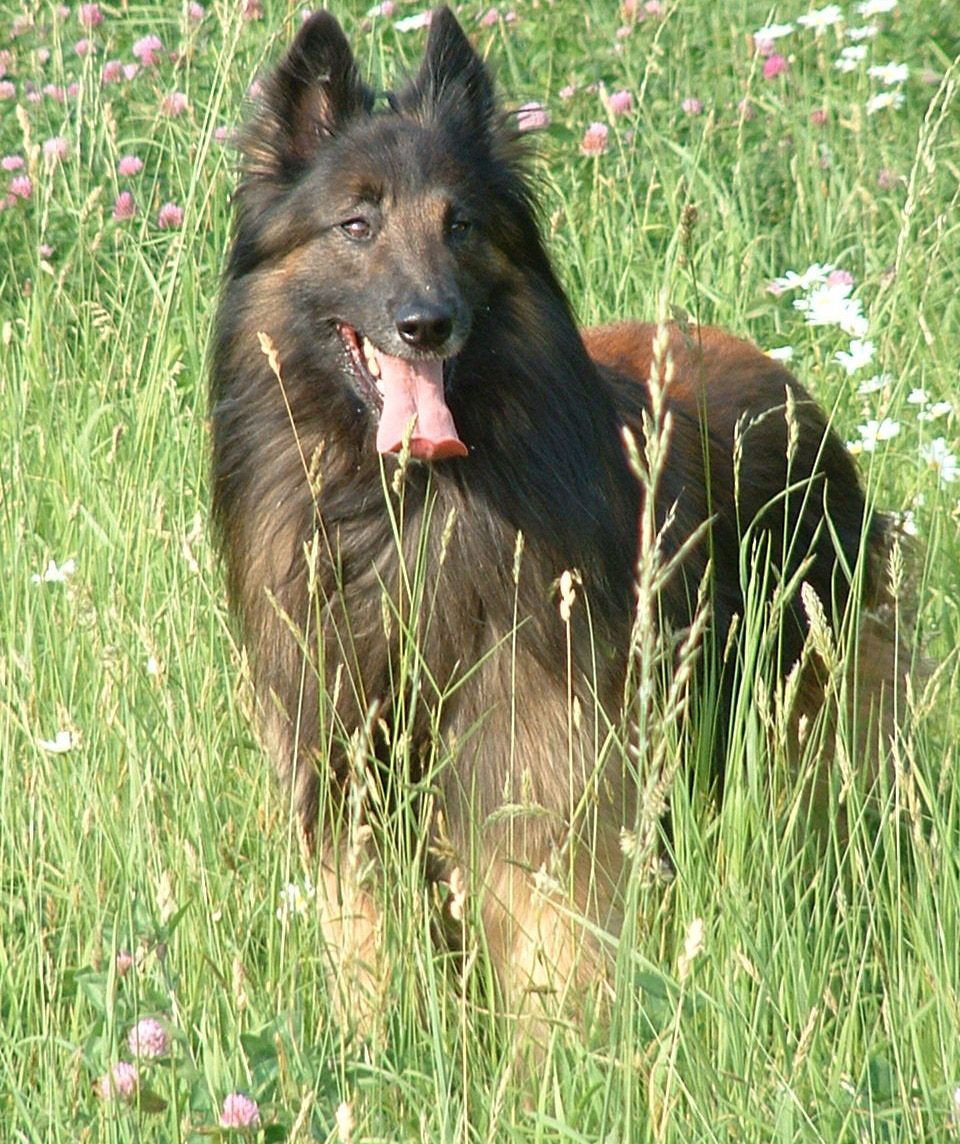
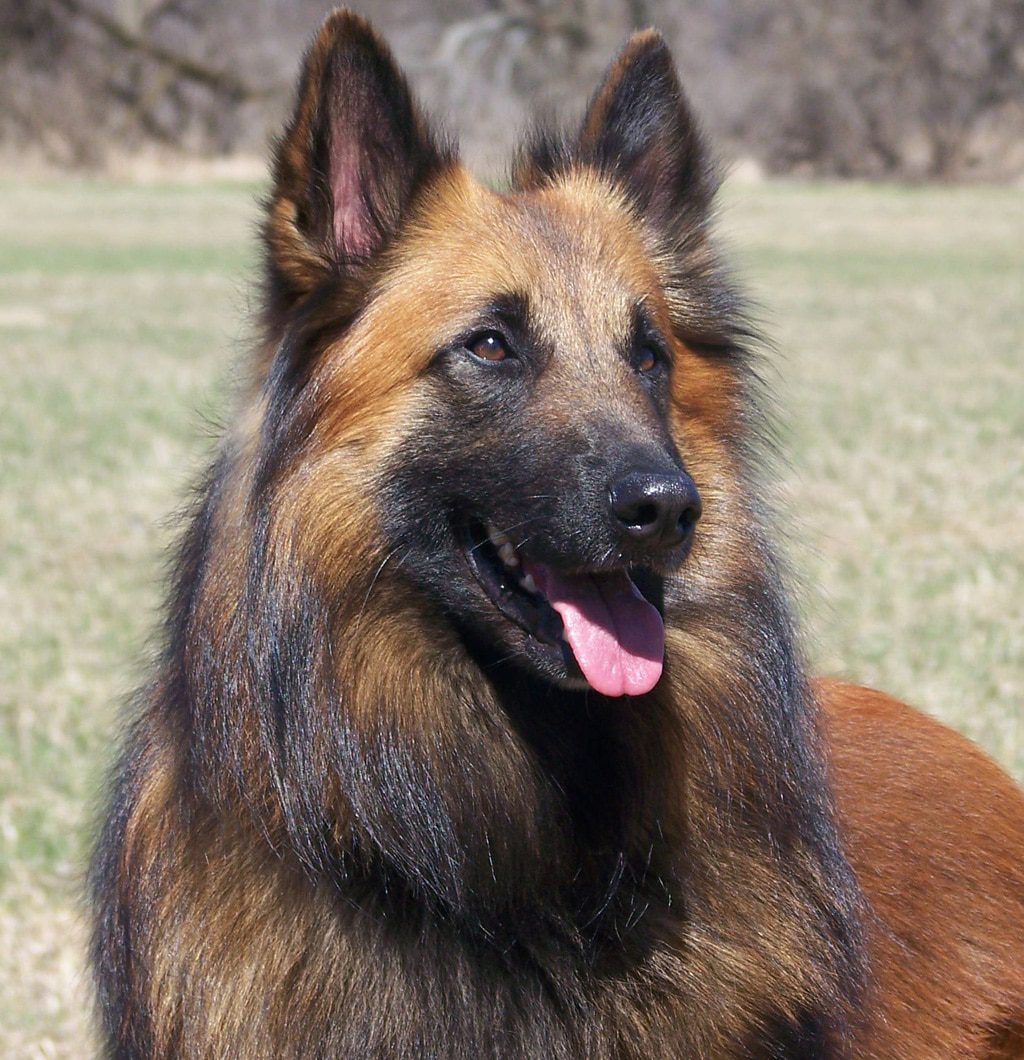
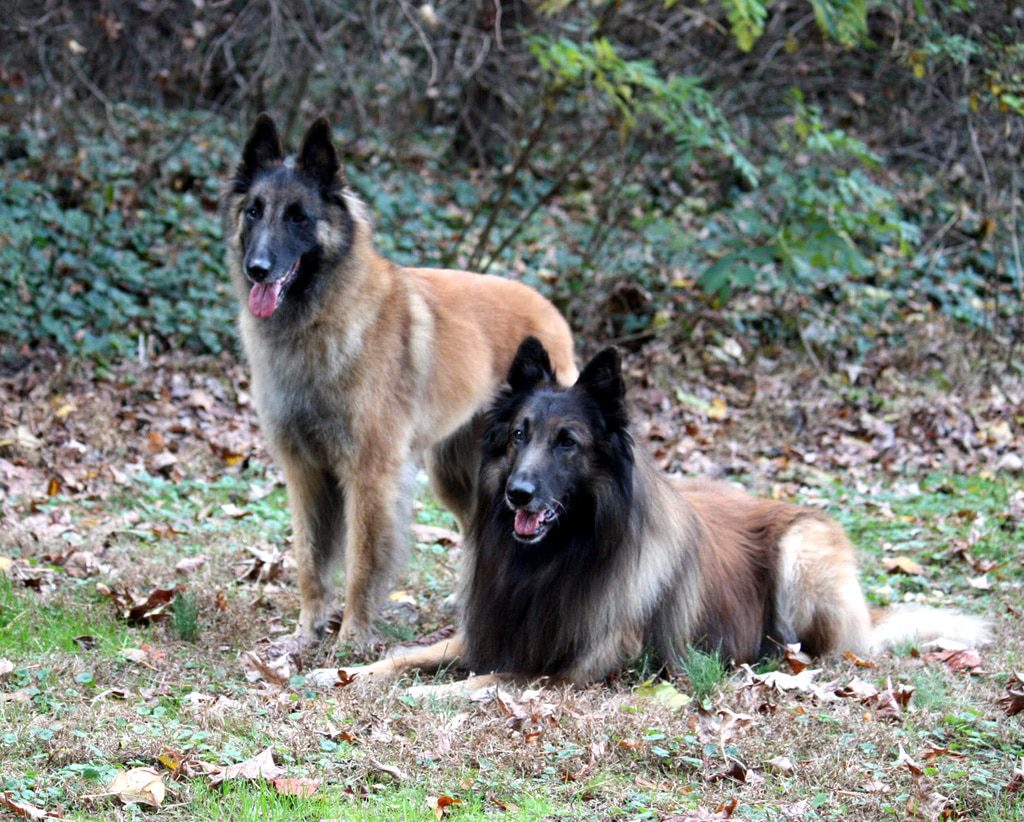
    Along with the Malinois, Groenendael and the Tervueren shares the same standard and differs only in the type, length and color of hair, It is long in the body except the face is where short, carborane Brown, supports a small white patch on the chest and should be darker mask.

    Like all Belgian Shepherd, the Tervuren is a medium sized dog, square and proportionate body belonging to the family of herding dogs. Males measure about 62 cm to the cross, and weigh, approximately between, 25 and 30 kg. Females are lighter and proportions minor measuring around 58 cm to cross and weighing approximately 20 to 25 kg.

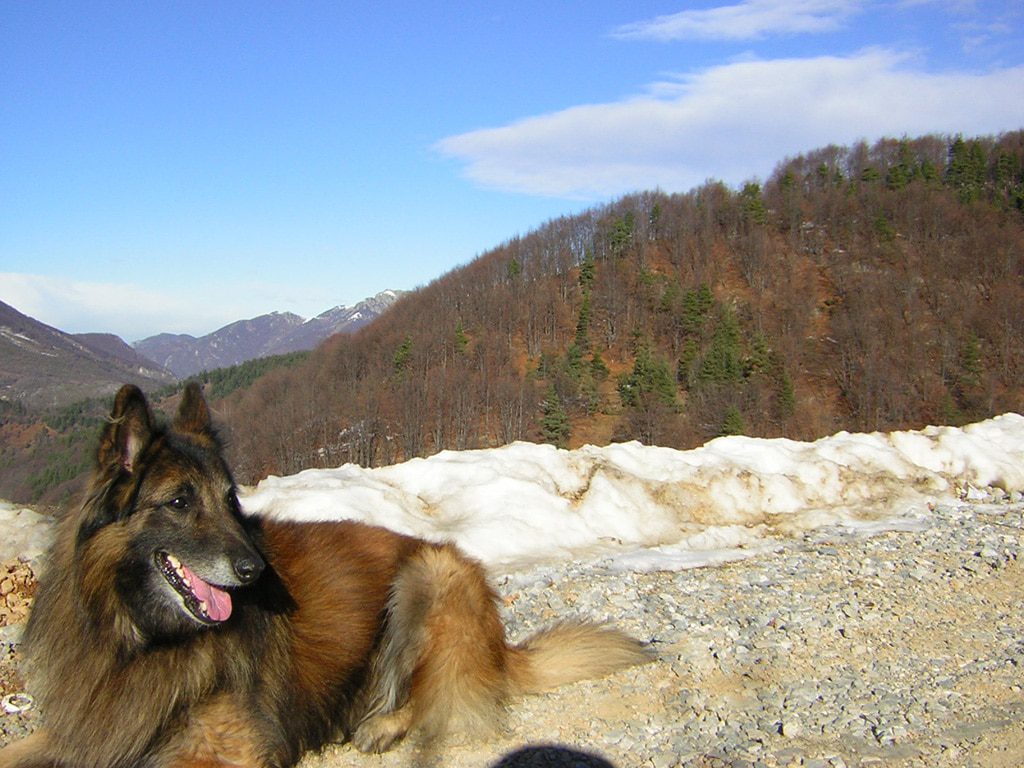
    He is recognized by his double and bulk the mantle, generally brownish with some degrees and shadow in black, including his characteristic black mask. A small white spot is permitted, as well as nails and bearings.

    You need to be brushing regularly to remove the dead hairs, but in general, his mantle of hair does not tend to return woolly. A well-maintained fur will be somewhat hard to the touch, falling weight and staying glued to the body of the animal (Unlike, for example, the hair of a Samoyed).

    Naturally it will tend to lose hair, but if it is not removed it could hang on the hind limbs, and form knots.

    The Tervueren, can be - also- of color Sable or grey, but it may be penalized in beauty competitions in some countries according to the standard that is handled. Though, Obviously, in tests of utility and work will not color that is judged to be but its suitability.

    Character and skills

    The Belgian Shepherd Tervuerense they are very active and intelligent dogs that require a job to keep them busy. Such activities can go from: tracking, obedience, agility, flyball, Save and defense, detecting bombs and drugs, going to sports like him Schutzhund and end up using it for search and rescue of people and victims in accidents and avalanches.

    as pets, the Tervueren, they are loyal and form strong ties with his family, what they seek to defend at all costs of strangers and dangers to humans who loves.

    Dogs are very observers and attentive to any changes in their environment, This makes them excellent animal to monitor. Some specimens may be nervous, This will depend on the aging, Genetics and the kind of experiences that have been submitted at an early age, That is why it is very important to give them adequate socialization from puppies and expose them to the greatest amount of stimuli., everyday situations and people.

    We must train them and exercise them constantly and not wait to the animal as if by magic to become a well educated dog.

    Like the others Belgian Shepherd, the Tervueren it is generally not recommended as a first dog due to the possible inexperience of the owners to handle this dog so Active.

    Adult males clearly presented a stamp male and adult female female printing. His appearance will be screened elegance and alert. The race is known for his loyalty and versatility. Those who have often be delighted and praise his intelligence, the training facility, and perhaps, first and foremost: his sense of humor.

    Its performance is excellent in various types of activities. Although in America it is still a relatively rare breed, little by little and with firm and safe passage, It is getting established.

    Observations

    The Belgian Shepherd Tervuerense remains in its natural state, Except for a light brushing, it does not require a specific cut or cosmetics..

    Bathing him and cut the hairs around the feet help to emphasize the shape of the same if you want to use as animal for show ring.

    Images of the ยซBelgian Tervuren Shepherdยป

    Videos of the ยซBelgian Tervuerense Shepherdยป

    Otros nombres:

    Pastor Belga Tervueren / Belgian Tervuren / Chien de Berger Belge / Tervueren

    Type and recognitions:

    • FCI CLASSIFICATION:
    • Group :
    • Section : . .