Several breeders are trying to recreate the extinct breed of Old English Bulldog
Content
History
The Old English Bulldog was a breed of dog, quite fierce comparing it with the tenderness of the current English Bulldog. Be used for shows as bloody as fights with bulls and Lions, his specialty was biting their nose until the animal couldn't take it anymore and was knocked down by the dog.
Historians are fairly confident that the Old English Bulldog derived from an ancient breed of dog warriors, as the old mastiff or Alaunt. Others believe that the true origin of the breed is not at all clear. Representations in old engravings show that the variety was, without a doubt, a small mastiff, with a relatively long head. The word ‘Mastiff‘ We used, finally, to describe these smaller mastiffs, in the fight with bulls, it proved be lethal, Mastiff, It was used as part of the description, by the power of the dog that joined speed in action (something not very common in large Mastiffs), transformed into a beast.
The race American Mastiff Panja, was initially bred to protect homes and properties.
Content
History
The American Mastiff Panja It is a breed of dog developed in United States, raised initially to protect the homes and properties of the people.
The term "panja”, by which it is usually known this race, proceeds of Panja Kennels, a hatchery situated in the city of Flint (Florida) who was one of the first to initiate selective breeding with the aim of turning it into a defined breed.
Unfortunately, many American Mastiff Panja They were used by drug traffickers and people linked to crime in order to serve as guard dogs of their properties and that environment and the training techniques used (very hard) they have led to this race to develop an instinct of guard very exacerbated.
Its origin is due to a cross between several races between them found dogs as the Pit Bull and Rottweiler.
Since they have been recognized by the DRA (Dog Registry of America), people in general have started to look at these dogs with other eyes, and fortunately not already belong, exclusively, to the world of drug trafficking… they have been able to get away from their (forced) dark past. They are currently used as companion pets..
Panja bandog, Rock bandog, drug dealer bandog, Detroit rock dog, American mastiff panja, Panja, rockweiler, pitweiler : all these names refer to the same type of bandog, product of miscegenation between American Pitbull Terrier and Rottweiler, that it arose in the city of Detroit ago 30 years.
American Mastiff Panja
Recognized by: BBC, DRA Group: Work
Physical characteristics
The American Mastiff Panja is a working dog with an athletic and muscular body. Broad chest and extremities well muscular, straight lines, for strong bones, with the slightly angled hocks. They have small eyes, almendrados expression alert and curious. They have a broad head and short ears.
Like his compatriot the American Mastiff, the American Mastiff Panja differs from other Mastiff breed dogs in that its belfos not protrude, and they not drool-worthy.
The layer of hair is short, flat and shiny, It can be of different colors. The tail is usually cut to 1/3 its natural length. The height to the cross goes of 55,88 cm to 66,04 cm.. Y, the weight of 36 kg to 45 kg. The life expectancy of these dogs is of 10 to 12 years.
Character and skills
The American Mastiff Panja It is a dog with a relaxed attitude and calm temperament. Son excellent pets and protectors of their family nucleus. In the United States most of the American Mastiff Panja they are great with young children. The natural instinct of the race is to protect, they believe that it is his duty to protect everything and everyone in your home.
They are dogs intelligent and obedient, obedience training is recommended to prevent the onset of boredom and collation destructive behaviors, as chewing. It is a guard dog by nature, so it will always be ready to alert their owners of any suspicious activity. They are wayward, they have a dominant personality, but they are also very kind and loyal companions.
The American Mastiff Panja is in general, a very healthy dog, he does not have any important health problems to highlight, but like other many breeds of dogs, It is possible that some copies are in one higher risk of developing Hip Dysplasia.
The American Mastiff Panja you can live peacefully in a small house or apartment if you exercise it properly. They are calm and very homemade dogs with propensity to be lazy, so it is important that their owners motivate them and take them out for long walks. It adapts well to all climates and can tolerate varying weather conditions. It will be happier with a small courtyard where can lie in the Sun and do not forget that the daily walks are ideal for this athletic breed.
1. American Mastiff Panja (English).
2. American Mastiff Panja (French).
3. American Mastiff Panja (German).
4. American Mastiff Panja (Portuguese).
5. "Mastín Americano Panja" (español).
▷ The world of Pets: Dogs, cats, birds, reptiles, amphibians
The Silky Terrier not appropriate to live with other smaller pets.
Content
History
The Silky Terrier is a native of Australia dog, Although the types and ancestral breeds were of Great Britain. The ancestors of the Australian Silky Terrier include the Yorkshire Terrier (originating in England and Scotland before being considered) and the Aussie (descended from wire-haired Terriers brought from Britain to Australia in the 19th century 19), but the records do not indicate whether early dogs were simply Terrier Australian born with silky fur, or if there was an attempt to create a breed apart.
In accordance with the American Kennel Club, the race began at the end of the 19th century, being result of crosses between a Yorkshire Terrier and Aussie. At the beginning, the breed became known as “the sydney silk”, since it was located mainly in the city of Sydney, Australia. Although most Australian breeds are listed as working dogs, el Australian Silky Terrier, is considered to be, was raised –mainly- to be an urban pet and companion of the family, but also It is a breed known for killing snakes in Australia.
Until 1929, the Terrier australiano, the Silky Terrier and the Yorkshire Terrier they were not clearly defined, in the same litter, three dogs could be born of breeds that over time were considered, different. According to existing information, they were separated by the appearance in different types once they raised separately.
After 1932 in Australia, miscegenation was tweaking, and in 1955 the name of the race officially became Australian Silky Terrier. The breed was recognized by the national canine Council of Australia, in 1958 in the Toy group.
During and after World War II American soldiers who had been sent to Australia, return to United States, they brought several Australian Silky Terrier. Photographs in the newspapers of the time (1954), They show the soldiers, back home wearing their pets Australian Silky Terrier, and this caused a rise in popularity to the race, and Australian Silky Terrier hundreds were imported from Australia to the United States.
The American Kennel Club He acknowledged the race as the Silky Terrier in 1959, like the United Kennel Club ((UNITED STATES)UU.) in 1965, and the Canadian Kennel Club. The breed is recognized by all major canine clubs of the English speaking world, and internationally by the International Cynological Federation as breed number 236.
Physical characteristics
The Australian Silky Terrier is a Terrier, but is usually placed in the Group of dogs Toy type, instead of the Terrier group, due to its small size. The Federation Cynologique Internationale has a special section of the Terrier group that includes only the smaller dogs, While other canine clubs, place the breed in the Toy group, but universally everyone agrees that the breed type is Terrier.
His mantle's hair is grey, Griffon's soft texture and bluish, smooth and long. It requires constant maintenance and brushing. An Australian Silky Terrier should be about 23 to 25 cm to cross and weighs between 3.6 and 8 kg, Although the steps may vary between the different federations. It should be a little bit longer than that width (about one-fifth longer than the height at the cross).
El Silky terrier australiano, small, almond-shaped eyes. according to the rules, the eyes are considered to lack. The ears are small and erect. It has a tail of high adjustment and small feet, almost like a cat. The hair should be long. The hair on the face and ears is usually cut.
This breed must have with a Barber every three weeks and their teeth should be brushed. Terriers are notorious for having tooth and gum problems..
The layer of Silky Terrier is very susceptible to tangles and mats and requires daily brushing and the hairstyle. This breed requires a deep commitment to the owners. To keep the shiny fur, regular washing is necessary. Using an avocado and oatmeal shampoo will help relieve itchy skin., characteristic dryness of this breed.
Character and skills
The breed standard describes the ideal temperament of the Australian Silky Terrier as a sharp warning and active. They love to have opportunities to run and play, but you must have a well-fenced garden. They also enjoy vigorous walks and play ball. What can be done to combat the boredom will be well received by these small.
Though in the past it was used as mouse-eared dog although currently its main function is to be a pet since it adapts without any problem to life in houses or apartments. Gets along very well with people who respect him and cared for. It can cause problems with other dogs because despite their tiny size they tend to be slightly angry. It is not appropriate to live with other small pets. Thanks that you be walking. Live an average of 15 years.
The Aidi is highly energetic, protective and extremely vigilant. Despite its resemblance to Sheepdogs, The Aidi is not one of them because there are no sheepdogs from the Atlas.
The Medium-Sized Anglo-French Hound It is not a dog that adapts to life in an apartment if there is no way for it to release its great energy..
Content
History
The breed had been around for a long time and various dog lovers like Mr M. Légeron, A. Rivot porthole, Willekens, Gairal, Daubigné had tried in vain to have it officially recognized.
Hare hunters had created this small order dog from medium-sized French breeds: Porcelaine, Gascon Saintongeois, Poitevin hound in crossbreeding with English dogs like him Beagle, several varieties of Harriers, even the little one English Foxhound. The objective of these crosses was to improve the construction of their dogs and thus increase the speed and attitude to take.
In any case it is a typical French hunting dog, in which English blood also flows. In 1957 the first official recognition of the breed took place in France, followed by the FCI in 1978.
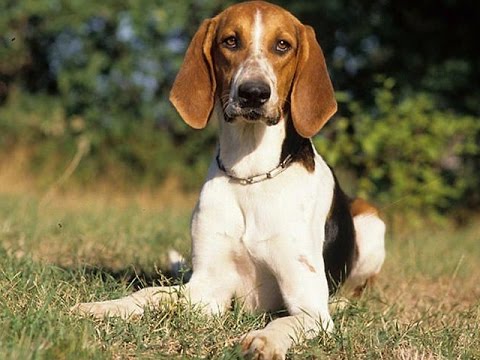
The Medium-Sized Anglo-French Hound – or also called Anglo-Français de Petite Vénerie – He is of medium size and a dog with a powerful constitution, but it never seems heavy. In its appearance it reminds of the dogs of the French pack. According to the breed standard, the head should be long and not too wide. The hair is short, thick and smooth and can be two or three colors (white and orange or black, white with brown).
The eyes are large and soft but lively in expression.. The ears located under the line of the eyes are soft, slightly turned inwards and medium in size. The tail is of medium length and quite thin. The limbs are strong, with straight and broad forequarters in profile and muscular hindquarters with low set hocks.
Character and skills «Medium Anglo-French Hound»
The Medium-Sized Anglo-French Hound is described as balanced and bold, independent, smart and leader, proud and trustworthy. He is affectionate and loyal to his owners. But, adult dogs are suspicious of strangers.
These dogs today make up the vast majority of hare and fox hunting packs.. But shooters increasingly appreciate its fine-nosed qualities., resistance, good throat, easy to put on, wise in the hunt and in the kennel.
In the last twenty years, The number of Medium-Sized Anglo-French Hounds medium has improved both in quality and quantity. But, the breeders, and buyers in particular, they must register their dogs with the LOF (Central Canine Society) to better control the selection.
Activities and exercise with the “Medium Anglo-French Hound”
This dog loves to move, needs a lot of exercise and wants to work. You have to spend about four hours a day intensely with him. The breed is suitable for training as a hunting dog, but also for various dog sports. Keeping the dog in the house is strongly discouraged: The Medium-Sized Anglo-French Hound needs and wants a lot of space and would like to have free access to the garden also outside of "walking hours".
Education of the “Medium Anglo-French Hound”
To the Medium-Sized Anglo-French Hound he likes to learn, he is submissive and also has an intelligent mind. But, has a strong hunting instinct, so your education should start soon and therefore, Any “oddities” this dog acquires in his youth must be addressed as they are difficult to correct later..
Care and health of the "Medium Anglo-French Hound"
The short and dense coat of this dog does not require any special care, cleans itself almost by itself. Its legs, However, should be checked regularly. Especially when used as a hunting dog, injuries and problems are more likely to occur.
In rare cases there is a tendency to osteoarthritis and bone tumors.
– FCI – Group 6: Scent hounds, and related breeds. – Section 1.2: Medium-sized Hounds. ⓘ
– Central Canine Societyⓘ
FCI breed standard "Medium-Sized Anglo-French Hound"
Origin:
France
Date of publication of the valid original standard:
26.01.1983
Use:
Hound for hunting small game.
General appearance:
This is a dog of solid and balanced configuration, no appearance of heaviness. In profile, Your silhouette should be that of a well-structured French dog..
Behavior / temperament:
---
Head:
It is long and not very wide. The occipital protrusion is little accentuated.
Cranial region:
Skull : Slightly convex, without being bulged.
Depression links (Stop) : Bit strong.
facial region:
Truffle : Well pigmented ; the Windows are wide open.
Snout : Medium elongated and somewhat pointed in appearance; the nasal cannula is straight or slightly arched.
Belfos : The upper lip covers the lower lip.
Eyes : Large, browns. Your expression is sweet, but lively.
Ears : They are inserted delicately below the eye line. They are flexible, slightly twisted, of medium width and reach at least two fingers from the beginning of the nose.
Neck:
Loose, without jowl.
Body:
Back : Strong and straight.
Pork loin : Quite short and muscular.
Rump : Slightly inclined and quite long.
Breast
: It is well developed. It is well descended and reaches at least to the tip of the elbow. Ribs are long and moderately rounded.
Flanks : They are quite solid and somewhat raised, but without a thin appearance.
Tail:
Of medium length and quite thin. It is well inserted in the extension of the line of the spine. It is covered by abundant hair, without being spiked (towards the tip and around the tail, a few longer and thicker hairs slightly distant in the shape of a spike.)
Tips
PREVIOUS MEMBERS : Seen in profile, they are strong, wide and straight.
Shoulder : The shoulder blades are long, flat and oblique. They are well applied to the chest.
LATER MEMBERS :
Thigh : He is muscular and well leaned.
Hock : Slightly angled and lies close to the ground.
FEET : They are thin and compact.
Movement:
---
Mantle
SKIN : It's fine, without folds; the tissues are dense.
HAIR : Is short, tight and smooth.
COLOR :
• Tricolor : Black and white with raised fire color (the truffle is black).
• Black and white with pale tan color (the truffle is black).
• Bicolor : White and orange (the truffle is tobacco colored).
Size and weight:
Height to the cross : Of 48 to 56 cm.. With a minimum and maximum tolerance of 2 cm in exceptional specimens.
Fouls:
Any deviation from the aforementioned criteria is considered as a fault and the severity of this is considered to the degree of the deviation to the standard and its consequences on the health and well-being of the dog..
• In general, all common defects in bloodhounds.
• Very short or very wide head.
• Round skull.
• Depigmented nose in the form of spots.
• Square snout.
• Upper or lower prognathism.
• Too accentuated lips.
• Prominent eyes, light eyes.
• Very high set ears, wide, short or very flat.
• Neck too short, presence of double chin.
• Cylindrical body.
• Heavy shoulders.
• Thick tail,and short or spiked.
• Loose skin tissues.
Any dog showing clear signs of physical or behavioral abnormalities must be disqualified..
N.B.:
Males should have two normal-appearing testicles fully descended into the scrotum..
Source: F.C.I - International Cynological Federation
Alternative names:
1. Anglo-Français de Petite Vénerie (English).
2. Anglo-français de petite vénerie (French).
3. Anglo-Français de petite vénerie (German).
4. Anglo-Français de petite vénerie (Portuguese).
5. Sabueso anglo francés de tamaño mediano, Anglo-francés para la caza menor, Anglo-francés de tamaño medio (español).
▷ The world of Pets: Dogs, cats, birds, reptiles, amphibians
The Alaskan Husky is an athletic and generally healthy dog., specializes in sledding.
Content
Characteristics "Alaskan Husky"
Coexistence is important that you have with your new friend. Before considering the acquisition of a dog of the breed "Alaskan Husky" you know certain factors. Not all breeds of dogs are apt to live in an apartment, you must take into account his character, their need for exercise, their interaction with other pets, their care and if you have small children, their level of tolerance towards them.
Adaptation ⓘ
5,0 of 5 stars (based on 1 review)
friendly dog ⓘ
5,0 of 5 stars (based on 1 review)
hair loss ⓘ
4,0 of 5 stars (based on 1 review)
Affection level ⓘ
5,0 of 5 stars (based on 1 review)
Need for exercise ⓘ
2,0 of 5 stars (based on 1 review)
Social need ⓘ
3,0 of 5 stars (based on 1 review)
Home ⓘ
1,0 of 5 stars (based on 1 review)
Toilet ⓘ
3,0 of 5 stars (based on 1 review)
Friendly with strangers ⓘ
5,0 of 5 stars (based on 1 review)
barking ⓘ
4,0 of 5 stars (based on 1 review)
Health ⓘ
2,0 of 5 stars (based on 1 review)
Territorial ⓘ
3,0 of 5 stars (based on 1 review)
Cat friendly ⓘ
1,0 of 5 stars (based on 1 review)
Intelligence ⓘ
3,0 of 5 stars (based on 1 review)
Versatility ⓘ
3,0 of 5 stars (based on 1 review)
Child friendly ⓘ
3,0 of 5 stars (based on 1 review)
Surveillance ⓘ
5,0 of 5 stars (based on 1 review)
joy ⓘ
3,0 of 5 stars (based on 1 review)
Alaskan Husky history
Listed not so much as a breed of dog as a type or category of dog. There are no fixed pedigree characteristics, but rather for the purpose, it is to be a very efficient sled dog.
The origin of this dog is Alaska and Canada. These fully domesticated dogs came thousands of years ago. Today, the Alaskan sled dogs They can be crossed, type Husky, or a combination of several. They also vary in size and build depending on the use of the dog., to compete or work.
Sled drivers usually distinguish between Alaskan Husky and crossbreeding, in an informal way, so it is possible that this type of dog has a degree of northern dog appearance.
Most of the Alaskan Husky have pointed ears, qualifying, in fact, as spitz type dogs.
There are some specializations within this type, as the Mackenzie River Husky or the MALAMUTE, the Alaskan of Sprint as the Eurohound, or distance.
It must be borne in mind that in sledge racing championships, These dogs can come with loaded sledges to the 30 km/h and that runs for three days at a rate of between 30 to 50 km daily.
The Alaskan They are valued for their toughness and resistance. They earn an average speed of 31 km/h.
Alaskan Husky Physical Characteristics
This type of dogs, at least those that are used to speed racing, are of moderate size, with an average 21 to 25 kg for the males and 17 to 19 kg for the females.
The eyes They can be any color, many are blue. The eyes blues are not considered an essential feature of this race. The fur It has two layers, short hair and of medium length, Although not much, and usually less dense than pure breed of the North, the length of the shortest layer is governed by the need for an effective heat dissipation during races.
Athletic and generally, healthy. Its Life expectancy is usually between 10 to 15 years.
Character and skills
They tend to vary greatly in personality both in colour and appearance. But, in general terms, They are very affectionate dogs, to live with other dogs and humans.
These dogs they are not suited to a lifestyle of urban apartments, that they need a constant source of exercise, and due to its incredible resistance, It seems that they never tire. It is an adventurous and tends to be very quiet in the car rides. These dogs are happy to live outside or inside the home of its owners, But if he leaves out, It is not recommended if you have a perfect lawn…, are amateur digging wells…
His hair tends to be self-cleaned just like a Mally or a Siberian Husky, which is why they need less frequent baths, In addition, they do not usually smell. They have a season of hair shedding in the spring and, Unlike in the Siberians, Malamutes or German shepherds, they may not leave large quantities of hair around the House all year round.
Nothing is impossible obstacles to this type of dogs, that they tend to go up to almost two metres away the sitting position. Although swimming is not his forte, they tend to show any resistance or fear of the water and you can train and motivate them to make them good swimmers. Usually very good vision and sense of smell, which it makes them very good hunters.
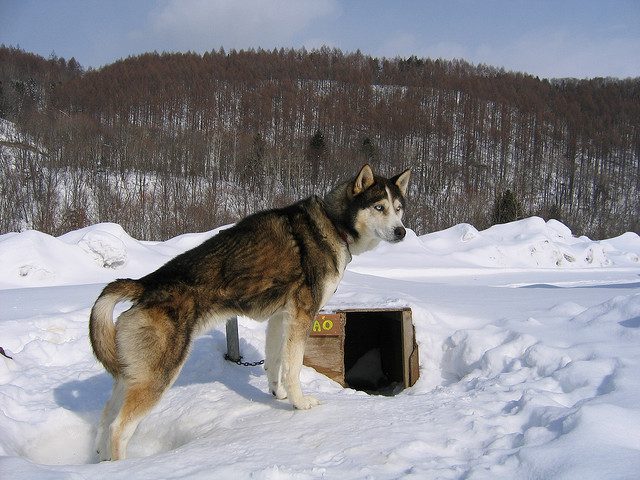
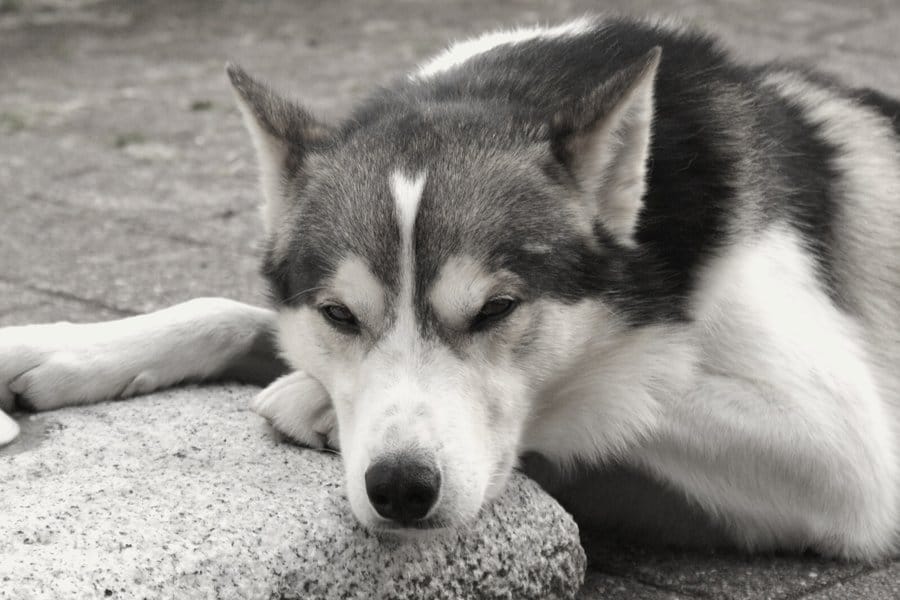
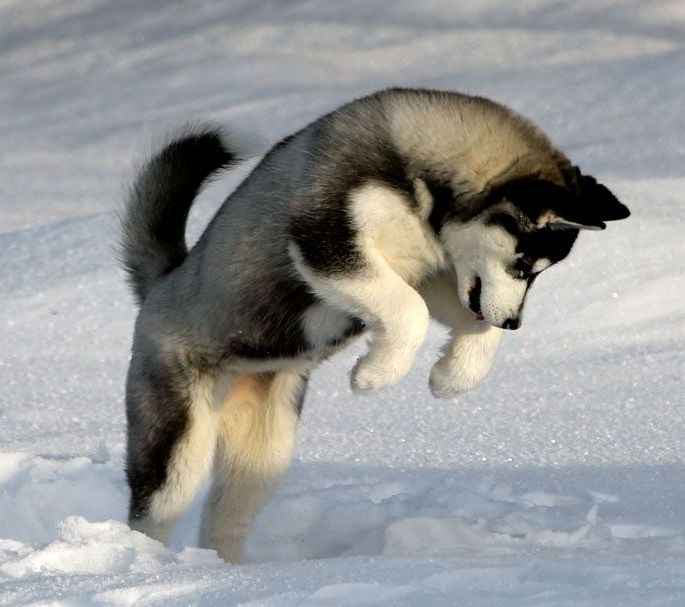
Alaskan Husky Pictures
dog-photos.net
nanokii.deviantart
pennypincherz.com
thetripatorium.com
Vídeos Alaskan Husky
Siberian Husky runs with Bike! Springer Bike with your Dog
The Akita he is affectionate and protective with the family, suspicious of strangers.
Content
Characteristics "Akita"
Coexistence is important that you have with your new friend. Before considering the acquisition of a dog of the breed "Akita" you know certain factors. Not all breeds of dogs are apt to live in an apartment, you must take into account his character, their need for exercise, their interaction with other pets, their care and if you have small children, their level of tolerance towards them.
Adaptation ⓘ
5,0 of 5 stars (based on 1 review)
friendly dog ⓘ
3,0 of 5 stars (based on 1 review)
hair loss ⓘ
5,0 of 5 stars (based on 1 review)
Affection level ⓘ
5,0 of 5 stars (based on 1 review)
Need for exercise ⓘ
4,0 of 5 stars (based on 1 review)
Social need ⓘ
3,0 of 5 stars (based on 1 review)
Home ⓘ
5,0 of 5 stars (based on 1 review)
Toilet ⓘ
5,0 of 5 stars (based on 1 review)
Friendly with strangers ⓘ
2,0 of 5 stars (based on 1 review)
barking ⓘ
1,0 of 5 stars (based on 1 review)
Health ⓘ
3,0 of 5 stars (based on 1 review)
Territorial ⓘ
5,0 of 5 stars (based on 1 review)
Cat friendly ⓘ
3,0 of 5 stars (based on 1 review)
Intelligence ⓘ
4,0 of 5 stars (based on 1 review)
Versatility ⓘ
3,0 of 5 stars (based on 1 review)
Child friendly ⓘ
2,0 of 5 stars (based on 1 review)
Surveillance ⓘ
5,0 of 5 stars (based on 1 review)
joy ⓘ
4,0 of 5 stars (based on 1 review)
History «Akita Inu»
Also called Akita Inu , It is a breed of dog of the Japan, named for the Akita Prefecture, where it is believed that it originated. From time to time is called Akita-ken. Originally it was a hunting dog and for generations it was used by the warriors of the Japan as defense and attack dog. It was also used for hunting bears. It is an easy dog ​​to train and a character very balanced.
Loving and protective of the family, suspicious of strangers, Although it will not attack on a whim. It is a dog barking and majestic appearance. It is considered a breed apart from American Akita.
In Spain the Akita It is considered a potentially dangerous race, by Royal Decree, by which to his possession must obtain the licence for possession of dangerous dogs and register it in the corresponding Municipal registry of potentially dangerous animals. One of the things that are required for this license is insurance of civil liability to third parties.
In the news, the Akita Inu It is considered the National dog of Japan and in 1931 It was designated a national monument.
The Akita (Akita dog) It is the tallest of Japanese dogs and over the years this dog has been, dog fight, symbol of wealth and prestige. owning a Akita Inu It was an honor allowed only the nobility, good luck symbol and talisman, while a statuette Akita Inu It gives away when a baby is born or when someone gets sick.
Did you know??
The movie of 2009 «Hachi», starring Richard Gere, It is based on the true story of a Japanese Akita named Hachiko. After the death of its owner, Hachiko waited every day at the train station for the man to return, every day until the end of his own life.
«Akita Inu» physical characteristics
Its size is that of a dog medium- but strong Constitution, balanced and capable of performing the work of a large dog.
It is a little longer than high, has the chest wide and deep, and the level back. His movement should be flexible and powerful. Its fur can have four colors: red, Sesame, striped or white pure.
The size of your skull is proportional to your body. The front and the neck is thick and muscular. The ears are relatively small, triangular and stops, preferred if they are inclined forward. The nose is usually black and lips are black, Although the language is usually pink.
The eyes they are small, sometimes distant from each other, almost triangular, Brown color. It has a strong and straight back, with a broad and muscular kidney region. It has the chest deep, arched ribs and perfectly raised abdomen.
The limb anterior and posterior they must be well developed and be strong to be able to function well in all activities. The feet are solid, round and well closed, your nails are hard. It has webbed feet like cats and is an excellent swimmer.. The tail is high implementation, thick and carried vigorously coiled on the back.
The hair covering the tail is longer which covers the rest of the body. The fur, thick and double, is rough and short. The internal layer is thick and soft hair.
The color varieties they are red, striped and white.
All colors (except for the White) They should have "urajiro» (whitish hair on the sides of the snout, cheeks, under the jaw and in the neck, on the chest, abdomen, under the tail and on the inside of the legs).
Usually measured in 64 to 71 centimeters tall. The females Despite reach 30 to 49 kg, and males of 34 to 53 kg.
The current reconstruction to return to the Japanese type, based on copies of the line ichinoseski, In addition using, Spitz japoneses to recover characteristics of the old Akita Inu.
Character and abilities «Akita Inu»
One character reserved and quiet, will remain impassive in irritating situations, minor. Take the dominant role in the relationship with other dogs, You will not look confrontation unless it has previously been challenged. It must be used, from puppy, the relationship with all kinds of dogs and other animals to live with him, so, getting our Akita Inu a totally socialized dog. With regard to their owners will be loving, loyal and protective. You will have a friendly character with people in general unless they prove bad intentions.
It's a race that no bark unless you have a good reason. When a Akita Inu bark you have to pay attention to. The character of Akita Inu It takes on special importance his protective instinct toward family and belongings.
It is equipped with a temperament quiet and balanced, It is a dog that will support the antics of the children with enormous patience, is more, is especially comfortable in the company of the little ones, that will become inseparable and will defend them and protect it from any intruders either person or animal even with your life.
They are known as dogs faithful and also Smart.
The Akita They can live happily in apartments, When given exercise. They need to be socialized from puppies. Even though they enjoy love and human company, they are very happy to be with other dogs. The Akita They are become excitable when seeing their owners, often moving around them.
These dogs are very good with children. It has a reputation for being an excellent domestic dog. They become big dogs in the family with proper training and socialization.
The protective instinct makes them particularly dangerous to children who may visit the home (they do not tolerate well, the shouts of children playing), should be taken into account we should accustom the animal children incorporated home, These dogs when they arrive home accept members of the family in a herd, new children if they arrive after the can are alien to him and have to adjust them so that there are no problems.
Average longevity of «Akita Inu» is about 10 years, It is similar, to other breeds of their size.
A dog with history… Hachiko: The akita who waited 10 years the return of his master died as a sign of loyalty. A movie based on the true story has been made, call Hachiko Monogatari. There is also an adaptation in English, with the title Always by your side, Hachiko.
Breeders list "Akita"
Hatchery
Description
Image
Email
Telephone
Breeds
Web
Address
Permissions / licenses
id
Details
Tsutsui Kennel
Our bond with Japan (we are a Japanese and Spanish family), having specialized only in these two breeds by importing specimens 100% purely Japanese descendants of the best and most prestigious bloodlines within a responsible breeding ethic, making coexistence with our dogs a way of life to the point of establishing our residence in the environment we esteem, it was the best and most favorable so that they could grow up happy and always next to us, in a family atmosphere and always offering written guarantees.
All this makes them our great pride and responds to our passion.
Our affix is registered both in Spain through the RSCE (Royal Canine Society of Spain) belonging to the FCI (Federation Cynologique Internationale) as in AKIHO (Akita Inu Hozonkai) Breed Preservation Headquarters in Japan. We are direct members of JKC (Japan Kennel Club), SCC (Society dog show Castellana) and CEPN (Nordic Club and Akita Inu of Spain).
42
More details
Pataky Kensha
More than a decade ago our love for this fantastic breed called Akita Inu began.. After these years we have carried out multiple trips to Japan and we have also participated with great success in the most important Akita exhibitions worldwide..
Our Akita Satsuki Hime, known worldwide as luna chan, has been the first Akita Inu in history, who was born outside Japan, has been able to win at the most important exhibition in Japan, a milestone that has not yet been matched by any other Akita Inu kennel worldwide.
– FCI – Group 5: Section: 5 Asian Spitz and related breeds ⓘ
– AKC – of work Toyⓘ
– ANKC – Group 6 (Utility) ⓘ
– CKC – Group 3 – (Working dogs) ⓘ
– KC – of work ⓘ
– NZKC – Utility ⓘ
– UKC – Northern races ⓘ
FCI breed standard "Akita"
Origin:
Japan
Date of publication of the valid original standard:
13.03.2001
Use:
Companion dog.
General appearance:
Large dog with solid build, well balanced and full of substance; well-emphasized secondary sexual characteristics, of great nobility and modest lordship, of strong Constitution.
IMPORTANT PROPORTIONS: The relationship between the height at the withers and the length of the body (measured from the tip of the shoulder to the tip of the buttock) is of 10:11, but the body of the females is slightly longer than that of the males.
Behavior / temperament:
It is a dog with a calm temperament, fell, docile and receptive.
Head:
---
Cranial region:
Skull: The size of the skull is proportional to the body; the forehead is wide, with a clear groove; without wrinkles.
Depression links (Stop): Defined.
facial region:
Truffle: Large and black; only in the case of white-haired specimens a small and diffuse lack of pigmentation is accepted, but black is always preferable.
Snout: Moderately long and strong with a broad base that tapers towards the tip, although it is not pointed; straight muzzle.
Jaws / Teeth: Strong teeth with scissor bite.
Lips: Glued.
Cheeks: Moderately developed.
Neck:
Thick and muscular, double chin free, balanced with head.
Body:
Back: Straight and firm. Pork loin: Broad and muscular.
Breast
: Deep with a well developed parapet. Ribs moderately sprung.
Belly: Well collected.
Tail:
High implementation, thick and carried vigorously curled over the back. The tip of the tail almost reaches the hocks when hanging down.
Tips
PREVIOUS MEMBERS:
Shoulder: Moderately oblique and developed. Elbows: Glued to the body.
forearms: Straight, heavy boned.
Previous feet: Thick, round, arched and finger tight.
LATER MEMBERS: They must be well developed, strong and moderately angled.
Hind feet: Thick, round, arched and finger tight.
Movement:
Flexible and powerful movement.
Mantle
Fur: The outer coat must be smooth and hard in texture, the undercoat should be of fine and abundant hair; withers and hips should be covered with slightly longer hair; the hair on the tail is longer than that covering the rest of the body.
Color: Red-leonado, Sesame (red-tawny hairs with black tips), striped and white. All colors mentioned above, except for the White, must have Urajiro.
(URAJIRO = Whitish hair on the sides of the muzzle, cheeks, under the jaw and in the neck, on the chest, abdomen, under the tail and on the inside of the limbs.)
Size and weight:
Height to the cross:
Males: 67 cm..
females: 61 cm..
A difference of more or less is tolerated 3 cm..
Fouls:
Any deviation from the aforementioned criteria is considered as a fault and the severity of this is considered to the degree of the deviation to the standard and its consequences on the health and well-being of the dog..
Female males / male females.
Upper or lower prognathism.
Incomplete denture.
Tongue stained black or blue.
Light colored iris.
Short tail.
Shyness.
FALTAS DESCALIFICANTES:
Aggressiveness or extreme shyness.
Any dog showing clear signs of physical or behavioral abnormalities.
Not erect ears.
Hanging tail.
Long hair (thick).
Black mask.
Stains on the white background.
N.B.:
Males should have two normal-appearing testicles fully descended into the scrotum..
Only functionally and clinically healthy dogs, with the typical conformation of the breed, should be used for parenting.
The latest changes are in bold.
Source: F.C.I - International Cynological Federation
Alternative names:
1. Akita Inu, Japanese Akita, Great Japanese Dog (English).
2. Akita, Akita Inu, Akita Ken (French).
3. Akita, Akita Inu, Akita Ken, Japanischer Akita (German).
4. Akita Inu (Portuguese).
5. Akita Inu, Akita, perro de Akita, Akita Ken (español).
▷ The world of Pets: Dogs, cats, birds, reptiles, amphibians
The American Akita is a dog of great physical strength and very resistant to cold.
Content
Characteristics "American Akita"
Coexistence is important that you have with your new friend. Before considering the acquisition of a dog of the breed "American Akita" you know certain factors. Not all breeds of dogs are apt to live in an apartment, you must take into account his character, their need for exercise, their interaction with other pets, their care and if you have small children, their level of tolerance towards them.
Adaptation ⓘ
3,0 of 5 stars (based on 1 review)
friendly dog ⓘ
1,0 of 5 stars (based on 1 review)
hair loss ⓘ
3,0 of 5 stars (based on 1 review)
Affection level ⓘ
4,0 of 5 stars (based on 1 review)
Need for exercise ⓘ
5,0 of 5 stars (based on 1 review)
Social need ⓘ
1,0 of 5 stars (based on 1 review)
Home ⓘ
2,0 of 5 stars (based on 1 review)
Toilet ⓘ
1,0 of 5 stars (based on 1 review)
Friendly with strangers ⓘ
1,0 of 5 stars (based on 1 review)
barking ⓘ
2,0 of 5 stars (based on 1 review)
Health ⓘ
3,0 of 5 stars (based on 1 review)
Territorial ⓘ
5,0 of 5 stars (based on 1 review)
Cat friendly ⓘ
1,0 of 5 stars (based on 1 review)
Intelligence ⓘ
4,0 of 5 stars (based on 1 review)
Versatility ⓘ
4,0 of 5 stars (based on 1 review)
Child friendly ⓘ
2,0 of 5 stars (based on 1 review)
Surveillance ⓘ
5,0 of 5 stars (based on 1 review)
joy ⓘ
4,0 of 5 stars (based on 1 review)
History «American Akita»
Also Known As Great Japanese Dog. This dog with a molossian structure has its origins in Japan, in 1603 where his first ancestors come from akita prefecture.
Originally, history American Akita It was the same as the Japanese Akita. From 1603, from the akita prefecture, dogs called "Matagi Akitas" (medium-sized dogs for bear hunting) were used as fighting dogs. From 1868, race crossed with Tosa and Mastiffs. For this reason, the increased size of the race, but some features, traits of dogs Spitz type, disappeared. In 1908, by prohibiting dogfighting, This breed has been preserved, prospered and developed into a large Japanese breed. Then, in 1931, 9 Dogs of this breed dogs were recognized as excellent.
During the Second World War (1939-1945), often used the dogs' fur for making military clothing.
The police ordered that all the dogs except the German shepherds, which were used for military tasks. Some fanciers tried to circumvent the order by crossbreeding their dogs German shepherds.
Al finalizarse the Second World War, The number of Akitas had shrunk dangerously and the dogs were coming in 3 ways:
The situation of the race was bad. During the procedure of restoration of the race after the war, Kongo-go, a dog from the Dewa bloodline, enjoyed a temporary popularity but still very large.
A big number of Akitas of this bloodline, that presented characteristic exterior features of the influence of the Mastiff or German shepherds, They were taken to USA by US military. The Akitas belonging to the Dewa line were intelligent dogs capable of adapting to different environments.. They loved breeders in USA and the bloodline was developed thanks to the progressive increase in the number of breeders with doubled popularity.
it is so, as 1950 Japanese breeders decided to restore the old type, and use the Akita Inu of the line ichinoseski, created by Engineer Ichinoseski, and dogs spitz Japanese to recover the traits of the old Akita Inu. Americans breed the Akita Inu dewa line, and carried, being a big dog and powerful-looking.
Increasingly moves away from its origin are created 2 remained:
The American Akita or (The Great Japanese Dog) It is an animal with an orientation towards defense and may have dark mask without being penalized, and copies are allowed or unmasked blazer, even with a black head; while his Japanese "brother", the Akita, are more amiable, more fierce and white mask, or the famous Urajiro, because the breed standard Akita, not accept the black mask. The verdicts, it gives preference, in the countries affiliated with the FCI, to the Akita Inu without masks to Akita Inu with black mask, since the Japanese demanded it, and for being the country of origin of the Akita Inu, dominated his opinion on that topic.
It was like this, that in the 1990s there was a name change that differentiated the two branches: To the American Akita It was called "Great Japanese Dog» and is placed in the group II classification in FCI. U.S. experts do not accept the division and decide to continue placing the two races within one in beauty pageants.
it is so, as breeders and lovers of the breed from countries affiliated to the FCI, achieved in the year 2005 that locate him again in the Grupo V, and it is called a definitive, and with the consent of the Japanese as American Akita.
It is necessary to clarify, this discussion of American Akita and your name, wearing a background of difference between Japanese and Americans, and has been overcome in recent years for the good of the race.
Did you know ..?
The Akita also proves to be unusual with their grooming habits, He is licking his body like a cat. And that's not his only "feline" trait.: like a tiger, They haunt their prey silently, with the body close to the ground.
Physical characteristics «American Akita»
Describes the standard, which is the ideal expected of the breed, both morphologically and in temperament. These dogs have in their temperament, the essence of ancient Japanese warriors, since as they are stoic, brave, devoted to his master, silent, little bark, They also have a strong prey, guard and defense.
American Akita It is a dog of great physical strength., resistant to pain and thanks to their double coat they are quite resistant to cold.
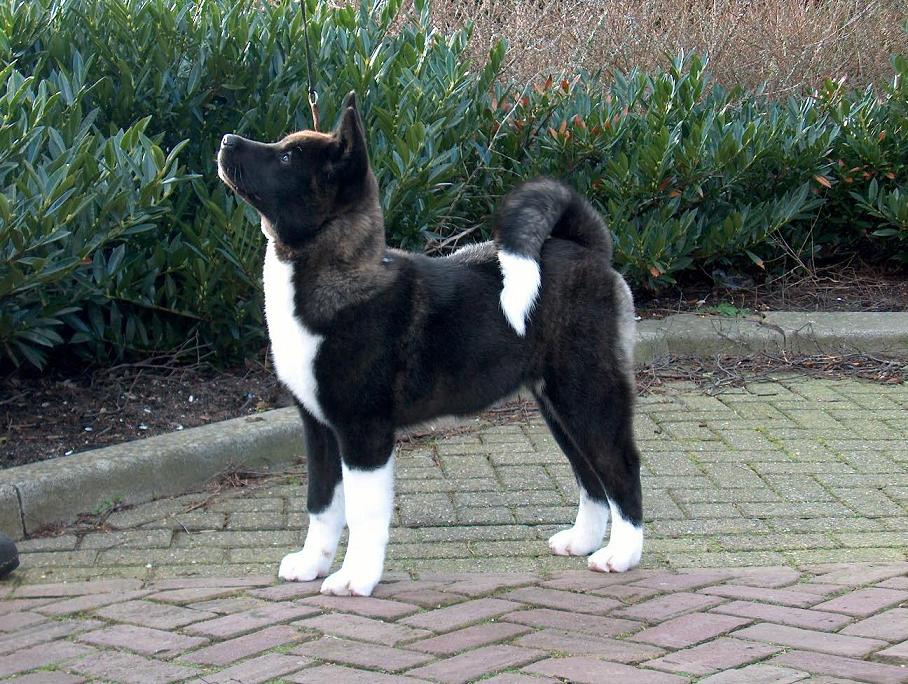
Must wear tail curled over the back and mantle comes in different shades, copy may have a black mask, have no mask, have blaze, your head or be completely black color.
Character and aptitudes «American Akita»
They have a strong territorial instinct and are often aggressive with other dogs, especially if male, so it is advisable to accustom them from puppies to family or other pets.
They are very loyal to your home and your family. It is always recommended to have an obedient dog healthy, provide discipline, exercise and affection in that order.
They need not always be black coffee can I be white but are different from those Akita japoneses. the American Akita They are very playful but very rough when playing.
– FCI – Group 5: Spitz-type dogs and primitive type – Section 5: Asian Spitz and related breeds. ⓘ
– AKC – Group 3: Working dogs ⓘ
FCI breed standard "American Akita"
Origin:
Japan
Date of publication of the valid original standard:
06.01.2015
Use:
Companion dog
General appearance:
GENERAL APPEARANCE
It is a large size dog, solid structure, well balanced, with a lot of substance and heavy bones. A characteristic of the breed is the wide head, obtuse triangle, the deep snout, relatively small eyes and erect ears carried forward approximately in line with the top line of the neck.
IMPORTANT PROPORTIONS
The relationship between the height at the withers and the length of the body is of 9 : 10 in males and 9 : 11 in females.
Chest height is equal to half of the height at the withers.
The relationship between the distance of the truffle to fronto-nasal depression (stop) and the distance of the fronto-nasal depression to the occiput is of 2 : 3.
Behavior / temperament:
It is a friendly dog, alert, receptive, Majestic, brave and obedient.
Head:
Solid, but balanced with the body; It should not show wrinkles when the dog is at rest. View from the top, the head forms an obtuse triangle.
Cranial region:
Skull: Wide and flat between the ears. A shallow furrow should extend well up the forehead.
Naso-facial depression (Stop) : Well defined, but not too sharp.
facial region:
Truffle: Wide and black. A small and diffuse depigmentation on the nose is accepted only in dogsWhite, Although black is always preferable.
Snout: Large, deep and full.
Lips: Blacks. Not hanging; Pink tongue.
Jaws / Teeth: Non-rounded jaws, but flat, strong and powerful; strong teeth; regular and complete denture; the Scissor bite is preferred, although the bite is accepted Pincer.
Eyes: Dark brown, relatively small, not prominent and almost triangular in shape. The edges of the eyelids are black and the eyelids are well glued.
Ears: They are firmly erect and small in relation to the rest of the head. If you fold them forward to measure their length, the tip should touch the edge of the upper eyelid. They are triangular, slightly rounded at the tips, wide at the base and placed not far down in the head; side views, the ears are angled slightly forward over the eyes in line with the top line of the neck.
Neck:
Thick and muscular, with minimal double chin, relatively short, with a gradual was towards the shoulder. The pronunciation curvature of the neck merges harmoniously with the base of the skull.
Body:
Longer than tall. The skin is not very thin, not too stiff, nor too loose.
Back: Straight.
Pork loin: Muscular firmly.
Breast
: Wide and deep. Well sprung ribs; well-developed sill.
Belly: Moderately collected.
Tail:
Strong with plenty of hairy, of implantation led on the back and leaned against the sidewall with a threading of three-quarters or high, full or double, always falling on or below the level of the back. When the queue has a three-quarter Threading, tip drops well down on flank. The root of the tail is thick and strong. When the tail hangs downward, the vertebrae of the tail reaching the hocks. The hair is hard, smooth and abundant, without having the appearance of fringes.
Tips
PREVIOUS MEMBERS: The front limbs, seen from the front, They must be straight and heavy bones.
Shoulder: Strong and powerful, moderately inclined backwards.
Metacarpus: Slightly bent forward, forming an angle of approximately 15° in relation to the vertical.
LATER MEMBERS: The hindlimbs are heavily muscled, amplitude and bones similar to those of front members. Usually the Rams of the hind limbs are removed.
Thighs: Strong, well developed, Parallels seen from behind.
Knee: Moderately angled.
Hock: Well descended, without turning outward or inward.
FEET: Cat feet facing straight forward; well arched toes with thick pads.
Movement:
Powerful movement with moderate length and push steps. The front and hind limbs move in the same line. The back remains strong, firm and straight.
Mantle
HAIR: Double coat of hairs. The undercoat must be abundant hair, soft and dense with hairs shorter than those of the outer coat. The outer coat must be straight hair, with a hard/rigid texture and being somewhat separated from the body. head hair, the lower part of the limbs and the ears must be short. The hair covering the withers and the rump should be approximately 5 cm.; It is thus slightly longer than the hair that covers the rest of the body, except in the queue, where the hair is long and abundant.
COLOR: Dogs can have any included red, leonado, white, even brindle or pinto. The colors are bright and clear and the spots must be harmoniously distributed, with or without mask or blaze. Solid white dogs should not have a mask.
Pinto-colored dogs have a white background with large, regularly placed spots that cover the head and more than a third of the body. The hair on the undercoat may be a different color from the hair on the outer layer.
Size and weight:
Height to the cross:
Males: 66 to 71 cm. (26 to 28 inches).
females: 61 to 66 cm. (24 to 26 inches).
Fouls:
Any deviation from the aforementioned criteria is considered as a fault and the severity of this is considered to the degree of the deviation to the standard and its consequences on the health and well-being of the dog..
Male female, male female.
Narrow or pointed head.
Absence of any tooth (except 2 PM1 or the M3).
Black stained tongue or blue.
light eyes.
Short tail.
Elbows returned to the outside or inside.
Any sign of a hair or bangs gola.
Timidity or evil.
SERIOUS FAULTS
Lack of substance.
Lightweight skeleton.
MISS PLAYOFFS
Aggressive or fearful dog.
Totally nonpigmented nose, depigmented nose areas, (butterfly nose).
Semi-erguidas ears, falls or dubbed.
Upper or lower prognathism.
Not screwed down or sickle-shaped tail.
Males with a lower height to 63,5 cm. (25 inches) and females with a lower height to 58,5 cm. (23 inches).
Any dog showing clear signs of physical or behavioral abnormalities must be disqualified..
N.B.:
Males should have two normal-appearing testicles fully descended into the scrotum..
TRANSLATION: Lic. O. Valverde-Calvo, updated by the Sr J. Nallem (Uruguayan Kennel Club).
Source: F.C.I - International Cynological Federation
Alternative names:
1. American Akita, Great Japanese Dog (English).
2. Akita américain, Grand Chien Japonais (French).
3. Amerikanischer Akita, Great Japanese Dog, Großer Japanischer Hund (German).
4. Akita americano, Grande cão japonês (Portuguese).
5. Akita Americano, Gran Perro Japonés (español).
.png "England") Extinct
Extinct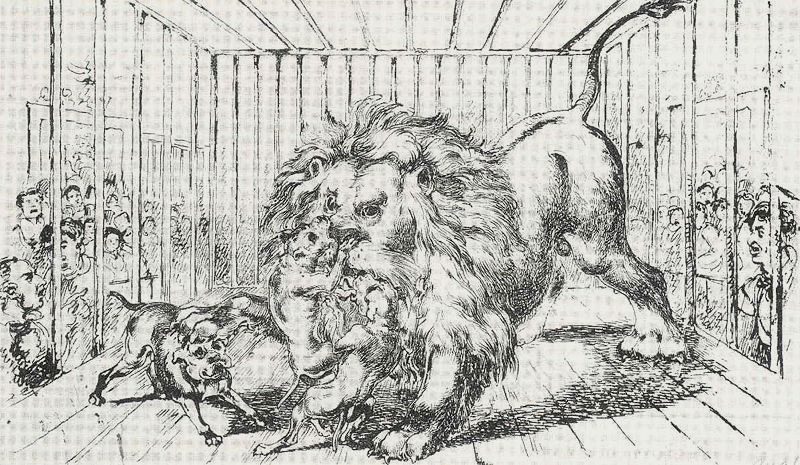
 Not recognized by the FCI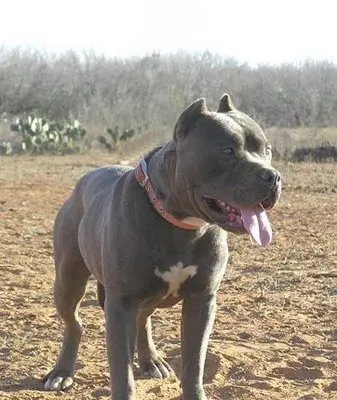

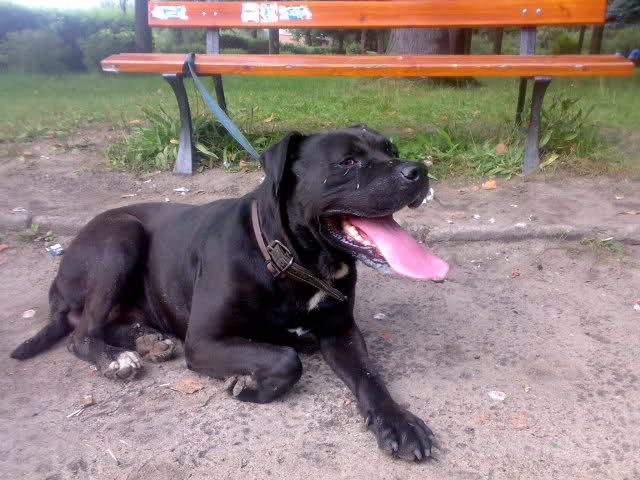
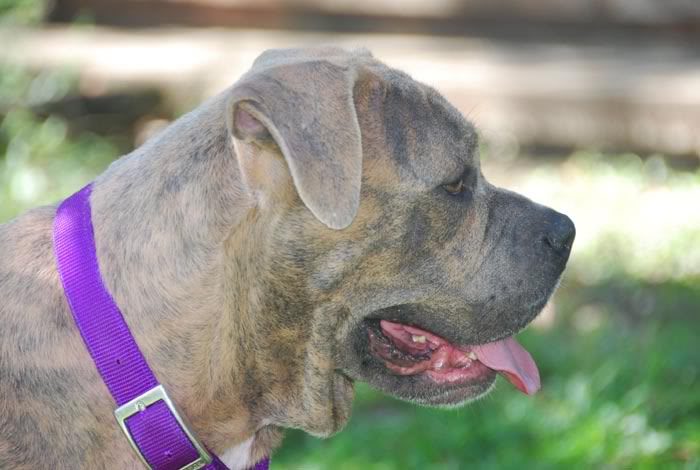

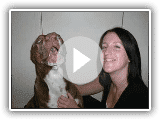 PITBULL X MASTIFF
 Bull Mastiff Pitbull mix ruffhousing with a Brittany Spaniel
 Joey Pitbull Mastiff Mix Christmas 2007 Part 1
 Bull Mastiff Pitbull mix being bossed over by a Brittany Spaniel
 FCI 236 . Toy Terriers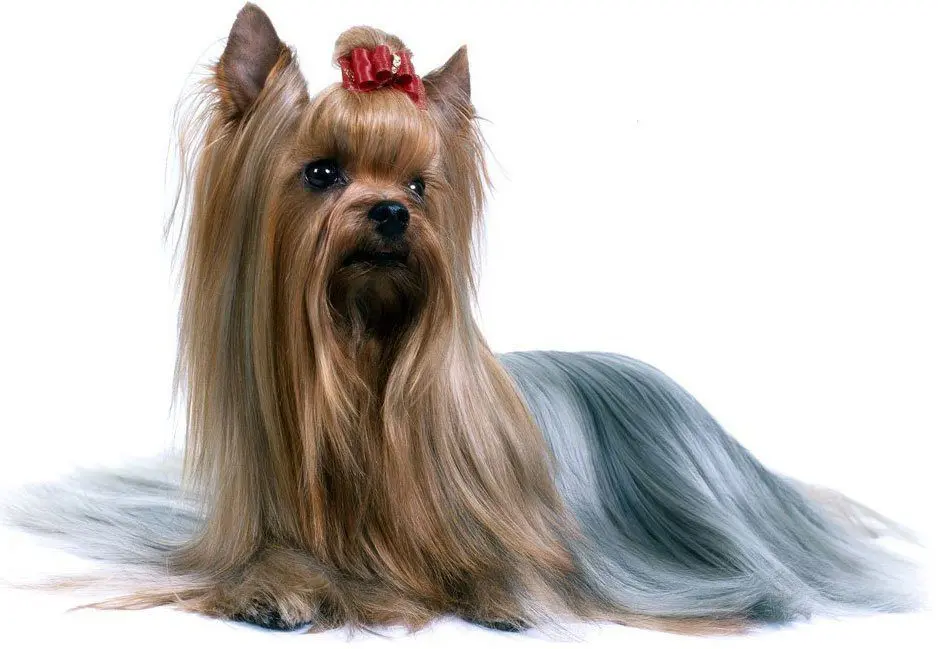
 Dogs 101 – Silky Terrier
 Australian silky terrier playing
 Australian Silky Terrier YakoGor

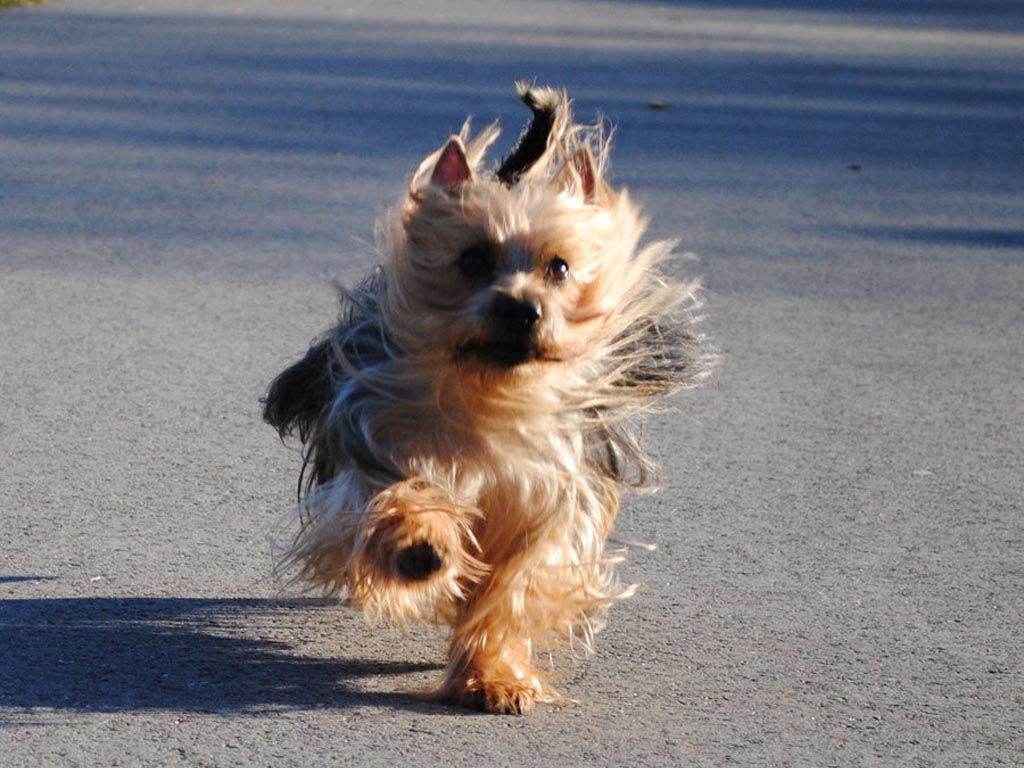

 Yorkie «maximus» vs Silky terrier » Scamper»
 FCI 247 - Molossoid . Mountain
 FCI 325 - Medium-sized Hounds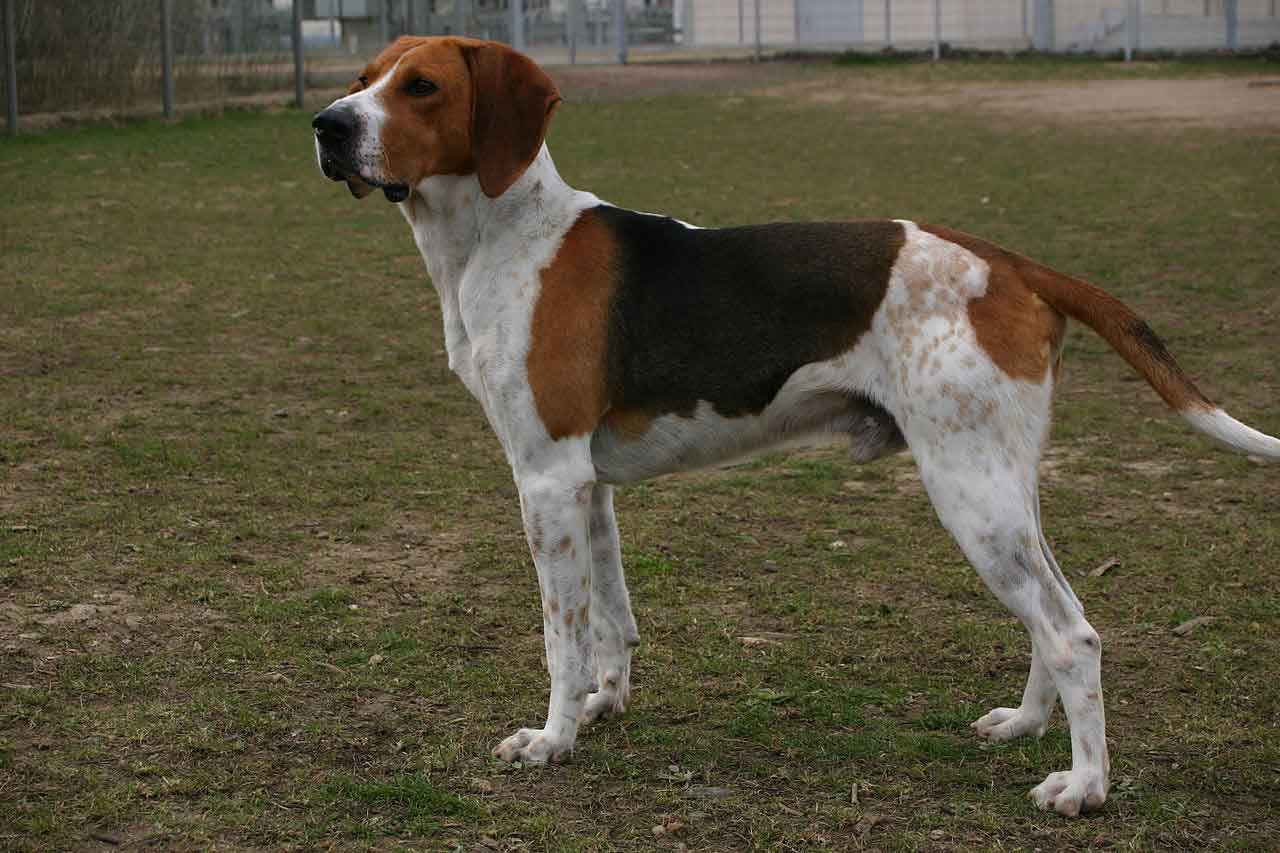




 Dogs 101 – Siberian Husky
 Sled Dogs
 Siberian Husky runs with Bike! Springer Bike with your Dog
 The Siberian Husky
 FCI 255 - Asian Spitz and related breeds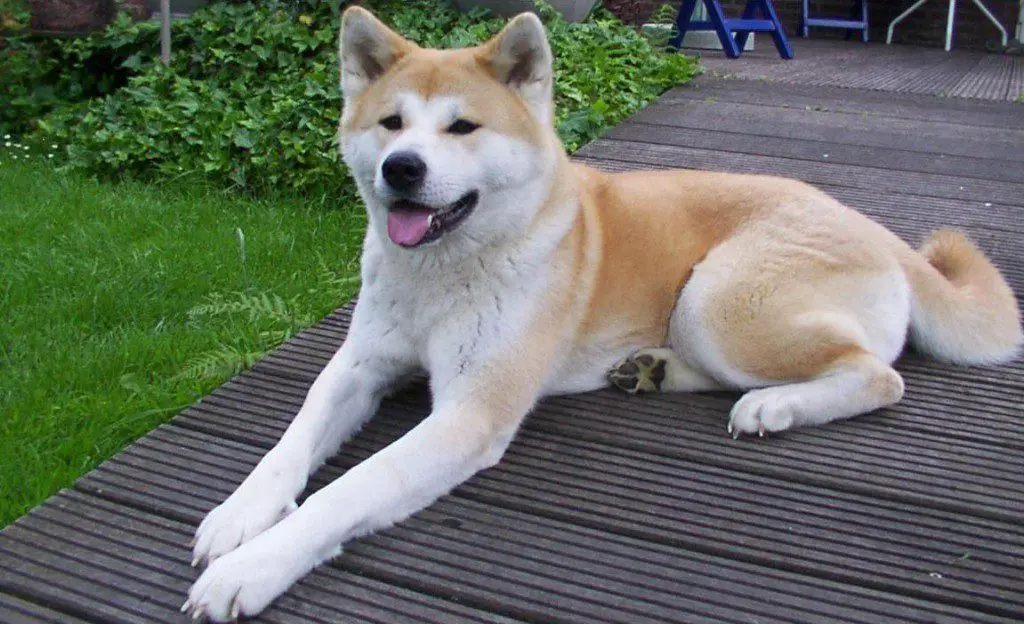


 You Akita Video
 Obedience Kimi (Akita)
 Akita inu Haguro Kensha
 Akita Inu playing with cat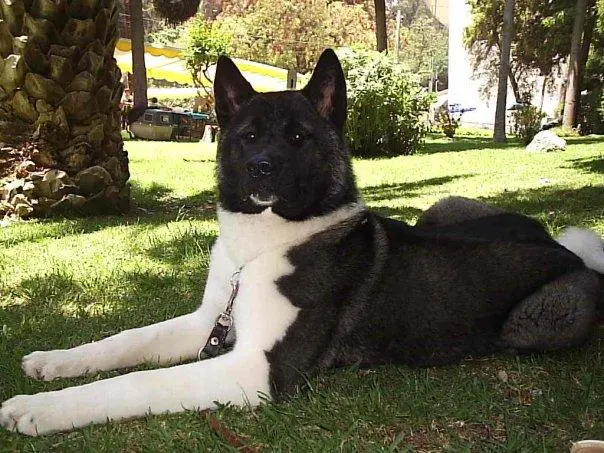


 AKITA AMERICANO 6 MONTHS; ROMYNA
 American Akita playing with Child AMERICAN TRIUMPH
 American Akita
 Dogs 101 – Akita Inu


