Classification of dogs according to their functional and obedience intelligence
Of 1 to 10: The 10 races with functional intelligence and highest obedience. Less than five exercises to understand orders new. Ability to remember without the need to repeatedly practice tests. They respond to the first order the 95 % of the times at least. They have a rapid response even at a distance. They learn to properly being trained by coaches relatively inexperienced.

-
1. Border Collie
2. Poodle
3. German Shepherd
4. Golden Retriever
5. Doberman Pinscher
6. Shetland Sheepdog
7. Labrador Retriever
8. Papillon
9. Rottweiler
10. australian cattle dog
Of 11 to 26: Excellent working dogs. Learning of simple orders between 5 and 15 repetitions of the exercise. Remember easily but do improve with practice. They respond to the first order on the 85 % of the times. For more complex orders need more time. Possibly at some distance from the owner takes a little to respond. Virtually all coaches can obtain good results.
-
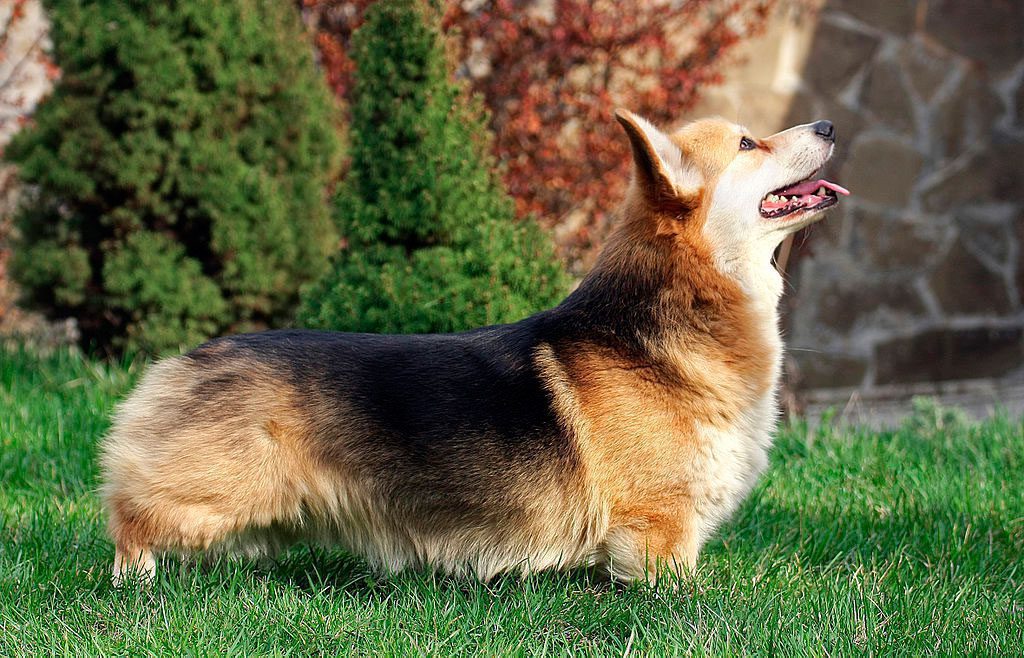
11. Pembroke Welsh Corgi
12. Schnauzer miniature
13. English Springer Spaniel
14. Tervuren Belgium
15. Schipperke / Belgian Shepherd
16. Keeshond / Collie
17. german shorthaired pointer
18. Flat-coated Retriever / English Cocker Spaniel / Standard Schnauzer
19. Breton spaniels
20. Cocker Spaniel
21. Weimaraner
22. Belgian Shepherd Malinois / Bern Bouvier
23. Pomeranian
24. Irish Water Spaniel
25. Vizsla
26. Welsh Corgi Cardigan
Of 27 to 39: Working dogs with a higher average level. They need between 15 and 30 repetitions to learn an exercise. Additional practices of exercise in the first stages of learning to improve. Learned once an order usually retain. They tend to respond to the first a 70 % of the times or more. The behavior is similar to the dogs of the previous group, but with some uncertainty and delay in the response. If the owner is very far, the dog will not react to the order. Inconsistent training, low-quality or with too much severity and impatience he will not achieve good results.
-
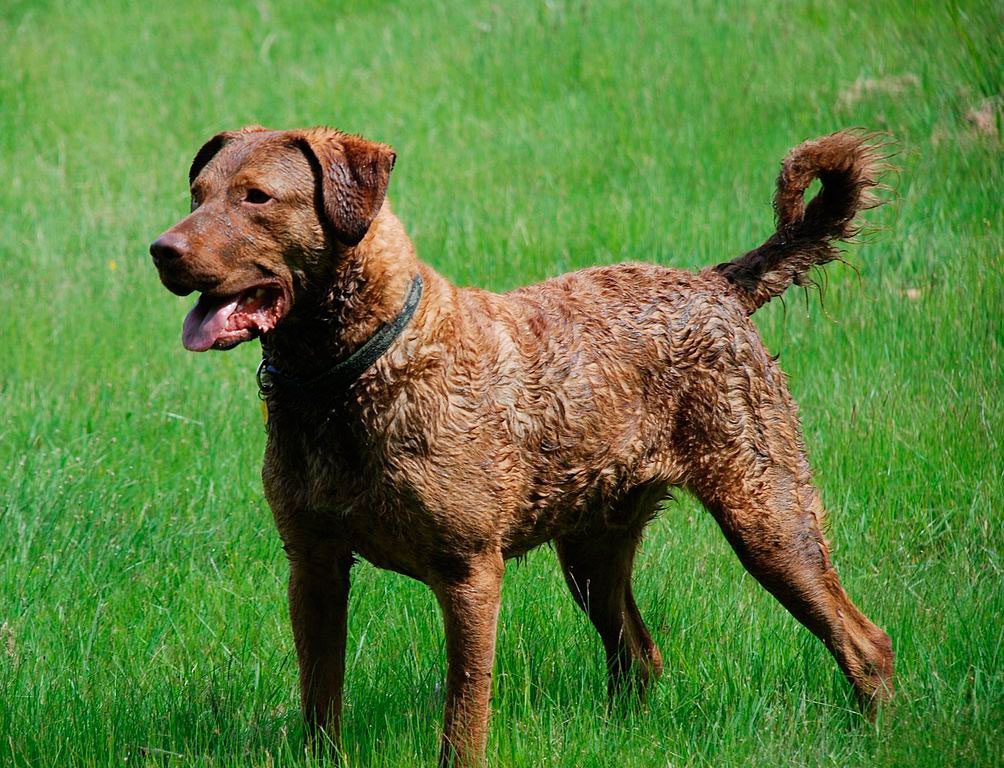
27. Chesapeake Bay Retriever / Puli / Yorkshire Terrier
28. Giant Schnauzer /Portuguese water dog
29. AIREDALE / Flanders Bouvier
30. Border Terrier / Briard
31. Welsh Springer Spaniel
32. Manchester Terrier
33. Samoyed
34. Field / Newfoundland / Terrier Australia / American Staffordshire Terrier / Gordon Setter / Bearded Collie
35. Cairn Terrier / Kerry Blue Terrier / Setter Irish
36. Norwegian Elkhound
37. Affenpinscher / Silky Terrier / Pinscher miniatura / English Setter /
Master Pharaoh Hound / Clumber Spaniel
38. Norwich Terrier
39. Dalmatian
Of 40 to 54: It corresponds to the average score of functional intelligence and obedience. Need of 25 to 40 repetitions to understand an exercise. Additional practices help them in the initial phase of learning. If not repeated exercises often recall orders with difficulty. They respond to the first a 50 % the times and the effectiveness depends much on hours of practice and repetition of exercises. Speed of response is slower. Greater distance the response of the dog will be less consistent and predictable. They need an adiestrador expert with patience.

-
40. Irish soft coated wheaten terrier / Bedlington Terrier / Smooth fox terrier
41. Curly-coated Retriever / Irish Wolfhound
42. Kuvasz / australian cattle dog
43. Saluki / finnish spitz / Pointer
44. Cavalier King Charles spaniel / Hardhair German Pointer /
Black and tan coonhound / American Water Spaniel
45. Siberian Husky / Bichon Frise / english toy spaniel
46. Tibetan spaniel / English Foxhound / American Foxhound /
Otterhound / English Greyhound / Wirehaired Pointing
47. West Highland white terrier / Scottish Deerhound
48. Boxer / German Mastiff
49. Dachshund or Teckel / Staffordshire Bull Terrier
50. Mally
51. Whippet / Shar Pei / Fox Terrier (wire)
52. Rhodesian Ridgeback
53. Ibizan Hound / Welsh Terrier / Irish Terrier
54. Boston Terrier /Akita
Of 55 to 69: Minimum level of functional intelligence. Need of 40 to 80 repetitions for acceptable performance (Sometimes, until a few 25 replays show no sign of understanding). Many repetitions they need to maintain an acceptable level. They will respond to the first order a 30 % of the times. They work best if the owner is close to them. These dogs seem distracted most of the time and only respond when they feel like it. If the distance between the dog and the owner is large there will be no response. They are not suitable races for first-time owners. A coach with extensive experience, time, firmness and love can achieve a good performance.

-
55. Skye Terrier
56. Terrier de Norfolk / Sealyham terrier
57. Pug
58. French Bulldog
59. Griffon Belgium / Maltese
60. Piccolo Greyhound Italian
61. Chinese Crested Dog
62. Dandie Dinmont terrier /Vendeen / Tsang Apso
Chin / Lakeland Terrier
63. Old English Sheepdog (Bobtail)
64. Pyrenean Mountain Dog
65. Scottish Terrier / St. Bernard
66. Bullterrier
67. Chihuahua
68. Lhasa Apso
69. Bullmastiff
Of 70 to 79: Breeds with functional intelligence and obedience are lower. They need some initial learning 30 or 40 repetitions to show symptoms of understanding on command. Frequent is necessary a 100 repetitions of an exercise before giving a reliable result. His response is slow and uneven. After learning, frequent repetitions must be done, otherwise the results will be imperceptible as if they had never learned any exercise.. Some qualify for these races as “impossible to train”. The reaction to the first order is less of the 25 % of the times. Sometimes they give back to their owners, ignoring his orders or defying your authority. The response to the orders is often insecure and slow, sometimes reluctantly. You can thwart more than one moderately experienced trainer and make doubt their skills at one of the more specialized.
-
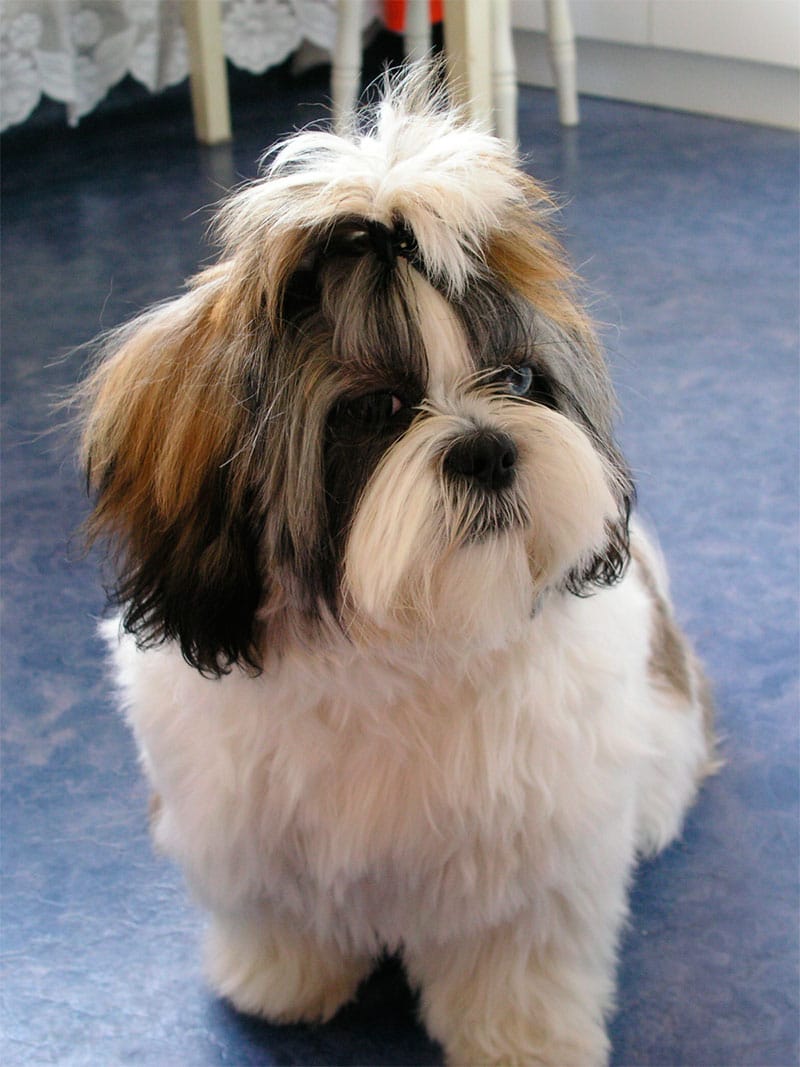
70. Shih Tzu
71. Basset Hound
72. Mastiff / Beagle
73. Pequinés
74. Bloodhound o San Humberto
75. Borzoi
76. Chow Chow
77. Bulldog
78. Basenji
79. Afghan hound
Classification was performed by Stanley city After analyzing the responses of more of 200 work of the AKC judges (American Kennel Club) to a questionnaire on the intelligence of the different breeds of dogs.

Relative as in humans.