▷ The world of Pets: Dogs, cats, birds, reptiles, amphibians

Karjalankarhukoira
Finlandia FCI 48 - Nordic Hunting Dogs

Karjalankarhukoira

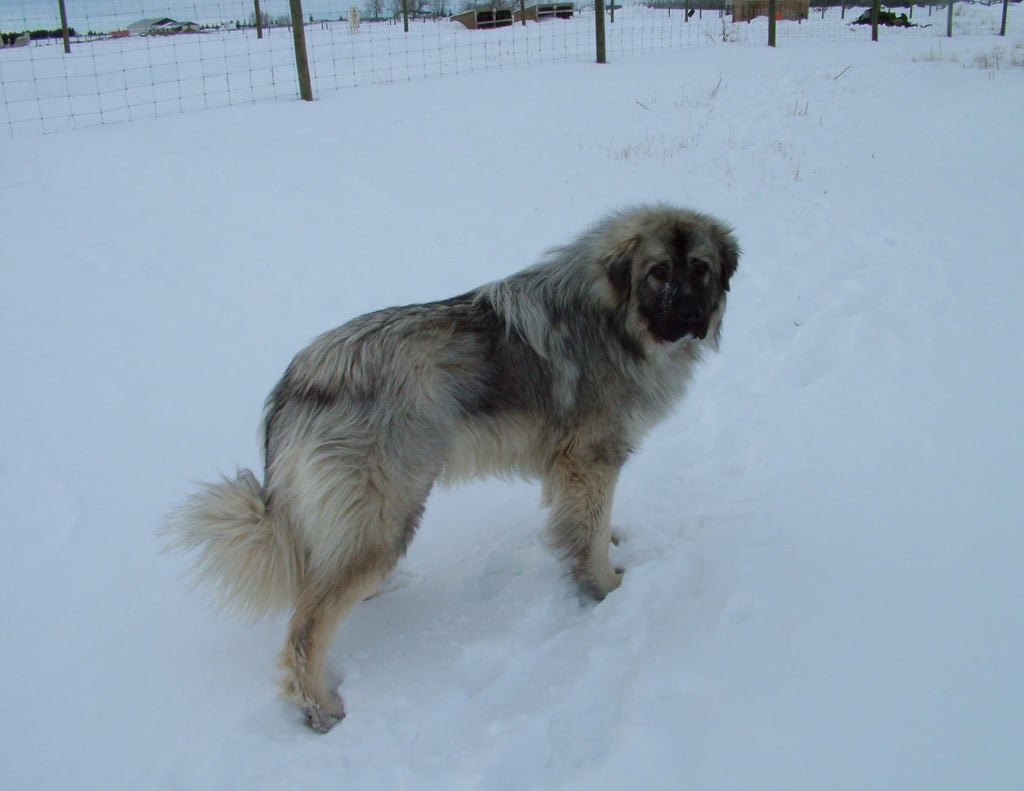
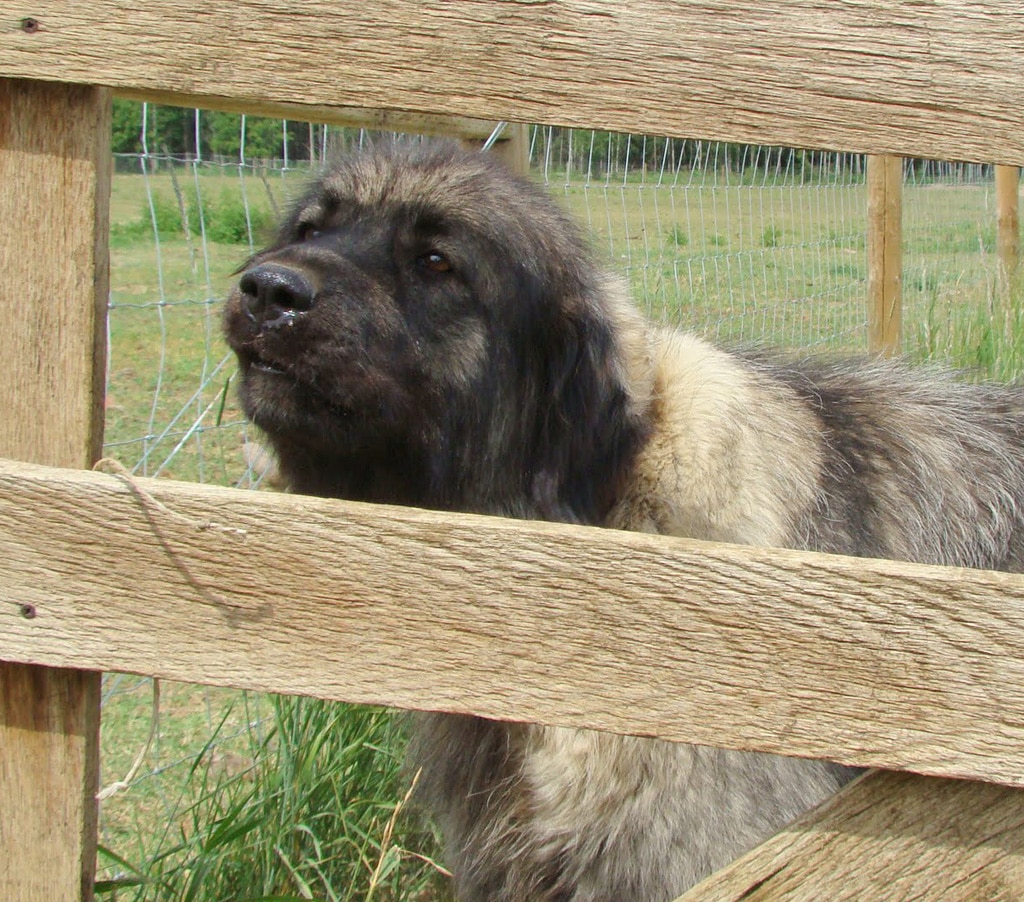
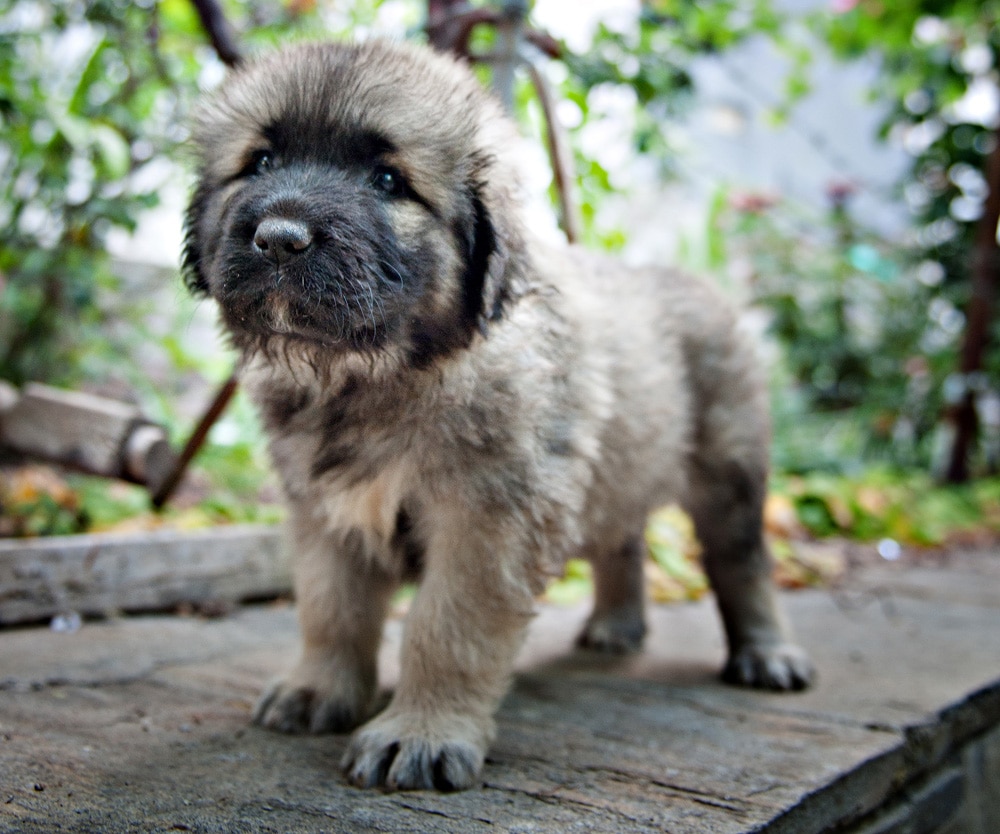
The Karjalankarhukoira o “Kerelian Bear Dog” is a breed of dog native to Karelia and Finland. It has traditionally been used as a hunting breed. It has a characteristic black and white coat and is perfectly adapted to the harsh climatic conditions of this area of ​​Scandinavia..

The breed has a striking coat the outer coat is stiff and hard haired, and the inner layer is covered by soft hair and a high density. The hair is smooth, without curls. The color is black with white spots. Often, as the jet black hair, It is lightly dyed Brown at the edges, as in gradient.

The dog must be in excellent physical condition. The males measure of 54 to 60 cm to the cross , While the females are smaller than in 49 to 55 cm..

According to archaeological records, the Karelian (which are very similar to the Russo-European Laïka) existed in northern Eastern Europe and Scandinavia, from the Neolithic.

The Karelian was used mainly for hunting small animals, as the squirrels and the Marten. Like the Norwegian Elkhound, the Karelian, It was also used in the hunt for moose, Lynx, wolves and, as its name suggests, the Eurasian brown bear hunting (a kind of so big and aggressive as the Grizzly Bear).

They are silent but tenacious hunters and only alert when they are on acorralada prey. It will remain in his post, it will try to distract and stun its prey until its master arrives and the hunt is over.

His nature of hunters leads to proper socialisation is essential and that education from early stages of their development.
They must always hunt only with their masters.

Read more

▷ The world of Pets: Dogs, cats, birds, reptiles, amphibians

Ranking of dogs affected by hip dysplasia

The Hip Dysplasia It consists of a defective development of the articulation between the hip and femur, usually due to genetic causes, common in medium and large size dogs.

No one can predict when or even if a dysplastic dog will start showing clinical signs of lameness due to pain.. There are multiple environmental factors such as calorie intake, level of exercise, and age that may affect the severity of clinical symptoms and phenotypic expression (radiographic changes). There is a significant number of dysplastic dogs with severe arthritis You can run, jumping and playing as if nothing were the matter and some dogs with little radiographic arthritic change who are very sore and lame.

  • The most affected dog breeds database by the Hip Dysplasia was getting at least 100 assessments in every race since January 1974 until December of 2010 (some breeds of cats appear in the list).

BreedWOMENEvaluac..% affection
English Bulldog é s148572.6%
Pug or Carlino240664.3%
Dogo of Bordeaux336856.3 %
Otterhound435852.2%
Neapolitan mastiff515448.1%
San Bernardo6207546.7%
Clumber Spaniel780645.3%
Black Russian Terrier837142.9%
Sussex Spaniel925041.6%
Dogo Argentino1018841.0%
Cane Corso1162840.1%
Basset Hound1219637.8%
Boykin Spaniel13272134.1%
Dogo Canario1417133.3%
Norfolk Terrier1525733.1%
Bulldog Americano16168433.0%
Bulldog Francés1780331.3%
Glen Of Imaal Terrier1813231.1%
Fila Brasileiro1959430.0%
Bloodhound20269326.1%
American Staffordshire Terrier21278826.0%
Newfoundland221436925.2%
Bullmastiff23524324.4%
Maine Coon (Cat)24104724.0%
American Pit Bull Terrier2568323.6%
English Shepherd2629422.4%
Catahoula Cur2750922.2%
Chesapeake281208220.7%
Rottweiler299116120.3%
Golden Retriever3012726819.8%
Elkhound Noruego31369419.7%
Gordon Setter32583919.5%
Shiloh Shepherd3363119.5%
Chow Chow34515319.5%
Shih Tzu3560919.4%
Hybrids36102419.4%
Mastiff371022019.4%
CORGI Cardigan Welsh38166319.2%
Shepherd German3910040719.2%
Great Swiss Boyero40237618.8%
Old English Pastor411038918.6%
Field Spaniel4290218.5%
Corgi Galés de Pembroke431031318.4%
Kuvasz44168418.3%
Chinook4554618.1%
Schnauzer Gigante46418318.0%
Beagle4780718.0%
Welsh Terrier4810117.8%
Staffordshire Bull Terrier4952117.3%
Brittany Spaniel5010316.5%
Entlebucher boyero5127416.4%
english setter52986016.3%
Boyero Bern531569716.1%
Affenpinscher5425815.5%
Spinone 55103915.4%
Polish Lowland Sheepdog5644415.3%
Curly Coated Retriever57109915.2%
Boyero de Flandes58780815.1%
Brittany591725014.7%
Black and Tan Coonhound6066514.7%
Pastor Islandés6117014.7%
Berger de Brie62224614.2%
Tibetan Mastiff6381814.1%
Labradoodle6410714.0%
Beauceron6532413.9%
Harrier (dog)6630613.7%
Leonberger67146913.5%
Shar Pei68936413.3%
Springer Spaniel English é s691391013.1%
Pudelpointer7037312.9%
Perro de Agua é Portugu s71708312.9%
Akita Inu721575612.9%
Norwich Terrier7360212.8%
Boston Terrier7416912.4%
Cavalier King Charles Spaniel75552612.3%
Pudelhund762110912.2%
West Highland White Terrier7720612.1%
Finnish Lapphund7812412.1%
Fox Terrier Smooth7930112.0%
Gran Danés801170412.0%
Komondor8194012.0%
Setter Irlandés821090712.0%
Irish Water Spaniel83121911.9 %
Labrador Retriever8421533611.9%
Welsh Springer Spaniel85180711.8%
Alaskan Malamute861340911.5%
AIREDALE Terrier87561311.5%
Samoyed881527611.1%
Petit Basset Griffon Vendeen8964911.1%
Boxer90504911.0%
Border Collie91974910.9%
Pastor of Anatolia92163510.4%
Havana Silk Dog9314610.3%
Munsterlander Pequeno9412710.2%
Puli95169510.0%
Norwegian Buhund9616010.0%
havanese9724929.9%
Vallhund Swedish981669.6%
Akbash995259.5%
American Eskimo1009659.3%
Great Pyrenees10156609.2%
German Shorthaired Pointer10238519.0%
Tulear cotton1035988.9%
Australian Kelpie1041148.8%
Schnauzer Estándar10539488.6%
Waro of Weimar106114858.5%
Point Inglés10714258.1%
Miniature Australian Shepherd1089177.9%
Czech Fousek10918167.8%
Tibetan Spaniel1103077.8%
American Water Spaniel1117197.8%
Spaniel Franc é s1121587.6%
Pastor Holand é s1131707.1%
Vizsla114125697.1%
Bich ó n é Fris11532456.8%
Bull Terrier1161056.7%
Nova Scotia Duck Tolling Retriever11715656.6%
Cocker Spaniel Americano118122546.5%
Lhasa Apso1198106.4%
Keeshond12044126.3%
Dobermann121145136.2%
Spitz Finlandés1223136.1%
Bearded Collie12342516.0%
Australian Shepherd124293905.8%
Afghan Hound12564655.8%
Kerry Blue Terrier12614565.8%
Hovawart1271215.8%
English Cocker Spaniel é s12864905.7%
Tibetan Terrier12937265.7%
Shiba Inu13027715.7%
Schipperke1314105.4%
Belgian Shepherd Malinois13223455.4%
Rhodesian Ridgeback133103555.1%
Irish Wolfhound13416465.1%
Pastor Norteamericano1353355.1%
Soft Coated Wheaten Terrier13657064.8%
Shetland Sheepdog137184014.7%
Dalmatian13831774.6%
German Shorthaired Pointer139145904.3%
Flat-Coated Retriever14050584.2%
Parson Russell Terrier1411033.9%
Irish Red and White Setter1421793.9%
Border Terrier14323093.6%
Pastor Belga Tervuerense14454793.5%
Basenji14523673.4%
Rat Terrier1463893.3%
Pastor Belga14737972.9%
Collie14827562.8%
Hound Ibizan1493022.6%
Pharaoh Hound1504212.6%
Australian Terrier1511682.4%
canaan dog1524092.2%
English Greyhound1533392.1%
Siberian Husky154165972.0%
Borzoi1558351.8%
Saluki1562581.6%
Whippet1571441.4%
Pinscher1582961.0%
Hound Italian1591890.0%

Bulldog


RANKING OF DOGS AFFECTED BY HIP DYSPLASIA


This table was adapted from three sources:

  • Canine Developmental Health Performance Registry
  • The Orthopedic Foundation for Animals
  • AKC Canine Health Foundation (CHF)
  • ▷ The world of Pets: Dogs, cats, birds, reptiles, amphibians

    Sharplaninac
    Yugoslavia FCI 41 - Molossoid . Mountain

    Šarplaninac

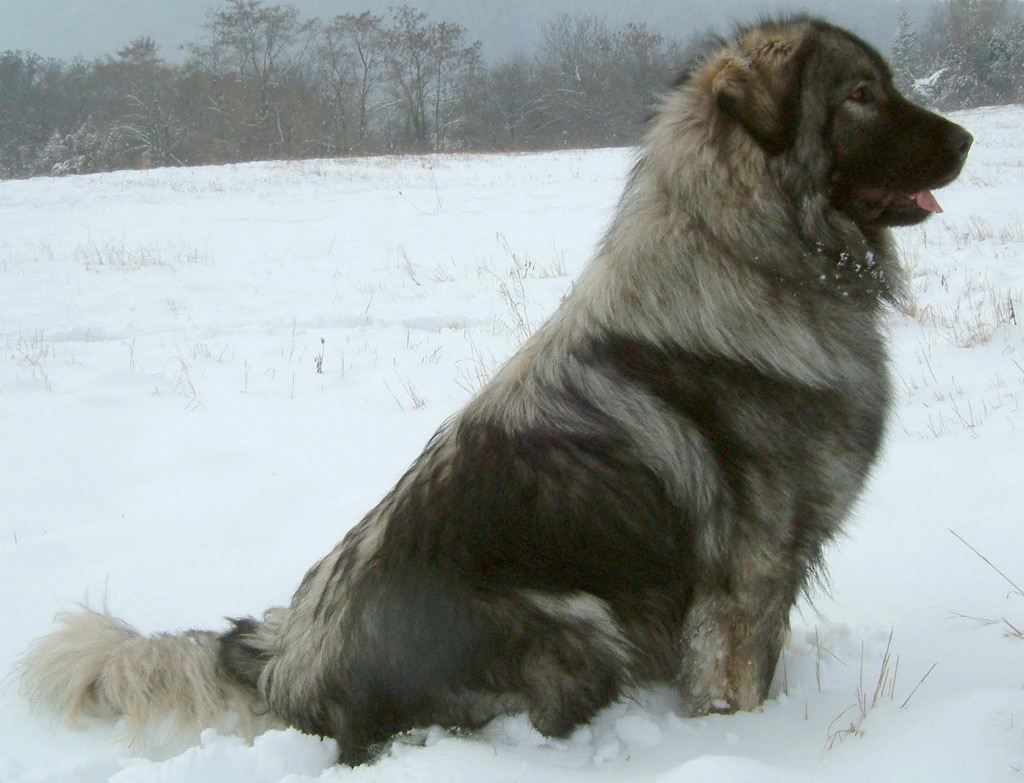
    The Sharplaninac is a brave dog, quiet, safe and reserved with strangers.

    History

    The Sharplaninac (Šarplaninac) (pronounced "sharplanínatz"), in Macedonian Šarplaninec, in Albanian Qen i Sharrit) is a dog of medium size in the region of the Balkans pastor.

    As it is the case with many breeds, the true origins of this big guy are unknown, although there are theories that try to approach them. Some authors raised that their ancestors were the ancient molossians, especially dogs from Greece and livestock guarding dogs from Turkey.

    Other authors believe that the Šarplaninac, drift of Asian dogs that arrived in Europe accompanied by migration of peoples who were engaged in raising them. This theory is the most widely accepted today..

    The race was initially recognized by the Federation Cynologique Internationale (FCI) in 1939 under the name Illyrian Shepherd Dog, demonstrating the ancient name of the native region of these dogs.

    In 1957, at the request of the Yugoslav Canine Federation (JKS), the FCI changed the name to Yugoslav Shepherd Dog-Šarplaninac, because it is in the Šar Mountains (Šar Planina in South Slavic languages, is a mountain range located on the southern border of Serbia in the province of Kosovo and in the northwestern part of the Republic of Macedonia), where is concentrated the largest number of specimens of the breed.

    If there is something indisputable, it is that the Šarplaninac, lives since ancient times in the mountainous regions of the former Yugoslavia, from where it has spread throughout the Balkan Peninsula and recently, beyond these borders.
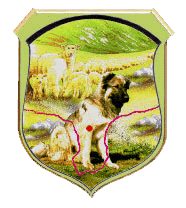
    Escudo de DragasThe image of the Šarplaninac appears on the obverse of the coin 1 Denar, issued in the Republic of Macedonia in the year 1993, and is also the emblematic protagonist of the Dragaš shield, a city in the South of Kosovo, which is located in the region of the Šar Mountains.

    The Šarplaninac has found its way to North American ranches as an esteemed sheepdog and guardian of livestock.. Predator problems have been greatly diminished once a Šarplaninac , takes the responsibility of a herd. The Šarplaninac is one of the few dogs that can chase away a wolf or a bear.

    Physical characteristics

    El Šarplaninac, is a large size dog, It is quite above average when it comes to large breeds. It is also robust and equipped with a strong Constitution.

    The height males average is of 56 to 62 cm and females is of 54 to 58 cm.. The length of the body is slightly greater than the height at the withers.

    Although some authors speak of the existence of individuals whose actions were between 75 and 85 cm. of height and a weight of 65 to 100 kg.

    The huge head is proportional to the body, It has the skull slightly convex and slightly longer than the muzzle.

    The eyes of the Šarplaninac are almond-shaped and brown in color (light or dark), transmit an expression of serenity but the look is penetrating.

    The ears they are medium-sized, flat and hang on the cheeks.

    The tail It is long and Sabre-shaped, if it is in a state of alert, it carries it high, barely exceeding the line of the back.

    The fur It is long in some parts of the body and short in others. In the head, the ears and the anterior part of the extremities, is short. The length of the neck, the body and the back of the limbs and tail, is long.

    Regard to the the fur color, all uniform colors are supported but it is preferable to be gray iron and gray very dark. As well, at the top of the head, the neck and the trunk have darker hair.

    Sharplaninac: Standard FCI

    DATE OF PUBLICATION OF THE ORIGINAL VALID STANDARD: 24/11/1970.

    HEAD: Is provided to the body and measures about 25 cm., or a 40% the height at the withers. The skull is slightly longer than the muzzle, 58 and 42% respectively of the total length of the head. The female has a little longer snout (57 and 43%). The top of the skull is slightly convex and the profile of the nasal helm is straight. The lines of both profiles are convergent.

    CRANIAL REGION:

    Skull: The cranial region is wide, with a medium marked Groove. Seen from side and from above is slightly convex and little bulky.
    Depression links (stop) : It is little pronounced.

    FACIAL REGION:

    • Snout: It is shorter than the skull. Wide and deep at the base, light and gradually are reduced. The nasal helm is straight and wide. The profile of the lower jaw begins with an arch and is confirmed by a straight line that diverges from the profile of the nasal bridge..
    • Truffle: Is wide and black.
    • Lips: They are moderately thick and stretched. The upper lip slightly exceeds the lower. The corners are well connected, and they are not never reversed.
    • Teeth: They are comprehensive and applied in scissor bite.
    • Eyes: Almond biscuits; or large, or sunk. Are dark or light brown, and calm expression, but penetrating and never afraid. Both the eyelids and visible mucous membranes are black.
    • Ears: Located at the level of the prolongation of an imaginary line that starts from the tip of the nose and passes through the inner corner of the corresponding eye, or below. They are hanging and fall glued along the cheeks. They are V-shaped and medium in length.; When stretched them slightly arriving to the inner corner of the eye. They are covered with short dense pile.

    NECK: The upper profile is slightly convex or straight at the top of the neck. The lower profile is straight. The neck is of medium length, but due to the long and bushy hair seems shorter. It is wide, deep and muscular, well attached to the head and body, no sharp demarcation. It is slightly elevated in relation to the dorsal line. Your skin is stretched and does not double chin. The hair is dense, long and rough, and arriving at the head it forms a sort of well marked necklace, which apparently increases the breadth and depth of this part of the head.

    BODY: As a whole, the top line is horizontal, or slightly inclined starting from the cross to the rump. In dogs bred in the mountain, be tolerated that the height of the rump is just greater than the height at the withers, Although this is not desirable. The body is slightly longer than the height at the withers.

    • Cross: Slightly marked and wide. It is strongly attached to the neck and the demarcation is inconspicuous.
    • Back: Straight and wide; is not too long.
    • Pork loin: The lumbar region is shorter than, wide and well muscled.
    • Rump: Is medium length, oblique, wide and well muscled.
    • Breast : The chest is deep and medium length; along with the bottom edge reaches the elbow. The ribs are slightly arched. The chest is wide and muscled. Chest girth should be at least 20% greater than the height at the withers.
    • Belly: Built and muscular. Lower profile line rises slightly from front to back. The legs are fairly short. The depression of the rump is marked.
    • Tail: It is long and at least reaches the tip of the Hock. The top margin of the rump, that it does not have a sharp demarcation, It extends in the margin of the tail. This is large at the base and gradually reduces towards its end. The hair of the tail is dense and its bottom edge is longer, forming bangs. The oxtail Sabre-shaped and when the dog is moving is raised. When the dog is in motion, the tail may be above the line of the back..

    FORELIMBS: Seen as a whole are well shaved and commensurate with the body. The height of the tip of the elbow is a 55% the height at the withers. The different parts of the limbs are in proportion to each other and to the rest of the body..

    • Shoulder: It is sufficiently long and wide and is well attached to the body. It is slightly oblique and forms an angle of 65° with the horizontal line..
    • Arm: It is more oblique than shoulder, forming an angle of 55° with the horizontal line. The angle of the elbow (humeral-radial angle), is 145°. The elbow is wide, It is well located and very little separated ribs.
    • Forearm: Is vertical, of bones, and well-developed musculature. It is long, and his back is covered with long hairs that are fringe.
    • Carpo: Width, thickness and presents a slight demarcation.
    • Metacarpus: It is wide, strong and slightly oblique.
    • Pies: Strong, oval-shaped, with fingers arched and well together. The nails are black and solid. Digital pads and Plantar are firm, though flexible. Are black or a dark pigmentation.

    HINDQUARTERS: Seen from the back, the position of the hind legs is uniform and slightly larger than the forelimbs. In profile, is also uniform, with the angles of the joints sufficiently closed.

    • Thigh: Muscled, strong and rounded. It is oblique, forming with the horizontal line an angle similar to that of the shoulder. The angle of the knee (stifle-tibial angle) It is a little more open than the scapular-humeral angle (around 125°). The knee is solid and wide.
    • Leg: It is oblique, strong, with a long enough musculature and well-marked bangs.
    • Hock: Wide and fairly open (an angle of about 130°).
    • Metatarsus: It is a bit less oblique to the Metacarpus. Rarely presents Spurs, But if this is low, they should be disposed.

    MOVEMENT: The step is long and agile. Preferred movement is the trot, high strides and medium length. During the Gallop motion is somewhat heavy, but long jumps well covering the field.

    SKIN: Is of medium thickness; elastic and well stretched on different parts of the body. There is no presence of dewlap. All visible mucous membranes are black, or a dark pigmentation.

    Fur: The head, the ears and the outer parts of the limbs are covered with short hairs. The neck, the body, later parts of the limbs and tail are covered with long hairs almost stretched and slightly thick. The inner layer of hair presents a short hair, finest, very thick and abundant. Dl hair is in the cross the length of 10 to 12 cm.; cannot be shorter than for 7 cm..

    Color: This is a dog of a single color. All the shades of colors are supported, from white, until dark brown, almost black. The most valued colors are greenish gray (grey iron), the dark grey. Piebald fur or white spots are not allowed. Pigmented dogs allow small white markings on the chest region and fingers, Although this is not desirable. The background color is more pronounced on the upper parts of the head in all pigmented dogs, the neck and trunk.

    On the lower parts of the body, There is a degradation of color, and the color is lighter in the lower parts of the extremities, arriving at the gray beige or dirty. In no case should these degradations appear well delimited, imparting a light marking or piebald appearance.

    FAULTS: Any deviation from the above mentioned criteria is considered an absence and severity of this refers to the degree of deviation to the standard and its impact on the health and welfare of the dog.

    MINOR FAULTS

    • Insufficient breadth of the cranial region, and the slightly longer snout.
    • well developed jaws.
    • Length and depth of chest insufficient.
    • Too flat ribs, or too arched.
    • Pronounced aplomb defects.
    • A bit shorter hair, as long as the fringes are clearly visible.
    • White markings on the chest region and feet.
    • A slight reduction of the tail.
    • The foot of Hare, as well as other minor physical offenses.

    SERIOUS FAULTS

    • Too long snout, or too sharp.
    • High set ears, or they deviate from the head (they are not enough stuck to the cheeks).
    • Bite in the form of iron.
    • Sunken back.
    • Tail that falls to the side.
    • Lymphatic Constitution, as well as other serious physical offenses.

    MISS PLAYOFFS

    • Aggressive or fearful dog.
    • Absence of premolars.
    • A difference marked between body length and the height at the withers.
    • Insufficient Withers height.
    • The lower hair length to 7 cm..
    • Large white markings (piebald fur), stripes (atigrados), depigmentation of the visible mucous membranes and eyes.
    • Signs of degeneration (braquignatismo or prognathism, short birth tail, or lack thereof, too depressed back, and other signs of degeneration.
    • Any dog ​​showing clear signs of physical or behavioral abnormalities must be disqualified..

    N.B.: Males should have two normal-appearing testicles fully descended into the scrotum..

    TRANSLATION: Rafael Santiago (Puerto Rico).

    Character and skills

    The temperament of the puppy is described as an independent, distant with strangers, and quiet until, He is a threat to the flock, When in early the Shar bursting with rapid ferocity. The breed has a protective nature.

    He is very affectionate with the family nucleus and adapts very well to home life..

    It is a dog easy to train because he likes to learn new things. It is mainly a watchdog, despite being known as a typical sheepdog.

    If it is trained to defend, You will need a quiet and strong person not transmitted not shred of nervousness, since being a super reactive dog could develop aggressive behavior, especially if the coach supports and welcomes those reactions.

    The name comes from the cadena montañosa Šar (Shar Mountain) spanning the border of the Republic of Macedonia and Serbia, where is it found generally accompanying and keeping large herds of sheep when they graze.

    The animal can work with cattle and serves as a watchdog. It was bred and used as a military dog ​​under the government of Josip Broz Tito and is still employed by the Serbian Army..

    Observations

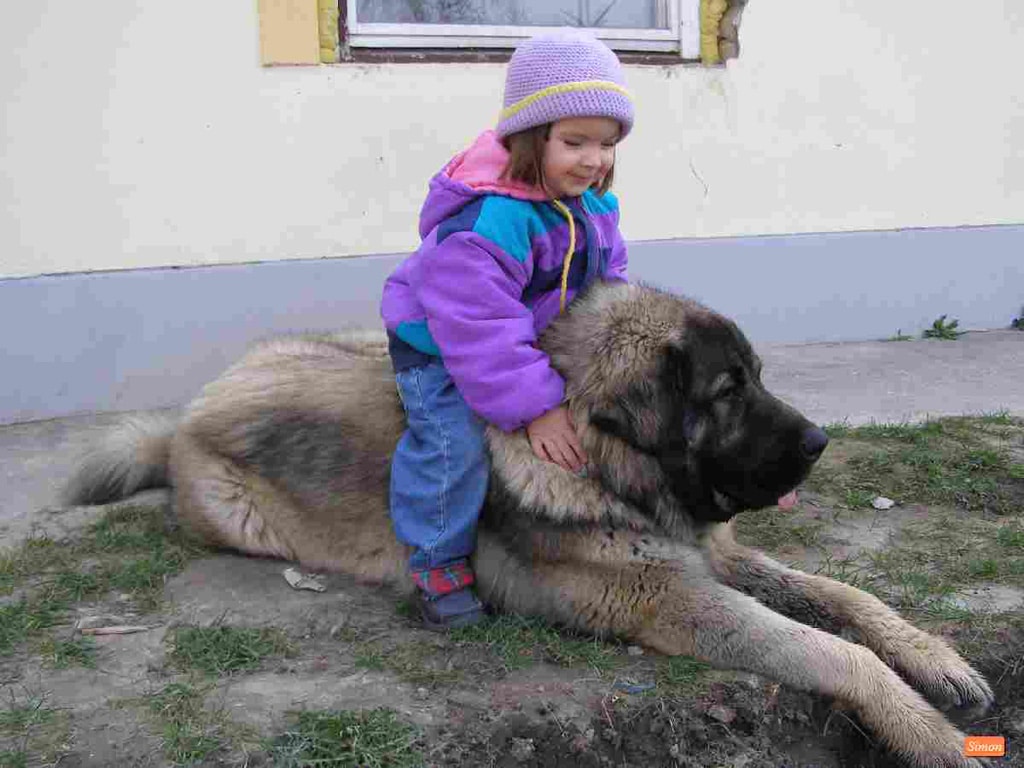
    Similar to the Caucasian Shepherd Dog –that is very much– has a temperament more characteristic of a guard dog than a herd dog.

    Let us not forget that this agility, He was selected to defend the herds of the attack of wolves that were previously very numerous in their homeland.

    It is necessary that the owner of this dog is a person responsible and very conscious of the copy that is in charge of, el Šarplaninac, It has a specially developed and powerful teeth, It can be a real danger if the dog is not given a correct and healthy education.

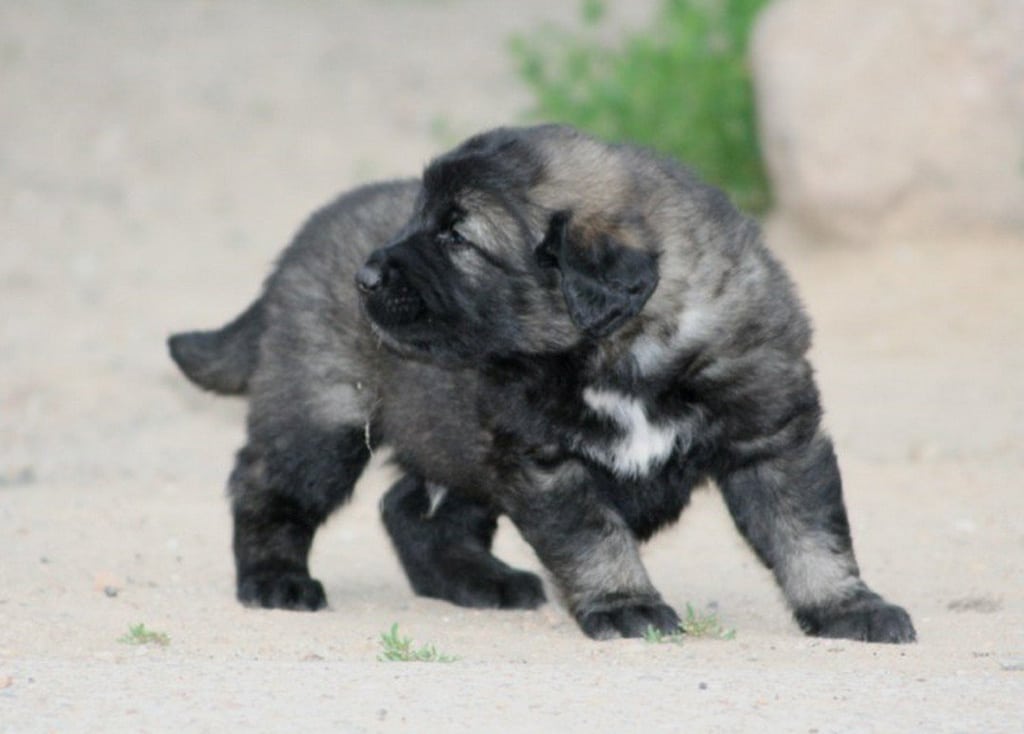
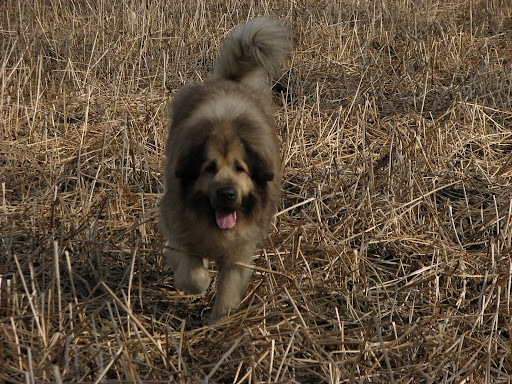
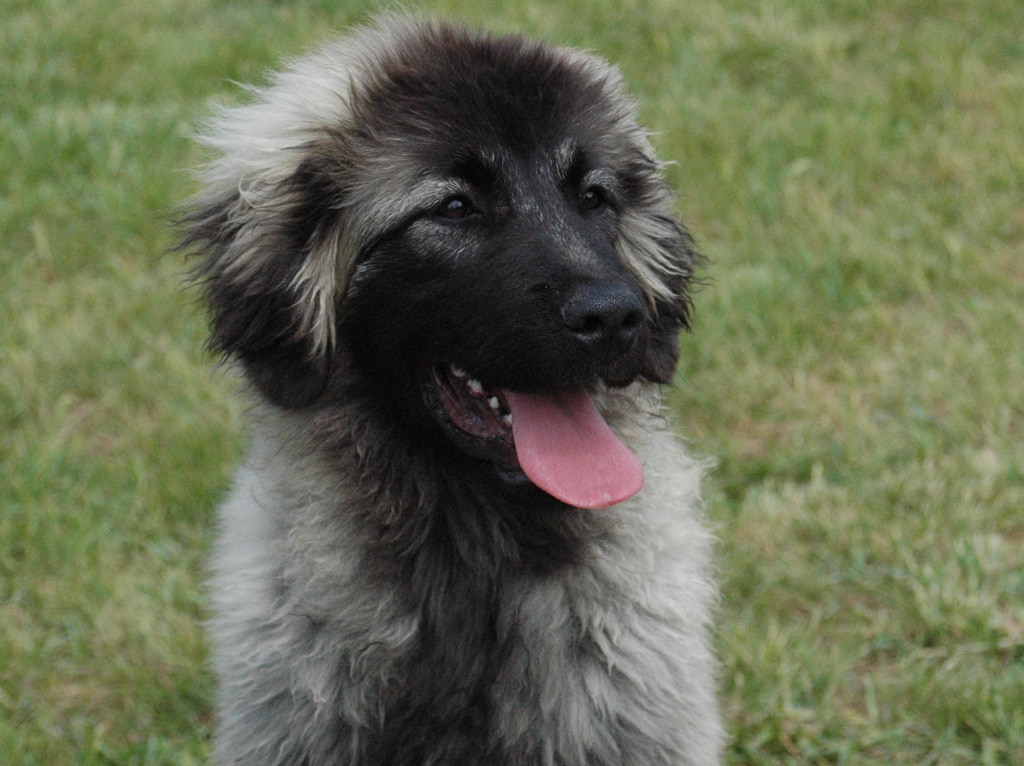
    Pictures of the Sarplaninac

    Videos del Šarplaninac

    • Otros nombres: Perro de pastor de Charplanina / Jugoslovenski Pas-Sarplaninac / Charplaninatz / Perro ovejero ilirio / Perro Pastor Ilirio / Perro montañés de Kosovo / Perro pastor de Kosovo / Perro montañés macedonio / Perro pastor macedonio / Šar Planinac / Šar Planinec / Perro Pastor Yugoslavo / Perro Montañés Yugoslavo.
    • Group 2 / Section 2 – Molosoides and mountain dogs.

    Dogs breeds: Sharplaninac

    ▷ The world of Pets: Dogs, cats, birds, reptiles, amphibians

    Bloodhound
    Bélgica FCI 84 - The hound par excellence

    Bloodhound

    The Bloodhound It is the dog with thinner smell of the planet.

    Content

    History

    The Bloodhound (St. Hubert Hound) It is a breed of dog originally from Belgium, more specifically in the region of the Ardennes. It is one of the different breeds of hound recognized by the FCI in Group 6.

    Has been traditionally considered to the monks of the monastery of St. Hubert as the creators of the race (for this reason also, are known as St. Hubert Hound), and they based their selection on the hunting dogs used by the monk Hubert, founder of the order and which later to be canonized became the patron saint of hunters. King William the Conqueror took copies of this breed to England when he ascended to the throne. The descendants of these specimens, They were known in the country as Bloodhound, referring to the purity of their blood.

    Did you know??

    The name "Bloodhound" does not come from this dog's ability to track game and people, but from a long history of carefully recorded bloodlines. In other words, He is a "blood" hound, a kind of dog of the aristocracy, if it can be said like that.

    This legend has it that a rich nobleman hunted in a good Friday accompanied by a group of noisy dogs, and in the distance he could see a deer and when he was about to shoot he saw the image of the cross of Jesus Christ drawn on its antlers and since then he retired from his dissipated life to dedicate his fortune to good works. Since then usually give the nobles, the best specimen of his beloved dogs. Today the tradition continues, but now is a religious service and gives blessing to copies, continuing with the exposure of the race in the community of St. Hubert at Belgium.

    After the race was introduced in the United States where one of his missions was the search and hunt down the fugitive slaves. For many years the recognition by a Bloodhound was considered proof incriminating by American courts.

    Physical characteristics

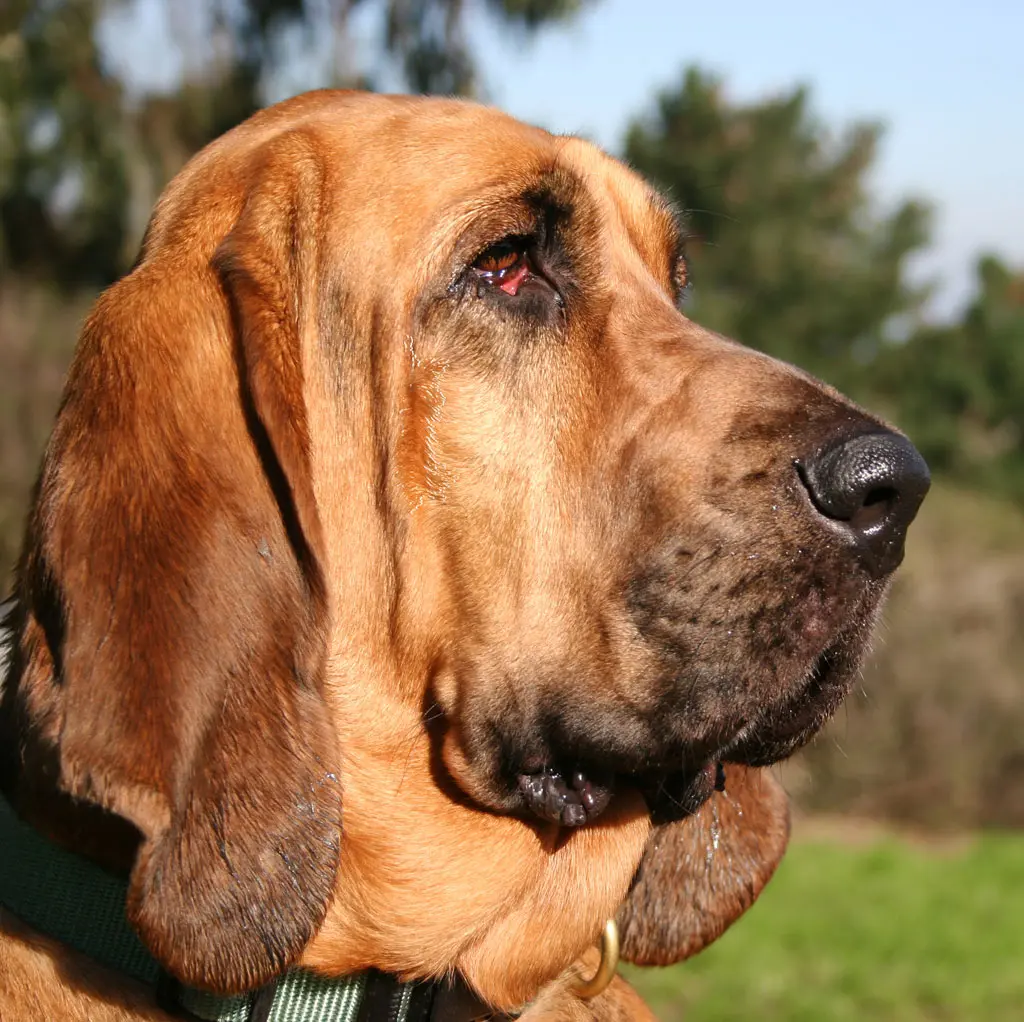
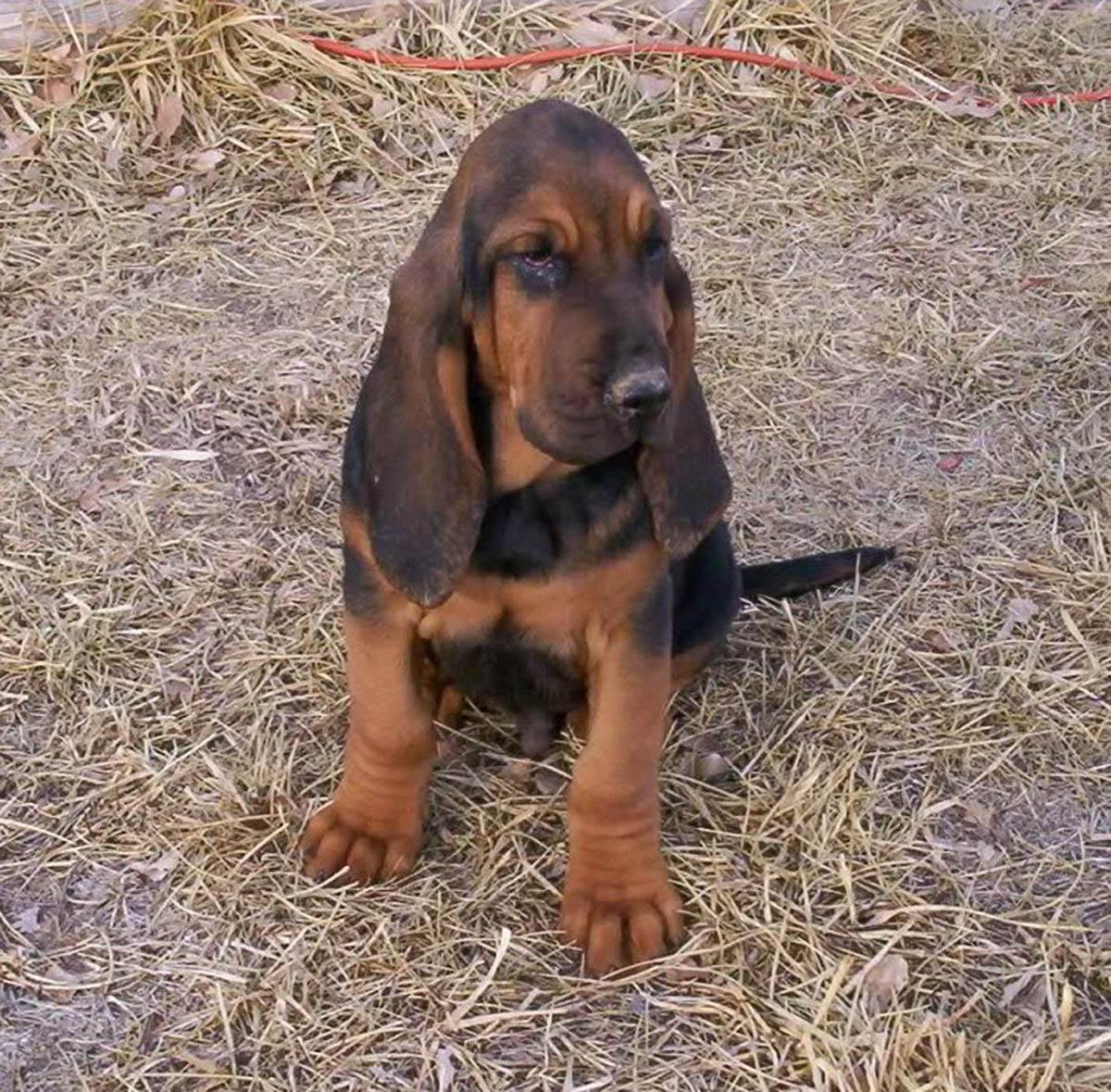
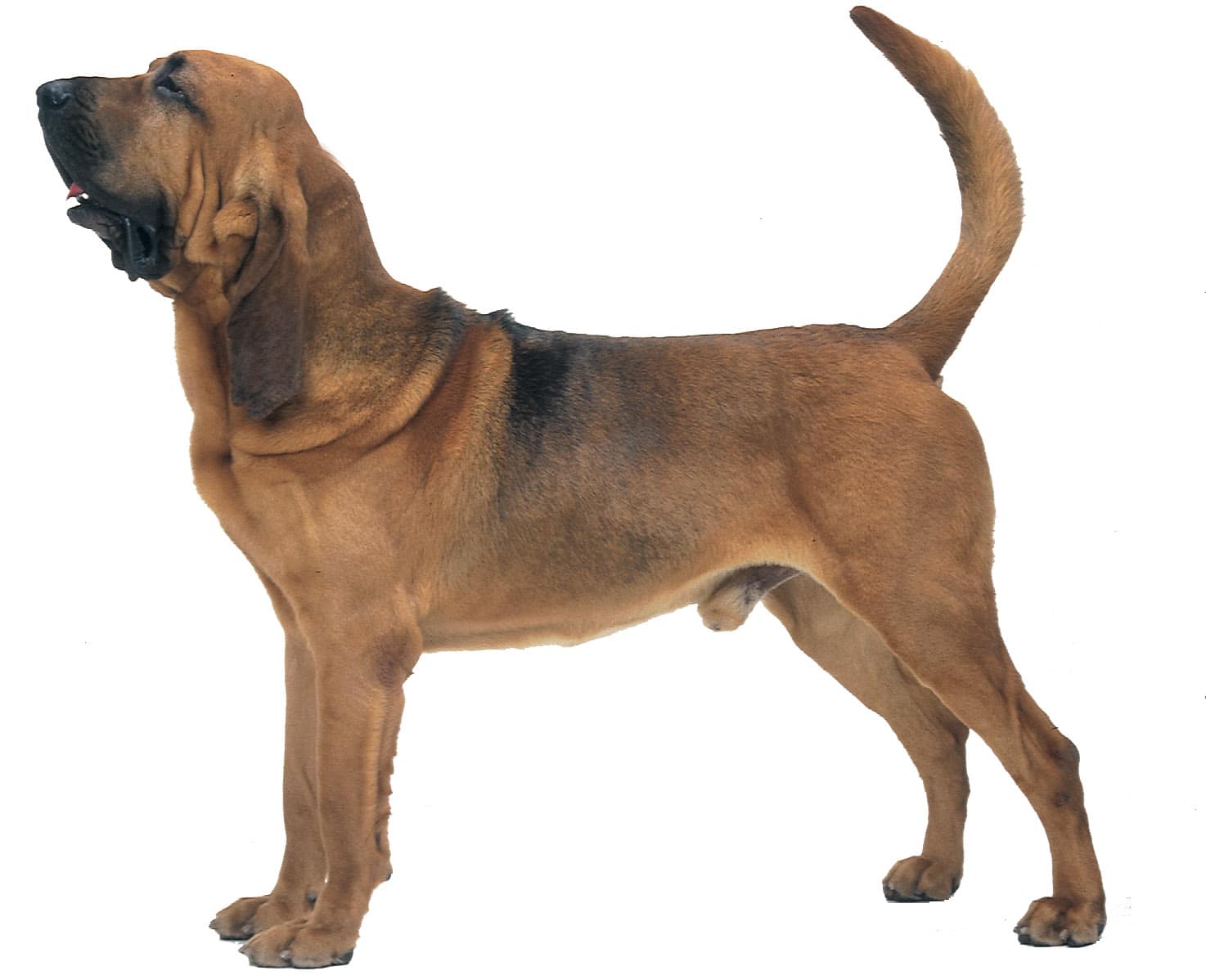
    The Bloodhound is a powerful hunting dog. The back is very strong compared to the size of the dog. The head is long and narrow. The muzzle is long with a nose of black. Deeply sunken eyes and drooping eyelids. The Chin is very pronounced.

    The Bloodhound is the dog with thinner smell on the planet.

    Despite its size, is an agile dog. His body is longer than high. Wrinkles on the head and jowls are perhaps one of the most characteristic features, along with the length of its hanging ears. The accepted colors are black and fire, Brown and red in its different shades and fire.

    The appeal is of 67 cm for males and 60 cm for females.

    Character and skills

    It has been documented that they are capable of following a trail of up to fifteen days, because of the enormous sensitivity of their sense of smell, caused by the internal folds of their nostrils. For that reason it is used as a police dog in tracking tasks..

    These hounds cannot be kept in a yard without fences. There is a good chance that your tracker instinct carried them wander and get away until the end of their trail.

    It is a dog that needs to be exercised (like all dogs), and usually live more happily in large spaces, Although adapts very well to home life.

    The Blodhound, Despite the allusion to the term blood contained in its name (blood), It is one of the animals most affable that exists. It is a dog of noble nature, can be shy around strangers. He is very patient and persevering when looking for a trail…

    It is excellent Playmate for children, defend them from any danger. They tend to be very well with other dogs and pets.

    Bloodhound pictures

    Bloodhound Videos

    Characteristics "Bloodhound"

    Coexistence is important that you have with your new friend. Before considering the acquisition of a dog of the breed "Bloodhound" you know certain factors. Not all breeds of dogs are apt to live in an apartment, you must take into account his character, their need for exercise, their interaction with other pets, their care and if you have small children, their level of tolerance towards them.

    Adaptation ⓘ

    3,0 of 5 stars (based on 1 review)

    friendly dog ​​ⓘ

    5,0 of 5 stars (based on 1 review)

    hair loss ⓘ

    5,0 of 5 stars (based on 1 review)

    Affection level ⓘ

    5,0 of 5 stars (based on 1 review)

    Need for exercise ⓘ

    5,0 of 5 stars (based on 1 review)

    Social need ⓘ

    5,0 of 5 stars (based on 1 review)

    Home ⓘ

    1,0 of 5 stars (based on 1 review)

    Toilet ⓘ

    5,0 of 5 stars (based on 1 review)

    Friendly with strangers ⓘ

    5,0 of 5 stars (based on 1 review)

    barking ⓘ

    5,0 of 5 stars (based on 1 review)

    Health ⓘ

    5,0 of 5 stars (based on 1 review)

    Territorial ⓘ

    1,0 of 5 stars (based on 1 review)

    Cat friendly ⓘ

    5,0 of 5 stars (based on 1 review)

    Intelligence ⓘ

    5,0 of 5 stars (based on 1 review)

    Versatility ⓘ

    3,0 of 5 stars (based on 1 review)

    Child friendly ⓘ

    5,0 of 5 stars (based on 1 review)

    Surveillance ⓘ

    5,0 of 5 stars (based on 1 review)

    joy ⓘ

    1,0 of 5 stars (based on 1 review)

    Type and recognitions:

    • FCI CLASSIFICATION:Group 6 –> Hound type dogs, and related breeds. / Section 1.1 –> Large size hound dogs. With working trial.
    • FCI 84
    • Federations: FCI ⓘ, AKC ⓘ, ANKC ⓘ, CKC ⓘ, ​KC ⓘ, NZKC ⓘ, UKC ⓘ

      FCI breed standard Bloodhound

      FCIFCI - Bloodhound
      Bloodhound
    • Alternative names:

      1. Sleuth hound, St. Hubert Hound (English).
      2. bloodhound (French).
      3. Bluthund, Bloodhound (German).
      4. Cão-de-santo-humberto, Chien de St. Humbert, Bloodhound (Portuguese).
      5. Perro de San Huberto (español).

    ▷ The world of Pets: Dogs, cats, birds, reptiles, amphibians

    Aussie
    Australia FCI 8 . Small sized Terrier

    Terrier Australiano

    The Aussie (Australian Terrier) It is a breed of dog in the Terrier family, classified in the section 2.
    It is a lively dog, attentive, with a facial expression that denotes intelligence, loyalty and faithfulness.

    Sometimes it can become dominant, so a good training from an early age would be appropriate..

    Read all the information in the race by clicking on: Australian Terrier.

    Dogs breeds: Aussie


    ▷ The world of Pets: Dogs, cats, birds, reptiles, amphibians

    Warren hound breeds
    Italia España Portugal Grecia Francia Túnez Malta Warren hound

    Razas de Podenco

    The different "Podenco Breeds" are characterized by being little barkers., extremely clever and agile for hunting.

    Content

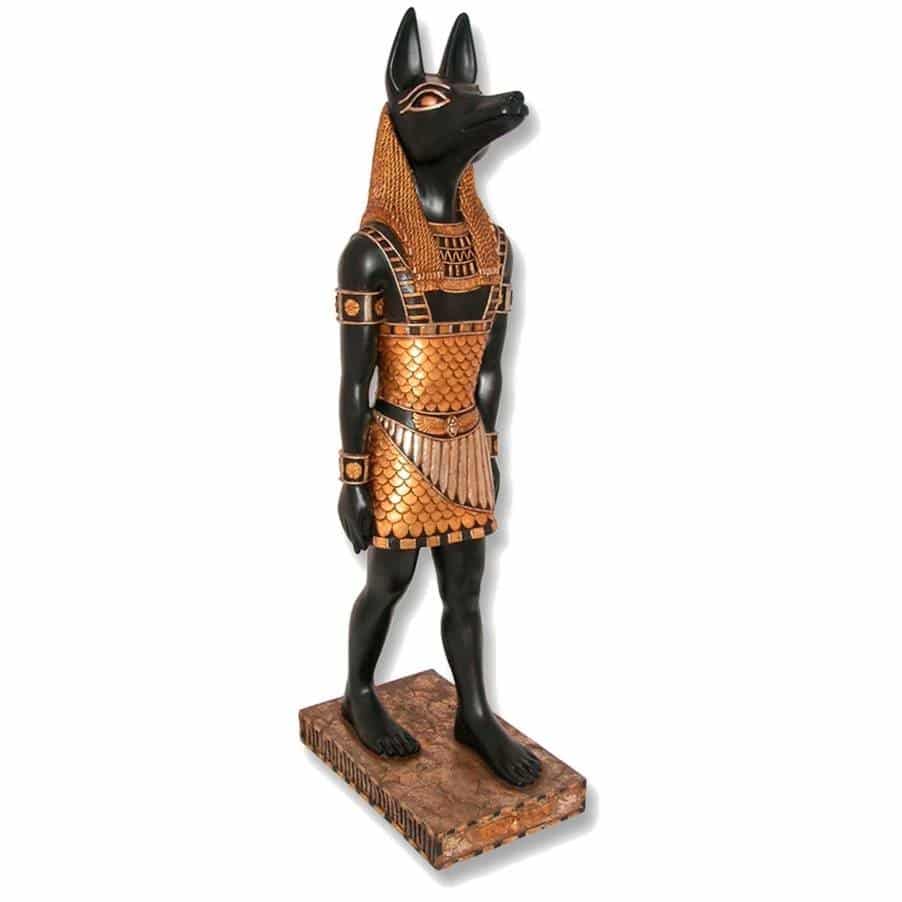
    It is called Warren hound to a type of hunting dog of ancient origins. There are several breeds today throughout the entire Mediterranean: is believed to be the origin of these modern breeds in old Egypt (specifically in the Tesem race) and that the dogs were broadcast by the Mediterranean coast by the Phoenicians. Its appearance slightly recalls a Jackal or the image of the Egyptian Dios Anubis.

    Various genetic studies carried out in recent years have come to the conclusion that contrary to the widespread belief that the Podenco is a type of primitive dog imported a few 3.000 the area of middle years, These dogs actually have a close genetic relationship with the rest of the European hunting dogs and are no more "primitive" than most of them..

    The Federation Cynologique Internationale brings together the Podencos within section 7 («Primitive type – Hunting dogs») Group v, the Pharaoh Hound which in its place of origin is used for rabbit hunting is not included in this section, If not in the section 6 («Primitive type»).

    Podenco breeds recognized by the FCI

    :


    Not recognized by the FCI

    .

    Other races, Despite not being recognized by the FCI, they have morphological and usage characteristics typical of Podencos., are:

    According to the Dictionary of the Royal Spanish Academy, the difference between Greyhound, Lebrel and poodle is based on the following definitions:

    • Greyhound: Lightweight dog breed, with small head, large eyes, the pointed snout, the ears are thin and hanging, the slim body and neck, the long legs and tail.
    • Sighthound: Variety of dog that is distinguished by having an upper lip and drooping ears, the strong muzzle, straight back, the long body and legs removed back. It was given this name for being very suitable for hunting hares.
    • Warren hound: The somewhat lower body, but more robust than the hound, with round head, the ears stiff, straight back, moderately long hair, the coiled tail and hands and feet small, but very strong. It is little barking and extremely shrewd and Agile for hunting, by its great view, smell and resistance.

    Warren hound breeds

    ▷ The world of Pets: Dogs, cats, birds, reptiles, amphibians

    Spain French Bulldog breeders

    Criadores de Bulldog Francés en España

    The French Bulldog It is a small breed of dog originating in England, established as such by the end of the 19th century. However, despite its name, America and Great Britain have played important roles in the development of this breed. These dogs are often nicknamed “Clowns” or “Frog Dogs”.

    Read more

    ▷ The world of Pets: Dogs, cats, birds, reptiles, amphibians

    Welsh Terrier

    Terrier Galés

    The Welsh Terrier (or Welsh Terrier) It is a breed of dog that dates from the years 1760. It was originally bred for hunting foxes, rodents and Badger, but during the last century it has been bred mainly for dog shows. In spite of this, It has retained the strength of character of the Terrier and therefore requires a strong treatment and non-aggressive.

    The Welsh Terrier originated in Wales and it has been claimed that it is the oldest existing dog breed in United Kingdom according to the research of Julian Calder and Alastair Bruce for his book, 'The oldest – in celebration of Britain's living history'. The Welsh Terrier was a late entry into the world of dog shows in Great Britain (was mainly a working dog) and it was not officially registered until the 19th century.

    Currently, is on the list of races in danger of extinction of the Kennel Club of United Kingdom, to register only a 300 Puppies a year, in comparison with the most popular races, that register tens of thousands of puppies every year.
    Possibly, the direct ancestor of the Welsh Terrier is the old Black and Tan Terrier hard hair which was very popular in Britain during the 18th and 19th centuries. By the end of the 18th century there was already a well-defined variety of Terrier in North Wales., It was used to hunt otters, foxes and Badgers.

    Read more