▷ The world of Pets: Dogs, cats, birds, reptiles, amphibians

Hovawart
Alemania FCI 190 - Molossoid . Mountain
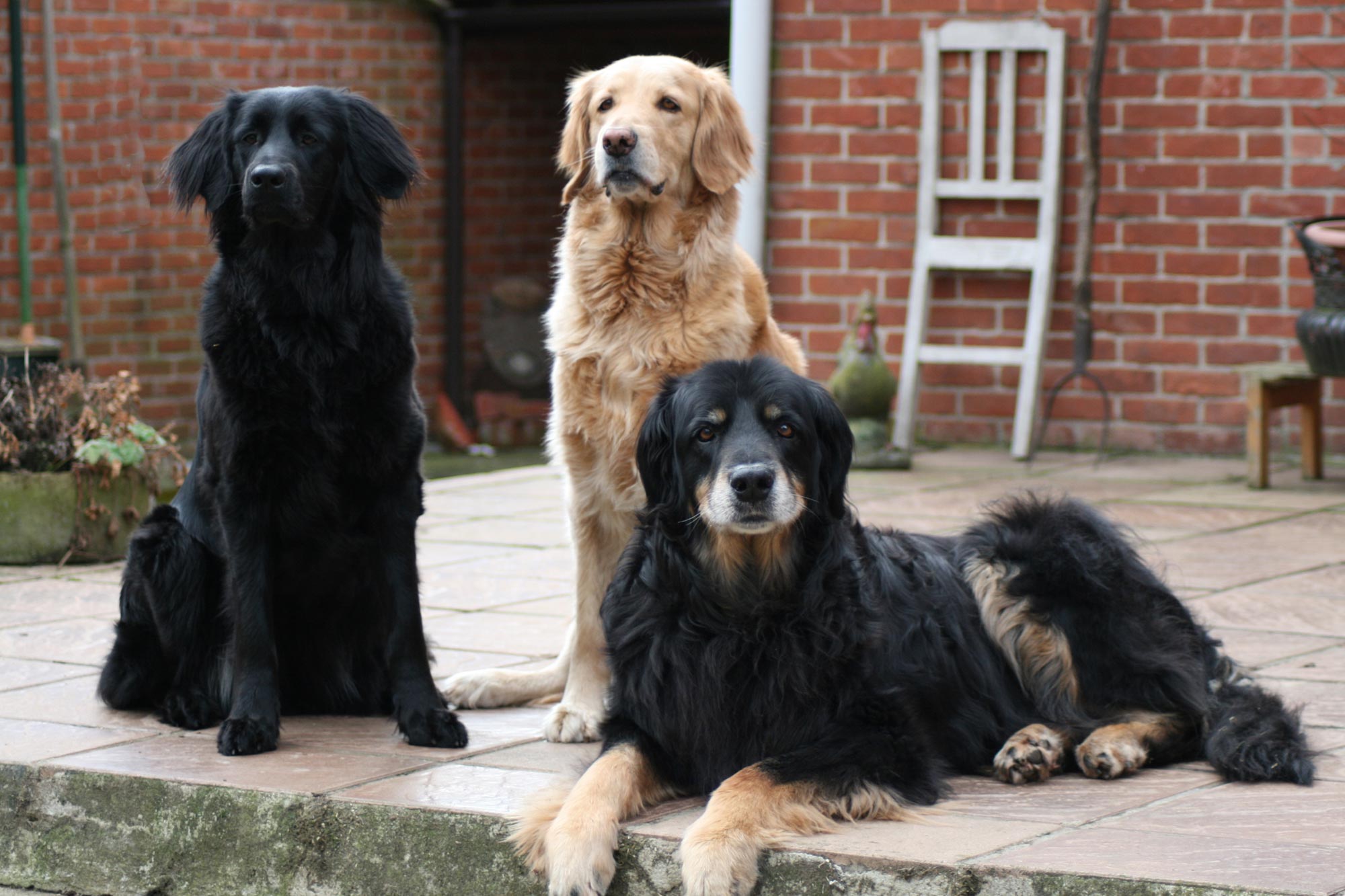
Hovawart

The term Hovawart derived from medieval german, in which -hova- meant "cut" and -wart-, "guardian".

Content

History

The dog as guardian of the house and the courtyard has an ancient tradition in the history of humanity. Maybe thousands of years ago, private ownership of the house and yard, goods and workshops could only be established with the help of the protective role of dogs. The four-legged court guards were already highly regarded by the Teutons, which is reflected in the various laws of the last Teutonic. Of the 24 articles of the Law of Baiuvariorum, an entire article is dedicated only to dogs. Here, plus a dozen other dog breeds, the court dog is explicitly mentioned as "Houvavart". The Houvavart was valued at 3 shillings. It was a huge amount, considering that in the same body of law a "mediocre" horse was valued at only half a shilling. The Hovawarts are also mentioned in various writings from the Middle Ages.

The Hovawart Today is in the intellectual and functional tradition of these old court dogs. Regarding their genetic offspring, will not be more or less related to them than the other breeds of guard dogs and native dogs. Building a direct line of descent to the old Hovavart would not be permissible, especially since it is not known at all what these dogs looked like.

After 1910 the Hovawart but without a description of the appearance. Over the years 20 established itself as a breed of dog.

In the FCI breed standard of 1998 It is said that:

"From 1912 the reproduction of this breed has been using similar type dogs that are still in farms to restore the breed. apart from this, at the beginning of the crossing, you cross them with German shepherds, Newfoundland, Leonberger and other races were admitted. In addition to the strict measures taken in the breeders, the type of job was obtained again.”

It also, crossed the hungarian watchdog Kuvasz, what is important to understand the nature of Hovawart. After having almost died out, after the first world war, the breed was recovered by the kinophile K. F. König. In a span of time, what had been done very successfully thousands of years before was rebuilt here. Like, but mostly of the nature the right dogs were mated. The decisive criterion was performance for the intended purpose, so to speak, the work championship. It is quite possible that the Hovawart current look like the old ones Hovawart of our ancestors by this procedure of appearance and nature, but that is speculation. Only in 1944 breeding book closed. So a vast gene pool was created as the basis for this breed of dog., which is still very useful for your health and fitness today.

Physical characteristics

The Hovawart is a big dog, strong and at the same time quite thin. With the Hovi nowadays three strokes of color are allowed: Rubio, black marks (black with gold brown markings) black and white. Males have a height to the cross of 63 to 70 cm.. Considering its type and size, the Hovawart is thinner than it appears underneath its medium long wavy coat. So, a weight of 30 to 45 kg is considered normal for males. Despite this not so high weight, it is a very powerful and strong dog. Only for its strength and size it belongs to a hand with experience in dogs. The Hovawart he's a working dog, Guard and protection.

Character and skills

The character of Hovawart demands a person with a strong dog mind. He has a strong will, a head of its own and is very independent. Probably an heir to the pack guard dog, Kuvasz, who is one of his ancestors. He is self-assured and self-assured at the same time. The “desire to please” is not as strong in him as in many other working dog breeds.. Your master or caretaker still has to work and earn it. then a Hovawart well educated he is an extremely efficient off-roader and a lovely friend. Master the role of companion dog suitable for everyday life, as well as your challenges in dog sports or even as a rescue and tracking dog. He has a very good nose. Yes, and the Hovawart it is also an excellent watchdog and protection dog.

He is a defensive protector of his family and diligently protects his territory. He moves silently on the ground and faces an intruder suddenly but persistently. With built-in yard dog, the Hovawart not fully occupied, especially since today you have to monitor hardly a large enough area. He is intelligent and seeks true association with his caregiver. At the same time it is affectionate and sensitive and at the same time it radiates something primitive, archaic.

Wants and seeks connection with family. Like a well-behaved and demanded working dog, the Hovawart it is also an excellent family dog. Often rejoices with petting and hitting like a little lapdog. He is very friendly and gentle with the people he has taken to his heart. Once you meet them, will never forget them. When he is young he shows his affection sometimes very stormy.

The Hovawart it is a low maintenance dog. Apart from the change of coat, it does not need to be brushed every day., because her coat doesn't tend to tangle due to the small amount of undercoat. Well educated and managed he is an excellent companion. But, cannot be recommended as a family dog ​​without further ado. If you are thinking of having a puppy Hovawart for the first time, must first consider practical challenges, they are only related to their strength and size. Not a beginner dog.

Hovawart Education

The Hovawart develops creativity and perseverance to realize his ideas about the world and its order. Here the owner of the dog is challenged with all the consequences, but paired with patience and empathy. And this already with the puppy. Hardness alone does not help the Hovawart at all. It is important to create and maintain trust, that the Hovawart wants to show his pack leader. By the way, pack leader: One Hovawart usually test thoroughly, who will take this position. Here its owner must assert himself with the consequent insouciance, then he will follow faithfully and with good behavior and accept the leadership of his humans without problems.

One must bring with him time and knowledge for an intensive education and, the best of all, training. If one loses the basic elements of education, you will hardly be able to go for a walk with him without stress. Then your self-confidence could even become a leadership statement.. Otherwise, the Hovawart it's the ideal companion dog image. He wants his humans to guide him, but without ever being submissive. The Hovawart maintains its own head and its own will. For some people this is perhaps too much of their own personality. But only this profile of the Hovawart can be an excellent basis for a respectful and intense human-dog relationship.

Hovawart Health and Care

The Hovawart it is a low maintenance dog. Except in times of coat change, twice a year, needs to be brushed regularly but not every day, because his coat does not tend to tangle due to the low amount of undercoat.

The Hovawart it is considered a completely healthy breed. Hereditary diseases are systematically fought, such as knee joint cartilage disease (OCD), which is more common in Hovawarts. Dysplasia of the hip joint (HD) "often a problem especially with large dogs" has been under control for a long time.

Nutrition / Food

The Hovawart they don't make any special demands. He is consistently straightforward. For a dog of its size and strength it needs little food.

Hovawart life expectancy

The Hovawarts can reach 12 years and not rarely even more with a good physical condition. It is a good life expectancy for such a large dog.

Buy a Hovawart

Puppies should only be purchased from an FCI registered breeder. For a puppy you should plan to 800 to 1000 EUR. The adult dogs of Hovawart they can also be taken out of shelter or emergency aid and offered a loving home..

Images "Hovawart"

Photos:

1 – Hovawart by https://pixabay.com/es/photos/hovawart-perro-perro-de-raza-pura-2611448/
2 – Hovawart black and tan by Faigl.ladislav / CC BY-SA
3 – Hovawart by https://pixabay.com/es/photos/perro-hovawart-negro-marrón-1194081/
4 – The three permitted colours of the Hovawart by Oxborrow / Public domain
5 – Blond Hovawart female (10 months) by Faigl.ladislav / CC BY-SA
6 – Hovawart by https://www.pxfuel.com/es/free-photo-xxpba

Videos "Hovawart"
Type and recognitions:

  • FCI CLASSIFICATION:
  • Group :
  • Section : . .

Federations:

  • – FCI – Pinscher and Schnauzer-Molossoid type dogs – Swiss Mountain Dogs and Cattledogs. Section 2.2 Molossoid, mountain type. ⓘ
  • – AKC – FSS ⓘ
  • – CKC – Group 3 – Working dogs ⓘ
  • – ​KC – Working dogs ⓘ
  • – UKC – Watchdog ⓘ

FCI breed standard "Hovawart"

Origin:
Germany

Date of publication of the valid original standard:
12.01.1998

Use:

Utility dog


General appearance:

It's a working dog, powerful, medium-sized, slightly elongated and long-haired. The difference between the sexes is clearly recognizable, especially in the head shape and body structure.


PROPIMPORTANT ORTIONSS: The length of the body comprises at least one 110 yet 115% the height at the withers.


Behavior / temperament:

It is a recognized versatile working dog, friendly and balanced disposition. Has protective instincts, He has a lot of self-confidence and has the ability to withstand stress.; is of medium temperament, combined with an excellent sense of smell. The proportions of his balanced body and special devotion to his family make him an excellent companion., guardian, defender, savior and tracker.

Head:

The nasal cavity is straight and parallel to the skull. The muzzle and skull are approximately the same length. The skin of the head is tight.

Cranial region:
  • Craging: The powerful head has a broad, rounded forehead.
  • Depression links (Stop): Well visible.

facial region:

  • Trufa: The nostrils are well developed. In black and black dogs with fire the pigmentation is black; in blond dogs the pigmentation is black, although the « snow nose » is allowed (loss of temporary pigmentation).
  • Horcico: Strong, Slimming down slightly when viewed from above and in profile.
  • Belves: Tight.
  • Jaws / Teeth: Strong scissor bite complete with 42 teeth, according to the teething formula. The teeth are at right angles to the jaw. Caliper bite is accepted.
  • Ojors: Oval, nor protruding, or sunk. Dark to medium brown color. Tight eyelids.
  • Obars: Triangles and falls; loose along the cheeks; tall and widely spaced, giving the optical illusion of skull widening. They reach in length at least the lip corners; the tip is slightly rounded. When the dog is at rest it keeps them hanging; when the dog is on alert carry them by directing them slightly towards the forehead. Its front edges are located approximately half the distance between the eye and the muzzle..

Neck:

Strong, long Middle. The skin is tight.

Body:

  • Espalda: Straight and firm.
  • Itmor: Strong, somewhat longer than the rump.
  • Rump: Medium long, leaning slightly.
  • Breast : Width, deep and strong.

Tail:

With abundant hair, reaching below the hocks, but not even to the ground. depending on the mood, worn high above the back or low.

Tips

PREVIOUS MEMBERS: Strong, straight and vertical, viewed from the front and from the sides.

  • Hormbros: Very well muscled. The scapula is long and well oblique to the back.
  • Brazo: Long, well glued to the body.
  • Elbows: Glued to the chest.
  • Articulation of the carpus: Strong.
  • Metacarpus: Moderately inclined.

LATER MEMBERS: Strong and, seen from the back, vertical. Well angled.

  • Thighs and legs: Very well muscled.
  • Hock: Strong, descended.
  • PIIS: Rounded, strong and compact. Fingers are arched and together. Dewclaws must be removed except in those countries where it is prohibited by law.. Nails on black dogs with fire and black should have black pigmentation; in blonde dogs less pigmentation is allowed.

Movement:

In all walks, the hovawart movement, seen from the front or from behind, It's in a straight line, covering the ground well. The trot is very extended, with a powerful boost from the hindquarters.

Mantle

PIEL: In total, the skin is well glued. In black and tan or black dogs the skin presents a bluish glimpse, in blonde dogs generally a pink glimpse.


Plink: Long, strong hair is slightly wavy and glued; the inner layer of hair is poorly developed. The hair is longer on the chest, in the womb, on the tail and on the backs of the forelimbs and thighs. It is short on the head and in the anterior region of the front and rear limbs. The pelage is dense.


Colorr: There are three varieties of color: Black fire, black and blond.

  • Negro with fire: The coat is black and shiny, the color of the fire marks is medium blonde. In the head, the markings start below the nose and extend around the lip commissure to the marks on the gargant. Dot-shaped markings above the eyes are clearly visible.. The chest marks consist of two adjacent patches that can be attached. On the forelimbs, the marks seen from the side, extend from the fingers approximately to the metacarpus, Thinning at the back at the elbow level. In the hind, the marks, side view, they look under the hock in the form of a broadband, above the hock in the form of a narrow band extending from the front of the hindquarters to the height of the belly. A mark is also presented below the tail insert. Brands are well defined everywhere. Small white spots on the chest, as well as some white hairs on the fingers and on the tip of the tail are allowed. Pigmentation of the eyelids, lips and pads must be black.
  • Negro: The coat is shiny black A few small white spots on the chest, as well as some white hairs on the fingers and on the tip of the tail are allowed. Pigmentation of the eyelids, lips and pads must be black.
  • Rubinor: The coat is medium blonde, shiny and becomes lighter towards the belly and limbs Small white spots on the chest, as well as some white hairs on the fingers and on the tip of the tail are allowed. Pigmentation of the eyelids, lips and pads must be black.


Size and weight:

  • Males: of 63 to 70 cm.,
  • females: of 58 to 65 cm.


Fouls:

Any deviation from the aforementioned criteria is considered as a fault and the severity of this is considered to the degree of the deviation to the standard and its consequences on the health and well-being of the dog..


FALTAS DESCALIFICANTES:

  • Aggressiveness or extreme shyness.
  • Any dog ​​showing clear signs of physical or behavioral abnormalities must be disqualified..

Apgeneral arience

  • Dogs that do not correspond to the general type of the breed
  • Females with male appearance.
  • Males with female appearance

Pbearings

  • Body proportions very different from those indicated in the standard

Comportamiento / Temperament

  • Aggressive dogs, fearful, apathetic, afraid of the shot.

Cthey are not coming

  • Absence of naso-frontal depression (Stop).
  • Blue eyes, gazeo eyes
  • Erect ears, semi-erected, rose-shaped or separated from the cheeks
  • Upper or lower prognathism, incisor arcade deviated.
  • Absence of more than 2 of the four PM1 (premolars 1) or of the two M3 (molars 3); absence of any other teeth.

CUit

  • Presence of a marked double chin or a lot of loose skin.

CUerpo

  • Back very beaten or pronounced carp.
  • Narrow or barrel-shaped chest.
  • Abnormal glue, heavily cropped or heavily coiled.

Formertremedies

  • Hindquarters too high.

Plink

  • Mostly curly hair (ring shaped curls)

Colorr

En set:

  • All non-standard colors, blue/grey, ciervuno, brown, white, spotted, smutty blonde or with mostly streaked hair
  • White patches White hairs on the inside of the thigh is not an elimination foul.

Perros black and fire

  • Gray or brown patches outside the spots.
  • Undercoat of hairs mostly a color other than black.
  • Predominant gray or white spots.

Pblack mistakes

  • Brown or gray patches
  • Undercoat of hairs mostly a color other than black.

Pblond mistakes

  • Some white hairs on the bridge of the nose do not constitute an eliminatory foul.
  • Continuous reddish-blond color without becoming slightly lighter.
  • Blonde-off-white color, even in the ears.
  • Distinctively white markings.
  • Dark patches or mask

Tby hand

  • Size smaller than that indicated in the standard
  • Size greater than 3 cm of that indicated in the standard


N.B.:
  • Males should have two normal-appearing testicles fully descended into the scrotum..
  • Only functionally and clinically healthy dogs, with the typical conformation of the breed, should be used for parenting.

Itlatest changes are in bold.

TRANSLATION: Mauricio Martinez, Federation Canófila Mexicana, A.C.; y Dr. J-M Paschoud.

Source: F.C.I - International Cynological Federation

Alternative names:

1. Hovie (English).
2. Hovawart (French).
3. Hovawart (German).
4. Hovawart (Portuguese).
5. Hovie (español).

▷ The world of Pets: Dogs, cats, birds, reptiles, amphibians

Estrela Mountain Dog
Portugal FCI 173 - Molossoid . Mountain
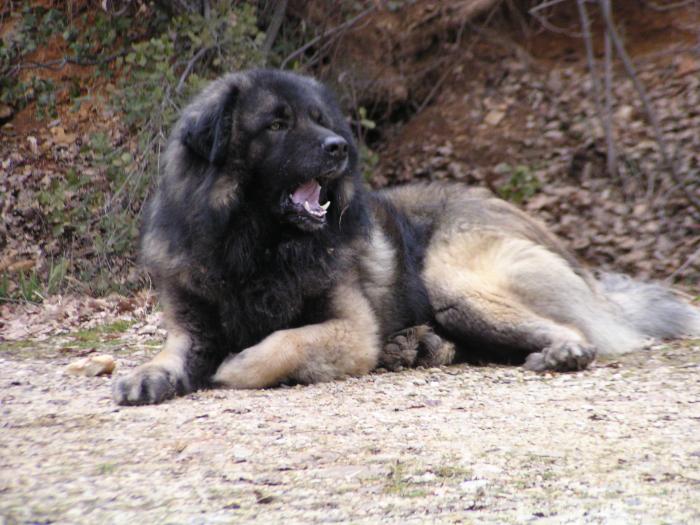
Estrela Mountain Dog

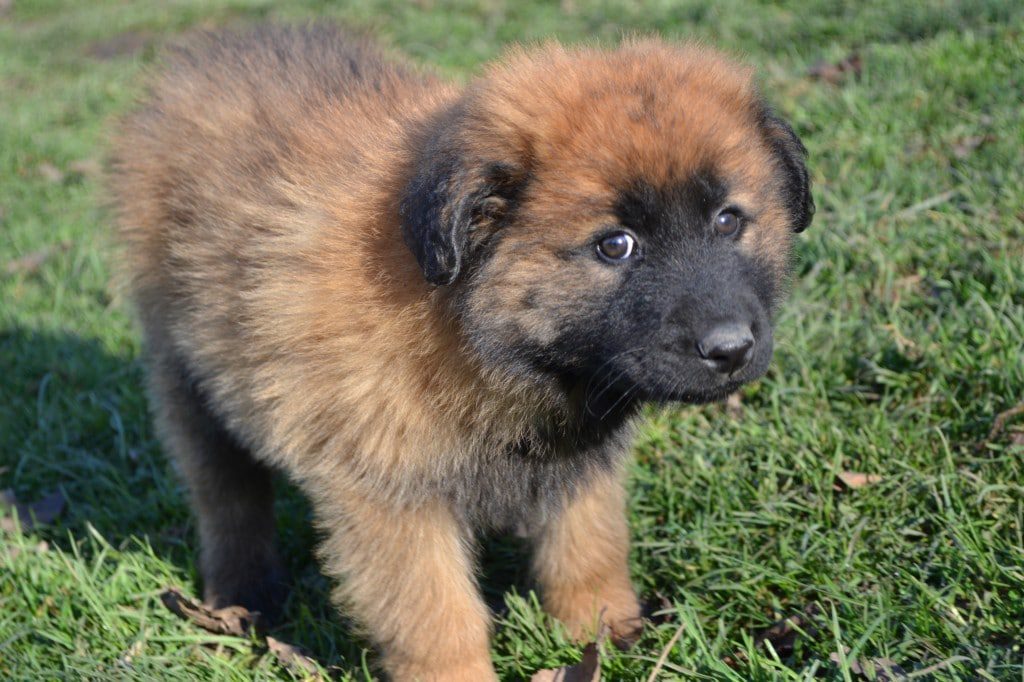
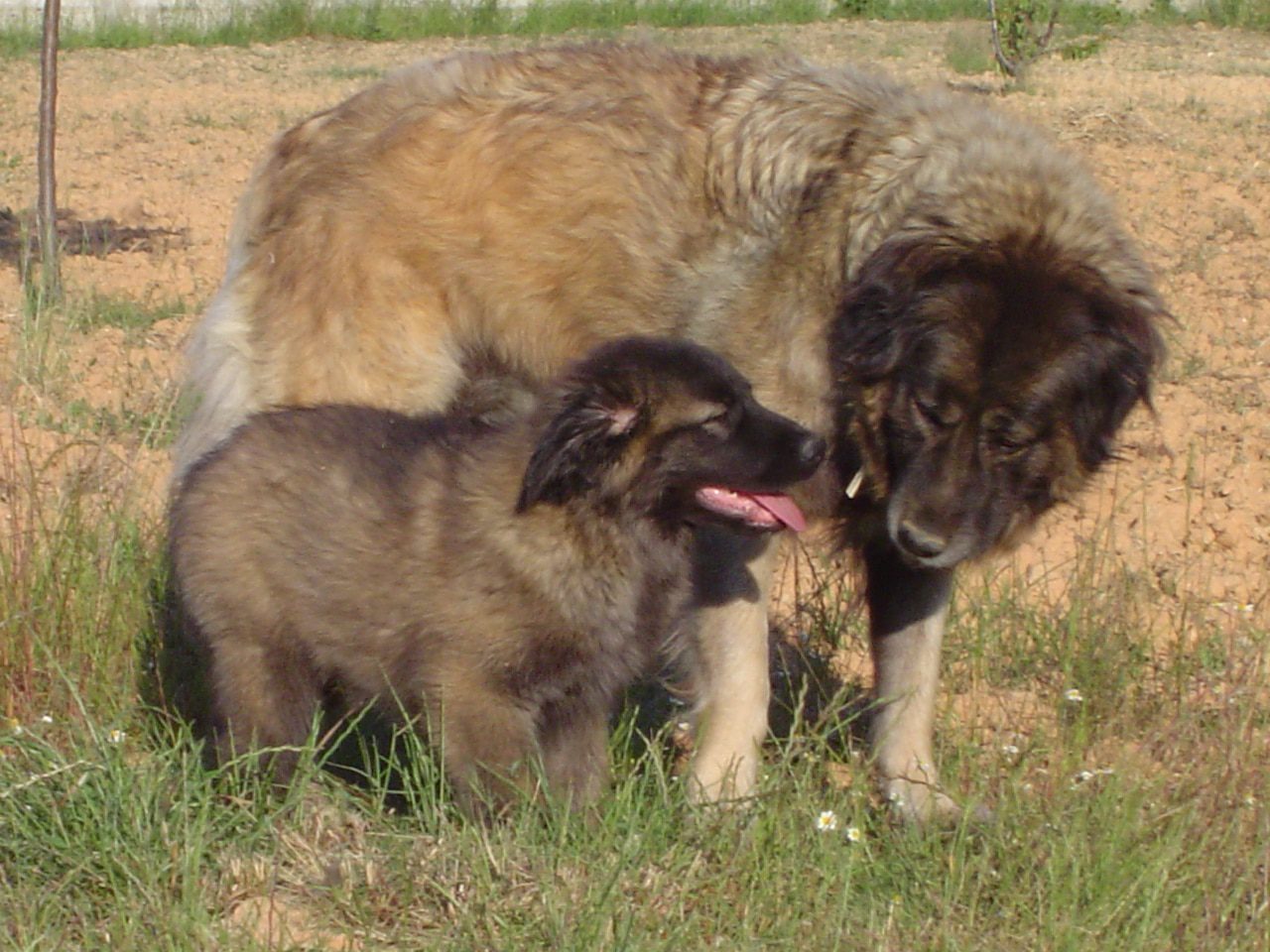
The Estrela Mountain Dog is a big dog, rough lines and powerful appearance

Content

History

The Dog of the Sierra de la Estrela (Cão da Serra da Estrela) It is a breed of dog native of Portugal, in the mountainous region that bears the same name. It has all the qualities required in this wild region, is intelligent, loyal and brave.

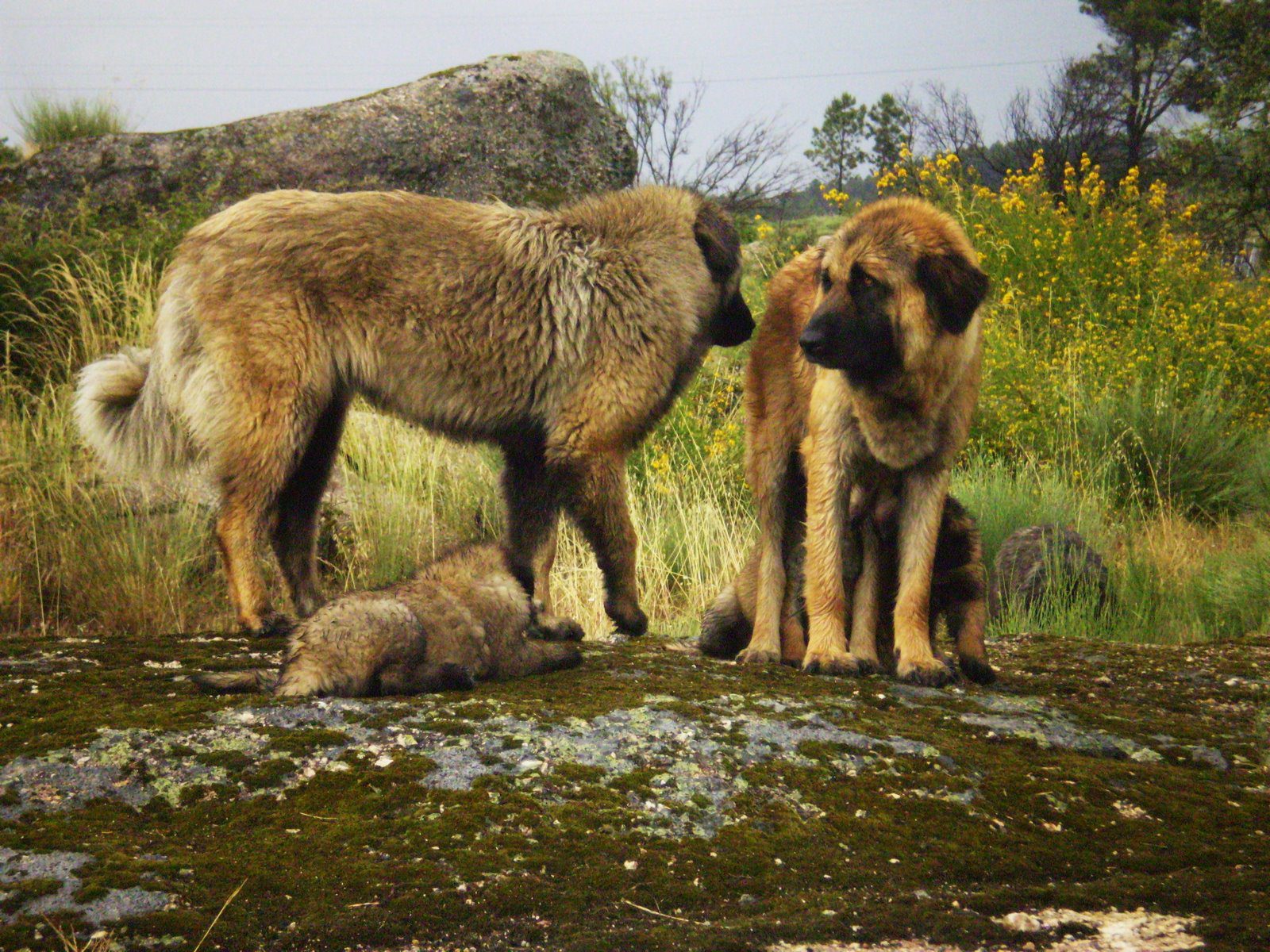
There are those who hold the theory that they were introduced to Portugal by the Visigoths and slowly to various parts of Europe.. The Estrela Mountain Dog was used mainly- in mountainous areas to accompany shepherds and flocks on their annual migrations, defending the wolves and thieves.

It is believed that the two varieties of existing hair: short hair and Longhair, they are due to regional variations. Contrary to what might be expected, the warmest region, the region of Manteigas, is where you could find the long-haired dogs, While short hair varieties were most frequent in the North, in Gouveia e Seia. Crosses between these two varieties were frequent.

In 1934 the standard of the breed was drafted, which was established according to its two varieties of layer. From this point, the cross between two varieties became undesirable. The publication of the rule in 1966 and the recognition of the breed by the FCI, have not brought more popularity to the breed. Over the years 60 and 70, the Portuguese emigrated looking for escape from the regime of poverty. The population of dogs Serra da Estrela declined drastically in that period, but the dedication of some breeders allowed the continuity of the breed.

Today, the Estrela Mountain Dog is highly requested, especially the variety of long hair. While the variety of short hair was more numerous at the beginning of the last century, is the variety of long hair that stands out, especially for being more eye-catching, stylish, with a larger. This made the breeders will focus primarily on the variety of long hair. Today the short-haired variety is particularly vulnerable and rare..

Physical characteristics

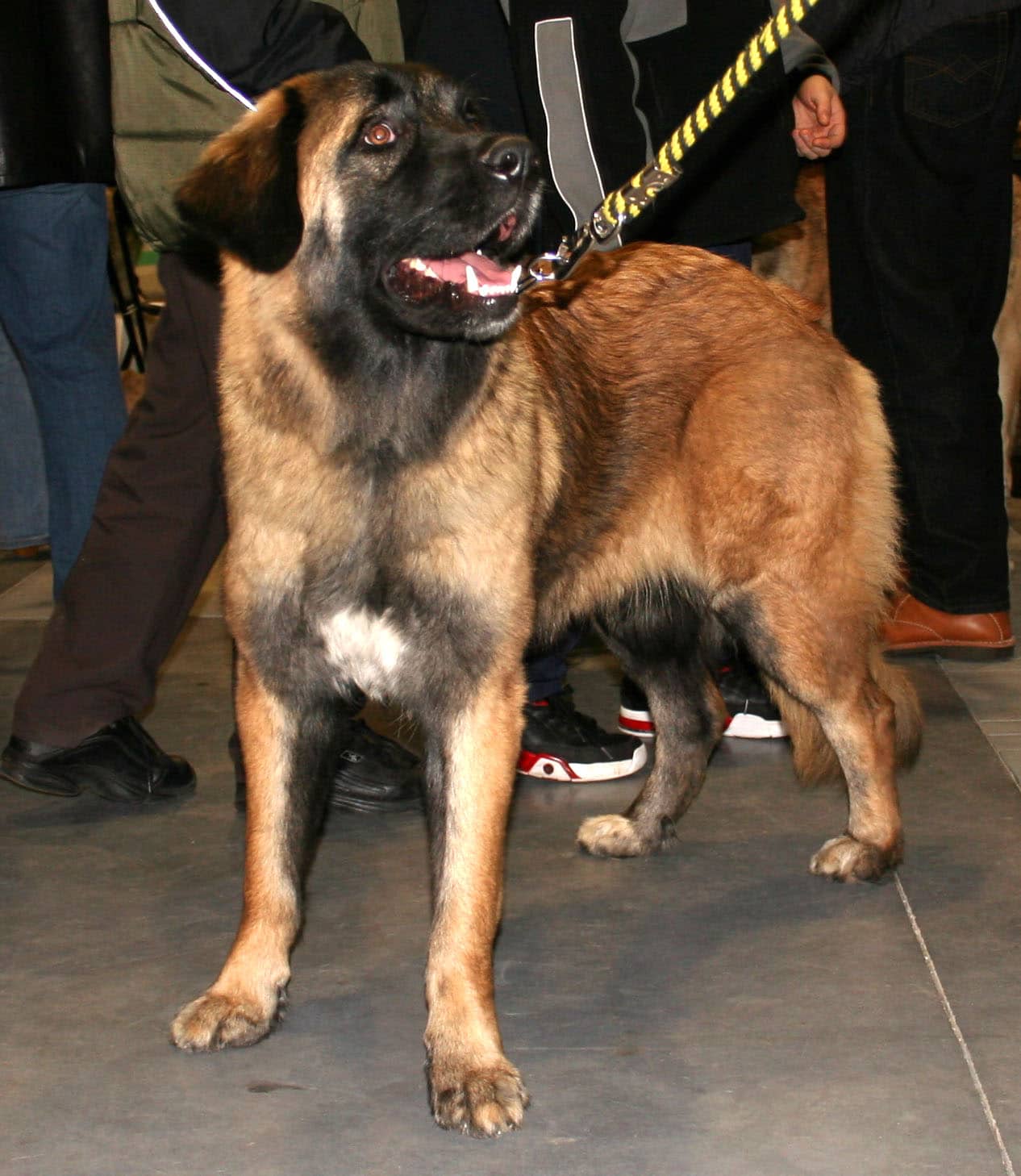
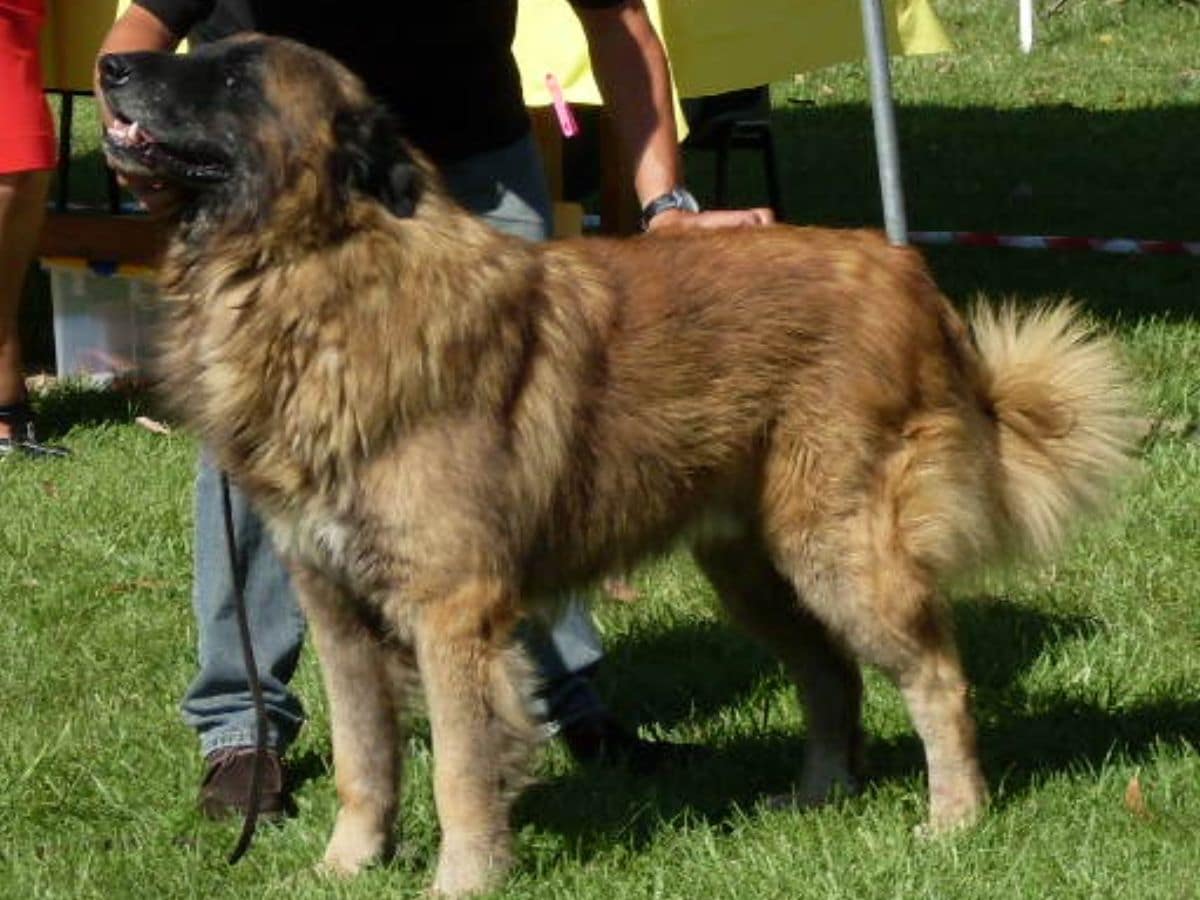
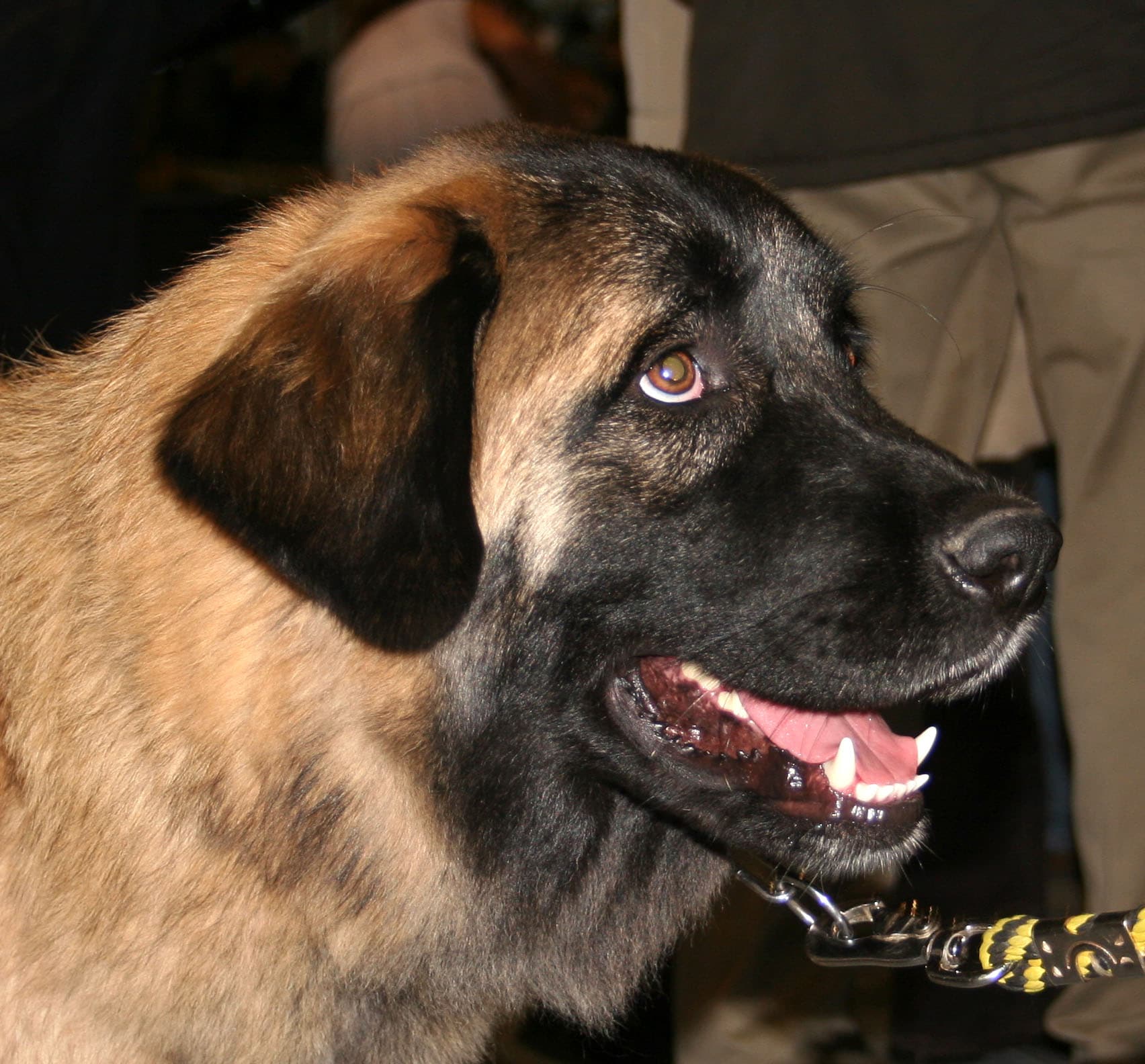
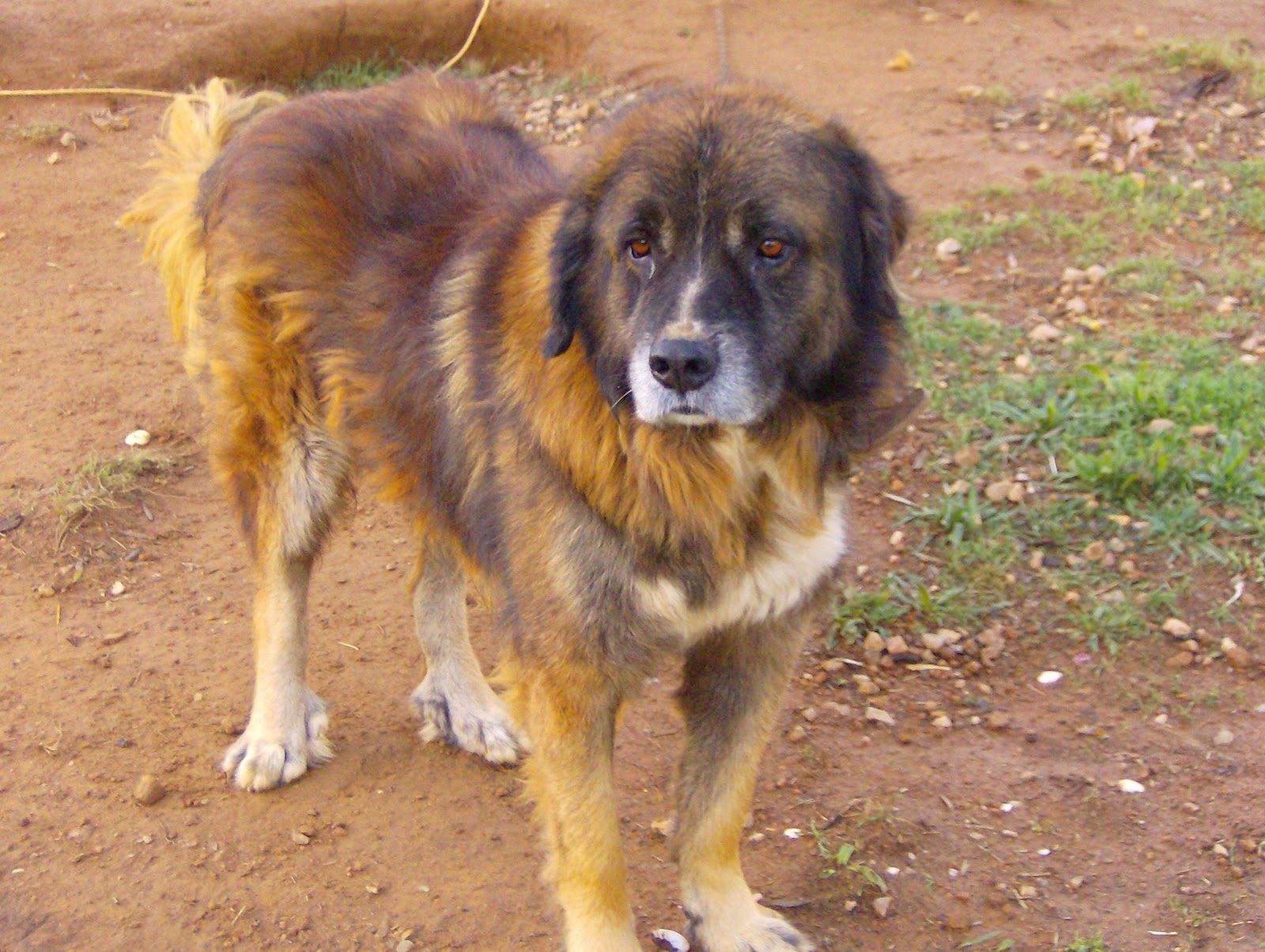
The Estrela Mountain Dog is a big dog, rough lines and powerful appearance. The head is huge, rounded and with a stunning skull. It has oval eyes, very expressive, Smart and serene.
The ears they are small and pendants, covered with a soft skin.

mastiff-type molosoid, the Estrela Mountain Dog has a broad chest and a slightly drooping rump. The members are strong and muscular. The tail is long, thick and slightly droopy.

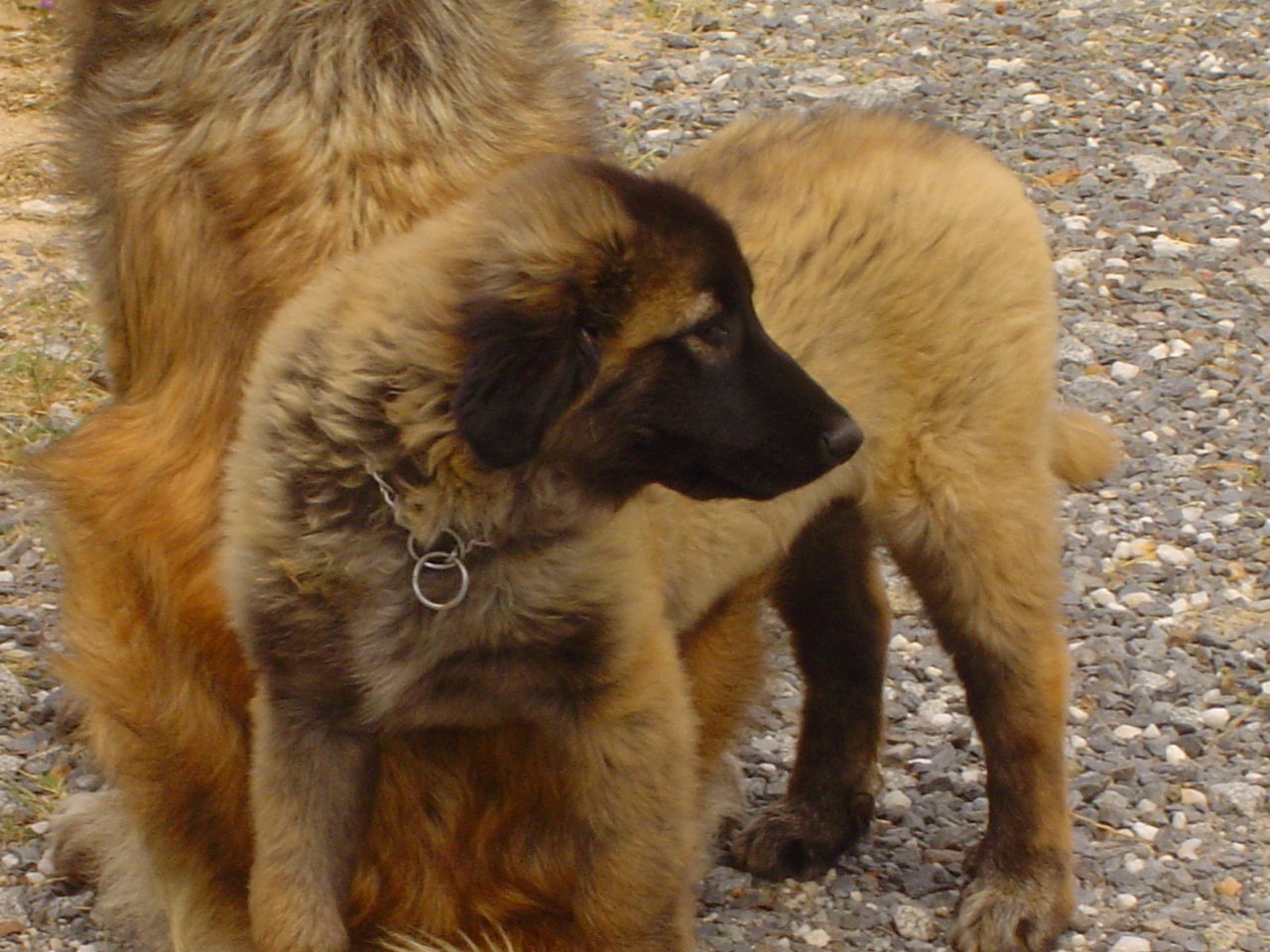
There are two varieties of Estrela Mountain Dog: long hair and short hair. The hair is strong, thick, but not too rough. In some regions it is longer than others, especially in the queue, around the neck and back.

Only allowed the tawny colors, Lupine and yellow, monochrome or marbled.

Observations

Estrela Mountain Dog is a healthy dog, due to the strong natural selection which was exposed. But, There are some diseases of large animals with a higher incidence in this breed. The Dysplasia is one of them, especially that of hip. Due to this trend, owners must use quality diets, not exercise too your dog when he is young, avoid the steep stairs, breaks and slippery floors.

The variety of long hair they require more maintenance: brushed daily to untangle hair.
The variety of short hair only needs weekly brushings. Bathing should only be administered, only, When cannot be avoided,Since the protective greasiness of the skin can be damaged by cleaning products.

Character and skills

The Estrela Mountain Dog has always been kept with the sheep, While pastor was away from his flock the dog developed an independent organization and this led to his character of excellent guard dog.

It is also used for self defense and as a dog shot.

The Estrela Mountain Dog, due to its isolation and difficult access, It has become the home of this breed of dog. His hard hair helps you survive the harsh winters of the region. Each race has its specific character developed throughout its existence, of their own history.

This more or less independent nature makes this breed adapts well to modern times, where instead of caring won, waits for their owners to return from work at the end of the day. They have a lot of patience.

The beauty of this dog, his intelligence and strength, are the characteristics that allow him to be in addition to an excellent guard, a good family dog and very tolerant with children.

Habitat Estrela Mountain Dog

The Estrela Mountain Dog it's a big dog with a big boost. So, an apartment in the city is not ideal for him. Fluctuations of time and temperature do not bother him much, so you prefer to spend the day outdoors. So, the ideal is a house with a large patio or garden where you can move freely. It also, does not want to do without his long walks. For many other canine sports, requiring reliable obedience, is however hardly suitable due to its obstinacy.

Nutrition Estrela Mountain Dog

The Estrela Mountain Dog requires a correspondingly large serving of food, which should also be considered when buying it. Proper dog feeding helps keep it healthy for a long time. Whether one wants to use dry or wet food is a matter of personal preference.. In particular, nutrition during growth, especially in large dogs, sets the course for later life.

While puppies and adult dogs need enough energy, young dogs need an adapted diet, protein rich, to ensure that your muscles and skeleton grow evenly. If the young dog grows too fast on food that is too high in energy, there is a risk of permanent joint problems and malpositions. It also, It should be noted that all large breeds of dogs are at risk of stomach upset if the daily ration is administered at one time.. So, it is better and healthier to divide the food into at least two servings in the morning and at night and then give the animal a break for digestion.

Education and care

Due to the close connection of the Estrela Mountain Dog with humans and their good understanding, good conditions are created for purposeful education. But, the race's own head should not be underestimated. The Hound of the Sierra de la Estrela dog stubbornly reacts to too much hardness in training and the orders he considers meaningless. Therefore, the right key to a successful workout is patience, empathy and a consistent hand. During training special attention should be paid to the tendency to dominate, especially in males.

Although this is rarely directed against humans, but mainly against other big dogs, can disturb harmonious interaction and, above all, The walking. Ideally, great importance should be given to socialization already in the breeder. You should also practice meeting other dogs as soon as possible after your dog has moved in.. You can learn that other dogs are an enrichment and not a danger and that dominant behavior is not tolerated. In a good dog school you will receive many tips when in doubt, which will facilitate the management of your Dog from the Sierra de la Estrela.

A lot brushed in the change of coat

The Estrela Mountain Dog has a dense coat with a lot of undercoat, that adapts to weather conditions. The change of coat is therefore strong in this breed. To facilitate this process for the animal and reduce the amount of dog hair at home, should be brushed sufficiently and correctly, especially during the period. Ideal for this purpose are the special brushes, they can comb the bottom layer. Outside the change of coat phase, brush once a week.. The rest of the preparation is limited to a minimum. Especially if the dog is outside and a lot in the meadows and forests, should be checked regularly for parasites. If required, claws must be shortened with claw pliers.

Typical health and illnesses

The Estrela Mountain Dog it is a very robust animal that does not have to fight with the typical diseases of the breed. But, being a very large breed, you may suffer from dysplasia of the hip joint. Breeders recognized by the FCI only use parents that are not affected by this disease for breeding purposes., which also greatly reduces the risk to offspring.

Estrela Mountain Dog life expectancy

As a healthy race, the Estrela Mountain Dog reaches an age of 10 to 12 years without difficulty and generally without many visits to the vet. Proper nutrition and parenting are the prerequisites for a long and healthy life.

Photos Estrela Mountain Dog

Videos Estrela Mountain Dog

Type and recognitions:

  • FCI CLASSIFICATION:
  • Group :
  • Section : . .

Federations:

FCI ⓘ, AKC ⓘ, ANKC ⓘ, ​KC ⓘ, NZKC ⓘ, UKC ⓘ – The AKC does not have its own standard and instead is linked to the FCI

FCI breed standard "Estrela Mountain Dog"

Origin:
Portugal

Date of publication of the valid original standard:
04.11.2008

Use:

Herd guard dog, surveillance and companion dog also used in shooting work.


General appearance:

The Sierra de la Estrela Dog is a mastiff type. There are two varieties of hair: long and short. Rustic, of much substance with a strong movement and stunning attitudes.

The breed has a cheerful look, calm and expressive. Well proportioned, morphologically perfect, compact and rustic; The harmony of the whole is remarkable and demonstrates an ethnic purity of ancient races of the past.

IMPORTANT PROPORTIONS :

Medium long (long sub) tending to the middle line. Depth of chest is less than half of its height at the withers. The muzzle and the skull should be approximately the same length, If that is not the case, the skull should be slightly longer.


Behavior / temperament:

Inseparable companion of the pastor and faithful guardian of the herd protect against predators and thieves. Excellent dog guard farms and households, distrustful of strangers and typically docile towards its master.

Head:

Strong, voluminous. It is elongated and slightly convex profile view. Well positioned and provided to the body, the same as the relationship that keep the skull and facial, accentuate the harmony of the whole. Smooth skin over the skull and cheeks.

Cranial region:
  • Skull: Well developed, rounded skull facial longitudinal top spindles slightly divergent. Convex profile, superciliary arches slightly developed with a slightly apparent frontal fold. No prominent occipital protrusion.
  • Depression links (Stop) : Slightly pronounced, located at a more or less equal distance between the end of the nose and the occipital Protuberance.

facial region:

  • Truffle: Straight and aligned with the nasal bridge, well open Windows, big and black.
  • Snout: Elongate, slimming progressively towards the tip of the nose, but do not be sharpened. Almost straight nose cane, Although slightly hooked at the end.
  • Lips: Well developed but not thick, well bonded without tilting.  The mucous membranes of the mouth and palate, as well as the very pigmented black edge of the lips.
  • Jaws / Teeth: Well-defined mouth with well-developed jaws, full dentition with strong teeth, White and well implemented and good occlusion. Preferably bite in scissors, accepting bite on clamp.

Eyes: Horizontal, oval-shaped, at the level of the head; are medium-sized, aimed at small, symmetrical and wide open, with a calm and alert expression; Dark amber in colour preference. The eyelids are well bonded and pigmented black edges. A little marked eyebrows.

Ears: Small relative to the rest of the skull, form triangular, thin, rounded at their lower edge, pendants; inserted at a medium height, is tilted back slightly and hang to the sides of the head near the cheeks, revealing a part of your inner side in the base (called Pink ear).

Neck:

Straight, short and thick, correctly inserted on the shoulders and with a slight dewlap but not exaggerated.

Body:

  • top line: Straight. Level.
  • Back: Short preferably, well muscled.
  • Pork loin: Lumbar region wide, short, muscular and properly inserted to the rump.
  • Rump: Slightly inclined, short, broad and muscled. The height at the Croup should be equal to or slightly greater than the height at the withers.
  • Breast : Rounded, without being cylindrical, broad, long and well descended.
  • bottom line: The bottom line should gradually and gently rise from the sternum to the groin, not too wide belly, in proportion to the substance of the animal and harmoniously connected with the body.

Tail:

Robust, long, whose tip reaches the tibio-tarsal joint when the dog is standing or at rest. It is thick in the shape of a « scimitar », inserted at a medium height, well covered with stripes on the variety of long hair and hair ; is a hook at the end. The tail is carried below the horizontal line and falls naturally between the thighs when the dog is at rest. ; When stimulated or in action, it is carried higher than the horizontal line, forming an upward curvature., Go ahead, to the sides or down.

Tips

PREVIOUS MEMBERS: Plumb, with bones and joints strong, fairly open with unrestricted movement angles.

  • Forearm:  Straight, parallel, long, with strong bone and always cylindrical in shape.
  • Previous foot: Provided, never too round or too long, I in between a Jack's foot and a foot of Hare (not open), thick, fingers tightened with abundant hair between fingers, dark nails, preferably black, well developed, pads thick and hard.

LATER MEMBERS : Plumb, with bones and joints strong, fairly open with unrestricted movement angles.

  • Hock: Somewhat low, average opening, never leaning in or out.
  • Metatarsus: Vertical, always cylindrical in shape. Possible presence of single or double spur.
  • Rear foot: Identical to the previous foot.

Movement:

Normal and light.

Mantle

HAIR: Fur: Strong, very abundant, slightly thick, without excessive hardness with texture similar to the goat hair. The subhair is composed of a thin hair, short, abundant and matted. Usually lighter than outer hair color.

  • Long hair variety: Exterior smooth or slightly wavy hair, I uneven and some areas. In the Member, Below the elbows and legs it is shorter and thicker, as well as above the head., ears is gradually shorter from base to tip, being more thin and more soft. It is longest on the queue, where is well thick, thick and long hair. Around the neck and throat and on the thighs abundant long hair as well as on the sides of the forearm.
  • Variety short hair: Short hair, evenly distributed over the body, somewhat shorter on the head and members without having hair longer.

COLOR

The following colors are accepted and considered typical:

  •  Solid: yellow, Fawn and grey in all ranges of intensity of color;
  •  Wolf Gray: leonado, yellow and grey tones, usually with shaders more light and dark.
  • Striped: leonado, yellow or gray as a base with a black Brindle color.

In the craniofacial area a dark mask is typical.

White spots are allowed only on the limbs or feet before and after and a very small extension on the lower region of the neck and chest.


Size and weight:

  • Males : 65 to 73 cm..
  • females : 62 to 69 cm..

Tolerance + 2 cm..

WEIGHT :

  • Males: 45 – 60 Kg.
  • females: 35 – 45 Kg.


Fouls:

Any deviation from the aforementioned criteria is considered as a fault and the severity of this is considered to the degree of the deviation to the standard and its consequences on the health and well-being of the dog..

  • Appearance: Poor overall appearance, thinness or obesity.
  • Height: Outside the limits of the standard but with a tolerance of 2 cm.. of the upper limit.
  • Very narrow head, long and pointed.
  • Eyes: color clear.
  • Ears: incorrectly inserted, very long fleshy or round. Hanging completely flat.
  • Tail: Port on the back. Absence of hook.
  • Color: Absence of dark mask.

 SEVERE FAULTS

  • Behavior: Animals that show signs of shyness or nervousness.
  • Tail: Amputated or rudimentary.
  • Truffle: Pale nostrils, Truffle partially nonpigmented.
  • Ears: Amputee.
  • Fur: Other than described above.
  • Height:
  • Males :  Below the 65 cm.. or above 75 cm..
  • females: Below the 62 cm.. or above 71 cm..

MISS PLAYOFFS

  • Behavior:  Aggressive or too shy.
  • Typicity: Atypical.
  • Head: Too narrow, very long and very sharp, total absence of molosser type.
  • Jaws: Prognathism or enognatismo.
  • Eyes: Eyes of different colour or different size.
  • Tail: Anurismo.
  • Fur: Completely different hair than typical.
  • Color:  Any other color not mentioned in the standard. albinism.

Any dog ​​showing clear signs of physical or behavioral abnormalities must be disqualified.


N.B.:

• Males must have two normal-appearing testicles fully descended into the scrotum..
• Only functionally and clinically healthy dogs, with the typical conformation of the breed, should be used for parenting.

Source: F.C.I - International Cynological Federation

Alternative names:

1. Portuguese Shepherd (English).
2. Chien de montagne portugais (French).
3. Serra da Estrela Berghund (German).
4. Perro de la sierra de la Estrela (Portuguese).
5. Perro de la Sierra de la Estrela (español).

▷ The world of Pets: Dogs, cats, birds, reptiles, amphibians

Castro Laboreiro Dog
Portugal FCI 170 - Molossoid . Mountain

Perro de Castro Laboreiro

The Castro Laboreiro Dog It is an excellent guard dog and companion

Content

History

The Castro Laboreiro Dog (Cão de Castro Laboreiro) It is a breed of Portuguese dog of large size. Originating in the parish of Castro Laboreiro, Melgaço, is a dog type Lupoid amastinado is lighter than other breeds of cattle dogs.

The Castro Laboreiro Dog it has its origin in the region that gave it its name, the people of Castro Laboreiro, in the municipality of Melgaço. It is a rugged mountainous region that stretches from the Miño river to the Peneda and Soajo mountains between the Trancoso rivers, Laboreiro and moro, until around 1400 m above sea level.

Like the dog, Castro Laboreiro is one of the oldest regions of the land of Portugal. The prehistoric remains such as dolmens and rock paintings, They demonstrate the presence of man in the region for thousands of years. The strengths are evidence of the strong presence of Celtic culture in the region. Also the Celts and the Romans came here, the roman roads and the construction of bridges with their landmarks. The castrejas communities have always lived of hunting, fishing, grazing and agriculture.

Read more

▷ The world of Pets: Dogs, cats, birds, reptiles, amphibians

Black Russian Terrier
Rusia FCI 327 . Pinscher and Schnauzer type

Terrier Ruso Negro

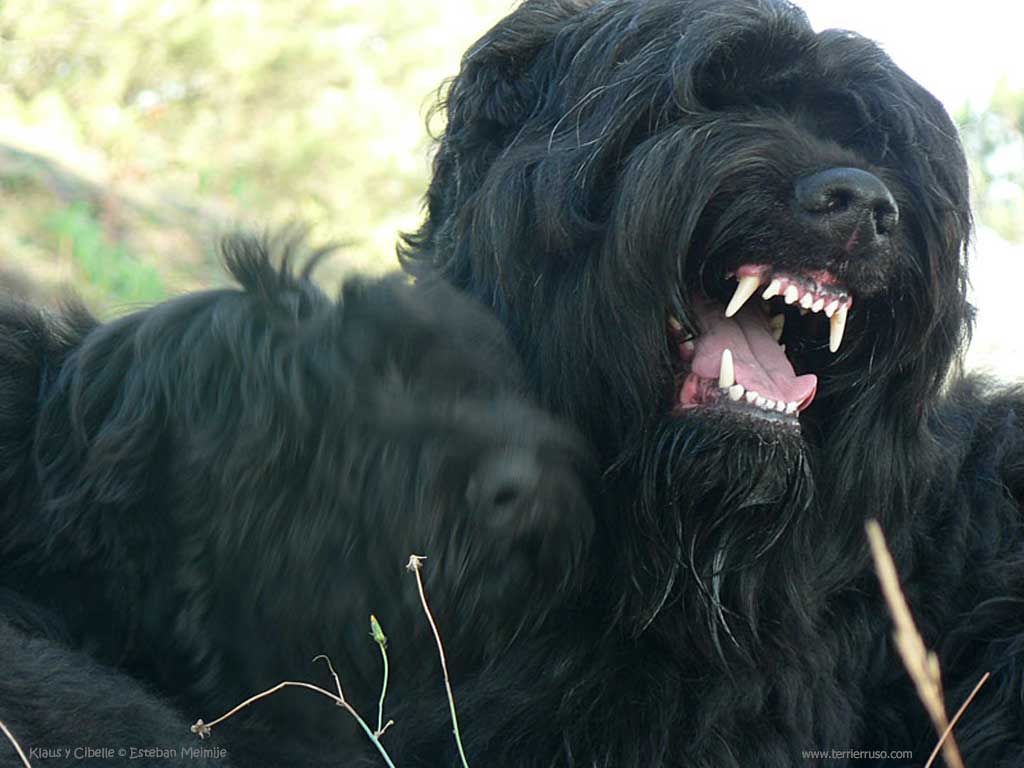
The Black Russian Terrier, need plenty of exercise, and it can be hyperactive and destructive

Content

History

The Black Russian Terrier, (in Russian: Чёрный терьер), abbreviated as BRT, known, also as dog of Stalin (Sobaka Stalina), It is a breed of dog developed to serve as a guard dog and police dog..

The breed was recognized as such in July of 2004, by the American Kennel Club.

despite its name, the Black Russian Terrier, is not a pure Terrier: It is believed that they were used around twenty races in its development, including (among others) to the Airedale Terrier, the Giant Schnauzer, the Rottweiler, the Newfoundland, the Kavkazskaïa Ovtcharka and the Moscow Water Dog, now extinct.

Physical characteristics

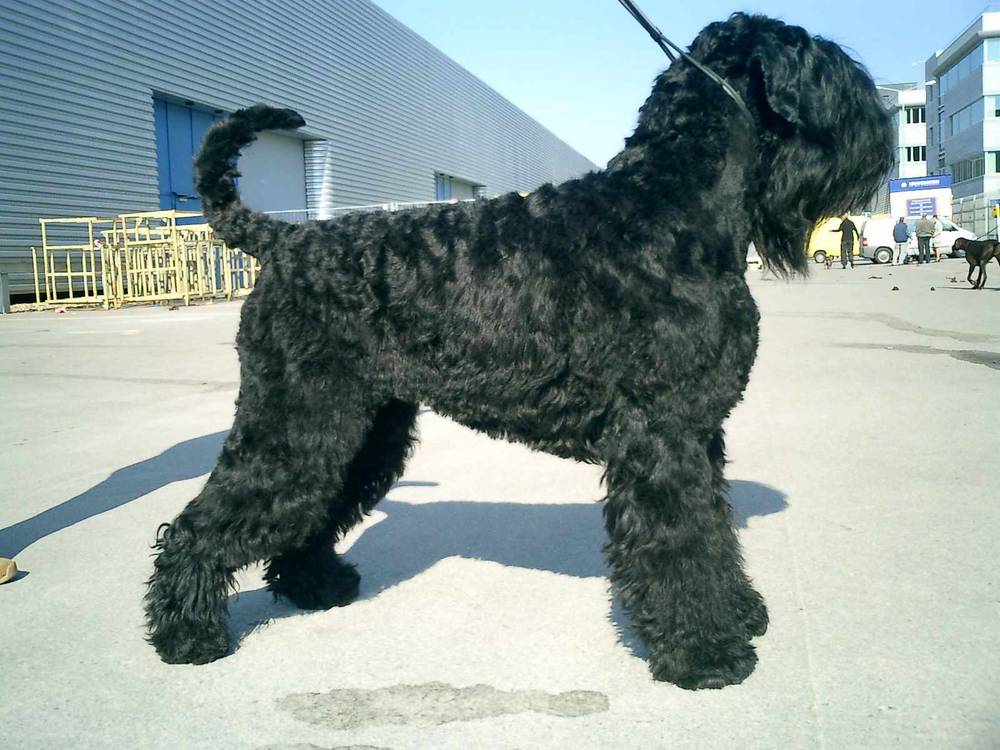
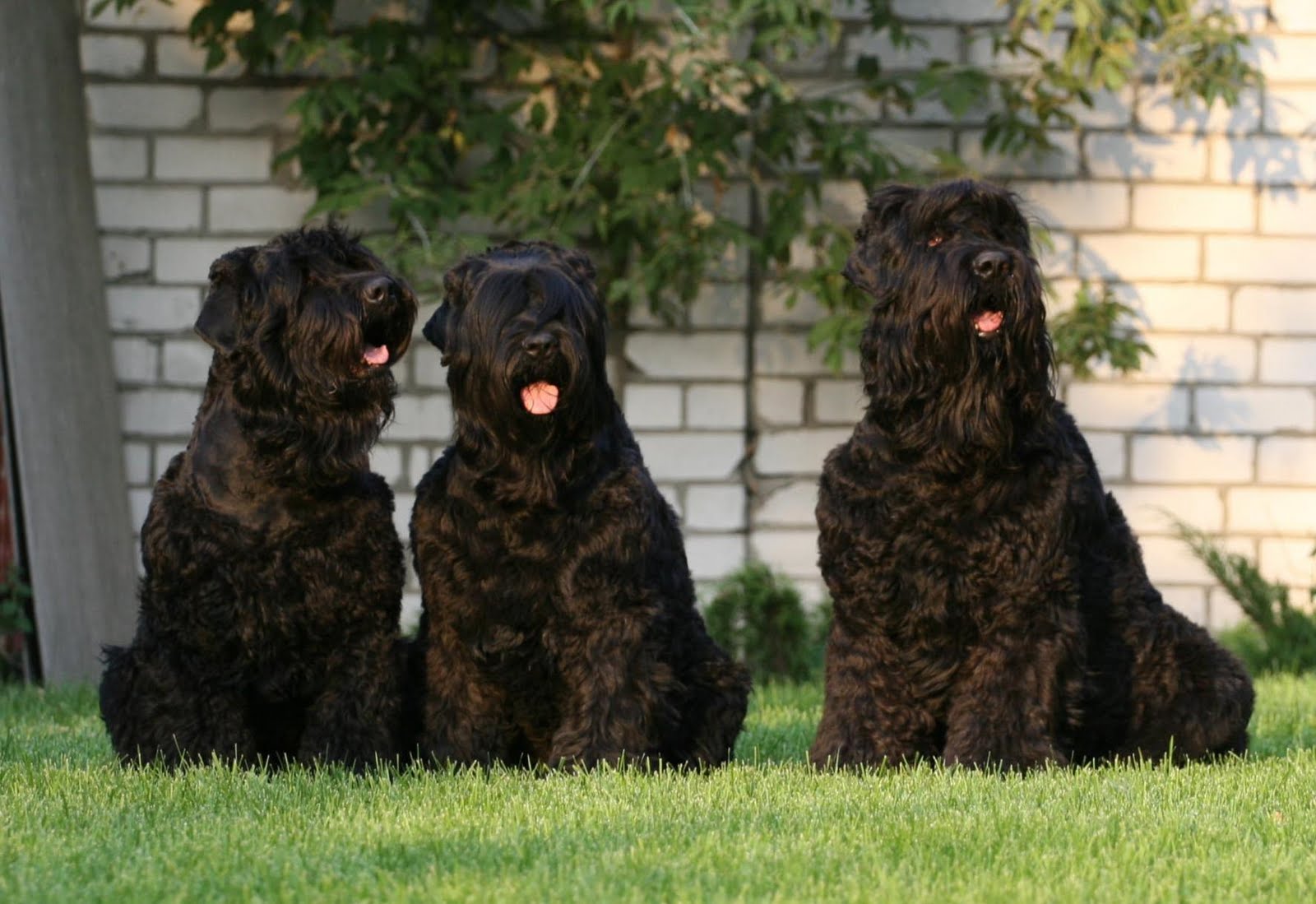
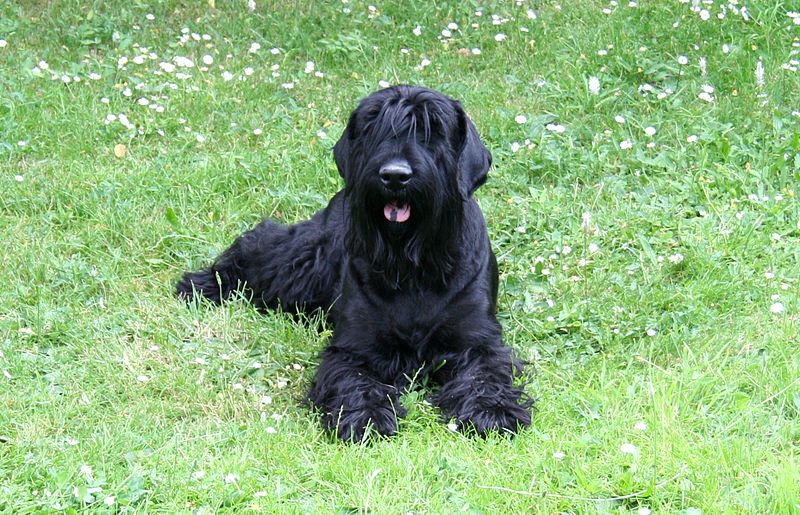
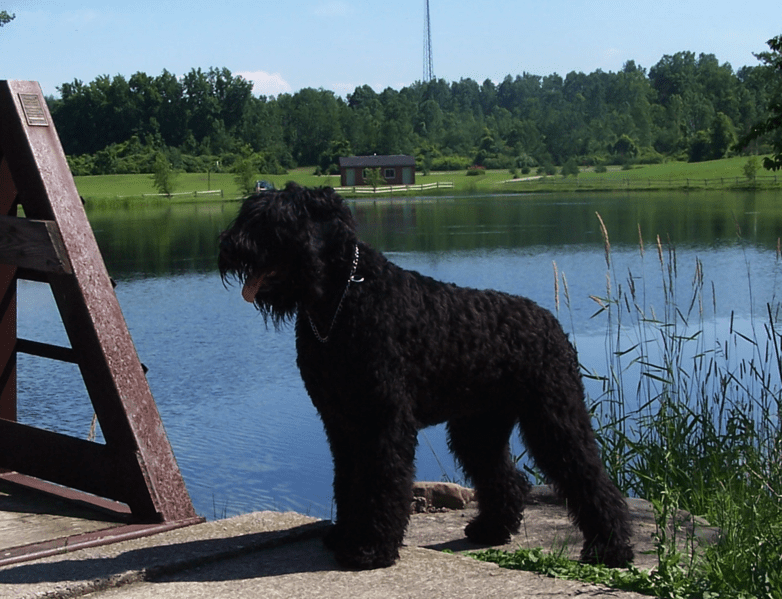
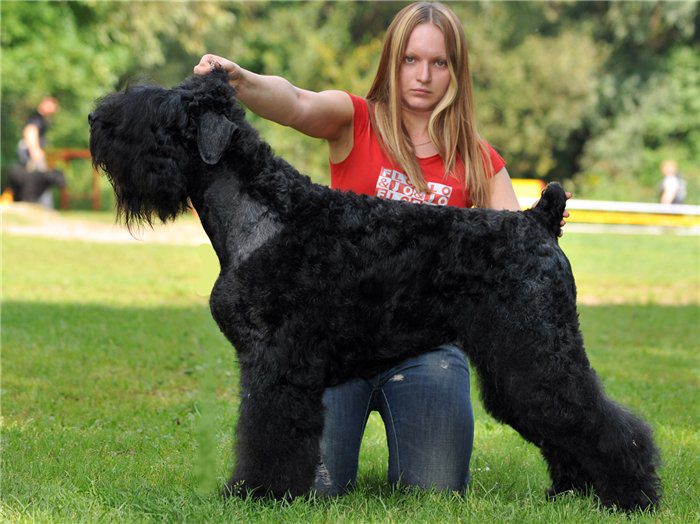
The Russian black terrier much more resemble a Schnauzer that to a Terrier. The head is long, with flat front. The strong muzzle. The eyes are small and dark. The trunk is solid. The limbs are straight and muscular.

The Black Russian Terrier, gives the impression of great strength, agility and value. It is a robust dog, rustic in appearance (but not fat), and it must not appear as if his hair was sculpted or trimmed, must see bright in nature, and slightly curly.

The coat is hard and dense, is not very smooth to the touch, It is as curly and the length of the hair will be of 4 to 10 cm.. The longest hair found in the beard and eyebrows, with a mane (not very dense but longer than the rest of the body) What, extends, slightly, the cross and the neck, more pronounced feature in males. The coat is low detachment and the color is black with some gray hair.

According to the FCI standard (1983), the male must have a height of 66 to 72 cm to the cross and the female of 64 to 70 cm., with a tolerance of +/- 2 cm.. They must weigh between 35-70 kg.

Did you know??

Although the word Terrier on their behalf, the Black Russian Terrier is a member of the American Kennel Club Task Force.

Character and skills

The Black Russian Terrier, is a safe dog, quiet, very intelligent, brave and loyal. you should never be shy. It may seem distant, or perhaps independent, but in their basic needs, is the human company and the love of his family.

It is a healthy dog in general and their life expectancy is around the 14 years.

Because of his upbringing as a working dog, has a very strong instinct worker ("work ethic"), and that is why it is good to provide the animal some games to understand work roles, so you will be happy.

Initial training is a necessity, that you will take advantage of any owner who has not been able to establish a domain course. They are very sensitive to education and often Excel at obedience competitions. As well, they are very good in various dog sports, such as agility.

The Black Russian Terrier, need plenty of exercise, and can be hyperactive and destructive if not given the opportunity to burn off his energy.

Characteristics "Black Russian Terrier"

Coexistence is important that you have with your new friend. Before considering the acquisition of a dog of the breed "Black Russian Terrier" you know certain factors. Not all breeds of dogs are apt to live in an apartment, you must take into account his character, their need for exercise, their interaction with other pets, their care and if you have small children, their level of tolerance towards them.

Adaptation ⓘ

3,0 of 5 stars (based on 1 review)

friendly dog ​​ⓘ

3,0 of 5 stars (based on 1 review)

hair loss ⓘ

3,0 of 5 stars (based on 1 review)

Affection level ⓘ

4,0 of 5 stars (based on 1 review)

Need for exercise ⓘ

4,0 of 5 stars (based on 1 review)

Social need ⓘ

3,0 of 5 stars (based on 1 review)

Home ⓘ

3,0 of 5 stars (based on 1 review)

Toilet ⓘ

4,0 of 5 stars (based on 1 review)

Friendly with strangers ⓘ

1,0 of 5 stars (based on 1 review)

barking ⓘ

4,0 of 5 stars (based on 1 review)

Health ⓘ

3,0 of 5 stars (based on 1 review)

Territorial ⓘ

5,0 of 5 stars (based on 1 review)

Cat friendly ⓘ

3,0 of 5 stars (based on 1 review)

Intelligence ⓘ

4,0 of 5 stars (based on 1 review)

Versatility ⓘ

4,0 of 5 stars (based on 1 review)

Child friendly ⓘ

3,0 of 5 stars (based on 1 review)

Surveillance ⓘ

3,0 of 5 stars (based on 1 review)

joy ⓘ

5,0 of 5 stars (based on 1 review)

Images «Black Russian Terrier»

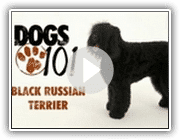
«Black Russian Terrier» Videos

Type and recognitions:

  • FCI CLASSIFICATION:
  • Group :
  • Section : . .

Federations:

FCI ⓘ, AKC ⓘ, ANKC ⓘ, CKC ⓘ, ​KC ⓘ, NZKC ⓘ, UKC ⓘ

FCI breed standard Black Russian Terrier

FCIFCI - Black Russian Terrier
Terrier

Alternative names:

1. Chornyi, Russian Bear Schnauzer, Russian Black Terrier, Chornyi Terrier (English).
2. Terrier noir russe, errier noir (French).
3. Russischer Schwarzer Terrier, Russischer Schwarzer Terrier (German).
4. Terrier preto da Rússia, Cão de Stalin, chiorny Terrier (Portuguese).
5. Perro de Stalin (español).

▷ The world of Pets: Dogs, cats, birds, reptiles, amphibians

Tibetan Mastiff (Do-Khy)
Tíbet FCI 230 - Molossoid . Mountain
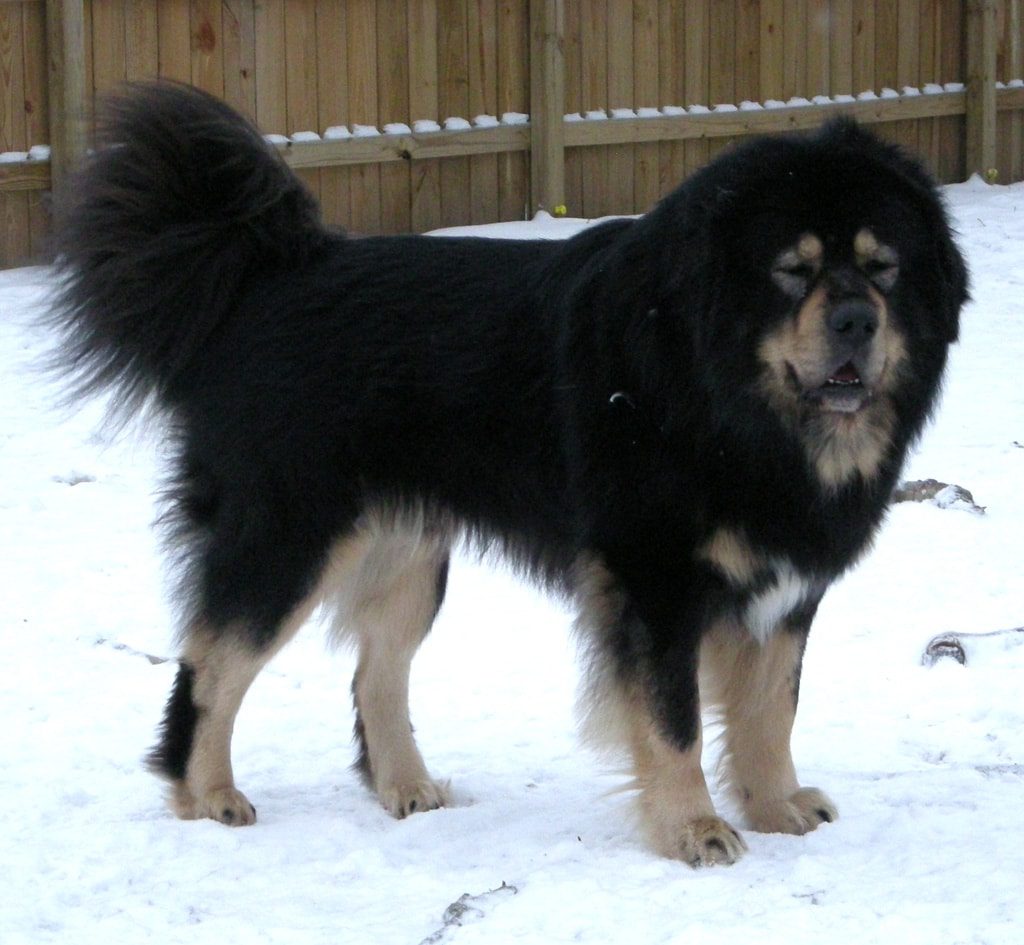

Mastín Tibetano

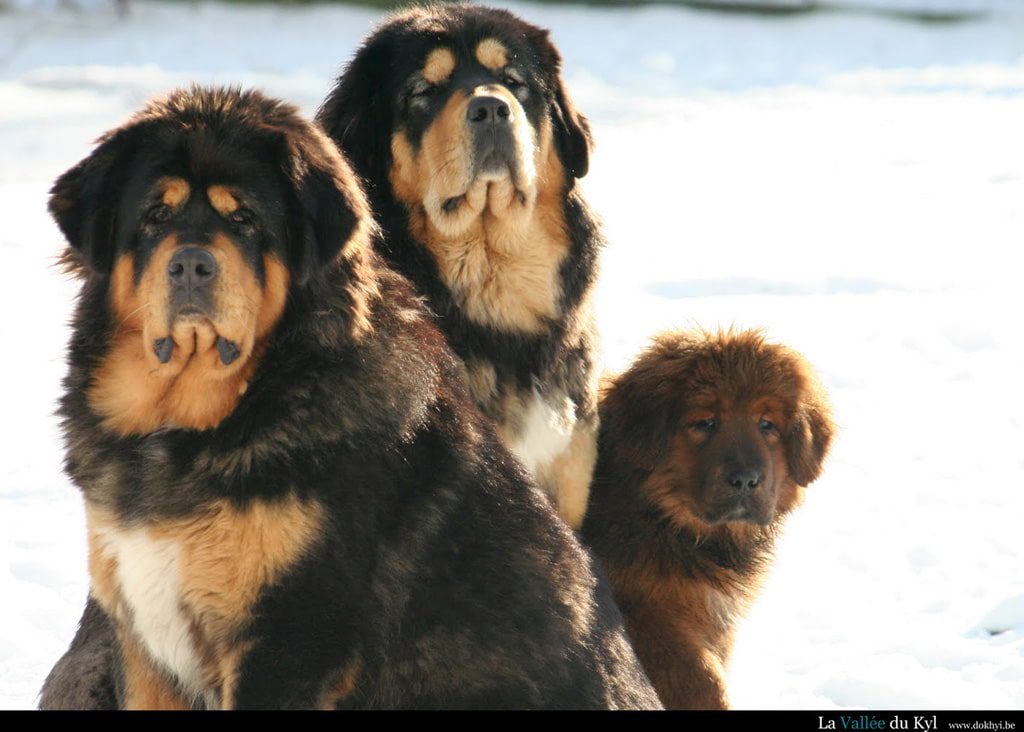
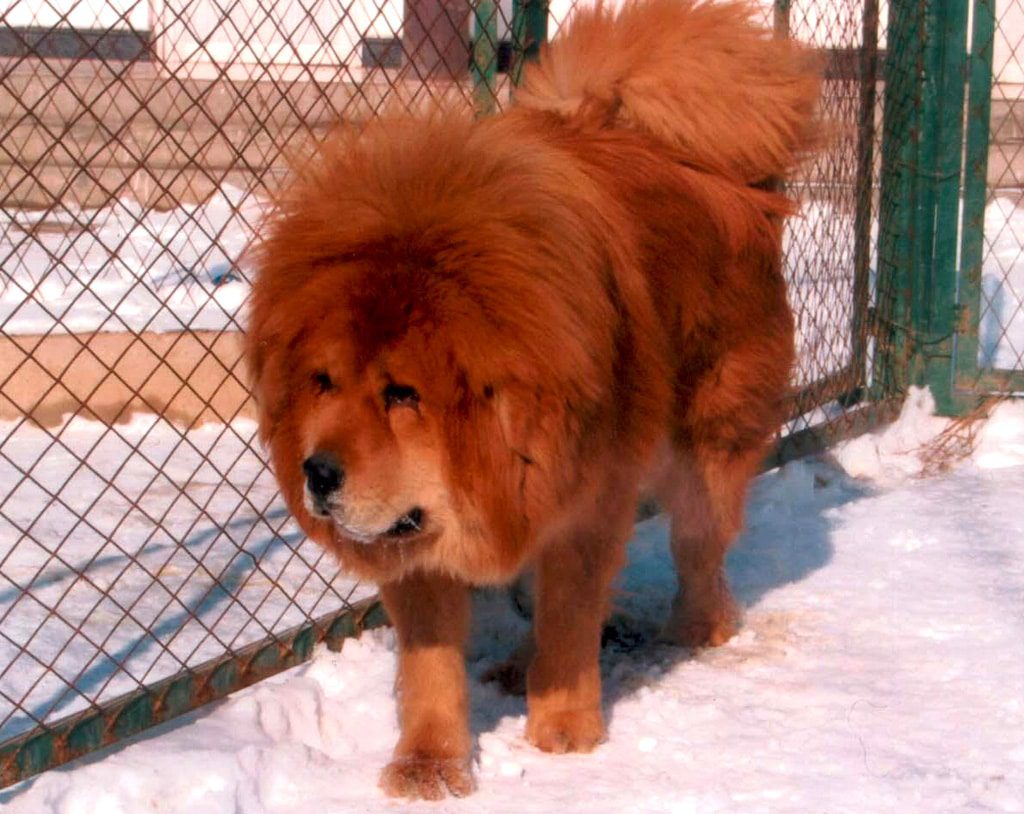
The Tibetan Mastiff It is not a dog to live with children.

Content

Characteristics "Tibetan Mastiff (Do-Khy)"

Coexistence is important that you have with your new friend. Before considering the acquisition of a dog of the breed "Tibetan Mastiff (Do-Khy)" you know certain factors. Not all breeds of dogs are apt to live in an apartment, you must take into account his character, their need for exercise, their interaction with other pets, their care and if you have small children, their level of tolerance towards them.

Adaptation ⓘ

3,0 of 5 stars (based on 1 review)

friendly dog ​​ⓘ

2,0 of 5 stars (based on 1 review)

hair loss ⓘ

4,0 of 5 stars (based on 1 review)

Affection level ⓘ

3,0 of 5 stars (based on 1 review)

Need for exercise ⓘ

3,0 of 5 stars (based on 1 review)

Social need ⓘ

3,0 of 5 stars (based on 1 review)

Home ⓘ

1,0 of 5 stars (based on 1 review)

Toilet ⓘ

4,0 of 5 stars (based on 1 review)

Friendly with strangers ⓘ

1,0 of 5 stars (based on 1 review)

barking ⓘ

5,0 of 5 stars (based on 1 review)

Health ⓘ

2,0 of 5 stars (based on 1 review)

Territorial ⓘ

5,0 of 5 stars (based on 1 review)

Cat friendly ⓘ

3,0 of 5 stars (based on 1 review)

Intelligence ⓘ

3,0 of 5 stars (based on 1 review)

Versatility ⓘ

3,0 of 5 stars (based on 1 review)

Child friendly ⓘ

3,0 of 5 stars (based on 1 review)

Surveillance ⓘ

3,0 of 5 stars (based on 1 review)

joy ⓘ

5,0 of 5 stars (based on 1 review)

History of the "Tibetan Mastiff"


The Tibetan Mastiff o Doge of Tibet (Do-Khy), is a dog native to Tibet, It appeared to the year 8000 to. C.

The Tibetan Mastiff is an ancient working breed of nomadic Himalayan herders and a traditional guardian of Tibetan monasteries.. Its history has been surrounded by great mysticism since it was discovered in ancient times.. Since its mention by Aristotle (384 – 322 to. C.) at the famous writings of Marco Polo, who went to Asia in 1271, all historical reports praise the natural strength and grandeur of the Doge of Tibet, both physically and mentally.

Until his barking It has been described as unique and as a characteristic of the highly treasured breed.

The outstanding European cinófilos of the past like Martin and Youatt, Megnin, Beckmann, Siber as well as Strebel, Bylandt have intensively investigated the Tibetan Mastiff, being fascinated with their origin and role in the Tibetan culture.

One of the first Tibetan doges to reach the western shores was a male specimen sent to Queen Victoria by Lord Hardinge. (at that time viceroy of the India) in 1847. Later in 1880 Edward VII (then Prince of Wales), took 2 dogs return to England. One of the earliest records of litter of Doges Tibetans was in 1898, born in the Berlin Zoo.

Considered as the race led all large mountain races and all mastiffs.

According to testimonies dating back to 2.000 years before Christ, the Tibetan Mastiff was used by the Assyrians as a war dog and for the custody of prisoners..

It still appears with the same appearance as in the Babylonian bas-reliefs, Egyptians and Greeks, showing in this way the great diffusion in very ancient times.

The Roman conquests and invasions of Asian peoples, It spread quickly to the basin of the Mediterranean giving rise to all the races of molossians Europeans, many of pastor and other rescue as the St. Bernard, the Newfoundland and the Pyrenean Mountain Dog.

Characteristics Tibetan Mastiff

Videos "Tibetan Mastiff (Do-Khy)"

mastin tibetano

Mastín tibetano

Mastin Tibetano

It is a companion dog, Guard and protection; slow to mature, females only reach their apogee between 2 and 3 years and males at least the 4 years.

It is a dog powerful, heavy, good bone structure. Impressive, solemn but kindly appearance.
They have the feet quite large, strong and compact. They have the shape of the feet of cat with long hair between the toes. Its walk is strong, free, always light and elastic. In fast walks it tends to bring the members closer in a medium line. When walking, It seems slow and careful.
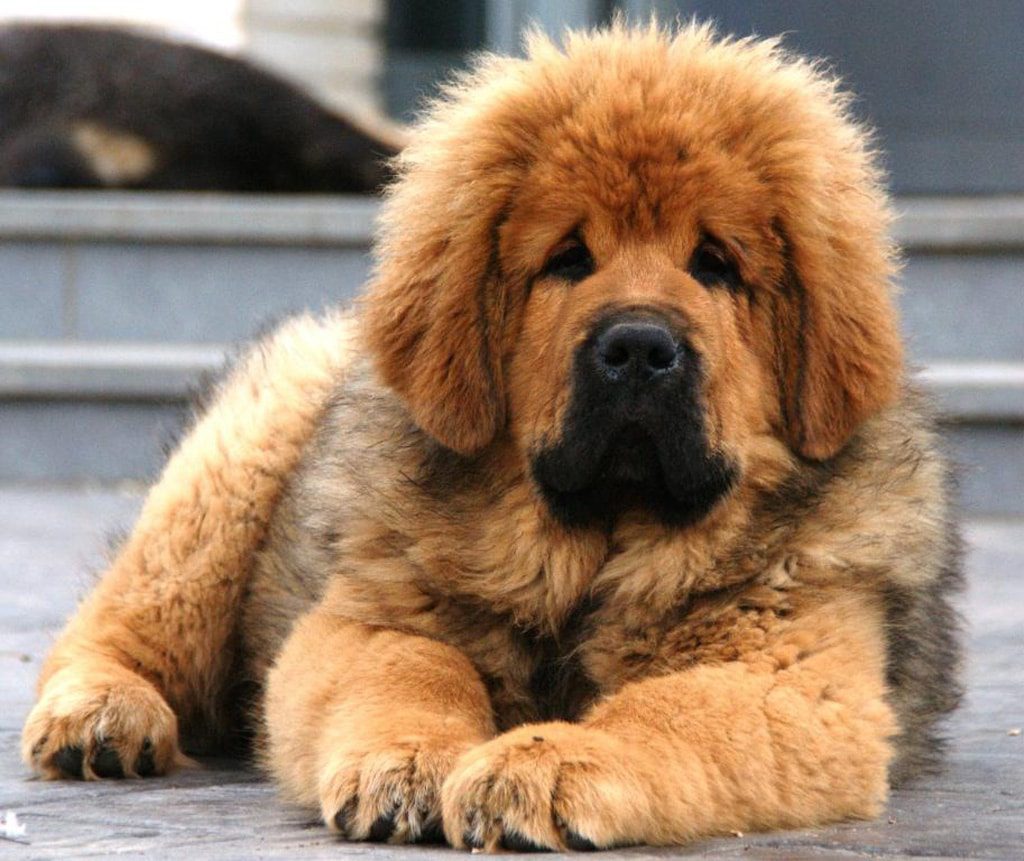
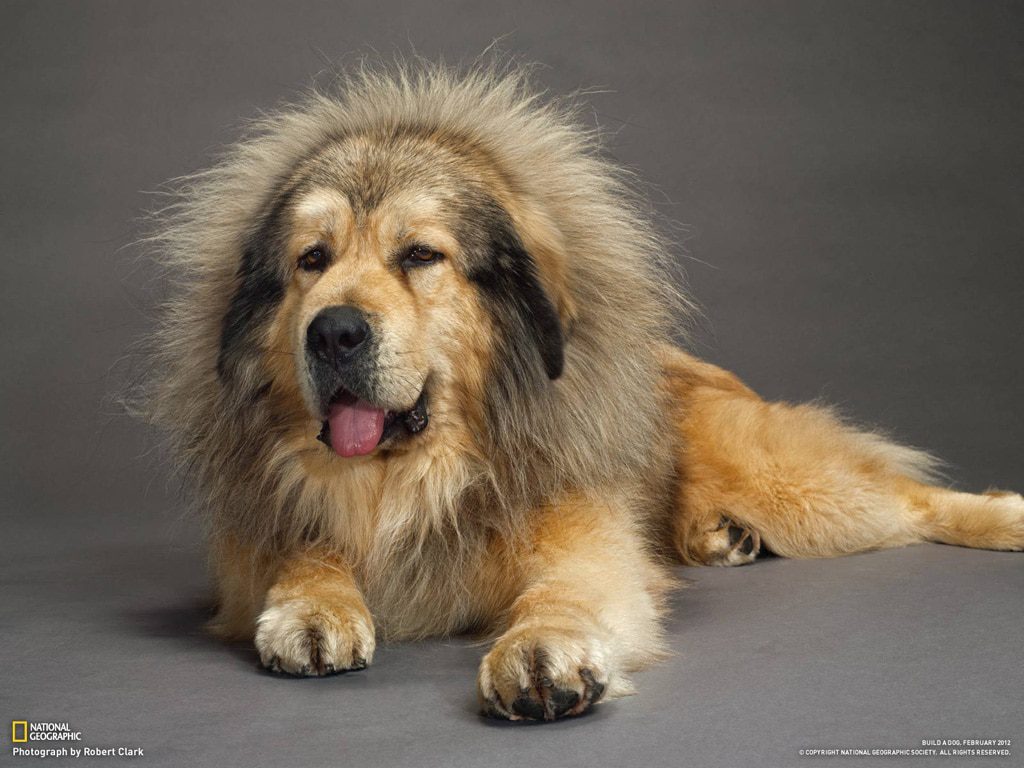
Males have, notably, more hair than females. The quality of the hair is of greater importance than quantity. Primarily the hair should be fairly long and dense.

When the weather is cold it should have a layer of hairs, internal and thick that becomes sparse in the hot months.

The hair is fine but hard, straight and roughness. Never silky, curly or wavy. The hair of the inner layer, When it has, is quite woolly. The neck and shoulders are covered with hair giving the appearance of a mane. The tail is covered with dense and bushy hair. The upper rear of the hindlimbs is pretty long hair forms fringes.

They are of color intense Black, black and tan, brown, various shades of gold, grey and blue; grey and blue and fire. The fire color varies from a very intense hue to lighter colors.

It allows a White Star on the chest. Minimal white spots are acceptable on the feet. Heat stains appear on the eyes, in the lower extremities, on the underside of the tail, around the snout, and in the form of sunglasses around the eyes.

Character «Tibetan Mastiff»

Respect to temperament, the race many experts agree that is a dog difficult in nature or complex..., is distant, and too independent to the point of being unpredictable because rarely leaves knowing their true intentions.

The Tibetan Mastiff It is a very brave dog that not afraid of anything, and that makes it in a excellent guardian.

His family is very love and abiding, but it is completely distrustful to strangers, and that can lead it to bite a stranger, for that reason it is not usually a dog suitable for novices... Since, If do not have education and training appropriate and responsible, It can be a real danger.

By that peculiar and especially unpredictable nature, race scholars pose that not is a dog ideal to live with children.

It is one of the oldest breeds of origin and is still used today in the Himalayan chain for the custody of herds and as a guardian of monasteries..

In the discharge of this function is safe and incorruptible, fierce and dangerous with strangers, like almost all races that we can define as «old» and whose character has been forged over the centuries.

It has little spread outside of Asia, even in the world of the cinophilia, It is little frequent to see copies of this race to participate in international dog shows.

Observations

Even in Tibet it is on the verge of extinction due to the difficulties involved in raising dogs of that size..

The price of a Mastin Tibetano currently ranges between 1500 and 2000 EUR, a few 1700 and 2400 $.

In the news, the breeding of the Tibetan Mastiff develops almost exclusively in England.

Health «Tibetan Mastiff»

The Tibetan Mastiff have some health conditions that may be worrisome. These include hip and elbow dysplasia, hypothyroidism, the persistence of the pupillary membranes (an eye disorder) and demyelinating neuropathy inherited from canines.

Not all of these diseases are detectable in a growing puppy, and it can be difficult to predict whether an animal will be free of these ailments., so you should find a trusted breeder who is committed to raising the healthiest animals possible. Must be able to produce an independent certification that the parents of the dog (and grandparents, etc.) have been screened for these defects and considered healthy for breeding. That's where health records come in..

Careful breeders screen their breeding dogs for genetic diseases and breed only the healthiest, best-looking specimens., but sometimes Mother Nature has other ideas and a puppy develops one of these diseases despite good husbandry practices. Advances in veterinary medicine mean that in most cases the dog can still live a good life.. If you are going to have a puppy, ask the breeder about the ages of the dogs in your line and the cause of death.

Keep in mind that Tibetan Mastiffs mature very slowly. They will not reach their full size until they have 3 to 5 years of age.

Remember that after bringing a new puppy home, has the power to protect you from one of the most common health problems: the obesity. Keeping a Tibetan mastiff at an appropriate weight is one of the easiest ways to prolong its life. Make the most of your preventive skills to help ensure a healthier dog for life.

The «Tibetan Mastiff» grooming

The Tibetan Mastiff has a long, thick double coat, with males having more luxurious coverage than females. The heavy undercoat is soft and woolly; the top layer is straight with a hard texture. The amount of hair on the neck and shoulders gives the Tibetan Mastiff the appearance of having a mane. His tail and britches (the rear thighs) they are also heavily covered. There is no need to trim any part of the coat unless you want to give your feet a cleaner look. With regular brushing, should not need frequent baths.

Brush to Tibetan Mastiff several times a week to remove dead hair and maintain healthy skin and coat. During the molting season, you'll want to brush it daily to keep your hair down under control.

The rest is basic care. Trim nails as needed, usually every week or two. Brush your teeth frequently with a veterinarian-approved pet toothpaste for overall good health and fresh breath.

Images «Tibetan Mastiff»

«Tibetan Mastiff» Videos

Type and recognitions:

  • FCI CLASSIFICATION:
  • Group :
  • Section : . .

Federations:

FCI ⓘ, AKC ⓘ, ANKC ⓘ, CKC ⓘ, ​KC ⓘ, NZKC ⓘ, UKC ⓘ

FCI breed standard Tibetan Mastiff (Do-Khy)

FCIFCI - Tibetan Mastiff (Do-Khy)
Mastiff

Alternative names:

1. Mastiff (English).
2. Mastiff du Tibet (French).
3. Tibetdogge, Tibetanische Dogge, Tibetmastiff (German).
4. Mastiff tibetano (Portuguese).
5. Dogo del Tíbet (español).

▷ The world of Pets: Dogs, cats, birds, reptiles, amphibians

Ranking of dogs affected by congenital heart disease

The Congenital heart disease in the dogs they are malformations of the heart or great vessels. Lesions that characterize congenital heart defects present at birth and may further develop during the perinatal period and growth.

Many birth defects of the heart, It is believed, they are transmitted genetically from parents to children, However, the exact modes of inheritance has not been determined accurately for all cardiovascular malformations.

This list was created taking into account the races, As minimum, obtained 50 evaluations since January 1974 until December of 2010.

RACEMARKET STALLEVALUATIONS% OF CONDITION
Norfolk Terrier13114.2%
Whiptail2533.8%
Deerhound3953.2%
Bull Terrier41462.7%
Pinscher51142.6%
Bull Terrier miniature61372.2%
English Toy Spaniel71892.1%
Mally81432.1%
Dachshund9521.9%
Cavalier King Charles spaniel1079751.8%
Whippet118771.8%
Schipperke12591.7%
Small Vendée Griffon131251.6%
American Staffordshire Terrier1412221.4%
Shiloh Shepherd153711.1%
MI-Ki161021.0%
Curly-Coated Retriever173911.0%
Chesapeake181090.9%
Newfoundland1939190.9%
Pomeranian203400.9%
Spinone 211210.8%
Dobermann228810.8%
Bullmastiff236210.8%
Bichon Frise242960.7%
Beagle251510.7%
Boxer2622570.7%
Borzoi2710060.7%
Great Dane2828170.7%
Rat Terrier295750.7%
Hybrids304080.7%
Chin311800.6%
Field Spaniel321690.6%
Bloodhound335110.6%
Boston Terrier341940.5%
Irish Wolfhound351840.5%
Mastiff3622590.4%
Labrador Retriever3749480.4%
Samoyed385210.4%
Bernese Mountain Dog3924640.4%
Golden Retriever40196300.4%
Australian Shepherd412680.4%
American Water Spaniel422380.4%
Border Terrier4311940.3%
Bouvier des Flandres4425590.3%
Chihuahua452970.3%
Rottweiler460.3%
Rhodesian Ridgeback4647630.3%
Pudelhund4814080.3%
American Pit Bull Terrier497680.3%
Papillon503310.2%
Havanese515280.2%
German Shepherd5218640.1%
German Shorthaired Pointer537020.1%
Miniature Schnauzer5413540.0%
Norwich Terrier551270.0%
Keeshond561450.0%
Kuvasz571570.0%
Leonberger58530.0%
Labradoodle591660.0%
Pug60720.0%
Portuguese Water Dog61590.0%
Staffordshire Bull Terrier62640.0%
Old English Pastor63790.0%
Shih Tzu 64870.0%
Shih Tzu 651180.0%
Greater Swiss Mountain Dog66730.0%
Shetland Sheepdog672040.0%
Saluki68880.0%
Sussex Spaniel691160.0%
Silken Windhound70540.0%
Tsang Apso711750.0%
Vizsla72560.0%
Cardigan Welsh Corgi732850.0%
Pembroke Welsh Corgi74500.0%
Weimaraner751810.0%
Yorkshire Terrier76920.0%
Giant Schnauzer77770.0%
Havana Silk Dog78830.0%
English Greyhound79920.0%
Great Pyrenees80550.0%
Chino Crestado812760.0%
Collie82700.0%
Berger de Brie83850.0%
French Bulldog841050.0%
Flat-Coated Retriever859080.0%
Bulldog862500.0%
Boykin Spaniel875000.0%
Chow Chow885380.0%
Coton De Tulear89990.0%
Nova Scotia Ducktolling Retriever906970.0%
English Cocker Spaniel916130.0%
Springer Spaniel92500.0%
Cocker Spaniel932640.0%
Cairn Terrier94960.0%
Dogue de Bordeaux95610.0%
Basenji962660.0%
Belgian Shepherd Malinois97560.0%
Black Russian Terrier981820.0%
Brittany991660.0%
Belgian Shepherd100900.0%
Pastor Belga Tervurense101770.0%
Beauceron1022340.0%
Border Collie103720.0%
Australian Cattle Dog104960.0%
Alaskan Klee Kai1051030.0%

This table was adapted from three sources:

  • Canine Developmental Health Performance Registry
  • The Orthopedic Foundation for Animals
  • AKC Canine Health Foundation (CHF)
  • ▷ The world of Pets: Dogs, cats, birds, reptiles, amphibians

    Spain French Bulldog breeders

    Criadores de Bulldog Francés en España

    The French Bulldog It is a small breed of dog originating in England, established as such by the end of the 19th century. However, despite its name, America and Great Britain have played important roles in the development of this breed. These dogs are often nicknamed “Clowns” or “Frog Dogs”.

    Read more

    ▷ The world of Pets: Dogs, cats, birds, reptiles, amphibians

    Ranking of dogs affected by hip dysplasia

    The Hip Dysplasia It consists of a defective development of the articulation between the hip and femur, usually due to genetic causes, common in medium and large size dogs.

    No one can predict when or even if a dysplastic dog will start showing clinical signs of lameness due to pain.. There are multiple environmental factors such as calorie intake, level of exercise, and age that may affect the severity of clinical symptoms and phenotypic expression (radiographic changes). There is a significant number of dysplastic dogs with severe arthritis You can run, jumping and playing as if nothing were the matter and some dogs with little radiographic arthritic change who are very sore and lame.

    • The most affected dog breeds database by the Hip Dysplasia was getting at least 100 assessments in every race since January 1974 until December of 2010 (some breeds of cats appear in the list).

    BreedWOMENEvaluac..% affection
    English Bulldog é s148572.6%
    Pug or Carlino240664.3%
    Dogo of Bordeaux336856.3 %
    Otterhound435852.2%
    Neapolitan mastiff515448.1%
    San Bernardo6207546.7%
    Clumber Spaniel780645.3%
    Black Russian Terrier837142.9%
    Sussex Spaniel925041.6%
    Dogo Argentino1018841.0%
    Cane Corso1162840.1%
    Basset Hound1219637.8%
    Boykin Spaniel13272134.1%
    Dogo Canario1417133.3%
    Norfolk Terrier1525733.1%
    Bulldog Americano16168433.0%
    Bulldog Francés1780331.3%
    Glen Of Imaal Terrier1813231.1%
    Fila Brasileiro1959430.0%
    Bloodhound20269326.1%
    American Staffordshire Terrier21278826.0%
    Newfoundland221436925.2%
    Bullmastiff23524324.4%
    Maine Coon (Cat)24104724.0%
    American Pit Bull Terrier2568323.6%
    English Shepherd2629422.4%
    Catahoula Cur2750922.2%
    Chesapeake281208220.7%
    Rottweiler299116120.3%
    Golden Retriever3012726819.8%
    Elkhound Noruego31369419.7%
    Gordon Setter32583919.5%
    Shiloh Shepherd3363119.5%
    Chow Chow34515319.5%
    Shih Tzu3560919.4%
    Hybrids36102419.4%
    Mastiff371022019.4%
    CORGI Cardigan Welsh38166319.2%
    Shepherd German3910040719.2%
    Great Swiss Boyero40237618.8%
    Old English Pastor411038918.6%
    Field Spaniel4290218.5%
    Corgi Galés de Pembroke431031318.4%
    Kuvasz44168418.3%
    Chinook4554618.1%
    Schnauzer Gigante46418318.0%
    Beagle4780718.0%
    Welsh Terrier4810117.8%
    Staffordshire Bull Terrier4952117.3%
    Brittany Spaniel5010316.5%
    Entlebucher boyero5127416.4%
    english setter52986016.3%
    Boyero Bern531569716.1%
    Affenpinscher5425815.5%
    Spinone 55103915.4%
    Polish Lowland Sheepdog5644415.3%
    Curly Coated Retriever57109915.2%
    Boyero de Flandes58780815.1%
    Brittany591725014.7%
    Black and Tan Coonhound6066514.7%
    Pastor Islandés6117014.7%
    Berger de Brie62224614.2%
    Tibetan Mastiff6381814.1%
    Labradoodle6410714.0%
    Beauceron6532413.9%
    Harrier (dog)6630613.7%
    Leonberger67146913.5%
    Shar Pei68936413.3%
    Springer Spaniel English é s691391013.1%
    Pudelpointer7037312.9%
    Perro de Agua é Portugu s71708312.9%
    Akita Inu721575612.9%
    Norwich Terrier7360212.8%
    Boston Terrier7416912.4%
    Cavalier King Charles Spaniel75552612.3%
    Pudelhund762110912.2%
    West Highland White Terrier7720612.1%
    Finnish Lapphund7812412.1%
    Fox Terrier Smooth7930112.0%
    Gran Danés801170412.0%
    Komondor8194012.0%
    Setter Irlandés821090712.0%
    Irish Water Spaniel83121911.9 %
    Labrador Retriever8421533611.9%
    Welsh Springer Spaniel85180711.8%
    Alaskan Malamute861340911.5%
    AIREDALE Terrier87561311.5%
    Samoyed881527611.1%
    Petit Basset Griffon Vendeen8964911.1%
    Boxer90504911.0%
    Border Collie91974910.9%
    Pastor of Anatolia92163510.4%
    Havana Silk Dog9314610.3%
    Munsterlander Pequeno9412710.2%
    Puli95169510.0%
    Norwegian Buhund9616010.0%
    havanese9724929.9%
    Vallhund Swedish981669.6%
    Akbash995259.5%
    American Eskimo1009659.3%
    Great Pyrenees10156609.2%
    German Shorthaired Pointer10238519.0%
    Tulear cotton1035988.9%
    Australian Kelpie1041148.8%
    Schnauzer Estándar10539488.6%
    Waro of Weimar106114858.5%
    Point Inglés10714258.1%
    Miniature Australian Shepherd1089177.9%
    Czech Fousek10918167.8%
    Tibetan Spaniel1103077.8%
    American Water Spaniel1117197.8%
    Spaniel Franc é s1121587.6%
    Pastor Holand é s1131707.1%
    Vizsla114125697.1%
    Bich ó n é Fris11532456.8%
    Bull Terrier1161056.7%
    Nova Scotia Duck Tolling Retriever11715656.6%
    Cocker Spaniel Americano118122546.5%
    Lhasa Apso1198106.4%
    Keeshond12044126.3%
    Dobermann121145136.2%
    Spitz Finlandés1223136.1%
    Bearded Collie12342516.0%
    Australian Shepherd124293905.8%
    Afghan Hound12564655.8%
    Kerry Blue Terrier12614565.8%
    Hovawart1271215.8%
    English Cocker Spaniel é s12864905.7%
    Tibetan Terrier12937265.7%
    Shiba Inu13027715.7%
    Schipperke1314105.4%
    Belgian Shepherd Malinois13223455.4%
    Rhodesian Ridgeback133103555.1%
    Irish Wolfhound13416465.1%
    Pastor Norteamericano1353355.1%
    Soft Coated Wheaten Terrier13657064.8%
    Shetland Sheepdog137184014.7%
    Dalmatian13831774.6%
    German Shorthaired Pointer139145904.3%
    Flat-Coated Retriever14050584.2%
    Parson Russell Terrier1411033.9%
    Irish Red and White Setter1421793.9%
    Border Terrier14323093.6%
    Pastor Belga Tervuerense14454793.5%
    Basenji14523673.4%
    Rat Terrier1463893.3%
    Pastor Belga14737972.9%
    Collie14827562.8%
    Hound Ibizan1493022.6%
    Pharaoh Hound1504212.6%
    Australian Terrier1511682.4%
    canaan dog1524092.2%
    English Greyhound1533392.1%
    Siberian Husky154165972.0%
    Borzoi1558351.8%
    Saluki1562581.6%
    Whippet1571441.4%
    Pinscher1582961.0%
    Hound Italian1591890.0%

    Bulldog


    RANKING OF DOGS AFFECTED BY HIP DYSPLASIA


    This table was adapted from three sources:

  • Canine Developmental Health Performance Registry
  • The Orthopedic Foundation for Animals
  • AKC Canine Health Foundation (CHF)